
Introduction: Navigating the Global Market for irrigation valve repair
In today’s competitive agricultural landscape, sourcing reliable irrigation valve repair services can be a daunting task for international B2B buyers, especially in regions such as Africa, South America, the Middle East, and Europe. With irrigation systems being vital for effective water management, understanding the nuances of valve repair—ranging from solenoid replacements to diaphragm maintenance—becomes essential for ensuring optimal performance. This comprehensive guide delves into the various types of irrigation valves, their applications, and the critical aspects of supplier vetting and cost considerations.
By equipping buyers with actionable insights and best practices, this guide empowers decision-makers to navigate the complexities of the global market effectively. It covers essential topics such as identifying common valve issues, evaluating repair options, and sourcing quality parts from reputable suppliers. Furthermore, the guide emphasizes the importance of understanding regional market dynamics, ensuring that buyers from diverse geographical backgrounds, including Saudi Arabia and Brazil, can make informed purchasing decisions tailored to their unique needs.
Ultimately, this resource serves as a strategic tool for enhancing operational efficiency and minimizing downtime, enabling businesses to maintain robust irrigation systems that support sustainable agricultural practices.
Understanding irrigation valve repair Types and Variations
| Type Name | Key Distinguishing Features | Primary B2B Applications | Brief Pros & Cons for Buyers |
|---|---|---|---|
| Solenoid Replacement | Involves replacing the electrical solenoid component | Commercial irrigation systems | Pros: Quick fix, often resolves electrical issues. Cons: Needs proper testing to ensure compatibility. |
| Diaphragm Repair | Focuses on replacing or repairing the diaphragm | Agricultural irrigation setups | Pros: Cost-effective, enhances valve functionality. Cons: Requires careful reassembly to avoid leaks. |
| Valve Body Cleaning | Involves cleaning the valve body and ports | Golf courses, parks, and large estates | Pros: Improves water flow efficiency. Cons: Time-consuming and may require specialized tools. |
| Complete Valve Replacement | Involves removing and replacing the entire valve | Large-scale agricultural operations | Pros: Ensures full functionality and longevity. Cons: Higher initial cost and installation time. |
| Flow Control Adjustment | Adjusting flow control mechanisms for optimal operation | Residential and commercial landscapes | Pros: Simple adjustments can prevent water wastage. Cons: Requires knowledge of system dynamics. |
What is Involved in Solenoid Replacement for Irrigation Valves?
Solenoid replacement is a common repair type that addresses electrical malfunctions in irrigation systems. This process typically involves removing the existing solenoid and installing a new one, ensuring that the electrical connections are secure. It is particularly suitable for commercial irrigation systems where reliability is crucial. Buyers should consider the compatibility of the solenoid with their existing systems and the ease of installation when purchasing.
How Does Diaphragm Repair Enhance Irrigation Systems?
Diaphragm repair focuses on the critical component that regulates water flow within the valve. This process includes inspecting, cleaning, and possibly replacing the diaphragm to prevent leaks and ensure effective operation. It is especially beneficial in agricultural irrigation setups, where precision is essential. B2B buyers should assess the quality of replacement diaphragms and the associated labor costs for repair to maximize return on investment.
Why is Valve Body Cleaning Important in Irrigation Maintenance?
Valve body cleaning is essential for maintaining the efficiency of irrigation systems. This repair type involves removing debris, sediment, and other obstructions from the valve body and ports to enhance water flow. It is particularly applicable in environments like golf courses and parks, where consistent water delivery is necessary. Buyers should consider the time and resources required for thorough cleaning, as well as the potential impact on system performance.
What are the Benefits of Complete Valve Replacement?
Complete valve replacement is a more extensive repair that involves removing the old valve and installing a new one. This approach is often necessary when valves are beyond repair or when upgrading to more efficient models. It is most suitable for large-scale agricultural operations that require reliable and durable irrigation systems. Buyers should weigh the higher upfront costs against the long-term benefits of improved performance and reduced maintenance needs.
How Does Flow Control Adjustment Contribute to Efficient Irrigation?
Flow control adjustment is a straightforward yet effective method to optimize the performance of irrigation valves. This process involves fine-tuning the flow control settings to prevent overwatering and ensure that plants receive the right amount of water. It is applicable in both residential and commercial landscapes. B2B buyers should consider the expertise required for these adjustments and the potential savings in water usage and costs.
Key Industrial Applications of irrigation valve repair
| Industry/Sector | Specific Application of irrigation valve repair | Value/Benefit for the Business | Key Sourcing Considerations for this Application |
|---|---|---|---|
| Agriculture | Repairing valves in large-scale irrigation systems | Enhances water efficiency, reduces operational costs | Availability of durable materials, local repair expertise |
| Landscape Management | Maintenance of valves in public parks and gardens | Improves aesthetic appeal, ensures consistent watering | Compliance with local regulations, eco-friendly solutions |
| Mining and Resource Extraction | Valve repair in water supply systems for mining operations | Ensures consistent water supply for operations, minimizes downtime | Robustness of components, support for remote locations |
| Sports Facilities | Repairing irrigation systems for athletic fields | Maintains optimal field conditions, enhances player safety | Speed of service, specialized knowledge in sports turf management |
| Commercial Horticulture | Valve maintenance in greenhouses and nurseries | Optimizes plant growth, reduces water waste | Access to specialized parts, understanding of specific plant needs |
How Is Irrigation Valve Repair Used in Agriculture?
In the agriculture sector, irrigation valve repair is critical for maintaining large-scale irrigation systems that ensure crops receive adequate water. Problems such as debris blockage or mechanical failures can lead to inefficient water distribution, causing crop stress and reduced yields. For international buyers, especially in regions like Africa and South America, sourcing durable, weather-resistant valves and repair kits is essential. Additionally, partnering with local experts can facilitate timely repairs, ultimately enhancing water efficiency and reducing operational costs.
What Role Does Valve Repair Play in Landscape Management?
In landscape management, particularly in public parks and gardens, the maintenance of irrigation valves is vital for aesthetic appeal and plant health. Regular valve repairs help prevent leaks and ensure that water is distributed evenly, which is crucial for sustaining plant life. Buyers in Europe and the Middle East should consider suppliers that offer eco-friendly repair solutions and comply with local environmental regulations. Access to knowledgeable technicians who understand the specific needs of diverse plant species can further enhance service efficiency.
How Does Valve Repair Impact Mining Operations?
For the mining and resource extraction industry, reliable water supply systems are crucial for operational efficiency. Irrigation valve repair ensures that water used for dust suppression and equipment cooling is consistently available. Challenges such as harsh environments and remote locations necessitate sourcing robust, high-quality components that can withstand extreme conditions. Buyers should prioritize suppliers that offer comprehensive support and can deliver replacement parts quickly to minimize operational downtime.
Why Is Valve Maintenance Important for Sports Facilities?
In sports facilities, maintaining irrigation systems through valve repair is essential for preserving optimal playing conditions. Well-maintained fields prevent waterlogging and promote healthy turf growth, directly impacting player safety and performance. Buyers from regions with varying climates should seek suppliers who can provide tailored solutions, including rapid service and specialized knowledge of sports turf management. Additionally, sourcing high-quality, weather-resistant valves can ensure long-term functionality and reduce maintenance frequency.
How Is Irrigation Valve Repair Beneficial for Commercial Horticulture?
In commercial horticulture, effective irrigation is key to maximizing plant growth and minimizing water waste. Regular valve maintenance and repair can prevent costly leaks and ensure that nurseries and greenhouses operate efficiently. Buyers in this sector should look for suppliers that understand the specific irrigation needs of different plants and can provide specialized parts and repair kits. Furthermore, a focus on sustainable practices can enhance the business’s reputation and align with global environmental goals.
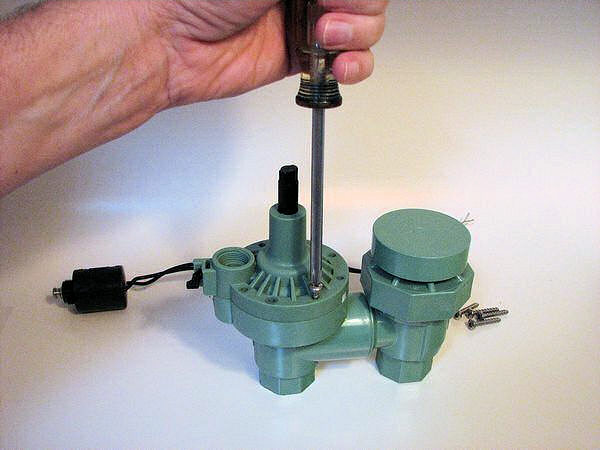
A stock image related to irrigation valve repair.
3 Common User Pain Points for ‘irrigation valve repair’ & Their Solutions
Scenario 1: Troubleshooting a Stuck Irrigation Valve
The Problem:
B2B buyers managing irrigation systems often encounter valves that fail to open or close, leading to overwatering or under-watering. This issue can arise due to debris accumulation inside the valve, improper installation, or electrical malfunctions. For instance, a commercial landscaping company in Brazil may find that a valve in a high-traffic area remains stuck in the open position, causing excessive water usage and potential damage to surrounding areas. Such situations not only waste resources but also result in increased operational costs and customer dissatisfaction.
The Solution:
To address a stuck valve, first ensure that the main water supply is turned off to prevent injury. Begin by manually checking the valve’s functionality through the bleed screw, which allows for pressure relief. If the valve opens manually, the issue likely lies with the controller or electrical connections. If it doesn’t, disassemble the valve to inspect for debris or damage. Clean the internal components, focusing on the diaphragm and ports to ensure they are free from blockages. If you discover damaged parts, consider sourcing a repair kit from a reputable local distributor. This proactive maintenance can extend the lifespan of the valve and improve the overall efficiency of the irrigation system.
Scenario 2: Identifying Electrical Issues in Irrigation Valves
The Problem:
For irrigation systems that rely on automated controllers, electrical issues can prevent valves from operating as intended. A common scenario occurs when a landscaping firm in Saudi Arabia finds that despite programming the controller correctly, certain valves are unresponsive, leading to uneven watering across different zones. This situation can cause significant challenges, especially in arid regions where water conservation is critical.
The Solution:
To troubleshoot electrical problems, start by verifying the integrity of wire connections, ensuring they are clean and free from moisture. Use an ohmmeter to test the solenoid for proper operation. If the solenoid fails to activate, replace it with a compatible model from a trusted supplier. Additionally, consider investing in high-quality waterproof connectors to prevent future issues caused by environmental factors. Regularly scheduled electrical checks and maintenance can help identify problems early, ensuring the irrigation system runs smoothly and efficiently.
Scenario 3: Dealing with Valve Leaks
The Problem:
Leaks in irrigation valves can lead to water loss and increased operational costs, posing a significant concern for businesses managing large-scale agricultural or landscaping projects. A horticultural business in South America might discover that a valve is leaking, resulting in standing water that could damage crops or create breeding grounds for pests. Identifying and repairing such leaks promptly is crucial for maintaining both the health of the plants and the bottom line.
The Solution:
To repair leaking valves, first, isolate the affected valve by shutting off the water supply. Inspect the valve body and seals for signs of wear or damage. If the diaphragm is torn or the seals are degraded, replace them using manufacturer-approved components. Ensure that all screws and fittings are tightened to prevent further leaks. After reassembling the valve, conduct a pressure test to confirm the repair’s effectiveness. For future prevention, consider implementing a regular maintenance schedule that includes checking seals and replacing worn parts before they lead to leaks. This proactive approach not only saves water but also enhances the reliability of the irrigation system.
Strategic Material Selection Guide for irrigation valve repair
What Are the Key Materials for Irrigation Valve Repair?
When it comes to irrigation valve repair, selecting the right materials is crucial for ensuring long-term performance and reliability. Here, we analyze four common materials used in irrigation valve repair, focusing on their properties, advantages, disadvantages, and considerations for international B2B buyers.
How Does PVC Perform in Irrigation Valve Repair?
Key Properties: Polyvinyl Chloride (PVC) is known for its excellent chemical resistance and lightweight nature. It can withstand temperatures up to 140°F (60°C) and pressures typically around 150 PSI, making it suitable for various irrigation applications.
Pros & Cons: PVC is durable and cost-effective, often favored for its low installation costs. However, it can become brittle over time, especially when exposed to UV light or extreme temperatures, which may limit its lifespan in harsh environments.
Impact on Application: PVC is compatible with a wide range of media, including water and some chemicals, making it versatile. However, it is not suitable for high-temperature applications or for use with certain solvents.
Considerations for International Buyers: PVC must comply with local regulations and standards, such as ASTM in the U.S. or EN in Europe. Buyers in regions like Africa and the Middle East should ensure that the PVC used is UV-stabilized for longevity in sunny climates.
What Are the Advantages of Using Brass in Valve Repairs?
Key Properties: Brass is a copper-zinc alloy known for its high strength and excellent corrosion resistance. It can handle high temperatures (up to 200°F or 93°C) and pressures, making it ideal for various irrigation systems.
Pros & Cons: Brass valves are highly durable and resistant to corrosion, which is advantageous in environments with high salinity or other corrosive elements. However, brass tends to be more expensive than other materials, which can impact budget considerations.
Impact on Application: Brass is suitable for potable water applications, making it a preferred choice for systems requiring high sanitation standards. Its compatibility with a wide range of media enhances its application versatility.
Considerations for International Buyers: Buyers should be aware of the specific brass alloy standards (like ASTM B283) and ensure that the materials meet local compliance requirements, especially in regions like Europe, where regulations may be stricter.
Why Choose Stainless Steel for Irrigation Valve Repair?
Key Properties: Stainless steel offers exceptional corrosion resistance, particularly in saline environments. It can withstand high temperatures (up to 900°F or 482°C) and pressures, making it suitable for demanding applications.
Pros & Cons: The durability and aesthetic appeal of stainless steel make it a premium choice. However, its higher cost and complexity in manufacturing can be limiting factors for budget-conscious buyers.
Impact on Application: Stainless steel is ideal for applications involving aggressive media, including acidic or alkaline solutions. Its robustness ensures a longer lifespan, reducing the frequency of repairs.
Considerations for International Buyers: Compliance with international standards (such as ASTM A312 for pipes) is essential. Buyers in regions like South America and the Middle East should consider the availability of stainless steel grades suitable for their specific environmental conditions.
What Role Does Nylon Play in Valve Repair?
Key Properties: Nylon is a synthetic polymer known for its strength and flexibility. It can handle moderate temperatures (up to 180°F or 82°C) and pressures, making it suitable for various irrigation applications.
Pros & Cons: Nylon is lightweight and resistant to abrasion, which makes it easy to install and handle. However, it may not be as durable as metals and can degrade under prolonged UV exposure, limiting its use in outdoor applications.
Impact on Application: Nylon is compatible with water and some chemicals but may not be suitable for high-pressure systems. Its flexibility allows for easy integration into existing systems.
Considerations for International Buyers: Buyers should ensure that the nylon used meets relevant standards (like ASTM D4066) and is UV-stabilized for outdoor applications, particularly in regions with high sun exposure.
Summary Table of Material Selection for Irrigation Valve Repair
| Material | Typical Use Case for irrigation valve repair | Key Advantage | Key Disadvantage/Limitation | Relative Cost (Low/Med/High) |
|---|---|---|---|---|
| PVC | General irrigation systems | Cost-effective and lightweight | Brittle over time | Low |
| Brass | Potable water applications | Excellent corrosion resistance | Higher cost | High |
| Stainless Steel | Aggressive media applications | Exceptional durability | Expensive and complex manufacturing | High |
| Nylon | Flexible irrigation systems | Lightweight and easy to handle | Limited durability under UV exposure | Medium |
This strategic material selection guide provides B2B buyers with essential insights into the materials used for irrigation valve repair, helping them make informed decisions that align with their operational needs and regional standards.
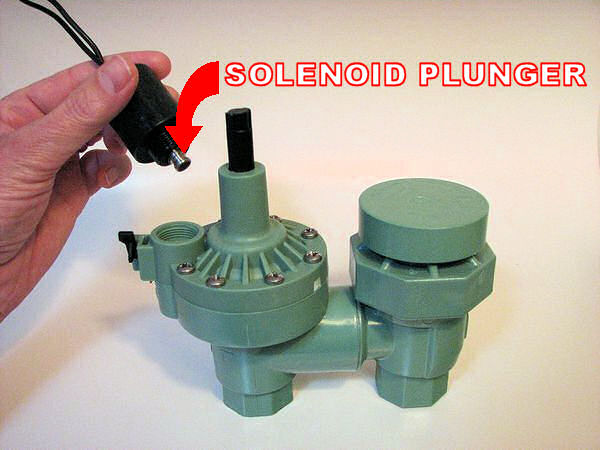
A stock image related to irrigation valve repair.
In-depth Look: Manufacturing Processes and Quality Assurance for irrigation valve repair
What Are the Key Manufacturing Processes for Irrigation Valve Repair?
The manufacturing processes involved in irrigation valve repair are critical to ensuring the longevity and efficiency of the valves. These processes can be broken down into four main stages: material preparation, forming, assembly, and finishing.
How Is Material Prepared for Irrigation Valve Repair?
The first step in the manufacturing process is material preparation. This involves selecting high-quality materials that can withstand environmental stressors and the demands of irrigation systems. Common materials include brass, PVC, and various alloys, which are chosen based on their durability and corrosion resistance.
Once the materials are selected, they undergo a series of treatments, such as cutting, machining, and surface finishing. These steps ensure that the components are the correct size and shape and that their surfaces are smooth enough to prevent leaks. For instance, machining processes may include turning and milling, which help achieve precise dimensions for critical components like the valve body and diaphragm.
What Techniques Are Used in Forming Irrigation Valves?
After material preparation, the next stage is forming. This can involve several techniques, including injection molding for plastic components and forging or casting for metal parts. Injection molding is particularly useful for producing complex shapes with high precision, while casting allows for the creation of larger components with intricate designs.
Forming techniques also include stamping and bending, which are often employed in the production of valve components such as springs and diaphragms. The choice of forming technique depends on the desired properties of the final product, including strength, weight, and cost-effectiveness.
How Are Components Assembled in Valve Repair?
Assembly is a crucial phase in the manufacturing process. It involves putting together the various components that make up the irrigation valve. This process may be manual or automated, depending on the scale of production and the complexity of the assembly.
During assembly, it is essential to follow strict guidelines to ensure that all parts fit correctly and function as intended. Common assembly techniques include the use of screws, bolts, and adhesives, which must be carefully tightened to avoid damaging sensitive components like the diaphragm. The assembly process should also include checks for alignment and sealing to prevent leaks and ensure optimal performance.
What Finishing Processes Enhance the Quality of Irrigation Valves?
Finishing processes play a vital role in enhancing the quality and durability of irrigation valves. These processes typically involve surface treatments such as coating, plating, or polishing, which protect against corrosion and wear. For instance, a common practice is to apply a protective coating to metal components to extend their lifespan and improve their resistance to harsh environmental conditions.
In addition to protective coatings, finishing may also include quality inspections to ensure that all components meet the necessary specifications. This can involve visual inspections, dimensional checks, and functional testing to verify that the valves operate correctly under various conditions.
What Quality Assurance Standards Should B2B Buyers Look For?
Quality assurance is paramount in the manufacturing process of irrigation valves. International standards such as ISO 9001 provide a framework for ensuring consistent quality across manufacturing processes. This standard emphasizes the importance of a quality management system that focuses on customer satisfaction and continual improvement.
In addition to ISO standards, industry-specific certifications like CE marking (for products sold in Europe) and API standards (for oil and gas applications) are crucial indicators of quality and safety. These certifications ensure that the products meet specific performance and safety requirements, which can vary by region.
What Are the Quality Control Checkpoints in Valve Manufacturing?
Quality control (QC) is integrated at various stages of the manufacturing process to identify and rectify issues before the final product reaches the customer. Key QC checkpoints include:
Incoming Quality Control (IQC): This stage involves inspecting raw materials and components upon arrival to ensure they meet specified standards.
In-Process Quality Control (IPQC): Throughout the manufacturing process, various checks are performed to monitor the quality of components as they are being produced. This can include dimensional checks and functional tests to ensure components are being manufactured correctly.
Final Quality Control (FQC): Once the valves are fully assembled, a final inspection is conducted. This includes testing the valves under pressure to check for leaks and verifying that they operate correctly according to specifications.
How Can B2B Buyers Verify Supplier Quality Control?
B2B buyers must conduct thorough due diligence when selecting suppliers for irrigation valve repair. One effective way to verify a supplier’s quality control processes is through audits. These audits can be conducted either internally or by third-party organizations specializing in quality assurance.
Additionally, buyers should request quality control reports that detail the supplier’s QC processes and any testing methods used. This documentation can provide insight into the supplier’s commitment to quality and help buyers make informed decisions.
What Testing Methods Are Commonly Used in Quality Assurance for Irrigation Valves?
Testing methods are essential for ensuring that irrigation valves meet industry standards and perform reliably. Common testing methods include:
Hydrostatic Testing: This method involves filling the valve with water and pressurizing it to check for leaks. It is a standard practice to ensure the valve can withstand the pressures it will encounter in real-world applications.
Functional Testing: This testing method evaluates the valve’s operational performance. It checks for responsiveness to control signals and the proper functioning of solenoids and other electronic components.
Material Testing: To verify the durability and suitability of materials, suppliers may perform tests such as tensile strength tests, hardness tests, and corrosion resistance tests.
What Nuances Should International Buyers Consider Regarding QC and Certification?
International B2B buyers, particularly those from regions like Africa, South America, the Middle East, and Europe, should be aware of the nuances in quality control and certification. Different regions may have specific regulatory requirements that affect product certification and quality assurance processes.
For example, while CE marking is essential for products sold in Europe, other regions may have different certification standards. Buyers should familiarize themselves with the local regulations in their target markets to ensure compliance and avoid potential issues.
Moreover, it’s advisable for buyers to establish clear communication with suppliers regarding quality expectations and certification requirements. This can help ensure that the products received meet all necessary standards and specifications.
In conclusion, a comprehensive understanding of the manufacturing processes and quality assurance practices for irrigation valve repair is essential for B2B buyers. By focusing on quality at every stage of production and verifying supplier capabilities, buyers can ensure they are investing in reliable and durable products.
Practical Sourcing Guide: A Step-by-Step Checklist for ‘irrigation valve repair’
To assist B2B buyers in the procurement of irrigation valve repair services, this guide outlines essential steps to ensure effective sourcing. The irrigation system’s efficiency relies heavily on the quality of valve repairs, making it crucial to follow a structured approach when selecting suppliers.
Step 1: Define Your Technical Specifications
Before engaging with potential suppliers, clearly outline your technical requirements for irrigation valve repairs. This includes types of valves, common issues, and expected turnaround times. Being specific helps suppliers understand your needs and prevents miscommunication later.
- Types of Valves: Identify if you need repairs for solenoid, manual, or automatic valves.
- Common Issues: List frequent problems you encounter, such as debris blockage or solenoid failure.
Step 2: Research Potential Suppliers
Conduct thorough market research to identify potential suppliers specializing in irrigation valve repairs. Utilize online directories, industry associations, and trade shows to compile a list of candidates.
- Online Reviews: Look for customer feedback on platforms like Google and industry forums.
- Industry Reputation: Investigate how long they have been in business and their standing within the industry.
Step 3: Evaluate Supplier Certifications
Verify that your shortlisted suppliers hold relevant certifications and accreditations. Certifications can indicate adherence to industry standards and quality assurance practices.
- ISO Certifications: Suppliers with ISO certifications demonstrate a commitment to quality management.
- Local Regulations: Ensure compliance with local regulations in your target regions, such as Africa or South America.
Step 4: Request Detailed Quotations
Once you have a list of qualified suppliers, request detailed quotations. This should include pricing, services offered, and estimated timelines for repairs.
- Breakdown of Costs: Ensure the quote provides a clear breakdown of labor, materials, and any additional fees.
- Warranty Terms: Inquire about warranty terms for repairs, as this reflects the supplier’s confidence in their work.
Step 5: Conduct Site Visits or Audits
If feasible, arrange site visits to potential suppliers’ facilities. This allows you to assess their operational capabilities, quality control processes, and overall professionalism.
- Equipment and Technology: Evaluate the tools and technology used for repairs.
- Cleanliness and Organization: A well-organized workshop often indicates a supplier’s attention to detail.
Step 6: Check References and Case Studies
Request references from previous clients and case studies that showcase the supplier’s experience with similar projects. This step provides insight into their reliability and quality of service.
- Client Feedback: Speak directly to former clients about their satisfaction with repair services.
- Project Examples: Review case studies that highlight successful repairs, especially in your specific industry.
Step 7: Negotiate Terms and Finalize the Agreement
Before finalizing any contracts, negotiate terms that suit both parties. This includes payment terms, service level agreements, and turnaround times.
- Flexibility: Ensure the contract allows for adjustments in case of unforeseen circumstances.
- Clear Communication: Establish a clear line of communication for ongoing updates and potential issues.
By following this step-by-step guide, B2B buyers can effectively source irrigation valve repair services that meet their operational needs and enhance the performance of their irrigation systems.
Comprehensive Cost and Pricing Analysis for irrigation valve repair Sourcing
What Are the Key Cost Components for Irrigation Valve Repair?
When sourcing irrigation valve repair services, understanding the cost structure is crucial for international B2B buyers. The primary cost components include materials, labor, manufacturing overhead, tooling, quality control (QC), logistics, and profit margins.
Materials: This encompasses the cost of replacement parts such as solenoids, diaphragms, and valve bodies. Prices can vary significantly based on the quality and source of materials, with premium components costing more but offering better longevity and reliability.
Labor: Labor costs can fluctuate based on geographical location and local wage standards. In regions like Saudi Arabia and Brazil, labor may be more expensive due to skill requirements and labor laws, impacting overall repair costs.
Manufacturing Overhead: This includes indirect costs associated with the production of valves, such as utilities, rent, and administrative expenses. Manufacturers with streamlined operations tend to have lower overhead, which can reflect in pricing.
Tooling: Specialized tools required for valve repair contribute to initial setup costs. If a supplier needs to invest in specific tools for a customized solution, this expense will be factored into the final pricing.
Quality Control: Ensuring that repaired valves meet industry standards often involves rigorous testing, which incurs additional costs. Suppliers with certifications (e.g., ISO) may charge more due to their commitment to quality assurance.
Logistics: The cost of transporting materials and finished products can vary, especially for international shipments. Factors such as shipping method, distance, and customs duties play a significant role in logistics costs.
Margin: Suppliers typically add a profit margin to cover their risks and ensure sustainability. This margin can vary based on competition, market demand, and perceived value of the service provided.
How Do Price Influencers Impact Irrigation Valve Repair Costs?
Several factors influence the pricing of irrigation valve repair, and understanding these can help buyers make informed decisions.
Volume/MOQ: Purchasing in larger quantities may lead to discounts. Suppliers often provide more favorable pricing for bulk orders, benefiting companies with extensive irrigation systems.
Specifications and Customization: Custom solutions tailored to specific needs can increase costs. Buyers should weigh the need for customization against standard options, which are typically cheaper.
Materials: The choice of materials significantly impacts pricing. High-quality, durable materials may incur higher upfront costs but can reduce long-term maintenance expenses.
Quality and Certifications: Suppliers with recognized certifications may charge a premium. However, this investment often results in better performance and reliability, translating to lower Total Cost of Ownership (TCO) over time.
Supplier Factors: The reputation and reliability of the supplier can affect pricing. Established suppliers with proven track records may command higher prices due to their reliability and service quality.
Incoterms: Understanding the shipping terms is crucial for cost calculations. Different Incoterms can shift responsibilities and costs between buyers and sellers, impacting the overall price.
What Buyer Tips Can Help Negotiate Better Prices for Irrigation Valve Repair?
For B2B buyers, especially in diverse markets like Africa, South America, the Middle East, and Europe, effective negotiation and cost management strategies are essential.
Negotiation: Engage suppliers in discussions about pricing, especially for bulk orders or long-term contracts. Building a relationship can lead to better terms and pricing flexibility.
Cost-Efficiency: Assess the long-term costs associated with repairs, not just the initial price. A lower upfront cost might lead to higher maintenance expenses if the quality is compromised.
Total Cost of Ownership: Evaluate the TCO by considering all associated costs, including installation, maintenance, and potential downtime. Investing in higher-quality repairs may yield savings in the long run.
Pricing Nuances for International Buyers: Be aware of currency fluctuations and regional pricing disparities. Understanding local market conditions can provide leverage during negotiations.
Disclaimer on Indicative Prices
Prices for irrigation valve repair services are subject to variation based on the aforementioned factors. It is advisable for buyers to obtain multiple quotes and conduct thorough research to ensure competitive pricing that meets their specific needs.
Alternatives Analysis: Comparing irrigation valve repair With Other Solutions
Understanding Alternatives to Irrigation Valve Repair
In the realm of irrigation systems, maintaining operational efficiency is crucial for agricultural success. While irrigation valve repair is a common method for addressing valve issues, several alternative solutions exist that may be more suitable depending on specific circumstances. This analysis explores how irrigation valve repair stacks up against other viable options, enabling B2B buyers to make informed decisions.
| Comparison Aspect | Irrigation Valve Repair | Replacement with New Valves | Smart Irrigation Technology |
|---|---|---|---|
| Performance | Restores functionality if debris or minor damage is present. | Offers potentially higher efficiency and reliability with new technology. | Enhances water management through automation and real-time data. |
| Cost | Generally low-cost, especially if DIY repairs are possible. | Higher initial investment required for purchasing new valves. | Potentially higher upfront costs but can save on long-term water usage. |
| Ease of Implementation | Can be done by users with basic technical skills, though may require professional help for complex issues. | Installation requires professional assistance for optimal performance. | Requires installation of software and hardware, plus user training. |
| Maintenance | Regular maintenance needed to prevent future issues. | Minimal maintenance if quality valves are selected. | Low ongoing maintenance, but software updates may be required. |
| Best Use Case | Ideal for quick fixes and existing systems. | Best for outdated or consistently malfunctioning systems. | Optimal for large-scale operations looking to optimize water usage. |
In-Depth Analysis of Alternatives
Replacement with New Valves
Replacing irrigation valves is often a straightforward solution when repairs become too frequent or when older models are not performing as expected. The primary advantage of this approach is the assurance of reliability and efficiency, as new valves typically come with modern features that enhance water flow and reduce leaks. However, the cost associated with purchasing and installing new valves can be significant, making this solution less attractive for budget-conscious operations. For businesses in regions with fluctuating budgets, this option may only be viable if long-term efficiency gains justify the initial expense.
Smart Irrigation Technology
Smart irrigation technology represents a cutting-edge solution for optimizing irrigation systems. By utilizing sensors and automated controls, this technology can monitor soil moisture and weather conditions to adjust watering schedules in real-time, minimizing waste. The main advantage of smart systems is their potential for significant water savings and increased crop yield through more efficient irrigation practices. However, the initial investment in technology and the need for training can be barriers for some businesses. This solution is best suited for large agricultural operations or regions with water scarcity where every drop counts.
Choosing the Right Solution for Your Needs
When deciding between irrigation valve repair and its alternatives, B2B buyers should carefully assess their specific needs and operational contexts. Factors such as budget, existing infrastructure, and long-term goals should guide the decision-making process. For immediate, cost-effective solutions, valve repair may be the best route. Conversely, for businesses seeking to future-proof their operations, investing in new valves or smart technology could yield substantial benefits in efficiency and sustainability. Ultimately, the right choice will align with the buyer’s strategic objectives and operational capabilities.
Essential Technical Properties and Trade Terminology for irrigation valve repair
What Are the Key Technical Properties of Irrigation Valves for Effective Repair?
Understanding the technical properties of irrigation valves is essential for efficient repair and maintenance. Here are some critical specifications that should be taken into account:
Material Grade
The material of the valve significantly influences its durability and resistance to environmental conditions. Common materials include PVC, brass, and stainless steel. Choosing the right material is vital for ensuring longevity and performance, especially in diverse climates like those found in Africa and South America.Pressure Rating
This specification indicates the maximum pressure a valve can handle without failure. It is typically measured in pounds per square inch (PSI). Selecting a valve with an appropriate pressure rating is crucial for preventing leaks and ensuring system integrity, particularly in high-pressure irrigation systems.Flow Rate
Measured in gallons per minute (GPM) or liters per second (L/s), the flow rate indicates how much water can pass through the valve. This property is key for optimizing irrigation efficiency and ensuring that all areas of a landscape receive adequate water.Tolerance
Tolerance refers to the acceptable range of variation in the valve’s dimensions. Precise tolerances are critical for ensuring a proper fit and function within the irrigation system, reducing the risk of leaks and failures.Diaphragm Type
The diaphragm is a critical component that regulates water flow. Common types include flat, rubber, and reinforced diaphragms. Understanding the diaphragm type can help in choosing the right replacement parts, as each type has different performance characteristics and durability levels.Actuation Method
Valves can be manually or electrically actuated. Knowing the actuation method is essential for troubleshooting and repairs, as it affects how the valve interacts with the irrigation controller and the overall system.
What Common Trade Terms Should You Know in Irrigation Valve Repair?
Familiarity with industry jargon can facilitate smoother transactions and communications. Here are some common terms relevant to irrigation valve repair:
OEM (Original Equipment Manufacturer)
This term refers to companies that produce parts that are used in the manufacturing of a specific product. For irrigation valves, knowing the OEM can help buyers source compatible replacement parts that maintain the integrity of the original system.MOQ (Minimum Order Quantity)
This specification indicates the smallest quantity of a product that a supplier is willing to sell. Understanding MOQ is crucial for B2B buyers to effectively manage inventory levels and avoid excess costs.RFQ (Request for Quotation)
An RFQ is a document that buyers send to suppliers to solicit pricing and terms for specific products. In the context of irrigation valves, an RFQ can help buyers compare costs and specifications from multiple suppliers, ensuring they make informed purchasing decisions.Incoterms (International Commercial Terms)
These are a series of pre-defined commercial terms published by the International Chamber of Commerce (ICC). They clarify the responsibilities of buyers and sellers in international transactions, particularly concerning shipping and delivery. Understanding Incoterms is essential for managing logistics and ensuring compliance in cross-border purchases.Lead Time
This term refers to the time it takes from placing an order to receiving the product. Knowing the lead time for irrigation valve repairs can help businesses plan maintenance schedules more effectively, minimizing downtime.Warranty Period
The warranty period defines the duration during which a product is guaranteed against defects. In irrigation valve repairs, a solid warranty can indicate the manufacturer’s confidence in their product and provide peace of mind for buyers.
By understanding these essential technical properties and trade terms, B2B buyers can make informed decisions that enhance the efficiency and effectiveness of their irrigation systems.
Navigating Market Dynamics and Sourcing Trends in the irrigation valve repair Sector
What Are the Key Market Dynamics and Trends in the Irrigation Valve Repair Sector?
The irrigation valve repair market is experiencing notable growth driven by several global factors. Increased agricultural demand, particularly in regions like Africa and South America, is pushing the need for efficient irrigation systems. Climate variability and water scarcity are compelling farmers and businesses to invest in reliable irrigation solutions, thereby propelling the demand for repair and maintenance services. Additionally, technological advancements are reshaping the sector; automation and smart irrigation technologies are becoming more prevalent, leading to a need for specialized repair services that can adapt to these innovations.
International B2B buyers are also witnessing a shift towards digital sourcing trends. Online platforms and marketplaces facilitate easier access to a variety of repair components and services. This trend is particularly beneficial for buyers from regions such as the Middle East and Europe, where local suppliers may be limited. Furthermore, the integration of data analytics in supply chain management allows for more efficient inventory control and forecasting, enhancing the overall procurement process.
Another emerging trend is the move towards modular and standardized components in irrigation systems. This standardization simplifies the repair process and makes it easier for suppliers to stock essential parts. As businesses seek to streamline operations and reduce downtime, the demand for readily available repair kits and components is likely to increase.
How Is Sustainability Shaping the Sourcing of Irrigation Valve Repair Components?
Sustainability is becoming a critical consideration in the irrigation valve repair sector. Environmental impacts related to water usage and resource management are at the forefront of global discussions, particularly in agricultural contexts. B2B buyers are increasingly prioritizing suppliers that demonstrate a commitment to sustainable practices. This includes using eco-friendly materials and processes in the production of irrigation components.
Ethical sourcing is also gaining traction, with businesses seeking to ensure that their supply chains are not only efficient but also responsible. This involves vetting suppliers for fair labor practices and minimizing their carbon footprints. Buyers are encouraged to look for certifications that indicate sustainable practices, such as ISO 14001 for environmental management or certifications related to responsible sourcing.
The push for ‘green’ materials in irrigation valve repair is leading to innovations such as biodegradable seals and recycled components. These materials not only reduce environmental impact but can also enhance the durability and efficiency of irrigation systems. By choosing suppliers who prioritize sustainability, international buyers can contribute to environmental stewardship while also meeting the growing consumer demand for eco-friendly practices.
How Has the Irrigation Valve Repair Sector Evolved Over Time?
The irrigation valve repair sector has evolved significantly over the past few decades. Initially, repairs were predominantly conducted manually, relying on traditional techniques and locally sourced components. As the agricultural landscape changed, driven by the need for higher efficiency and productivity, the industry began to adopt more sophisticated technologies and repair methodologies.
In the early 2000s, the introduction of automated irrigation systems marked a turning point, necessitating specialized repair services that could address the complexities of these systems. The rise of digital technologies has further transformed the market, enabling remote diagnostics and predictive maintenance, thus reducing the frequency and cost of repairs.
Today, the sector is characterized by a blend of traditional craftsmanship and modern technology, with an increasing emphasis on sustainability and ethical sourcing. This evolution reflects the broader trends in agriculture and environmental responsibility, paving the way for a more resilient and efficient irrigation valve repair industry.
Frequently Asked Questions (FAQs) for B2B Buyers of irrigation valve repair
How do I solve a malfunctioning irrigation valve?
To address a malfunctioning irrigation valve, first, check if the water supply is turned on and if the controller is functioning correctly. If the valve is stuck open or closed, manually operate it using the bleed screw. Inspect the solenoid for proper function by testing it with an ohmmeter. Disassemble the valve to clean any debris from the diaphragm and ports, ensuring all parts are in good condition before reassembling. If issues persist, consider replacing the solenoid or the entire valve, depending on the extent of the damage.What is the best method for cleaning irrigation valves?
The best method for cleaning irrigation valves involves disassembling the valve carefully to access the diaphragm and ports. Start by shutting off the water supply and removing the solenoid. Clean the diaphragm and spring with fresh water, ensuring there are no tears or debris. Use a flexible wire or a toothbrush to clear any blockages in the valve body and ports. After cleaning, reassemble the valve in the reverse order, making sure not to over-tighten screws to avoid damage.What are the key factors to consider when sourcing irrigation valve repair services internationally?
When sourcing irrigation valve repair services internationally, consider the supplier’s experience and reputation in the industry. Check for certifications and compliance with local regulations. Evaluate their ability to provide quality parts and services, as well as their track record with previous international clients. Additionally, assess their logistical capabilities, including shipping times and costs, to ensure timely delivery of services and parts to your location.How can I vet suppliers for irrigation valve repair?
To vet suppliers for irrigation valve repair, start by researching their credentials and market presence. Look for customer reviews and testimonials to gauge their service quality. Request references from previous clients, especially those in your region, to understand their experiences. Additionally, assess the supplier’s communication responsiveness and willingness to provide technical support. Conducting a site visit, if feasible, can also help in evaluating their operational capabilities and quality control processes.What customization options are available for irrigation valve repair parts?
Customization options for irrigation valve repair parts can vary by supplier. Many manufacturers offer tailored solutions based on specific agricultural or landscaping needs, such as size adjustments or unique material specifications. When sourcing parts, inquire about available customization features, including compatibility with existing systems and performance enhancements. Additionally, consider discussing your requirements early in the procurement process to ensure that the supplier can meet your specific needs effectively.What are typical minimum order quantities (MOQs) for irrigation valve repair components?
Minimum order quantities (MOQs) for irrigation valve repair components can vary significantly based on the supplier and the type of parts needed. Generally, MOQs can range from a few units for standard components to larger quantities for custom or specialized parts. When negotiating with suppliers, clarify their MOQ policies and explore options for bulk discounts or trial orders. This approach can help you manage costs while ensuring you have sufficient inventory for your repair needs.What payment terms should I expect when purchasing irrigation valve repair parts?
Payment terms for purchasing irrigation valve repair parts can differ among suppliers. Common terms include upfront payments, deposits, or payment upon delivery. Some suppliers may offer credit terms based on your business relationship or volume of orders. It’s essential to discuss and negotiate payment terms upfront to avoid misunderstandings later. Additionally, consider the currency exchange rates and international transaction fees if dealing with overseas suppliers.How can I ensure quality assurance (QA) for irrigation valve repair services?
To ensure quality assurance (QA) for irrigation valve repair services, ask potential suppliers about their QA processes and standards. Verify if they have certifications such as ISO, which demonstrate adherence to international quality standards. Request samples of repaired valves or parts to evaluate their workmanship before committing to larger orders. Establish clear communication regarding expectations and quality benchmarks, and consider implementing regular inspections or audits to maintain quality throughout the partnership.
Important Disclaimer & Terms of Use
⚠️ Important Disclaimer
The information provided in this guide, including content regarding manufacturers, technical specifications, and market analysis, is for informational and educational purposes only. It does not constitute professional procurement advice, financial advice, or legal advice.
While we have made every effort to ensure the accuracy and timeliness of the information, we are not responsible for any errors, omissions, or outdated information. Market conditions, company details, and technical standards are subject to change.
B2B buyers must conduct their own independent and thorough due diligence before making any purchasing decisions. This includes contacting suppliers directly, verifying certifications, requesting samples, and seeking professional consultation. The risk of relying on any information in this guide is borne solely by the reader.
Top 9 Irrigation Valve Repair Manufacturers & Suppliers List
1. Sprinkler Warehouse – How To Fix A Broken Sprinkler Valve

Domain: school.sprinklerwarehouse.com
Registered: 1999 (26 years)
Introduction: How To Fix A Broken Sprinkler Valve: 1. Shut off the water to the valve manifold or the area where you are working and remove standing water if possible. 2. Unscrew the solenoid and set it aside (keep it clean and out of dirt or mud). 3. Unscrew the top of your valve (or unbolt the top) and remove it. 4. Open the top of the replacement valve you purchased. 5. Remove the internal parts from the def…
2. Sprinkler System – Valve Replacement

Domain: reddit.com
Registered: 2005 (20 years)
Introduction: Cost to replace all 7 sprinkler valves: $1250. Previous repair included replacing the control unit and some wiring for $350. The valves are old, and replacement parts are no longer available, indicating a full valve replacement is necessary.
3. Hunter Irrigation – Valve Maintenance Guide
Domain: hunterirrigation.com
Registered: 2001 (24 years)
Introduction: The text provides guidance on cleaning debris from irrigation valves, indicating that debris inside the valve can cause it to run continuously. Key steps include: 1. Turn off the irrigation controller and main water supply. 2. Unscrew the solenoid and check the plunger for cleanliness and movement. 3. Remove the bonnet and diaphragm, ensuring to note their orientation for reassembly. 4. Clean the …
4. Arrowhead-Champion – Vacuum Breaker
Domain: diy.stackexchange.com
Registered: 2009 (16 years)
Introduction: Champion Classic 3/4″ As Max PSI 150 466 Max Temp 110o, Manufacturer: Arrowhead-Champion, Vacuum Breaker, Made in the USA.
5. Fimco – Hydro-Indexing Flow Valve

Domain: houzz.com
Registered: 2006 (19 years)
Introduction: The items discussed include a zone valve and a manifold, specifically a Fimco Hydro-Indexing Flow Valve. The zone valve typically operates with 24 volts AC and can be replaced with various brands and styles. The manifold has one inlet and multiple outlets, functioning as an indexing valve that allows one zone to be watered at a time, minimizing water draw and pressure requirements. The specific pa…
6. Do It Yourself – Irrigation Control Valve

Domain: doityourself.com
Registered: 1995 (30 years)
Introduction: Irrigation control valve with two parts: a diaphragm operated water control valve and a vacuum breaker. The control valve has tiny holes on the top for water to escape with good pressure. No electric connection to the control valve.
7. Horizon – Checkmate 3
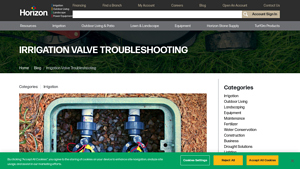
Domain: horizononline.com
Registered: 1997 (28 years)
Introduction: The text provides troubleshooting guidance for irrigation valves, including checks for electrical and mechanical issues. Key products mentioned include the Checkmate 3 and Checker Plus for solenoid operation verification, and the Checker Jr. as a kick-start device. It also suggests purchasing valve repair kits at Horizon stores for worn or damaged parts.
8. JustAnswer – Sprinkler Valve Replacement
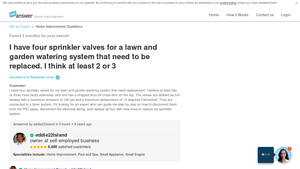
Domain: justanswer.com
Registered: 2004 (21 years)
Introduction: Four sprinkler valves for lawn and garden watering system, labeled as 3/4″ Fairway, maximum pressure of 160 psi, maximum temperature of 10 degrees Fahrenheit, connected to a timer system. Issues include faulty solenoids and a stripped shut-off cross. Replacement involves disconnecting from PVC pipes and electrical wiring, with recommendations for using special exterior wire caps for waterproofing.
9. Simmons Landscape – Valve Repair Costs
Domain: simmonslandscape.com
Registered: 2003 (22 years)
Introduction: Average valve repair costs range from $300 to $400. Minor DIY repairs, such as sprinkler head replacement, can cost between $5 to $20 per head. Valve replacement costs between $300 and $400. Advanced repairs for issues like a damaged backflow preventer can cost between $500 to $1700+, while malfunctioning sprinkler system controllers can cost between $300 to $1,000+. Pipe repairs range from $300 t…
Strategic Sourcing Conclusion and Outlook for irrigation valve repair
In the evolving landscape of irrigation valve repair, strategic sourcing emerges as a critical component for optimizing operational efficiency and minimizing downtime. By understanding the intricacies of valve maintenance—such as the importance of regular cleaning, the proper handling of components like solenoids and diaphragms, and the necessity of thorough troubleshooting—businesses can not only enhance their irrigation systems but also extend the lifespan of their equipment.
Engaging with reliable suppliers for quality parts and repair kits is essential, particularly in diverse markets across Africa, South America, the Middle East, and Europe. This approach not only ensures that repairs are conducted with the best materials but also fosters strong relationships that can lead to better pricing and support.
As the global demand for sustainable agriculture and efficient water management continues to rise, now is the time for international buyers to prioritize strategic sourcing in their irrigation valve repair processes. By investing in high-quality components and expert knowledge, businesses can position themselves for success in a competitive market. Embrace the future of irrigation management by reaching out to trusted suppliers and enhancing your operational capabilities today.
 English (United States)
  Spanish (Spain)
  Portuguese (Portugal)
  French
  German
  Italian
  Arabic
  Dutch
Dutch  English (UK)
  Bulgarian
  Chinese (China)
  Chinese (Hong Kong)
  Czech
Czech  Danish
  Greek
Greek  Finnish
  Spanish (Mexico)
  Estonian
  Hebrew
  Hungarian
  Indonesian
  Japanese
  Korean
  Latvian
  Lithuanian
  Norwegian
  Polish
  Portuguese (Brazil)
  Romanian
  Russian
  Slovenian
  Slovak
  Swedish
  Turkish
  Ukrainian
  Vietnamese