
Introduction: Navigating the Global Market for globe irrigation valve
In the complex landscape of global agriculture, sourcing high-quality globe irrigation valves is a critical challenge for B2B buyers seeking efficiency and reliability. As water scarcity and sustainable practices gain prominence, selecting the right irrigation valve can significantly impact both crop yield and resource management. This comprehensive guide delves into the various types of globe irrigation valves available in the market, their applications across different agricultural settings, and essential considerations for supplier vetting.
International buyers, particularly those from Africa, South America, the Middle East, and Europe—including key markets like Germany and Vietnam—will find valuable insights on navigating supplier relationships and understanding pricing dynamics. The guide not only outlines the technical specifications and features to look for in globe irrigation valves, such as durability, flow control, and ease of maintenance, but also offers actionable advice on negotiating contracts and ensuring compliance with regional standards.
By empowering buyers with knowledge and practical strategies, this guide aims to facilitate informed purchasing decisions that align with the unique agricultural needs of diverse markets. Whether you are upgrading existing systems or embarking on new projects, understanding the nuances of globe irrigation valves is essential for optimizing irrigation efficiency and achieving sustainable agricultural practices.
Understanding globe irrigation valve Types and Variations
| Type Name | Key Distinguishing Features | Primary B2B Applications | Brief Pros & Cons for Buyers |
|---|---|---|---|
| Inline Globe Valve | Compact design, typically for low-pressure systems | Residential and light commercial | Pros: Space-efficient, easy to install. Cons: Limited flow rates compared to larger valves. |
| Angle Globe Valve | Angled configuration for flexible installations | Landscaping, irrigation systems | Pros: Versatile installation options. Cons: May require more fittings, increasing costs. |
| Flow Control Globe Valve | Integrated flow control mechanism for precise water management | Agricultural and horticultural use | Pros: Enhanced control over water flow. Cons: More complex, potentially higher maintenance. |
| Plastic Globe Valve | Lightweight, corrosion-resistant materials | Cost-sensitive projects | Pros: Cost-effective, durable. Cons: May not withstand extreme pressures as well as metal options. |
| Brass Globe Valve | Heavy-duty construction for high-pressure applications | Industrial irrigation systems | Pros: High durability, excellent for harsh conditions. Cons: Heavier and more expensive than plastic alternatives. |
What Are the Characteristics of Inline Globe Valves?
Inline globe valves are designed for compact installations, making them ideal for low-pressure irrigation systems. They feature a streamlined design that allows for easy integration into existing piping networks, particularly in residential and light commercial applications. When considering an inline globe valve, buyers should evaluate the flow rate capabilities and ensure compatibility with their irrigation system’s pressure requirements. While these valves are generally easy to install, they may not provide the same flow capacity as larger valve types.
How Do Angle Globe Valves Enhance Installation Flexibility?
Angle globe valves are characterized by their unique angled design, allowing for greater flexibility in installation. This feature is particularly beneficial in landscaping and irrigation systems where space constraints or specific directional flow is needed. Buyers should consider the additional fittings required for installation, which can increase overall project costs. However, the versatility of angle globe valves makes them a preferred choice for complex irrigation setups.
Why Choose Flow Control Globe Valves for Agricultural Applications?
Flow control globe valves come equipped with mechanisms that allow users to adjust the water flow precisely, making them particularly suitable for agricultural and horticultural applications. These valves enable farmers and landscapers to optimize water usage, which is crucial in regions facing water scarcity. When purchasing flow control globe valves, B2B buyers should assess the ease of operation and maintenance, as these valves can be more complex than standard models.
What Advantages Do Plastic Globe Valves Offer for Cost-Sensitive Projects?
Plastic globe valves are lightweight and resistant to corrosion, making them an attractive option for cost-sensitive irrigation projects. Their affordability and ease of installation appeal to buyers looking to minimize expenses without sacrificing quality. However, it’s essential to note that plastic valves may not handle high-pressure scenarios as effectively as their metal counterparts. B2B buyers should carefully evaluate the intended application to ensure that plastic valves meet their operational needs.
When Are Brass Globe Valves the Best Choice for Industrial Applications?
Brass globe valves are renowned for their durability and ability to withstand high-pressure environments, making them ideal for industrial irrigation systems. Their robust construction ensures reliability even under harsh conditions, which is vital for large-scale agricultural operations. While brass valves tend to be more expensive and heavier than plastic options, their longevity and performance justify the investment. Buyers in the industrial sector should prioritize quality and pressure ratings when selecting brass globe valves for their systems.
Key Industrial Applications of globe irrigation valve
| Industry/Sector | Specific Application of Globe Irrigation Valve | Value/Benefit for the Business | Key Sourcing Considerations for this Application |
|---|---|---|---|
| Agriculture | Precision irrigation in crop fields | Enhances water efficiency, leading to increased crop yield | Durability under varying pressure and temperature conditions |
| Landscaping & Horticulture | Control of water flow in residential and commercial landscapes | Improves aesthetic value and health of plants | Compatibility with existing systems and ease of maintenance |
| Golf Courses | Automated irrigation systems for greens and fairways | Ensures optimal grass health and reduces manual labor costs | Reliability and ease of integration with automated systems |
| Municipal Water Systems | Regulation of water supply in urban irrigation projects | Supports sustainable water management in urban areas | Compliance with local regulations and standards |
| Sports Facilities | Efficient water management for athletic fields | Maintains quality playing surfaces while conserving resources | Robust construction to withstand heavy use and environmental factors |
How is the Globe Irrigation Valve Used in Agriculture?
In agriculture, globe irrigation valves are essential for precision irrigation systems that optimize water usage in crop fields. By allowing controlled water flow, these valves help farmers manage irrigation schedules effectively, ensuring that crops receive the right amount of water at the right time. This not only enhances crop yield but also conserves water, a critical resource in regions experiencing drought. Buyers in Africa and South America should consider valves that can withstand extreme weather conditions and have robust construction to minimize maintenance needs.
What Role Does the Globe Irrigation Valve Play in Landscaping & Horticulture?
In landscaping and horticulture, globe irrigation valves control water flow to gardens and parks, enhancing the aesthetic value and health of plants. They are crucial for maintaining consistent moisture levels, which is vital for plant growth. These valves can be integrated into existing irrigation systems, making them an attractive option for both residential and commercial applications. Buyers in Europe and the Middle East should prioritize valves that offer easy servicing and compatibility with various irrigation designs to ensure seamless integration.
How Are Globe Irrigation Valves Applied in Golf Courses?
Golf courses utilize globe irrigation valves in automated irrigation systems designed for greens and fairways. These valves ensure that water is distributed evenly across the course, maintaining optimal grass health and reducing the need for manual watering. This not only saves labor costs but also enhances the playability of the course. For buyers in regions with fluctuating climates, sourcing valves that can handle high pressures and provide reliable performance under varying conditions is crucial.
What is the Importance of Globe Irrigation Valves in Municipal Water Systems?
In municipal water systems, globe irrigation valves regulate water supply for urban irrigation projects, playing a vital role in sustainable water management. They help cities maintain green spaces while conserving water resources. Buyers must consider sourcing valves that comply with local regulations and standards to ensure safe and efficient operation. Additionally, valves that are resilient to wear and tear from urban environments will provide long-term value.
How Do Globe Irrigation Valves Benefit Sports Facilities?
Sports facilities rely on globe irrigation valves for efficient water management of athletic fields. These valves help maintain quality playing surfaces by ensuring consistent moisture levels, which is essential for athlete safety and performance. By investing in durable valves, sports facility managers can reduce maintenance costs while conserving water resources. Buyers should look for valves that are robust enough to withstand heavy use and environmental factors, particularly in regions with extreme weather conditions.
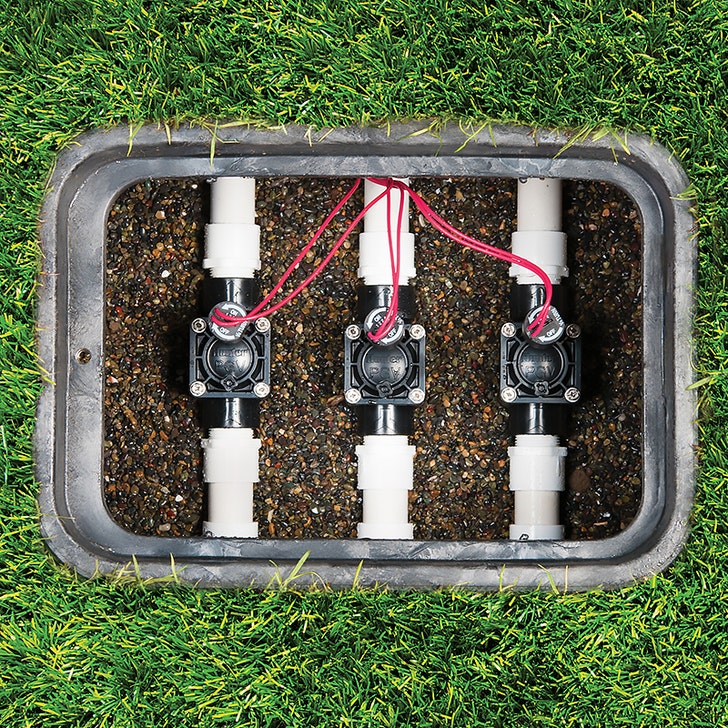
A stock image related to globe irrigation valve.
3 Common User Pain Points for ‘globe irrigation valve’ & Their Solutions
Scenario 1: Water Leakage Due to Poor Seal Integrity
The Problem: One of the primary concerns for B2B buyers of globe irrigation valves is the potential for leaks. In regions such as Africa and the Middle East, where water resources are already scarce, any leakage can lead to significant operational costs and resource wastage. Buyers may find that valves with subpar seals fail to maintain pressure, leading to water seeping out and causing inefficiencies in the irrigation system. This not only impacts the budget but also threatens the sustainability of agricultural operations.
The Solution: To mitigate the risk of leaks, it is essential to prioritize valves that feature high-quality seals, such as those made from durable materials like PVC and glass-filled nylon. When sourcing globe irrigation valves, ensure they have undergone rigorous thermal cycle testing to verify seal integrity under extreme conditions. Look for products that boast a robust body-to-bonnet seal designed to withstand high pressures. Additionally, implementing regular maintenance checks can help identify early signs of wear and tear in seals, allowing for timely replacements. Establishing a relationship with reputable suppliers who provide detailed product specifications and performance testing results will ensure you select valves that meet your operational needs.
Scenario 2: Clogging from Debris and Sediment
The Problem: In many irrigation systems, especially in rural or undeveloped areas, the presence of debris and sediment in water can lead to clogged valves. This is particularly problematic for globe valves, which rely on unobstructed flow to function correctly. Buyers may face challenges with reduced water flow and efficiency, leading to uneven irrigation and potential crop damage. The frustration of dealing with frequent clogs can disrupt schedules and lead to increased labor costs associated with maintenance.
The Solution: To address this issue, opt for globe irrigation valves that include built-in filtration systems or have features specifically designed to resist clogging. For example, valves that offer filtered pilot flow can help minimize debris accumulation. Additionally, consider installing pre-filters in your irrigation system to capture sediment before it reaches the valves. Regularly cleaning and inspecting the system will also help maintain optimal flow and performance. Educating staff on the importance of monitoring water quality and implementing preventative maintenance schedules will further reduce the likelihood of clogs, ensuring a more reliable irrigation setup.
Scenario 3: Difficulty in Flow Control Management
The Problem: Managing water flow efficiently is crucial for effective irrigation, yet many B2B buyers struggle with valves that do not provide adequate control. This is particularly true in varying climates, where different crops require different irrigation levels. Buyers may find themselves frustrated with valves that either allow too much or too little water, leading to either waterlogging or drought stress on crops. The lack of precise control can result in poor crop yields and unnecessary resource expenditure.
The Solution: To enhance flow control, it is advisable to select globe irrigation valves equipped with adjustable flow control features. These valves allow users to fine-tune the water flow according to specific crop needs. When specifying valves, look for models that include a non-rising flow control handle, which can be easily accessed and adjusted without needing to turn off the system. Additionally, consider integrating pressure-regulating devices into the irrigation system to maintain consistent flow rates. Training staff on how to utilize these features effectively can empower them to make real-time adjustments, ensuring that irrigation is tailored to the unique needs of each crop type. Regular assessments of flow rates and system performance will further optimize water usage and improve overall agricultural productivity.
Strategic Material Selection Guide for globe irrigation valve
When selecting materials for globe irrigation valves, it is essential to consider the properties, advantages, disadvantages, and specific application impacts of each material. This analysis will focus on four common materials: PVC, brass, stainless steel, and plastic composites. Each material has unique characteristics that can significantly influence performance, durability, and overall cost-effectiveness.
What are the Key Properties of PVC for Globe Irrigation Valves?
PVC (Polyvinyl Chloride) is a widely used material for globe irrigation valves due to its excellent resistance to corrosion and chemical degradation. It typically operates effectively at temperatures up to 140°F (60°C) and pressures around 150 psi (10.4 bar). PVC is lightweight and easy to install, making it suitable for residential and light commercial applications.
Pros: PVC valves are cost-effective, resistant to rust and corrosion, and have a long service life. They are also lightweight, which reduces shipping costs and installation complexity.
Cons: However, PVC can become brittle at lower temperatures and may not withstand extreme pressure conditions as effectively as metals. Its compatibility with certain chemicals should also be assessed to avoid degradation.
How Does Brass Perform in Globe Irrigation Valves?
Brass is a traditional material known for its strength and durability. It offers excellent resistance to corrosion and can handle higher pressures and temperatures, typically rated up to 200°F (93°C) and 300 psi (20.7 bar).
Pros: The primary advantage of brass is its robustness, making it ideal for heavy-duty applications. It also has good thermal conductivity, which can be beneficial in specific irrigation scenarios.
Cons: On the downside, brass is generally more expensive than PVC and can be susceptible to dezincification in certain environments, which may lead to premature failure.
What are the Benefits of Stainless Steel for Globe Irrigation Valves?
Stainless steel is renowned for its exceptional corrosion resistance and strength, making it suitable for harsh environments, including saline or acidic conditions. It can typically handle temperatures up to 300°F (149°C) and pressures exceeding 300 psi (20.7 bar).
Pros: The primary benefit of stainless steel is its longevity and reliability, even in extreme conditions. It is also aesthetically pleasing, which can be a consideration for visible installations.
Cons: The main drawback is its high cost compared to other materials. Additionally, stainless steel valves can be heavier, which may complicate installation and increase shipping costs.
How Do Plastic Composites Compare for Globe Irrigation Valves?
Plastic composites, often made from a blend of materials, offer a balance between performance and cost. They are designed to withstand a range of temperatures (up to 180°F or 82°C) and pressures (up to 150 psi or 10.4 bar).
Pros: These materials are generally lightweight, resistant to corrosion, and can be engineered for specific applications, making them versatile. They can also be less expensive than metals while providing comparable performance in many scenarios.
Cons: However, the long-term durability of plastic composites can vary based on the specific formulation and exposure conditions. They may not be suitable for high-pressure applications or extreme temperature variations.
What Should International B2B Buyers Consider When Selecting Materials?
When sourcing globe irrigation valves, international buyers from regions such as Africa, South America, the Middle East, and Europe should consider local compliance standards (e.g., ASTM, DIN, JIS) and environmental conditions. For instance, regions with high salinity or extreme temperatures may favor stainless steel or specialized plastic composites. Additionally, understanding the total cost of ownership, including installation and maintenance, is crucial for making informed decisions.
| Material | Typical Use Case for globe irrigation valve | Key Advantage | Key Disadvantage/Limitation | Relative Cost (Low/Med/High) |
|---|---|---|---|---|
| PVC | Residential and light commercial systems | Cost-effective and lightweight | Brittle in low temperatures | Low |
| Brass | Heavy-duty applications | High strength and durability | Expensive and susceptible to dezincification | Med |
| Stainless Steel | Harsh environments (saline/acidic) | Exceptional corrosion resistance | High cost and heavier weight | High |
| Plastic Composites | Versatile applications | Lightweight and engineered options | Variable long-term durability | Med |
This strategic material selection guide provides essential insights for B2B buyers to make informed decisions regarding globe irrigation valves, ensuring optimal performance and longevity in diverse applications.
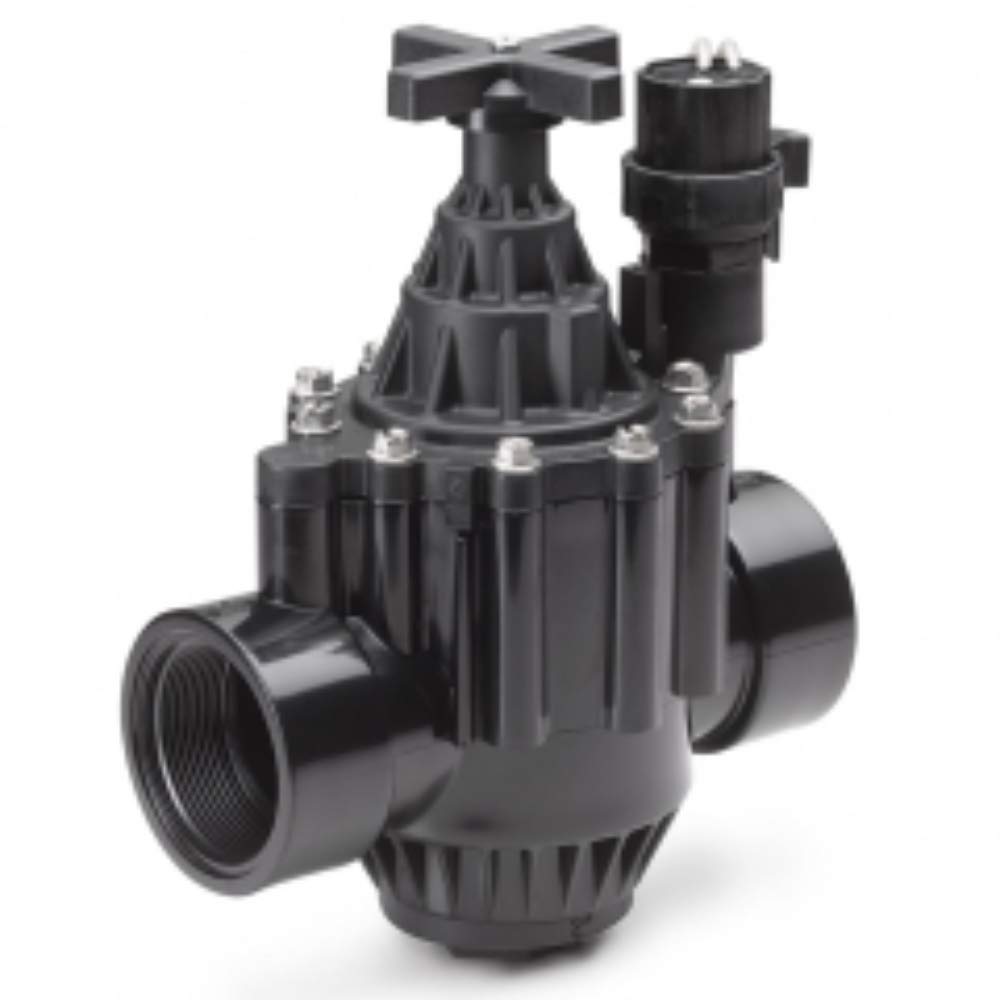
A stock image related to globe irrigation valve.
In-depth Look: Manufacturing Processes and Quality Assurance for globe irrigation valve
What Are the Key Stages in Manufacturing Globe Irrigation Valves?
The manufacturing process for globe irrigation valves involves several critical stages, each essential for ensuring the final product meets performance and durability standards.
Material Preparation
The process begins with material selection, which typically includes high-grade plastics, such as PVC or glass-filled nylon, and metals for components like solenoids and screws. These materials are chosen for their durability, resistance to corrosion, and ability to withstand varying temperatures and pressures. Suppliers often conduct pre-manufacturing inspections to ensure materials meet specific industry standards, such as ASTM or ISO certifications.
Forming Techniques
Once materials are prepared, forming techniques come into play. This stage may involve injection molding for plastic components, where molten material is injected into molds to create precise shapes. For metal parts, machining processes such as CNC turning or milling are used to achieve tight tolerances. Advanced techniques like 3D printing may also be employed for prototyping or producing complex geometries that traditional methods cannot easily replicate. The choice of technique impacts the valve’s overall performance, influencing factors like flow rate and pressure resistance.
Assembly Processes
Following the forming stage, assembly is crucial. Components such as the body, bonnet, diaphragm, and solenoid are carefully assembled to create the complete valve. Automation plays a significant role in this stage, with robotic systems being used for precision and efficiency. Each assembly line is typically designed to minimize human error while maximizing throughput. Quality checks at this stage often include visual inspections and functional tests to ensure parts fit together correctly.
Finishing Touches
The final stage involves finishing processes such as surface treatment, coating, and labeling. Surface treatments enhance resistance to environmental factors, while coatings can provide additional protection against wear and tear. Proper labeling is essential for compliance with international standards and for traceability in case of future quality audits.
How Is Quality Assurance Integrated into Globe Irrigation Valve Manufacturing?
Quality assurance (QA) is integral to the manufacturing of globe irrigation valves, ensuring that products not only meet internal standards but also comply with international regulations.
What International Standards Apply to Globe Irrigation Valves?
Manufacturers of globe irrigation valves must adhere to various international quality standards. ISO 9001 is a fundamental quality management standard that ensures consistent quality and continuous improvement across processes. In addition to ISO, other industry-specific certifications, such as CE marking for products sold within the European Economic Area and API standards for valves used in oil and gas applications, may also be relevant.
What Are the Key Quality Control Checkpoints?
Quality control (QC) checkpoints are established throughout the manufacturing process to catch defects early. These checkpoints typically include:
- Incoming Quality Control (IQC): Inspection of raw materials and components upon arrival to ensure they meet specified standards.
- In-Process Quality Control (IPQC): Ongoing inspections during the manufacturing process to monitor for defects and ensure compliance with specifications.
- Final Quality Control (FQC): A comprehensive evaluation of the finished product, including functional testing, pressure tests, and visual inspections, to ensure it meets performance criteria.
What Testing Methods Are Commonly Used for Quality Assurance?
Various testing methods are employed to verify the performance and durability of globe irrigation valves. Common tests include:
- Hydrostatic Testing: This test checks the valve’s ability to withstand pressure without leaking. Valves are subjected to pressures higher than their operating limits to ensure safety and reliability.
- Thermal Cycle Testing: This evaluates the valve’s performance under extreme temperature fluctuations, simulating real-world conditions.
- Flow Rate Testing: Ensures that the valve operates within specified flow rates, critical for system efficiency.
How Can B2B Buyers Verify Supplier Quality Control Practices?
For international B2B buyers, particularly those from regions like Africa, South America, the Middle East, and Europe, verifying a supplier’s quality control practices is crucial for ensuring product reliability.
What Audit Procedures Should Buyers Consider?
Buyers should consider conducting audits of potential suppliers. These audits can assess the supplier’s adherence to quality management systems and their capability to meet specific standards. An on-site audit can provide insights into the supplier’s manufacturing environment, processes, and commitment to quality.
How Can Buyers Utilize Quality Reports and Certifications?
Requesting quality reports and certifications from suppliers can also aid in verification. These documents should detail compliance with relevant standards and any third-party testing results. Buyers should look for certifications that align with their market requirements, such as ISO 9001 or CE marking.
What Are the Unique Quality Control Considerations for International Buyers?
International buyers must be aware of the nuances in quality control that may arise due to regional differences in standards and regulations. For instance, a valve certified in one country may not automatically meet the standards of another. It’s essential for buyers to understand the specific certifications required in their markets and to ensure that their suppliers can provide products that comply with those standards.
Conclusion
Understanding the manufacturing processes and quality assurance practices for globe irrigation valves is essential for B2B buyers. By focusing on key stages in manufacturing and implementing thorough quality control measures, manufacturers can ensure the production of reliable and durable valves. Buyers can enhance their procurement processes by verifying supplier quality practices, thus ensuring they invest in products that meet their operational needs and regional compliance requirements.
Practical Sourcing Guide: A Step-by-Step Checklist for ‘globe irrigation valve’
Introduction
This practical sourcing guide provides B2B buyers with a step-by-step checklist for procuring globe irrigation valves. Whether you are sourcing for agricultural, residential, or commercial applications, following these steps will ensure you select high-quality valves that meet your specific requirements and operational conditions.
Step 1: Define Your Technical Specifications
Clearly outline the technical specifications needed for your globe irrigation valve. Consider factors such as size, material (plastic, brass, or stainless steel), flow rate, and pressure requirements. Understanding these specifications will help you narrow down potential suppliers and ensure compatibility with your existing irrigation system.
Step 2: Identify Your Application Needs
Different applications may require unique valve characteristics. Assess whether you need valves for residential, commercial, or agricultural use. For example, heavy-duty valves may be necessary for commercial applications facing high pressure and flow rates, while residential systems may require more cost-effective options.
Step 3: Evaluate Potential Suppliers
Before committing to a supplier, conduct thorough evaluations. Look for company profiles, case studies, and customer references, particularly from businesses in similar industries or regions. This step is crucial to ensure that the supplier has a proven track record and can meet your specific demands.
- Request Samples: If possible, request samples to assess quality and performance firsthand.
- Check Certifications: Ensure that suppliers have relevant certifications and comply with international standards, especially for products exported to regions with stringent regulations.
Step 4: Inquire About Warranty and Support
Confirm the warranty and after-sales support offered by the supplier. A robust warranty can protect your investment against defects or failures, while responsive customer support can assist with installation and troubleshooting. Look for suppliers who offer comprehensive service agreements that include maintenance and repair options.
Step 5: Assess Pricing and Payment Terms
Gather quotes from multiple suppliers to compare pricing. While price is an important factor, consider the overall value, including quality, warranty, and support. Additionally, negotiate payment terms that align with your cash flow and project timelines to ensure a smooth procurement process.
Step 6: Review Delivery and Logistics Options
Understand the delivery timelines and logistics options available from your chosen suppliers. Timely delivery is essential to keep your projects on schedule, especially in regions where irrigation systems are time-sensitive. Clarify shipping costs, lead times, and whether the supplier can accommodate urgent requests if necessary.
Step 7: Finalize the Purchase Agreement
Once you have selected a supplier, ensure that all terms are clearly outlined in a purchase agreement. This should include pricing, delivery schedules, warranties, and any agreed-upon services. A well-documented agreement protects both parties and ensures that expectations are met throughout the procurement process.
By following this checklist, B2B buyers can make informed decisions when sourcing globe irrigation valves, ensuring that they invest in quality products that meet their operational needs.
Comprehensive Cost and Pricing Analysis for globe irrigation valve Sourcing
What Are the Key Cost Components in Globe Irrigation Valve Sourcing?
When sourcing globe irrigation valves, understanding the cost structure is essential for effective budgeting and procurement. The primary cost components include:
Materials: The choice of materials significantly impacts the overall cost. Common materials such as PVC, brass, or stainless steel vary in price and durability. For example, high-grade plastic valves may be less expensive but could have a shorter lifespan compared to metal options.
Labor: Labor costs vary based on the manufacturing location and the complexity of the valve design. Countries with higher labor costs may lead to increased pricing, while regions with lower labor expenses can offer competitive pricing.
Manufacturing Overhead: This encompasses indirect costs related to production, such as utilities, rent, and equipment maintenance. Efficient manufacturing processes can help mitigate these costs.
Tooling: The need for specialized tools or molds for valve production can add to upfront costs. Custom designs may require additional investment in tooling, which can influence the pricing structure.
Quality Control (QC): Implementing stringent QC measures ensures product reliability but may increase costs. Valves that meet international standards or certifications typically command higher prices due to the assurance of quality.
Logistics: Shipping costs can vary widely based on the destination, shipping method, and size of the order. International buyers must consider customs duties, taxes, and potential delays in their overall cost assessment.
Margin: Suppliers typically include a profit margin in their pricing. Understanding the competitive landscape can help buyers gauge reasonable margins and negotiate better deals.
How Do Price Influencers Affect Globe Valve Pricing?
Several factors can influence the pricing of globe irrigation valves:
Volume/MOQ (Minimum Order Quantity): Bulk orders often lead to significant discounts. Negotiating for lower MOQs can be beneficial for smaller companies looking to optimize costs.
Specifications and Customization: Custom valves or those with specific features (like flow control or special certifications) may have higher costs due to additional manufacturing complexity.
Materials: As previously mentioned, the choice of materials impacts pricing. High-performance materials may enhance durability but also increase costs.
Quality and Certifications: Valves that comply with international standards or carry specific certifications (e.g., ISO, CE) are often priced higher due to the added assurance of quality and reliability.
Supplier Factors: The supplier’s reputation, location, and production capacity can affect pricing. Established suppliers may charge more for their reliability and service quality.
Incoterms: Understanding shipping terms (like FOB, CIF, etc.) can help buyers clarify responsibilities and costs associated with shipping, which can impact total pricing.
What Tips Can Help Buyers Optimize Costs in Globe Valve Procurement?
B2B buyers, particularly in diverse markets such as Africa, South America, the Middle East, and Europe, can benefit from strategic approaches to procurement:
Negotiate Effectively: Leverage your purchase volume and establish long-term relationships with suppliers to negotiate better pricing and terms.
Focus on Cost-Efficiency: Consider the Total Cost of Ownership (TCO), which includes not just the purchase price but also installation, maintenance, and operational costs over the product’s lifespan.
Understand Pricing Nuances: Be aware of regional pricing differences and how local market conditions may influence costs. For instance, European suppliers may have different pricing strategies compared to suppliers in South America.
Evaluate Supplier Options: Research multiple suppliers to ensure competitive pricing. Request quotes from several sources and compare not just the price but also the quality and service offered.
Stay Informed on Market Trends: Keep abreast of industry trends and technological advancements that may affect pricing and availability, such as shifts towards sustainable materials or automated manufacturing processes.
Disclaimer on Indicative Prices
Prices for globe irrigation valves can fluctuate based on market conditions, material costs, and supplier strategies. The figures mentioned in this analysis are indicative and should be verified with suppliers for accuracy.
Alternatives Analysis: Comparing globe irrigation valve With Other Solutions
Exploring Alternatives to Globe Irrigation Valves: What Are Your Options?
When considering irrigation solutions, globe valves are a popular choice due to their reliability and performance. However, there are several alternatives on the market that may offer distinct advantages depending on the specific needs of your irrigation system. Understanding the strengths and weaknesses of these alternatives can guide B2B buyers in making informed purchasing decisions.
| Comparison Aspect | Globe Irrigation Valve | PGV Plastic Valve | Electric Solenoid Valve |
|---|---|---|---|
| Performance | Excellent flow control; suitable for high pressure. | Good for residential and light commercial; flow control options available. | High precision control; suitable for automated systems. |
| Cost | Mid-range pricing, typically $35-$150 based on size. | Generally lower cost, around $22-$50. | Higher initial investment, ranging from $100-$250. |
| Ease of Implementation | Requires skilled labor for installation; can be complex. | Easier to install with basic plumbing skills; available in multiple configurations. | Requires electrical knowledge for installation; more complex setup. |
| Maintenance | Moderate maintenance needs; periodic checks required to avoid leaks. | Low maintenance; durable construction minimizes issues. | Higher maintenance; electrical components may fail over time. |
| Best Use Case | Ideal for commercial and high-demand applications. | Best for residential setups and small commercial applications. | Optimal for automated systems requiring precise control. |
What Are the Advantages and Disadvantages of PGV Plastic Valves?
PGV plastic valves are a cost-effective alternative to globe valves, especially suitable for residential irrigation systems. They offer good flow control and are generally easier to install, making them ideal for buyers with limited plumbing experience. However, while PGV valves are durable, they may not perform as well under high-pressure conditions compared to globe valves. Therefore, for large-scale commercial applications, the PGV may fall short in performance.
How Do Electric Solenoid Valves Compare to Globe Valves?
Electric solenoid valves provide high precision and control, making them suitable for automated irrigation systems. Their ability to integrate with smart irrigation technologies allows for efficient water usage and scheduling. However, they come with a higher initial cost and require electrical knowledge for installation and maintenance, which can be a barrier for some users. For operations that prioritize automation and precise control over manual operation, electric solenoid valves may be the preferred choice.
Conclusion: Which Irrigation Valve Solution Is Right for You?
Choosing the right irrigation valve depends on your specific application and operational needs. Globe valves are well-suited for high-demand commercial environments where performance and durability are crucial. On the other hand, if you are looking for a more cost-effective solution for residential use, PGV valves may be more appropriate. For those interested in automation and precision, electric solenoid valves offer advanced features, albeit at a higher price point. By carefully evaluating your requirements and the characteristics of each alternative, you can select the irrigation solution that best aligns with your business goals and operational capabilities.
Essential Technical Properties and Trade Terminology for globe irrigation valve
What Are the Key Technical Properties of Globe Irrigation Valves?
Understanding the technical specifications of globe irrigation valves is crucial for B2B buyers looking to make informed purchasing decisions. Here are some of the most important properties:
Material Composition
Globe irrigation valves are typically made from materials like PVC, brass, or high-grade nylon. The choice of material directly impacts the valve’s durability, resistance to corrosion, and ability to handle varying pressure levels. For instance, PVC is lightweight and resistant to chemicals, making it suitable for various irrigation environments, while brass offers enhanced strength and longevity, ideal for heavy-duty applications.Operating Pressure Range
This specification indicates the range of pressure (measured in psi or bar) within which the valve can operate effectively. A broader operating pressure range allows for greater flexibility in different irrigation systems, particularly in regions where water pressure can fluctuate significantly. Valves with a range of 15 to 150 psi are common and cater to both residential and commercial applications.Flow Rate
Measured in gallons per minute (GPM) or cubic meters per hour (m³/h), the flow rate indicates the volume of water that can pass through the valve. This is essential for ensuring that the irrigation system can deliver adequate water to the intended areas. For example, valves with flow rates ranging from 0.2 to 150 GPM can accommodate both small gardens and large agricultural setups.Temperature Tolerance
The ability of a valve to withstand varying temperatures is critical, particularly in regions with extreme weather conditions. Many globe valves can operate effectively at temperatures up to 110°F (43°C), which is vital for maintaining performance and preventing failures in hot climates.Seal Design
The integrity of the valve seal is paramount for preventing leaks. Features such as double-beaded diaphragms and pressure-resistant seals enhance the valve’s reliability under high-pressure conditions. A robust seal design ensures longevity and minimizes maintenance costs, which is a significant consideration for B2B buyers.Control Mechanism
Some globe valves come equipped with flow control features that allow users to adjust the water flow manually. This is particularly beneficial for optimizing irrigation efficiency and ensuring that specific areas receive the right amount of water.
What Are Common Trade Terminology and Concepts in the Globe Valve Industry?
Familiarizing yourself with industry jargon can greatly enhance communication and negotiation processes. Here are some essential terms:
OEM (Original Equipment Manufacturer)
An OEM refers to a company that produces parts or equipment that may be marketed by another manufacturer. Understanding OEM relationships is crucial for ensuring quality and compatibility in irrigation systems.MOQ (Minimum Order Quantity)
This term indicates the smallest quantity of a product that a supplier is willing to sell. Knowing the MOQ helps buyers plan their inventory and manage costs effectively, especially when dealing with international suppliers.RFQ (Request for Quotation)
An RFQ is a standard business process where a buyer requests pricing and terms from suppliers for specific products or services. Issuing an RFQ can streamline the procurement process and ensure competitive pricing.Incoterms (International Commercial Terms)
These are standardized terms used in international trade to clarify the responsibilities of buyers and sellers regarding shipping, insurance, and tariffs. Familiarity with Incoterms helps mitigate risks and misunderstandings in global transactions.Lead Time
This term refers to the time it takes from placing an order to receiving the product. Understanding lead times is essential for project planning and ensuring timely delivery of components in irrigation systems.Water Hammer
This phenomenon occurs when the flow of water in a pipeline is suddenly stopped, causing a pressure surge. Recognizing the implications of water hammer is vital for selecting valves with features designed to mitigate this risk, thus ensuring system longevity and reliability.
By grasping these technical properties and trade terminologies, B2B buyers can make informed decisions that align with their operational needs and project requirements.
Navigating Market Dynamics and Sourcing Trends in the globe irrigation valve Sector
What Are the Key Trends Shaping the Globe Irrigation Valve Market?
The globe irrigation valve market is experiencing significant growth, driven by increasing agricultural productivity demands, urbanization, and advancements in irrigation technologies. In regions like Africa and South America, where agriculture is pivotal to economic development, the need for efficient irrigation systems is paramount. Emerging technologies, such as IoT-enabled smart valves, are gaining traction, allowing for real-time monitoring and precise water management. This trend is particularly relevant in Europe, where sustainability regulations are stringent, pushing manufacturers to innovate and incorporate smart features into their products.
Additionally, the global market is witnessing a shift towards plastic valves due to their lightweight, corrosion-resistant properties, which offer durability and ease of installation. The demand for eco-friendly materials is also rising, with buyers increasingly favoring valves made from recycled or sustainably sourced materials. In the Middle East, where water scarcity is a pressing issue, there’s a growing emphasis on valves that minimize water loss and enhance efficiency. International buyers must remain vigilant about these evolving trends to ensure they source products that align with market expectations and regulatory standards.
How Does Sustainability Influence B2B Sourcing in the Globe Irrigation Valve Sector?
Sustainability is becoming a cornerstone of B2B purchasing decisions in the globe irrigation valve sector. The environmental impact of traditional manufacturing processes has prompted buyers to seek suppliers who prioritize ethical sourcing and sustainable production practices. Valves that are certified with green standards not only enhance a company’s reputation but also contribute to broader environmental goals. Certifications such as ISO 14001 (Environmental Management) and products made from recycled materials are increasingly favored by buyers committed to sustainability.
Moreover, the lifecycle of irrigation systems is being scrutinized, with an emphasis on products that offer long-term reliability and reduce waste. Buyers are encouraged to consider the total cost of ownership, which includes installation, maintenance, and eventual disposal or recycling of the valves. As the market evolves, suppliers who can demonstrate a commitment to sustainability through innovative design and responsible sourcing will likely capture a more significant share of the market. This trend is particularly relevant for international buyers in regions facing environmental challenges, such as water scarcity and climate change.
What Is the Historical Context Behind the Evolution of Globe Irrigation Valves?
The evolution of globe irrigation valves can be traced back to the early development of irrigation systems, which have been essential for agriculture for thousands of years. Initially, these valves were rudimentary, often made from wood or metal, and were limited in functionality. The introduction of more advanced materials, such as PVC and nylon, in the mid-20th century revolutionized the industry, allowing for greater durability and resistance to corrosion.
As agricultural practices became more intensive, the need for reliable and efficient irrigation systems grew, leading to the development of specialized valves designed to handle varying pressures and flow rates. In recent decades, the focus has shifted towards automation and sustainability, with manufacturers now integrating smart technology into valve designs to enhance efficiency and reduce water waste. This historical context underscores the importance of innovation in meeting the evolving needs of global markets, particularly in regions where irrigation plays a critical role in food production and economic stability.
Frequently Asked Questions (FAQs) for B2B Buyers of globe irrigation valve
How do I choose the right globe irrigation valve for my project?
Selecting the appropriate globe irrigation valve involves assessing your specific requirements, including flow rate, pressure conditions, and installation environment. Look for valves that offer features such as pressure regulation, flow control options, and durability against extreme weather. Ensure compatibility with your existing irrigation system components and consider the materials used, such as PVC or high-grade plastic, which can impact longevity and performance. Consulting with your supplier about your needs can also help in making an informed decision.What are the advantages of using globe valves over other valve types?
Globe valves are known for their superior flow control capabilities, making them ideal for applications requiring precise adjustments. They provide better throttling and are more effective in regulating flow compared to gate or ball valves. Additionally, globe valves are less susceptible to leaks due to their design, which allows for a tighter seal. This makes them a preferred choice in irrigation systems where consistent water delivery is crucial, especially in commercial settings.What should I consider when sourcing globe irrigation valves internationally?
When sourcing globe irrigation valves from international suppliers, consider factors such as compliance with local regulations and standards, shipping logistics, and potential tariffs. It’s crucial to vet suppliers for quality assurance, certifications, and customer reviews. Evaluate their manufacturing capabilities and ask about their experience with exporting to your region. Additionally, ensure they can provide timely delivery and after-sales support, which is vital for maintaining your irrigation systems.What are the typical minimum order quantities (MOQ) for globe irrigation valves?
Minimum order quantities for globe irrigation valves can vary significantly based on the supplier and the valve specifications. Generally, MOQs may range from 50 to 500 units. Some suppliers might offer lower MOQs for specific models or during promotional periods. It’s advisable to discuss your needs directly with suppliers to negotiate terms that suit your procurement strategy, especially if you’re entering a new market or testing products.What payment terms are commonly accepted by suppliers for globe irrigation valves?
Payment terms can vary widely among suppliers, but common practices include upfront payments, letters of credit, or payment upon delivery. Many suppliers may offer a 30% deposit with the balance due before shipment. For larger orders, you might negotiate more favorable terms, such as extended payment periods or discounts for early payments. Always confirm payment security measures to protect your transaction, especially when dealing with international suppliers.How can I ensure the quality of globe irrigation valves before purchase?
To ensure quality, request certifications and product specifications from the supplier, such as ISO or CE certifications. Ask for samples to evaluate the valve’s construction, materials, and performance under pressure. Inquire about the supplier’s quality assurance processes, including testing protocols for durability and leak resistance. Finally, consider customer testimonials and case studies to gauge the supplier’s track record in delivering reliable products.What logistics considerations should I keep in mind when importing globe irrigation valves?
Logistics considerations include shipping methods, lead times, and customs clearance processes. Evaluate whether you prefer air or sea freight, depending on urgency and cost. Understand the import regulations specific to your country, including documentation required for customs clearance. Collaborating with a freight forwarder can streamline the process and help avoid unexpected delays or fees, ensuring your valves arrive on schedule.Can globe irrigation valves be customized for specific applications?
Yes, many suppliers offer customization options for globe irrigation valves to meet specific application needs. Customizations may include modifications in size, material, flow control features, or specific fittings. When discussing your requirements with suppliers, provide detailed specifications and any operational conditions the valves will face. Custom solutions can enhance system efficiency and performance, making it worthwhile to explore these options during the procurement process.
Important Disclaimer & Terms of Use
⚠️ Important Disclaimer
The information provided in this guide, including content regarding manufacturers, technical specifications, and market analysis, is for informational and educational purposes only. It does not constitute professional procurement advice, financial advice, or legal advice.
While we have made every effort to ensure the accuracy and timeliness of the information, we are not responsible for any errors, omissions, or outdated information. Market conditions, company details, and technical standards are subject to change.
B2B buyers must conduct their own independent and thorough due diligence before making any purchasing decisions. This includes contacting suppliers directly, verifying certifications, requesting samples, and seeking professional consultation. The risk of relying on any information in this guide is borne solely by the reader.
Top 6 Globe Irrigation Valve Manufacturers & Suppliers List
1. Rain Bird – PGA 100PGA Inline Valve
Domain: store.rainbird.com
Registered: 1995 (30 years)
Introduction: {“Model”:”100PGA”,”Valve Size”:”1 in”,”Valve Type”:”Inline”,”Material”:”Plastic”,”Valve Inlet/Outlet Configuration”:”NPT Female x NPT Female Threaded”,”Valve Options”:”Multi-drive Screws, Non-potable”,”Valve Series”:”PGA”,”Operating Temperature”:”Up to 110° F (43° C)”,”Dimensions”:”7 1/4\” x 5 1/2\” x 3 1/4\” (18.4 cm x 14.0 cm x 8.3 cm)”,”Electrical Specifications”:”24 VAC 50/60 Hz (cycles per se…
2. Hunter – 1 PGV Irrigation Valve
Domain: hunterirrigation.com
Registered: 2001 (24 years)
Introduction: 1″ PGV irrigation valve by Hunter Industries. Highly versatile and robust design for simple installation and serviceability. 100% water-tested. Inlet/Outlet size: 1″. Flow range: 0.2 to 40 GPM. Features include a common solenoid to minimize inventory, reverse-flow solenoid design to protect against pressure surges, and a double-beaded diaphragm for leak-free performance. Operating specifications: …
3. Sprinkler Warehouse – Control and Emergency Valves
Domain: school.sprinklerwarehouse.com
Registered: 1999 (26 years)
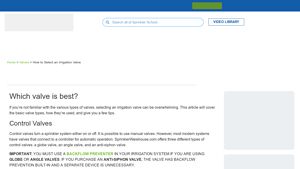
Introduction: Control Valves: Globe Valve, Angle Valve, Anti-Siphon Valve. Emergency Valves: Gate Valve, Ball Valve. Globe Valves: Installed underground, available in various sizes, cheaper than angle and anti-siphon valves, requires separate backflow preventer. Angle Valves: Similar to globe valves, has additional inlet for pressure moderation, requires separate backflow preventer. Anti-Siphon Valves: Built-in…
4. Soval – 682 Series Lead Free Brass Globe Valve
Domain: soval.com
Registered: 1997 (28 years)
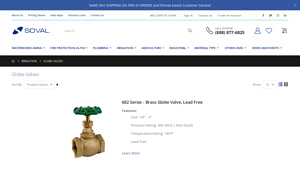
Introduction: {“Product Name”: “682 Series – Brass Globe Valve, Lead Free”, “Size”: “1/4″ – 2″”, “Pressure Rating”: “300 WOG | Non-Shock”, “Temperature Rating”: “180°F”, “Lead Free”: true}
5. Hunter – PGV-101-G Globe Valve with Flow Control
Domain: cheapsprinklers.com
Registered: 2014 (11 years)
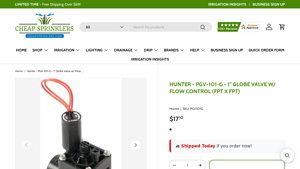
Introduction: {“product_name”: “Hunter PGV-101-G 1″ Globe Valve with Flow Control”, “type”: “Globe Valve”, “flow_control”: “Yes”, “connection_type”: “FPT x FPT”, “brand”: “Hunter”, “model”: “PGV-101-G”, “size”: “1 inch”}
6. Irritrol – 3/4 Inch Ultra Flow Electric Globe Valve
Domain: store.harmonyfarm.com
Registered: 1995 (30 years)
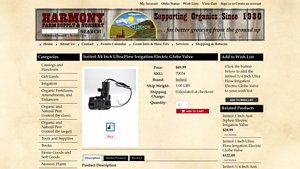
Introduction: {‘name’: ‘Irritrol 3/4 Inch Ultra Flow Irrigation Electric Globe Valve’, ‘price’: ‘$49.99’, ‘sku’: ‘70034’, ‘vendor’: ‘Irritrol’, ‘condition’: ‘New’, ‘shipping_weight’: ‘1.00 LBS’, ‘description’: ‘The 700 series electric globe valves from Irritrol have straight thru flow path to minimize pressure loss. Extremely low flow capabilities, as low as 1/2 gpm on the 3/4 in. valve (great with small drip s…
Strategic Sourcing Conclusion and Outlook for globe irrigation valve
In conclusion, strategic sourcing of globe irrigation valves presents a significant opportunity for international B2B buyers. The durability, efficiency, and advanced features of modern valves, such as pressure resistance and quiet operation, cater to the diverse needs of residential and commercial applications across various climates and terrains. By investing in high-quality products, buyers can enhance their irrigation systems, reduce maintenance costs, and ensure reliable performance under challenging conditions.
Moreover, understanding regional market dynamics, such as local manufacturing capabilities and logistical considerations, can greatly influence purchasing decisions. Buyers in Africa, South America, the Middle East, and Europe should prioritize suppliers that offer robust customer support and flexible solutions tailored to their specific needs. As the demand for sustainable and efficient irrigation solutions continues to rise, aligning with reputable manufacturers will be crucial for long-term success.
Looking ahead, we encourage B2B buyers to leverage strategic sourcing as a pathway to innovation and growth. By establishing strong partnerships with leading valve manufacturers, businesses can position themselves at the forefront of the irrigation industry, driving efficiency and sustainability in their operations. Embrace this opportunity to secure a competitive edge in the market.
 English (United States)
  Spanish (Spain)
  Portuguese (Portugal)
  French
  German
  Italian
  Arabic
  Dutch
Dutch  English (UK)
  Bulgarian
  Chinese (China)
  Chinese (Hong Kong)
  Czech
Czech  Danish
  Greek
Greek  Finnish
  Spanish (Mexico)
  Estonian
  Hebrew
  Hungarian
  Indonesian
  Japanese
  Korean
  Latvian
  Lithuanian
  Norwegian
  Polish
  Portuguese (Brazil)
  Romanian
  Russian
  Slovenian
  Slovak
  Swedish
  Turkish
  Ukrainian
  Vietnamese