
Introduction: Navigating the Global Market for battery operated irrigation valve
In the quest for efficient agricultural practices, sourcing reliable battery-operated irrigation valves presents a unique challenge for B2B buyers across diverse markets. These innovative solutions are crucial for regions lacking consistent electrical infrastructure, ensuring effective water management in agricultural settings, municipal parks, and construction sites. This guide delves into the multifaceted world of battery-operated irrigation valves, covering various types, applications, and advanced features that enhance usability and efficiency.
Buyers will gain insights into the latest technologies, such as wireless valve systems that communicate from significant distances, ensuring ease of installation and operation. Additionally, we will address critical aspects such as supplier vetting processes, cost considerations, and maintenance requirements, empowering you to make informed purchasing decisions.
Targeted primarily at international B2B buyers from Africa, South America, the Middle East, and Europe—including key markets like Germany and Saudi Arabia—this comprehensive resource aims to facilitate your journey towards sourcing the most suitable battery-operated irrigation solutions. By understanding the nuances of these products and the market landscape, you will be better positioned to enhance your irrigation systems, ultimately driving improved agricultural yields and operational efficiency.
Understanding battery operated irrigation valve Types and Variations
| Type Name | Key Distinguishing Features | Primary B2B Applications | Brief Pros & Cons for Buyers |
|---|---|---|---|
| Battery-Operated Controllers | Wireless operation, easy programming, seasonal battery life | Municipal parks, construction sites, rural properties | Pros: Cost-effective, easy to install. Cons: Limited range compared to wired systems. |
| Smart Bluetooth Timers | Smartphone integration, customizable schedules | Residential and commercial landscaping | Pros: User-friendly, remote access. Cons: Dependent on battery life and smartphone compatibility. |
| Hose End Timers | Compact design, integrated valve and timer | Garden centers, small farms | Pros: Simple installation, low cost. Cons: Limited to hose applications, lower durability. |
| Multi-Station Controllers | Manages multiple zones, customizable settings | Large agricultural operations, sports fields | Pros: Efficient water management, scalability. Cons: Higher initial investment. |
| Latching Solenoids | Operates with minimal power, compatible with various systems | Commercial irrigation systems, municipal applications | Pros: Energy-efficient, reliable. Cons: Requires specific controllers for operation. |
What are Battery-Operated Controllers and Their Applications?
Battery-operated controllers are designed for automatic irrigation in areas lacking electrical power. These systems often feature wireless operation and user-friendly programming, making them suitable for a variety of applications, including municipal parks and construction sites. For B2B buyers, the primary consideration is the ease of installation and maintenance. While these controllers are cost-effective and eliminate the need for electrical connections, they may have limited range and require periodic battery replacements.
How Do Smart Bluetooth Timers Enhance Irrigation Management?
Smart Bluetooth timers provide an innovative solution for managing irrigation schedules through smartphone integration. This technology is particularly beneficial for residential and commercial landscaping, allowing users to customize watering schedules remotely. When considering these devices, B2B buyers should evaluate compatibility with existing systems and the potential for remote access. While they offer convenience and flexibility, their reliance on battery life and smartphone functionality can be a drawback.
What are Hose End Timers and Their Use Cases?
Hose end timers are compact devices that integrate both a timer and valve, making them ideal for small-scale applications such as garden centers and small farms. Their straightforward installation process and affordability make them attractive options for B2B buyers looking for budget-friendly irrigation solutions. However, these timers are limited to hose applications and may not withstand heavy use, which could deter buyers looking for durability.
What Are the Advantages of Multi-Station Controllers?
Multi-station controllers are designed to manage several irrigation zones simultaneously, making them essential for large agricultural operations and sports fields. Their ability to customize settings for different zones allows for efficient water management, which is a critical consideration for B2B buyers focused on sustainability. While these systems offer scalability and enhanced efficiency, they typically involve a higher initial investment, which buyers must weigh against long-term savings.
How Do Latching Solenoids Operate in Irrigation Systems?
Latching solenoids are unique in that they operate using minimal power and can be integrated with various irrigation systems. They are particularly useful in commercial irrigation and municipal applications, where energy efficiency is crucial. B2B buyers should consider their compatibility with existing controllers and the reliability of performance over time. While latching solenoids are energy-efficient and dependable, they require specific controllers, which may limit their application flexibility.
Key Industrial Applications of battery operated irrigation valve
| Industry/Sector | Specific Application of Battery Operated Irrigation Valve | Value/Benefit for the Business | Key Sourcing Considerations for this Application |
|---|---|---|---|
| Agriculture | Automated irrigation for remote farms | Increased efficiency in water usage, reduced labor costs | Compatibility with existing systems, battery life, and maintenance requirements |
| Landscaping & Parks | Irrigation in parks and public spaces | Enhanced aesthetic value, cost-effective maintenance | Vandal resistance, ease of programming, and wireless control capabilities |
| Construction | Temporary irrigation for newly planted landscapes | Ensures plant survival, reduces water waste | Portability, battery longevity, and adaptability to various site conditions |
| Municipal Services | Irrigation for traffic medians and roadside greenery | Improved urban aesthetics, better public spaces | Compliance with local regulations, ease of installation, and remote monitoring features |
| Sports Facilities | Watering of athletic fields and recreational areas | Maintains field quality, reduces downtime | Durability, weather resistance, and programmable scheduling options |
How Can Agriculture Benefit from Battery Operated Irrigation Valves?
In agriculture, battery-operated irrigation valves are essential for automated watering in remote farms, especially in regions where electricity is unreliable or unavailable. These systems enhance water efficiency and reduce labor costs by allowing farmers to schedule irrigation without manual intervention. For international buyers, especially in Africa and South America, it is crucial to consider compatibility with existing irrigation systems and the longevity of battery life to ensure minimal maintenance.
What Role Do Battery Operated Irrigation Valves Play in Landscaping and Parks?
In landscaping and municipal parks, battery-operated irrigation valves offer a practical solution for maintaining greenery in public spaces. These systems improve aesthetic value while significantly reducing maintenance costs. Key considerations for buyers in the Middle East and Europe include vandal resistance and user-friendly programming features, enabling quick adjustments and ensuring the system operates seamlessly in high-traffic areas.
How Are Battery Operated Irrigation Valves Used in Construction?
Construction sites often require temporary irrigation solutions for newly planted landscapes. Battery-operated irrigation valves ensure that plants receive adequate water during critical growth phases, thus reducing the risk of plant loss and waste. Buyers should focus on portability and adaptability to various site conditions when sourcing these valves, ensuring they can easily relocate systems as projects progress.
What Benefits Do Municipal Services Gain from Battery Operated Irrigation Valves?
Municipal services utilize battery-operated irrigation valves for watering traffic medians and roadside greenery, enhancing urban aesthetics and contributing to better public spaces. Key sourcing considerations include compliance with local regulations and ease of installation, as municipalities often operate under strict guidelines. Remote monitoring features can also be beneficial, allowing for efficient management of irrigation schedules.
Why Are Battery Operated Irrigation Valves Important for Sports Facilities?
Sports facilities require consistent watering of athletic fields and recreational areas to maintain quality and usability. Battery-operated irrigation valves provide a reliable solution that minimizes downtime and ensures optimal field conditions. Buyers should prioritize durability and weather resistance in their sourcing decisions, as these valves must withstand various environmental conditions while offering programmable scheduling options for efficient water management.
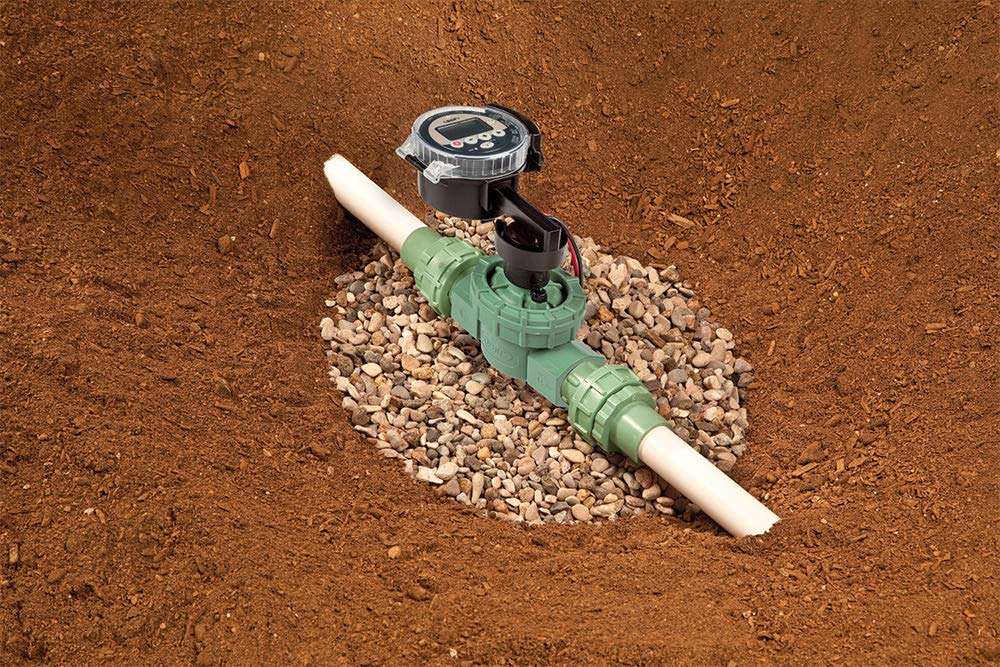
A stock image related to battery operated irrigation valve.
3 Common User Pain Points for ‘battery operated irrigation valve’ & Their Solutions
Scenario 1: Managing Battery Life in Remote Locations
The Problem: Many B2B buyers operating in regions with limited access to electrical grids, such as rural areas in Africa or remote sites in South America, face significant challenges regarding the battery life of irrigation valves. Inconsistent irrigation due to battery depletion can lead to water shortages, affecting crop yields and overall efficiency. Buyers often find themselves in a cycle of frequent battery replacements, which can be both time-consuming and costly, particularly when transporting replacement batteries to isolated locations.
The Solution: To mitigate battery life issues, buyers should consider investing in battery-operated irrigation valves that come with extended battery life guarantees or those that incorporate solar panels. Selecting models with energy-efficient solenoids can also prolong battery duration. Additionally, implementing a regular maintenance schedule to monitor battery levels can help prevent unexpected outages. Using advanced controllers equipped with battery-life indicators allows for proactive management, ensuring that replacements are made before depletion occurs. When sourcing these valves, it’s crucial to request data sheets that detail the expected battery life under typical operating conditions to make informed purchasing decisions.
Scenario 2: Complications with Wireless Connectivity
The Problem: In regions where wireless connectivity is essential for programming and controlling battery-operated irrigation valves, buyers often encounter connectivity issues. For instance, in parts of the Middle East where urban infrastructure can interfere with signal transmission, this can lead to a lack of control over irrigation schedules, resulting in overwatering or underwatering. Such complications can jeopardize investment in irrigation technology and affect agricultural productivity.
The Solution: Buyers should look for battery-operated irrigation systems that feature robust wireless capabilities, such as Bluetooth or long-range RF communication. Investing in systems that allow for offline programming can also provide a fallback option when connectivity is unstable. When specifying equipment, it is vital to choose brands known for their reliable wireless technology and to assess the layout of the irrigation system to minimize potential obstructions. Additionally, conducting site surveys to determine optimal placement for controllers and ensuring that the irrigation valves are within range of the wireless signal can enhance connectivity.
Scenario 3: Vandalism and Security Concerns
The Problem: Security can be a significant concern for B2B buyers, especially in areas prone to vandalism or theft. Battery-operated irrigation valves installed in public spaces, such as municipal parks or traffic medians, are often at risk of tampering or damage. This not only leads to costly repairs and replacements but also disrupts irrigation schedules, which can harm landscaping efforts and public perception of green spaces.
The Solution: To address these security concerns, buyers should select battery-operated irrigation valves that feature vandal-resistant designs. Look for models with underground installations where components are less accessible to potential vandals. Adding physical security measures, such as locks or protective cages, can further deter tampering. Additionally, implementing a monitoring system that alerts managers to unauthorized access or malfunctions can provide an extra layer of security. When purchasing, inquire about warranty options that cover damage due to vandalism, and consider integrating remote monitoring solutions that enable timely responses to any issues that arise.
Strategic Material Selection Guide for battery operated irrigation valve
What Are the Common Materials Used in Battery Operated Irrigation Valves?
When selecting materials for battery-operated irrigation valves, it is essential to consider properties such as durability, corrosion resistance, and compatibility with various media. Here, we analyze four common materials: PVC, brass, stainless steel, and polyethylene.
How Does PVC Perform in Battery Operated Irrigation Valves?
Key Properties: PVC (Polyvinyl Chloride) is lightweight, has a temperature rating up to 140°F (60°C), and exhibits excellent chemical resistance, making it suitable for various irrigation applications.
Pros & Cons: The primary advantage of PVC is its cost-effectiveness and ease of manufacturing, which translates to lower production costs. However, it is less durable than metals and can become brittle over time, especially under UV exposure. This limits its use in areas with extreme weather conditions.
Impact on Application: PVC is compatible with water and various fertilizers but may not withstand high-pressure applications. In regions with high temperature fluctuations, such as parts of Africa and the Middle East, PVC may require protective coatings.
Considerations for International Buyers: Compliance with local standards such as ASTM for the USA or DIN for Germany is crucial. Buyers should ensure that the PVC used meets these standards to avoid issues in performance and safety.
What Role Does Brass Play in Battery Operated Irrigation Valves?
Key Properties: Brass offers excellent strength and corrosion resistance, with a temperature rating up to 200°F (93°C). It is also highly durable, making it suitable for long-term applications.
Pros & Cons: The key advantage of brass is its robustness and aesthetic appeal, which can be beneficial in visible installations. However, it is more expensive than PVC and may require additional maintenance to prevent corrosion, especially in saline environments.
Impact on Application: Brass is compatible with water and mild chemicals, making it a reliable choice for various irrigation systems. However, in regions with high salinity, such as coastal areas in South America, brass may corrode more quickly.
Considerations for International Buyers: Buyers in Europe may prefer brass due to its durability and compliance with stringent standards. However, they should ensure that the brass valves are treated to resist corrosion in specific environments.
Why Choose Stainless Steel for Battery Operated Irrigation Valves?
Key Properties: Stainless steel is highly resistant to corrosion and can withstand extreme temperatures and pressures, making it ideal for demanding applications.
Pros & Cons: The main advantage of stainless steel is its longevity and ability to resist rust and corrosion. However, it is significantly more expensive than other materials and can complicate manufacturing processes due to its toughness.
Impact on Application: Stainless steel is suitable for high-pressure applications and can handle a wide range of media, including aggressive chemicals. This makes it an excellent choice for industrial applications in regions like Europe and the Middle East.
Considerations for International Buyers: Compliance with international standards such as ISO is essential for stainless steel products. Buyers should also consider the higher upfront costs versus the long-term savings due to durability.
How Does Polyethylene Compare in Battery Operated Irrigation Valves?
Key Properties: Polyethylene is lightweight and flexible, with a temperature rating of up to 120°F (49°C). It offers good chemical resistance and is often used in low-pressure applications.
Pros & Cons: The flexibility and low cost of polyethylene make it an attractive option for irrigation systems. However, its lower temperature and pressure ratings limit its use in more demanding environments.
Impact on Application: Polyethylene is compatible with water and fertilizers, making it suitable for agricultural applications. However, it may not perform well in regions with extreme temperatures, such as deserts in Africa.
Considerations for International Buyers: Buyers should ensure that polyethylene products comply with local standards, such as ASTM or JIS, to guarantee performance and safety in their specific applications.
Summary Table of Material Selection for Battery Operated Irrigation Valves
| Material | Typical Use Case for battery operated irrigation valve | Key Advantage | Key Disadvantage/Limitation | Relative Cost (Low/Med/High) |
|---|---|---|---|---|
| PVC | Residential irrigation systems | Cost-effective and lightweight | Less durable and UV-sensitive | Low |
| Brass | Commercial and residential applications | Strong and corrosion-resistant | Higher cost and maintenance required | Med |
| Stainless Steel | Industrial and high-pressure applications | Extremely durable and long-lasting | High cost and complex manufacturing | High |
| Polyethylene | Agricultural irrigation systems | Flexible and low-cost | Limited temperature and pressure ratings | Low |
This analysis provides B2B buyers with a comprehensive understanding of material options for battery-operated irrigation valves, enabling informed decisions based on application needs and regional considerations.
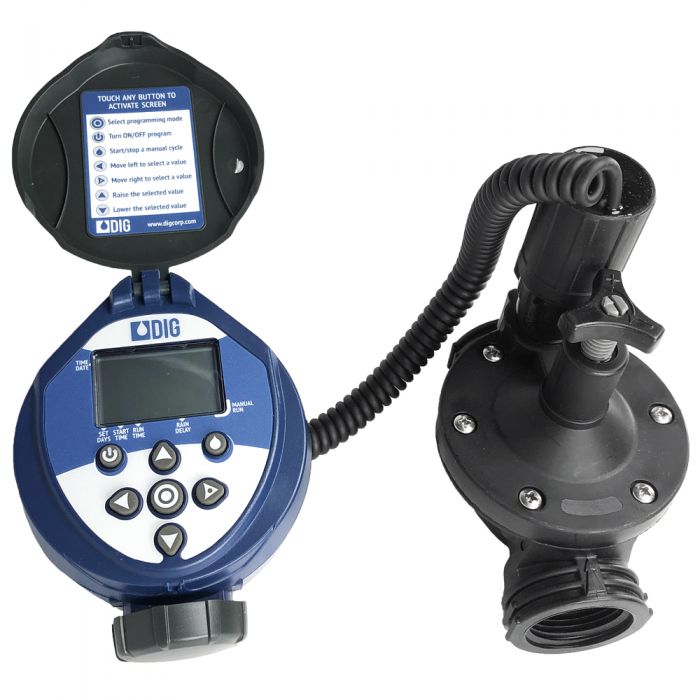
A stock image related to battery operated irrigation valve.
In-depth Look: Manufacturing Processes and Quality Assurance for battery operated irrigation valve
What Are the Key Stages in the Manufacturing Process of Battery Operated Irrigation Valves?
The manufacturing process of battery-operated irrigation valves typically involves several critical stages: material preparation, forming, assembly, and finishing. Each stage is essential to ensure the final product meets quality and performance standards.
Material Preparation: The process begins with the selection of high-quality materials, such as durable plastics and metals that can withstand environmental factors. Suppliers often provide Material Safety Data Sheets (MSDS) to verify material compliance. The materials undergo inspection to ensure they meet specifications, which is crucial for preventing defects in the final product.
Forming: After materials are prepared, they are shaped into components using techniques such as injection molding for plastic parts and machining for metal components. Advanced technologies like Computer Numerical Control (CNC) machining are often employed for precision. This stage may also include the creation of solenoids, which are vital for the valve’s operation.
Assembly: Once individual components are formed, they are assembled into the final product. This stage may involve automated assembly lines or manual labor, depending on the complexity of the valve. Quality control checks are integral during assembly, ensuring that parts fit correctly and that no defects are present.
Finishing: The final stage involves applying protective coatings and treatments to enhance durability and resistance to corrosion and UV radiation. This may include painting, anodizing, or applying a sealant. Proper finishing not only improves aesthetics but also extends the lifespan of the product.
How Is Quality Assurance Implemented in Battery Operated Irrigation Valves?
Quality assurance is a fundamental aspect of the manufacturing process, ensuring that products meet international standards and customer expectations. Key components of quality assurance include adherence to relevant international standards and rigorous testing protocols.
International Standards Compliance: Manufacturers often comply with international standards such as ISO 9001, which focuses on quality management systems. Compliance with CE marking regulations is also crucial for products sold in Europe, indicating conformity with health, safety, and environmental protection standards. Additionally, industry-specific standards like API (American Petroleum Institute) may apply depending on the application of the valves.
Quality Control Checkpoints: Throughout the manufacturing process, several quality control checkpoints are established:
– Incoming Quality Control (IQC): Materials are inspected upon arrival to ensure they meet specifications.
– In-Process Quality Control (IPQC): During the manufacturing stages, random sampling and inspections are conducted to catch any defects early.
– Final Quality Control (FQC): The finished product undergoes rigorous testing, including pressure testing and functionality assessments, to ensure it operates as intended.
What Common Testing Methods Are Used for Battery Operated Irrigation Valves?
Testing methods play a crucial role in validating the performance and reliability of battery-operated irrigation valves. Common testing methods include:
Pressure Testing: This involves applying pressure to the valve to ensure it can withstand operational conditions without leaking. This is especially important for irrigation systems where pressure fluctuations can occur.
Functional Testing: The valves are tested for their operational capabilities, such as opening and closing mechanisms, response time, and battery performance. This ensures that they function correctly under various scenarios.
Environmental Testing: Valves are subjected to environmental stress tests, including exposure to extreme temperatures, humidity, and UV radiation. This helps determine their longevity and durability in real-world conditions.
Electrical Testing: For battery-operated components, electrical testing is crucial to ensure proper voltage levels and battery life. This may include checking for short circuits or other electrical failures.
How Can B2B Buyers Verify Supplier Quality Control Practices?
B2B buyers must take proactive steps to verify supplier quality control practices to ensure they receive reliable products. Here are some strategies:
Supplier Audits: Conducting on-site audits of potential suppliers can provide valuable insights into their manufacturing processes and quality control practices. Audits should assess compliance with international standards and internal quality protocols.
Quality Assurance Reports: Requesting detailed quality assurance reports from suppliers can help buyers understand the testing methods used and the results obtained. This documentation should include data on defect rates, testing procedures, and corrective actions taken for any quality issues.
Third-Party Inspections: Engaging third-party inspection services can provide an unbiased evaluation of the supplier’s quality control processes. These inspections often cover material inspections, in-process checks, and final product evaluations.
Certifications and Compliance Documents: Buyers should verify that suppliers have the necessary certifications and compliance documents relevant to their industry and region. This includes ISO certifications, CE markings, and any other local or international standards applicable to battery-operated irrigation valves.
What Are the Quality Control Nuances for International B2B Buyers?
When sourcing battery-operated irrigation valves from international suppliers, buyers must consider several quality control nuances:
Cultural Differences: Understanding cultural differences in manufacturing practices and quality expectations is essential. Buyers from regions such as Africa, South America, the Middle East, and Europe may encounter varying standards and practices, which can affect product quality.
Regulatory Compliance: Different countries have varying regulatory requirements. B2B buyers should ensure that their suppliers comply with local regulations in the countries where the products will be sold. This may involve additional testing or certifications.
Logistics and Supply Chain Management: The quality of products can be affected by logistics and supply chain factors, including transportation conditions and storage facilities. Buyers should discuss these aspects with suppliers to ensure that products maintain quality throughout the supply chain.
Post-Sale Support and Warranty: Understanding the supplier’s post-sale support and warranty policies can provide insight into their commitment to quality. Buyers should inquire about the procedures for handling defective products and the support available for troubleshooting.
By focusing on these manufacturing processes and quality assurance measures, B2B buyers can ensure they select reliable suppliers for battery-operated irrigation valves, ultimately leading to enhanced operational efficiency and customer satisfaction.
Practical Sourcing Guide: A Step-by-Step Checklist for ‘battery operated irrigation valve’
Introduction
This practical sourcing guide aims to assist B2B buyers in navigating the procurement of battery-operated irrigation valves. As the demand for efficient and sustainable irrigation solutions grows, especially in regions lacking reliable electrical infrastructure, understanding the key elements to consider when sourcing these products is essential for making informed purchasing decisions.
Step 1: Define Your Technical Specifications
Before initiating the sourcing process, clearly outline your technical requirements for the battery-operated irrigation valve. This includes the valve size, pressure ratings, flow rates, and compatibility with existing irrigation systems. Defining these specifications helps streamline your search and ensures that you select products that meet your operational needs.
Step 2: Research Market Options
Conduct thorough market research to identify the various brands and models available. Focus on reputable manufacturers known for their quality and durability in the field. Pay attention to customer reviews and testimonials to gauge user satisfaction and performance over time.
- Consider regional availability: Some brands may have a stronger presence in certain areas, affecting lead times and support.
Step 3: Evaluate Supplier Certifications
Verify that potential suppliers hold relevant certifications and comply with international quality standards. Certifications such as ISO 9001 can indicate a commitment to quality management. This step is crucial to ensure that the products you source are reliable and safe for use.
- Check for environmental certifications: Given the increasing emphasis on sustainability, certifications related to environmental impact can also be beneficial.
Step 4: Request Detailed Product Information
Engage with suppliers to obtain comprehensive product specifications, including warranty details and maintenance requirements. This information is essential for understanding the long-term viability of the irrigation valves you are considering.
- Ask for installation guidelines: Clear installation instructions can help minimize downtime and ensure proper setup.
Step 5: Assess Pricing and Total Cost of Ownership
Request quotes from multiple suppliers to compare pricing, but also consider the total cost of ownership (TCO). This includes not only the initial purchase price but also maintenance costs, battery replacement, and operational efficiency. A higher upfront cost may be justified if the product offers greater durability and efficiency.
- Inquire about bulk purchasing discounts: If your project involves a larger scale, discuss potential discounts for bulk orders.
Step 6: Verify After-Sales Support and Service
Strong after-sales support can significantly impact your experience with the product. Ensure that the supplier offers reliable customer service, technical support, and accessible spare parts. This is particularly important in regions where service options may be limited.
- Check for local service centers: Having access to local support can expedite repairs and maintenance.
Step 7: Finalize the Purchase and Confirm Logistics
Once you have selected a supplier, finalize your purchase agreement, and confirm logistics details such as shipping options, delivery timelines, and payment terms. Clear communication at this stage can help prevent misunderstandings and ensure that you receive your products on time.
- Consider customs regulations: If sourcing internationally, be aware of import regulations that may affect delivery times and costs.
By following this step-by-step checklist, B2B buyers can confidently navigate the procurement process for battery-operated irrigation valves, ensuring they make informed decisions that align with their operational needs and sustainability goals.
Comprehensive Cost and Pricing Analysis for battery operated irrigation valve Sourcing
What Are the Key Cost Components in Sourcing Battery Operated Irrigation Valves?
When evaluating the cost structure of battery-operated irrigation valves, several components play a critical role. The primary cost elements include:
Materials: The choice of materials significantly affects the overall price. High-quality, durable materials (e.g., UV-resistant plastics and corrosion-resistant metals) can increase initial costs but may offer better longevity and performance.
Labor: Labor costs encompass the wages of skilled workers involved in manufacturing and assembling the valves. Countries with higher labor costs, such as those in Europe, may see increased prices compared to regions with lower labor expenses.
Manufacturing Overhead: This includes indirect costs associated with production, such as utilities, maintenance, and facility costs. Efficient manufacturing processes can help minimize these overheads.
Tooling: The investment in specialized tooling for production can be substantial, especially for custom designs. Buyers should consider how tooling costs may be amortized over larger orders.
Quality Control (QC): Ensuring product quality through rigorous testing and inspection processes adds to the cost. Certifications and compliance with international standards can also drive up expenses but are essential for market acceptance.
Logistics: Transportation and warehousing costs can vary significantly based on the origin and destination of the products. Buyers need to factor in shipping methods, tariffs, and potential delays.
Margin: Suppliers typically include a profit margin in their pricing, which can vary based on their market positioning and competition.
How Do Pricing Influencers Affect Battery Operated Irrigation Valve Costs?
Several factors influence the pricing of battery-operated irrigation valves:
Volume/MOQ: Larger order quantities often lead to better pricing due to economies of scale. Suppliers may offer discounts for bulk purchases, making it more cost-effective for buyers.
Specifications/Customization: Custom specifications can increase costs due to the need for specialized materials or processes. Standardized products typically have lower prices.
Materials: The type and quality of materials used can significantly impact costs. Opting for eco-friendly or high-performance materials may lead to higher upfront prices but can offer savings over time through durability.
Quality/Certifications: Products that meet international standards or have specific certifications may command higher prices but ensure reliability and compliance, which is crucial for many buyers.
Supplier Factors: The reputation and reliability of the supplier can influence pricing. Established brands may charge a premium due to their proven track record.
Incoterms: The terms of shipment (e.g., FOB, CIF) can affect the total landed cost. Buyers should understand these terms to accurately assess overall expenses.
What Tips Can Help Buyers Negotiate Better Prices for Battery Operated Irrigation Valves?
International B2B buyers, particularly from regions like Africa, South America, the Middle East, and Europe, can benefit from strategic approaches in their purchasing processes:
Negotiate on Volume: Leverage order sizes to negotiate better pricing. Suppliers are often willing to provide discounts for larger orders or long-term contracts.
Assess Total Cost of Ownership (TCO): Consider not just the purchase price but also the long-term costs associated with maintenance, replacement parts, and energy efficiency. A higher initial investment in quality products may lead to lower TCO.
Understand Pricing Nuances: Be aware of local market conditions and pricing strategies. For example, suppliers in emerging markets may offer competitive pricing to penetrate new markets.
Build Relationships: Establishing strong relationships with suppliers can lead to favorable terms and priority service. Long-term partnerships often result in better pricing over time.
Request Multiple Quotes: Obtaining quotes from several suppliers can provide a clearer picture of the market and help identify the best deals.
Disclaimer on Pricing
Prices for battery-operated irrigation valves can vary significantly based on the factors discussed above. The information provided is for indicative purposes only, and actual costs may fluctuate based on market conditions, supplier negotiations, and specific buyer requirements. Always consult with suppliers for the most accurate pricing tailored to your needs.
Alternatives Analysis: Comparing battery operated irrigation valve With Other Solutions
Understanding Alternatives to Battery Operated Irrigation Valves
When considering irrigation solutions, battery-operated irrigation valves present a flexible and efficient option, particularly in areas lacking reliable electricity. However, exploring alternatives can help international B2B buyers identify the most suitable technology for their unique agricultural or landscaping needs. This analysis compares battery-operated irrigation valves with two notable alternatives: solar-powered irrigation systems and traditional AC-powered irrigation valves.
| Comparison Aspect | Battery Operated Irrigation Valve | Solar-Powered Irrigation System | AC-Powered Irrigation Valve |
|---|---|---|---|
| Performance | Reliable in remote areas, limited by battery life | High performance with no battery limitations | Consistent performance, dependent on electrical supply |
| Cost | Moderate initial cost, low operational costs | Higher upfront cost, but low operational costs | Lower initial cost, higher long-term utility costs |
| Ease of Implementation | Easy to install, no electrical work required | Requires installation of solar panels, can be complex | Requires electrical installation and may need permits |
| Maintenance | Minimal, battery replacement needed | Low, but requires maintenance of solar panels | Moderate, electrical components may need servicing |
| Best Use Case | Ideal for small to medium landscapes without power | Suitable for large agricultural fields in sunny regions | Best for urban settings with established electrical infrastructure |
What are the Pros and Cons of Solar-Powered Irrigation Systems?
Solar-powered irrigation systems leverage renewable energy, making them an environmentally friendly choice. They offer high performance without the limitations of battery life, making them suitable for extensive agricultural operations. However, the initial investment can be significant due to the cost of solar panels and installation. Maintenance is generally low, but users must ensure that solar panels are clean and functioning optimally. This option is best for buyers in regions with consistent sunlight and larger land areas, such as parts of Africa and South America.
How Do Traditional AC-Powered Irrigation Valves Compare?
AC-powered irrigation valves are widely used and can provide consistent performance in areas with reliable electrical supply. Their initial installation cost is often lower than solar-powered systems, and they can support larger irrigation networks. However, they require a stable power source, which can be a challenge in remote areas. Maintenance is moderate, as electrical components may require servicing over time. This option is ideal for urban landscaping projects or agricultural enterprises in developed regions with established electrical infrastructure, such as Germany and Saudi Arabia.
How Can B2B Buyers Choose the Right Irrigation Solution?
Selecting the right irrigation solution involves assessing the specific needs of the project, including location, scale, and available resources. For buyers operating in remote areas or regions with unreliable power, battery-operated irrigation valves or solar-powered systems may be more advantageous. Conversely, for urban environments with established electrical systems, AC-powered valves can provide effective and efficient irrigation solutions. Understanding the unique advantages and limitations of each alternative will enable B2B buyers to make informed decisions that align with their operational goals and environmental considerations.
Essential Technical Properties and Trade Terminology for battery operated irrigation valve
What Are the Key Technical Properties of Battery Operated Irrigation Valves?
When considering battery-operated irrigation valves, understanding their technical specifications is crucial for making informed purchasing decisions. Here are some critical specifications to consider:
Material Grade
The construction material of the valve significantly impacts its durability and resistance to environmental factors. Common materials include PVC, brass, and polyethylene. Higher-grade materials ensure longevity and reduce maintenance costs, making them essential for buyers in harsh climates, such as those found in Africa and the Middle East.Flow Rate
Measured in gallons per minute (GPM), the flow rate indicates how much water the valve can handle at any given time. Selecting the appropriate flow rate is vital for ensuring efficient irrigation coverage, particularly for large agricultural fields or municipal parks. Buyers should evaluate their irrigation needs to choose a valve that supports optimal flow without pressure loss.Operating Pressure
This refers to the pressure range at which the valve operates effectively. Typically expressed in pounds per square inch (PSI), understanding the operating pressure is essential for compatibility with existing irrigation systems. For buyers, ensuring the valve meets or exceeds the pressure requirements of their system can prevent performance issues and costly repairs.Battery Life and Type
Battery-operated valves rely on efficient power sources to function. Knowing the expected battery life (often a full season) and the type of battery required (e.g., AA, lithium-ion) can influence operational costs. B2B buyers should prioritize products that offer long-lasting battery life and easy replacement options, minimizing downtime.Control Range
The control range, or the distance from which the valve can be operated remotely, is a vital consideration. Many modern valves offer wireless control up to 100 feet, which enhances convenience in large installations. Buyers should assess their site layout to ensure they choose a valve that allows for easy control.Vandal Resistance
Given the outdoor installation of irrigation systems, the risk of vandalism is a concern. Valves designed with vandal-resistant features, such as enclosed components, provide added security and reduce replacement costs. This is especially important for public installations in urban areas or rural properties.
What Are the Common Trade Terms Related to Battery Operated Irrigation Valves?
Understanding industry terminology can enhance communication and facilitate smoother transactions. Here are some essential terms:
OEM (Original Equipment Manufacturer)
This term refers to companies that produce components or products that are sold under another company’s brand name. For buyers, sourcing from reputable OEMs ensures quality and reliability in the components used in their irrigation systems.MOQ (Minimum Order Quantity)
MOQ indicates the smallest quantity of a product that a supplier is willing to sell. Understanding MOQ is crucial for B2B buyers to manage inventory effectively and negotiate better pricing terms, especially when dealing with suppliers from different regions.RFQ (Request for Quotation)
An RFQ is a document sent to suppliers requesting pricing and other details for specific products. For international buyers, issuing RFQs can streamline the procurement process and ensure competitive pricing from various vendors.Incoterms (International Commercial Terms)
These are standardized terms used in international trade to define the responsibilities of buyers and sellers regarding shipping, insurance, and tariffs. Familiarity with Incoterms helps B2B buyers understand their obligations and risks during the shipping process, ensuring smoother transactions across borders.Lead Time
Lead time refers to the time taken from placing an order to the delivery of the product. For buyers, understanding lead times is essential for planning and ensuring that projects stay on schedule, especially in regions with seasonal irrigation needs.Warranty Period
This term specifies the time frame during which the manufacturer guarantees the product against defects. A longer warranty period can provide peace of mind to buyers, indicating confidence in the product’s durability and performance.
By familiarizing themselves with these technical properties and trade terms, B2B buyers can make informed decisions when purchasing battery-operated irrigation valves, ensuring optimal performance and value for their investment.
Navigating Market Dynamics and Sourcing Trends in the battery operated irrigation valve Sector
What Are the Key Market Drivers Influencing Battery Operated Irrigation Valves?
The battery-operated irrigation valve market is witnessing a significant transformation driven by several global factors. Increasing water scarcity, especially in regions like Africa and the Middle East, has heightened the demand for efficient irrigation solutions. Battery-operated systems offer flexibility and independence from traditional electrical sources, making them ideal for remote areas and agricultural operations where access to power is limited. Moreover, the rise of smart agriculture technologies is pushing manufacturers to integrate advanced features like Bluetooth connectivity and automated scheduling into their products, appealing to tech-savvy buyers.
Emerging trends in sourcing reflect a shift towards modular and scalable systems. Buyers are increasingly favoring products that can easily be expanded or customized, allowing them to adapt to changing agricultural needs. Additionally, the growth of e-commerce platforms facilitates easier access to international suppliers, enabling buyers from regions like South America and Europe to discover competitive pricing and innovative products. As a result, understanding local market dynamics, including regulatory requirements and consumer preferences, is essential for successful sourcing.
How Does Sustainability Impact Sourcing Practices for Battery Operated Irrigation Valves?
Sustainability is becoming a critical consideration in the sourcing of battery-operated irrigation valves. The environmental impact of agriculture is under scrutiny, prompting buyers to seek solutions that minimize ecological footprints. Battery-operated systems often require fewer resources and energy compared to traditional systems, aligning with sustainable farming practices. As a result, buyers are increasingly looking for products that incorporate renewable materials and technologies.
Ethical sourcing is also gaining prominence, with companies expected to maintain transparency in their supply chains. This includes ensuring that materials are sourced responsibly and that manufacturing processes adhere to environmental regulations. Certifications such as ISO 14001 (Environmental Management) and the use of recycled materials can serve as indicators of a manufacturer’s commitment to sustainability. By prioritizing suppliers who emphasize green practices, international buyers can enhance their brand reputation and appeal to environmentally conscious consumers.
What Is the Historical Context of Battery Operated Irrigation Valves in B2B Markets?
The evolution of battery-operated irrigation valves can be traced back to the need for innovative solutions in water management, especially in areas lacking reliable electrical infrastructure. Initially, these systems were rudimentary, offering basic functionality. However, advancements in battery technology and control mechanisms have significantly enhanced their efficiency and user-friendliness.
Over the years, manufacturers have integrated sophisticated features such as wireless connectivity and automated programming, reflecting the broader trend toward smart agriculture. The growing emphasis on sustainable practices has also spurred innovation, leading to the development of eco-friendly materials and energy-efficient designs. As a result, the market has expanded to accommodate a diverse range of applications, from small-scale gardening to large agricultural operations, making battery-operated irrigation valves an essential component in modern irrigation strategies.
Frequently Asked Questions (FAQs) for B2B Buyers of battery operated irrigation valve
How do I choose the right battery-operated irrigation valve for my needs?
Choosing the right battery-operated irrigation valve involves assessing several factors, including the size of your irrigation area, the type of crops or plants being watered, and the availability of power sources. Consider valves with features such as programmable timers and wireless control options for ease of use. Additionally, evaluate the valve’s compatibility with existing irrigation systems and check for options that offer remote monitoring or control capabilities to enhance efficiency.What is the best battery-operated irrigation valve for large agricultural fields?
For large agricultural fields, look for battery-operated irrigation valves that provide multiple station controls and have a robust battery life. Models like the Hunter Node or DIG Advanced Battery Operated Timers are ideal as they can manage extensive irrigation setups without needing AC power. Features such as zone control, weather resistance, and easy programmability are also essential for maximizing efficiency in large-scale applications.What are the common challenges when sourcing battery-operated irrigation valves internationally?
Common challenges include navigating different regulations and standards across countries, ensuring product quality, and managing logistics costs. It’s vital to verify supplier credentials and certifications to prevent issues with compliance. Additionally, fluctuating shipping costs and potential delays can affect timelines, so establishing clear communication and understanding the supplier’s lead times is crucial.How can I vet suppliers for battery-operated irrigation valves?
To vet suppliers, start by researching their reputation and customer reviews. Request references from previous clients and check their certifications and compliance with international standards. Conducting site visits, if possible, or utilizing third-party inspection services can provide additional assurance. Additionally, ensure that they offer warranties and robust after-sales support to address any issues that may arise post-purchase.What customization options are typically available for battery-operated irrigation valves?
Many suppliers offer customization options such as specific valve sizes, programmable features, and additional connectivity options like Bluetooth or Wi-Fi. You can also inquire about branding options, including customized logos or color schemes. Discussing your specific needs with suppliers can lead to tailored solutions that fit your unique irrigation requirements.What are the minimum order quantities (MOQs) for battery-operated irrigation valves?
MOQs can vary widely among suppliers, typically ranging from a few dozen to several hundred units. It’s essential to communicate your needs directly with potential suppliers to negotiate favorable terms, especially if you are just starting or testing a new product line. Some suppliers may offer flexibility on MOQs for first-time buyers or larger partnerships.What payment terms should I expect when purchasing battery-operated irrigation valves?
Payment terms can vary by supplier but often include options such as upfront payment, net 30, or net 60 days. It is common for international transactions to require a deposit (often 30-50%) with the balance due before shipment. Discussing payment terms early in negotiations can help establish a clear agreement and mitigate potential issues.What quality assurance measures should I consider when sourcing battery-operated irrigation valves?
When sourcing, ensure that suppliers have quality assurance processes in place, including rigorous testing for functionality, durability, and compliance with international standards. Ask for documentation such as ISO certifications or test reports. It’s also beneficial to clarify the return and warranty policies to safeguard your investment and ensure you have recourse in case of defects or performance issues.
Important Disclaimer & Terms of Use
⚠️ Important Disclaimer
The information provided in this guide, including content regarding manufacturers, technical specifications, and market analysis, is for informational and educational purposes only. It does not constitute professional procurement advice, financial advice, or legal advice.
While we have made every effort to ensure the accuracy and timeliness of the information, we are not responsible for any errors, omissions, or outdated information. Market conditions, company details, and technical standards are subject to change.
B2B buyers must conduct their own independent and thorough due diligence before making any purchasing decisions. This includes contacting suppliers directly, verifying certifications, requesting samples, and seeking professional consultation. The risk of relying on any information in this guide is borne solely by the reader.
Top 7 Battery Operated Irrigation Valve Manufacturers & Suppliers List
1. Hunter – Battery Operated Sprinkler Timers
Domain: sprinklersupplystore.com
Registered: 2010 (15 years)
Introduction: Battery Operated Sprinkler Timers from Hunter include the following key products: 1. Hunter Node Battery Operated Controller – Available in models with 1, 2, 4, or 6 stations; designed for automatic irrigation without AC power; features a battery-life indicator for easy replacement. 2. Hunter WVC Wireless Sprinkler Valve System – Ideal for locations without standard electric power; offers a batter…
2. Orbit – Battery-Powered Sprinkler Controller
Domain: orbitonline.com
Registered: 1999 (26 years)
Introduction: Battery-Powered Sprinkler Controller
– Part #: 57865
– Price: $74.99 USD
– Add-On Solenoid with Valve Adapters: $18.49 USD
– Controls up to 4 automatic sprinkler or drip valves
– Engineered for high water and dust resistance for outdoor use
– Comes with 1 solenoid, adapters for various 24 VAC valves, and a mounting bracket
– A and B program slots for 2 unique watering schedules
– Each program allo…
3. Rain Bird – Easy to Program Hose End Timer
Domain: store.rainbird.com
Registered: 1995 (30 years)
Introduction: Rain Bird Battery Operated Sprinkler Timers offer intuitive programming and waterproof exteriors suitable for outdoor conditions. Available in 1-, 2-, 4-, or 6-zone options. Key products include: 1ZEHTMR – Easy to Program Hose End Timer ($49.99), ESP9V1 – ESP-9V Battery-Operated Controller (1-Zone) ($98.58), ESP9V2 – ESP-9V Battery-Operated Controller (2-Zone) ($151.40), ESP9V6 – ESP-9V Battery-Op…
4. Hunter – BTT Battery Operated Controller
Domain: hunterirrigation.com
Registered: 2001 (24 years)
Introduction: {“Battery_Operated_Controllers”: [{“Model”: “BTT”, “Max_Stations”: 2, “Valve_Wire_Options”: “Diaphragm Valve”, “Number_of_Programs”: 2, “Start_Times_Per_Program”: 4, “Type”: “Fixed”, “Warranty”: “2 Years”, “Enclosure_Type”: “Plastic Indoor/Outdoor”, “Solar_Sync_ET_Sensor_Compatible”: “No”, “Solar_Power_Compatible”: “No”, “Remote_Control_Compatible”: “Yes (Smart Phone)”, “Flow_Sensor_Compatible”: “…
5. DIG – 400A Battery Operated Controller
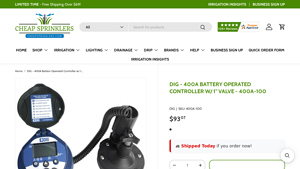
Domain: cheapsprinklers.com
Registered: 2014 (11 years)
Introduction: DIG 400A Battery Operated Controller (400A-100) includes a DIG 1 inch In-Line Valve. It is a single station, battery powered controller designed for above ground use where electrical power is not available. The controller is waterproof and durable, built for outdoor use. Key features include: 1” NPT In-Line valve, up to 3 years of operation from one pair of AA batteries, 60 second memory function…
6. DIG – Battery Operated Irrigation Controllers
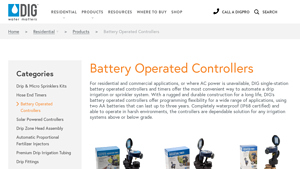
Domain: digcorp.com
Registered: 1996 (29 years)
Introduction: DIG offers a range of battery operated controllers for drip irrigation and sprinkler systems, suitable for residential and commercial applications. These controllers are powered by two AA batteries, lasting up to 3 years, and are completely waterproof (IP68 certified) for use in harsh environments. The RBC series provides programming flexibility for various applications. Additionally, DIG’s hose e…
7. DripWorks – Drip Irrigation Timers
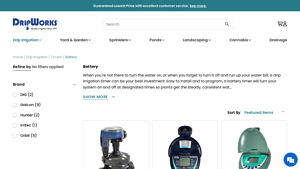
Domain: dripworks.com
Registered: 1998 (27 years)
Introduction: Drip Irrigation Timers – Battery: These timers are designed to automate the watering process, ensuring plants receive consistent watering even when the user is not present. They are easy to install and program, featuring standard hose threads. Key product offerings include: 1. DIG 410BT Bluetooth Battery Operated Controller – $98.75 2. Galcon 9001BT LCD Hose End Timer – Bluetooth – $74.95 3. Galco…
Strategic Sourcing Conclusion and Outlook for battery operated irrigation valve
The strategic sourcing of battery-operated irrigation valves presents numerous advantages for businesses looking to enhance their agricultural efficiency and sustainability. Key takeaways highlight the growing demand for these solutions in regions where traditional electric infrastructure is limited or unreliable. With robust battery life and user-friendly programming options, modern controllers facilitate seamless integration into various landscapes, from rural properties to urban parks.
Investing in battery-operated systems not only reduces dependency on electrical connections but also addresses environmental concerns through energy-efficient practices. This strategic approach can lead to significant cost savings and improved operational efficiencies.
As international B2B buyers from Africa, South America, the Middle East, and Europe (including Germany and Saudi Arabia) navigate the complexities of sourcing these innovative products, it is crucial to prioritize suppliers that offer reliability, strong customer support, and comprehensive warranties.
Looking ahead, the continued evolution of smart irrigation technologies promises exciting opportunities for businesses committed to sustainable practices. By embracing these advancements, you can position your operations for long-term success and resilience in an ever-changing market. Engage with trusted suppliers today to elevate your irrigation solutions and drive your business forward.
 English (United States)
  Spanish (Spain)
  Portuguese (Portugal)
  French
  German
  Italian
  Arabic
  Dutch
Dutch  English (UK)
  Bulgarian
  Chinese (China)
  Chinese (Hong Kong)
  Czech
Czech  Danish
  Greek
Greek  Finnish
  Spanish (Mexico)
  Estonian
  Hebrew
  Hungarian
  Indonesian
  Japanese
  Korean
  Latvian
  Lithuanian
  Norwegian
  Polish
  Portuguese (Brazil)
  Romanian
  Russian
  Slovenian
  Slovak
  Swedish
  Turkish
  Ukrainian
  Vietnamese