
Introduction: Navigating the Global Market for irrigation valve box
Navigating the complexities of the global market for irrigation valve boxes presents a significant challenge for international B2B buyers, especially those from regions such as Africa, South America, the Middle East, and Europe. Sourcing the right irrigation valve box is crucial for ensuring the longevity and efficiency of irrigation systems. These components are essential for protecting underground valves and facilitating easy access for maintenance, thus reducing downtime and repair costs. However, with the vast array of options available, selecting the appropriate valve box can be daunting.
This comprehensive guide aims to equip buyers with the necessary insights into the various types of irrigation valve boxes, their applications, and the criteria for effective supplier vetting. We will delve into key considerations such as material durability, design features, and cost implications, helping you make informed purchasing decisions that align with your operational needs. Additionally, we will provide actionable strategies for navigating supplier relationships, ensuring that you can source high-quality products that meet international standards.
By empowering you with this knowledge, this guide enhances your ability to make strategic choices in the procurement process, ultimately contributing to the success of your irrigation projects in diverse markets. Whether you are in Saudi Arabia, Nigeria, or elsewhere, understanding these elements will enable you to optimize your irrigation systems and drive sustainable agricultural practices.
Understanding irrigation valve box Types and Variations
| Type Name | Key Distinguishing Features | Primary B2B Applications | Brief Pros & Cons for Buyers |
|---|---|---|---|
| Round Valve Box | Circular design, often with overlapping lids for easy access | Residential and commercial irrigation | Плюсове: Easy access, compact design. Против: Limited space for larger valves. |
| Rectangular Valve Box | Rectangular shape, designed for larger valve systems | Agricultural and industrial irrigation | Плюсове: Ample space for multiple valves. Против: Bulkier and may require more installation space. |
| Jumbo Valve Box | Extra-large capacity for extensive irrigation systems | Large-scale agricultural projects | Плюсове: Accommodates multiple valves, durable. Против: Higher cost, requires more effort to install. |
| Lockable Valve Box | Features security locks to prevent unauthorized access | Commercial properties, public parks | Плюсове: Enhanced security, prevents tampering. Против: Additional cost for locking mechanism. |
| Extension Valve Box | Designed to extend existing valve boxes for deeper installations | Custom irrigation setups | Плюсове: Flexibility in installation depth. Против: May require additional components to fit properly. |
What are the Characteristics of Round Valve Boxes?
Round valve boxes are characterized by their circular shape and often feature overlapping lids that provide easy access to the valves inside. This design is commonly used in residential and small commercial irrigation systems, where space is limited. B2B buyers should consider the size and depth of the box to ensure it fits the specific valve configurations they intend to use. The compact nature allows for straightforward installation, but it may not accommodate larger valve systems effectively.
How Do Rectangular Valve Boxes Differ from Other Types?
Rectangular valve boxes are designed to house larger valve systems, making them ideal for agricultural and industrial applications. Their rectangular shape provides ample space for multiple valves, ensuring efficient management of irrigation systems. When purchasing, B2B buyers should evaluate the dimensions and compatibility with existing infrastructure. While they offer significant storage capacity, their bulkier design may require more space and can complicate installation.
What Benefits Do Jumbo Valve Boxes Offer for Large-Scale Projects?
Jumbo valve boxes are designed for extensive irrigation systems, offering extra-large capacity to accommodate multiple valves and connections. They are particularly suitable for large-scale agricultural projects where durability and accessibility are crucial. Buyers should consider the installation requirements and overall cost, as these boxes can be more expensive than standard options. While they provide robust solutions for managing complex systems, they also demand more effort during installation.
Why Choose Lockable Valve Boxes for Security?
Lockable valve boxes feature security locks that prevent unauthorized access, making them ideal for commercial properties and public parks. This added security is crucial for protecting valuable irrigation components from tampering or vandalism. B2B buyers should weigh the benefits of enhanced security against the additional cost associated with these mechanisms. While they provide peace of mind, the locking feature may also complicate access for maintenance.
How Can Extension Valve Boxes Enhance Custom Irrigation Setups?
Extension valve boxes are specifically designed to extend the depth of existing valve boxes, accommodating deeper installations. This flexibility is particularly beneficial for custom irrigation setups that require adjustments based on the landscape or soil conditions. Buyers should assess compatibility with their current systems and consider the need for additional components to ensure a proper fit. While they offer customization options, the installation process can be more intricate compared to standard valve boxes.
Key Industrial Applications of irrigation valve box
| Industry/Sector | Specific Application of irrigation valve box | Value/Benefit for the Business | Key Sourcing Considerations for this Application |
|---|---|---|---|
| Селско стопанство | Protecting irrigation systems in large farms | Ensures consistent water supply, reducing crop loss | Durability against harsh weather, size compatibility |
| Landscaping and Parks | Managing water distribution in public parks and gardens | Enhances aesthetic appeal while maintaining plant health | UV resistance, ease of access for maintenance |
| Golf Courses | Safeguarding valves in irrigation systems for fairways and greens | Promotes healthy turf and efficient water use | Compatibility with existing systems, lockable options |
| Municipal Water Management | Monitoring and controlling irrigation for city parks and green spaces | Reduces operational costs and improves resource management | Compliance with local regulations, material specifications |
| Sports Facilities | Facilitating irrigation for stadiums and athletic fields | Ensures optimal playing conditions and field longevity | Robust construction, ease of installation |
How is the irrigation valve box used in agriculture, and what problems does it solve?
In the agriculture sector, irrigation valve boxes are crucial for protecting and maintaining the integrity of irrigation systems on large farms. They house valves that control the flow of water, ensuring that crops receive the right amount of moisture. This prevents water wastage and minimizes crop loss due to inconsistent watering. Buyers should consider durability against harsh weather conditions and compatibility with existing irrigation setups, especially in regions with extreme climates, such as parts of Africa and the Middle East.
What role does the irrigation valve box play in landscaping and parks?
In landscaping and park management, irrigation valve boxes are essential for managing water distribution systems that keep public green spaces healthy and vibrant. They provide easy access to valves for maintenance while protecting these components from dirt, debris, and potential damage. This contributes to a more aesthetically pleasing environment and promotes plant health. Buyers should prioritize UV resistance and ease of access for maintenance, particularly in sunny regions like South America and the Middle East.
How do golf courses benefit from using irrigation valve boxes?
Golf courses utilize irrigation valve boxes to safeguard valves in their extensive irrigation systems, which are vital for maintaining healthy grass on fairways and greens. These boxes allow for precise control over water distribution, ensuring that the turf remains lush and playable. This not only enhances the golfing experience but also conserves water resources. Buyers should ensure compatibility with existing irrigation systems and consider lockable options to prevent unauthorized access, especially in high-traffic areas.
Why are irrigation valve boxes important for municipal water management?
Municipal water management relies on irrigation valve boxes to monitor and control water distribution in city parks and green spaces. These boxes help streamline operations, reduce water waste, and improve overall resource management. They are particularly valuable in urban settings where efficient water use is critical. Buyers must consider compliance with local regulations and specific material specifications to ensure long-term performance and reliability in diverse environmental conditions.
How do sports facilities utilize irrigation valve boxes effectively?
Sports facilities use irrigation valve boxes to facilitate the efficient irrigation of athletic fields and stadiums, ensuring optimal playing conditions year-round. These boxes protect vital components from damage while allowing for easy access during maintenance. Proper irrigation is essential for field longevity and player safety. Buyers should focus on robust construction and ease of installation, particularly in regions with varying climate conditions, to ensure consistent performance.
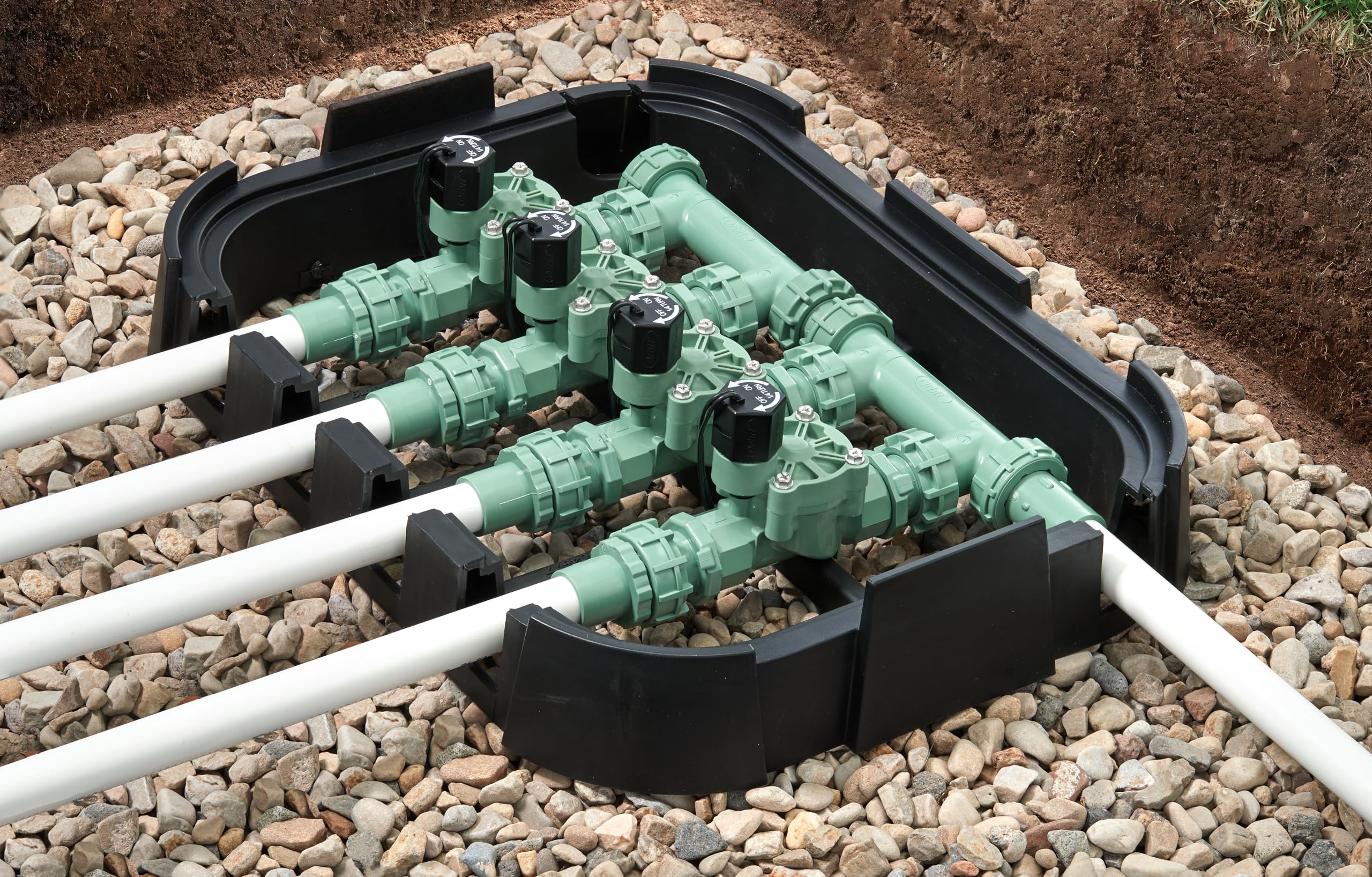
A stock image related to irrigation valve box.
3 Common User Pain Points for ‘irrigation valve box’ & Their Solutions
Scenario 1: Inadequate Protection from Environmental Elements
The Problem: One of the primary challenges faced by B2B buyers of irrigation valve boxes is ensuring adequate protection against environmental elements such as water, dirt, and debris. In regions with extreme weather conditions—like heavy rains in Nigeria or dust storms in Saudi Arabia—valve boxes that lack robust design can become compromised. This leads to corrosion, clogging, and potential system failures, resulting in costly repairs and downtime.
The Solution: To combat this issue, buyers should invest in high-quality irrigation valve boxes made from durable materials, such as UV-resistant plastic or reinforced composites. When sourcing these products, it is essential to specify features like overlapping lids or locking mechanisms to prevent water ingress and protect against dirt accumulation. Additionally, consider options that include built-in drainage systems to manage water flow effectively. Regular maintenance checks should also be scheduled to ensure that the valve boxes remain in optimal condition. For example, integrating a routine inspection process after extreme weather events can help identify potential issues before they escalate.
Scenario 2: Accessibility for Maintenance and Repairs
The Problem: Another significant pain point for B2B buyers is the accessibility of valve boxes for maintenance and repairs. In many cases, valve boxes are buried or poorly located, making it difficult for technicians to access the valves without extensive digging. This not only delays repairs but also increases labor costs and disrupts irrigation schedules, impacting agricultural outputs.
The Solution: To enhance accessibility, buyers should select valve boxes that feature removable tops and built-in pipe slots. These designs allow for quicker access to the valves without the need for excavation. When planning installations, consider positioning valve boxes in easily reachable locations, ideally marked for visibility. Additionally, investing in larger valve boxes can facilitate easier access, as they provide more room for technicians to maneuver. Training staff on efficient maintenance practices, including how to quickly identify and address issues, will further streamline operations and minimize downtime.
Scenario 3: Compatibility with Existing Irrigation Systems
The Problem: Compatibility issues between irrigation valve boxes and existing systems can lead to inefficiencies and increased costs. B2B buyers often encounter challenges when the dimensions or specifications of new valve boxes do not align with the existing infrastructure, leading to leaks or malfunctions that require additional modifications.
The Solution: To avoid compatibility problems, it is crucial for buyers to conduct a thorough assessment of their current irrigation systems before purchasing valve boxes. This includes measuring existing valve sizes and understanding the overall layout of the irrigation network. When sourcing new valve boxes, opt for modular designs that can be adjusted or expanded as needed. Additionally, collaborating with suppliers who offer customization options can ensure that the selected valve boxes meet specific requirements. Providing detailed specifications to manufacturers will help create solutions tailored to existing systems, reducing the risk of installation errors and ensuring seamless integration. Regularly reviewing system performance and being proactive about upgrades can also help maintain operational efficiency.
Strategic Material Selection Guide for irrigation valve box
When selecting materials for irrigation valve boxes, it is essential to consider factors such as durability, cost, and suitability for specific applications. Here, we analyze four common materials used in the manufacturing of irrigation valve boxes: polyethylene, polypropylene, PVC, and metal. Each material has unique properties that can significantly impact performance and longevity in various environments.
What Are the Key Properties of Polyethylene for Irrigation Valve Boxes?
Polyethylene (PE) is a widely used thermoplastic known for its excellent chemical resistance and durability. It can withstand a temperature range from -50°F to 120°F (-45°C to 49°C) and offers good impact resistance. Its lightweight nature makes it easy to handle and install.
Плюсове: Polyethylene is cost-effective and resistant to corrosion, making it suitable for various soil types and climates. It is also UV stabilized, which helps in outdoor applications.
Против: While it is durable, polyethylene may not withstand extreme temperatures or heavy loads as effectively as some other materials. Additionally, its mechanical strength can be lower than that of metal options.
Impact on Application: PE is compatible with most irrigation media, including water and fertilizers, making it a versatile choice for agricultural applications.
Considerations for International Buyers: Compliance with international standards such as ASTM D1248 is crucial. Buyers in regions like Africa and the Middle East should ensure that PE products are UV stabilized to withstand intense sunlight.
How Does Polypropylene Compare for Irrigation Valve Boxes?
Polypropylene (PP) is another thermoplastic known for its high chemical resistance and ability to withstand temperatures up to 200°F (93°C). It is often used in applications requiring a balance of strength and flexibility.
Плюсове: Polypropylene is lightweight, resistant to many chemicals, and has a high melting point. Its flexibility allows it to absorb impacts without cracking.
Против: While it offers good resistance to chemicals, polypropylene can be susceptible to UV degradation unless treated. Additionally, it may be more expensive than polyethylene.
Impact on Application: PP is ideal for environments with higher temperatures and aggressive chemicals, making it suitable for specialized irrigation systems.
Considerations for International Buyers: Buyers should check for compliance with standards such as ISO 9001. In regions like South America, where chemical fertilizers are prevalent, the chemical compatibility of PP is a significant advantage.
What Are the Advantages of PVC in Irrigation Valve Boxes?
Polyvinyl Chloride (PVC) is a rigid plastic known for its strength and durability. It can handle a wide range of temperatures from -40°F to 140°F (-40°C to 60°C) and is resistant to corrosion.
Плюсове: PVC is highly durable and can withstand significant pressure, making it suitable for high-flow irrigation systems. It is also easy to install and maintain.
Против: The rigidity of PVC can be a disadvantage in areas with extreme temperature fluctuations, as it may become brittle. Additionally, it is generally more expensive than polyethylene.
Impact on Application: PVC is compatible with a wide range of irrigation media, including water and various chemicals, making it a versatile option for both residential and commercial applications.
Considerations for International Buyers: Compliance with ASTM D1784 is essential. In Europe, where environmental regulations are stringent, buyers should ensure that PVC products meet REACH compliance.
How Do Metal Valve Boxes Perform in Irrigation Applications?
Metal valve boxes, typically made from galvanized steel or aluminum, offer exceptional strength and durability. They can withstand extreme temperatures and heavy loads, making them suitable for high-traffic areas.
Плюсове: Metal valve boxes are robust and provide excellent protection for valves. They can last for decades with proper maintenance.
Против: Metal is prone to corrosion, especially in wet environments, unless properly coated. Additionally, the weight of metal boxes can complicate installation.
Impact on Application: Metal valve boxes are ideal for applications requiring high durability and security, such as in urban settings or commercial farms.
Considerations for International Buyers: Buyers should ensure compliance with standards like ASTM A123 for galvanized products. In regions with high humidity, such as parts of Africa, corrosion resistance is a critical factor.
Summary Table of Material Selection for Irrigation Valve Boxes
| Материал | Typical Use Case for irrigation valve box | Key Advantage | Key Disadvantage/Limitation | Relative Cost (Low/Med/High) |
|---|---|---|---|---|
| Polyethylene | General irrigation systems | Cost-effective and UV resistant | Lower mechanical strength | Low |
| Polypropylene | High-temperature and chemical applications | High melting point and flexibility | Susceptible to UV degradation | Medium |
| PVC | High-flow irrigation systems | Durable and pressure-resistant | Brittle in extreme temperatures | Medium |
| Metal | Urban and commercial applications | Exceptional strength and durability | Prone to corrosion | High |
This strategic material selection guide provides valuable insights for B2B buyers, enabling informed decisions that align with their specific irrigation needs and regional conditions.
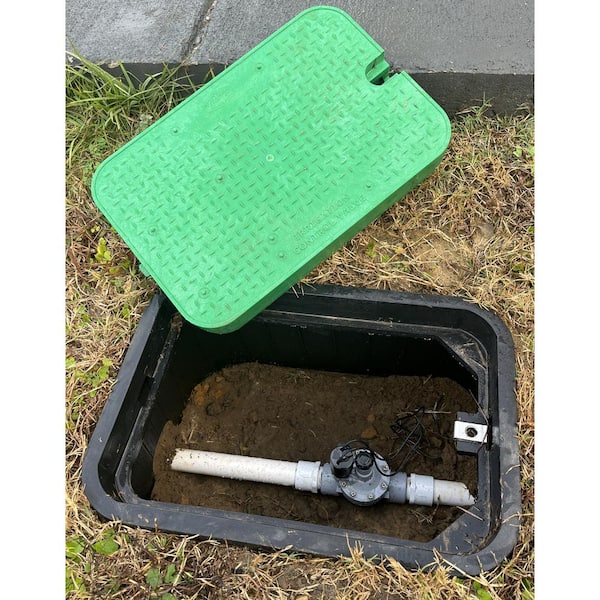
A stock image related to irrigation valve box.
In-depth Look: Manufacturing Processes and Quality Assurance for irrigation valve box
What Are the Key Stages in the Manufacturing Process of Irrigation Valve Boxes?
The manufacturing of irrigation valve boxes involves several critical stages, each designed to ensure that the final product meets the stringent demands of durability, functionality, and safety. The typical manufacturing process can be divided into four main stages: material preparation, forming, assembly, and finishing.
1. Material Preparation: What Materials Are Used?
The first step in manufacturing involves selecting high-quality materials. Common materials for irrigation valve boxes include high-density polyethylene (HDPE), polypropylene, and sometimes metal composites for enhanced durability. These materials are chosen for their resistance to UV radiation, moisture, and extreme temperature variations, which are essential for outdoor applications.
After material selection, raw materials undergo a preparation phase that may involve cutting them to specific sizes or processing them into pellets suitable for molding. This ensures that the materials are ready for the next stage of the manufacturing process.
2. Forming: How Are Valve Boxes Shaped?
The forming stage is where the raw materials are transformed into valve boxes. Common techniques include injection molding and rotational molding.
Injection Molding: This technique involves heating the plastic until it melts and then injecting it into a mold to form the desired shape. This method is efficient for producing large quantities of uniform products and is often used for standard-sized valve boxes.
Rotational Molding: In contrast, rotational molding allows for the creation of larger and more complex shapes. It involves placing plastic powder in a mold that rotates in an oven, allowing the material to coat the interior surface evenly.
The choice of forming technique can affect the final product’s strength, weight, and cost, which are crucial considerations for B2B buyers.
3. Assembly: How Are Components Integrated?
Once the individual components are formed, they are assembled. This may include attaching lids, locks, or any additional features such as drainage holes or cable management systems. The assembly process can be automated or manual, depending on the complexity of the design and the production scale.
In some cases, manufacturers may use ultrasonic welding or adhesive bonding to ensure a secure and waterproof seal between components. This is particularly important in regions with heavy rainfall or where the irrigation systems are buried underground.
4. Finishing: What Treatments Are Applied?
The finishing stage focuses on enhancing the product’s appearance and performance. This may involve surface treatments such as UV stabilization, painting, or applying protective coatings to increase resistance to environmental factors.
Additionally, labeling and branding may occur during this stage, ensuring that the product meets regional regulations and customer branding requirements. The final inspection is conducted to ensure that all specifications and quality standards are met before packaging.
What Quality Assurance Practices Are Essential for Irrigation Valve Boxes?
Quality assurance is a critical aspect of the manufacturing process, ensuring that irrigation valve boxes meet international and industry-specific standards. Adhering to these standards not only guarantees product reliability but also enhances customer trust.
1. Which International Standards Should B2B Buyers Look For?
For B2B buyers, understanding the relevant international standards is crucial. ISO 9001 is a widely recognized quality management standard that ensures a consistent level of quality across processes. Compliance with this standard indicates that a manufacturer has implemented effective quality management systems.
Additionally, depending on the region, industry-specific certifications such as CE marking (for European markets) or API (American Petroleum Institute) standards may apply. These certifications assure buyers that the products have undergone rigorous testing and meet safety and performance criteria.
2. What Are the Key Quality Control Checkpoints?
Quality control is typically divided into several checkpoints throughout the manufacturing process:
Incoming Quality Control (IQC): This involves inspecting raw materials upon delivery to ensure they meet specified standards.
In-Process Quality Control (IPQC): Continuous monitoring during the manufacturing process helps identify defects early. This could involve checking dimensions, weights, and other key parameters.
Final Quality Control (FQC): Before packaging, a comprehensive inspection is conducted to ensure that the finished product adheres to all quality standards and specifications. This includes functional tests and visual inspections.
3. How Can B2B Buyers Verify Supplier Quality Control?
B2B buyers should take proactive steps to verify a supplier’s quality control measures. This can include:
Supplier Audits: Regular audits of the manufacturing facility can provide insights into the quality management practices in place. Buyers should request audit reports and corrective action plans.
Certification Verification: Buyers should verify that suppliers hold relevant certifications and that these are current. This can often be done through official certification bodies.
Third-Party Inspections: Engaging third-party inspection services can offer an unbiased evaluation of the quality control processes. These inspections can be scheduled at various points in the production cycle.
What Are the Quality Control Nuances for International Buyers?
When dealing with suppliers from different regions, particularly in Africa, South America, the Middle East, and Europe, B2B buyers should be aware of specific nuances in quality control:
Cultural Differences: Understanding local manufacturing practices and cultural attitudes toward quality can help in establishing effective communication and expectations.
Regulatory Compliance: Different regions may have varying regulatory requirements. Buyers should ensure that their suppliers are compliant with local regulations and international standards applicable to their market.
Risk Management: International buyers should have contingency plans in place for potential quality issues, including sourcing alternative suppliers or implementing stricter inspection protocols.
Conclusion: Ensuring Quality in Irrigation Valve Box Procurement
In conclusion, the manufacturing processes and quality assurance practices for irrigation valve boxes are critical factors that B2B buyers must consider. By understanding the stages of manufacturing, the importance of quality control, and the nuances of international standards, buyers can make informed decisions that enhance their procurement strategies. Engaging with suppliers who prioritize quality assurance not only ensures reliable products but also fosters long-term business relationships built on trust and transparency.
Practical Sourcing Guide: A Step-by-Step Checklist for ‘irrigation valve box’
The following is a practical sourcing guide designed for B2B buyers interested in procuring irrigation valve boxes. This checklist will help streamline the purchasing process and ensure that you select the best products for your needs.
Step 1: Define Your Technical Specifications
Before beginning your search, it’s essential to outline the technical specifications required for your irrigation system. Consider factors such as size, material (plastic or metal), and compatibility with existing systems. Clear specifications will guide your supplier discussions and help you avoid unsuitable products.
Step 2: Research Market Trends and Standards
Understanding current market trends and industry standards is crucial for making informed purchasing decisions. Look for insights related to durability, environmental considerations, and innovations in valve box technology. This knowledge will not only help you select high-quality products but also position you competitively within your market.
Step 3: Evaluate Potential Suppliers
Thoroughly vet potential suppliers to ensure they meet your quality and service expectations. Request company profiles, product catalogs, and references from other businesses in your sector. It’s important to assess their reputation, reliability, and after-sales support to avoid future complications.
- Check Certifications: Ensure that suppliers comply with relevant industry standards and certifications, which can vary by region.
- Assess Quality Control Processes: Inquire about their quality assurance protocols to ensure consistency and reliability.
Step 4: Compare Pricing and Payment Terms
Once you have shortlisted suppliers, compare their pricing structures and payment terms. Evaluate not only the unit price but also bulk order discounts, shipping costs, and payment flexibility. Transparent pricing will help you budget effectively and maximize your purchasing power.
Step 5: Request Samples for Testing
Before placing a large order, request samples of the irrigation valve boxes to evaluate their quality firsthand. Testing samples will allow you to assess the durability, size, and functionality of the products in real-world conditions. This step can save you from costly mistakes later on.
Step 6: Negotiate Contract Terms
Once you have selected a supplier, negotiate the contract terms carefully. Focus on delivery timelines, warranty conditions, and return policies to ensure you have adequate protection. Clear agreements can help mitigate risks associated with delays or product defects.
Step 7: Plan for Logistics and Distribution
Finally, consider the logistics involved in transporting the irrigation valve boxes to your location. Assess shipping options, lead times, and any customs considerations if importing from international suppliers. Proper planning will ensure a smooth delivery process and help maintain your project schedules.
By following these steps, B2B buyers can confidently navigate the procurement of irrigation valve boxes, ensuring that they make informed decisions that align with their operational needs and market demands.
Comprehensive Cost and Pricing Analysis for irrigation valve box Sourcing
What Are the Key Cost Components in Sourcing Irrigation Valve Boxes?
When sourcing irrigation valve boxes, understanding the cost structure is crucial for effective budgeting and negotiation. The primary cost components include:
Материали: The choice of materials significantly impacts the overall cost. Common materials include high-density polyethylene (HDPE) and polypropylene, which offer durability against environmental factors. Premium materials may lead to higher initial costs but can reduce long-term maintenance expenses.
Labor: Labor costs encompass the wages paid to workers involved in manufacturing, assembling, and quality control. These costs can vary depending on the region and the complexity of the valve box design.
Manufacturing Overhead: This includes indirect costs such as utilities, rent, and equipment depreciation associated with production facilities. Efficient manufacturing processes can help reduce these overheads, allowing suppliers to offer more competitive pricing.
Tooling: Custom designs may require specific molds or tools, which can add to the upfront costs. For standard models, tooling costs are typically amortized over larger production runs, making them less impactful on a per-unit basis.
Quality Control (QC): Ensuring product quality is essential, especially for irrigation systems that rely on precision. QC processes can involve additional costs but are necessary for minimizing defects and ensuring compliance with industry standards.
Logistics: Transporting valve boxes from the manufacturer to the buyer involves shipping costs, which can be affected by distance, mode of transport, and any associated customs duties. Efficient logistics planning is vital for managing these expenses.
Margin: Suppliers typically add a margin to cover their costs and profit. This margin can vary based on market competition, demand, and the supplier’s strategic positioning.
How Do Price Influencers Affect the Cost of Irrigation Valve Boxes?
Several factors influence the pricing of irrigation valve boxes, impacting both initial costs and long-term value.
Volume/MOQ: Minimum order quantities (MOQs) can significantly affect pricing. Larger orders often qualify for bulk discounts, making it essential for buyers to assess their needs accurately.
Specifications and Customization: Custom features, such as specialized sizes or materials, can increase costs. Buyers should weigh the benefits of customization against the potential for higher prices.
Материали: The choice between standard and premium materials can lead to significant cost variations. Buyers must consider the trade-off between upfront costs and long-term durability.
Quality and Certifications: Products that meet specific industry certifications or quality standards may carry higher price tags but can offer peace of mind regarding performance and reliability.
Supplier Factors: Supplier reputation, reliability, and after-sales support can also influence pricing. Established suppliers with a track record of quality may command higher prices but often provide better service.
Incoterms: Understanding Incoterms is essential for international buyers. They dictate the responsibilities of buyers and sellers in shipping, which can affect overall cost. For instance, choosing FOB (Free On Board) terms can shift shipping costs to the buyer, impacting the final price.
What Are Some Effective Buyer Tips for Cost-Efficient Sourcing?
To ensure cost-efficient sourcing of irrigation valve boxes, consider the following tips:
Negotiate Terms: Leverage your buying power to negotiate better pricing, especially if you’re making a substantial order. Suppliers may be willing to adjust pricing based on committed volume.
Focus on Total Cost of Ownership (TCO): Evaluate the TCO rather than just the initial price. Consider factors such as durability, maintenance costs, and potential downtime due to failures.
Understand Pricing Nuances for International Purchases: Buyers from regions like Africa, South America, the Middle East, and Europe should be aware of additional costs such as tariffs, shipping fees, and currency fluctuations that may not be included in the quoted price.
Research Suppliers: Conduct thorough research on potential suppliers, assessing their product range, quality, and reputation. Online reviews and testimonials can provide insights into their reliability.
Stay Informed: Keep up with market trends and pricing changes in the irrigation industry. Being informed can help you make timely purchasing decisions and capitalize on price drops or special offers.
Заключение
Sourcing irrigation valve boxes involves navigating a complex landscape of costs and pricing factors. By understanding the key components of cost, the influencers of pricing, and implementing effective sourcing strategies, international B2B buyers can make informed decisions that align with their operational needs and budget constraints. Always remember that indicative prices may fluctuate based on market conditions, so continuous engagement with suppliers is essential.
Alternatives Analysis: Comparing irrigation valve box With Other Solutions
Introduction: Exploring Alternatives to Irrigation Valve Boxes
When it comes to irrigation systems, the selection of the right protective and access solutions is critical for optimal performance and maintenance. While irrigation valve boxes are a popular choice for safeguarding valves and facilitating access, there are alternative solutions that may offer different benefits. This analysis will compare irrigation valve boxes with other viable options, enabling B2B buyers to make informed decisions tailored to their specific needs.
Comparison Table
| Comparison Aspect | Irrigation Valve Box | Plastic Meter Box | Direct Burial Method |
|---|---|---|---|
| Performance | High durability and protection from elements | Moderate durability, mainly for meters | Varies significantly based on installation |
| Разходи | $5 – $100+ depending on size and features | $20 – $80 per unit | Low initial cost, but potential for high labor costs |
| Ease of Implementation | Simple installation with clear guidelines | Requires basic plumbing skills | Labor-intensive, may need professional help |
| Поддръжка | Low maintenance, easy access for repairs | Moderate, requires access to meters | High, often requires excavation for access |
| Best Use Case | General irrigation systems needing protection | Situations requiring access to water meters | Budget-sensitive projects where access isn’t critical |
Detailed Breakdown of Alternatives
What Are the Pros and Cons of Using a Plastic Meter Box?
Plastic meter boxes serve as a protective casing for water meters and related components. They are relatively lightweight and easy to transport, making them a convenient option for smaller installations. However, while they provide a basic level of protection against the elements, their durability is not on par with dedicated irrigation valve boxes. Additionally, while they offer moderate maintenance access, any repairs or adjustments might require more effort compared to the straightforward access provided by valve boxes.
How Does the Direct Burial Method Compare?
The direct burial method involves burying irrigation components without a protective box, which can significantly reduce initial material costs. This approach may be appealing for budget-conscious projects, particularly in areas where frequent access to valves is not necessary. However, the direct burial method poses challenges when maintenance is required, as it often necessitates excavation to reach the buried components. This can lead to increased labor costs and downtime, making it less favorable in scenarios where regular maintenance is anticipated.
Conclusion: Choosing the Right Solution for Your Irrigation Needs
Selecting the appropriate solution for irrigation systems involves careful consideration of various factors, including performance, cost, and maintenance requirements. While irrigation valve boxes offer robust protection and ease of access, alternatives like plastic meter boxes and direct burial methods can provide viable options depending on specific project needs and budget constraints. B2B buyers should assess their unique requirements, including the frequency of maintenance, environmental conditions, and overall system design, to determine the best solution that balances performance, cost-efficiency, and ease of implementation.
Essential Technical Properties and Trade Terminology for irrigation valve box
What Are the Essential Technical Properties of Irrigation Valve Boxes?
When selecting irrigation valve boxes, several critical technical properties must be considered to ensure optimal performance and longevity. Here are some of the most important specifications:
Material Grade
The most common materials used for irrigation valve boxes are high-density polyethylene (HDPE) and polypropylene. These materials are preferred due to their durability, resistance to UV rays, and ability to withstand harsh environmental conditions. For B2B buyers, selecting the right material grade can significantly impact the valve box’s lifespan and performance in various climates, particularly in regions with extreme temperatures or heavy rainfall.Dimensions and Shape
Valve boxes come in various shapes, including round and rectangular, with different dimensions. Common sizes range from 6 inches to 14 inches in diameter or width. The choice of size and shape should be based on the specific application and the type of valves being housed. For instance, larger boxes may be necessary for commercial systems, while smaller ones could suffice for residential setups. Understanding the dimensional requirements is crucial for ensuring compatibility with existing irrigation systems.Load Capacity
Load capacity refers to the weight the valve box can support without deforming or breaking. This specification is vital for installations in areas where heavy traffic occurs, such as parks or commercial landscapes. B2B buyers must assess the expected load and choose a box that can withstand these pressures to avoid costly replacements or repairs.Seal Type
The type of seal used in a valve box is critical for preventing water, dirt, and debris from entering the system. Common seal types include overlapping lids and drop-in covers. A well-sealed valve box protects the internal components and reduces maintenance needs. Buyers should consider the seal type based on their local environmental conditions and the specific needs of their irrigation system.UV Resistance
Given the exposure to sunlight, the UV resistance of the material is crucial. A high UV resistance rating ensures that the valve box will not degrade or become brittle over time, especially in sunny regions like parts of Africa and the Middle East. This property is essential for ensuring long-term reliability and reducing replacement costs.Color Coding
Color coding is often used in irrigation systems to signify the type of water being managed (e.g., potable vs. reclaimed water). Understanding the significance of color coding can help avoid cross-contamination and ensure compliance with local regulations. B2B buyers should be aware of these standards in their region to make informed purchasing decisions.
What Are Common Trade Terms in the Irrigation Valve Box Industry?
Understanding industry terminology is critical for effective communication and negotiation in B2B transactions. Here are several key terms:
OEM (Original Equipment Manufacturer)
OEM refers to a company that produces parts or equipment that may be marketed by another manufacturer. In the context of irrigation valve boxes, OEM products are often preferred for their quality and compatibility with existing systems. Buyers should inquire if the products they are considering are OEM to ensure reliability.MOQ (Minimum Order Quantity)
MOQ indicates the smallest quantity of a product that a supplier is willing to sell. This term is important for B2B buyers as it affects inventory management and cost efficiency. Understanding MOQs can help businesses optimize their purchases and ensure they are meeting supplier requirements without overcommitting.RFQ (Request for Quotation)
An RFQ is a standard business process used to invite suppliers to bid on specific products or services. This process allows buyers to compare prices, terms, and conditions from multiple suppliers, ensuring they make informed purchasing decisions. Utilizing RFQs can lead to better pricing and terms.Incoterms (International Commercial Terms)
Incoterms are a set of predefined international trade terms that clarify the responsibilities of buyers and sellers in shipping and delivery. Familiarity with Incoterms can help buyers understand shipping costs, insurance, and liability, which is crucial for international transactions, especially for buyers in regions like Africa and South America.Lead Time
Lead time refers to the time taken from placing an order to receiving the product. Understanding lead times is essential for B2B buyers to plan their projects effectively and manage expectations regarding project timelines. Long lead times can impact the overall schedule, especially in large-scale irrigation projects.Warranty Period
The warranty period is the duration during which the manufacturer guarantees the product against defects or failures. A robust warranty can provide peace of mind and protect against unforeseen expenses. B2B buyers should carefully review warranty terms to ensure they are adequately covered.
By understanding these essential properties and trade terms, B2B buyers can make more informed decisions when purchasing irrigation valve boxes, ultimately leading to improved project outcomes and cost efficiency.
Navigating Market Dynamics and Sourcing Trends in the irrigation valve box Sector
What Are the Current Market Dynamics and Key Trends Affecting the Irrigation Valve Box Sector?
The global irrigation valve box market is experiencing notable growth driven by several factors, including the increasing demand for efficient water management solutions and the need for sustainable agricultural practices. Countries in Africa, South America, the Middle East, and Europe are focusing on enhancing their irrigation infrastructure to combat water scarcity and improve crop yields. The adoption of advanced irrigation technologies, such as smart irrigation systems, is becoming prevalent, with B2B buyers increasingly seeking valve boxes that integrate seamlessly with these systems.
Emerging trends in B2B sourcing include the rise of online marketplaces, which facilitate easier access to a wider range of products and suppliers. This shift is particularly beneficial for international buyers, as it allows for better comparison of prices and specifications. Additionally, manufacturers are innovating with materials and designs, offering options that enhance durability and functionality. For instance, valve boxes with built-in UV inhibitors and those designed for easy maintenance are gaining traction, addressing the needs of buyers looking for long-term, cost-effective solutions.
Moreover, the impact of global supply chain disruptions has prompted businesses to consider local suppliers to mitigate risks associated with delays and tariffs. This trend is particularly relevant for regions like Saudi Arabia and Nigeria, where localized sourcing can lead to quicker turnaround times and enhanced collaboration with suppliers.
How Is Sustainability Influencing the Sourcing of Irrigation Valve Boxes?
Sustainability is becoming a critical consideration for B2B buyers in the irrigation valve box sector. The environmental impact of production processes and the materials used in manufacturing are under scrutiny, leading to a demand for greener alternatives. Buyers are increasingly favoring valve boxes made from recycled or environmentally friendly materials, which not only reduce waste but also appeal to their end customers who prioritize sustainable practices.
Ethical sourcing is another important factor, as businesses recognize the need for transparency in their supply chains. This focus on ethical sourcing ensures that suppliers adhere to fair labor practices and environmental regulations. Certifications such as the Forest Stewardship Council (FSC) and other ‘green’ certifications are becoming essential for companies looking to enhance their credibility and meet the sustainability expectations of their clients.
Furthermore, the shift towards sustainable practices is being driven by regulatory pressures and consumer expectations. In regions like Europe, where environmental standards are stringent, B2B buyers must ensure that their sourcing aligns with these regulations to avoid penalties and enhance their market positioning.
What Is the Historical Context of Irrigation Valve Boxes in B2B Markets?
The evolution of irrigation valve boxes dates back to the early developments in irrigation systems, where the primary focus was on functionality and protection of underground valves. Initially made from basic materials, these boxes have undergone significant transformation over the decades. The introduction of durable plastics and innovative designs has enhanced their performance and longevity, catering to the increasing sophistication of irrigation systems.
As agricultural practices evolved and the demand for efficient water management grew, the importance of valve boxes became more pronounced. Today’s valve boxes not only serve as protective enclosures but also integrate with smart technologies, reflecting the industry’s shift towards automation and efficiency. This historical context is crucial for B2B buyers, as understanding the development of these products can inform their purchasing decisions and highlight the importance of investing in high-quality, reliable solutions.
In summary, the irrigation valve box sector is witnessing dynamic shifts influenced by technological advancements, sustainability imperatives, and changing market demands. For international B2B buyers, particularly in emerging markets, staying informed about these trends and sourcing practices is essential for making strategic purchasing decisions.
Frequently Asked Questions (FAQs) for B2B Buyers of irrigation valve box
1. How do I select the right irrigation valve box for my project?
Choosing the right irrigation valve box involves assessing the specific needs of your irrigation system, including valve type, size, and the environment in which the box will be installed. Consider the dimensions, shape (round or rectangular), and material (plastic or metal) that best suit your requirements. Additionally, evaluate features such as UV resistance and locking mechanisms for security. It’s also essential to check local regulations and standards, especially in regions like Africa or the Middle East, where environmental conditions can significantly impact material durability.2. What are the advantages of using a valve box in an irrigation system?
Irrigation valve boxes provide essential protection for underground valves, shielding them from dirt, water, and physical damage. This protection enhances the longevity of the valves and simplifies maintenance, as the boxes allow easy access for repairs without the need for extensive digging. Additionally, using valve boxes can help organize the irrigation system, making it more efficient and reducing potential disruptions in water supply. This is particularly valuable in large agricultural setups prevalent in South America and Africa.3. How can I ensure the quality of irrigation valve boxes from suppliers?
To ensure quality, conduct thorough research on potential suppliers by checking their certifications, customer reviews, and industry reputation. Request samples to assess the material durability and design integrity before placing bulk orders. It’s advisable to inquire about quality assurance processes and warranty policies. Consider visiting manufacturing facilities if possible, or utilizing third-party inspection services, particularly when sourcing from international suppliers in regions like Asia or Europe.4. What is the minimum order quantity (MOQ) for irrigation valve boxes?
MOQs can vary widely among suppliers, typically ranging from a few dozen to several hundred units. Many manufacturers set MOQs based on production costs and shipping logistics. When sourcing internationally, it’s important to discuss MOQs upfront, as they can significantly impact your initial investment and inventory management. Some suppliers may offer flexibility on MOQs for first-time buyers or larger contracts, so it’s worth negotiating based on your project needs.5. What payment terms should I expect when purchasing irrigation valve boxes internationally?
Payment terms can differ between suppliers and regions. Common terms include a deposit (usually 30-50%) upfront with the balance due before shipment or upon delivery. Some suppliers may offer letters of credit or payment upon receipt for established buyers. It’s crucial to clarify payment methods (bank transfer, credit card, etc.) and any associated fees. Additionally, consider the currency exchange implications, especially when dealing with suppliers in Europe or the Middle East.6. How do I manage logistics and shipping for international orders of irrigation valve boxes?
Managing logistics involves selecting a reliable freight forwarder who understands the nuances of international shipping. Discuss shipping options, including air freight for faster delivery or sea freight for cost-effectiveness. Ensure that you account for customs duties and import regulations in your destination country, which can vary significantly between regions like Africa and Europe. Effective communication with your supplier about shipping schedules and tracking is also essential for timely project execution.7. Can I customize irrigation valve boxes to fit specific project requirements?
Yes, many manufacturers offer customization options for irrigation valve boxes, including size, color, and branding features. Customization can help ensure that the valve boxes meet specific operational requirements or aesthetic preferences. When seeking customization, provide detailed specifications and discuss lead times, as these can affect project timelines. Ensure that your supplier has the capability to deliver high-quality custom products, particularly if you are working on large-scale projects in diverse markets.8. What are common issues to be aware of when sourcing irrigation valve boxes from international suppliers?
Common issues include quality discrepancies, shipping delays, and communication barriers. It’s vital to establish clear specifications and expectations before placing orders. Ensure that all agreements are documented and that you have a reliable point of contact with the supplier. Additionally, be aware of potential language differences and time zone challenges that can affect coordination. Regular follow-ups and clear channels of communication can help mitigate these issues and ensure a smooth procurement process.
Important Disclaimer & Terms of Use
⚠️ Important Disclaimer
The information provided in this guide, including content regarding manufacturers, technical specifications, and market analysis, is for informational and educational purposes only. It does not constitute professional procurement advice, financial advice, or legal advice.
While we have made every effort to ensure the accuracy and timeliness of the information, we are not responsible for any errors, omissions, or outdated information. Market conditions, company details, and technical standards are subject to change.
B2B buyers must conduct their own independent and thorough due diligence before making any purchasing decisions. This includes contacting suppliers directly, verifying certifications, requesting samples, and seeking professional consultation. The risk of relying on any information in this guide is borne solely by the reader.
Top 5 Irrigation Valve Box Manufacturers & Suppliers List
1. Rain Bird – PVB10RND 10 in. Round Valve Box
Domain: store.rainbird.com
Registered: 1995 (30 years)
Introduction: Rain Bird offers a variety of sprinkler valve boxes designed to protect irrigation systems from water, dirt, and dust. Key products include:
1. PVB10RND – 10 in. Round PVB Valve Box – Black Body & Overlapping Green Lid, Special Price: $17.08, List Price: $22.77
2. PVB6RND – 6 in. Round PVB Valve Box – Black Body & Overlapping Green Lid, Special Price: $5.00, List Price: $6.67
3. PVBJMB – 12 in….
2. NDS – Irrigation Valve Boxes
Domain: sprinklersupplystore.com
Registered: 2010 (15 years)
Introduction: Irrigation Valve Boxes protect lawn irrigation manifolds, preventing damage to valves buried in soil. They ensure easy access for maintenance and repair. Available from trusted brands like NDS and Rain Bird, these boxes are made from durable materials, featuring traditional green removable tops in rectangular or circular shapes. Each model includes built-in pipe slots for easy water pipe entry and…
3. Reddit – Backyard Drip Irrigation Valve Box
Domain: reddit.com
Registered: 2005 (20 years)
Introduction: The valve box is designed for a backyard drip irrigation system. It features unions on either side of the valve/filter assemblies for easy maintenance, although precise spacing is required between the unions. Suggestions for improvement include using male adapters threaded into each valve on the mainline side with unions on the lateral side to allow for easier valve replacement. Recommendations al…
4. Irrigation Outlet – Jumbo Rectangular Valve Box
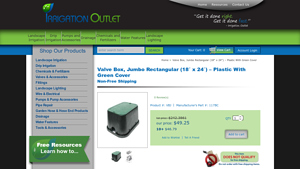
Domain: irrigationoutlet.com
Registered: 2012 (13 years)
Introduction: Valve Box, Jumbo Rectangular (18″ x 24″) – Plastic With Green Cover
5. Big Frog Supply – Valve Boxes & Covers
Domain: bigfrogsupply.com
Registered: 2014 (11 years)
Introduction: This company, Big Frog Supply – Valve Boxes & Covers, is a notable entity in the market. For specific product details, it is recommended to visit their website directly.
Strategic Sourcing Conclusion and Outlook for irrigation valve box
In the competitive landscape of irrigation solutions, strategic sourcing of irrigation valve boxes is crucial for ensuring operational efficiency and long-term sustainability. By prioritizing high-quality materials and designs, B2B buyers can significantly reduce maintenance costs and downtime associated with irrigation systems. The variety of available options, including different shapes, sizes, and functionalities, allows for tailored solutions that meet the specific needs of diverse agricultural or landscaping projects.
As international buyers from regions such as Africa, South America, the Middle East, and Europe assess their irrigation infrastructure, it is essential to consider not only price but also the durability and reliability of valve boxes. Investing in superior products translates to enhanced protection against environmental factors, ensuring that irrigation systems function optimally throughout their lifecycle.
Looking ahead, the growing emphasis on water conservation and efficient irrigation practices will drive demand for innovative valve box solutions. We encourage international buyers to engage with suppliers that prioritize quality and sustainability in their offerings. By making informed sourcing decisions now, you can position your organization for success in an evolving marketplace. Explore your options today to secure a competitive edge in irrigation management.
 Bulgarian
  English (United States)
  Spanish (Spain)
  Portuguese (Portugal)
  French
  German
  Italian
  Arabic
  Dutch
Dutch  English (UK)
  Chinese (China)
  Chinese (Hong Kong)
  Czech
Czech  Danish
  Greek
Greek  Finnish
  Spanish (Mexico)
  Estonian
  Hebrew
  Hungarian
  Indonesian
  Japanese
  Korean
  Latvian
  Lithuanian
  Norwegian
  Polish
  Portuguese (Brazil)
  Romanian
  Russian
  Slovenian
  Slovak
  Swedish
  Turkish
  Ukrainian
  Vietnamese