
Introduction: Navigating the Global Market for 1 inch irrigation valve
In the ever-evolving landscape of agricultural and landscaping solutions, sourcing a reliable 1-inch irrigation valve can pose a significant challenge for international B2B buyers. With various options available, understanding the nuances of performance, durability, and compatibility is critical for making informed purchasing decisions. This guide serves as a comprehensive resource, offering insights into different types of 1-inch irrigation valves, their applications in various environments, and the key factors to consider when selecting suppliers.
By addressing essential topics such as valve specifications, installation requirements, maintenance practices, and cost considerations, this guide empowers buyers from regions like Africa, South America, the Middle East, and Europe—including countries such as Vietnam and Saudi Arabia—to navigate the global market confidently. Whether you’re managing a large-scale agricultural operation or a smaller landscaping project, having access to reliable information about irrigation valves can enhance operational efficiency, reduce water waste, and ultimately lead to better crop yields or healthier landscapes.
As you delve into this guide, you will uncover valuable strategies for vetting suppliers, understanding pricing structures, and ensuring compliance with local regulations. Equip yourself with the knowledge needed to make strategic purchasing decisions that align with your business goals and environmental sustainability practices.
Understanding 1 inch irrigation valve Types and Variations
| Type Name | Key Distinguishing Features | Primary B2B Applications | Brief Pros & Cons for Buyers |
|---|---|---|---|
| In-Line Irrigation Valve | Compact design, minimizes pressure loss, suitable for buried use. | Residential and light commercial use. | Pros: Low profile, reliable operation. Cons: Requires careful installation to avoid debris issues. |
| Pressure Regulating Valve | Maintains consistent pressure regardless of flow variations. | Large-scale agricultural irrigation. | Pros: Protects downstream equipment, improves efficiency. Cons: Higher initial cost. |
| DC Latching Solenoid Valve | Energy-efficient, operates on low voltage, ideal for remote areas. | Automated irrigation systems. | Pros: Low power consumption, reduces operational costs. Cons: May require specific controllers. |
| Flow Control Valve | Allows adjustment of water flow rate, enhancing system flexibility. | Golf courses, parks, and gardens. | Pros: Customizable water distribution. Cons: More complex to install and maintain. |
| Anti-Drain Valve | Prevents water from draining back into the system after shutdown. | Drip irrigation systems. | Pros: Reduces water loss, maintains system pressure. Cons: Potential for clogging in dirty water. |
What Are the Key Characteristics of In-Line Irrigation Valves?
In-line irrigation valves are designed for efficient operation in underground installations. They feature a compact, low-profile design that minimizes pressure loss during system startup and operation. These valves are typically equipped with a manual bleed screw for easy flushing of debris, making them suitable for residential and light commercial applications. B2B buyers should consider compatibility with existing systems and local installation codes to ensure optimal performance.
How Do Pressure Regulating Valves Benefit Large-Scale Irrigation?
Pressure regulating valves are essential for maintaining consistent water pressure across varying flow rates, particularly in large-scale agricultural settings. By ensuring that downstream equipment operates within specified pressure limits, these valves enhance system efficiency and protect against damage. Buyers should evaluate the pressure requirements of their irrigation systems and consider the long-term savings associated with reduced water wastage and improved crop yield.
Why Choose DC Latching Solenoid Valves for Automated Systems?
DC latching solenoid valves are designed for energy efficiency, making them ideal for automated irrigation systems, especially in remote areas. These valves operate on low voltage, significantly reducing power consumption and operational costs. When purchasing, businesses should ensure that their irrigation controllers are compatible with these valves to maximize benefits and streamline operations.
What Advantages Do Flow Control Valves Offer for Custom Water Distribution?
Flow control valves provide the flexibility to adjust water flow rates, which is particularly beneficial for applications in golf courses, parks, and gardens. These valves allow for tailored irrigation strategies that can lead to better water management and plant health. Buyers must consider the complexity of installation and potential maintenance needs when opting for flow control options.
How Do Anti-Drain Valves Contribute to Efficient Drip Irrigation?
Anti-drain valves are designed to prevent water from draining back into the irrigation system after it has been shut off, thus maintaining system pressure and minimizing water loss. This feature is particularly advantageous in drip irrigation systems, where consistent moisture levels are critical. Buyers should be aware of potential clogging issues, especially in systems using non-filtered water, and may need to invest in additional filtration solutions.
Key Industrial Applications of 1 inch irrigation valve
| Industry/Sector | Specific Application of 1 inch irrigation valve | Value/Benefit for the Business | Key Sourcing Considerations for this Application |
|---|---|---|---|
| Agriculture | Precision irrigation systems for crop management | Enhances water efficiency and crop yield, reducing costs | Durability in harsh conditions, compatibility with existing systems |
| Landscape and Turf Management | Automated irrigation for parks and recreational areas | Improves water conservation and reduces labor costs | Flow control features, ease of installation, and maintenance support |
| Horticulture | Drip irrigation setups for nurseries and greenhouses | Optimizes water usage and ensures healthy plant growth | Ability to handle varying flow rates and pressure requirements |
| Golf Course Management | Irrigation systems for maintaining greens and fairways | Ensures optimal playing conditions and aesthetic appeal | Robust design for high usage, compatibility with timers and controllers |
| Commercial Landscaping | Integrated irrigation for commercial properties | Increases property value and sustainability through efficient water use | Compliance with local regulations, reliability, and warranty options |
How is the 1-inch irrigation valve utilized in agriculture?
In the agriculture sector, the 1-inch irrigation valve is integral to precision irrigation systems, allowing farmers to manage water distribution effectively. These valves help regulate the flow of water to different areas of a farm, ensuring that crops receive the right amount of moisture. This not only enhances crop yield but also conserves water, which is crucial in regions facing water scarcity. For international buyers, sourcing valves that can withstand varying climates and soil conditions is essential, alongside ensuring compatibility with existing irrigation systems.
What role does the 1-inch irrigation valve play in landscape and turf management?
For landscape and turf management, the 1-inch irrigation valve is essential in automating irrigation systems for parks, gardens, and recreational areas. These valves help maintain healthy landscapes while significantly reducing labor costs associated with manual watering. The ability to integrate with smart irrigation controllers allows for precise watering schedules, optimizing water use. Buyers should consider valves that offer ease of installation and maintenance, along with robust performance in outdoor environments.
How does the 1-inch irrigation valve benefit horticulture operations?
In horticulture, particularly in nurseries and greenhouses, the 1-inch irrigation valve is utilized in drip irrigation setups to deliver water directly to plant roots. This method minimizes evaporation and runoff, ensuring that water is used efficiently to promote healthy plant growth. Buyers in this sector should look for valves that can handle varying flow rates and offer reliable performance under different pressure conditions, as these factors can significantly impact plant health and productivity.
Why is the 1-inch irrigation valve important for golf course management?
Golf course management relies heavily on the 1-inch irrigation valve for maintaining lush greens and fairways. These valves ensure consistent and even water distribution, which is vital for the aesthetic appeal and playability of the course. The durability and reliability of these valves under high usage conditions are critical, as is their compatibility with irrigation timers and controllers. Golf course managers should prioritize sourcing valves that are designed to withstand the rigors of constant operation while offering easy maintenance solutions.
How does the 1-inch irrigation valve enhance commercial landscaping?
In commercial landscaping, the 1-inch irrigation valve is used to create integrated irrigation systems that enhance property aesthetics and sustainability. These systems help in conserving water while ensuring that landscaped areas remain vibrant and healthy, which can increase property value. For international B2B buyers, it is crucial to source valves that comply with local regulations regarding water use and irrigation practices, as well as those that offer reliable performance and warranty options to mitigate risks associated with installation and operation.
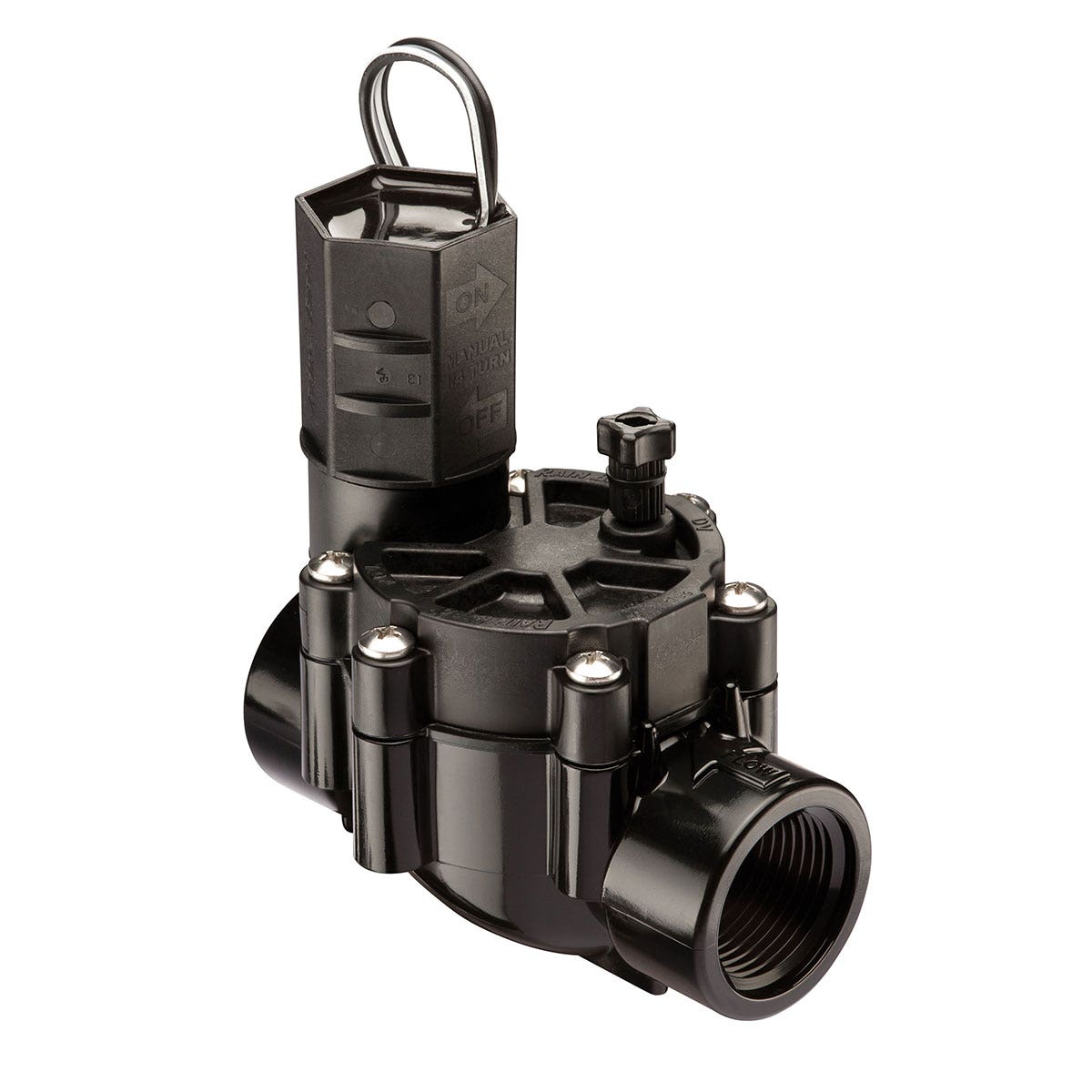
A stock image related to 1 inch irrigation valve.
3 Common User Pain Points for ‘1 inch irrigation valve’ & Their Solutions
Scenario 1: Insufficient Water Flow Causing Irrigation Inefficiencies
The Problem: Many B2B buyers encounter issues with insufficient water flow when using 1-inch irrigation valves, which can be critical in agricultural or landscaping projects. This problem often arises due to improper valve selection, poor installation practices, or clogging from dirt and debris. For businesses reliant on consistent irrigation, inadequate flow can lead to uneven watering, reduced crop yield, or plant stress, ultimately impacting profitability and client satisfaction.
The Solution: To combat flow issues, it’s essential to choose the right type of 1-inch irrigation valve designed for the specific application. When sourcing valves, opt for models that feature a reverse-flow design, which minimizes pressure loss and reduces the risk of clogging. Proper installation is crucial; ensure that the valve is positioned in a location that allows for easy access for maintenance. Additionally, incorporate a 200 mesh filter before the valve for systems with low flow rates or drip applications. Regularly flushing the system using the valve’s external bleed screw can help clear debris buildup, maintaining optimal flow and system efficiency.
Scenario 2: Frequent Valve Failures Leading to Increased Maintenance Costs
The Problem: B2B buyers often face the frustration of frequent valve failures, which can lead to unexpected downtime and increased maintenance costs. These failures may be attributed to subpar valve quality, incorrect installation, or harsh environmental conditions. Such issues not only disrupt irrigation schedules but can also necessitate costly repairs or replacements, negatively impacting project timelines and budgets.
The Solution: To reduce the risk of valve failures, it is imperative to select high-quality 1-inch irrigation valves that are specifically designed for durability in challenging conditions. Look for valves made from heavy-duty materials that can withstand pressure surges and environmental stressors. Additionally, consider valves with a double-beaded diaphragm for leak-free performance. Proper installation techniques, such as ensuring the valve is level and securely connected, can also prevent operational issues. Implementing a routine maintenance schedule to inspect and test valve functionality will help catch potential problems early, ultimately minimizing downtime and maintenance expenses.
Scenario 3: Compliance with Local Regulations and Standards
The Problem: Navigating local regulations and standards can be a significant pain point for B2B buyers of 1-inch irrigation valves, particularly in regions like Africa, South America, and the Middle East, where regulations may vary widely. Non-compliance can result in fines, project delays, or even the requirement to redo installations, which can be costly and time-consuming.
The Solution: To ensure compliance, it is vital to thoroughly research local irrigation standards and regulations before purchasing and installing 1-inch irrigation valves. Engage with local authorities or irrigation professionals to understand specific requirements, such as the need for backflow prevention devices like pressure vacuum breakers. When selecting valves, choose models that are certified to meet these local standards, ensuring they are suitable for the intended application. Additionally, consider working with suppliers who are knowledgeable about local regulations and can provide guidance on compliance-related issues. By proactively addressing these concerns, businesses can streamline their operations and avoid potential legal complications.
Strategic Material Selection Guide for 1 inch irrigation valve
What Are the Key Materials for 1 Inch Irrigation Valves?
When selecting a 1 inch irrigation valve, the choice of material significantly influences the valve’s performance, durability, and suitability for specific applications. Below, we analyze four common materials used in the construction of irrigation valves, focusing on their properties, advantages, disadvantages, and considerations for international B2B buyers.
How Does PVC Perform in 1 Inch Irrigation Valves?
Key Properties: PVC (Polyvinyl Chloride) is lightweight, has a maximum operating temperature of about 140°F (60°C), and can handle pressures up to 150 psi. It exhibits good resistance to corrosion and is suitable for various water qualities.
Pros & Cons: PVC is cost-effective and easy to manufacture, making it a popular choice for budget-conscious projects. However, its lower temperature and pressure ratings can limit its use in high-stress applications. Additionally, PVC can become brittle over time when exposed to UV light, necessitating careful installation in outdoor environments.
Impact on Application: PVC valves are compatible with a wide range of media, including potable water and wastewater. However, they may not be suitable for hot water applications or aggressive chemicals.
Considerations for International Buyers: Buyers in regions like Africa and South America should ensure compliance with local standards such as ASTM or ISO. PVC’s availability and cost-effectiveness make it a favored option, but its limitations in extreme conditions must be considered.
What Advantages Does Brass Offer for Irrigation Valves?
Key Properties: Brass valves typically have a higher temperature tolerance (up to 200°F or 93°C) and can handle pressures exceeding 200 psi. They are resistant to corrosion, particularly in chlorinated water.
Pros & Cons: Brass is highly durable and can withstand harsh environmental conditions, which makes it suitable for long-term installations. However, it is more expensive than PVC and may require more complex manufacturing processes. Additionally, brass can be susceptible to dezincification in certain water conditions, potentially leading to premature failure.
Impact on Application: Brass valves are ideal for applications involving hot water or aggressive chemicals, providing reliable performance in various irrigation systems.
Considerations for International Buyers: In regions like the Middle East and Europe, where water quality can vary significantly, brass valves may be preferred for their durability. Compliance with standards such as DIN is crucial for ensuring product reliability.
How Does Stainless Steel Compare for 1 Inch Irrigation Valves?
Key Properties: Stainless steel valves can withstand temperatures up to 500°F (260°C) and pressures of over 300 psi. They are highly resistant to corrosion and oxidation, making them suitable for a wide range of environments.
Pros & Cons: The primary advantage of stainless steel is its exceptional durability and longevity, making it a worthwhile investment for demanding applications. However, the high cost and complexity of manufacturing can deter some buyers. Additionally, stainless steel valves may require special fittings and installation techniques.
Impact on Application: Stainless steel is compatible with various media, including saline and acidic solutions, making it versatile for agricultural and industrial applications.
Considerations for International Buyers: Buyers from Europe and the Middle East often prefer stainless steel for its robustness. Compliance with international standards is essential, and understanding local regulations regarding material use is critical.
What Role Does Plastic Play in 1 Inch Irrigation Valves?
Key Properties: Plastic valves, often made from high-density polyethylene (HDPE) or polypropylene, can handle temperatures up to 180°F (82°C) and pressures around 150 psi. They are lightweight and resistant to corrosion.
Pros & Cons: The main advantage of plastic valves is their affordability and ease of installation. However, they may not be suitable for high-pressure applications or extreme temperatures. Plastic can also degrade under prolonged UV exposure.
Impact on Application: Plastic valves are commonly used in drip irrigation systems and low-pressure applications, providing a cost-effective solution for farmers and gardeners.
Considerations for International Buyers: In regions with limited resources, plastic valves may be favored for their low cost. However, buyers should ensure compliance with local standards and consider the environmental impact of plastic materials.
Summary of Material Selection for 1 Inch Irrigation Valves
| Material | Typical Use Case for 1 inch irrigation valve | Key Advantage | Key Disadvantage/Limitation | Relative Cost (Low/Med/High) |
|---|---|---|---|---|
| PVC | General irrigation systems | Cost-effective and lightweight | Limited temperature/pressure ratings | Low |
| Brass | High-temperature and chemical applications | Durable and corrosion-resistant | Higher cost and manufacturing complexity | High |
| Stainless Steel | Industrial and agricultural applications | Exceptional durability | High cost and special installation | High |
| Plastic | Drip irrigation and low-pressure systems | Affordable and easy to install | Not suitable for high-pressure use | Low |
This guide provides an overview of the materials used in 1 inch irrigation valves, helping B2B buyers make informed decisions that align with their specific needs and regional requirements.
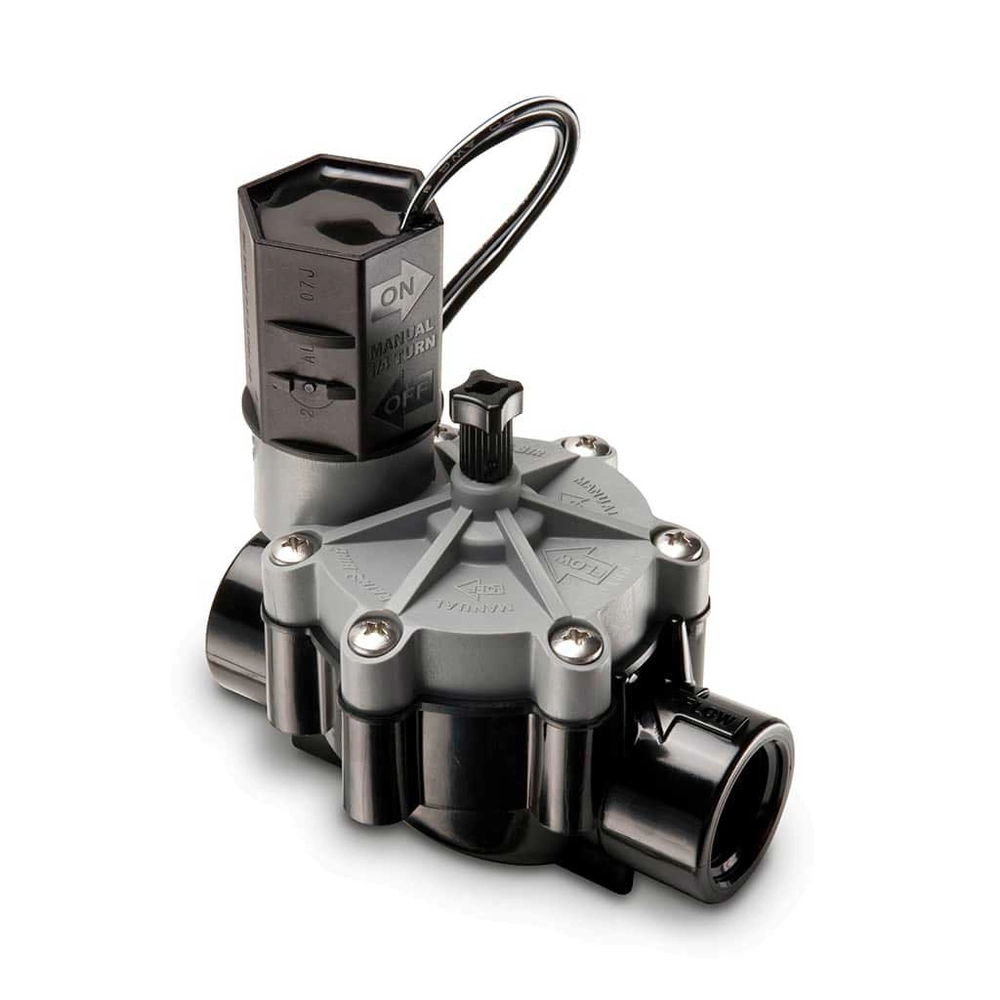
A stock image related to 1 inch irrigation valve.
In-depth Look: Manufacturing Processes and Quality Assurance for 1 inch irrigation valve
What Are the Key Stages in the Manufacturing Process of a 1 Inch Irrigation Valve?
The manufacturing of a 1 inch irrigation valve is a complex process that involves several critical stages. Each stage is designed to ensure that the final product meets the performance and durability standards required for efficient irrigation systems.
Material Preparation: What Materials Are Used and How Are They Processed?
The first stage involves selecting high-quality materials suitable for the valve’s application. Common materials include high-density polyethylene (HDPE), PVC, and brass, each chosen for their resistance to corrosion and durability under various environmental conditions.
Material preparation includes cutting raw materials into precise dimensions, followed by treatments such as extrusion or molding to form the valve’s body and components. The material is often tested for its physical and chemical properties to ensure it meets industry standards before moving on to forming.
How Are the Valves Formed?
The forming process typically employs techniques such as injection molding or blow molding, depending on the material used. For instance, thermoplastic valves are often produced using injection molding, where molten plastic is injected into a mold to create the valve’s shape.
This stage is crucial as it determines the valve’s structural integrity and functionality. High precision is required to ensure that the fittings and seals are designed to prevent leaks and facilitate optimal flow rates.
What Does the Assembly Process Involve?
Once the individual components are formed, they undergo an assembly process. This may include fitting the diaphragm, solenoid, and other internal mechanisms. The assembly is often done using automated machinery to enhance consistency and reduce human error.
During assembly, careful attention is given to ensure that all parts fit together correctly, especially seals and gaskets, which are critical for preventing leaks. The assembly process also includes the installation of electrical components like solenoids, which control the valve’s operation.
What Finishing Techniques Are Applied?
Finishing processes are essential to enhance the valve’s durability and aesthetic appeal. Common techniques include surface treatments such as coatings or painting to protect against UV exposure and physical wear.
Additionally, valves may undergo quality checks for dimensional accuracy and surface finish. These checks ensure that the product not only meets functional requirements but also complies with regulatory standards.
What Quality Assurance Measures Are Implemented During Manufacturing?
Quality assurance (QA) is a vital part of the manufacturing process, ensuring that the irrigation valves meet international standards and customer expectations. The QA process typically aligns with international standards such as ISO 9001, which emphasizes a systematic approach to quality management.
Which International Standards Are Relevant for Irrigation Valves?
B2B buyers should be aware of several critical standards when assessing irrigation valves. ISO 9001 focuses on quality management systems, ensuring that manufacturers consistently produce products that meet customer and regulatory requirements.
Other relevant certifications might include CE marking for products sold in the European Economic Area, which indicates compliance with EU safety and environmental protection regulations. For some markets, API (American Petroleum Institute) standards may also apply, particularly if the valves are used in environments that involve hydrocarbons or specific fluid dynamics.
What Are the Key Quality Control Checkpoints?
Quality control (QC) typically involves several key checkpoints throughout the manufacturing process:
Incoming Quality Control (IQC): This initial stage involves inspecting raw materials upon receipt to ensure they meet specified standards. Materials that fail to meet criteria are rejected or returned to the supplier.
In-Process Quality Control (IPQC): During manufacturing, periodic checks are performed to monitor the production process. This includes dimensional checks and functional tests to ensure components meet design specifications.
Final Quality Control (FQC): Before the valves are packaged and shipped, a final inspection is conducted. This includes functional testing under pressure, leak testing, and an assessment of the valve’s performance against established benchmarks.
How Can B2B Buyers Verify Supplier Quality Control?
For international B2B buyers, verifying a supplier’s quality control processes is crucial to ensuring product reliability. Here are several methods to achieve this:
What Are Effective Audit Practices?
Conducting supplier audits is one of the most effective ways to assess a manufacturer’s quality control processes. Buyers should request to see documentation of their quality management system, including ISO certifications and records of past audits.
Audits can be performed on-site or through virtual assessments, where buyers can review processes and quality metrics. This direct engagement provides insights into the supplier’s commitment to quality and compliance with international standards.
What Testing and Reporting Should Buyers Expect?
In addition to audits, buyers should expect comprehensive testing reports that detail the results of various quality checks performed during the manufacturing process. These reports should include data on material properties, operational tests, and compliance with regulatory standards.
Buyers can also inquire about third-party inspection services, which provide an unbiased assessment of the manufacturer’s quality assurance processes. Such inspections can help mitigate risks associated with product defects and ensure compliance with local regulations.
What Nuances Should International Buyers Consider in Quality Control?
When sourcing from international suppliers, particularly in regions like Africa, South America, the Middle East, and Europe, it’s essential to understand local regulations and industry standards that may differ from those in the buyer’s home country.
Buyers should be aware of regional variations in quality standards and certifications that could impact the importation and use of irrigation valves. Engaging with local industry associations or regulatory bodies can provide additional insights into compliance requirements.
In summary, understanding the manufacturing processes and quality assurance measures for 1 inch irrigation valves is critical for B2B buyers looking to source reliable and durable products. By focusing on material selection, production techniques, quality control standards, and supplier verification, buyers can make informed decisions that support their operational needs.
Practical Sourcing Guide: A Step-by-Step Checklist for ‘1 inch irrigation valve’
Introduction
When sourcing a 1-inch irrigation valve for agricultural or landscaping needs, it is essential to follow a structured approach to ensure you select a high-quality product that meets your specific requirements. This guide provides a practical checklist for international B2B buyers, emphasizing crucial steps in the procurement process to help you navigate supplier options and technical specifications effectively.
1. Define Your Technical Specifications
Before initiating the sourcing process, clearly outline your technical needs. This includes understanding the flow rate, pressure requirements, and compatibility with existing irrigation systems.
- Flow Rate: Ensure the valve can handle the expected flow, typically ranging from 0.2 to 40 GPM.
- Pressure Rating: Check that the valve operates efficiently within your system’s pressure range (15 to 150 psi).
2. Research Potential Suppliers
Conduct thorough research to identify reputable suppliers who specialize in irrigation components. Look for companies with a solid track record and positive reviews from other B2B customers.
- Industry Experience: Focus on suppliers with experience in your region (e.g., Africa, South America, the Middle East, Europe) to ensure they understand local agricultural practices.
- Product Range: Consider suppliers that offer a variety of valve types, including those with features like reverse flow designs and energy-efficient solenoids.
3. Evaluate Supplier Certifications
Verify the certifications and standards that suppliers adhere to, which can significantly influence product quality and reliability.
- ISO Certification: Check for ISO 9001 certification, indicating quality management systems are in place.
- Local Compliance: Ensure the products meet local regulations and standards, particularly regarding environmental impacts and safety.
4. Request Samples and Product Documentation
Before making a bulk purchase, request samples of the valves and any relevant product documentation. This helps in assessing the quality and compatibility of the products.
- Technical Datasheets: Review datasheets for specifications and installation guidelines.
- Samples: Evaluate the physical product for material quality, weight, and overall durability.
5. Compare Pricing and Terms of Sale
Gather and compare pricing from multiple suppliers to ensure you receive a fair deal. Look beyond just the unit price; consider shipping costs and payment terms as well.
- Bulk Discounts: Inquire about pricing structures for bulk orders, which can lead to significant savings.
- Shipping and Delivery: Understand lead times and shipping costs, especially for international orders.
6. Assess After-Sales Support and Warranty
Investigate the level of after-sales support and warranty offered by suppliers. Reliable support can save you time and costs in the long run.
- Warranty Terms: Confirm warranty details, such as duration and coverage for potential defects.
- Customer Service: Evaluate the responsiveness and availability of customer support to address any issues that may arise post-purchase.
7. Finalize Your Order and Monitor Delivery
Once you’ve selected a supplier, finalize your order while ensuring all specifications are clearly outlined in the purchase agreement.
- Order Confirmation: Obtain a detailed order confirmation that includes pricing, product specifications, and delivery schedules.
- Delivery Tracking: Stay in communication with the supplier to track your order and address any potential delays proactively.
By following this checklist, B2B buyers can confidently navigate the procurement process for 1-inch irrigation valves, ensuring they select products that meet their operational needs while building strong relationships with reliable suppliers.
Comprehensive Cost and Pricing Analysis for 1 inch irrigation valve Sourcing
What Are the Key Cost Components in Sourcing a 1 Inch Irrigation Valve?
When sourcing a 1 inch irrigation valve, understanding the cost structure is essential for effective budgeting and decision-making. The primary cost components include:
Materials: The choice of materials significantly impacts the cost. For instance, valves made from high-grade plastics or brass may be more expensive due to their durability and resistance to corrosion. The use of Buna-N diaphragms, which provide superior performance in harsh water conditions, can also elevate material costs.
Labor: Labor costs encompass wages for skilled workers involved in the manufacturing process. This includes assembly, quality control, and testing. The complexity of the valve design can influence labor intensity and, consequently, the overall cost.
Manufacturing Overhead: This includes indirect costs such as utilities, rent, and depreciation of equipment used in the manufacturing process. Efficient manufacturing processes can help reduce overhead costs.
Tooling: The initial investment in tooling for specialized valve designs can be significant. However, economies of scale can be achieved with larger production runs, spreading the tooling costs over a greater number of units.
Quality Control (QC): Ensuring that each valve meets safety and operational standards involves costs associated with testing and inspections. Certifications, such as ISO standards, can add to these costs but are often necessary for international compliance.
Logistics: Shipping and handling fees vary based on the destination, weight, and volume of the order. For international buyers, understanding Incoterms is crucial as they define responsibilities regarding shipping costs, insurance, and risk.
Margin: Suppliers will typically include a profit margin that reflects their operational costs and market positioning. This margin can vary significantly based on supplier reputation, the competitive landscape, and market demand.
How Do Price Influencers Affect the Cost of 1 Inch Irrigation Valves?
Several factors influence pricing beyond the basic cost structure:
Volume/MOQ: Pricing often benefits from economies of scale. Larger orders can result in lower per-unit costs, making it beneficial for buyers to negotiate minimum order quantities (MOQs) that align with their needs.
Specifications/Customization: Customization options can significantly affect price. Specialized features or specific certifications may lead to higher costs, but they can also meet unique operational requirements.
Quality/Certifications: Valves that meet stringent quality standards or possess certifications (like NSF or CE) may command higher prices. Buyers should weigh the benefits of these certifications against their budget constraints.
Supplier Factors: Established suppliers with a proven track record may charge a premium, but they often provide better reliability and customer service. Conversely, emerging suppliers may offer lower prices to penetrate the market.
Incoterms: Understanding the implications of Incoterms is essential for international buyers. Terms such as FOB (Free on Board) or CIF (Cost, Insurance, Freight) dictate who is responsible for shipping costs and risks, impacting overall pricing.
What Are Some Effective Buyer Tips for Negotiating 1 Inch Irrigation Valve Prices?
International B2B buyers, particularly from regions like Africa, South America, the Middle East, and Europe, should consider the following tips for effective negotiation:
Research and Benchmarking: Conduct thorough market research to understand standard pricing and cost structures. This knowledge allows buyers to negotiate more effectively and spot unreasonable price hikes.
Total Cost of Ownership (TCO): Assess the total cost of ownership, which includes purchase price, maintenance costs, and potential downtime. A higher upfront cost may be justified if the valve offers longer durability and lower maintenance expenses.
Volume Commitments: Leverage volume commitments to negotiate better pricing. Suppliers may offer discounts for bulk orders or long-term contracts.
Explore Alternative Suppliers: Don’t hesitate to source quotes from multiple suppliers to compare prices, quality, and service levels. This competitive approach can yield better deals.
Be Aware of Pricing Nuances: Understand that prices may vary based on regional factors, such as tariffs, taxes, and shipping costs. Being informed about these nuances can help in negotiating favorable terms.
Disclaimer
Prices mentioned in this analysis are indicative and can vary based on market conditions, supplier negotiations, and specific buyer requirements. Always confirm current pricing with suppliers before making purchasing decisions.
Alternatives Analysis: Comparing 1 inch irrigation valve With Other Solutions
Introduction to Alternative Irrigation Solutions
In the realm of irrigation management, selecting the right valve or system is crucial for optimizing water use, enhancing efficiency, and ensuring sustainable practices. While the 1-inch irrigation valve is a popular choice due to its reliability and performance, there are alternative solutions that can also meet the needs of diverse agricultural and landscaping applications. This analysis compares the 1-inch irrigation valve against two viable alternatives: the DC Latching Solenoid Valve and the Hunter PGV Valve.
Comparison Table
| Comparison Aspect | 1 Inch Irrigation Valve | DC Latching Solenoid Valve | Hunter PGV Valve |
|---|---|---|---|
| Performance | Reliable, handles up to 40 GPM, low pressure loss | Efficient, low power consumption, reliable operation | High versatility, 100% factory tested |
| Cost | $19.99 | $49.00 | $28.00 |
| Ease of Implementation | Simple installation, requires minimal tools | Requires a specific power setup, slightly complex | User-friendly installation, straightforward |
| Maintenance | Low maintenance, easy to access bleed screw | Moderate, requires checking power connections | Low, designed for easy serviceability |
| Best Use Case | Residential and light commercial | Drip irrigation systems, where energy efficiency is key | Versatile for various irrigation setups |
Detailed Breakdown of Alternatives
What are the Advantages and Disadvantages of Using a DC Latching Solenoid Valve?
The DC Latching Solenoid Valve is designed for energy-efficient applications, operating on low power and providing reliable performance. Its primary advantage is reduced energy consumption, making it ideal for remote irrigation systems or areas with limited power supply. However, the installation can be more complex as it requires a specific power setup, which may not be suitable for all users. Additionally, while it offers efficient operation, it may not be as robust in high-pressure systems compared to traditional valves.
How Does the Hunter PGV Valve Compare in Terms of Versatility?
The Hunter PGV Valve is known for its robust construction and versatility, suitable for various irrigation setups, including both residential and commercial applications. It boasts a double-beaded diaphragm that ensures leak-free performance, and its design allows for easy servicing. While its cost is slightly higher than the 1-inch irrigation valve, the investment can be justified by its reliability and performance in diverse conditions. However, its installation may require more attention to detail to ensure optimal performance.
Conclusion: How Can B2B Buyers Choose the Right Irrigation Solution?
When selecting the right irrigation solution, B2B buyers must consider their specific operational needs, budget constraints, and the environmental conditions of their projects. The 1-inch irrigation valve is a solid choice for those seeking a cost-effective, easy-to-install option for light commercial and residential applications. On the other hand, the DC Latching Solenoid Valve offers energy efficiency for systems where power supply is a concern, while the Hunter PGV Valve provides versatility and reliability for more complex irrigation setups. Ultimately, the decision should align with the buyer’s operational goals, ensuring a sustainable and efficient irrigation system.
Essential Technical Properties and Trade Terminology for 1 inch irrigation valve
What Are the Key Technical Properties of a 1 Inch Irrigation Valve?
When evaluating a 1-inch irrigation valve, several technical properties are essential for ensuring reliability and efficiency in agricultural or landscaping applications. Understanding these specifications can help B2B buyers make informed purchasing decisions.
1. Material Composition
The materials used in the construction of irrigation valves greatly influence their durability and performance. Common materials include PVC, brass, and high-density polyethylene (HDPE). PVC is lightweight and resistant to corrosion, making it suitable for various environments. Brass offers high strength and is ideal for high-pressure systems. Choosing the right material ensures longevity and minimizes maintenance costs.
2. Pressure Rating
The pressure rating indicates the maximum pressure the valve can withstand without failing. For a 1-inch irrigation valve, typical ratings range from 15 to 150 psi. This specification is crucial for B2B buyers to match the valve with their system’s operating conditions, ensuring optimal performance and preventing leaks or bursts.
3. Flow Capacity
Flow capacity, usually measured in gallons per minute (GPM), reflects the amount of water the valve can handle. A standard 1-inch valve typically supports flow rates from 0.2 to 40 GPM. Understanding flow capacity helps buyers select valves that meet their irrigation needs without causing pressure drops or inefficient watering.
4. Operating Temperature Range
The operating temperature range defines the minimum and maximum temperatures at which the valve can function effectively. For many valves, this range is between 40°F (4°C) and 110°F (43°C). Knowing this range is vital for buyers operating in varying climates to ensure the valve will perform reliably under local conditions.
5. Solenoid Type
The solenoid is an electromagnetic device that controls the valve’s opening and closing. Options include AC solenoids, which are common in residential systems, and DC latching solenoids, which are energy-efficient and suitable for battery-operated systems. Selecting the appropriate solenoid type is crucial for energy management and operational efficiency.
What Are Common Trade Terms Used in the Irrigation Valve Industry?
Familiarity with industry terminology can enhance communication and negotiation processes among B2B buyers and suppliers. Here are some essential terms to know:
1. OEM (Original Equipment Manufacturer)
OEM refers to companies that produce parts or equipment that may be marketed by another manufacturer. In the irrigation sector, understanding OEM relationships can help buyers identify quality standards and sourcing reliability for replacement parts.
2. MOQ (Minimum Order Quantity)
MOQ is the smallest quantity of a product a supplier is willing to sell. For irrigation valves, MOQs can vary widely based on the manufacturer and the product line. Buyers should negotiate MOQs to align with their purchasing power and project requirements.
3. RFQ (Request for Quotation)
An RFQ is a formal process where buyers request pricing and other details from suppliers for specific products. Submitting a comprehensive RFQ can help buyers compare offers and ensure they receive competitive pricing for 1-inch irrigation valves.
4. Incoterms (International Commercial Terms)
Incoterms are standardized international trade terms that define the responsibilities of buyers and sellers in shipping arrangements. Familiarity with Incoterms, such as FOB (Free On Board) or CIF (Cost, Insurance, and Freight), is essential for B2B buyers to understand shipping costs and liability during transit.
5. Backflow Prevention
Backflow prevention refers to systems or devices that prevent contaminated water from flowing back into clean water supplies. Understanding local regulations regarding backflow prevention devices is critical for buyers to ensure compliance and protect water quality in irrigation systems.
By grasping these technical properties and trade terms, B2B buyers can enhance their procurement strategies, ensuring they select the right 1-inch irrigation valves that meet their operational needs while navigating the complexities of international trade.
Navigating Market Dynamics and Sourcing Trends in the 1 inch irrigation valve Sector
What Are the Key Market Trends Shaping the 1 Inch Irrigation Valve Sector?
The global market for 1 inch irrigation valves is being driven by several key factors, particularly in regions such as Africa, South America, the Middle East, and Europe. A growing emphasis on water conservation and efficient agricultural practices has led to increased demand for high-quality irrigation systems. Countries are investing in modern irrigation technologies to enhance crop yields and ensure sustainable water use, making reliable valves critical components of these systems.
Emerging technologies in the B2B sector, such as IoT-enabled irrigation systems, are changing how businesses approach sourcing and implementation. These systems offer real-time data analytics, enabling farmers and contractors to optimize water usage, improve maintenance schedules, and reduce operational costs. Furthermore, the rise of e-commerce platforms has facilitated easier access to suppliers, allowing international buyers to compare products and prices swiftly, enhancing competition and driving innovation in product design and functionality.
Additionally, as regulatory frameworks around water usage tighten, the demand for compliant and certified products is increasing. Buyers must remain vigilant about sourcing valves that meet local and international standards, as this can significantly impact project timelines and costs. The focus on quality assurance is also leading to the popularity of brands that offer warranties and customer support, reinforcing the importance of reliability in the supply chain.
How Is Sustainability Influencing Sourcing Decisions for 1 Inch Irrigation Valves?
Sustainability is becoming a central theme in the sourcing of 1 inch irrigation valves, as businesses recognize the environmental impact of their supply chains. The irrigation sector contributes significantly to water consumption, and thus, the push for more sustainable practices is essential. Buyers are increasingly prioritizing products that not only reduce water waste but also employ sustainable manufacturing processes.
Ethical sourcing practices are gaining traction, with companies seeking suppliers who can demonstrate responsible sourcing of raw materials and adherence to fair labor practices. Certifications such as ISO 14001 for environmental management and LEED for sustainable product design are becoming essential criteria for procurement. Furthermore, the use of recyclable materials and energy-efficient manufacturing processes are factors that can enhance a supplier’s appeal to conscious buyers.
In addition, the demand for ‘green’ irrigation solutions is rising, particularly in regions facing water scarcity. Buyers are looking for valves designed with features that minimize leaks and maximize efficiency. Investing in products that incorporate advanced diaphragm designs and low-power solenoids can contribute to better environmental performance and lower operational costs over the long term.
What Is the Historical Context of 1 Inch Irrigation Valves in the Market?
The evolution of 1 inch irrigation valves has been significant over the past few decades. Initially, irrigation systems relied on simple mechanical valves that were labor-intensive to operate and maintain. However, with advancements in technology and the increasing need for efficient water management, the industry has shifted towards automated solutions.
The introduction of solenoid-operated valves revolutionized the sector, enabling remote operation and integration with smart irrigation systems. This evolution has coincided with the global push for sustainable agriculture and the need for efficient water usage, particularly in arid regions. As the market continues to evolve, the focus on durability, ease of installation, and compatibility with various irrigation systems remains paramount, ensuring that 1 inch irrigation valves play a critical role in modern agricultural practices.
In summary, understanding the market dynamics, prioritizing sustainability, and recognizing the historical context of 1 inch irrigation valves are essential for B2B buyers seeking to make informed sourcing decisions. By aligning procurement strategies with these insights, businesses can enhance their competitiveness and contribute to more sustainable agricultural practices.
Frequently Asked Questions (FAQs) for B2B Buyers of 1 inch irrigation valve
How do I solve issues with a malfunctioning 1 inch irrigation valve?
To address malfunctioning irrigation valves, first, check for blockages in the inlet or outlet. Flush the system using the valve’s external bleed screw to remove dirt or debris. Inspect the diaphragm for any signs of wear or damage, as this can affect valve performance. If the solenoid isn’t functioning properly, ensure it’s receiving power and check for any corrosion on the connections. Regular maintenance, including periodic cleaning and inspection, can prevent these issues from occurring.What is the best 1 inch irrigation valve for low-pressure systems?
For low-pressure systems, the ideal choice is a valve designed to operate efficiently at lower pressure ranges, typically around 15 psi. Look for models with a reverse-flow design, as they help maintain performance even under reduced pressure conditions. Brands like Rain Bird and Hunter offer valves that are specifically engineered to handle low-pressure scenarios while ensuring reliable operation and water conservation.What are the key features to look for in a 1 inch irrigation valve?
When sourcing a 1 inch irrigation valve, prioritize features such as a durable construction (preferably heavy-duty plastic or brass), a reliable solenoid, and an efficient diaphragm design. Look for valves with reverse-flow technology to prevent flooding in case of diaphragm failure. Additionally, ensure compatibility with standard sprinkler timers and check for easy installation options, which can save time and reduce labor costs during setup.What are the minimum order quantities (MOQ) for 1 inch irrigation valves?
Minimum order quantities (MOQ) for 1 inch irrigation valves can vary significantly between suppliers. Generally, MOQs range from 50 to 500 units, depending on the manufacturer and the specific model. It’s advisable to negotiate with suppliers for smaller orders, especially if you’re testing the market or if you have limited storage capacity. Always confirm the MOQ before placing an order to avoid unexpected costs.How can I verify the quality of 1 inch irrigation valves from suppliers?
To ensure quality, request product samples from suppliers before making a bulk purchase. Look for certifications that indicate compliance with international quality standards, such as ISO 9001. Additionally, inquire about the manufacturing process and whether the valves are tested for durability and performance. Checking customer reviews and feedback can provide insight into the supplier’s reliability and product quality.What payment terms should I expect when purchasing 1 inch irrigation valves?
Payment terms can vary widely among suppliers, but common practices include a 30% deposit upfront with the balance due upon delivery, or net 30 to net 60 days after shipment. Some suppliers may offer discounts for early payment or larger orders. It’s important to negotiate terms that align with your cash flow and operational needs while ensuring the supplier’s reliability.What logistics considerations should I keep in mind for importing irrigation valves?
When importing 1 inch irrigation valves, consider shipping costs, delivery timelines, and customs regulations in your country. Ensure that the supplier provides all necessary documentation, including bills of lading and certificates of origin. Evaluate the reliability of logistics partners and consider insurance for high-value shipments. Understanding local tariffs and taxes can also help you budget accurately for your import costs.How do I customize my order for 1 inch irrigation valves?
To customize your order, communicate specific requirements to your supplier, such as different materials, colors, or additional features like built-in filters or flow control. Many manufacturers offer customization options for bulk orders, but be prepared for potential changes in lead times and costs. Clearly outline your specifications in writing and confirm that the supplier can meet these before finalizing your order.
Important Disclaimer & Terms of Use
⚠️ Important Disclaimer
The information provided in this guide, including content regarding manufacturers, technical specifications, and market analysis, is for informational and educational purposes only. It does not constitute professional procurement advice, financial advice, or legal advice.
While we have made every effort to ensure the accuracy and timeliness of the information, we are not responsible for any errors, omissions, or outdated information. Market conditions, company details, and technical standards are subject to change.
B2B buyers must conduct their own independent and thorough due diligence before making any purchasing decisions. This includes contacting suppliers directly, verifying certifications, requesting samples, and seeking professional consultation. The risk of relying on any information in this guide is borne solely by the reader.
Top 4 1 Inch Irrigation Valve Manufacturers & Suppliers List
1. Rain Bird – 100PEB 1 Inch Plastic Industrial Valve
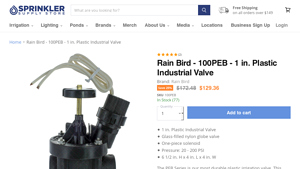
Domain: sprinklersupplystore.com
Registered: 2010 (15 years)
Introduction: {“brand”:”Rain Bird”,”model”:”100PEB”,”type”:”1 inch Plastic Industrial Valve”,”material”:”Glass-filled nylon”,”valve_type”:”globe valve”,”pressure_range”:”20 – 200 PSI”,”dimensions”:”6 1/2 in. H x 4 in. L x 4 in. W”,”features”:”Durable plastic irrigation valve ideal for commercial applications”,”original_price”:”$172.48″,”current_price”:”$129.36″,”sku”:”100PEB”,”stock_status”:”In Stock (77)”}
2. Rain Bird – 100DVA Inline Irrigation Valve
Domain: bigfrogsupply.com
Registered: 2014 (11 years)
Introduction: This company, Rain Bird – 100DVA Inline Irrigation Valve, is a notable entity in the market. For specific product details, it is recommended to visit their website directly.
3. Hunter – PGV-101-G-DC Globe Valve
Domain: cheapsprinklers.com
Registered: 2014 (11 years)
Introduction: This company, Hunter – PGV-101-G-DC Globe Valve, is a notable entity in the market. For specific product details, it is recommended to visit their website directly.
4. Hunter – 1 PGV Irrigation Valve
Domain: hunterirrigation.com
Registered: 2001 (24 years)
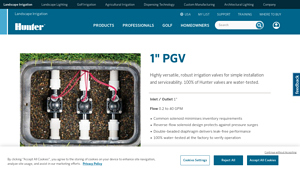
Introduction: 1″ PGV irrigation valve from Hunter Industries. Highly versatile and robust design for simple installation and serviceability. Features include: 100% water-tested, inlet/outlet size of 1″, flow range of 0.2 to 40 GPM, common solenoid to minimize inventory, reverse-flow solenoid design for pressure surge protection, and a double-beaded diaphragm for leak-free performance. Operating specifications: …
Strategic Sourcing Conclusion and Outlook for 1 inch irrigation valve
In conclusion, strategic sourcing of 1-inch irrigation valves presents significant opportunities for B2B buyers across diverse markets, including Africa, South America, the Middle East, and Europe. By understanding the unique features and benefits of various valve options—such as the reliable reverse-flow designs, energy-efficient solenoids, and robust construction—buyers can make informed purchasing decisions that enhance irrigation efficiency and sustainability.
Investing in high-quality irrigation valves not only ensures optimal performance but also reduces long-term operational costs. This is especially crucial in regions where water scarcity is a pressing concern. As global agricultural practices evolve, the demand for innovative irrigation solutions will continue to rise.
International buyers are encouraged to leverage strategic sourcing to build partnerships with reputable suppliers, ensuring access to the latest technologies and best practices. By prioritizing quality and performance, businesses can position themselves for success in an increasingly competitive landscape.
Looking ahead, consider exploring partnerships that align with your operational needs and sustainability goals. The future of irrigation is promising, and with the right strategies in place, your organization can thrive in this dynamic market.
 English (United States)
  Spanish (Spain)
  Portuguese (Portugal)
  French
  German
  Italian
  Arabic
  Dutch
Dutch  English (UK)
  Bulgarian
  Chinese (China)
  Chinese (Hong Kong)
  Czech
Czech  Danish
  Greek
Greek  Finnish
  Spanish (Mexico)
  Estonian
  Hebrew
  Hungarian
  Indonesian
  Japanese
  Korean
  Latvian
  Lithuanian
  Norwegian
  Polish
  Portuguese (Brazil)
  Romanian
  Russian
  Slovenian
  Slovak
  Swedish
  Turkish
  Ukrainian
  Vietnamese