
Introduction: Navigating the Global Market for irrigation blowout valve
As global agricultural practices evolve, the importance of reliable irrigation systems cannot be overstated, particularly in regions facing water scarcity and fluctuating climates. One critical component in maintaining these systems is the irrigation blowout valve, which plays a vital role in preventing damage during winterization processes. However, sourcing the right irrigation blowout valve can pose challenges for B2B buyers, especially in diverse markets like Africa, South America, the Middle East, and Europe, where local conditions and supplier capabilities vary significantly.
This comprehensive guide aims to empower international B2B buyers by offering in-depth insights into the various types of irrigation blowout valves, their applications, and the best practices for selecting the right products for specific irrigation systems. We will explore essential factors such as supplier vetting, pricing strategies, and installation considerations, ensuring that you make informed purchasing decisions.
By addressing the complexities of sourcing irrigation blowout valves, this guide equips you with the knowledge needed to navigate the global market effectively. Whether you are in Brazil seeking durable solutions for tropical climates or in Vietnam looking for cost-effective options for expanding agricultural operations, understanding the nuances of irrigation blowout valves will help you enhance system longevity and performance, ultimately contributing to more sustainable agricultural practices.
Understanding irrigation blowout valve Types and Variations
| Type Name | Key Distinguishing Features | Primary B2B Applications | Brief Pros & Cons for Buyers |
|---|---|---|---|
| Manual Drain Valve | Requires manual operation; typically low-cost | Small-scale agricultural operations | Pros: Cost-effective; easy to install. Cons: Labor-intensive; potential for human error. |
| Automatic Drain Valve | Spring-loaded; drains automatically when system is off | Large commercial irrigation systems | Pros: Low maintenance; reliable operation. Cons: Higher initial cost; may require professional installation. |
| Blowout Fitting | Connects to air compressor; facilitates winterization | Residential and commercial irrigation | Pros: Simplifies blowout process; prevents freeze damage. Cons: Requires compatible equipment; potential for misconnection. |
| Backflow Prevention Valve | Prevents backflow; essential for safety compliance | Municipal and industrial applications | Pros: Protects water supply; regulatory compliance. Cons: Can be costly; requires regular maintenance. |
| Pressure Relief Valve | Releases excess pressure; protects system integrity | All types of irrigation systems | Pros: Prevents system damage; increases longevity. Cons: Additional installation complexity; may require calibration. |
What are the Characteristics of Manual Drain Valves?
Manual drain valves are simple devices that require physical intervention to operate. They are commonly used in smaller agricultural setups where cost-effectiveness is crucial. The main advantage of these valves is their affordability and straightforward installation process. However, they necessitate manual operation to drain water, which can lead to human error and oversight, particularly in larger systems. B2B buyers should consider the labor implications and the potential need for training staff on proper usage.
How Do Automatic Drain Valves Enhance Efficiency?
Automatic drain valves are equipped with a spring mechanism that allows them to drain water automatically when the irrigation system is turned off. These valves are particularly beneficial for large commercial irrigation systems, where efficiency and reliability are paramount. They reduce the labor needed for winterization and can help prevent freeze damage without manual intervention. While the initial investment is higher than manual valves, the long-term savings on labor and maintenance make them an attractive option for B2B buyers in commercial sectors.
What is the Role of Blowout Fittings in Winterization?
Blowout fittings are designed to connect to an air compressor, facilitating the winterization process by removing residual water from irrigation systems. They are essential for both residential and commercial setups, especially in regions prone to freezing temperatures. The ease of use and ability to prevent freeze damage make blowout fittings a valuable addition. However, buyers must ensure compatibility with their existing systems and may need to invest in additional equipment, such as an air compressor.
Why Are Backflow Prevention Valves Crucial for Compliance?
Backflow prevention valves are critical components in irrigation systems, particularly for municipal and industrial applications. They prevent contaminated water from flowing back into the potable water supply, ensuring compliance with health regulations. While they can be more expensive and require regular maintenance, the protection they offer against potential health hazards makes them indispensable for B2B buyers focused on safety and regulatory compliance.
How Do Pressure Relief Valves Protect Irrigation Systems?
Pressure relief valves are designed to release excess pressure from irrigation systems, safeguarding against potential damage due to over-pressurization. These valves are versatile and can be used across various irrigation setups. They enhance the longevity of the system and reduce the risk of costly repairs. Buyers should consider the complexity of installation and the need for periodic calibration, which may add to operational costs but ultimately contribute to a more reliable irrigation system.
Key Industrial Applications of irrigation blowout valve
| Industry/Sector | Specific Application of Irrigation Blowout Valve | Value/Benefit for the Business | Key Sourcing Considerations for this Application |
|---|---|---|---|
| Agriculture | Winterizing irrigation systems in large farms | Prevents freeze damage, reducing repair costs and downtime | Compatibility with existing systems, durability, and ease of installation |
| Landscape Management | Seasonal maintenance of irrigation systems in parks | Ensures optimal performance, extending the lifespan of the system | Availability of automatic vs. manual options, ease of operation |
| Golf Course Management | Protecting irrigation systems from winter damage | Minimizes costly repairs and ensures readiness for spring | Pressure ratings, compatibility with various sprinkler types |
| Municipal Water Supply | Maintenance of public irrigation systems | Reduces the risk of water wastage and infrastructure damage | Compliance with local regulations, reliability, and ease of use |
| Commercial Horticulture | Preparing irrigation systems for seasonal changes | Enhances operational efficiency and reduces labor costs | Size compatibility, ease of sourcing replacement parts, and service support |
How is the Irrigation Blowout Valve Used in Agriculture?
In agriculture, the irrigation blowout valve is essential for winterizing systems in large farms, particularly in regions with freezing temperatures. By effectively removing residual water from irrigation lines, these valves prevent freeze damage that can lead to costly repairs and operational downtime. Buyers in this sector must ensure compatibility with existing systems and prioritize durability, as agricultural operations often involve significant investments in infrastructure.
What Role Does the Irrigation Blowout Valve Play in Landscape Management?
Landscape management companies utilize irrigation blowout valves to maintain systems in parks and public gardens during seasonal transitions. These valves allow for efficient drainage of water, ensuring that systems remain in optimal condition and preventing damage from freezing. For international buyers, particularly those in developing regions, the focus should be on selecting valves that offer both manual and automatic options, facilitating ease of operation and maintenance.
How Does the Irrigation Blowout Valve Benefit Golf Course Management?
Golf courses rely on irrigation blowout valves to protect their extensive irrigation systems from winter damage. By blowing out water before freezing temperatures set in, courses can minimize costly repairs and ensure their systems are ready for use in the spring. Key considerations for buyers include pressure ratings to match their specific sprinkler types and the valve’s compatibility with various irrigation components, ensuring seamless integration.
Why is the Irrigation Blowout Valve Important for Municipal Water Supply?
Municipal water supply systems employ irrigation blowout valves to maintain public irrigation systems effectively. These valves help mitigate the risk of water wastage and infrastructure damage caused by freezing temperatures. When sourcing these valves, municipalities must consider compliance with local regulations, as well as the reliability and ease of use of the products, to ensure public safety and system efficiency.
How Does the Irrigation Blowout Valve Enhance Efficiency in Commercial Horticulture?
In commercial horticulture, irrigation blowout valves are crucial for preparing irrigation systems for seasonal changes. By facilitating efficient drainage, these valves enhance operational efficiency and significantly reduce labor costs associated with manual winterization processes. Buyers in this sector should focus on size compatibility with their existing systems, the availability of replacement parts, and the level of service support offered by suppliers to ensure smooth operations year-round.
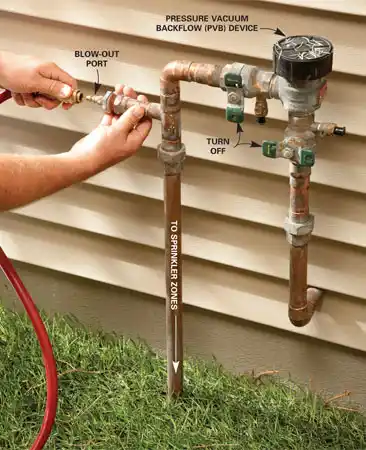
A stock image related to irrigation blowout valve.
3 Common User Pain Points for ‘irrigation blowout valve’ & Their Solutions
Scenario 1: Inadequate Winterization Leading to System Damage
The Problem: As temperatures drop, many irrigation systems are at risk of freezing if not properly winterized. B2B buyers, particularly in regions with harsh winters, face the challenge of ensuring that all water is removed from the irrigation lines. Failure to effectively blow out the system can result in burst pipes, damaged components, and costly repairs. This scenario is particularly troubling for agricultural businesses and landscaping companies that rely on their irrigation systems to maintain operations through seasonal transitions.
The Solution: To mitigate the risk of system damage, B2B buyers should invest in high-quality irrigation blowout valves specifically designed for winterization. The right blowout valve facilitates the efficient expulsion of water from the system. Buyers should look for valves that feature a blow-out fitting compatible with standard air compressor connections, ensuring a secure and efficient seal. Additionally, utilizing a compressor with adequate power—ideally a 50-70 gallon tank capable of delivering 185 cfm—will expedite the blowout process. A comprehensive understanding of the blowout procedure is essential: close the main shutoff valve, relieve water pressure, and activate each zone sequentially to ensure all water is expelled. Providing staff with proper training on this winterization process can further enhance operational efficiency and prevent damage.
Scenario 2: Complicated Installation Process Causing Delays
The Problem: Many B2B buyers encounter difficulties during the installation of irrigation blowout valves, leading to delays in system readiness and potential loss of revenue. This issue is prevalent among businesses that may not have specialized staff trained in irrigation systems. Missteps during installation can cause leaks or improper functioning, exacerbating the risk of system failure when it is most needed.
The Solution: To streamline the installation process, buyers should prioritize sourcing blowout valves that come with comprehensive installation guides and support. Selecting valves that feature user-friendly designs, such as those with clear threading and compatibility with standard tools, can significantly reduce installation time. Additionally, buyers might consider partnering with suppliers that offer professional installation services or training workshops. Engaging with knowledgeable distributors can provide valuable insights into best practices for installation and maintenance, ensuring that systems are operational without unnecessary delays. Utilizing resources like online tutorials or instructional videos can also empower in-house teams to execute installations correctly and confidently.
Scenario 3: Difficulty Sourcing Quality Components
The Problem: Sourcing high-quality irrigation blowout valves can be a daunting task for international buyers, especially in regions where availability is limited or quality standards vary. This challenge can lead to the procurement of subpar components, which may not withstand the rigors of seasonal changes, ultimately resulting in frequent replacements and increased operational costs.
The Solution: B2B buyers should conduct thorough market research to identify reputable suppliers and manufacturers known for their quality assurance. Establishing relationships with established brands that adhere to international standards can mitigate the risk of acquiring inferior products. Buyers should seek out suppliers who provide detailed specifications and performance data for their blowout valves, ensuring that the components meet their specific irrigation needs. Additionally, exploring local distributors or regional trade shows can unveil reliable sources that offer competitive pricing without compromising quality. Implementing a regular review process of supplier performance can help businesses maintain high standards in their irrigation systems, ultimately leading to long-term savings and reliability.
Strategic Material Selection Guide for irrigation blowout valve
What Are the Key Properties of Common Materials Used in Irrigation Blowout Valves?
When selecting materials for irrigation blowout valves, several factors such as temperature and pressure ratings, as well as corrosion resistance, play crucial roles in determining product performance. Here, we analyze four common materials used in the manufacturing of these valves: brass, PVC, stainless steel, and aluminum.
How Does Brass Perform as a Material for Irrigation Blowout Valves?
Brass is a popular choice for irrigation blowout valves due to its excellent corrosion resistance and durability. It typically has a temperature rating up to 200°F (93°C) and can withstand pressures of up to 150 psi. The key advantage of brass is its strength and longevity, making it suitable for various irrigation applications. However, brass can be more expensive than other materials, and its manufacturing process may be complex due to the need for precise machining.
For international buyers, particularly in regions like Africa and South America, compliance with local standards such as ASTM B16.18 for brass fittings is vital. Brass valves are often preferred for their reliability but may be subject to higher costs due to material sourcing and import tariffs.
What Are the Benefits and Limitations of PVC for Irrigation Blowout Valves?
PVC (polyvinyl chloride) is widely used in irrigation systems due to its lightweight nature and cost-effectiveness. PVC valves can handle temperatures up to 140°F (60°C) and pressures around 150 psi. The primary advantage of PVC is its affordability and ease of installation, making it an attractive option for budget-conscious projects.
However, PVC is less durable than metals and can become brittle in extreme temperatures, limiting its application in colder climates. International buyers should be aware of compliance with standards such as ASTM D2466 for PVC fittings, which can vary by region. Countries with stringent regulations may require certifications that ensure the PVC used is free from harmful additives.
Why Choose Stainless Steel for High-Performance Irrigation Blowout Valves?
Stainless steel is another excellent material for irrigation blowout valves, known for its exceptional corrosion resistance and high-temperature tolerance, often exceeding 300°F (149°C) and pressures of up to 300 psi. The key advantage of stainless steel is its strength, making it ideal for high-pressure applications and environments with aggressive chemicals.
The downside is that stainless steel is generally more expensive and requires specialized manufacturing processes, which can increase lead times. For international buyers, especially in the Middle East and Europe, adherence to standards such as DIN 17440 for stainless steel is crucial. Buyers should also consider the availability of stainless steel in their region, as it may affect supply chain logistics.
What Role Does Aluminum Play in the Selection of Irrigation Blowout Valve Materials?
Aluminum offers a lightweight alternative to brass and stainless steel, with a temperature rating of up to 180°F (82°C) and pressure capabilities of around 150 psi. The main advantage of aluminum is its resistance to corrosion and its lightweight nature, which simplifies installation and reduces shipping costs.
However, aluminum can be less durable than brass or stainless steel, particularly in high-pressure applications. International buyers should ensure compliance with standards such as ASTM B221 for aluminum extrusions. In regions like South America, where aluminum may be more readily available, the cost-effectiveness of this material can be a significant factor.
Summary Table of Material Selection for Irrigation Blowout Valves
| Material | Typical Use Case for irrigation blowout valve | Key Advantage | Key Disadvantage/Limitation | Relative Cost (Low/Med/High) |
|---|---|---|---|---|
| Brass | High-pressure irrigation systems | Excellent durability and corrosion resistance | Higher cost and complex manufacturing | High |
| PVC | Budget-friendly irrigation systems | Cost-effective and easy to install | Less durable in extreme temperatures | Low |
| Stainless Steel | Industrial and high-performance applications | Exceptional strength and corrosion resistance | Higher cost and specialized manufacturing | High |
| Aluminum | Lightweight and portable irrigation setups | Lightweight and corrosion-resistant | Less durable than brass or stainless steel | Medium |
This analysis provides a comprehensive understanding of material options for irrigation blowout valves, helping international B2B buyers make informed decisions tailored to their specific needs and regional compliance requirements.
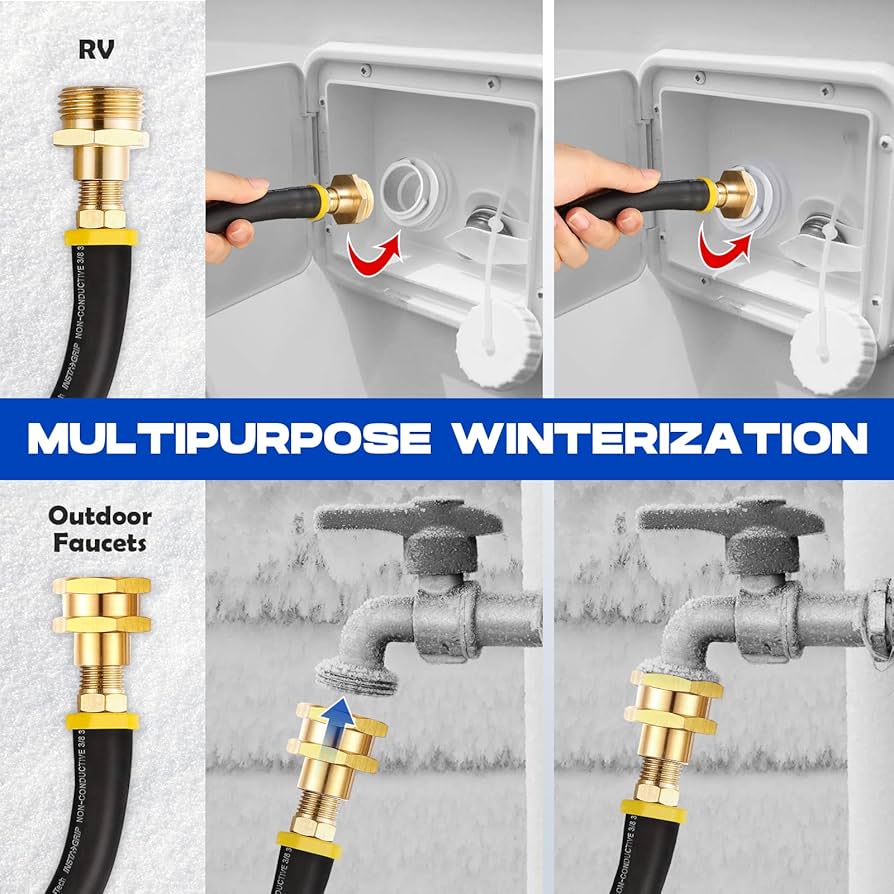
A stock image related to irrigation blowout valve.
In-depth Look: Manufacturing Processes and Quality Assurance for irrigation blowout valve
What Are the Main Stages of Manufacturing an Irrigation Blowout Valve?
The manufacturing process for irrigation blowout valves is a multi-stage operation that ensures high-quality products capable of withstanding various environmental conditions. Understanding these stages can provide B2B buyers with insights into the reliability and durability of the valves they intend to purchase.
Material Preparation
The first step in manufacturing irrigation blowout valves involves selecting the right materials. Common materials include brass, PVC, and various alloys that offer corrosion resistance and durability. Suppliers often procure raw materials from certified vendors, ensuring they meet industry specifications. Before production begins, these materials undergo a thorough inspection to confirm they meet quality standards.
Forming Techniques Used in Valve Production
Once the materials are prepared, they undergo several forming processes, which may include machining, molding, or casting.
Machining: This technique is particularly prevalent for brass valves, where precision cutting tools are used to create the desired valve shapes and sizes. CNC (Computer Numerical Control) machines ensure high accuracy and repeatability.
Molding and Casting: For plastic valves, injection molding is a common method. This involves melting plastic and injecting it into molds to form the valve bodies. The molds are designed to ensure consistency in dimensions and features.
Assembly of Components
After forming, the next step is assembly. This involves fitting together various components, such as valve bodies, seats, springs, and other mechanical parts. Automated assembly lines often enhance efficiency, but skilled technicians also oversee manual assembly, particularly for complex valve designs. Quality checks are integrated at this stage to ensure that all components fit correctly and function as intended.
Finishing Processes for Enhanced Performance
The finishing stage is crucial for enhancing the valve’s performance and longevity. Common processes include:
Surface Treatment: This may involve coatings to enhance corrosion resistance or improve aesthetics. Techniques like anodizing for aluminum components or galvanizing for steel can be employed.
Testing and Calibration: Final calibration ensures that the valves operate within specified pressure and flow ranges. This is vital for maintaining the integrity of irrigation systems.
How Is Quality Assurance Implemented in the Manufacturing of Irrigation Blowout Valves?
Quality assurance (QA) is a critical component in the manufacturing of irrigation blowout valves, as it helps to maintain high standards and minimize defects. International B2B buyers should be particularly aware of the quality processes in place when evaluating suppliers.
What Are the Relevant International Standards for Quality Assurance?
Many manufacturers adhere to international standards, such as ISO 9001, which outlines requirements for a quality management system. Compliance with these standards indicates that a manufacturer has established processes for consistent product quality and customer satisfaction.
Additionally, industry-specific certifications such as CE marking (Conformité Européenne) for products sold in Europe and API (American Petroleum Institute) standards for valves used in oil and gas applications are crucial for demonstrating compliance with safety and performance standards.
What Are the Key QC Checkpoints in Manufacturing?
Quality control in manufacturing typically involves several checkpoints:
Incoming Quality Control (IQC): This initial phase involves inspecting raw materials upon receipt. Ensuring that materials meet specified standards is critical for maintaining the quality of the final product.
In-Process Quality Control (IPQC): During manufacturing, ongoing inspections are performed to detect any deviations from the established processes. This can include dimensional checks and functional tests to ensure that the assembly is proceeding correctly.
Final Quality Control (FQC): After assembly, each valve undergoes rigorous testing to ensure it meets all operational specifications. This may involve pressure testing, leak testing, and functional performance assessments.
How Can B2B Buyers Verify the Quality Control of Suppliers?
For B2B buyers, particularly those in international markets, verifying the quality control processes of suppliers is essential. Here are some strategies:
Conducting Supplier Audits
Regular audits of potential suppliers can provide insights into their manufacturing processes and quality control measures. Audits can be conducted by the buyers themselves or through third-party services that specialize in supplier evaluations.
Requesting Quality Assurance Documentation
Buyers should ask for quality assurance documentation, including certificates of compliance, quality control reports, and testing results. This documentation can help verify that the products meet required standards and specifications.
Utilizing Third-Party Inspection Services
Engaging third-party inspection agencies can provide an unbiased assessment of a supplier’s quality control processes. These agencies can conduct inspections at various stages of the manufacturing process, ensuring that products meet the buyer’s specifications before shipment.
What Are the Unique QC and Certification Nuances for International Buyers?
B2B buyers from regions such as Africa, South America, the Middle East, and Europe should be aware of specific certification requirements that may vary by country. For instance, some countries may require additional certifications for environmental compliance or safety standards that are not universally mandated.
Understanding regional regulations and compliance can help buyers mitigate risks and ensure that their suppliers provide products that are not only functional but also compliant with local laws. This is especially critical in regions where irrigation systems must withstand unique environmental challenges, such as extreme temperatures or corrosive soils.
Conclusion
By understanding the manufacturing processes and quality assurance protocols for irrigation blowout valves, B2B buyers can make informed decisions that align with their operational needs and standards. Engaging with suppliers who adhere to rigorous quality control measures and relevant international certifications ensures that they receive reliable, durable products, enhancing the overall efficiency of their irrigation systems.
Practical Sourcing Guide: A Step-by-Step Checklist for ‘irrigation blowout valve’
In this practical sourcing guide, we aim to equip B2B buyers with a comprehensive checklist for procuring irrigation blowout valves. These valves are critical for winterizing irrigation systems, preventing freeze damage, and ensuring the longevity of irrigation infrastructure. Following this checklist will help streamline your procurement process and ensure you select the right products and suppliers.
Step 1: Define Your Technical Specifications
Before beginning your search, clearly outline the technical specifications required for your irrigation blowout valves. Consider factors such as size, pressure ratings, and compatibility with existing systems. This step is crucial to ensure that the valves you procure will function efficiently within your specific irrigation setup.
Step 2: Research Industry Standards and Certifications
Understanding the relevant industry standards and certifications for irrigation components is essential. Look for valves that meet international standards such as ISO or ANSI, as well as any regional certifications that may apply in your target markets, such as CE in Europe. Compliance with these standards not only assures quality but also enhances your reputation when dealing with international clients.
Step 3: Evaluate Potential Suppliers
Thoroughly vet potential suppliers to ensure they can meet your requirements. Request detailed company profiles, product catalogs, and references from other businesses within your industry. Pay attention to their production capabilities, lead times, and customer service reputation, as these factors can significantly impact your procurement experience.
Step 4: Request Samples and Conduct Quality Testing
Before making bulk purchases, request samples of the irrigation blowout valves from shortlisted suppliers. This allows you to evaluate the quality, material durability, and overall performance of the products. Conducting quality tests will help you ascertain that the valves will withstand the environmental conditions in your target regions, especially in places prone to extreme temperatures.
Step 5: Review Pricing Structures and Terms
Analyze the pricing structures of potential suppliers, including discounts for bulk purchases or long-term contracts. Ensure you understand the terms of payment, shipping costs, and return policies. This step is vital in determining the total cost of ownership and helps in budgeting for your procurement.
Step 6: Assess After-Sales Support and Warranty Options
Evaluate the after-sales support offered by suppliers, including warranty periods and customer service responsiveness. A reliable support system can save you time and money in the long run, especially if issues arise post-purchase. Ensure that the supplier provides adequate training or resources for installation and maintenance.
Step 7: Finalize Your Supplier and Place Orders
Once you have completed your evaluations, finalize your decision based on the collected data. Place your orders with the selected supplier, ensuring all terms are clearly outlined in a contract. Maintain open lines of communication throughout the order process to address any potential issues promptly.
By following this checklist, B2B buyers can confidently procure irrigation blowout valves that meet their specific needs and contribute to the successful operation of irrigation systems across diverse climates and regions.
Comprehensive Cost and Pricing Analysis for irrigation blowout valve Sourcing
What Are the Key Cost Components in Sourcing Irrigation Blowout Valves?
When sourcing irrigation blowout valves, understanding the cost structure is crucial for effective budgeting and procurement. The primary cost components include:
Materials: The choice of materials significantly impacts pricing. Common materials for blowout valves include brass, PVC, and stainless steel, each offering different durability and cost profiles. High-quality materials may incur higher upfront costs but can lead to reduced maintenance and replacement costs in the long run.
Labor: Labor costs vary based on geographic location and the complexity of manufacturing. In regions with higher labor costs, such as parts of Europe, the overall price may be elevated. Conversely, countries in South America or Africa may offer lower labor rates, impacting the final product cost.
Manufacturing Overhead: This encompasses the indirect costs associated with production, such as utilities, rent, and salaries of non-manufacturing staff. Efficient production processes and economies of scale can help reduce these overheads, leading to more competitive pricing.
Tooling: Initial investment in tooling can be significant, especially for customized valves. If a buyer requires specific designs or sizes, the tooling costs will be amortized over the production run, affecting unit pricing.
Quality Control (QC): Ensuring product reliability through rigorous QC processes is essential, especially for irrigation systems where failure can lead to significant losses. The costs associated with QC can vary widely depending on the certifications required (e.g., ISO, CE).
Logistics: Transportation and shipping costs are critical, particularly for international buyers. Factors such as distance, shipping method, and Incoterms (e.g., FOB, CIF) will influence these costs. Additionally, customs duties and tariffs can substantially affect the total cost.
Margin: Supplier margins will vary based on their market position, brand reputation, and the competitive landscape. Buyers should be aware that premium suppliers may offer higher prices justified by superior quality and service.
What Price Influencers Should B2B Buyers Consider?
Several factors can influence pricing for irrigation blowout valves:
Volume/MOQ: Minimum order quantities (MOQ) can significantly affect pricing. Larger orders typically qualify for volume discounts, so buyers should consider their long-term needs to negotiate better rates.
Specifications and Customization: Customized valves may incur additional costs. Buyers should weigh the benefits of tailored specifications against potential price increases and lead times.
Material Quality and Certifications: High-quality materials and necessary certifications can lead to higher prices but may provide better longevity and performance. Buyers should assess the Total Cost of Ownership (TCO) rather than just initial costs.
Supplier Factors: Supplier reliability, reputation, and service levels can also affect pricing. Established suppliers may offer better after-sales support, which can justify higher prices.
How Can International B2B Buyers Negotiate for Cost-Efficiency?
For international buyers, particularly from regions such as Africa, South America, the Middle East, and Europe, negotiating effectively can lead to substantial cost savings:
Research Local Markets: Understanding the local supply landscape can provide leverage in negotiations. Buyers should be aware of alternative suppliers and market conditions.
Highlight Long-term Partnerships: Emphasizing the potential for ongoing business can encourage suppliers to offer better pricing or terms.
Consider Total Cost of Ownership: Buyers should evaluate not just the purchase price but also maintenance costs, shipping fees, and potential downtime costs when assessing overall value.
Utilize Incoterms Wisely: Choosing the right Incoterms can significantly influence shipping costs and responsibilities. Clear agreements on who bears the costs of transportation and insurance can prevent unexpected expenses.
Disclaimer on Indicative Prices
Prices for irrigation blowout valves can fluctuate based on market conditions, supplier pricing strategies, and regional economic factors. It is advisable for buyers to obtain quotes and conduct thorough market research to ensure they are making informed purchasing decisions tailored to their specific needs and circumstances.
Alternatives Analysis: Comparing irrigation blowout valve With Other Solutions
Exploring Alternatives to Irrigation Blowout Valves
As agricultural practices evolve and the need for efficient irrigation systems increases, it is essential for businesses to evaluate various methods and technologies for winterizing and maintaining these systems. While irrigation blowout valves are a popular choice for preventing freeze damage, there are alternative solutions that may better suit different operational needs and budgets. This analysis compares the irrigation blowout valve with two alternative methods: manual drainage systems and automatic drain valves.
Comparison Table
| Comparison Aspect | Irrigation Blowout Valve | Manual Drainage Systems | Automatic Drain Valves |
|---|---|---|---|
| Performance | Highly effective in removing water quickly | Time-consuming and less efficient | Automatic removal of water, reliable |
| Cost | Moderate initial investment | Low cost, but labor-intensive | Higher initial investment, low maintenance |
| Ease of Implementation | Requires specialized equipment and training | Simple setup, requires manual effort | Easy installation with minimal intervention |
| Maintenance | Minimal, but requires periodic checks | High, needs regular monitoring | Low, self-regulating system |
| Best Use Case | Large-scale operations needing quick winterization | Smaller systems or DIY enthusiasts | Systems where automation is feasible |
In-Depth Analysis of Alternatives
What are the Pros and Cons of Manual Drainage Systems?
Manual drainage systems rely on gravity and human intervention to remove water from the irrigation system. These systems are cost-effective and do not require specialized equipment, making them suitable for smaller operations or DIY projects. However, they can be labor-intensive and time-consuming, particularly in larger systems. Additionally, without proper monitoring, there is a risk of water remaining in the pipes, which can lead to freeze damage.
How Do Automatic Drain Valves Compare?
Automatic drain valves offer a more advanced solution by using spring-loaded mechanisms that expel water automatically whenever the irrigation system is shut off. This method is highly effective for preventing freeze damage without requiring manual labor. However, the initial investment is higher compared to manual systems, and installation may require professional assistance. For businesses that prioritize efficiency and reduced labor costs, automatic drain valves can be an excellent choice.
Conclusion: Choosing the Right Solution for Your Needs
When selecting the best winterization method for an irrigation system, B2B buyers should consider several factors, including the scale of their operations, budget constraints, and the level of automation desired. For larger agricultural enterprises where efficiency and quick operation are paramount, irrigation blowout valves or automatic drain valves may be ideal. Conversely, smaller operations or those with budget constraints might find manual drainage systems sufficient. Each method has its advantages and drawbacks, so understanding the specific requirements and operational context is crucial in making an informed decision. By evaluating these alternatives thoroughly, businesses can implement a solution that best aligns with their operational needs and resources.
Essential Technical Properties and Trade Terminology for irrigation blowout valve
What Are the Key Technical Properties of an Irrigation Blowout Valve?
Understanding the technical specifications of irrigation blowout valves is crucial for B2B buyers to ensure proper system functionality and longevity. Here are some essential properties to consider:
Material Grade
The material used in manufacturing blowout valves typically includes brass, stainless steel, or durable plastics. Brass and stainless steel offer corrosion resistance, which is vital in environments with varying temperatures and moisture levels. Selecting the right material grade helps prevent leaks and system failures, reducing maintenance costs.Pressure Rating
The pressure rating, often measured in pounds per square inch (psi), indicates the maximum pressure the valve can withstand. For irrigation systems, a typical rating ranges from 50 to 150 psi. Understanding pressure ratings ensures that the valve can handle the specific demands of your irrigation system, preventing premature wear or catastrophic failure.Flow Rate
Measured in gallons per minute (GPM), the flow rate of a blowout valve determines how quickly water can be expelled from the system. A higher flow rate can facilitate faster winterization processes, which is essential for maintaining system integrity. Buyers should match the flow rate with their system’s requirements to optimize performance.Temperature Tolerance
This property defines the maximum and minimum temperatures that the valve can endure. Since irrigation systems often operate in extreme climates, selecting a valve with appropriate temperature tolerance is critical. A valve that can withstand a broader temperature range minimizes the risk of damage from freezing or overheating.Connection Type
Blowout valves come with various connection types, such as threaded, flanged, or quick-connect fittings. The choice of connection type affects installation ease and compatibility with existing systems. Ensuring the correct connection type can save time and costs during installation and maintenance.
What Are Common Trade Terms Associated with Irrigation Blowout Valves?
Familiarity with industry jargon can significantly enhance communication and negotiation for B2B buyers. Here are some essential terms:
OEM (Original Equipment Manufacturer)
This term refers to companies that produce parts or equipment that may be marketed by another manufacturer. Understanding OEM can help buyers identify the quality and compatibility of valves with their existing systems, ensuring seamless integration.MOQ (Minimum Order Quantity)
MOQ is the smallest number of units a supplier is willing to sell. This term is crucial for B2B buyers, as it affects inventory management and costs. Knowing the MOQ helps in budget planning and can facilitate bulk purchasing negotiations.RFQ (Request for Quotation)
An RFQ is a document sent to suppliers requesting a price quote for specific products. For buyers, issuing an RFQ is a critical step in the procurement process, allowing them to compare pricing and terms from multiple suppliers to secure the best deal.Incoterms (International Commercial Terms)
These are predefined international trade terms that clarify the responsibilities of buyers and sellers regarding shipping and delivery. Understanding Incoterms is essential for international buyers to navigate shipping risks, costs, and logistics effectively.Lead Time
This term refers to the time it takes from placing an order to receiving the product. Knowing the lead time helps buyers plan their projects and manage expectations regarding delivery schedules, especially in seasonal businesses like irrigation.Warranty
A warranty is a guarantee provided by the manufacturer regarding the condition of the product and the period during which repairs or replacements will be made. Familiarizing oneself with warranty terms can protect buyers against defects and ensure long-term satisfaction with their investment.
By understanding these technical properties and trade terms, B2B buyers can make informed decisions when selecting irrigation blowout valves, ultimately leading to enhanced system reliability and efficiency.
Navigating Market Dynamics and Sourcing Trends in the irrigation blowout valve Sector
What Are the Current Market Dynamics and Key Trends in the Irrigation Blowout Valve Sector?
The irrigation blowout valve market is currently experiencing significant growth driven by global agricultural demands and the increasing need for efficient water management systems. As climate change impacts water availability, regions like Africa, South America, the Middle East, and Europe are investing in technologies that enhance irrigation efficiency. Key trends include the adoption of smart irrigation systems that integrate IoT technology, allowing for real-time monitoring and automation of irrigation processes. This tech-driven approach not only optimizes water usage but also reduces operational costs, which is a critical consideration for B2B buyers looking to enhance productivity.
Emerging sourcing trends are leaning towards localized supply chains to mitigate risks associated with global logistics and fluctuating tariffs. International buyers are increasingly looking for suppliers that offer flexible terms and the ability to scale operations quickly in response to market demands. Furthermore, the focus on product innovation is evident, with manufacturers developing blowout valves that feature advanced materials resistant to corrosion and extreme temperatures, thereby enhancing durability and performance.
B2B buyers should also consider the implications of regulatory compliance in their sourcing decisions. As governments worldwide implement stricter environmental regulations, partnering with suppliers who prioritize compliance can provide a competitive edge in the marketplace.
How Does Sustainability Influence Sourcing Decisions for Irrigation Blowout Valves?
Sustainability has emerged as a crucial factor in sourcing decisions for irrigation blowout valves. The environmental impact of agriculture is under scrutiny, making it imperative for businesses to adopt sustainable practices. B2B buyers are increasingly favoring suppliers who demonstrate a commitment to reducing their carbon footprint through eco-friendly manufacturing processes and sustainable materials.
Ethical sourcing is also gaining traction, with businesses recognizing the importance of transparency in their supply chains. Buyers are looking for suppliers who can provide certifications that validate their commitment to sustainability, such as ISO 14001 for environmental management or certifications for using recycled materials. These certifications not only enhance brand reputation but also align with the growing consumer demand for environmentally responsible products.
Moreover, incorporating ‘green’ materials into the production of irrigation blowout valves can lead to improved product performance and longevity. Suppliers offering products designed with sustainability in mind can appeal to a broader market, particularly in regions where environmental regulations are becoming more stringent.
How Has the Irrigation Blowout Valve Market Evolved Over Time?
The evolution of the irrigation blowout valve market reflects broader changes in agricultural practices and water management technologies. Initially, these valves were primarily designed for manual operation, relying heavily on traditional irrigation systems. However, as agriculture became more mechanized and technology-driven, the demand for automated solutions grew.
The introduction of smart irrigation systems has revolutionized the industry, leading to the development of blowout valves that can be integrated with advanced control systems. This evolution not only enhances the efficiency of irrigation practices but also reduces water wastage, a critical factor in regions facing water scarcity.
Today, the focus is on creating valves that are not only functional but also resilient to environmental stresses, reflecting a shift towards sustainability and efficiency in agricultural practices. This ongoing evolution presents opportunities for B2B buyers to invest in innovative solutions that meet modern agricultural needs while promoting responsible water management.
Frequently Asked Questions (FAQs) for B2B Buyers of irrigation blowout valve
How do I choose the right irrigation blowout valve for my system?
Choosing the right irrigation blowout valve involves understanding your specific system requirements, including pipe size, pressure ratings, and compatibility with existing components. Look for valves made from durable materials that can withstand temperature fluctuations and pressure changes. It’s also advisable to consult with suppliers about any customization options that may better suit your system’s needs, ensuring optimal performance and longevity.What are the benefits of using an irrigation blowout valve?
Irrigation blowout valves help prevent freeze damage by efficiently removing water from irrigation lines before winter. This not only protects your system from costly repairs but also ensures reliable operation when spring arrives. Additionally, blowout valves facilitate easier maintenance and can improve water efficiency by eliminating stagnant water, which can lead to algae growth or other issues.What should I consider when vetting suppliers for irrigation blowout valves?
When vetting suppliers, consider their industry experience, product quality, and customer reviews. Request samples to assess the valve’s durability and performance. Additionally, verify their compliance with international standards and certifications relevant to your region. Engaging in direct communication can also provide insight into their responsiveness and customer service, which is crucial for ongoing support and partnership.Are there minimum order quantities (MOQs) for irrigation blowout valves?
Many suppliers have MOQs depending on the type and customization of the irrigation blowout valves. Typically, MOQs can range from a few units to several hundred, depending on the supplier’s production capabilities and inventory levels. It’s essential to discuss your specific needs with potential suppliers to negotiate favorable terms that align with your purchasing strategy.What payment terms should I expect when sourcing irrigation blowout valves internationally?
Payment terms can vary significantly based on the supplier’s policies and your relationship with them. Common arrangements include upfront payment, 30- or 60-day net terms, or a letter of credit for larger orders. Always clarify payment terms before finalizing any agreements, and consider using secure payment methods to protect your investment, especially in international transactions.How can I ensure quality assurance for irrigation blowout valves?
To ensure quality assurance, request detailed specifications and certifications from your supplier. Conducting factory audits or requesting third-party inspections can also help verify product quality. Additionally, establishing a clear return policy and warranty terms can provide peace of mind in case the products do not meet your expectations upon delivery.What logistics considerations should I keep in mind when importing irrigation blowout valves?
When importing irrigation blowout valves, consider shipping methods, transit times, and customs regulations specific to your country. Engage with logistics providers experienced in handling similar products to streamline the process. Additionally, factor in potential tariffs and import duties, which can impact overall costs, and ensure proper documentation is prepared to avoid delays.How do I customize irrigation blowout valves to meet specific needs?
Customization options for irrigation blowout valves can include size, material, and pressure ratings. Discuss your specific requirements with potential suppliers, as many manufacturers offer tailored solutions based on your irrigation system’s unique characteristics. Be prepared to provide detailed specifications, and inquire about the lead time for custom orders to align with your project schedules.
Important Disclaimer & Terms of Use
⚠️ Important Disclaimer
The information provided in this guide, including content regarding manufacturers, technical specifications, and market analysis, is for informational and educational purposes only. It does not constitute professional procurement advice, financial advice, or legal advice.
While we have made every effort to ensure the accuracy and timeliness of the information, we are not responsible for any errors, omissions, or outdated information. Market conditions, company details, and technical standards are subject to change.
B2B buyers must conduct their own independent and thorough due diligence before making any purchasing decisions. This includes contacting suppliers directly, verifying certifications, requesting samples, and seeking professional consultation. The risk of relying on any information in this guide is borne solely by the reader.
Top 9 Irrigation Blowout Valve Manufacturers & Suppliers List
1. Reddit – Plumbing Tips

Domain: reddit.com
Registered: 2005 (20 years)
Introduction: This company, Reddit – Plumbing Tips, is a notable entity in the market. For specific product details, it is recommended to visit their website directly.
2. Winterizing Sprinkler Systems – Essential Steps
Domain: diy.stackexchange.com
Registered: 2009 (16 years)
Introduction: The text discusses the process of winterizing a sprinkler system, specifically focusing on which valves to close when blowing out the system. Key details include: 1. Shut off the main water supply. 2. Use an air compressor to blow out the system, opening one zone at a time. 3. Close the right-hand valve (main shutoff) during the blow-out, but leave the upstream valve closed and the right-hand valv…
3. Lawn Forum – Essential Fittings and Valves

Domain: thelawnforum.com
Registered: 2017 (8 years)
Introduction: 1. Tee Fitting: Options discussed include a standard tee fitting, compression tee, and slip tee. 2. Backflow Preventer: Model referenced is a Watts Double Check Valve Assembly (850). 3. Pipe Threads: Mention of 3/4″ male pipe threads and a 3/4″-1″ reducer. 4. Hose Bib: Suggested installation of hose bibs on each side of the backflow preventer for flushing and draining. 5. Air Coupler: Discussion o…
4. DIY Chatroom – Plumbing Essentials
Domain: diychatroom.com
Registered: 2003 (22 years)
Introduction: Backflow preventer, test cock, hose bib, ball valve, 1″ vertical copper pipe, compressor hose.
5. The Spruce – Essential Air Compressor Tools
Domain: thespruce.com
Registered: 2009 (16 years)
Introduction: Equipment / Tools Needed: 1. Air compressor (producing 30 to 50 cubic feet per minute (cfm) and 40 to 80 pounds per square inch (PSI)) 2. Air compressor water blow out adapter 3. Bucket 4. Channel lock pliers
6. RME 4×4 – Sprinkler Shutoff Solutions

Domain: rme4x4.com
Registered: 2007 (18 years)
Introduction: This company, RME 4×4 – Sprinkler Shutoff Solutions, is a notable entity in the market. For specific product details, it is recommended to visit their website directly.
7. Orbit – Sprinkler System Winterization Kit
Domain: orbitonline.com
Registered: 1999 (26 years)
Introduction: {“product_name”: “Sprinkler System Winterization Kit”, “part_number”: “51028”, “price”: “$17.29”, “description”: “Engineered for blowing water from a sprinkler system to prevent winter freeze damage to pipes, valves, and heads. Includes a 1/2-in. FPT x 1/4-in. I/M brass adapter and a 3/4-in. FHT x 1/2-in. MPT brass hose faucet adapter. Compatible with PVC and polyethylene sprinkler systems of all …
8. Hunter – Winterization Guide for Irrigation Systems
Domain: hunterirrigation.com
Registered: 2001 (24 years)
Introduction: Hunter irrigation systems require winterization before the first freeze to prevent damage from freezing water. The blowout method is recommended, utilizing an air compressor with a specific CFM rating, and pressure should not exceed 50 psi for polyethylene pipe or 80 psi for PVC pipe. Safety precautions include wearing ANSI-approved eye protection and ensuring no one stands over components during …
9. Wyze – Air Pressure Sensor for Sprinkler Automation
Domain: forums.wyze.com
Registered: 1998 (27 years)
Introduction: Air pressure sensor for automating sprinkler blow out; designed to cycle zone valves and allow compressor pressure recovery; suitable for home use with smaller tanks; operates by opening zone valves at high pressure and closing at low pressure; cycles through zones until water is removed from lines.
Strategic Sourcing Conclusion and Outlook for irrigation blowout valve
In conclusion, effective strategic sourcing of irrigation blowout valves is crucial for maintaining the longevity and efficiency of irrigation systems, particularly in regions vulnerable to freezing temperatures. By prioritizing high-quality valves and understanding their role in winterizing systems, businesses can mitigate costly repairs and ensure uninterrupted service during peak seasons.
The selection of reliable suppliers is paramount; international B2B buyers must seek out partners that provide not only quality products but also expertise in installation and maintenance. This partnership is vital in regions such as Africa, South America, the Middle East, and Europe, where diverse climates necessitate tailored solutions.
As we look to the future, the demand for advanced irrigation technologies, including blowout valves, will continue to rise. Investing in strategic sourcing now positions companies to capitalize on emerging opportunities and enhance their operational resilience. We encourage buyers to evaluate their current suppliers and consider innovative solutions that meet their unique irrigation needs. Engage with trusted manufacturers and distributors to ensure your irrigation systems are prepared for the challenges of the seasons ahead.
 English (United States)
  Spanish (Spain)
  Portuguese (Portugal)
  French
  German
  Italian
  Arabic
  Dutch
Dutch  English (UK)
  Bulgarian
  Chinese (China)
  Chinese (Hong Kong)
  Czech
Czech  Danish
  Greek
Greek  Finnish
  Spanish (Mexico)
  Estonian
  Hebrew
  Hungarian
  Indonesian
  Japanese
  Korean
  Latvian
  Lithuanian
  Norwegian
  Polish
  Portuguese (Brazil)
  Romanian
  Russian
  Slovenian
  Slovak
  Swedish
  Turkish
  Ukrainian
  Vietnamese