
Introduction: Navigating the Global Market for irrigation pump foot valve
In today’s competitive agricultural landscape, sourcing high-quality irrigation pump foot valves is crucial for ensuring efficient water management and maximizing crop yields. These essential components play a vital role in preventing backflow and maintaining pump priming, especially in regions where irrigation systems are challenged by variable terrain and water sources. This comprehensive guide addresses the complexities of the global market for irrigation pump foot valves, equipping B2B buyers with the knowledge they need to navigate their purchasing decisions effectively.
Throughout this guide, we will explore various types of foot valves, their applications in different irrigation scenarios, and key considerations for selecting the right supplier. We will also discuss vital factors such as pricing, durability, and maintenance requirements, empowering buyers to make informed choices that align with their operational needs. With a focus on international markets, particularly in Africa, South America, the Middle East, and Europe—including countries like Germany and Saudi Arabia—this resource aims to bridge the gap between buyers and suppliers, facilitating successful transactions and long-term partnerships.
By understanding the nuances of foot valves and the broader irrigation system, international B2B buyers can enhance their procurement strategies, reduce operational risks, and ultimately drive growth in their agricultural endeavors. This guide serves as your roadmap to making strategic purchasing decisions that will bolster your irrigation infrastructure and contribute to sustainable agricultural practices.
Understanding irrigation pump foot valve Types and Variations
| Type Name | Key Distinguishing Features | Primary B2B Applications | Brief Pros & Cons for Buyers |
|---|---|---|---|
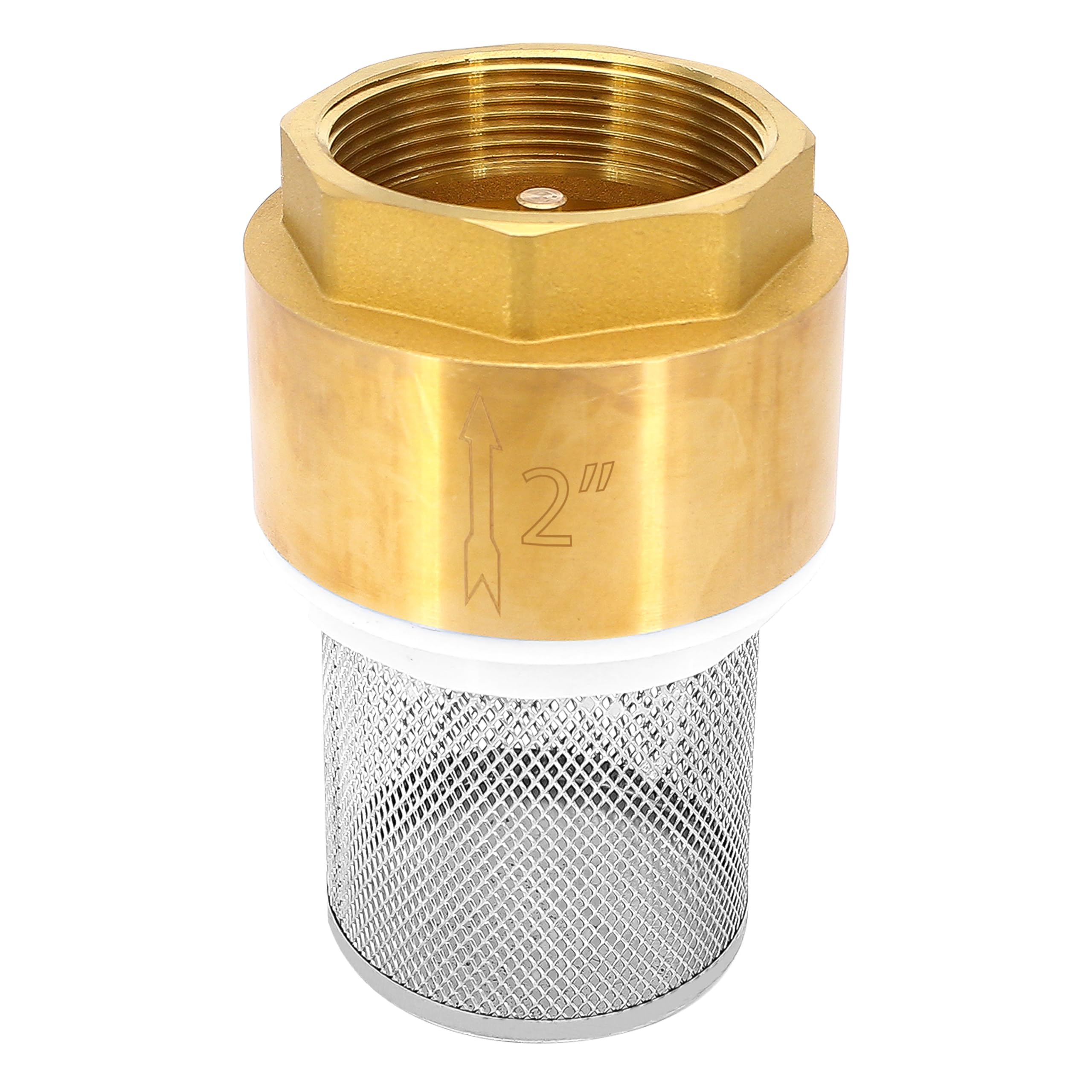
| Brass Foot Valve | Durable, corrosion-resistant, and high-pressure rated | Well water systems, industrial irrigation | Pros: Long lifespan, reliable. Cons: Higher initial cost. |
| Stainless Steel Foot Valve | Excellent corrosion resistance, suitable for harsh environments | Agricultural applications, coastal areas | Pros: Extremely durable, resistant to rust. Cons: Expensive. |
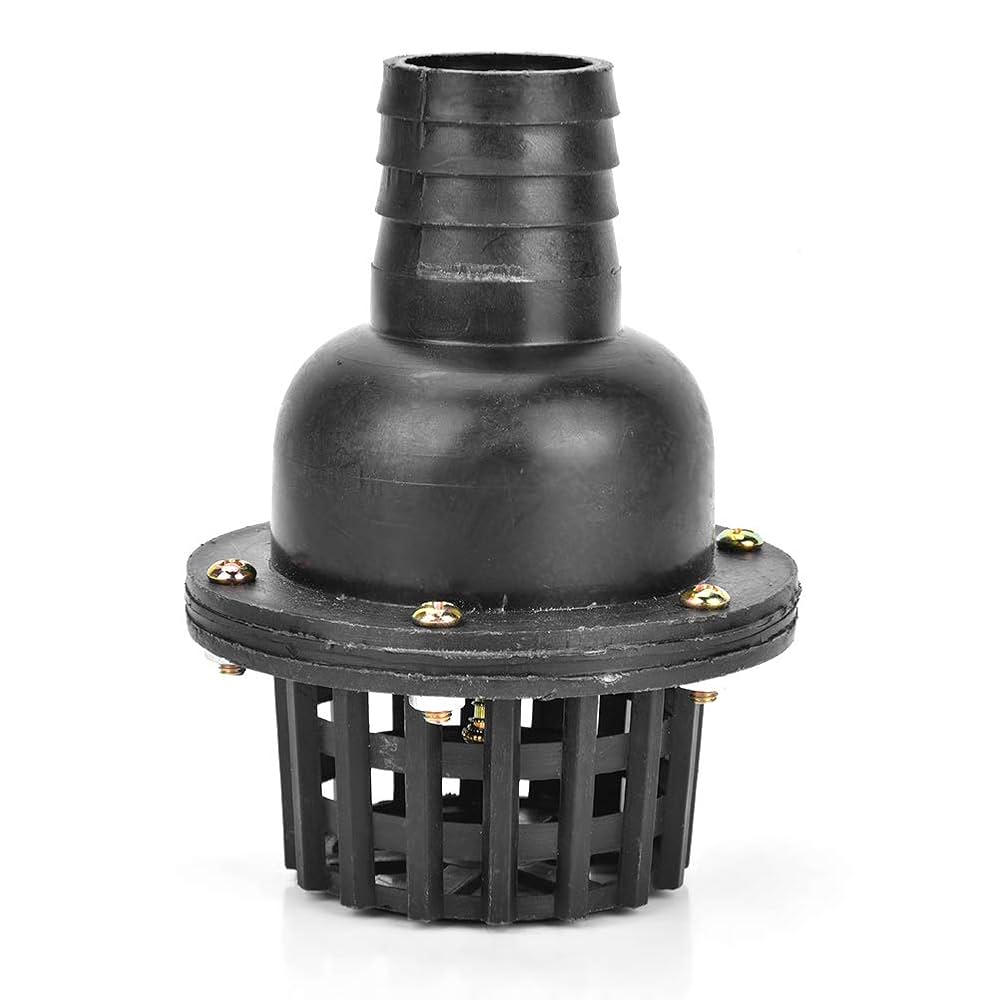
| Plastic Foot Valve | Lightweight, cost-effective, and easy to install | Small-scale irrigation, residential gardens | Pros: Affordable, resistant to corrosion. Cons: Less durable. |
| Flapper Foot Valve | Uses a flapper mechanism for efficient flow control | Deep wells, high-volume applications | Pros: Effective backflow prevention. Cons: Requires maintenance. |
| Screened Foot Valve | Incorporates a filter to prevent debris entry | Ponds, lakes, and water storage tanks | Pros: Protects pump from clogging. Cons: Screen may require cleaning. |
What Are the Characteristics of Brass Foot Valves?
Brass foot valves are widely recognized for their durability and resistance to corrosion, making them ideal for high-pressure applications in well water systems and industrial irrigation. Their robust construction allows them to withstand harsh conditions, ensuring a long operational life. When purchasing brass foot valves, buyers should consider factors such as pressure ratings and compatibility with existing systems to maximize efficiency.
How Does a Stainless Steel Foot Valve Compare?
Stainless steel foot valves are particularly suited for agricultural applications in coastal areas where saltwater exposure is a concern. Their exceptional resistance to rust and corrosion enhances their longevity, making them a worthwhile investment despite a higher upfront cost. B2B buyers must assess the specific environmental conditions of their operations to determine if the benefits of stainless steel justify the expense.
What Advantages Do Plastic Foot Valves Offer?
Plastic foot valves are a cost-effective solution for small-scale irrigation systems and residential gardens. Their lightweight design simplifies installation, making them appealing for budget-conscious buyers. However, while they resist corrosion, they may not endure the same pressures as metal counterparts. Businesses should evaluate the scale of their irrigation needs to determine if plastic valves meet their requirements without compromising performance.
Why Choose a Flapper Foot Valve?
Flapper foot valves are designed with a flapper mechanism that provides efficient flow control, particularly in deep well applications where backflow prevention is crucial. This design allows for quick response to changes in pressure, but it may require more frequent maintenance than other types. B2B purchasers should consider the operational environment and maintenance capabilities when selecting flapper valves for their systems.
What Are the Benefits of Screened Foot Valves?
Screened foot valves are equipped with filters to prevent debris from entering the pump system, making them ideal for use in ponds, lakes, and water storage tanks. This feature significantly reduces the risk of clogging, thus enhancing system reliability. Buyers should keep in mind the need for periodic cleaning of the screen to maintain optimal performance, which can impact overall maintenance costs.
Key Industrial Applications of irrigation pump foot valve
| Industry/Sector | Specific Application of irrigation pump foot valve | Value/Benefit for the Business | Key Sourcing Considerations for this Application |
|---|---|---|---|
| Agriculture | Used in irrigation systems for crop fields to maintain water supply. | Ensures consistent water availability, reducing crop stress. | Durability against corrosion, compatibility with local water sources. |
| Aquaculture | Employed in water circulation systems for fish farms. | Maintains optimal water levels and quality for aquatic life. | Resistance to biofouling, ease of maintenance and cleaning. |
| Mining and Construction | Utilized in dewatering applications to manage groundwater levels. | Prevents flooding and maintains operational efficiency. | Robust construction to handle abrasive materials and high pressure. |
| Municipal Water Systems | Installed in municipal wells to prevent backflow into water sources. | Protects water supply integrity and enhances system reliability. | Compliance with local regulations and standards for water safety. |
| Landscaping and Parks | Used in irrigation systems for public parks and landscaped areas. | Promotes healthy plant growth and enhances aesthetic value. | Cost-effectiveness and ease of integration with existing systems. |
In the agriculture sector, irrigation pump foot valves are critical for maintaining a steady water supply in crop fields. They prevent backflow when the pump is off, ensuring that water remains in the system and is readily available for the next irrigation cycle. This is particularly beneficial in regions with erratic rainfall patterns, allowing farmers to optimize water usage and improve crop yields. Buyers should focus on durability against corrosion, especially in areas with high mineral content in the water.
Aquaculture operations rely heavily on irrigation pump foot valves for efficient water circulation in fish farms. These valves help maintain optimal water levels and quality, which are essential for the health of aquatic species. By preventing backflow, they ensure that the water remains clean and free from contaminants. Buyers in this sector should prioritize valves that resist biofouling and are easy to clean, as maintaining water quality is paramount for fish health and productivity.
In mining and construction, foot valves are essential for dewatering applications, helping to manage groundwater levels effectively. By preventing flooding, these valves ensure that work sites remain operational and safe, minimizing downtime. Buyers should consider sourcing valves that are robustly constructed to handle abrasive materials and high-pressure environments, as these conditions can significantly impact performance and longevity.
Municipal water systems use irrigation pump foot valves in wells to prevent backflow into water sources. This application is crucial for maintaining the integrity of the water supply and ensuring compliance with health and safety standards. Buyers must ensure that the valves they source meet local regulations and standards for water safety, as this can vary significantly between regions.
In landscaping and parks, foot valves are integrated into irrigation systems to promote healthy plant growth in public spaces. They help maintain consistent moisture levels, enhancing the aesthetic appeal of parks and gardens. For B2B buyers in this sector, cost-effectiveness and ease of integration with existing irrigation systems are key considerations, ensuring that installations are both efficient and budget-friendly.
A stock image related to irrigation pump foot valve.
3 Common User Pain Points for ‘irrigation pump foot valve’ & Their Solutions
Scenario 1: Preventing Backflow in Irrigation Systems
The Problem: One of the most significant challenges faced by B2B buyers of irrigation pump foot valves is the risk of backflow when the pump is turned off. When water drains back down the pipe, it not only wastes water but can also lead to pressure fluctuations that damage the pump and other system components. Buyers operating in regions with variable terrain, such as hilly or sloped areas, may find this issue particularly pronounced, as gravity exacerbates the problem. This situation not only results in inefficient water use but can also lead to costly repairs and system downtime.
The Solution: To effectively combat backflow, B2B buyers should prioritize sourcing high-quality foot valves specifically designed to handle the demands of their irrigation systems. When selecting a foot valve, consider models made from durable materials like stainless steel or brass, which offer better corrosion resistance and longevity. It’s crucial to ensure that the valve has a reliable sealing mechanism, such as a robust flapper system, which closes securely when the pump is off. Additionally, proper installation is key; make sure the foot valve is placed at the correct depth in the water source to maintain optimal suction and functionality. Regular maintenance, including inspections and cleaning of the valve and screen, will also help prevent debris build-up that could hinder performance.
Scenario 2: Managing Pressure Fluctuations in Pump Systems
The Problem: Buyers often encounter pressure fluctuations within their irrigation systems, especially during startup or shutdown phases. These fluctuations can lead to equipment failure, inefficient irrigation, and even erosion of the landscape due to uneven water distribution. For agricultural operations in regions like Africa or South America, where consistent water supply is critical, this can severely impact crop yield and profitability.
The Solution: To manage and stabilize pressure fluctuations, incorporating foot valves at strategic points in the irrigation system is essential. B2B buyers should look for foot valves that feature integrated pressure regulation capabilities. This can be achieved by selecting valves with built-in dampening features that absorb shock during pump operation. Additionally, installing multiple foot valves in systems with significant elevation changes can help maintain consistent pressure throughout the irrigation network. Regular monitoring of pressure levels and system performance will allow buyers to make necessary adjustments and maintain optimal irrigation efficiency.
Scenario 3: Ensuring Longevity and Reliability of Irrigation Foot Valves
The Problem: Longevity and reliability are paramount concerns for B2B buyers investing in irrigation pump foot valves, particularly in regions prone to harsh environmental conditions or high sediment levels. Over time, sediment and debris can accumulate, leading to valve failure or decreased efficiency. This not only results in increased operational costs but also disrupts irrigation schedules, which can be detrimental to agricultural operations.
The Solution: To enhance the longevity of foot valves, buyers should invest in models that come equipped with protective features, such as built-in screens to filter out debris before it enters the valve. Selecting valves made from high-quality, corrosion-resistant materials will also ensure durability under varying conditions. Regular maintenance is crucial; establish a routine schedule for inspecting and cleaning valves to remove any sediment build-up. Furthermore, training staff on proper valve operation and maintenance procedures can prevent misuse and extend the lifespan of the equipment. By taking these proactive measures, buyers can significantly reduce the risk of valve failure and ensure reliable irrigation performance year-round.
Strategic Material Selection Guide for irrigation pump foot valve
What Are the Common Materials Used for Irrigation Pump Foot Valves?
When selecting materials for irrigation pump foot valves, it is crucial to consider various factors such as durability, compatibility with specific media, and environmental conditions. Below, we analyze four common materials used in the manufacturing of these valves: brass, stainless steel, plastic (PVC), and cast iron.
How Does Brass Perform in Irrigation Pump Foot Valves?
Brass is a popular choice for irrigation pump foot valves due to its excellent corrosion resistance and durability. It can withstand high pressures and temperatures, making it suitable for diverse applications. The key properties of brass include a temperature rating of up to 150°C and a pressure rating of around 10 bar.
Pros: Brass is highly durable, resistant to corrosion, and has good mechanical strength. It is also relatively easy to machine, which simplifies the manufacturing process.
Cons: The primary disadvantage of brass is its cost, which is higher than some alternatives. Additionally, it may not be suitable for highly acidic or alkaline media, which can lead to corrosion over time.
Impact on Application: Brass foot valves are ideal for use in agricultural irrigation systems where water quality is generally stable. However, international buyers should ensure compliance with local standards, such as ASTM or DIN, to avoid issues related to material quality.
What Are the Benefits of Stainless Steel for Foot Valves?
Stainless steel is another excellent material for foot valves, particularly in applications exposed to harsh environments. Its key properties include high corrosion resistance, temperature ratings up to 200°C, and pressure ratings exceeding 20 bar.
Pros: Stainless steel is incredibly durable and resistant to corrosion, making it suitable for a wide range of media, including saline water. It also has a long lifespan, which can reduce replacement costs over time.
Cons: The manufacturing complexity of stainless steel can lead to higher production costs. Additionally, it may not be as easy to repair or modify compared to other materials.
Impact on Application: Stainless steel foot valves are particularly suitable for regions with high salinity levels, such as coastal areas in Africa or South America. Buyers should verify compliance with international standards to ensure product reliability.
How Does Plastic (PVC) Compare for Foot Valves?
Plastic, particularly PVC, is a cost-effective option for irrigation pump foot valves. Its key properties include a temperature rating of around 60°C and a pressure rating of up to 6 bar.
Pros: PVC is lightweight, resistant to corrosion, and easy to install. Its low cost makes it an attractive option for large-scale agricultural projects.
Cons: However, PVC is less durable than metal options and can become brittle over time, especially under UV exposure. It is also unsuitable for high-temperature applications.
Impact on Application: PVC foot valves are commonly used in less demanding irrigation systems, such as those found in smaller farms or gardens. Buyers in regions with extreme temperatures or UV exposure should consider alternatives to ensure longevity.
What Role Does Cast Iron Play in Foot Valve Applications?
Cast iron is often used for heavy-duty applications where strength is paramount. Its key properties include a temperature rating of up to 200°C and a pressure rating of around 10 bar.
Pros: Cast iron is incredibly strong and durable, making it suitable for high-pressure applications. It also has excellent wear resistance.
Cons: The primary downside is its weight, which can complicate installation and maintenance. Additionally, cast iron is prone to rusting if not properly coated or maintained.
Impact on Application: Cast iron foot valves are ideal for large irrigation systems in agricultural settings. Buyers should ensure that the valves meet local standards to avoid compliance issues.
Summary Table of Material Properties for Irrigation Pump Foot Valves
| Material | Typical Use Case for irrigation pump foot valve | Key Advantage | Key Disadvantage/Limitation | Relative Cost (Low/Med/High) |
|---|---|---|---|---|
| Brass | General agricultural irrigation systems | Excellent corrosion resistance | Higher cost, limited media compatibility | High |
| Stainless Steel | Harsh environments, saline water applications | Long lifespan, high durability | Higher production costs, complex repairs | High |
| Plastic (PVC) | Small-scale farms and gardens | Lightweight, cost-effective | Less durable, temperature limitations | Low |
| Cast Iron | Heavy-duty agricultural systems | Extremely strong and durable | Heavy, prone to rust without coating | Medium |
This guide provides actionable insights for B2B buyers to make informed decisions when selecting materials for irrigation pump foot valves, considering regional compliance and application needs.
A stock image related to irrigation pump foot valve.
In-depth Look: Manufacturing Processes and Quality Assurance for irrigation pump foot valve
What Are the Main Stages of Manufacturing Irrigation Pump Foot Valves?
The manufacturing of irrigation pump foot valves involves several critical stages that ensure the final product meets both functional and quality standards. These stages include material preparation, forming, assembly, and finishing.
How Is Material Prepared for Foot Valve Manufacturing?
Material preparation is the foundational step in the manufacturing process. The choice of materials is crucial; common materials used for foot valves include brass, stainless steel, and high-grade plastics. Each material offers unique advantages, such as corrosion resistance or cost-effectiveness.
During this stage, raw materials are sourced from certified suppliers to ensure quality. They are then cut and shaped into specific dimensions suitable for the valve design. This process often involves advanced technologies such as CNC machining for precision cutting, ensuring that each component is uniform and meets design specifications.
What Forming Techniques Are Used in Foot Valve Production?
Forming is the next stage in the manufacturing process, where the prepared materials are shaped into functional components. Common techniques include die casting, injection molding for plastic valves, and forging for metal components.
Die casting is particularly prevalent for brass and aluminum foot valves, allowing for complex shapes and a smooth finish. Injection molding is favored for plastic components, enabling high-volume production with consistent quality. The choice of forming technique directly impacts the durability and performance of the foot valves.
How Are Foot Valves Assembled?
The assembly stage is where various components—such as the valve body, flapper, and screen—are brought together. Automated assembly lines are often employed to enhance efficiency and reduce human error.
During assembly, a key focus is on ensuring that seals and joints are tightly fitted to prevent leaks. This step may also involve the installation of additional features such as check mechanisms to prevent backflow. Quality control measures are integrated at this stage to verify that each assembly meets specified tolerances and performance standards.
What Finishing Processes Are Applied to Foot Valves?
Finishing processes enhance both the aesthetics and functionality of foot valves. Common finishing techniques include polishing, coating, and plating. For instance, stainless steel valves might undergo passivation to enhance corrosion resistance, while brass valves may be coated to prevent tarnishing.
These finishing touches are not only about appearance; they also play a vital role in extending the lifespan of the valves and improving their operational efficiency. Furthermore, any finishing process must comply with environmental standards to ensure safety and sustainability.
What Quality Assurance Standards Are Relevant for Foot Valve Manufacturing?
Quality assurance is a critical aspect of manufacturing irrigation pump foot valves. International standards such as ISO 9001 provide a framework for quality management systems, ensuring that manufacturers consistently meet customer requirements and regulatory standards.
How Do International Standards Impact Foot Valve Quality?
ISO 9001 certification signifies that a manufacturer adheres to internationally recognized quality management principles. This includes a strong customer focus, the involvement of top management, a process approach, and continuous improvement.
In addition to ISO standards, industry-specific certifications such as CE marking (for European markets) and API standards (for oil and gas applications) can further validate the quality of foot valves. These certifications assure B2B buyers that the products have been tested for safety and performance.
What Are the Key Quality Control Checkpoints in Foot Valve Production?
Quality control (QC) is integrated into various stages of the manufacturing process. Key checkpoints include:
Incoming Quality Control (IQC): This initial stage involves inspecting raw materials to ensure they meet specified standards before production begins. It helps in identifying potential issues early in the process.
In-Process Quality Control (IPQC): During manufacturing, continuous monitoring is conducted to verify that processes are in control and that products are being made according to specifications. This may involve statistical process control (SPC) methods to track variations.
Final Quality Control (FQC): Once the valves are assembled, a final inspection is carried out to ensure that they function correctly and meet all performance criteria. This often includes pressure testing, leak testing, and functional tests.
What Common Testing Methods Are Used for Foot Valves?
To ensure the quality and reliability of foot valves, several testing methods are commonly employed:
Hydrostatic Testing: This method involves filling the valve with water and applying pressure to check for leaks. It is essential for verifying the integrity of the valve under operational conditions.
Flow Testing: This assesses the valve’s performance by measuring the flow rate and ensuring it meets the specified standards. It helps in identifying potential bottlenecks or operational inefficiencies.
Material Testing: Various tests, such as tensile strength and corrosion resistance tests, are performed on the materials used to manufacture the valves to ensure they can withstand environmental challenges.
How Can B2B Buyers Verify Supplier Quality Control?
B2B buyers looking to ensure quality in their procurement of irrigation pump foot valves should take several steps:
Supplier Audits: Conducting regular audits of suppliers can provide insights into their manufacturing processes and quality control systems. This helps in establishing trust and verifying compliance with international standards.
Review of Quality Reports: Requesting detailed quality reports from suppliers can help buyers understand the QC processes in place and any issues encountered during production.
Third-Party Inspections: Engaging third-party inspection agencies can provide an unbiased assessment of the manufacturing quality. These agencies can conduct inspections at various stages of production, ensuring that the final product meets all specifications.
What Are the Quality Control Nuances for International Buyers?
International buyers, particularly those from Africa, South America, the Middle East, and Europe, should be aware of certain nuances in quality control:
Regional Compliance: Different regions may have unique regulations regarding materials and manufacturing processes. Understanding local requirements is crucial to ensure compliance.
Cultural Differences: Cultural attitudes towards quality assurance can vary. Establishing clear communication with suppliers regarding quality expectations is vital for successful partnerships.
Logistical Considerations: International shipping can introduce risks such as damage during transport. Ensuring that suppliers use robust packaging and handling practices is essential for maintaining quality throughout the supply chain.
By understanding these aspects of manufacturing processes and quality assurance, B2B buyers can make informed decisions when sourcing irrigation pump foot valves, ultimately leading to enhanced operational efficiency and reduced costs.
Practical Sourcing Guide: A Step-by-Step Checklist for ‘irrigation pump foot valve’
Introduction
This practical sourcing guide aims to assist B2B buyers in procuring irrigation pump foot valves effectively. Foot valves are critical components in irrigation systems, ensuring that water remains in the pipeline and the pump stays primed. By following this checklist, buyers can make informed decisions that enhance system efficiency and longevity.
Step 1: Define Your Technical Specifications
Begin by identifying the specific requirements for your irrigation system. Consider factors such as the size, material (e.g., brass, stainless steel), and pressure ratings of the foot valves. Proper specifications ensure compatibility with existing equipment and prevent costly operational issues.
- Size: Choose a valve size that matches your piping system.
- Material: Opt for corrosion-resistant materials suitable for your water source.
Step 2: Research and Identify Reliable Suppliers
Conduct thorough research to identify suppliers with a proven track record in providing irrigation solutions. Look for companies that specialize in foot valves and have positive reviews from existing clients.
- Experience: Prioritize suppliers with extensive industry experience.
- Customer Feedback: Analyze testimonials and case studies to gauge supplier reliability.
Step 3: Evaluate Supplier Certifications and Compliance
Ensure that potential suppliers comply with industry standards and regulations. Certifications indicate that the supplier adheres to quality control processes and safety standards, which is essential for the longevity of your irrigation system.
- ISO Certification: Look for suppliers certified under ISO 9001 for quality management.
- Local Regulations: Verify compliance with regional regulations, especially if sourcing from international suppliers.
Step 4: Request Samples for Quality Assurance
Before making a bulk purchase, request samples of the foot valves. Testing samples helps you assess the quality, functionality, and suitability of the valves for your specific application.
- Functionality Testing: Check for proper sealing and flow characteristics.
- Material Inspection: Ensure the material quality meets your specifications.
Step 5: Negotiate Pricing and Terms
Engage in discussions to negotiate pricing and payment terms with selected suppliers. Understanding the total cost of ownership, including shipping and potential duties, is crucial for accurate budgeting.
- Volume Discounts: Inquire about discounts for bulk purchases.
- Payment Terms: Clarify payment schedules to optimize cash flow.
Step 6: Review Warranty and After-Sales Support
Assess the warranty terms and after-sales support offered by the supplier. A robust warranty and accessible customer support can significantly impact your operational efficiency and peace of mind.
- Warranty Duration: Look for warranties that cover defects and performance issues.
- Support Channels: Ensure that the supplier provides multiple support options, such as phone, email, and online chat.
Step 7: Finalize the Order and Confirm Delivery Timelines
Once satisfied with all aspects of the procurement process, finalize your order and confirm delivery timelines. Clear communication about lead times is essential to ensure that your irrigation project remains on schedule.
- Order Confirmation: Get written confirmation of your order details.
- Delivery Tracking: Request tracking information to monitor the shipment.
By following this step-by-step checklist, B2B buyers can effectively source irrigation pump foot valves that meet their specific needs, ensuring smooth and efficient irrigation operations.
Comprehensive Cost and Pricing Analysis for irrigation pump foot valve Sourcing
What Are the Key Cost Components in Sourcing Irrigation Pump Foot Valves?
When sourcing irrigation pump foot valves, understanding the cost structure is essential for making informed purchasing decisions. The primary cost components include materials, labor, manufacturing overhead, tooling, quality control (QC), logistics, and margin.
Materials: The choice of materials significantly impacts the cost. Common materials for foot valves include brass, stainless steel, and plastic. Brass and stainless steel, while more expensive, offer durability and corrosion resistance, which can be critical in harsh environments.
Labor: Labor costs vary depending on the region and the complexity of the manufacturing process. Skilled labor is often required for high-quality production, especially when intricate designs or customizations are involved.
Manufacturing Overhead: This includes costs associated with facility maintenance, utilities, and administrative expenses. Efficient production processes can help reduce overhead costs.
Tooling: Initial setup costs for molds and dies can be high, particularly for custom designs. These costs are amortized over the production run, making higher volume orders more cost-effective.
Quality Control: Investing in QC is crucial to ensure product reliability. Rigorous testing and certification processes may add to the upfront costs but can reduce long-term failure rates and warranty claims.
Logistics: Shipping and handling costs depend on the distance, weight, and volume of the order. International shipping can introduce additional expenses, such as customs duties and taxes.
Margin: Suppliers will typically add a profit margin to their costs, which can vary widely based on market conditions and competition.
How Do Price Influencers Affect the Cost of Irrigation Pump Foot Valves?
Several factors influence the pricing of irrigation pump foot valves, and understanding these can lead to better negotiation outcomes.
Volume/MOQ: Minimum order quantities (MOQs) often dictate pricing. Ordering larger volumes can lead to significant discounts, while smaller orders may incur higher per-unit costs.
Specifications/Customization: Custom designs or specific specifications can drive up costs due to the need for specialized tooling and materials. Buyers should weigh the benefits of customization against the potential increase in price.
Materials: The choice of materials not only affects durability but also cost. Buyers should consider the long-term benefits of investing in higher-quality materials, especially in demanding applications.
Quality/Certifications: Products with certifications (e.g., ISO, CE) may come at a premium. However, these certifications can assure buyers of product quality and compliance with international standards, particularly important in regulated markets.
Supplier Factors: The supplier’s reputation, location, and financial stability can impact pricing. Established suppliers may offer better quality assurance and reliability but at a higher cost.
Incoterms: Understanding Incoterms is vital in international transactions. Terms like FOB (Free on Board) or CIF (Cost, Insurance, and Freight) affect the total landed cost, influencing the final price.
What Are the Best Buyer Tips for Negotiating Prices on Irrigation Pump Foot Valves?
Negotiating effectively can lead to better pricing and terms for irrigation pump foot valves.
Leverage Volume: If possible, consolidate orders to meet MOQs and negotiate better pricing. This strategy is particularly effective for ongoing projects.
Total Cost of Ownership (TCO): Evaluate the TCO rather than just the purchase price. Consider factors such as maintenance, durability, and efficiency, which can impact long-term costs.
Research and Compare: Conduct thorough research on suppliers, and compare prices and specifications. This knowledge can provide leverage during negotiations.
Be Open to Alternatives: If a specific supplier cannot meet your price, be open to considering alternative materials or designs that may be more cost-effective.
Build Relationships: Establishing a good relationship with suppliers can lead to better pricing and terms in the long run. Suppliers may be more willing to negotiate with trusted partners.
Disclaimer on Indicative Prices
Prices for irrigation pump foot valves can vary significantly based on the factors discussed above. The indicative prices may range widely, from approximately $50 for basic models to over $1,300 for custom or high-end designs. Always request quotes tailored to your specific requirements to ensure accurate budgeting and planning.
Alternatives Analysis: Comparing irrigation pump foot valve With Other Solutions
When assessing irrigation solutions, it is crucial for B2B buyers to consider alternatives to the irrigation pump foot valve. Each option has unique strengths and weaknesses that can significantly impact system efficiency, maintenance, and overall cost-effectiveness. Below, we compare the irrigation pump foot valve with two viable alternatives: inline check valves and backflow preventers.
| Comparison Aspect | Irrigation Pump Foot Valve | Inline Check Valve | Backflow Preventer |
|---|---|---|---|
| Performance | Excellent for maintaining prime and preventing backflow | Good for preventing backflow but may not maintain prime | Very effective at preventing contamination of water supply |
| Cost | Moderate, typically ranges from $50 to $200 | Similar price range, often $40 to $150 | Higher cost, typically $150 to $500 depending on size and type |
| Ease of Implementation | Requires careful installation at the pump’s base | Easy to install within the pipeline | Installation can be complex, often requiring professional assistance |
| Maintenance | Regular checks needed to ensure functionality and clean screens | Minimal maintenance; occasional inspections recommended | Requires periodic testing and maintenance to ensure efficacy |
| Best Use Case | Ideal for wells, ponds, or other sources where water needs to be drawn | Suitable for horizontal pipelines where backflow prevention is needed | Essential for protecting drinking water sources from contamination |
What are the Pros and Cons of Inline Check Valves?
Inline check valves are designed to prevent backflow in irrigation systems. Their primary advantage is their simplicity and ease of installation, making them an attractive option for many irrigation setups. They are effective in maintaining pressure in horizontal pipelines, thus preventing water from flowing back when the system is off. However, inline check valves do not maintain the prime like foot valves do, which means they may not be suitable for applications where the pump must retain water to operate effectively. Additionally, they can be less effective in systems with significant vertical rises or drops.
How Do Backflow Preventers Work and What Are Their Benefits?
Backflow preventers are critical devices designed to protect potable water supplies from contamination. They work by allowing water to flow in only one direction, preventing any reverse flow that could introduce contaminants. The primary advantage of backflow preventers is their ability to safeguard water quality, making them essential in residential and commercial settings where drinking water is a concern. However, their complexity can lead to higher installation and maintenance costs. They also require periodic testing to ensure they function correctly, which may not be ideal for all users.
Conclusion: How to Choose the Right Solution for Your Irrigation Needs
When selecting an irrigation solution, B2B buyers should carefully evaluate their specific requirements, including the type of water source, system layout, and maintenance capabilities. An irrigation pump foot valve is often the best choice for applications requiring prime maintenance and preventing backflow in vertical systems. Inline check valves may serve well in simpler horizontal systems, while backflow preventers are essential for scenarios where water quality protection is paramount. By understanding the unique benefits and limitations of each option, buyers can make informed decisions that optimize their irrigation systems’ efficiency and reliability.
Essential Technical Properties and Trade Terminology for irrigation pump foot valve
What are the Key Technical Properties of an Irrigation Pump Foot Valve?
When evaluating irrigation pump foot valves, several critical specifications are essential for ensuring optimal performance and longevity. Understanding these properties can significantly influence purchasing decisions for B2B buyers.
1. Material Grade
Foot valves are typically manufactured from materials such as brass, stainless steel, or PVC. Brass and stainless steel offer corrosion resistance and durability, making them suitable for diverse water sources, including wells and ponds. For buyers in regions with high mineral content in water, selecting a foot valve with a suitable material grade can prevent premature wear and ensure long-term performance.
2. Size and Connection Type
Foot valves come in various sizes, commonly ranging from 1 to 4 inches in diameter. The connection type (e.g., female threaded, male threaded, or flanged) is crucial for compatibility with existing irrigation systems. Ensuring the correct size and connection type can help avoid installation issues and maintain system efficiency.
3. Flow Rate Capacity
The flow rate, usually measured in gallons per minute (GPM), indicates how much water the foot valve can handle effectively. Understanding the required flow rate for your irrigation system is vital, as undersized valves can restrict water flow, leading to inadequate irrigation coverage. Conversely, oversized valves may lead to excessive pressure, risking damage to the system.
4. Pressure Rating
Pressure ratings determine the maximum pressure the foot valve can withstand without failure. This specification is especially important for systems operating at varying pressures, such as those found in mountainous regions or high-rise installations. Selecting a valve with an appropriate pressure rating helps prevent leaks and prolongs the valve’s lifespan.
5. Screen Type and Mesh Size
Most foot valves are equipped with a screen that prevents debris from entering the pump system. The mesh size of the screen is a critical specification to consider, as a finer mesh may reduce flow rate but provides better protection against clogging. Buyers should evaluate the water source’s characteristics to choose an appropriate screen type.
What are the Common Trade Terms Related to Irrigation Pump Foot Valves?
Navigating the purchasing process for irrigation pump foot valves involves familiarity with specific industry jargon. Here are some essential terms that B2B buyers should know.
1. OEM (Original Equipment Manufacturer)
OEM refers to companies that manufacture products that are sold under another company’s brand. In the context of irrigation systems, selecting OEM parts ensures compatibility and quality, as these components are designed specifically for the intended application.
2. MOQ (Minimum Order Quantity)
MOQ is the smallest quantity of a product that a supplier is willing to sell. Understanding MOQ is crucial for businesses, especially when budgeting for large irrigation projects. Buyers should negotiate MOQs to align with their project needs without incurring excess inventory costs.
3. RFQ (Request for Quotation)
An RFQ is a document sent to suppliers requesting a detailed quote for specific products or services. This process allows buyers to compare prices, terms, and conditions from different suppliers, ensuring the best value for their irrigation projects.
4. Incoterms (International Commercial Terms)
Incoterms define the responsibilities of buyers and sellers in international trade. For irrigation pump foot valves, understanding these terms can clarify shipping costs, risk allocation, and delivery timelines, which are critical for successful project planning and execution.
5. Lead Time
Lead time refers to the time it takes from placing an order to receiving the product. Knowing the lead time for foot valves is vital for project scheduling, especially in regions where timely irrigation is crucial for crop yield.
By understanding these technical properties and trade terms, B2B buyers can make informed decisions, ensuring that their irrigation systems operate efficiently and effectively.
Navigating Market Dynamics and Sourcing Trends in the irrigation pump foot valve Sector
What Are the Key Market Dynamics and Trends Influencing the Irrigation Pump Foot Valve Sector?
The global irrigation pump foot valve market is experiencing significant growth, driven by several key factors. First, the increasing demand for efficient agricultural practices in regions such as Africa, South America, and the Middle East is prompting investments in irrigation infrastructure. These areas face unique challenges, including water scarcity and the need for sustainable agricultural practices, which are pushing for innovative solutions like foot valves that enhance water management.
Emerging technologies are also reshaping the sourcing landscape. The integration of smart irrigation systems equipped with sensors and IoT capabilities allows for real-time monitoring and control of water flow, improving the efficiency of foot valves. Moreover, advancements in materials science have led to the development of more durable and corrosion-resistant foot valves, such as those made from stainless steel or high-grade plastics, catering to diverse environmental conditions across different regions.
International B2B buyers should also be aware of fluctuating supply chain dynamics. The COVID-19 pandemic highlighted vulnerabilities in global supply chains, prompting companies to diversify their supplier networks. This trend is particularly relevant for buyers in Europe and the Middle East, where sourcing from local or regional suppliers can mitigate risks related to delays and cost fluctuations. Sustainable sourcing practices are becoming increasingly critical as businesses strive to align with global environmental standards and consumer expectations.
How Can Sustainability and Ethical Sourcing Impact the Foot Valve Supply Chain?
Sustainability is no longer just a buzzword; it has become a fundamental principle guiding procurement strategies. In the irrigation pump foot valve sector, the environmental impact of materials and manufacturing processes plays a crucial role in buyer decision-making. Traditional materials, such as brass and stainless steel, offer durability but can have significant ecological footprints if not sourced responsibly.
Ethical sourcing emphasizes the importance of transparency in supply chains, ensuring that materials are obtained in a manner that respects both the environment and human rights. Buyers are increasingly seeking suppliers that can provide certifications such as ISO 14001 (Environmental Management) or those adhering to the principles of the United Nations Global Compact. These certifications can assure B2B buyers of their suppliers’ commitment to sustainable practices.
Furthermore, the adoption of ‘green’ materials, such as recycled metals or biodegradable plastics, is gaining traction. Such innovations not only reduce environmental impact but also resonate with end-users who prioritize eco-friendly products. As international buyers navigate their sourcing decisions, integrating sustainability and ethical considerations will enhance their brand reputation and align with global trends toward responsible business practices.
What Is the Historical Context of Irrigation Pump Foot Valves?
The evolution of irrigation pump foot valves reflects broader advancements in agricultural technology and water management. Historically, foot valves were simple mechanical devices designed to prevent backflow and maintain pump priming. Their origins can be traced back to early irrigation practices where the need for efficient water management was paramount.
As agriculture evolved, so did the technology surrounding irrigation systems. The introduction of materials like PVC and stainless steel in the mid-20th century significantly improved the durability and efficiency of foot valves. This shift allowed for greater versatility in applications, from small-scale farms to large agricultural enterprises.
In the contemporary context, the focus has shifted to integrating advanced technologies, such as automated control systems and IoT-enabled devices, which enhance the functionality of foot valves. This ongoing evolution reflects the industry’s commitment to improving water efficiency and sustainability, critical factors for modern agriculture in a world increasingly impacted by climate change and resource scarcity.
Frequently Asked Questions (FAQs) for B2B Buyers of irrigation pump foot valve
How do I solve backflow issues in my irrigation system?
To address backflow issues, ensure the installation of high-quality foot valves at the end of your suction pipes. These valves prevent water from draining back into the source when the pump is off, keeping the system primed for the next cycle. Regularly inspect these valves for wear and tear, as sediment and debris can compromise their functionality. Additionally, consider using check valves at strategic points in your system to further mitigate backflow and maintain consistent water pressure.What is the best material for irrigation pump foot valves?
The best material for irrigation pump foot valves depends on your specific application and environmental conditions. Brass and stainless steel are popular choices due to their durability and resistance to corrosion. For freshwater applications, stainless steel is ideal, while brass is often preferred for its strength and ability to withstand high pressures. If your system handles sediments or harsh chemicals, ensure the material selected can withstand such conditions without deteriorating.How can I ensure the quality of foot valves from suppliers?
To ensure the quality of foot valves, perform thorough due diligence on potential suppliers. Request samples to evaluate their construction and performance. Look for suppliers with certifications, such as ISO or CE, which indicate adherence to international quality standards. Additionally, read reviews and testimonials from previous buyers and consider visiting the supplier’s manufacturing facility if possible, to observe their quality control processes firsthand.What is the typical minimum order quantity (MOQ) for foot valves?
Minimum order quantities (MOQ) for foot valves can vary significantly by supplier and region. Generally, MOQs can range from 10 to several hundred units, depending on the manufacturer’s production capabilities and market demand. It’s advisable to discuss your specific needs with the supplier, as many are willing to accommodate smaller orders, especially for first-time buyers or long-term partnerships.What payment terms should I expect when sourcing foot valves internationally?
Payment terms for international purchases typically include options such as advance payment, letter of credit, or payment upon delivery. Commonly, suppliers may request a deposit of 30% to 50% upfront, with the remainder due before shipping or upon receipt of goods. It’s essential to negotiate terms that align with your cash flow requirements while also ensuring that the supplier remains confident in fulfilling the order.What logistics considerations should I be aware of when importing foot valves?
When importing foot valves, consider shipping methods (air freight vs. sea freight), customs duties, and clearance processes. Evaluate the total landed cost, including freight charges and tariffs, to understand the overall investment. Work with a reliable freight forwarder who can navigate the complexities of international shipping and ensure compliance with local regulations, especially in regions like Africa and South America, where customs procedures may differ.How do I customize foot valves for my specific irrigation needs?
Customization options for foot valves can include size, connection types, and material specifications. Discuss your requirements with potential suppliers to explore their capabilities for tailoring products to meet your needs. Providing detailed specifications and understanding your application requirements will help suppliers offer the best solutions. Some manufacturers may also offer engineering support to design valves that fit unique operational conditions.What are the common signs that my foot valves need replacement?
Common signs indicating that foot valves may need replacement include persistent backflow issues, water leakage around the valve, or visible corrosion on the valve body. Additionally, if the pump frequently loses prime or struggles to maintain pressure, it may suggest that the foot valve is not functioning correctly. Regular inspections and maintenance can help identify these issues early, ensuring optimal performance of your irrigation system.
Important Disclaimer & Terms of Use
⚠️ Important Disclaimer
The information provided in this guide, including content regarding manufacturers, technical specifications, and market analysis, is for informational and educational purposes only. It does not constitute professional procurement advice, financial advice, or legal advice.
While we have made every effort to ensure the accuracy and timeliness of the information, we are not responsible for any errors, omissions, or outdated information. Market conditions, company details, and technical standards are subject to change.
B2B buyers must conduct their own independent and thorough due diligence before making any purchasing decisions. This includes contacting suppliers directly, verifying certifications, requesting samples, and seeking professional consultation. The risk of relying on any information in this guide is borne solely by the reader.
Top 4 Irrigation Pump Foot Valve Manufacturers & Suppliers List
1. Irrigation Supply Parts – 2 Brass Foot Valve
Domain: irrigationsupplyparts.com
Registered: 2011 (14 years)
Introduction: Foot Valves & Parts available at IrrigationSupplyParts.com include various types of foot valves and related components. Key products include: 2″ Brass Foot Valve ($107.97), 2″ Inline Check Valve ($135.03), Foot Valve 45 Degree Companion Flange (price range: $264.81 – $1,385.02), Foot Valve 45 Degree Female Thread (price range: $217.49 – $1,349.53), Foot Valve 45 Degree OD Tubing (price range: $202…
2. StrataFlo – Foot Valves
Domain: strataflo.com
Registered: 1998 (27 years)
Introduction: Foot valves are a type of check valve used in pumps at the suction base of a pipe. They allow liquid to flow in one direction when the pump is on and prevent backflow when the pump is off, keeping the pump primed. Foot valves are installed at the bottom of wells or tanks, using the weight of the fluid to close the valve. They feature a screen to prevent debris entry and may use a flapper to contro…
3. Munro Pump – High-Quality Spring-Loaded Foot Valves
Domain: munropump.com
Registered: 1996 (29 years)
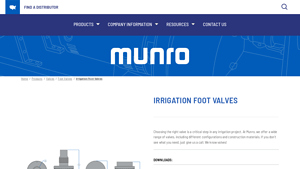
Introduction: The only foot valve designed specifically for the irrigation industry, these high-quality, spring-loaded foot valves are non-corrosive and available in national pipe thread or PVC slip. Features include: stainless steel basket strainer with 1/8’’ perforations (3175 microns, 6 mesh), excellent flow velocity with 29 holes/sq in. (33% open area, 38″ total open area), repairable valve, stainless steel…
4. Reddit – Foot Valve & Check Valve

Domain: reddit.com
Registered: 2005 (20 years)
Introduction: Foot valve and check valve are components used in irrigation systems. A foot valve is typically installed at the end of an intake line to prevent backflow and maintain prime in the system. A check valve is used to prevent backflow and is often placed closer to the pump to assist with spring priming. The discussion mentions the use of two check valves for better reliability in maintaining prime, es…
Strategic Sourcing Conclusion and Outlook for irrigation pump foot valve
As global markets increasingly prioritize sustainable agriculture, the strategic sourcing of irrigation pump foot valves emerges as a crucial component for effective water management. These essential devices not only prevent backflow and maintain pump priming but also enhance the efficiency of irrigation systems, reducing water wastage and promoting better crop yields. For international B2B buyers, particularly in regions like Africa, South America, the Middle East, and Europe, understanding the nuances of foot valve specifications—such as materials, installation types, and maintenance requirements—can significantly impact operational costs and productivity.
Investing in high-quality foot valves is not merely a procurement decision; it is a strategic move towards sustainable farming practices that can yield long-term benefits. Buyers are encouraged to conduct thorough market research and engage with reputable suppliers to ensure they acquire the best products tailored to their specific needs.
Looking ahead, the demand for efficient irrigation solutions will continue to grow. By prioritizing strategic sourcing of irrigation pump foot valves, businesses can not only enhance their operational efficiency but also contribute to a more sustainable agricultural future. Take action now to elevate your irrigation systems and secure your competitive edge in the marketplace.
 English (United States)
  Spanish (Spain)
  Portuguese (Portugal)
  French
  German
  Italian
  Arabic
  Dutch
Dutch  English (UK)
  Bulgarian
  Chinese (China)
  Chinese (Hong Kong)
  Czech
Czech  Danish
  Greek
Greek  Finnish
  Spanish (Mexico)
  Estonian
  Hebrew
  Hungarian
  Indonesian
  Japanese
  Korean
  Latvian
  Lithuanian
  Norwegian
  Polish
  Portuguese (Brazil)
  Romanian
  Russian
  Slovenian
  Slovak
  Swedish
  Turkish
  Ukrainian
  Vietnamese