
Introduction: Navigating the Global Market for knife gate valves
In the competitive landscape of industrial applications, sourcing the right knife gate valves can be a complex challenge for B2B buyers. These essential components are critical for achieving efficient isolation and control in diverse media, from slurries to corrosive liquids. As industries across Africa, South America, the Middle East, and Europe continue to evolve, understanding the nuances of knife gate valves—such as their types, applications, and specifications—becomes paramount for making informed purchasing decisions.
This comprehensive guide delves into the various styles of knife gate valves available in the global market, including cast and fabricated options, each tailored for specific operational requirements. We will explore their applications across key sectors like mining, wastewater management, and energy, helping you discern which valve configuration best suits your needs. Additionally, the guide will provide insights into supplier vetting processes, ensuring that you partner with reputable manufacturers capable of delivering quality products that meet international standards.
By equipping international B2B buyers with actionable knowledge on cost considerations, performance metrics, and maintenance best practices, this resource empowers you to navigate the complexities of the knife gate valve market with confidence. Ultimately, our goal is to help you streamline your procurement process and enhance operational efficiency, ensuring that your business remains competitive in an increasingly globalized economy.
Understanding knife gate valves Types and Variations
| Type Name | Key Distinguishing Features | Primary B2B Applications | Brief Pros & Cons for Buyers |
|---|---|---|---|
| Cast Stainless Steel Knife Gate Valve | Corrosion-resistant, high durability, pressure-rated to 150 psi | Pulp and paper, chemical processing | Pros: Long lifespan, reliable in harsh conditions. Cons: Higher initial cost. |
| Urethane Lined Knife Gate Valve | Bi-directional, abrasion-resistant urethane liner, drip-tight shutoff | Mining, wastewater management | Pros: Reduces maintenance costs, excellent for abrasive materials. Cons: Limited temperature range. |
| Severe Service Knife Gate Valve | High pressure and temperature ratings, bi-directional, hardened components | Oil & gas, energy sectors | Pros: Suitable for extreme conditions, customizable. Cons: Complexity may lead to higher maintenance. |
| Bi-Directional Knife Gate Valve | Premium bi-directional seating, effective shutoff in both directions | General industrial, water treatment | Pros: Versatile applications, reliable sealing. Cons: Potential for higher wear in abrasive applications. |
| Fabricated Knife Gate Valve | Customizable sizes and materials, suitable for throttling applications | Chemical processing, heavy industries | Pros: Tailored solutions for specific needs. Cons: Longer lead times for custom orders. |
What Are the Key Characteristics of Cast Stainless Steel Knife Gate Valves?
Cast Stainless Steel Knife Gate Valves are designed for durability and resistance to corrosion, making them ideal for demanding environments. With a pressure rating of up to 150 psi, these valves are commonly used in pulp and paper and chemical processing industries. Buyers should consider their higher initial cost, which is offset by their long lifespan and reliability in harsh conditions.
How Do Urethane Lined Knife Gate Valves Stand Out in Abrasive Applications?
Urethane Lined Knife Gate Valves feature a unique bonded urethane liner that enhances abrasion resistance, making them particularly effective for handling slurries and abrasive materials in mining and wastewater management. Their bi-directional capability ensures a drip-tight shutoff, reducing maintenance costs. However, buyers should be aware of the limited temperature range, which may restrict their use in certain applications.
Why Choose Severe Service Knife Gate Valves for Extreme Conditions?
Severe Service Knife Gate Valves are engineered to withstand high pressure and temperature ratings, making them suitable for oil and gas and energy sectors. Their hardened components ensure longevity even in extreme conditions. While they offer customization options for specific needs, buyers should consider the complexity, which may lead to higher maintenance requirements.
What Are the Advantages of Bi-Directional Knife Gate Valves?
Bi-Directional Knife Gate Valves are equipped with a premium seating design that provides effective sealing in both directions. This versatility makes them suitable for general industrial applications and water treatment processes. While they offer reliable sealing, buyers should be cautious of potential wear in abrasive applications, which could affect performance over time.
How Can Fabricated Knife Gate Valves Meet Custom Needs?
Fabricated Knife Gate Valves provide tailored solutions with customizable sizes and materials, making them ideal for throttling applications in chemical processing and heavy industries. Their ability to meet specific requirements is a significant advantage. However, buyers should consider the longer lead times associated with custom orders, which may affect project timelines.
Key Industrial Applications of knife gate valves
| Industry/Sector | Specific Application of knife gate valves | Value/Benefit for the Business | Key Sourcing Considerations for this Application |
|---|---|---|---|
| Mining | Isolation of slurries in mineral processing | Ensures safe and efficient flow control, reducing downtime | Material compatibility, pressure ratings, and maintenance ease |
| Pulp and Paper | On-off control in pulp processing | Enhances operational efficiency and minimizes leaks | Corrosion resistance, size specifications, and sealing options |
| Wastewater Management | Isolation in treatment plants | Prevents contamination and enhances system reliability | Bi-directional functionality, pressure ratings, and durability |
| Oil and Gas | Flow control in drilling operations | Ensures safe handling of corrosive and abrasive materials | Temperature ratings, material selection, and compliance with standards |
| Mad og drikke | Isolation in bulk handling of raw materials | Maintains hygiene and prevents contamination | Compliance with food safety standards, ease of cleaning, and material certifications |
How Are Knife Gate Valves Used in the Mining Industry?
In the mining sector, knife gate valves are crucial for isolating slurries during mineral processing. These valves effectively manage the flow of abrasive materials, ensuring that operations run smoothly without interruptions. For international buyers, especially in regions like Africa and South America where mining is prevalent, sourcing valves with high abrasion resistance and appropriate pressure ratings is essential. This ensures longevity and reliability in demanding environments, significantly reducing maintenance costs.
What Role Do Knife Gate Valves Play in Pulp and Paper Processing?
In the pulp and paper industry, knife gate valves are employed for on-off control during various stages of pulp processing. Their robust design allows them to handle corrosive chemicals and fibrous materials while minimizing leaks. Buyers from Europe, particularly Germany, should prioritize valves with corrosion-resistant materials and precise sealing capabilities. This focus helps maintain operational efficiency and product integrity, crucial for meeting stringent industry standards.
How Are Knife Gate Valves Essential in Wastewater Management?
Knife gate valves serve a vital role in wastewater treatment facilities by providing reliable isolation in treatment processes. Their bi-directional capabilities prevent contamination and ensure system reliability, which is paramount in maintaining environmental standards. B2B buyers in the Middle East, where wastewater management is critical, should consider sourcing valves that can withstand high pressures and are easy to maintain. This ensures operational efficiency and compliance with local regulations.
Why Are Knife Gate Valves Important in the Oil and Gas Industry?
In the oil and gas industry, knife gate valves are integral to flow control during drilling operations. They are designed to handle aggressive and abrasive materials, ensuring safe and efficient operation. For buyers, particularly in regions like South America, it is vital to source valves that meet high-temperature ratings and comply with international standards. This ensures safety and reliability in operations, minimizing risks associated with material handling.
How Do Knife Gate Valves Benefit the Food and Beverage Sector?
In the food and beverage industry, knife gate valves are used for isolating bulk handling of raw materials, ensuring hygiene and preventing contamination. Their design must comply with food safety standards, making material selection and ease of cleaning crucial factors for buyers. In Europe, where food safety regulations are stringent, sourcing valves that meet these standards can enhance operational efficiency and protect product quality, ultimately benefiting the business’s reputation and bottom line.
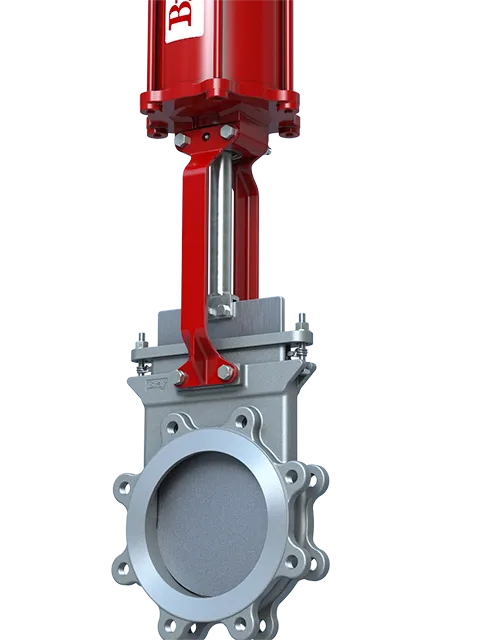
A stock image related to knife gate valves.
3 Common User Pain Points for ‘knife gate valves’ & Their Solutions
Scenario 1: Difficulty in Selecting the Right Knife Gate Valve for Specific Applications
The Problem: B2B buyers often face challenges when selecting knife gate valves that are suitable for their specific applications, such as handling slurries, corrosive substances, or high-pressure conditions. Misalignment between valve specifications and operational requirements can lead to performance issues, increased maintenance costs, and even operational shutdowns. This is particularly critical in industries like mining, pulp and paper, and wastewater management, where the consequences of poor valve selection can be severe.
The Solution: To mitigate this risk, buyers should engage with manufacturers who provide comprehensive product guides and expert consultation. It’s essential to thoroughly analyze the media being handled, including its viscosity, temperature, and potential abrasiveness. Buyers should prioritize valves with features such as resilient seating for corrosive materials or metal seating for abrasive applications. Furthermore, utilizing a selection matrix provided by valve manufacturers can assist in narrowing down options based on specific service conditions. Ensuring compliance with relevant industry standards, such as MSS SP-135 or ASME ratings, will also safeguard against potential operational failures.
Scenario 2: Frequent Maintenance and Downtime Issues
The Problem: A common pain point for B2B buyers is the frequent maintenance and unexpected downtime associated with knife gate valves. Valves that are not designed for the specific operational environment or that lack durable materials can suffer from wear and tear, leading to leaks and operational inefficiencies. In industries where uptime is critical, such as oil and gas or energy, this not only results in financial losses but can also affect production schedules and customer satisfaction.
The Solution: To address maintenance concerns, buyers should opt for knife gate valves made from high-quality materials tailored to their operational environments. For instance, selecting urethane-lined or bi-directional valves can enhance longevity in abrasive slurry applications. Additionally, investing in valves with advanced packing systems can reduce leakage and extend service life. Implementing a predictive maintenance schedule that includes regular inspections and condition monitoring will also help identify potential issues before they escalate into major problems. Engaging with suppliers who offer training on valve maintenance and operation can empower staff to handle minor issues proactively, thus minimizing downtime.
Scenario 3: Complexity in Installation and Integration with Existing Systems
The Problem: Buyers often encounter difficulties during the installation of knife gate valves, especially when integrating them into existing pipeline systems. Incompatibilities in dimensions, flanges, or operational pressures can complicate the installation process, leading to delays and additional costs. This is particularly true in industries with stringent safety and operational standards, where improper installation can result in significant safety hazards.
The Solution: To simplify the installation process, buyers should prioritize valve manufacturers that offer customizable options and detailed technical support. When sourcing valves, it’s crucial to provide the manufacturer with complete specifications of the existing system, including dimensions and pressure ratings. Buyers should consider opting for valves that are designed for easy installation, such as those with standard flange configurations or mechanical joints that facilitate quick connections. Furthermore, collaborating with engineering teams during the selection phase can ensure that the chosen valves are compatible with current systems. Finally, investing in professional installation services can help ensure that the valves are correctly installed and calibrated, reducing the likelihood of future complications.
Strategic Material Selection Guide for knife gate valves
What Are the Key Materials Used in Knife Gate Valves?
When selecting knife gate valves for various industrial applications, the choice of material is critical. Different materials offer unique properties that affect valve performance, durability, and suitability for specific media. Below, we analyze four common materials used in knife gate valves: carbon steel, stainless steel, ductile iron, and urethane.
How Does Carbon Steel Perform in Knife Gate Valves?
Key Properties: Carbon steel is known for its high strength and durability. It typically has a temperature rating up to 400°F and can handle pressures of 150 psi. However, it is susceptible to corrosion, which can limit its use in certain environments.
Pros & Cons: The primary advantage of carbon steel is its cost-effectiveness, making it a popular choice for budget-conscious projects. However, its susceptibility to rust and corrosion can lead to increased maintenance costs and a shorter lifespan in corrosive applications.
Impact on Application: Carbon steel is suitable for handling non-corrosive liquids and dry bulk materials. It is often used in industries such as mining and construction, where cost is a significant factor.
Considerations for International Buyers: Buyers in regions like Africa and South America should consider the local climate and environmental conditions, as these can accelerate corrosion. Compliance with standards such as ASTM A36 is crucial for ensuring quality and reliability.
What Are the Advantages of Stainless Steel in Knife Gate Valves?
Key Properties: Stainless steel offers excellent corrosion resistance, making it suitable for a wide range of applications. It can withstand temperatures up to 1000°F and pressures of 150 psi, depending on the grade.
Pros & Cons: The key advantage of stainless steel is its durability and resistance to corrosive media, which translates to lower maintenance costs over time. However, it is more expensive than carbon steel, which may be a consideration for budget-limited projects.
Impact on Application: Stainless steel is ideal for applications involving corrosive liquids, chemicals, and slurries, making it a preferred choice in the chemical and food processing industries.
Considerations for International Buyers: Buyers in Europe, particularly Germany, often prefer stainless steel due to stringent quality standards. Compliance with DIN standards is essential to ensure product reliability and safety.
Why Choose Ductile Iron for Knife Gate Valves?
Key Properties: Ductile iron is known for its high tensile strength and excellent wear resistance. It typically operates at temperatures up to 400°F and pressures of 150 psi.
Pros & Cons: The main advantage of ductile iron is its toughness and ability to withstand high-stress conditions. However, it can be more brittle than steel, which may limit its use in certain applications.
Impact on Application: Ductile iron is commonly used in water and wastewater applications, where its resistance to wear and corrosion is beneficial.
Considerations for International Buyers: Buyers from the Middle East should consider the local water quality and potential for corrosive conditions, as this can affect the longevity of ductile iron valves. Compliance with JIS standards may also be relevant for certain projects.
What Role Does Urethane Play in Knife Gate Valves?
Key Properties: Urethane-lined knife gate valves offer excellent abrasion resistance and are suitable for handling slurries and abrasive materials. They can typically handle temperatures up to 265°F and pressures of 150 psi.
Pros & Cons: The key advantage of urethane is its ability to extend the service life of the valve in abrasive environments, reducing maintenance costs. However, urethane may not be suitable for high-temperature applications, which limits its versatility.
Impact on Application: Urethane-lined valves are ideal for industries like mining and pulp and paper, where abrasive materials are common.
Considerations for International Buyers: Buyers in South America should assess the specific media being handled, as compatibility with urethane is crucial. Compliance with local standards is also important to ensure product performance.
Summary Table of Material Selection for Knife Gate Valves
| Materiale | Typical Use Case for knife gate valves | Key Advantage | Key Disadvantage/Limitation | Relative Cost (Low/Med/High) |
|---|---|---|---|---|
| Carbon Steel | Non-corrosive liquids, dry bulk | Cost-effective | Susceptible to corrosion | Low |
| Rustfrit stål | Corrosive liquids, chemicals | Excellent corrosion resistance | Higher initial cost | High |
| Duktilt jern | Water and wastewater applications | High tensile strength | More brittle than steel | Medium |
| Urethane | Slurries, abrasive materials | Excellent abrasion resistance | Limited high-temperature suitability | Medium |
This strategic material selection guide provides B2B buyers with essential insights into the properties, advantages, and limitations of materials used in knife gate valves, enabling informed decision-making tailored to specific industrial applications.
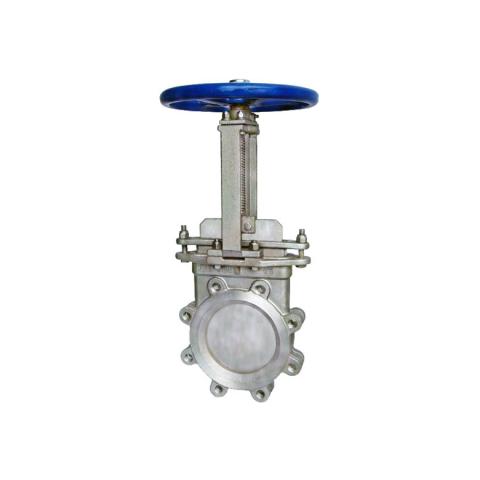
A stock image related to knife gate valves.
In-depth Look: Manufacturing Processes and Quality Assurance for knife gate valves
What Are the Main Stages of Manufacturing Knife Gate Valves?
The manufacturing process of knife gate valves involves several critical stages that ensure the final product meets the high standards required for various industrial applications. These stages include material preparation, forming, assembly, and finishing.
Material Preparation
The process begins with the selection of high-quality raw materials, typically carbon steel, stainless steel, or other alloys, depending on the application requirements. Materials undergo rigorous inspections to confirm compliance with specified standards. This step is crucial as the properties of the materials directly impact the valve’s performance and longevity.
Forming
In the forming stage, the raw materials are transformed into the desired shapes using techniques such as casting, forging, or machining. For instance, cast knife gate valves are produced by pouring molten metal into molds, while fabricated valves might involve welding and assembling various components. Precision is key during this phase to ensure that the dimensions and tolerances meet the specified designs.
Assembly
Once the individual components are prepared, they are assembled according to stringent engineering specifications. This may include the installation of the gate, seat, and packing systems. The assembly process often employs automated and manual techniques, ensuring that each valve is constructed with care and precision.
Finishing
The final stage is finishing, which includes surface treatments to enhance corrosion resistance and durability. Techniques such as painting, coating, or polishing are applied based on the end-use of the valve. This step not only improves aesthetics but also extends the lifespan of the valve, making it suitable for harsh operating conditions.
How Is Quality Assurance Integrated into Knife Gate Valve Manufacturing?
Quality assurance (QA) is a fundamental aspect of knife gate valve manufacturing, ensuring that each valve meets international and industry-specific standards. Key components of QA include adherence to standards, quality checkpoints, and testing methods.
What International Standards Apply to Knife Gate Valve Manufacturing?
Manufacturers often align their processes with international standards such as ISO 9001, which sets forth criteria for quality management systems. Additionally, industry-specific standards such as CE marking for European markets and API standards for the oil and gas sector are critical for compliance. These standards guide manufacturers in maintaining consistent quality and safety in their products.
What Are the Key Quality Checkpoints During Manufacturing?
Quality control is typically divided into three main checkpoints: Incoming Quality Control (IQC), In-Process Quality Control (IPQC), and Final Quality Control (FQC).
- IQC involves inspecting raw materials upon arrival to ensure they meet specified standards before they enter the production process.
- IPQC focuses on monitoring the manufacturing processes, including dimensional checks and functional tests of components during production.
- FQC occurs after assembly and finishing, where final inspections and tests verify that the finished product functions as intended and complies with the required specifications.
Which Testing Methods Are Commonly Used for Knife Gate Valves?
Testing is a critical part of the quality assurance process, and various methods are employed to assess the performance and reliability of knife gate valves.
Common Testing Methods
1. Hydrostatic Testing: This method involves filling the valve with water and pressurizing it to check for leaks. It is essential for ensuring the valve can withstand operating pressures.
2. Functional Testing: Valves are operated to verify that they open and close correctly and that the sealing surfaces perform as expected under simulated conditions.
3. Visual Inspection: A thorough visual examination is conducted to detect any manufacturing defects, such as cracks or surface irregularities.
4. Non-destructive Testing (NDT): Techniques like ultrasonic testing or radiographic inspection are employed to identify internal flaws without damaging the valve.
How Can B2B Buyers Verify Supplier Quality Control Practices?
For international B2B buyers, especially those from regions such as Africa, South America, the Middle East, and Europe, verifying the quality control practices of suppliers is essential to ensure product reliability.
What Steps Can Buyers Take?
1. Supplier Audits: Conducting on-site audits allows buyers to evaluate the manufacturing processes and quality control measures directly. This hands-on approach provides insight into the supplier’s commitment to quality.
2. Requesting Quality Reports: Buyers should request documentation of quality control procedures, including inspection and testing reports. These documents should detail compliance with relevant standards and any certifications the supplier holds.
3. Third-Party Inspections: Engaging independent third-party inspection services can provide an unbiased assessment of the supplier’s manufacturing and quality control practices, ensuring transparency and reliability.
What Are the Quality Certification Nuances for International B2B Buyers?
Navigating quality certifications can be complex for international buyers. Understanding the specific certifications required in different markets is crucial.
Region-Specific Certifications
– In Europa, CE marking is often required to demonstrate compliance with safety and environmental standards.
– In the Middle East, local regulations may necessitate additional certifications specific to the region, which can vary by country.
– For Afrika og Sydamerika, buyers should be aware of local standards and certifications that may differ from international norms. Engaging with local industry associations can provide valuable guidance on compliance requirements.
Konklusion
The manufacturing processes and quality assurance measures for knife gate valves are integral to ensuring product reliability and performance. By understanding the stages of manufacturing, quality control checkpoints, testing methods, and certification nuances, B2B buyers can make informed decisions when selecting suppliers. Engaging in thorough verification processes, such as audits and third-party inspections, will further enhance confidence in the quality of the valves being procured. This proactive approach is especially crucial for buyers operating across diverse international markets, where standards and expectations may vary significantly.
Practical Sourcing Guide: A Step-by-Step Checklist for ‘knife gate valves’
Introduction
This practical sourcing guide is designed to assist B2B buyers in effectively procuring knife gate valves. Given the diverse applications and specifications of these valves, understanding the key steps in the sourcing process is essential for making informed purchasing decisions that align with operational needs.
Step 1: Define Your Technical Specifications
Understanding your specific requirements is the first step in sourcing knife gate valves. Consider the types of media the valves will handle, the pressure and temperature ratings needed, and the valve size.
– Media Type: Different valves are designed for liquids, slurries, or dry materials.
– Pressure and Temperature: Ensure the selected valve meets the operational limits of your application.
Step 2: Identify Industry Standards and Compliance
Familiarize yourself with relevant industry standards and regulations that apply to knife gate valves in your region. Compliance ensures safety and performance reliability.
– Certification: Look for valves that meet standards such as MSS SP-135 or ASME ratings.
– Local Regulations: Different regions may have specific requirements, especially in sectors like oil and gas or wastewater management.
Step 3: Evaluate Potential Suppliers
Before making a purchase, it is crucial to vet potential suppliers thoroughly. Research their reputation and experience in manufacturing knife gate valves.
– Company Background: Request company profiles and case studies that demonstrate their expertise.
– References: Reach out to other businesses in your industry to inquire about their experiences with the supplier.
Step 4: Assess Product Quality and Durability
Quality and durability are paramount when selecting knife gate valves, as they directly impact the lifespan and maintenance costs of your system.
– Material Selection: Verify the materials used (e.g., stainless steel, carbon steel) to ensure they are suitable for your application.
– Design Features: Look for features such as abrasion resistance, sealing mechanisms, and ease of maintenance.
Step 5: Request Quotes and Compare Pricing
Gather quotes from multiple suppliers to ensure competitive pricing. However, don’t solely base your decision on cost—evaluate the overall value offered.
– Cost Breakdown: Analyze the quotes for hidden costs, including shipping, installation, and after-sales service.
– Value Assessment: Consider the supplier’s reputation, product quality, and service support in your evaluation.
Step 6: Verify After-Sales Support and Warranty Terms
After-sales support can significantly influence the operational efficiency of your valve installation. Ensure that the supplier offers reliable support and warranty terms.
– Technical Assistance: Check if they provide installation support or troubleshooting assistance.
– Warranty: Understand the warranty terms, including duration and coverage, to protect your investment.
Step 7: Finalize the Purchase Agreement
Once you have selected a supplier, ensure that all terms and conditions are clearly outlined in the purchase agreement. This helps avoid misunderstandings and protects both parties.
– Delivery Terms: Specify lead times and shipping arrangements.
– Payment Terms: Agree on payment schedules and methods to ensure clarity.
By following this checklist, B2B buyers can navigate the complexities of sourcing knife gate valves with confidence, ensuring that their selections meet both technical and operational requirements.
Comprehensive Cost and Pricing Analysis for knife gate valves Sourcing
What Are the Key Cost Components in Knife Gate Valves Sourcing?
When sourcing knife gate valves, understanding the cost structure is crucial for international B2B buyers. The total cost is typically comprised of several components:
Materialer: The choice of materials significantly affects pricing. Common materials include carbon steel, stainless steel, and various alloys. Higher-quality materials, such as those that offer corrosion resistance or abrasion protection, tend to come at a premium.
Labor: Labor costs vary by region and can significantly influence the overall price. Regions with higher labor costs, such as parts of Europe, may see increased pricing compared to lower-cost regions in Africa or South America.
Manufacturing Overhead: This includes expenses related to the production facility, utilities, and equipment maintenance. Efficient manufacturing processes can help mitigate these costs.
Tooling: Custom tooling may be necessary for specific valve designs, impacting initial costs. Standardized valves generally have lower tooling costs due to economies of scale.
Quality Control (QC): Rigorous QC processes are essential for ensuring the reliability and safety of knife gate valves. Suppliers that adhere to international standards (e.g., ISO certifications) may charge higher prices due to the associated QC measures.
Logistics: Shipping costs can be substantial, especially for bulky items like knife gate valves. Factors such as distance, shipping method, and the choice of Incoterms can all impact logistics expenses.
Margin: Suppliers will add their profit margin to the total cost, which can vary widely depending on market competition and supplier reputation.
How Do Pricing Influencers Affect Knife Gate Valve Costs?
Several factors can influence the pricing of knife gate valves, impacting what buyers ultimately pay:
Volume/MOQ: Purchasing in larger quantities often leads to significant discounts. Understanding a supplier’s Minimum Order Quantity (MOQ) can help in negotiating better prices.
Specifications and Customization: Custom valves designed for specific applications often come at a higher price. Buyers should weigh the need for customization against the available standard options.
Material Quality and Certifications: Higher quality materials and specific certifications (like API or MSS) can increase costs. Buyers should assess whether these certifications are necessary for their applications.
Supplier Factors: Established suppliers with a track record of reliability may charge more. However, they often provide better warranties and support, which can justify the higher price.
Incoterms: The choice of Incoterms can affect the total landed cost. Terms like CIF (Cost, Insurance, and Freight) shift some responsibilities to the seller, while others like FOB (Free on Board) may require the buyer to handle shipping logistics.
What Are the Best Buyer Tips for Cost-Efficiency in Knife Gate Valves Sourcing?
For international buyers, especially from regions like Africa, South America, and the Middle East, several strategies can enhance cost-efficiency:
Negotiation: Engage suppliers in negotiations, particularly when ordering in bulk. Leverage volume to secure better pricing or payment terms.
Total Cost of Ownership (TCO): Evaluate the TCO rather than just the upfront cost. Consider factors such as maintenance, downtime, and potential failures, which can significantly impact long-term expenses.
Pricing Nuances for International Buyers: Be aware of additional costs associated with international transactions, such as tariffs, taxes, and currency fluctuations. These can add to the total cost and should be factored into budget considerations.
Conduct Supplier Audits: Before finalizing a supplier, conduct due diligence to ensure they meet quality and reliability standards. This can prevent costly issues down the line.
Stay Informed on Market Trends: Keep abreast of changes in material costs, manufacturing processes, and global supply chain dynamics. This knowledge can aid in timing purchases to maximize cost savings.
Conclusion: What Should Buyers Keep in Mind Regarding Pricing?
While indicative prices may vary based on the aforementioned factors, the key takeaway for B2B buyers is to approach knife gate valve sourcing with a comprehensive understanding of the cost structure and pricing influencers. This strategic insight not only aids in negotiation but also ensures that you are making informed decisions that align with your operational needs.
Alternatives Analysis: Comparing knife gate valves With Other Solutions
Understanding Alternatives to Knife Gate Valves
In the industrial landscape, knife gate valves are widely recognized for their efficiency in isolating or controlling the flow of various media, including slurries and corrosive liquids. However, businesses often encounter situations where alternative solutions may be more suitable depending on specific operational requirements. This section will explore viable alternatives to knife gate valves, focusing on their performance, cost-effectiveness, ease of implementation, maintenance needs, and best use cases.
Comparison Table
| Comparison Aspect | Knife Gate Valves | Ball Valves | Butterfly Valves |
|---|---|---|---|
| Performance | Excellent for high-viscosity media; provides tight shut-off | High flow capacity; good for liquids and gases | Quick opening/closing; less effective for slurries |
| Cost | Moderate to high initial investment; lower long-term maintenance costs | Generally lower initial costs; maintenance can vary | Low initial costs; may require frequent maintenance |
| Ease of Implementation | Requires precise installation; may need special fittings | Easy to install; versatile for various applications | Simple installation; compact design aids in space-saving |
| Maintenance | Low maintenance; durable in abrasive conditions | Moderate maintenance; seals may wear over time | Higher maintenance; seals and disc wear can affect performance |
| Best Use Case | Ideal for handling slurries and abrasive materials in mining and wastewater | Suitable for general purpose applications in oil and gas | Best for large volume flow control in HVAC and water supply systems |
Analyzing Alternatives to Knife Gate Valves
Ball Valves
Ball valves are a popular alternative to knife gate valves, particularly in applications requiring quick shut-off capabilities. They operate by rotating a ball with a hole through it, allowing for smooth flow control. The primary advantage of ball valves is their low resistance to flow, making them ideal for high-flow applications. However, they may not perform as well in slurry applications due to potential clogging, and their seals can degrade over time, requiring more frequent maintenance.
Butterfly Valves
Butterfly valves offer another alternative, particularly suited for large volume flow control. They consist of a circular disc that rotates to allow or block flow, making them very efficient for quick operations. Butterfly valves are generally cost-effective and easy to install, which can be a significant advantage in projects with budget constraints. However, they are less effective in handling slurries and abrasive materials compared to knife gate valves, as their design can lead to wear on the seals and disc over time.
Conclusion: Choosing the Right Valve Solution
For B2B buyers, selecting the right valve solution hinges on understanding the specific operational needs of their applications. Knife gate valves excel in scenarios involving slurries and abrasive media, while ball valves may be preferable for quick shut-off in less viscous liquids. Butterfly valves present an economical choice for large flow control but may not withstand the rigors of abrasive environments. By carefully evaluating the performance, cost, and maintenance requirements of each alternative, buyers can make informed decisions that align with their operational goals and budget constraints.
Essential Technical Properties and Trade Terminology for knife gate valves
What Are the Key Technical Properties of Knife Gate Valves?
Understanding the technical specifications of knife gate valves is crucial for B2B buyers, as these properties directly impact performance, reliability, and suitability for specific applications. Here are several essential technical properties to consider:
Material Grade
– Knife gate valves are typically constructed from various materials, including stainless steel, ductile iron, and carbon steel. The choice of material affects corrosion resistance, strength, and durability, which are vital in industries dealing with harsh chemicals or abrasive materials. For instance, stainless steel valves are preferred in corrosive environments, while ductile iron may be used for more general applications.Trykklassificering
– This specification indicates the maximum pressure a valve can withstand while maintaining its integrity. Common pressure ratings for knife gate valves include ASME Class 150 and 300. Selecting the appropriate pressure rating is essential to ensure that the valve can handle the operational conditions of the system, thereby preventing failures that could lead to costly downtime.Temperature Tolerance
– Knife gate valves are designed to operate within specific temperature ranges, often from ambient temperatures up to 2000°F, depending on the model and materials used. Understanding the temperature tolerance is critical for applications involving high-temperature media, as exceeding these limits can compromise the valve’s functionality and lead to operational hazards.Seat Design
– The seat design plays a crucial role in the valve’s sealing capabilities. Options typically include resilient seats for better sealing against low-pressure applications and metal seats for high-pressure or abrasive environments. The choice of seat design directly influences the valve’s effectiveness in preventing leaks and ensuring reliable operation.Size and Configuration
– Knife gate valves come in various sizes, commonly ranging from 2 inches to 144 inches in diameter. The valve’s size should match the piping system’s specifications to ensure proper flow control. Additionally, configurations such as wafer, flanged, or bonnets can impact installation and maintenance, making it essential to select the right configuration for your needs.End Connection Types
– Various end connection types, including flanged, wafer, and mechanical joint, affect how the valve integrates into existing systems. Understanding these options helps in ensuring compatibility with piping systems and can influence installation time and costs.
What Are Common Trade Terms in the Knife Gate Valve Industry?
Familiarity with industry jargon can facilitate smoother transactions and negotiations. Here are several common terms that B2B buyers should know:
OEM (Original Equipment Manufacturer)
– This term refers to companies that produce parts or equipment that may be marketed by another manufacturer. In the context of knife gate valves, OEMs are crucial as they set quality standards and specifications that ensure compatibility and performance in industrial applications.MOQ (Minimum Order Quantity)
– MOQ is the smallest quantity of a product that a supplier is willing to sell. Understanding MOQ is important for buyers to ensure they are making cost-effective purchases without overcommitting to inventory they may not need.RFQ (Request for Quotation)
– An RFQ is a document sent by buyers to suppliers requesting pricing and terms for specific products or services. Using RFQs helps buyers compare options and negotiate better terms, ensuring they receive competitive pricing for knife gate valves.Incoterms (International Commercial Terms)
– These are internationally recognized rules that define the responsibilities of buyers and sellers in global trade. Understanding Incoterms is essential for B2B buyers engaged in international transactions to clarify who is responsible for shipping, insurance, and tariffs, thereby avoiding misunderstandings.Lead Time
– Lead time refers to the amount of time between placing an order and receiving the product. Knowing the lead time is vital for planning and ensuring that projects stay on schedule, especially in industries where downtime can be costly.Testing Standards
– Compliance with industry testing standards, such as API or ANSI, ensures that the valves meet safety and performance requirements. Buyers should be aware of these standards to ensure they select valves that will perform reliably in their specific applications.
Incorporating these technical properties and understanding the trade terminology will empower B2B buyers to make informed decisions when sourcing knife gate valves for their operations.
Navigating Market Dynamics and Sourcing Trends in the knife gate valves Sector
What Are the Key Trends Shaping the Knife Gate Valves Market?
The knife gate valves market is witnessing significant evolution driven by various global factors. A key driver is the increasing demand for efficient and reliable isolation solutions across industries such as mining, pulp and paper, wastewater management, and energy. As industries expand in regions like Africa and South America, the need for robust valves that can handle abrasive and corrosive materials is becoming paramount. Additionally, technological advancements in valve design and materials are allowing for greater customization and efficiency, appealing to international buyers looking for tailored solutions.
Emerging trends include the integration of smart technology into valve systems. Smart valves equipped with sensors and IoT capabilities enable real-time monitoring and maintenance, enhancing operational efficiency and reducing downtime. This is particularly valuable in sectors such as oil and gas, where operational continuity is critical. Furthermore, the trend toward automation in manufacturing processes is influencing the sourcing strategies of international buyers, as they seek suppliers who can deliver high-quality products at competitive prices.
In terms of market dynamics, international buyers are increasingly looking for suppliers who can provide comprehensive support, including engineering assistance and after-sales service. This trend emphasizes the importance of building strong partnerships with manufacturers, particularly for buyers in Europe and the Middle East, where regulatory compliance and quality assurance are of utmost importance.
How Is Sustainability Influencing the Sourcing of Knife Gate Valves?
Sustainability has become a cornerstone of sourcing strategies in the knife gate valves sector. As environmental regulations tighten globally, manufacturers are under increasing pressure to minimize their ecological footprint. This trend is particularly evident in regions such as Europe, where sustainability certifications are becoming a prerequisite for suppliers.
International buyers are increasingly prioritizing ethical sourcing, which includes assessing suppliers’ environmental practices and the sustainability of their materials. For example, valves made from recycled metals or those certified for minimal environmental impact are becoming more attractive. Moreover, manufacturers are focusing on developing products with longer life cycles and lower maintenance requirements, which not only reduce waste but also lower the total cost of ownership for buyers.
Incorporating green certifications and sustainable materials into procurement processes is no longer optional but essential for many B2B buyers. This shift not only aligns with corporate social responsibility goals but also enhances brand reputation in an increasingly eco-conscious market.
What Is the Historical Context of Knife Gate Valves in B2B Markets?
The evolution of knife gate valves dates back to the late 19th century, originally designed for use in the pulp and paper industry. Over the decades, their application has expanded significantly, driven by advancements in manufacturing technology and materials. The initial designs were primarily rudimentary, but as industries grew more complex, so did the requirements for valve performance and reliability.
By the mid-20th century, knife gate valves had established themselves as vital components in various sectors, including water treatment, mining, and chemical processing. The introduction of modern materials, such as stainless steel and advanced polymers, has enhanced their durability and effectiveness in handling a wide range of media. Today, knife gate valves are integral to industrial operations worldwide, with a focus on customization and innovation that meets the specific needs of diverse applications.
This historical context is crucial for B2B buyers, as it highlights the ongoing advancements in technology and materials that can significantly impact operational efficiency and cost-effectiveness in their own industries. Understanding this evolution allows buyers to make informed decisions when sourcing knife gate valves, ensuring they choose solutions that are both reliable and forward-thinking.
Frequently Asked Questions (FAQs) for B2B Buyers of knife gate valves
How do I choose the right knife gate valve for my application?
Selecting the appropriate knife gate valve involves assessing your specific application requirements, including the type of media (liquid, slurry, or dry), pressure and temperature conditions, and the need for bi-directional flow. Evaluate the valve material compatibility with the media to prevent corrosion or wear. Additionally, consider the valve’s design features, such as resilient or metal seating, and whether you require customizations for size and configuration. Collaborating with a knowledgeable supplier can provide valuable insights and help ensure you make an informed decision.What are the advantages of using knife gate valves in industrial applications?
Knife gate valves offer several advantages, including effective isolation in applications with high solids content or abrasive materials. Their design allows for minimal pressure drop and efficient flow control, making them suitable for slurry handling and other demanding environments. They are also robust and durable, requiring less maintenance compared to other valve types. Furthermore, knife gate valves can be customized for specific applications, enhancing their versatility across various industries such as mining, wastewater treatment, and pulp and paper production.What customization options are available for knife gate valves?
Customization options for knife gate valves include variations in size, material, seating type (metal or resilient), and design features like bonnets or actuation methods. Manufacturers can also tailor the valve for specific media handling, such as adding urethane liners for abrasive slurries or modifying pressure ratings. It’s crucial to communicate your specific needs to the supplier, as many manufacturers offer bespoke solutions to meet unique operational requirements, ensuring optimal performance in your application.What is the minimum order quantity (MOQ) for knife gate valves?
The minimum order quantity for knife gate valves can vary significantly among suppliers. Some manufacturers may allow orders for as few as one valve, particularly for standard models, while others may have higher MOQs for custom designs or specialized materials. It’s advisable to discuss your procurement needs with potential suppliers, as they may offer flexible options or discounts for larger orders. Understanding MOQ can help you plan your budget and inventory effectively.What payment terms should I expect when purchasing knife gate valves internationally?
Payment terms for international purchases of knife gate valves typically include options such as advance payment, letter of credit, or payment upon delivery. Terms can vary based on the supplier’s policies, the transaction value, and your business relationship with them. It is crucial to clarify payment expectations upfront and ensure that you understand any associated fees, currency exchange rates, and payment methods accepted by the supplier to avoid surprises during the transaction process.How do I ensure quality assurance when sourcing knife gate valves?
To ensure quality assurance when sourcing knife gate valves, it is essential to vet suppliers thoroughly. Look for certifications such as ISO 9001, which indicates adherence to quality management standards. Request product samples or references from previous clients to assess valve performance and durability. Additionally, inquire about the supplier’s testing processes, including material inspections and pressure testing, to confirm that their products meet industry standards and your specific requirements.What logistics considerations should I keep in mind when importing knife gate valves?
When importing knife gate valves, consider logistics factors such as shipping methods, lead times, and customs regulations in your country. Collaborate with suppliers who can provide accurate shipping estimates and ensure compliance with local import laws. Additionally, evaluate shipping costs, insurance options, and potential tariffs that could affect your overall expenditure. Planning logistics effectively can help streamline the procurement process and minimize delays in receiving your valves.How can I assess the reliability of a knife gate valve supplier?
Assessing the reliability of a knife gate valve supplier involves researching their reputation, industry experience, and customer reviews. Look for suppliers with a proven track record in manufacturing and delivering high-quality valves that meet international standards. Engaging in direct communication with the supplier can also provide insight into their responsiveness and willingness to address your concerns. Additionally, consider visiting their facility if possible, as this can help you gauge their production capabilities and quality control processes.
Important Disclaimer & Terms of Use
⚠️ Important Disclaimer
The information provided in this guide, including content regarding manufacturers, technical specifications, and market analysis, is for informational and educational purposes only. It does not constitute professional procurement advice, financial advice, or legal advice.
While we have made every effort to ensure the accuracy and timeliness of the information, we are not responsible for any errors, omissions, or outdated information. Market conditions, company details, and technical standards are subject to change.
B2B buyers must conduct their own independent and thorough due diligence before making any purchasing decisions. This includes contacting suppliers directly, verifying certifications, requesting samples, and seeking professional consultation. The risk of relying on any information in this guide is borne solely by the reader.
Top 8 Knife Gate Valves Manufacturers & Suppliers List
1. Henry Pratt – Knife Gate Valves
Domain: henrypratt.com
Registered: 1996 (29 years)
Introduction: Knife Gate Valves from Henry Pratt Company are custom manufactured from 2″ to 96″ and above, utilizing materials such as carbon steel, stainless steels, and other weldable alloys. The company has been producing these valves since 1995 and offers both resilient and metal seat cast knife gate valves in sizes from 2″ to 24″ in ductile iron or stainless steel. The fabrication process is handled entire…
2. Red Valve – Knife Gate Valves
Domain: redvalve.com
Registered: 1995 (30 years)
Introduction: Knife Gate Valves by Red Valve are designed for handling tough slurries and are engineered to provide high performance. Key features include precision-machined gates, heavy-duty top works, and cast-iron bodies available up to 24 inches. The valves are rugged, dependable, and designed for easy maintenance with features like replaceable wear seats and simplified packing replacement. Solid stainless …
3. Emerson – Knife Gate Valves
Domain: emerson.com
Registered: 1995 (30 years)
Introduction: This company, Emerson – Knife Gate Valves, is a notable entity in the market. For specific product details, it is recommended to visit their website directly.
4. Ferguson – Knife Gate Valves
Domain: ferguson.com
Registered: 1999 (26 years)
Introduction: This company, Ferguson – Knife Gate Valves, is a notable entity in the market. For specific product details, it is recommended to visit their website directly.
5. Orbinox – Knife Gate Valves
Domain: orbinox.com
Registered: 1997 (28 years)
Introduction: Orbinox offers a range of knife gate valves designed for various industrial applications. Key features include:
– Robust construction for durability and reliability.
– Suitable for handling slurries, powders, and other challenging materials.
– Available in different sizes and materials to meet specific needs.
– Options for manual or automated operation.
– Designed for easy maintenance and installa…
6. Valveman – Knife Gate Valves
Domain: valveman.com
Registered: 2009 (16 years)
Introduction: Knife Gate Valves are designed for thick fluids, slurries, and complicated media. They feature a sharp-edged blade that cuts through solids for reliable shutoff. Ideal applications include wastewater, pulp and paper, mining, and chemical industries. Available in various materials, sizes, and actuation types, these valves are built for durability and performance in demanding situations.
7. Hawle – Knife Gate Valves
Domain: hawle.com
Registered: 1999 (26 years)
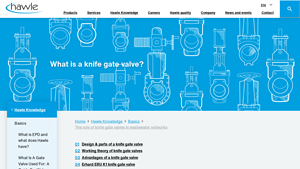
Introduction: Knife gate valves are designed for isolating flow in wastewater networks and can cut through thick, porous media with high concentrations of suspended solids. They feature a planar or ‘knife’ edge that lifts to create a complete closure against a soft sealing surface. Key characteristics include:
– Full and smooth bore for maintenance with cleaning pigs
– No pressure loss across the valve
– Sus…
8. Wey Valve – Knife Gate Valves
Domain: weyvalve.com
Registered: 1997 (28 years)
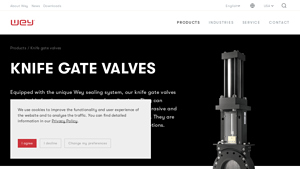
Introduction: {“product_type”: “Knife Gate Valves”, “features”: {“sealing_system”: “Wey sealing system”, “applications”: “suitable for demanding applications”, “pressure_handling”: “variety of differential pressure scenarios”, “material_handling”: “abrasive and corrosive materials”, “temperature_handling”: “extreme temperatures”}, “nominal_sizes”: “2 – 80 inch”, “pressure_rating”: “0 – 1450 psi”, “material_opti…
Strategic Sourcing Conclusion and Outlook for knife gate valves
How Can Strategic Sourcing Enhance Your Knife Gate Valve Procurement?
In summary, strategic sourcing is essential for international B2B buyers seeking knife gate valves. By aligning procurement strategies with reliable suppliers, businesses can ensure they acquire high-quality, durable valves tailored to their specific applications, whether in mining, wastewater management, or energy sectors. The diversity in valve designs—from resilient seated to severe service options—offers solutions for a broad range of operating conditions, enhancing operational efficiency and reducing maintenance costs.
Investing in strategic sourcing not only mitigates risks associated with supply chain disruptions but also fosters long-term relationships with manufacturers that are committed to quality and innovation. This approach empowers buyers to leverage market insights, negotiate better terms, and ultimately achieve significant cost savings.
As we look ahead, the demand for knife gate valves is set to grow, driven by industrial expansion in regions such as Africa, South America, the Middle East, and Europe. Now is the time for B2B buyers to evaluate their sourcing strategies, engage with reputable suppliers, and position themselves for success in a competitive market. Embrace the opportunity to enhance your procurement processes today for a sustainable and profitable tomorrow.
 Danish
  English (United States)
  Spanish (Spain)
  Portuguese (Portugal)
  French
  German
  Italian
  Arabic
  Dutch
Dutch  English (UK)
  Bulgarian
  Chinese (China)
  Chinese (Hong Kong)
  Czech
Czech  Greek
Greek  Finnish
  Spanish (Mexico)
  Estonian
  Hebrew
  Hungarian
  Indonesian
  Japanese
  Korean
  Latvian
  Lithuanian
  Norwegian
  Polish
  Portuguese (Brazil)
  Romanian
  Russian
  Slovenian
  Slovak
  Swedish
  Turkish
  Ukrainian
  Vietnamese