
Introduction: Navigating the Global Market for what is a knife gate valve
Navigating the complexities of sourcing the right knife gate valve can be a daunting task for international B2B buyers, especially in regions with diverse industrial demands such as Africa, South America, the Middle East, and Europe. Knife gate valves, known for their robust design and ability to handle harsh environments, play a crucial role in industries ranging from wastewater treatment to mining. However, the challenge lies in understanding the specific types available, their applications, and the nuances of supplier vetting to ensure quality and reliability.
This comprehensive guide will delve into the various types of knife gate valves, their operational principles, and the industries where they are most effectively utilized. Buyers will also gain insights into critical factors such as maintenance requirements, cost considerations, and key features that differentiate one valve from another. By providing a detailed overview of the market landscape, including tips on selecting reputable suppliers, this guide empowers decision-makers to make informed purchasing choices that align with their operational needs and budget constraints.
In a global market where quality and efficiency are paramount, understanding the intricacies of knife gate valves is essential. This guide aims to equip international B2B buyers with the knowledge necessary to navigate their purchasing decisions confidently, ensuring they invest in products that will perform reliably in their unique applications.
Understanding what is a knife gate valve Types and Variations
| Type Name | Key Distinguishing Features | Primary B2B Applications | Brief Pros & Cons for Buyers |
|---|---|---|---|
| Manual Knife Gate Valve | Operated by a handwheel or lever; simple design | Wastewater treatment, mining, chemical plants | Pros: Cost-effective, easy to maintain. Cons: Requires manual operation, less efficient for large systems. |
| Pneumatic Knife Gate Valve | Actuated by compressed air; allows for remote operation | Food processing, chemical processing | Pros: Faster operation, remote control capabilities. Cons: Requires air supply and maintenance of pneumatic systems. |
| Electric Knife Gate Valve | Powered by electric actuators; precise control | Water treatment, power plants | Pros: High precision, programmable operations. Cons: Higher initial cost, requires electrical infrastructure. |
| Rising Stem Knife Gate Valve | Features a rising stem that moves outside the valve body | Mining, sludge applications | Pros: Clear visibility of valve position, effective sealing. Cons: More space required for installation. |
| Non-Rising Stem Knife Gate Valve | Stem remains stationary during operation; compact design | Tight spaces, industrial applications | Pros: Space-saving design, suitable for low-clearance installations. Cons: Limited visibility of valve status. |
What Are the Characteristics of Manual Knife Gate Valves?
Manual knife gate valves are operated using a handwheel or lever, making them a straightforward and economical choice for various industrial applications. Their simple design allows for ease of maintenance, making them ideal for environments such as wastewater treatment and mining. However, they require manual operation, which may not be efficient for large systems needing frequent adjustments.
How Do Pneumatic Knife Gate Valves Operate?
Pneumatic knife gate valves utilize compressed air for actuation, enabling remote operation and faster response times. This feature makes them suitable for applications in food processing and chemical plants where quick shut-off is essential. While they offer significant operational advantages, buyers must consider the need for a reliable air supply and the associated maintenance of pneumatic systems.
What Advantages Do Electric Knife Gate Valves Offer?
Electric knife gate valves are powered by electric actuators, providing precise control over valve operations. This level of accuracy is particularly beneficial in water treatment and power generation facilities, where automated and programmable operations can enhance efficiency. However, the initial investment is higher than manual or pneumatic options, and they require proper electrical infrastructure for installation.
What Are the Key Features of Rising Stem Knife Gate Valves?
Rising stem knife gate valves feature a stem that moves outside the valve body, offering clear visibility of the valve’s open or closed position. This design is particularly effective in mining and sludge applications, where reliable sealing is critical. However, they require more installation space compared to other types, which could be a limiting factor in space-constrained environments.
Why Choose Non-Rising Stem Knife Gate Valves?
Non-rising stem knife gate valves maintain a stationary stem during operation, making them a compact solution for installations with limited vertical clearance. They are often used in industrial settings where space is at a premium. While they save space, buyers should be aware that they offer limited visibility regarding the valve’s operational status, which may necessitate additional monitoring systems.
Key Industrial Applications of what is a knife gate valve
| Industry/Sector | Specific Application of what is a knife gate valve | Value/Benefit for the Business | Key Sourcing Considerations for this Application |
|---|---|---|---|
| Wastewater Treatment | Isolation of sludge and wastewater streams | Ensures complete isolation, preventing leaks and contamination | Corrosion resistance, suitable materials, and maintenance ease |
| Mining | Control of slurry flows in mineral processing | Enhances operational efficiency by managing heavy slurries | Compatibility with abrasive materials and pressure ratings |
| Chemical Processing | Isolation in chemical transfer systems | Protects against cross-contamination and ensures safety | Material compatibility with chemicals and sealing types |
| Pulp and Paper Industry | Management of thick pulp and wastewater | Prevents blockages and ensures smooth operational flow | Design specifications for high solids content and maintenance needs |
| Cement Production | Control of cement slurry during mixing | Increases process reliability and reduces downtime | Durability against abrasive materials and operational pressures |
How Are Knife Gate Valves Used in Wastewater Treatment?
In wastewater treatment facilities, knife gate valves are essential for isolating sludge and wastewater streams. Their unique design allows them to effectively cut through thick, viscous fluids, ensuring complete closure and preventing leaks that could lead to contamination. For international buyers, particularly in regions with harsh environmental conditions, sourcing valves made from corrosion-resistant materials, such as acid-proof stainless steel, is crucial. This ensures longevity and reduces maintenance costs, enhancing overall operational efficiency.
What Role Do Knife Gate Valves Play in Mining?
In the mining industry, knife gate valves are utilized to control the flow of slurries during mineral processing. These valves excel in handling heavy, abrasive materials, which are common in mining operations. The ability to provide a tight seal while managing high concentrations of suspended solids is vital to maintaining process efficiency. Buyers in this sector should consider the compatibility of the valve materials with abrasive slurries and the pressure ratings required for their specific applications to ensure optimal performance and durability.
Why Are Knife Gate Valves Important in Chemical Processing?
Chemical processing facilities rely on knife gate valves for safe isolation in chemical transfer systems. These valves prevent cross-contamination between different chemicals, which is critical for maintaining product integrity and safety. Buyers must prioritize sourcing valves that are compatible with the specific chemicals being handled, as well as those that feature robust sealing options to prevent leaks. Additionally, understanding the operational pressures and temperature ranges is essential for ensuring the valve’s reliability in various chemical environments.
How Do Knife Gate Valves Assist in the Pulp and Paper Industry?
In the pulp and paper industry, knife gate valves are key to managing thick pulp and wastewater effectively. These valves prevent blockages that can disrupt production and ensure that the flow of materials remains uninterrupted. For businesses sourcing these valves, it is important to focus on designs that accommodate high solids content while also considering maintenance requirements. Valves that facilitate easy cleaning and have durable materials can significantly reduce downtime and enhance productivity in this sector.
What Benefits Do Knife Gate Valves Offer in Cement Production?
Knife gate valves are instrumental in controlling cement slurry during the mixing process in cement production. Their ability to provide reliable isolation contributes to increased process reliability and reduced downtime, which are critical for maintaining productivity. Buyers should evaluate the durability of the valves against abrasive materials and ensure they meet the necessary operational pressures. Selecting the right valve can lead to significant cost savings and improved efficiency in cement manufacturing processes.
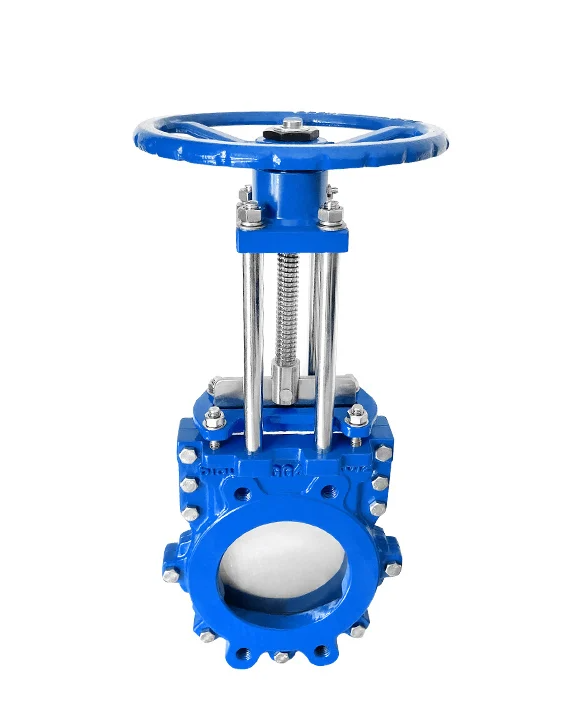
A stock image related to what is a knife gate valve.
3 Common User Pain Points for ‘what is a knife gate valve’ & Their Solutions
Scenario 1: Difficulty in Choosing the Right Knife Gate Valve for Specific Applications
The Problem: B2B buyers often struggle to determine which type of knife gate valve is best suited for their unique applications, especially when dealing with different media such as wastewater, slurries, or viscous fluids. This confusion can lead to the selection of inappropriate materials or valve designs, resulting in operational inefficiencies, increased maintenance costs, and potential downtime. Buyers may also face pressure to comply with specific industry standards or regulations, further complicating their decision-making process.
The Solution: To mitigate this issue, buyers should first conduct a thorough assessment of their application requirements, including the type of media being handled, pressure and temperature conditions, and environmental factors such as corrosion potential. It is advisable to consult with manufacturers or suppliers who have extensive expertise in knife gate valves. They can provide valuable insights into material selection, such as acid-proof stainless steel for corrosive environments or elastomeric seals for enhanced leak protection. Additionally, leveraging technical datasheets and case studies from similar applications can help buyers make informed decisions, ensuring they select a valve that not only meets operational demands but also adheres to industry standards.
Scenario 2: Maintenance Challenges Leading to Increased Downtime
The Problem: Regular maintenance of knife gate valves can be a significant concern for B2B buyers, particularly in industries where these valves are subjected to harsh operating conditions. Over time, issues such as corrosion, wear, and improper sealing can lead to valve failure, causing unexpected downtime and costly repairs. Buyers may find it difficult to establish a reliable maintenance schedule or may lack the resources to perform thorough inspections and repairs, which compounds the risk of operational disruptions.
The Solution: Implementing a proactive maintenance strategy is crucial for minimizing downtime. Buyers should invest in training their maintenance personnel on the specific requirements for knife gate valve upkeep, including the inspection of seals, gate integrity, and the overall condition of the valve body. Establishing a routine maintenance checklist can help ensure that valves are regularly inspected and serviced before issues escalate. Additionally, sourcing valves constructed from durable materials, such as stainless steel or specially coated alloys, can enhance longevity and reduce maintenance frequency. Collaborating with suppliers who offer ongoing support and guidance on best maintenance practices can also be beneficial in ensuring optimal valve performance.
Scenario 3: Misunderstanding the Limitations of Knife Gate Valves
The Problem: Many B2B buyers mistakenly assume that knife gate valves can be used for throttling or flow regulation, leading to improper application and premature valve failure. This misconception can result in significant operational issues, including vibrations that damage the valve seat and body, ultimately leading to leaks and costly repairs. Buyers may not be fully aware of the specific operational parameters of knife gate valves, which are primarily designed for complete isolation in either the fully open or fully closed position.
The Solution: To address this misunderstanding, buyers must educate themselves and their teams about the specific functions and limitations of knife gate valves. This can be achieved through comprehensive training sessions, workshops, or webinars provided by valve manufacturers. Additionally, buyers should ensure that their procurement specifications clearly outline the intended use of the valves, emphasizing that they are not suitable for flow regulation unless specifically designed for such applications. Engaging with technical experts during the selection process can help clarify these limitations, ensuring that the right valve is chosen for the intended purpose, thus preventing operational mishaps and prolonging the life of the equipment.
Strategic Material Selection Guide for what is a knife gate valve
What Materials Are Commonly Used in Knife Gate Valves?
When selecting a knife gate valve, the choice of material is crucial for ensuring optimal performance, durability, and compatibility with the intended application. Here, we analyze four common materials used in the construction of knife gate valves, considering their properties, advantages, disadvantages, and implications for international B2B buyers.
1. Stainless Steel
Key Properties:
Stainless steel is known for its excellent corrosion resistance and high strength, making it suitable for harsh environments. It typically has a temperature rating of up to 400°F (204°C) and can handle moderate pressures, often up to 150 psi.
Pros & Cons:
The primary advantage of stainless steel is its durability and resistance to rust and corrosion, which reduces maintenance costs over time. However, it is generally more expensive than other materials and can be complex to manufacture due to its hardness.
Impact on Application:
Stainless steel is particularly effective in applications involving corrosive media, such as wastewater treatment and chemical processing. Its compatibility with a wide range of fluids makes it a versatile choice.
Considerations for International Buyers:
Buyers should ensure compliance with international standards such as ASTM A351 for cast stainless steel. In regions like Africa and South America, sourcing may be affected by local availability and import regulations.
2. Cast Iron
Key Properties:
Cast iron is a cost-effective material with good mechanical properties and a temperature rating typically around 300°F (149°C). It is not as corrosion-resistant as stainless steel but is suitable for low-pressure applications.
Pros & Cons:
The main advantage of cast iron is its affordability and ease of manufacturing. However, it is prone to corrosion, especially in moist environments, and may require additional protective coatings.
Impact on Application:
Cast iron is commonly used in wastewater applications where the media is less corrosive. It is not suitable for high-pressure systems or aggressive chemicals.
Considerations for International Buyers:
Buyers should consider local standards like DIN 1691 for cast iron and ensure that the material is adequately protected against corrosion, particularly in humid climates.
3. PVC (Polyvinyl Chloride)
Key Properties:
PVC is lightweight, cost-effective, and resistant to a wide range of chemicals. It can typically handle temperatures up to 140°F (60°C) and is used primarily in low-pressure applications.
Pros & Cons:
PVC’s primary advantage is its low cost and resistance to corrosion. However, its temperature and pressure limitations make it unsuitable for high-stress applications.
Impact on Application:
PVC knife gate valves are ideal for applications involving non-hazardous liquids, such as irrigation systems and some wastewater applications.
Considerations for International Buyers:
Compliance with standards such as ASTM D1784 is essential. Buyers in regions with extreme temperatures should be cautious about using PVC in high-heat environments.
4. Exotic Alloys (e.g., Hastelloy, Inconel)
Key Properties:
Exotic alloys offer exceptional corrosion resistance and can withstand extreme temperatures and pressures, often exceeding 1000°F (538°C) and 300 psi.
Pros & Cons:
The key advantage of exotic alloys is their ability to handle highly corrosive environments, making them suitable for specialized applications. However, they are significantly more expensive and complex to manufacture.
Impact on Application:
These materials are typically used in chemical processing and oil and gas applications where standard materials would fail.
Considerations for International Buyers:
Buyers must ensure compliance with specific standards relevant to exotic alloys, such as ASTM B575. Availability may vary significantly by region, impacting lead times and costs.
Summary Table of Material Selection for Knife Gate Valves
| Material | Typical Use Case for what is a knife gate valve | Key Advantage | Key Disadvantage/Limitation | Relative Cost (Low/Med/High) |
|---|---|---|---|---|
| Stainless Steel | Wastewater treatment, chemical processing | Excellent corrosion resistance | Higher cost and complex manufacturing | High |
| Cast Iron | Wastewater applications | Cost-effective and easy to manufacture | Prone to corrosion | Low |
| PVC | Irrigation systems, non-hazardous liquids | Lightweight and low cost | Limited temperature and pressure ratings | Low |
| Exotic Alloys | Chemical processing, oil and gas applications | Exceptional corrosion resistance | Very high cost and manufacturing complexity | High |
This strategic material selection guide provides B2B buyers with essential insights into the various materials used in knife gate valves, facilitating informed decision-making based on application requirements and regional considerations.
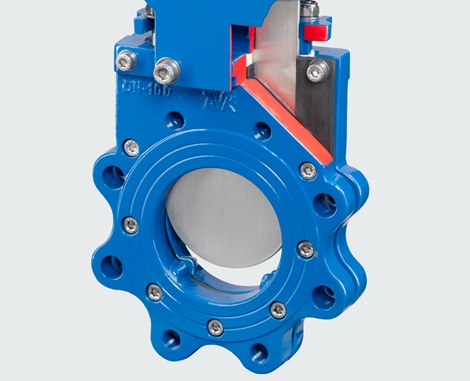
A stock image related to what is a knife gate valve.
In-depth Look: Manufacturing Processes and Quality Assurance for what is a knife gate valve
What Are the Key Stages in the Manufacturing Process of Knife Gate Valves?
The manufacturing process of knife gate valves involves several critical stages to ensure that the final product meets the rigorous demands of industrial applications. These stages include material preparation, forming, assembly, and finishing.
How Is Material Prepared for Knife Gate Valve Manufacturing?
The first step in manufacturing knife gate valves is material preparation. High-quality materials are essential, as they determine the valve’s durability and performance. Common materials include cast iron, stainless steel, and various alloys, chosen based on the valve’s intended application—particularly for corrosive environments like wastewater treatment.
Once selected, materials undergo rigorous quality checks to confirm their specifications. This might include chemical composition analysis and mechanical testing to ensure that they meet industry standards. For instance, stainless steel components may be tested for corrosion resistance, which is vital for applications in harsh environments.
What Forming Techniques Are Used in Knife Gate Valve Production?
Following material preparation, the forming process shapes the components of the knife gate valve. This typically involves techniques such as casting, machining, and forging.
Casting: This method is widely used for creating the valve body. It allows for complex shapes and is cost-effective for large production runs. The molten metal is poured into molds and allowed to solidify before being removed for further processing.
Machining: After casting, components are machined to precise dimensions. This process ensures the smooth operation of the valve and proper sealing capability. CNC (Computer Numerical Control) machines are commonly used for this step, allowing for high precision and repeatability.
Forging: For certain critical components, forging is employed to enhance strength. This process involves shaping the metal through compressive forces, resulting in a denser and stronger material.
How Are Knife Gate Valves Assembled and Finished?
Assembly is the next crucial stage, where various components such as the gate, seat, and actuator are brought together. During assembly, meticulous attention is paid to ensure that all components fit perfectly and function smoothly.
Sealing: The sealing mechanism, often made of elastomers or flexible metal, is installed to provide a bubble-tight closure. This is critical for preventing leaks, especially in applications involving slurries or wastewater.
Actuation: Depending on the design, the valve may be equipped with manual, pneumatic, or electric actuators. The choice of actuator affects the valve’s ease of use and responsiveness.
Finishing processes such as surface treatment, coating, and painting are applied to enhance corrosion resistance and improve aesthetic appeal. Techniques like powder coating or galvanization are common to protect against environmental factors, particularly in outdoor applications.
What Quality Assurance Measures Are Essential for Knife Gate Valve Manufacturing?
Quality assurance (QA) is a vital aspect of knife gate valve manufacturing, ensuring that products meet international standards and customer expectations.
Which International Standards Are Relevant for Knife Gate Valve Quality Control?
Manufacturers often adhere to international standards such as ISO 9001, which outlines the requirements for a quality management system. Compliance with these standards helps ensure consistent quality across the production process.
In addition to ISO standards, industry-specific certifications such as CE marking and API (American Petroleum Institute) standards may apply, particularly for valves used in high-pressure applications or hazardous environments. These certifications indicate that the products meet essential safety and performance requirements.
What Are the Key Quality Control Checkpoints During Production?
Quality control is typically divided into several checkpoints throughout the manufacturing process:
Incoming Quality Control (IQC): This step involves inspecting raw materials upon arrival. Materials are tested to ensure they meet specified standards before being used in production.
In-Process Quality Control (IPQC): During the manufacturing process, continuous monitoring is conducted to detect any deviations from quality standards. This may include dimensional checks and functional testing of components as they are produced.
Final Quality Control (FQC): Once the knife gate valves are fully assembled, a comprehensive inspection is performed. This includes pressure testing, leak testing, and operational testing to ensure that the valves perform as intended.
How Can B2B Buyers Verify Supplier Quality Control Practices?
For B2B buyers, particularly those from regions like Africa, South America, the Middle East, and Europe, verifying a supplier’s quality control practices is crucial for ensuring product reliability.
Supplier Audits: Conducting on-site audits can provide valuable insight into a manufacturer’s processes and quality assurance measures. Buyers should inquire about the frequency and scope of these audits.
Quality Reports: Requesting quality control reports and certifications from suppliers can help verify compliance with international standards. These documents should detail the results of IQC, IPQC, and FQC processes.
Third-Party Inspections: Engaging third-party inspection services can provide an unbiased evaluation of the manufacturing process and the quality of the final product. This is particularly important for buyers who may not have the resources to conduct their own inspections.
What Are the Nuances of Quality Certification for International Buyers?
International B2B buyers should be aware of the nuances in quality certification when sourcing knife gate valves. Different regions may have specific regulations or certification requirements that must be met.
Regional Compliance: For instance, products intended for the European market must comply with CE marking regulations, while those in the Middle East may need to meet specific Gulf Standards. Understanding these requirements is essential to avoid compliance issues.
Cultural Considerations: Buyers should also consider cultural differences in business practices and quality expectations. Establishing clear communication and understanding local standards can foster better supplier relationships and lead to improved quality outcomes.
By understanding the manufacturing processes and quality assurance measures associated with knife gate valves, B2B buyers can make informed decisions that align with their operational needs and compliance requirements. This knowledge not only aids in selecting reliable suppliers but also ensures the long-term performance and safety of the valves in demanding industrial applications.
Practical Sourcing Guide: A Step-by-Step Checklist for ‘what is a knife gate valve’
Introduction
This practical sourcing guide serves as a comprehensive checklist for international B2B buyers seeking to procure knife gate valves. Understanding the specific requirements and evaluating potential suppliers is crucial for ensuring that your operations run smoothly, especially in industries dealing with heavy liquids, slurries, and wastewater. Follow these steps to make informed purchasing decisions.
Step 1: Define Your Technical Specifications
Establishing clear technical specifications is essential to ensure that the knife gate valve meets your operational needs. Consider factors such as the type of media (e.g., wastewater, slurry), pressure and temperature ranges, and whether a manual or automated actuation mechanism is required.
– Media Compatibility: Ensure the valve material, such as acid-proof stainless steel, is suitable for your specific applications to minimize corrosion risks.
– Size and Dimensions: Determine the appropriate bore size (DN) to fit your existing systems.
Step 2: Identify Suitable Applications
Understand the specific applications where knife gate valves will be deployed, as this will influence your choice of design and materials. Knife gate valves are best suited for on-off services in industries like wastewater treatment, chemical processing, and mining.
– Operational Environment: Assess if the valve will be exposed to harsh conditions, which may necessitate additional features like enhanced sealing or corrosion-resistant materials.
– Flow Characteristics: Ensure that the valve is designed for complete closure to avoid flow regulation, which can lead to premature wear.
Step 3: Evaluate Potential Suppliers
Before committing to a supplier, conduct a thorough evaluation to gauge their reliability and expertise. Request detailed company profiles, customer testimonials, and case studies relevant to your industry.
– Industry Experience: Look for suppliers with a strong track record in providing knife gate valves for similar applications.
– Certification and Compliance: Verify that the supplier meets international quality standards and possesses necessary certifications, such as ISO or API.
Step 4: Review Product Features and Options
Analyze the various features and options available for knife gate valves to find the best fit for your needs. Different designs may offer advantages in terms of maintenance, durability, and ease of operation.
– Actuation Mechanisms: Consider whether you need manual, pneumatic, or electric actuators based on your operational requirements.
– Material Choices: Explore various materials for valve bodies and gates to ensure they align with your application’s demands, including options for elastomeric or metal seat seals.
Step 5: Compare Pricing and Terms
Obtain quotes from multiple suppliers and compare pricing structures, including any additional costs for shipping, installation, or maintenance services.
– Total Cost of Ownership: Evaluate not just the initial purchase price but also long-term maintenance costs and potential downtime associated with valve failure.
– Payment and Delivery Terms: Clarify payment terms and delivery timelines to avoid disruptions in your supply chain.
Step 6: Conduct a Final Assessment
After gathering all necessary information, conduct a final assessment of your shortlisted suppliers. This step is crucial to ensure that you choose a partner who aligns with your operational goals and quality standards.
– Site Visits: If possible, visit the supplier’s facility to observe their manufacturing processes and quality control measures.
– Trial Orders: Consider placing a small trial order to evaluate the valve performance before committing to larger quantities.
By following this checklist, you can make informed decisions when sourcing knife gate valves, ensuring that your procurement aligns with operational needs and industry standards.
Comprehensive Cost and Pricing Analysis for what is a knife gate valve Sourcing
What Are the Key Cost Components Involved in Sourcing Knife Gate Valves?
When sourcing knife gate valves, understanding the cost structure is crucial for effective budget management and strategic planning. The primary cost components include materials, labor, manufacturing overhead, tooling, quality control (QC), logistics, and supplier margin.
Materials: The choice of materials significantly impacts the overall cost. Knife gate valves are commonly made from stainless steel, cast iron, or exotic alloys, especially for applications in corrosive environments. The quality and type of material directly influence both performance and longevity, which can affect the long-term cost-effectiveness of the valve.
Labor and Manufacturing Overhead: Labor costs are associated with the production processes, which can vary based on the manufacturing location and the complexity of the valve design. Manufacturing overhead includes utilities, rent, and equipment maintenance, which also contribute to the overall cost. Suppliers in regions with lower labor costs may offer more competitive pricing.
Tooling and Quality Control: Tooling costs are incurred for the molds and equipment used in valve production. Investment in high-quality tooling can lead to better precision and lower defect rates, thereby reducing QC costs in the long run. Rigorous quality control processes are essential, particularly for applications in critical industries like wastewater treatment and mining.
Logistics and Supplier Margin: Logistics costs involve transportation, warehousing, and handling fees, which can vary based on the geographical location of the supplier and the buyer. Supplier margins reflect the profit markup added to the base costs and can differ significantly among manufacturers.
How Do Price Influencers Impact the Cost of Knife Gate Valves?
Several factors influence the pricing of knife gate valves, and understanding these can lead to more informed purchasing decisions.
Volume and Minimum Order Quantity (MOQ): Larger orders typically result in lower per-unit costs due to economies of scale. Negotiating the MOQ with suppliers can lead to significant savings, especially for businesses that require multiple units.
Specifications and Customization: Custom specifications, such as size, pressure rating, and additional features (e.g., actuators), can increase costs. Buyers should weigh the need for customization against budget constraints and operational requirements.
Quality and Certification Standards: High-quality valves with necessary certifications (e.g., ISO, API) often command a premium price. However, investing in certified products can reduce the risk of failures and maintenance costs over time.
Supplier Factors and Incoterms: The reputation and reliability of suppliers can affect pricing. Established suppliers may charge more for their products due to perceived quality and service. Additionally, Incoterms (International Commercial Terms) dictate the responsibilities of buyers and sellers in international transactions, influencing total landed costs.
What Are the Best Buyer Tips for Negotiating Knife Gate Valve Prices?
For international B2B buyers, particularly in regions like Africa, South America, the Middle East, and Europe, effective negotiation and cost efficiency are key.
Negotiation Strategies: Always approach negotiations with a clear understanding of your budget and requirements. Be prepared to discuss volume discounts and explore various payment terms that could benefit both parties.
Focus on Total Cost of Ownership (TCO): While upfront costs are important, consider the TCO, which includes installation, maintenance, and replacement costs over the valve’s lifespan. Higher-quality valves may have a higher initial cost but can lead to lower TCO due to reduced maintenance needs and longer service life.
Understand Pricing Nuances for International Purchases: Currency fluctuations and import duties can significantly impact the final cost of knife gate valves. Buyers should account for these factors when budgeting and negotiating prices with suppliers.
Disclaimer on Indicative Prices
It is important to note that prices for knife gate valves can vary widely based on the factors discussed above. Buyers are encouraged to conduct thorough market research and obtain multiple quotations to ensure they are making informed purchasing decisions.
Alternatives Analysis: Comparing what is a knife gate valve With Other Solutions
Exploring Alternatives to Knife Gate Valves: A Comparative Analysis
When considering the implementation of flow control solutions in industrial applications, it is essential to evaluate various options available in the market. Knife gate valves are popular for specific tasks, particularly in harsh environments, but they are not the only choice. This analysis compares knife gate valves with two viable alternatives: Wedge Gate Valves and Ball Valves. Each of these solutions serves a similar purpose but comes with unique characteristics that may better suit different operational needs.
Comparison Table
| Comparison Aspect | What Is A Knife Gate Valve | Wedge Gate Valve | Ball Valve |
|---|---|---|---|
| Performance | Excellent for slurry and viscous media; cuts through obstructions | Good for general on/off service; not ideal for slurries | Superior for quick shut-off; provides low resistance to flow |
| Cost | Moderate initial cost; lower maintenance costs due to durable materials | Generally lower upfront cost but may require more frequent maintenance | Higher initial cost, but low maintenance and long lifespan |
| Ease of Implementation | Requires specific installation considerations due to its design | Standard installation process; widely used and understood | Simple installation; versatile across many applications |
| Maintenance | Low maintenance due to corrosion-resistant materials; easy to clean | Moderate maintenance; vulnerable to wear and tear in harsh environments | Minimal maintenance; long-lasting with reliable performance |
| Best Use Case | Wastewater treatment, mining, and chemical processing | Drinking water systems, general industrial applications | Oil and gas, chemical processing, and high-flow applications |
Detailed Breakdown of Alternatives
Wedge Gate Valves
Wedge gate valves are commonly used for general on/off service in various applications, making them a suitable alternative to knife gate valves. They are designed to create a tight seal when fully closed, making them effective for isolating flow. However, they are not ideal for slurries or applications with high concentrations of suspended solids, as they can be prone to leaking. While the initial cost of wedge gate valves is generally lower, they often require more frequent maintenance in demanding environments, which can lead to higher long-term costs.
Ball Valves
Ball valves are known for their quick shut-off capabilities and are ideal for applications requiring minimal flow resistance. Their design allows for a full bore that enables efficient fluid flow, making them suitable for high-flow environments like oil and gas industries. Although ball valves typically have a higher upfront cost, their low maintenance requirements and durability can lead to significant savings over time. However, they may not perform as effectively in slurry applications where solid particles can impede operation, making them less versatile than knife gate valves in certain scenarios.
Conclusion: How to Choose the Right Valve Solution
Selecting the appropriate valve solution depends largely on the specific requirements of your application. Knife gate valves excel in managing viscous and slurry media, making them ideal for wastewater treatment and industrial processes involving solid-laden fluids. Conversely, if your application requires general isolation with minimal flow restrictions, wedge gate valves may suffice, especially in less demanding environments. For operations demanding quick shut-off and high flow rates, ball valves offer a robust option. Ultimately, a B2B buyer should consider factors such as performance requirements, cost implications, ease of installation, and maintenance needs when determining the best valve solution for their operational challenges.
Essential Technical Properties and Trade Terminology for what is a knife gate valve
What Are the Key Technical Properties of Knife Gate Valves?
When considering knife gate valves for industrial applications, several critical specifications must be understood. These properties not only influence the performance and longevity of the valves but also impact the overall operational efficiency in various sectors such as wastewater treatment, mining, and chemical processing.
Material Grade
Knife gate valves are typically constructed from materials such as stainless steel, cast iron, or exotic alloys. The choice of material is crucial as it determines the valve’s resistance to corrosion, pressure, and temperature fluctuations. For instance, valves made from acid-proof stainless steel are ideal for harsh environments where corrosion is a concern. Selecting the appropriate material minimizes maintenance costs and extends the lifespan of the valve, which is a significant consideration for B2B buyers.Bore Size and Dimensions
Bore size, commonly ranging from DN 50 to DN 600, is a fundamental specification that affects flow capacity. Understanding the required bore size is essential for ensuring that the valve can handle the specific flow rates and types of media in your application. Additionally, the face-to-face dimensions of knife gate valves are generally shorter than those of traditional gate valves, allowing for space-efficient installations—a valuable consideration in tight spaces.Pressure Rating
Knife gate valves are designed for low-pressure systems, and their pressure ratings typically dictate their suitability for various applications. It is important for buyers to assess the maximum pressure the valve can withstand to prevent potential failures that could lead to costly downtime. Knowing the pressure rating aids in selecting the right valve for your operational needs, particularly in industries like wastewater where fluctuations can occur.Actuation Type
Knife gate valves can be manually operated, pneumatically actuated, or electrically operated. The choice of actuation affects both the operational efficiency and the ease of use. Pneumatic and electric actuators offer faster operation and can be integrated into automated systems, which is particularly beneficial for large-scale operations. Understanding the actuation type can help buyers align the valve’s capabilities with their operational workflows.Seal Type
The sealing mechanism of a knife gate valve is critical for ensuring a leak-tight closure. Common seal types include elastomeric seals and flexible metal seats. The choice of seal impacts not only the valve’s performance but also its maintenance needs. A valve with a reliable sealing mechanism reduces the risk of leaks, thereby minimizing environmental and operational risks.
What Are Common Trade Terms Associated with Knife Gate Valves?
In addition to understanding technical specifications, familiarity with industry terminology is essential for effective communication and procurement in B2B transactions.
OEM (Original Equipment Manufacturer)
This term refers to a company that produces parts or equipment that may be marketed by another manufacturer. For knife gate valves, working with OEMs ensures that the components meet specific quality standards and compatibility requirements, which is vital for maintaining operational integrity.MOQ (Minimum Order Quantity)
MOQ indicates the smallest number of units that a supplier is willing to sell. Understanding MOQ is crucial for budget-conscious buyers who need to balance stock levels with cash flow. For example, a supplier may have an MOQ of 100 units for knife gate valves, making it essential for buyers to assess their needs accordingly.RFQ (Request for Quotation)
An RFQ is a document sent to suppliers to solicit pricing and terms for specific products. For buyers of knife gate valves, issuing an RFQ allows for competitive pricing and ensures that suppliers understand the exact specifications required, leading to better procurement decisions.Incoterms (International Commercial Terms)
Incoterms are standardized trade terms that define the responsibilities of buyers and sellers in international transactions. Familiarity with these terms helps buyers understand shipping responsibilities, costs, and risks associated with transporting knife gate valves across borders, which is particularly relevant for international buyers.Flow Coefficient (Cv)
The flow coefficient is a measure of the flow capacity of a valve. It indicates how much flow can pass through the valve with a given pressure drop. Understanding the Cv value helps buyers select a valve that meets their specific flow requirements, ensuring optimal performance in their applications.
By grasping these technical properties and trade terminologies, B2B buyers can make informed decisions that enhance operational efficiency and reduce costs when selecting knife gate valves for their specific applications.
Navigating Market Dynamics and Sourcing Trends in the what is a knife gate valve Sector
What Are the Key Market Dynamics for Knife Gate Valves?
In recent years, the knife gate valve market has experienced notable growth driven by increasing demand in various sectors such as wastewater treatment, mining, and chemical processing. The global focus on infrastructure development, particularly in emerging markets in Africa and South America, has created a surge in the requirement for reliable and efficient isolation valves. Additionally, the push for modernization and upgrading of existing facilities in Europe and the Middle East has intensified the demand for knife gate valves that can handle challenging media, including slurries and viscous liquids.
Technological advancements have also influenced sourcing trends. The integration of automation and remote monitoring technologies in valve operations is gaining traction, allowing for improved efficiency and reduced maintenance costs. B2B buyers are increasingly seeking suppliers that offer smart valve solutions equipped with IoT capabilities, enhancing operational oversight and predictive maintenance. Moreover, the trend towards lightweight materials, such as high-grade stainless steel, is becoming prominent as it facilitates easier installation and lowers transportation costs.
As international B2B buyers navigate these market dynamics, understanding the specific requirements of their applications is critical. Tailoring purchases to meet the unique demands of regional markets—such as the need for corrosion-resistant materials in coastal regions or robust designs for mining applications—will enable businesses to optimize their operations effectively.
How Is Sustainability Influencing the Sourcing of Knife Gate Valves?
Sustainability is becoming a paramount concern in the procurement of industrial components, including knife gate valves. The environmental impact of manufacturing processes, coupled with increasing regulatory pressures, has led B2B buyers to prioritize suppliers that adopt sustainable practices. This includes sourcing materials that minimize ecological footprints, such as recycled metals and environmentally friendly coatings.
The importance of ethical supply chains cannot be overstated. Buyers are increasingly scrutinizing their suppliers for compliance with international labor standards and environmental regulations. Having certifications like ISO 14001 for environmental management and ISO 45001 for occupational health and safety can serve as a competitive advantage in the procurement process.
Additionally, manufacturers that focus on developing “green” products—those that reduce energy consumption during operation or are fully recyclable at end-of-life—are gaining favor among discerning buyers. As the market evolves, the alignment of sourcing strategies with sustainability goals will not only enhance brand reputation but also contribute to long-term cost savings and resource efficiency.
What Is the Historical Context of Knife Gate Valves in B2B Applications?
The evolution of knife gate valves can be traced back to their initial development for the pulp and paper industry, where the need to manage thick, fibrous materials presented unique challenges. Over time, their design has adapted to accommodate various applications, particularly in wastewater treatment and mining, where they excel in handling high concentrations of solids.
Early knife gate valves were primarily mechanical, relying on manual operation. However, advancements in actuator technology have transformed these valves into more sophisticated solutions, allowing for pneumatic and electric actuation. This evolution has expanded their applicability in diverse industries, making them essential for modern infrastructure. Today, knife gate valves are recognized not only for their functional superiority but also for their role in enhancing operational efficiency, safety, and sustainability in industrial processes.
In summary, the knife gate valve market is characterized by dynamic growth influenced by technological innovations, sustainability trends, and evolving industry needs. Understanding these factors will empower B2B buyers to make informed decisions and establish partnerships that align with their operational goals.
Frequently Asked Questions (FAQs) for B2B Buyers of what is a knife gate valve
How do I select the right knife gate valve for my application?
Selecting the appropriate knife gate valve involves considering factors such as the type of media being handled, pressure requirements, and environmental conditions. Assess whether the valve will be used in wastewater, slurry, or other viscous applications. It’s essential to choose materials that resist corrosion, like acid-proof stainless steel, especially in harsh environments. Additionally, consider the valve’s size, actuation method (manual, pneumatic, or electric), and whether it meets your specific operational needs.What are the key differences between knife gate valves and traditional gate valves?
Knife gate valves are specifically designed to handle slurries and viscous media, featuring a sharpened blade that cuts through materials for a better seal. Unlike traditional gate valves, which have a wedge design, knife gate valves offer a shorter face-to-face length and are lighter, making them easier to install and maintain. Both valve types are suitable for on-off service, but knife gate valves excel in applications where complete isolation is required, particularly in wastewater and industrial processes.What should I consider regarding the maintenance of knife gate valves?
Maintenance of knife gate valves largely depends on the media they handle and their operating environment. Regular inspections are crucial to identify wear on the blade and sealing surfaces. Ensure that components like the spindle and seals are in good condition to prevent leaks. The use of acid-proof stainless steel can minimize corrosion-related issues, leading to less frequent maintenance. Additionally, implementing a cleaning regime can help prolong the lifespan of the valve, especially in systems that deal with heavy solids.What are typical minimum order quantities (MOQ) for knife gate valves?
Minimum order quantities for knife gate valves can vary significantly depending on the supplier and the specific valve specifications. Generally, MOQs can range from a few units to several hundred. It’s advisable to communicate your needs directly with potential suppliers to negotiate terms that align with your project requirements. Larger orders may provide leverage for better pricing and customization options, which can be beneficial for ongoing projects or large-scale installations.How can I vet suppliers for knife gate valves effectively?
To vet suppliers for knife gate valves, begin by assessing their industry reputation through online reviews and client testimonials. Verify their certifications and compliance with international standards, such as ISO or API. Request detailed product specifications, including materials and performance data, to ensure they meet your requirements. Establishing clear communication regarding lead times, shipping, and after-sales support is also crucial. Consider visiting their manufacturing facility if feasible, or request references from other clients.What payment terms are commonly offered for international purchases of knife gate valves?
Payment terms for international purchases of knife gate valves can vary based on the supplier’s policies and the buyer’s creditworthiness. Common terms include advance payment, letters of credit, or partial payment upfront with the balance due upon delivery. Negotiating favorable terms is essential, especially for larger orders, as it can impact cash flow. Always ensure that payment terms are clearly outlined in the purchase agreement to avoid misunderstandings.What logistics considerations should I be aware of when importing knife gate valves?
When importing knife gate valves, consider logistics factors such as shipping methods, customs regulations, and delivery timelines. Choose a reliable freight forwarder familiar with the specific requirements for your destination, particularly if you are importing to regions like Africa or South America. Ensure that all documentation is complete and compliant with local regulations to prevent delays. Additionally, factor in potential tariffs or duties that may apply to your purchase.How can I ensure quality assurance for knife gate valves?
To ensure quality assurance for knife gate valves, work with suppliers who adhere to strict quality control processes. Request documentation of testing standards and certifications for the valves, such as pressure testing and material certification. Conduct periodic quality audits, if possible, to verify compliance with specifications. Establishing a clear return policy for defective products can also safeguard your investment and ensure you receive valves that meet your operational standards.
Important Disclaimer & Terms of Use
⚠️ Important Disclaimer
The information provided in this guide, including content regarding manufacturers, technical specifications, and market analysis, is for informational and educational purposes only. It does not constitute professional procurement advice, financial advice, or legal advice.
While we have made every effort to ensure the accuracy and timeliness of the information, we are not responsible for any errors, omissions, or outdated information. Market conditions, company details, and technical standards are subject to change.
B2B buyers must conduct their own independent and thorough due diligence before making any purchasing decisions. This includes contacting suppliers directly, verifying certifications, requesting samples, and seeking professional consultation. The risk of relying on any information in this guide is borne solely by the reader.
Top 7 What Is A Knife Gate Valve Manufacturers & Suppliers List
1. Hawle – Knife Gate Valves
Domain: hawle.com
Registered: 1999 (26 years)
Introduction: Knife gate valves are designed for isolation in wastewater applications, capable of cutting through thick, porous media with high concentrations of suspended solids. They feature a planar or ‘knife’ edge that lifts to allow flow and creates a complete seal against a soft sealing surface. Key characteristics include:
– Full and smooth bore for maintenance with cleaning pigs.
– No pressure loss acro…
2. AVK – Knife Gate Valves
Domain: avkvalves.eu
Introduction: Knife gate valves are designed for on-off and isolation services in systems with high content of suspended solids. They are beneficial for handling slurry, viscous, corrosive, and abrasive media. Key features include minimized pressure drop in fully open position, ease of actuation, low weight, and cost-effectiveness. They are used in harsh environments, particularly in wastewater applications, an…
3. Vortex Global – Knife Gate Valve

Domain: vortexglobal.com
Registered: 2011 (14 years)
Introduction: Knife Gate Valve: Utilizes a blade to cut through clogging of heavy liquids; originally designed for the pulp and paper industry; ideal for thick liquids and gases; easy to actuate and cheap to produce; used in wastewater treatment, oil and gas, mining, and power; available in large sizes; low-pressure limitations; not suitable for dry bulk applications; seals can become abraded, leading to leaks;…
4. DSS Valves – Knife Gate Valves
Domain: dssvalves.com
Registered: 2016 (9 years)
Introduction: Knife Gate Valve (KGV) originated in the Swedish Pulp and Paper industry in 1927. Key types include: 1. **Conventional Knife Gate Valve** – Designed for low-pressure, unidirectional isolation; average allowable leakage: 40 cc per inch of diameter per minute. 2. **Through Gate Valve** – Accommodates high fiber applications; high through leakage and fugitive emissions; average allowable leakage: 40 …
5. Anything Flows – Knife Gate Valve
Domain: anythingflows.com
Registered: 2020 (5 years)
Introduction: Knife Gate Valve: Used in wastewater applications, designed to slice through solid materials, suitable for harsh environments, should only be used in fully open or closed applications, built to American National Standards Institute standards, compact design, bi-directional. Slide Gate Valve: Designed for dry bulk materials like powders and granulates, produced according to Technical Association of…
6. BM Engineering – Knife Gate Valves
Domain: bmengineering.co.uk
Registered: 2009 (16 years)
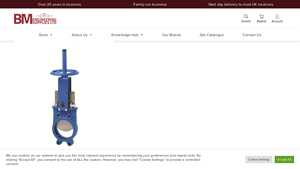
Introduction: Knife Gate Valves: Used for shut-off operations, particularly in applications with solids in the media. They feature a blade or gate that cuts through the media, making them suitable for non-flammable viscous fluids, wastewater, heavy oils, and slurries. Available in uni-directional and bi-directional options, with lugged or wafer body designs and no flanges. Seats can be metal or resilient types….
7. HitonSV – Knife Gate Valves
Domain: hitonsv.com
Registered: 2010 (15 years)
Introduction: Knife gate valves are designed for fluid shut-off, allowing for the complete cut-off of fluid flow when closed. They can provide partial fluid control by adjusting the opening. These valves are built for quick closure, enabling rapid shut-off in emergencies to prevent accidents. They offer good sealing performance, minimizing the risk of fluid leakage, which is essential in processes with strict l…
Strategic Sourcing Conclusion and Outlook for what is a knife gate valve
In conclusion, knife gate valves are essential components in various industrial applications, particularly in wastewater management and processing of viscous media. Their unique design, featuring a sharpened blade, allows them to efficiently cut through heavy liquids while providing a reliable seal, minimizing maintenance costs associated with corrosion and wear. For B2B buyers, understanding the specific advantages of knife gate valves—such as their lightweight structure and suitability for harsh environments—can lead to more informed purchasing decisions.
Strategic sourcing plays a pivotal role in optimizing procurement processes, ensuring that organizations acquire high-quality valves that meet their operational needs while adhering to budget constraints. As industries across Africa, South America, the Middle East, and Europe continue to evolve, the demand for reliable and efficient valve solutions will only increase.
International buyers are encouraged to explore partnerships with reputable manufacturers who can provide tailored solutions, ensuring the longevity and effectiveness of their infrastructure. By leveraging strategic sourcing, businesses can not only enhance their operational efficiency but also contribute to sustainable practices in their respective sectors.
 English (UK)
  English (United States)
  Spanish (Spain)
  Portuguese (Portugal)
  French
  German
  Italian
  Arabic
  Dutch
Dutch  Bulgarian
  Chinese (China)
  Chinese (Hong Kong)
  Czech
Czech  Danish
  Greek
Greek  Finnish
  Spanish (Mexico)
  Estonian
  Hebrew
  Hungarian
  Indonesian
  Japanese
  Korean
  Latvian
  Lithuanian
  Norwegian
  Polish
  Portuguese (Brazil)
  Romanian
  Russian
  Slovenian
  Slovak
  Swedish
  Turkish
  Ukrainian
  Vietnamese