
Introduction: Navigating the Global Market for irrigation isolation valve
In the ever-evolving landscape of agricultural technology, sourcing reliable irrigation isolation valves poses a significant challenge for international B2B buyers. As the demand for efficient and sustainable irrigation solutions grows, understanding the nuances of isolation valves—critical components that allow for maintenance without disrupting the entire water supply—becomes essential. This guide aims to equip buyers from regions such as Africa, South America, the Middle East, and Europe, including countries like Brazil and Nigeria, with the knowledge needed to navigate the global market effectively.
Within these pages, we will explore various types of irrigation isolation valves, their applications across different irrigation systems, and key factors to consider when vetting suppliers. We will also delve into pricing strategies, ensuring buyers can make cost-effective choices without compromising on quality. By providing comprehensive insights and actionable strategies, this guide empowers B2B buyers to make informed purchasing decisions that align with their operational needs and sustainability goals.
Armed with the right information, businesses can enhance their irrigation systems, improve maintenance efficiency, and ultimately contribute to better water management practices in their respective regions. Let’s embark on this journey to demystify the world of irrigation isolation valves and unlock the potential for smarter irrigation solutions.
Understanding irrigation isolation valve Types and Variations
| Type Name | Key Distinguishing Features | Primary B2B Applications | Brief Pros & Cons for Buyers |
|---|---|---|---|
| Ball Valve | Quick on/off operation, low pressure drop | Agricultural irrigation, commercial systems | Pros: Fast operation, minimal maintenance. Cons: Limited flow control. |
| Gate Valve | Simple design, suitable for larger pipes | Industrial irrigation, water treatment | Pros: Reliable sealing, durable. Cons: Slower operation, requires more space. |
| Butterfly Valve | Compact design, lightweight, and low cost | Landscape irrigation, fire protection | Pros: Space-efficient, good for large volumes. Cons: Less effective for throttling flow. |
| Check Valve | Prevents backflow, automatic operation | Residential systems, backflow prevention | Pros: Essential for system safety, easy installation. Cons: Can become clogged, may require replacement. |
| Pressure Relief Valve | Maintains system pressure, prevents overpressure | High-pressure irrigation systems | Pros: Protects system integrity, prevents damage. Cons: Requires regular testing and maintenance. |
What Are the Key Characteristics of Ball Valves for Irrigation Systems?
Ball valves are known for their quick on/off functionality, making them ideal for applications requiring rapid water control. Their design allows for a low-pressure drop, which is beneficial in maintaining system efficiency. In a B2B context, these valves are commonly used in agricultural irrigation and commercial systems where fast operation and minimal maintenance are crucial. Buyers should consider the valve’s size and compatibility with existing systems to ensure optimal performance.
How Do Gate Valves Differ in Design and Application?
Gate valves feature a simple yet effective design, making them suitable for larger pipe systems typically found in industrial irrigation and water treatment facilities. They provide excellent sealing capabilities and are built for durability, often lasting longer than other valve types under high-pressure conditions. However, their slower operation and greater space requirements can be drawbacks for some buyers. When purchasing, it’s essential to assess the valve’s material and pressure ratings to match the specific application needs.
Why Choose Butterfly Valves for Space-Constrained Environments?
Butterfly valves are characterized by their compact and lightweight design, which makes them an economical choice for irrigation applications where space is limited. They are particularly effective in landscape irrigation and fire protection systems, handling large volumes of water with ease. While they offer significant space-saving advantages, buyers should be aware that they are less effective for throttling flow compared to other valve types. It’s important to consider the operational environment and flow requirements when selecting butterfly valves.
What Role Do Check Valves Play in Irrigation Systems?
Check valves are critical components designed to prevent backflow, ensuring that water only flows in one direction. Their automatic operation makes them indispensable for residential irrigation systems and backflow prevention applications. While they are easy to install and enhance system safety, check valves can become clogged over time and may require replacement. B2B buyers should evaluate their systems for compatibility and consider maintenance schedules to ensure ongoing functionality.
How Do Pressure Relief Valves Contribute to System Integrity?
Pressure relief valves are essential for maintaining system pressure and preventing overpressure situations that could damage irrigation systems. They are particularly important in high-pressure irrigation applications, where they help protect system integrity and prolong the lifespan of other components. While effective, these valves require regular testing and maintenance to ensure they function correctly. Buyers should prioritize quality and compliance with local regulations when selecting pressure relief valves for their systems.
Key Industrial Applications of irrigation isolation valve
| Industry/Sector | Specific Application of Irrigation Isolation Valve | Value/Benefit for the Business | Key Sourcing Considerations for this Application |
|---|---|---|---|
| Agriculture | Crop irrigation systems | Enables efficient water management and maintenance | Compatibility with local water supply systems |
| Landscaping & Turf Management | Golf course and sports field irrigation | Reduces downtime during repairs and maintenance | Durability and resistance to environmental conditions |
| Municipal Water Management | Public park irrigation systems | Supports sustainable water use and conservation | Compliance with local regulations and standards |
| Greenhouse Operations | Controlled environment agriculture | Facilitates precise water control and system isolation | Adaptability to varying pressure and flow rates |
| Industrial Facilities | Cooling water systems in manufacturing plants | Protects equipment from damage and improves efficiency | Material compatibility with specific fluids used |
How Is an Irrigation Isolation Valve Utilized in Agriculture?
In the agricultural sector, irrigation isolation valves are critical for managing water supply to crop irrigation systems. These valves allow farmers to isolate specific sections of their irrigation network for maintenance or repairs without disrupting the entire system. This capability minimizes downtime and ensures that crops receive consistent water supply, which is vital for yield. Buyers in this sector should focus on valves that are compatible with local water supply systems and can withstand varying environmental conditions.
What Role Do Irrigation Isolation Valves Play in Landscaping and Turf Management?
In landscaping and turf management, particularly in golf courses and sports fields, irrigation isolation valves provide essential control over water distribution. By enabling quick isolation of irrigation lines, these valves facilitate maintenance tasks without causing significant disruptions to the turf. This feature is particularly valuable in regions with high water costs, as it helps conserve resources. Sourcing durable valves that can resist wear from environmental factors is crucial for maintaining the integrity of these systems.
How Do Municipal Water Management Systems Benefit from Isolation Valves?
Municipal water management systems utilize irrigation isolation valves in public park irrigation to support sustainable water use and conservation efforts. These valves allow for efficient control and maintenance of irrigation systems, ensuring that public green spaces are properly hydrated while minimizing waste. Compliance with local regulations and standards is a key consideration for buyers, as improper installation can lead to costly fines and environmental issues.
What Are the Advantages of Using Isolation Valves in Greenhouse Operations?
In greenhouse operations, irrigation isolation valves are essential for maintaining precise water control in controlled environments. These valves enable growers to isolate sections of the irrigation system for repairs or adjustments without affecting the entire setup. This is particularly important in regions where water is a scarce resource. Buyers should seek valves that can adapt to varying pressure and flow rates, ensuring optimal performance under different operational conditions.
How Do Isolation Valves Enhance Efficiency in Industrial Facilities?
In industrial facilities, especially those reliant on cooling water systems, irrigation isolation valves protect equipment from potential damage caused by leaks or system failures. By allowing for quick isolation of water supply, these valves enhance operational efficiency and reduce the risk of costly downtime. When sourcing valves for industrial applications, it is important to consider material compatibility with the specific fluids being used, ensuring long-term reliability and performance.
3 Common User Pain Points for ‘irrigation isolation valve’ & Their Solutions
Scenario 1: Difficulties with System Maintenance During Repairs
The Problem: B2B buyers often encounter challenges when needing to perform maintenance on their irrigation systems. Without an isolation valve, shutting down the entire water supply can lead to significant disruptions. For instance, if a company needs to repair a backflow preventer, they might be forced to turn off the main water supply, affecting not just the irrigation system but also the water availability for other operations. This situation can result in operational delays, increased labor costs, and potential damage to the irrigation system if repairs are not handled promptly.
The Solution: To mitigate these challenges, B2B buyers should invest in high-quality irrigation isolation valves that are strategically placed within the irrigation system. These valves allow for easy shutoff of water to the irrigation system without affecting the overall water supply. When sourcing these valves, it’s crucial to consider factors such as the size, pressure rating, and material compatibility with the existing system. Opt for valves that are accessible and easy to operate. Additionally, working with a reliable supplier who understands local regulations and best practices will ensure that the installation meets the required standards, thus enhancing overall system reliability.
Scenario 2: Risk of Contaminated Water Supply
The Problem: In regions where irrigation systems are common, the risk of cross-contamination between irrigation water and potable water supplies is a significant concern. For businesses managing these systems, the absence of an isolation valve can lead to serious legal and environmental issues. If a malfunction occurs, such as a backflow event, untreated irrigation water could enter the clean water supply, posing health risks and incurring penalties from regulatory bodies.
The Solution: To prevent such scenarios, B2B buyers must prioritize the installation of isolation valves in their irrigation systems. These valves should be installed upstream of the backflow preventer, serving as a barrier that allows for the isolation of the irrigation system during maintenance or in case of a malfunction. Buyers should ensure that the isolation valves are of high quality, preferably made from corrosion-resistant materials, and comply with local health and safety regulations. Regular training for staff on the importance of these valves and how to operate them can also enhance safety and compliance.
Scenario 3: Seasonal Shutdowns and Water Waste Management
The Problem: Many businesses in regions with distinct wet and dry seasons struggle with effectively managing their irrigation systems, particularly when transitioning between seasons. Without an isolation valve, shutting down the irrigation system for seasonal changes can lead to inefficient water management practices, resulting in unnecessary water waste and increased operational costs. Additionally, failing to winterize the system properly may cause damage to irrigation components due to freezing temperatures.
The Solution: The implementation of isolation valves is essential for facilitating seasonal shutdowns and preventing water waste. By allowing for quick and efficient water shutoff, these valves enable businesses to winterize their systems effectively, minimizing the risk of damage from freezing. When selecting isolation valves, businesses should look for models that are easy to operate and maintain, such as ball valves, which provide reliable sealing capabilities. It’s also advisable to create a seasonal maintenance checklist that includes checking the functionality of isolation valves to ensure they are in good working order before and after seasonal changes. By establishing a proactive maintenance routine, businesses can safeguard their irrigation systems, conserve water, and reduce costs.
Strategic Material Selection Guide for irrigation isolation valve
What Are the Key Properties of Common Materials for Irrigation Isolation Valves?
When selecting materials for irrigation isolation valves, several factors come into play, including temperature and pressure ratings, corrosion resistance, and overall durability. The most common materials used in the manufacturing of these valves include brass, PVC, stainless steel, and ductile iron. Each material offers unique properties that can significantly impact performance and application suitability.
How Does Brass Perform in Irrigation Isolation Valves?
Brass is a popular choice for irrigation isolation valves due to its excellent corrosion resistance and high strength. It typically has a temperature rating of up to 180°F (82°C) and can handle pressures up to 600 psi, making it suitable for various irrigation applications.
Pros: Brass valves are durable and resistant to corrosion, which is crucial in environments with high moisture levels. They also offer good sealing capabilities and can withstand thermal expansion.
Cons: The primary drawback of brass is its cost, which tends to be higher than plastic alternatives. Additionally, brass can be susceptible to dezincification in certain water conditions, leading to reduced performance over time.
What Are the Benefits of Using PVC for Irrigation Isolation Valves?
PVC (Polyvinyl Chloride) is another common material for irrigation isolation valves, especially in lower-pressure applications. PVC valves typically have a temperature rating of 140°F (60°C) and can handle pressures up to 150 psi.
Pros: PVC is lightweight, cost-effective, and resistant to chemical corrosion, making it suitable for various irrigation media. It is also easy to install and requires less maintenance compared to metal options.
Cons: However, PVC is less durable than brass or stainless steel and can become brittle over time when exposed to UV light. Its lower temperature and pressure ratings may limit its use in more demanding applications.
How Does Stainless Steel Compare for Irrigation Isolation Valves?
Stainless steel is known for its exceptional strength and corrosion resistance, making it a reliable choice for irrigation isolation valves in harsh environments. Stainless steel valves can typically handle temperatures up to 400°F (204°C) and pressures exceeding 1,000 psi.
Pros: The primary advantage of stainless steel is its longevity and resistance to rust and corrosion, which is vital for irrigation systems exposed to various environmental conditions. It also offers a robust sealing capability.
Cons: On the downside, stainless steel is significantly more expensive than brass or PVC, and its weight can make installation more challenging. Additionally, it may require special tools for installation and maintenance.
What Role Does Ductile Iron Play in Irrigation Isolation Valves?
Ductile iron is often used for larger irrigation isolation valves due to its excellent strength and durability. It can handle high pressures and has a temperature rating similar to that of stainless steel.
Pros: Ductile iron valves are highly resistant to impact and can withstand extreme conditions, making them suitable for larger-scale irrigation systems. They also have good corrosion resistance when coated appropriately.
Cons: However, ductile iron is heavier and more expensive than other materials like PVC. It may also require additional maintenance to prevent rusting if not properly coated.
Summary of Material Selection for Irrigation Isolation Valves
| Material | Typical Use Case for irrigation isolation valve | Key Advantage | Key Disadvantage/Limitation | Relative Cost (Low/Med/High) |
|---|---|---|---|---|
| Brass | Residential and commercial irrigation systems | Excellent corrosion resistance | Higher cost, susceptible to dezincification | High |
| PVC | Low-pressure irrigation applications | Lightweight and cost-effective | Less durable, lower temperature/pressure ratings | Low |
| Stainless Steel | Harsh environments and high-pressure systems | Exceptional strength and longevity | High cost, installation complexity | High |
| Ductile Iron | Large-scale irrigation systems | High impact resistance and durability | Heavier, requires maintenance to prevent rust | Medium |
Selecting the right material for irrigation isolation valves is crucial for ensuring system reliability and longevity. International B2B buyers should consider local environmental conditions, application requirements, and compliance with regional standards when making their choices.
In-depth Look: Manufacturing Processes and Quality Assurance for irrigation isolation valve
What Are the Main Stages in the Manufacturing Process of Irrigation Isolation Valves?
The manufacturing of irrigation isolation valves involves several critical stages, each designed to ensure the final product meets rigorous performance and durability standards.
1. Material Preparation: What Materials Are Used and Why?
The first stage in the manufacturing process is material preparation. High-quality materials such as brass, stainless steel, and various durable plastics are commonly used due to their corrosion resistance and strength. The selection of material is crucial, as it affects the valve’s longevity and performance in diverse environments, particularly in regions like Africa and the Middle East where irrigation systems face harsh conditions. Before fabrication, these materials undergo thorough inspection to ensure they meet specified industry standards.
2. Forming: How Are Valves Shaped and Structured?
Once the materials are prepared, the forming stage begins. This involves cutting, machining, and forging the raw materials into the desired shapes. Techniques such as CNC (Computer Numerical Control) machining are employed for precision, ensuring that each component adheres to the exact specifications required for optimal performance. For instance, the valve body and seat must be precisely formed to ensure a perfect seal, which is vital for preventing leaks.
3. Assembly: How Are Different Components Brought Together?
After forming, the assembly process commences. This includes the integration of various components such as the valve body, stem, and seals. Automated assembly lines may be utilized to enhance efficiency and consistency. Each valve is assembled under controlled conditions to minimize contamination and defects. The assembly process is critical, as improper assembly can lead to operational failures in the field.
4. Finishing: What Treatments Enhance Performance and Durability?
The final stage is finishing, where valves undergo surface treatments to enhance durability and resistance to environmental factors. Techniques such as electroplating, powder coating, or applying protective lubricants are commonly used. These processes not only improve the aesthetic appeal of the valves but also increase their resistance to corrosion and wear, which is particularly important for irrigation systems exposed to soil and water.
What Quality Assurance Standards Are Critical for Irrigation Isolation Valves?
Quality assurance (QA) is paramount in the manufacturing of irrigation isolation valves, ensuring that the products meet both safety and performance standards.
International Standards: Which Certifications Should B2B Buyers Look For?
B2B buyers should prioritize suppliers who adhere to international quality standards such as ISO 9001, which outlines requirements for a quality management system. This certification indicates that the manufacturer has processes in place to consistently provide products that meet customer and regulatory requirements. Additionally, industry-specific certifications such as CE marking in Europe or API standards for certain types of valves should be checked, as they demonstrate compliance with essential safety and performance criteria.
Key Quality Control Checkpoints: What Are the Stages of QC?
Quality control in the manufacturing process typically includes several checkpoints:
- Incoming Quality Control (IQC): This initial stage involves inspecting raw materials before they enter the production line to ensure they meet specified standards.
- In-Process Quality Control (IPQC): During the manufacturing process, periodic inspections are conducted to monitor the production stages and ensure adherence to specifications.
- Final Quality Control (FQC): Once the valves are assembled, they undergo rigorous testing to ensure they function correctly. This may include pressure testing, leak testing, and performance evaluations.
What Common Testing Methods Are Used to Ensure Quality?
Testing methods are integral to the quality assurance process for irrigation isolation valves. Common techniques include:
- Hydrostatic Testing: This method checks the valve’s ability to withstand pressure without leaking, simulating real-world operating conditions.
- Functional Testing: Valves are operated to ensure they open and close smoothly, confirming that the assembly and sealing mechanisms work as intended.
- Material Testing: Samples from the production batch may undergo tensile strength tests or corrosion resistance evaluations to ensure they meet material specifications.
How Can B2B Buyers Verify Supplier Quality Control Processes?
For B2B buyers, especially those operating in diverse markets such as Africa, South America, the Middle East, and Europe, verifying supplier quality control processes is essential.
Audits and Reports: What Documentation Should Be Reviewed?
Buyers should request access to quality control audits and reports from their suppliers. Regular internal audits and third-party inspections can provide insights into the supplier’s commitment to maintaining high-quality standards. Look for certifications and documentation that detail the results of these audits, as they can indicate the reliability of the manufacturing process.
Third-Party Inspections: Why Are They Important?
Utilizing third-party inspection services can add an extra layer of assurance. These independent entities can verify that the manufacturer complies with international standards and conducts thorough quality control checks. This is particularly important in regions where local regulations may differ from international standards.
What Quality Control and Certification Nuances Should International B2B Buyers Consider?
International B2B buyers must navigate various quality control nuances, especially when sourcing from different regions. Understanding local regulations and certifications can help buyers make informed decisions.
Regional Standards: How Do They Affect Sourcing Decisions?
Different countries may have specific regulations that affect the quality and safety of irrigation products. For example, buyers in Brazil may need to comply with ABNT standards, while those in Nigeria may look for NIS certification. Familiarizing oneself with these local standards can help avoid compliance issues and ensure that the products meet the necessary quality benchmarks.
Cultural and Operational Differences: What Should Buyers Be Aware Of?
Cultural differences can also impact quality assurance processes. It’s important for buyers to establish clear communication with suppliers to understand their quality practices and any challenges they may face in meeting international standards. Building strong relationships with suppliers can lead to better transparency and more reliable quality assurance.
In conclusion, understanding the manufacturing processes and quality assurance protocols for irrigation isolation valves is crucial for B2B buyers. By focusing on material selection, precision manufacturing techniques, and stringent quality control measures, buyers can ensure they source reliable products that meet their operational needs.
Practical Sourcing Guide: A Step-by-Step Checklist for ‘irrigation isolation valve’
Introduction
This guide serves as a practical checklist for B2B buyers seeking to procure irrigation isolation valves. Isolation valves are critical components in irrigation systems, providing essential control and maintenance capabilities. By following this checklist, you can ensure that you select the right valve for your specific needs while fostering efficient procurement processes.
1. Define Your Technical Specifications
Before initiating the sourcing process, it’s vital to outline your technical requirements for the isolation valve. Consider factors such as:
– Size and Type: Determine the appropriate size (e.g., 2″, 4″) and type (e.g., ball valve, gate valve) based on your system’s design.
– Material: Identify materials that suit your environment—brass and PVC are common choices, each with unique durability characteristics.
2. Research Regulatory Compliance
Understanding local regulations is crucial in ensuring your procurement aligns with legal standards. Check for:
– Certification Requirements: Confirm that the valves meet relevant industry standards, such as ANSI or ISO certifications.
– Local Codes: Familiarize yourself with any regional plumbing codes that may impact installation and usage.
3. Evaluate Potential Suppliers
Thoroughly vet potential suppliers to ensure reliability and quality. This can be accomplished by:
– Requesting Documentation: Ask for company profiles, case studies, and references from clients in similar sectors or regions.
– Assessing Capabilities: Evaluate suppliers based on their production capacity, delivery timelines, and customer support.
4. Inspect Product Quality
Quality assurance is paramount when sourcing isolation valves. Focus on:
– Material Integrity: Verify the quality of materials used in the valves to prevent premature failure.
– Testing Procedures: Inquire about the supplier’s testing protocols to ensure that their products meet the required performance standards.
5. Compare Pricing and Terms
Pricing can vary significantly between suppliers, so it’s essential to conduct a comparative analysis. Look for:
– Cost Transparency: Ensure that quotes include all potential costs, such as shipping and taxes.
– Payment Terms: Review payment terms and conditions to understand your financial commitments upfront.
6. Assess After-Sales Support
Effective after-sales support can save you time and resources in the long run. Consider:
– Warranty Policies: Check the warranty duration and coverage details for the isolation valves.
– Technical Assistance: Ensure that the supplier offers technical support for installation and maintenance inquiries.
7. Finalize Your Purchase Agreement
Once you have selected a supplier, ensure that all agreements are clearly documented. This should include:
– Delivery Schedules: Confirm timelines for delivery to align with your project schedules.
– Contractual Obligations: Ensure both parties understand their responsibilities and any penalties for non-compliance.
Following this checklist will enable you to make informed decisions and secure high-quality irrigation isolation valves tailored to your operational needs.
Comprehensive Cost and Pricing Analysis for irrigation isolation valve Sourcing
What Are the Key Cost Components in Sourcing Irrigation Isolation Valves?
When sourcing irrigation isolation valves, understanding the cost structure is crucial for B2B buyers. The primary components of the cost include:
Materials: The choice of materials—such as brass, PVC, or cast iron—significantly impacts the pricing. Brass valves, known for their durability and corrosion resistance, tend to be more expensive than their PVC counterparts. The quality of the material also influences the valve’s lifespan and performance.
Labor: Labor costs vary depending on the manufacturing location. Regions with higher labor costs, such as Europe, may see increased pricing compared to countries in South America or Africa, where labor is generally cheaper.
Manufacturing Overhead: This includes costs related to factory operations, utilities, and employee salaries. Efficient manufacturing processes can reduce overhead, enabling suppliers to offer more competitive pricing.
Tooling: The initial investment in tooling for producing customized valves can be significant. Buyers requiring specific dimensions or features should be prepared for higher upfront costs due to the need for specialized molds and dies.
Quality Control (QC): Implementing rigorous QC processes ensures the valves meet industry standards and certifications. While this may add to the cost, it is essential for maintaining reliability and performance, especially in critical irrigation applications.
Logistics: Transportation and handling costs are vital, particularly for international buyers. Factors such as shipping distance, mode of transport, and import duties can affect the final pricing.
Margin: Suppliers typically add a margin to cover their risks and provide profit. Understanding the competitive landscape can help buyers gauge reasonable margins and negotiate effectively.
How Do Price Influencers Affect the Cost of Irrigation Isolation Valves?
Several factors influence the pricing of irrigation isolation valves, including:
Volume and Minimum Order Quantity (MOQ): Bulk purchasing often leads to discounts. Suppliers may have MOQs that, when met, can significantly lower the per-unit cost.
Specifications and Customization: Custom valves tailored to specific needs can incur additional costs. Buyers should evaluate whether standard options are sufficient or if customization is truly necessary.
Materials and Quality Certifications: Higher quality materials and certifications (like ISO standards) can increase costs but also enhance reliability and compliance with local regulations.
Supplier Factors: Supplier reputation, reliability, and historical performance can influence pricing. Established suppliers may charge a premium but offer better quality assurance and service.
Incoterms: Understanding Incoterms (International Commercial Terms) is crucial for international transactions. They define the responsibilities of buyers and sellers, impacting overall costs related to shipping and insurance.
What Buyer Tips Can Help in Negotiating Costs and Ensuring Value?
Negotiate Strategically: Buyers should be prepared to negotiate on price, especially when placing large orders. Building a relationship with suppliers can lead to better pricing and terms.
Consider Total Cost of Ownership (TCO): Rather than focusing solely on the purchase price, evaluate the TCO, which includes installation, maintenance, and potential downtime costs. A higher upfront cost may lead to lower long-term expenses.
Pricing Nuances for International Buyers: For buyers in Africa, South America, the Middle East, and Europe, understanding local market conditions and currency fluctuations is essential. Seek suppliers who can provide pricing in local currency to mitigate exchange rate risks.
Stay Informed on Market Trends: Keeping abreast of material costs and global supply chain issues can empower buyers to make informed purchasing decisions and identify the best times to buy.
Request Quotes from Multiple Suppliers: Obtaining quotes from various suppliers not only helps in comparing prices but also in understanding the market rate for specific valve types.
Disclaimer on Indicative Prices
Prices for irrigation isolation valves can vary widely based on the aforementioned factors. Therefore, it is advisable for buyers to conduct thorough market research and obtain current quotes from multiple suppliers to ensure they are receiving competitive pricing.
Alternatives Analysis: Comparing irrigation isolation valve With Other Solutions
When evaluating irrigation systems, selecting the right components is essential for efficiency, cost-effectiveness, and sustainability. While irrigation isolation valves serve a crucial function in controlling water flow and protecting infrastructure, alternative solutions may offer varying advantages depending on specific requirements. This section provides a comprehensive comparison of irrigation isolation valves against two other viable alternatives: manual gate valves and automated control systems.
Comparison Table
| Comparison Aspect | Irrigation Isolation Valve | Manual Gate Valve | Automated Control System |
|---|---|---|---|
| Performance | Excellent for isolation and maintenance | Good, but less precise control | High precision and automation |
| Cost | Moderate initial investment | Generally lower cost | Higher upfront investment |
| Ease of Implementation | Requires proper placement and installation | Simple to install | Complex installation and programming |
| Maintenance | Low, with straightforward access | Moderate, depending on wear | Low, with periodic software updates |
| Best Use Case | Situations needing regular maintenance without affecting the entire system | Basic irrigation systems with less frequent access needs | Advanced systems with high automation and monitoring requirements |
Detailed Breakdown of Alternatives
Manual Gate Valve: Pros and Cons
Manual gate valves are a popular choice for irrigation systems due to their straightforward design and low cost. They allow for effective on-off control, making them suitable for applications where water flow needs to be stopped or started without significant pressure loss. However, they require physical operation, which can be inconvenient, especially in large systems or remote locations. Over time, manual gate valves may experience wear and tear, necessitating more frequent maintenance than isolation valves.
Automated Control System: Pros and Cons
Automated control systems represent a significant advancement in irrigation technology, offering high precision and the ability to program watering schedules. This solution is ideal for large agricultural operations or landscapes that require constant monitoring and adjustments based on weather conditions or soil moisture levels. While these systems can significantly reduce labor and improve efficiency, they come with a higher initial investment and complex installation requirements. Additionally, they may require periodic software updates and technical support, which can be a consideration for businesses with limited technical resources.
Conclusion: How to Choose the Right Solution for Your Needs
Selecting the right irrigation solution depends on various factors, including the scale of your operation, budget constraints, and specific maintenance needs. For businesses that require frequent maintenance and wish to minimize water waste, irrigation isolation valves are an excellent choice due to their reliability and ease of access. On the other hand, if cost is a primary concern and the system is relatively simple, manual gate valves may suffice. For those looking to invest in technology that enhances efficiency and minimizes labor, automated control systems can provide substantial long-term benefits. Ultimately, evaluating these aspects in the context of your operational requirements will lead to the best decision for your irrigation needs.
Essential Technical Properties and Trade Terminology for irrigation isolation valve
What Are the Essential Technical Properties of Irrigation Isolation Valves?
When sourcing irrigation isolation valves, understanding their technical specifications is crucial for ensuring compatibility and performance within your irrigation system. Here are the key properties to consider:
Material Grade
– Definition: The quality of materials used, such as brass, PVC, or stainless steel.
– Importance: Material grade affects durability, resistance to corrosion, and the valve’s ability to handle different pressure levels. For instance, brass valves are often preferred for their strength and resistance to rust, making them ideal for outdoor applications in varied climates.Pressure Rating
– Definition: The maximum pressure the valve can withstand, usually expressed in pounds per square inch (PSI).
– Importance: Selecting a valve with an appropriate pressure rating is essential to prevent failures during operation. It ensures that the valve can handle the specific demands of the irrigation system without leaking or bursting.Connection Type
– Definition: The method of connecting the valve to pipes, which can be threaded, flanged, or push-on.
– Importance: The correct connection type ensures a leak-proof seal and simplifies installation. Understanding the available connection types helps buyers select valves that fit seamlessly with existing infrastructure.Size and Diameter
– Definition: The internal diameter of the valve, typically measured in inches.
– Importance: Size impacts the flow rate of water through the irrigation system. Choosing the correct diameter is critical to maintaining optimal system performance, especially in larger agricultural setups.Operating Mechanism
– Definition: The method by which the valve is opened and closed, such as manual or automatic (electric).
– Importance: The choice of operating mechanism can affect maintenance and ease of use. Manual valves are often more straightforward and less prone to failure, while automated valves provide convenience for large-scale operations.Temperature Tolerance
– Definition: The range of temperatures the valve can endure without failure.
– Importance: This property is particularly vital in regions with extreme weather conditions. Ensuring that the valve can withstand local temperature variations helps prevent operational disruptions.
What Are Common Trade Terms Related to Irrigation Isolation Valves?
Familiarity with industry terminology is essential for effective communication in procurement and negotiation processes. Here are some common terms you should know:
OEM (Original Equipment Manufacturer)
– Definition: A company that produces parts and equipment that may be marketed by another manufacturer.
– Relevance: Understanding OEM relationships helps buyers identify the source of components and assess quality and warranty aspects.MOQ (Minimum Order Quantity)
– Definition: The smallest quantity of a product that a supplier is willing to sell.
– Relevance: Knowing the MOQ is crucial for budget management and inventory control, particularly for businesses looking to maintain a steady supply without excess stock.RFQ (Request for Quotation)
– Definition: A document sent to suppliers asking for pricing, terms, and conditions for specific products or services.
– Relevance: An RFQ helps streamline the procurement process by allowing buyers to compare offers from different suppliers effectively.Incoterms (International Commercial Terms)
– Definition: A set of rules that define the responsibilities of sellers and buyers in international transactions.
– Relevance: Understanding Incoterms is vital for managing shipping costs, risk, and responsibilities, especially in global trade contexts.Lead Time
– Definition: The amount of time it takes from placing an order until the product is delivered.
– Relevance: Awareness of lead times is essential for project planning and ensuring timely availability of irrigation components, particularly during peak agricultural seasons.Backflow Prevention
– Definition: Measures to prevent contaminated water from flowing back into the potable water supply.
– Relevance: Knowledge of backflow prevention is critical for ensuring compliance with health regulations and safeguarding water quality, making it an integral part of any irrigation system design.
By understanding these essential properties and industry terms, B2B buyers can make informed decisions when selecting irrigation isolation valves, ultimately contributing to the efficiency and reliability of their irrigation systems.
Navigating Market Dynamics and Sourcing Trends in the irrigation isolation valve Sector
What Are the Current Market Dynamics and Key Trends in the Irrigation Isolation Valve Sector?
The irrigation isolation valve market is experiencing significant growth, driven primarily by the increasing demand for efficient water management systems in agriculture and landscaping. As global water scarcity becomes a pressing issue, countries in Africa, South America, the Middle East, and Europe are prioritizing investments in irrigation infrastructure. Notably, Brazil and Nigeria are emerging as key players, fueled by agricultural expansion and government initiatives aimed at enhancing food security.
In this evolving landscape, technology plays a pivotal role. The integration of smart irrigation systems, which utilize IoT (Internet of Things) devices for real-time monitoring and control, is becoming a standard. B2B buyers are increasingly looking for isolation valves that can seamlessly integrate with these advanced systems, offering enhanced functionality and data analytics capabilities. Additionally, manufacturers are introducing automated isolation valves that provide remote access and control, enabling businesses to optimize water usage while minimizing labor costs.
Emerging trends include a shift towards durable materials that withstand harsh environmental conditions, particularly in regions prone to extreme weather. The demand for customized solutions tailored to specific agricultural practices is also on the rise, allowing B2B buyers to address unique challenges effectively. Overall, the market is characterized by competitive pricing, improved supply chain efficiencies, and a growing emphasis on product innovation.
How Is Sustainability and Ethical Sourcing Influencing the Irrigation Isolation Valve Industry?
Sustainability is a crucial consideration for B2B buyers in the irrigation isolation valve sector. The environmental impact of traditional irrigation practices has prompted a shift towards more sustainable solutions that conserve water and reduce waste. Isolation valves play a vital role in this context, allowing for better control of water flow and minimizing leakage, which is essential for responsible water management.
Ethical sourcing has gained prominence, with buyers increasingly demanding transparency in supply chains. Companies that prioritize sustainable practices not only enhance their brand reputation but also comply with international regulations aimed at reducing environmental footprints. Certifications such as ISO 14001 for environmental management systems and the use of recycled materials are becoming benchmarks for assessing supplier credibility.
Moreover, the use of ‘green’ materials, such as lead-free brass and PVC, is essential for ensuring that irrigation systems do not contaminate water sources. B2B buyers are encouraged to partner with suppliers who demonstrate a commitment to sustainability through certifications and adherence to eco-friendly manufacturing processes. This focus on ethical sourcing not only benefits the environment but also aligns with the growing consumer demand for sustainable products.
What Is the Evolution and Historical Context of Irrigation Isolation Valves?
The history of irrigation isolation valves can be traced back to the early days of agricultural irrigation, where the need for reliable water control became evident. Initially, simple mechanical valves were used, often requiring manual operation and maintenance. As agricultural practices evolved, so did the technology behind these valves, leading to the introduction of more sophisticated designs that offered better durability and efficiency.
In recent decades, the advancement of materials science and engineering has led to the development of valves that can withstand extreme conditions and provide enhanced performance. The incorporation of automation and smart technology marks the latest phase in this evolution, allowing for remote monitoring and control, which is increasingly critical in modern agriculture. This historical progression underscores the importance of innovation in meeting the demands of a changing global landscape, particularly for B2B buyers looking for reliable and efficient irrigation solutions.
Frequently Asked Questions (FAQs) for B2B Buyers of irrigation isolation valve
How do I choose the right irrigation isolation valve for my system?
Selecting the right irrigation isolation valve involves understanding your system’s specific requirements, including pressure ratings, flow rates, and pipe sizes. Consider the materials used, such as brass or PVC, which affect durability and suitability for your climate. It’s also crucial to evaluate the valve’s ease of maintenance and accessibility. Consulting with irrigation professionals or suppliers can provide insights into the best options for your geographic and environmental conditions.What are the key benefits of using an isolation valve in irrigation systems?
An isolation valve allows for easy maintenance without disrupting the entire water supply, minimizing downtime and preventing costly emergency repairs. It protects critical components like backflow preventers and mainline pipes from damage during maintenance or adverse weather conditions. Additionally, it promotes efficient water management by facilitating quick responses to leaks or system failures, thereby supporting sustainable irrigation practices.What factors should I consider when sourcing irrigation isolation valves internationally?
When sourcing irrigation isolation valves internationally, consider the supplier’s reputation, quality certifications, and compliance with local regulations. Evaluate shipping logistics, including lead times and costs, as well as customs requirements in your country. It’s also beneficial to assess the supplier’s ability to provide reliable after-sales support and warranty services, ensuring you have recourse if issues arise post-purchase.How can I verify the reliability of a supplier for irrigation isolation valves?
To verify a supplier’s reliability, research their business history, customer reviews, and industry certifications. Request references from previous clients and inquire about their experience with product quality and service. Additionally, consider conducting a site visit if feasible, or utilize third-party inspection services to ensure that their manufacturing processes meet industry standards.What is the typical minimum order quantity (MOQ) for irrigation isolation valves?
Minimum order quantities (MOQs) can vary significantly based on the supplier and the type of valve. Generally, MOQs range from 50 to 200 units for standard models. However, for customized or specialized valves, MOQs may be higher. It’s advisable to discuss your needs directly with the supplier to negotiate terms that suit your project requirements, especially for bulk purchases.What payment terms should I expect when purchasing irrigation isolation valves internationally?
Payment terms can vary by supplier and region but generally include options such as advance payment, letter of credit, or net 30/60 terms. It’s essential to clarify payment methods accepted, such as bank transfers or credit cards, and any additional fees associated with international transactions. Establishing clear terms in your purchase agreement can help mitigate risks and ensure a smooth transaction process.How can I ensure quality assurance for irrigation isolation valves?
To ensure quality assurance, request documentation of compliance with international standards, such as ISO certifications. Many suppliers conduct regular quality control checks during production; ask for their quality assurance processes. Additionally, consider requesting samples before placing a large order to assess the product’s quality firsthand and evaluate its performance under real-world conditions.What logistics considerations should I keep in mind when importing irrigation isolation valves?
When importing irrigation isolation valves, consider shipping methods, costs, and delivery timelines. Evaluate whether you will use air or sea freight based on urgency and budget. Be aware of customs regulations and duties applicable in your country, as these can significantly impact overall costs. Working with a logistics provider familiar with international trade can streamline the import process and help avoid potential delays.
Important Disclaimer & Terms of Use
⚠️ Important Disclaimer
The information provided in this guide, including content regarding manufacturers, technical specifications, and market analysis, is for informational and educational purposes only. It does not constitute professional procurement advice, financial advice, or legal advice.
While we have made every effort to ensure the accuracy and timeliness of the information, we are not responsible for any errors, omissions, or outdated information. Market conditions, company details, and technical standards are subject to change.
B2B buyers must conduct their own independent and thorough due diligence before making any purchasing decisions. This includes contacting suppliers directly, verifying certifications, requesting samples, and seeking professional consultation. The risk of relying on any information in this guide is borne solely by the reader.
Top 6 Irrigation Isolation Valve Manufacturers & Suppliers List
1. Rain Bird – Efficient Irrigation Valves and Boxes
Domain: rainbird.com
Registered: 1995 (30 years)
Introduction: Rain Bird offers a variety of valves and valve boxes designed for efficient irrigation systems. The products include durable materials, easy installation features, and compatibility with various irrigation systems. Key features include pressure regulation, flow control, and options for both residential and commercial applications. The valve boxes are designed to protect valves from damage and prov…
2. Seattle Landscapes – Isolation Valve
Domain: seattlelandscapes.com
Registered: 2022 (3 years)
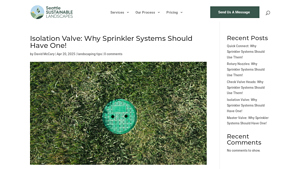
Introduction: Isolation Valve: A manually operated shut-off valve installed downstream of the irrigation system’s water source and upstream of the backflow prevention device. Purpose: Allows for shutting off water to the irrigation system without affecting water service to the home. Benefits: Simplifies maintenance and repairs, protects the backflow assembly, supports sustainable and safe water use. Installatio…
3. Reddit – Isolation Valve for Home Irrigation Systems

Domain: reddit.com
Registered: 2005 (20 years)
Introduction: Isolation valve is required for home irrigation systems in Texas, specifically located between the water meter and the backflow prevention assembly. The Texas Code was last amended in July 2020, and it is suggested that all new irrigation systems must include this valve. The builder should provide an as-built design for the irrigation system.
4. Flows – Manual Handle Solutions
Domain: flows.com
Registered: 1995 (30 years)
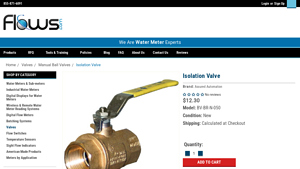
Introduction: This company, Flows – Manual Handle Solutions, is a notable entity in the market. For specific product details, it is recommended to visit their website directly.
5. Sprinkler Warehouse – Irrigation Valve Types
Domain: school.sprinklerwarehouse.com
Registered: 1999 (26 years)
Introduction: This article covers the identification of various types of irrigation valves and key terms involved. Lawn irrigation systems are classified as “Inline” or “Anti-Siphon.” Inline valves control or block flow by means of a mechanical obstruction activated manually or electronically, and can be installed anywhere without creating a visual nuisance. Anti-siphon valves are above ground, preventing sipho…
6. Sprinkler Supply Store – Automatic Irrigation Valves
Domain: sprinklersupplystore.com
Registered: 2010 (15 years)
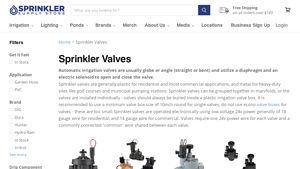
Introduction: Sprinkler valves are automatic irrigation valves that can be globe or angle (straight or bent) and utilize a diaphragm and an electric solenoid to open and close the valve. They are generally made of plastic for residential and most commercial applications, while metal is used for heavy-duty sites such as golf courses and municipal pumping stations.
Strategic Sourcing Conclusion and Outlook for irrigation isolation valve
What Are the Key Benefits of Strategic Sourcing for Irrigation Isolation Valves?
In today’s competitive landscape, effective strategic sourcing of irrigation isolation valves is crucial for ensuring operational efficiency and sustainability. By carefully selecting suppliers that provide high-quality, durable valves, businesses can minimize maintenance costs and enhance system reliability. Moreover, the right sourcing strategies can lead to significant savings and improved supply chain agility, especially in regions like Africa, South America, the Middle East, and Europe, where water management is increasingly vital.
How Can Businesses Future-Proof Their Irrigation Systems?
Investing in isolation valves not only simplifies maintenance but also protects critical components of the irrigation system, thereby extending its lifespan. These valves play a pivotal role in water conservation efforts, making them a smart choice for environmentally conscious companies. As global water scarcity becomes a pressing issue, the demand for efficient irrigation solutions will only increase.
What Steps Should International Buyers Take Next?
For international B2B buyers, the time to act is now. Engage with reputable suppliers who understand the unique challenges of your market and can offer tailored solutions. By prioritizing quality and sustainability in your procurement process, you position your business to thrive in an evolving landscape. Start your strategic sourcing journey today to secure a reliable and efficient irrigation system for the future.
 English (UK)
  English (United States)
  Spanish (Spain)
  Portuguese (Portugal)
  French
  German
  Italian
  Arabic
  Dutch
Dutch  Bulgarian
  Chinese (China)
  Chinese (Hong Kong)
  Czech
Czech  Danish
  Greek
Greek  Finnish
  Spanish (Mexico)
  Estonian
  Hebrew
  Hungarian
  Indonesian
  Japanese
  Korean
  Latvian
  Lithuanian
  Norwegian
  Polish
  Portuguese (Brazil)
  Romanian
  Russian
  Slovenian
  Slovak
  Swedish
  Turkish
  Ukrainian
  Vietnamese