
Introduction: Navigating the Global Market for agricultural irrigation pumps
Navigating the complexities of sourcing agricultural irrigation pumps can pose significant challenges for B2B buyers in diverse markets, particularly in regions such as Africa, South America, the Middle East, and Europe. With factors like varying climate conditions, water availability, and crop types influencing pump selection, international buyers must equip themselves with the right knowledge to make informed decisions. This guide offers a comprehensive overview of agricultural irrigation pumps, detailing various types, their applications, and critical considerations for supplier vetting and cost analysis.
As agricultural practices evolve, the demand for efficient and reliable irrigation systems has surged, making it essential for businesses to understand the nuances of pump technology. From centrifugal to submersible pumps, each type serves unique purposes, and selecting the right model can dramatically impact water management and crop yield. This guide not only outlines the specific applications of different pumps but also delves into the best practices for evaluating suppliers, ensuring that buyers can identify reputable partners who offer quality products tailored to their needs.
By providing actionable insights and expert recommendations, this resource empowers B2B buyers to navigate the global market confidently. Whether you are a farmer in Brazil looking to optimize irrigation efficiency or a distributor in Nigeria aiming to expand your product offerings, this guide will serve as an essential tool in your procurement strategy, ultimately enhancing agricultural productivity and sustainability.
Understanding agricultural irrigation pumps Types and Variations
| Type Name | Key Distinguishing Features | Primary B2B Applications | Brief Pros & Cons for Buyers |
|---|---|---|---|
| Centrifugal Pumps | High flow rates, efficient for large volumes, simple design | Crop irrigation, livestock watering, aquaculture | Pros: High efficiency, low maintenance. Cons: Less effective for high-viscosity liquids. |
| Power Take-Off (PTO) Pumps | Connects directly to tractors, portable, minimal setup | Flood irrigation, dewatering, water transfer | Pros: Easy integration with existing equipment. Cons: Requires a compatible tractor. |
| Submersible Pumps | Operates underwater, compact design, self-priming | Deep well irrigation, pond and lagoon applications | Pros: Space-saving, effective in tight spaces. Cons: Limited to specific depth ranges. |
| Diaphragm Pumps | Positive displacement, excellent for viscous or slurry liquids | Fertilizer application, pesticide mixing | Pros: Handles solids, great for precision. Cons: Slower flow rates compared to centrifugal. |
| Vertical Multistage Pumps | Multiple impellers for high pressure, compact footprint | High-pressure irrigation systems, industrial applications | Pros: Efficient for high-rise applications. Cons: More complex and expensive than other types. |
What are the Characteristics and Suitability of Centrifugal Pumps for Agricultural Use?
Centrifugal pumps are widely utilized in agriculture due to their ability to handle large volumes of water efficiently. They operate on a simple design, using rotational energy to move water, making them ideal for applications like crop irrigation and livestock watering. B2B buyers should consider the flow rate required for their specific agricultural needs, as centrifugal pumps can deliver hundreds to thousands of gallons per minute. Additionally, they are relatively low maintenance, which is crucial for operations looking to minimize downtime.
How Do Power Take-Off (PTO) Pumps Integrate into Agricultural Operations?
Power Take-Off (PTO) pumps are designed to connect directly to tractors, utilizing the tractor’s power to operate. This type of pump is particularly useful for farmers who already have tractor equipment, allowing for a seamless integration into existing operations. They are portable and require minimal setup, making them ideal for tasks such as flood irrigation and dewatering. Buyers should evaluate the compatibility of the PTO pump with their tractor and consider the power requirements to ensure optimal performance.
In What Situations are Submersible Pumps the Best Choice?
Submersible pumps are designed to operate underwater, making them well-suited for applications such as deep well irrigation and managing water in ponds or lagoons. Their compact design allows for installation in tight spaces, which can be advantageous for B2B buyers with limited room for equipment. When considering a submersible pump, it is important to assess the depth of the water source and the specific flow rate requirements, as these factors will influence the pump’s effectiveness.
What Benefits Do Diaphragm Pumps Offer for Agricultural Applications?
Diaphragm pumps are positive displacement pumps that excel in handling viscous fluids and slurries, making them ideal for applications like fertilizer application and pesticide mixing. They offer precision in flow control and can handle solids within the liquid, which is beneficial for various agricultural tasks. Buyers should consider the slower flow rates compared to centrifugal pumps, but the ability to manage challenging liquids can justify the choice for specific applications.
Why Choose Vertical Multistage Pumps for High-Pressure Needs?
Vertical multistage pumps feature multiple impellers that allow them to generate high pressure while maintaining a compact footprint. They are particularly effective in high-rise irrigation systems and industrial applications where space is at a premium. B2B buyers should be aware that while these pumps are efficient and powerful, they tend to be more complex and expensive than other pump types. Therefore, a thorough evaluation of the pressure requirements and budget constraints is essential before making a purchase decision.
Key Industrial Applications of agricultural irrigation pumps
| Industry/Sector | Specific Application of Agricultural Irrigation Pumps | Value/Benefit for the Business | Key Sourcing Considerations for this Application |
|---|---|---|---|
| Crop Production | Flood and Drip Irrigation | Enhances crop yield by ensuring optimal water delivery | Pump capacity, compatibility with irrigation systems |
| Livestock Farming | Water Supply for Livestock | Ensures consistent water availability for livestock | Durability, ease of maintenance, and power source |
| Aquaculture | Water Management for Fish Farms | Maintains optimal water quality and levels for fish | Efficiency, filtration capabilities, and portability |
| Waste Management | Sludge Removal from Animal Waste | Reduces environmental impact and enhances farm hygiene | Flow rate, suction capabilities, and material compatibility |
| Agricultural Research | Water Transfer for Experimental Fields | Supports diverse agricultural studies and innovations | Customization options, adaptability to different terrains |
How Are Agricultural Irrigation Pumps Used in Crop Production?
In crop production, agricultural irrigation pumps are essential for both flood and drip irrigation systems. These pumps facilitate the efficient distribution of water across large fields, ensuring that crops receive the necessary hydration for optimal growth. By addressing issues such as inconsistent water supply and drought conditions, these pumps contribute to increased crop yields. Buyers should consider pump capacity and compatibility with existing irrigation systems when sourcing to ensure seamless integration and operational efficiency.
What Role Do Agricultural Irrigation Pumps Play in Livestock Farming?
In livestock farming, agricultural irrigation pumps are crucial for ensuring a reliable water supply for animals. These pumps help transfer water from various sources to drinking troughs, promoting animal health and productivity. Additionally, they play a vital role in waste management by facilitating the removal of wastewater from animal housing areas. When sourcing pumps, farmers should prioritize durability, ease of maintenance, and compatibility with their existing infrastructure to minimize downtime and operational costs.
How Are Agricultural Irrigation Pumps Utilized in Aquaculture?
Aquaculture operations rely on agricultural irrigation pumps to manage water quality and levels in fish farming environments. These pumps enable the transfer of water to and from ponds, ensuring optimal conditions for fish growth and health. By solving challenges related to water stagnation and contamination, these pumps enhance the sustainability of aquaculture practices. Buyers in this sector should focus on efficiency, filtration capabilities, and portability to accommodate the dynamic nature of fish farming operations.
What is the Importance of Agricultural Irrigation Pumps in Waste Management?
In waste management, particularly in the context of livestock farming, agricultural irrigation pumps are employed to remove sludge and waste materials from animal enclosures. This application is critical for maintaining hygiene and reducing environmental pollution. By providing efficient removal solutions, these pumps help farms comply with environmental regulations and promote sustainable practices. When sourcing, farmers should consider flow rate, suction capabilities, and the pump’s compatibility with various waste materials to ensure effective operation.
How Do Agricultural Irrigation Pumps Support Agricultural Research?
Agricultural research facilities utilize irrigation pumps for water transfer in experimental fields, supporting diverse studies on crop performance, soil health, and irrigation techniques. These pumps enable researchers to simulate various watering conditions and assess their effects on crop yield and quality. Customization options and adaptability to different terrains are key considerations for buyers in this sector, allowing them to tailor solutions that meet specific research needs and enhance the validity of their findings.
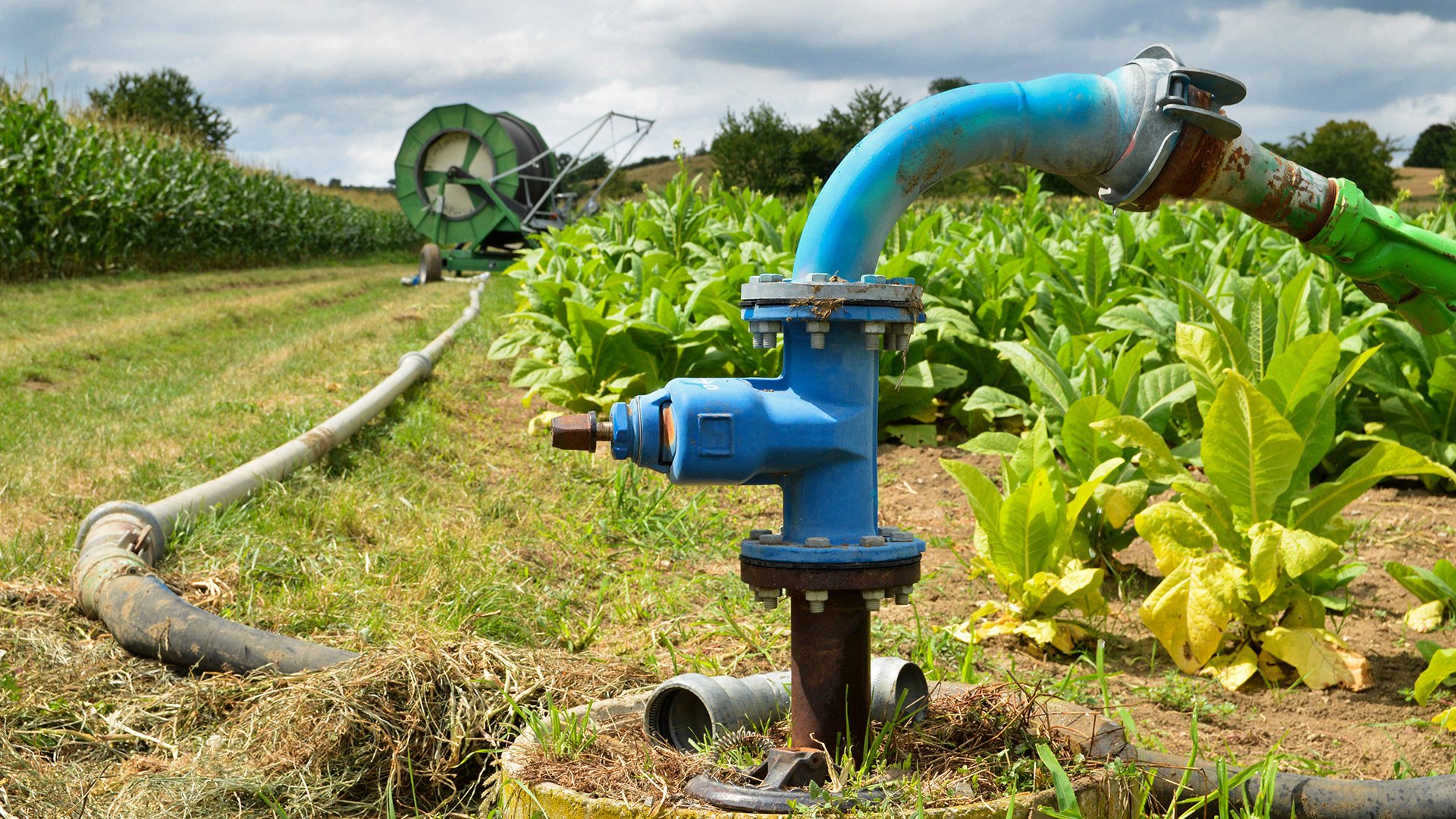
A stock image related to agricultural irrigation pumps.
3 Common User Pain Points for ‘agricultural irrigation pumps’ & Their Solutions
Scenario 1: Inefficient Water Distribution Across Large Fields
The Problem: In many regions, especially in Africa and South America, agricultural businesses often face the challenge of uneven water distribution due to the size of their fields. This can lead to certain areas being overwatered while others remain dry, adversely affecting crop yields and creating inefficiencies in water usage. Buyers may struggle to find an irrigation pump that can effectively cover vast areas while maintaining a consistent flow rate.
The Solution: To address this issue, buyers should consider investing in high-capacity centrifugal pumps designed specifically for large-scale irrigation. When sourcing these pumps, it’s crucial to assess the total dynamic head (TDH) required for the operation, which includes elevation changes and friction losses in the irrigation system. Pumps with adjustable flow rates can be particularly beneficial, allowing operators to tailor water distribution based on real-time needs. Additionally, implementing a drip irrigation system in conjunction with these pumps can optimize water usage, ensuring that water reaches the root zones of crops more efficiently. Regular maintenance checks on the pumps and irrigation lines will help identify and rectify issues before they escalate, ensuring consistent performance.
Scenario 2: Frequent Clogging and Maintenance Issues
The Problem: Agricultural pumps, particularly those used in regions with high sediment or organic matter in the water, often face clogging issues. For instance, farmers in the Middle East might encounter frequent disruptions due to pumps being blocked by debris, leading to costly downtime and a significant impact on crop irrigation schedules. The need for regular maintenance can strain resources and expertise, especially in remote areas.
The Solution: To combat clogging, buyers should prioritize pumps equipped with robust filtration systems or self-cleaning capabilities. When selecting an irrigation pump, look for models that can handle solids without compromising performance, such as those with larger intake screens or built-in shredders. Additionally, implementing pre-filtration systems or sediment traps before the pump can significantly reduce the risk of clogging. Training staff on routine maintenance practices, such as cleaning filters and inspecting hoses, can further mitigate issues. Engaging with suppliers who offer comprehensive service contracts and technical support can also ensure that any problems are resolved quickly, minimizing downtime.
Scenario 3: High Energy Consumption and Costs
The Problem: As energy costs rise globally, many agricultural operations are feeling the pinch from the high energy consumption of their irrigation systems. For instance, B2B buyers in Europe may find that traditional pumps are not energy-efficient, leading to inflated operational costs that eat into their profits. This challenge is particularly pressing for those running multiple irrigation systems across different locations.
The Solution: To enhance energy efficiency, buyers should consider investing in variable frequency drives (VFDs) that can adjust the pump speed according to the irrigation requirements. This technology allows for significant energy savings by reducing the pump’s power consumption when full capacity is not needed. Additionally, selecting pumps with high-efficiency ratings (above 80% efficiency) can further decrease energy costs. It’s also advisable to explore solar-powered options, especially in regions with abundant sunlight, as this can provide a sustainable and cost-effective energy source. Lastly, conducting a thorough energy audit can help identify inefficiencies in existing systems and guide the selection of new pumps that align with energy-saving goals.
By addressing these pain points with targeted solutions, B2B buyers can optimize their agricultural irrigation pump systems, ensuring efficient water management and cost-effective operations.
Strategic Material Selection Guide for agricultural irrigation pumps
What Are the Key Materials Used in Agricultural Irrigation Pumps?
When selecting agricultural irrigation pumps, the choice of materials significantly influences performance, durability, and cost-effectiveness. Understanding the properties and implications of each material can guide international B2B buyers in making informed decisions.
How Does Stainless Steel Perform in Agricultural Irrigation Pumps?
Stainless steel is a popular choice for agricultural irrigation pumps due to its excellent corrosion resistance and high strength. It can withstand a wide range of temperatures and pressures, making it suitable for various applications, including those involving saline or chemically aggressive water sources. The durability of stainless steel ensures a long service life, reducing maintenance costs.
Pros: Stainless steel pumps are highly durable and resistant to rust and corrosion, which is crucial in environments with high moisture levels. They also have a relatively low maintenance requirement.
Cons: The primary drawback is the higher initial cost compared to other materials like plastic or cast iron. Additionally, manufacturing processes for stainless steel can be more complex, potentially leading to longer lead times.
Impact on Application: Stainless steel is compatible with various media, including freshwater and slightly saline water, making it ideal for diverse agricultural settings.
Considerations for International Buyers: Compliance with international standards like ASTM and DIN is essential, especially for buyers in regions like Africa and South America, where local regulations may vary. Buyers should also consider the availability of stainless steel in their local markets.
What Role Does Cast Iron Play in Agricultural Irrigation Pumps?
Cast iron is another widely used material in agricultural irrigation pumps, known for its strength and ability to handle high pressures. It is particularly effective in stationary applications where durability is paramount.
Pros: Cast iron pumps are robust and can handle high flow rates, making them suitable for large-scale irrigation systems. They are also generally less expensive than stainless steel options.
Cons: However, cast iron is prone to corrosion, especially when exposed to water with high acidity or salinity. This can lead to increased maintenance costs over time.
Impact on Application: Cast iron is best suited for freshwater applications. Its limitations in corrosive environments mean that buyers should assess the water quality before selection.
Considerations for International Buyers: Buyers should be aware of local corrosion standards and consider protective coatings to enhance longevity in challenging environments, particularly in tropical regions.
How Do Plastics Compare in Agricultural Irrigation Pump Manufacturing?
Plastic materials, such as polypropylene and PVC, are increasingly being used in agricultural irrigation pumps due to their lightweight nature and resistance to corrosion.
Pros: Plastic pumps are typically less expensive and easier to manufacture, which can lead to lower costs for buyers. They are also resistant to many chemicals, making them suitable for diverse applications.
Cons: The primary limitation is their lower strength compared to metals, which can affect their performance under high pressure or temperature conditions. They may also have a shorter lifespan in high-demand applications.
Impact on Application: Plastic pumps are ideal for low-pressure applications and are often used in smaller irrigation systems or for transferring non-abrasive liquids.
Considerations for International Buyers: Buyers should ensure that the plastics used comply with local agricultural standards, especially in regions with stringent regulations regarding materials in contact with water sources.
What About Bronze as a Material for Agricultural Irrigation Pumps?
Bronze, particularly in the form of brass or aluminum bronze, offers a unique combination of strength and corrosion resistance, making it suitable for various agricultural applications.
Pros: Bronze pumps are highly resistant to corrosion and wear, especially in marine or saline environments. They also have good thermal conductivity, which can be beneficial in certain applications.
Cons: The main disadvantage is the higher cost compared to cast iron and plastic options. Additionally, bronze can be heavier, which may affect portability.
Impact on Application: Bronze is particularly effective in applications involving saline water, making it a preferred choice for coastal agricultural operations.
Considerations for International Buyers: Buyers should verify that bronze pumps meet relevant international standards, as well as consider the availability of bronze in their local markets.
Summary Table of Material Selection for Agricultural Irrigation Pumps
| Material | Typical Use Case for agricultural irrigation pumps | Key Advantage | Key Disadvantage/Limitation | Relative Cost (Low/Med/High) |
|---|---|---|---|---|
| Stainless Steel | High-pressure applications, saline water sources | Excellent corrosion resistance | Higher initial cost | High |
| Cast Iron | Large-scale irrigation systems | Robust and high flow capability | Prone to corrosion | Med |
| Plastic | Low-pressure, small irrigation systems | Lightweight and cost-effective | Lower strength and durability | Low |
| Bronze | Saline water applications | High corrosion resistance | Higher cost and weight | Med |
This strategic material selection guide provides insights that can help international B2B buyers make informed decisions tailored to their specific agricultural irrigation needs.
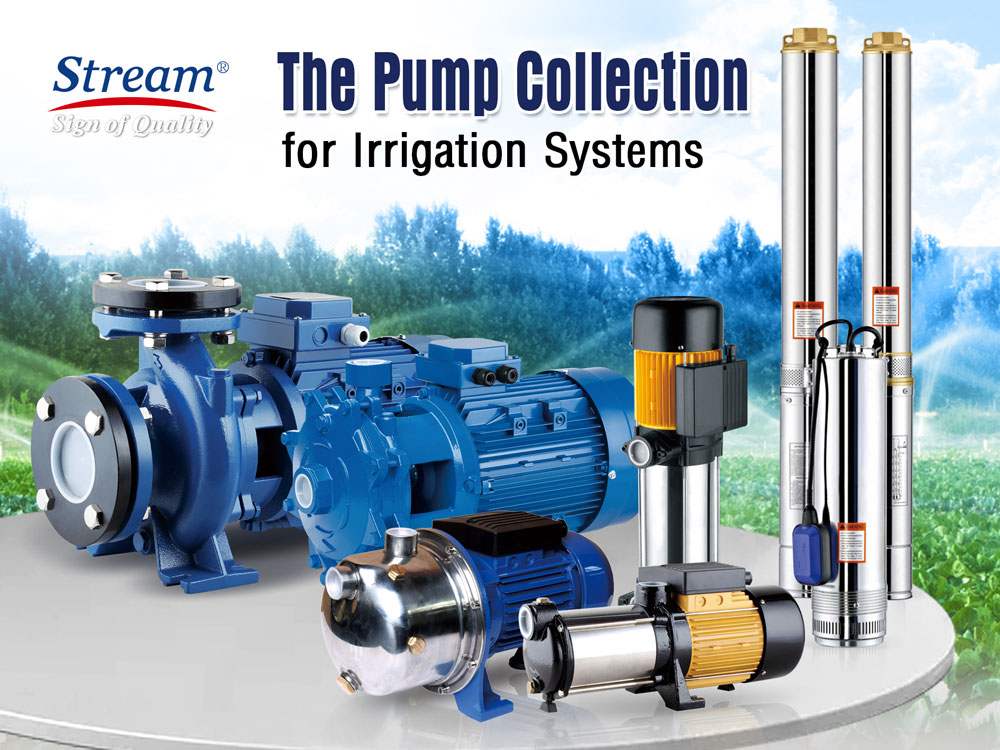
A stock image related to agricultural irrigation pumps.
In-depth Look: Manufacturing Processes and Quality Assurance for agricultural irrigation pumps
What Are the Key Stages in the Manufacturing Process of Agricultural Irrigation Pumps?
The manufacturing of agricultural irrigation pumps involves several crucial stages, each designed to ensure the final product meets the rigorous demands of agricultural operations. Here’s a breakdown of the main stages:
Material Preparation: What Materials Are Used and How Are They Prepared?
The first step in manufacturing irrigation pumps is material preparation. Common materials include stainless steel, cast iron, and various polymers, selected for their durability and resistance to corrosion. The materials are sourced from certified suppliers who provide documentation of their quality standards.
Preparation involves cutting, machining, and treating the materials to achieve the desired properties. Techniques like heat treatment may be applied to enhance strength and durability. For example, stainless steel components may undergo passivation to increase corrosion resistance.
How Are Agricultural Irrigation Pumps Formed?
Once the materials are prepared, the forming stage begins. This involves shaping the materials into specific components through techniques such as casting, forging, and machining.
- Casting is commonly used for creating complex shapes, particularly for pump housings and impellers. This process allows for the production of intricate designs that can enhance performance and efficiency.
- Machining is utilized to achieve precise dimensions and surface finishes, ensuring that components fit together perfectly. CNC (Computer Numerical Control) machines are often employed for this purpose, providing high accuracy and repeatability.
What Happens During the Assembly Process?
The assembly stage is where all the components come together to create the final pump. This involves several key steps:
- Component Integration: Individual parts like the motor, impeller, and casing are assembled, often with the aid of robotic systems for precision.
- Sealing and Gasketing: Appropriate seals and gaskets are installed to prevent leaks, ensuring that the pump operates efficiently under various pressures.
- Quality Checks: Each assembly line typically has checkpoints where components are inspected for defects before moving to the next stage.
What Quality Assurance Measures Are Implemented in the Manufacturing Process?
Quality assurance (QA) is critical in ensuring that agricultural irrigation pumps meet international and industry-specific standards. Here are the key aspects of QA in the manufacturing process:
Which International Standards Should Buyers Be Aware Of?
Manufacturers of agricultural irrigation pumps often adhere to international standards such as:
- ISO 9001: This standard focuses on quality management systems, ensuring that manufacturers consistently meet customer and regulatory requirements.
- CE Marking: In Europe, CE marking indicates conformity with health, safety, and environmental protection standards.
- API Standards: The American Petroleum Institute (API) provides guidelines that some manufacturers may follow, particularly for pumps used in oil and gas applications.
These certifications can help B2B buyers gauge the reliability and quality of pumps from different suppliers.
What Are the Key Quality Control Checkpoints?
Quality control (QC) typically encompasses several checkpoints throughout the manufacturing process:
- Incoming Quality Control (IQC): Raw materials are inspected upon arrival to ensure they meet specified standards.
- In-Process Quality Control (IPQC): Regular inspections are conducted during the manufacturing process to catch defects early.
- Final Quality Control (FQC): The completed pumps undergo rigorous testing, including pressure tests and performance evaluations, to ensure they meet operational specifications.
What Testing Methods Are Commonly Used?
Manufacturers employ various testing methods to verify pump performance and durability:
- Hydraulic Testing: Pumps are tested under simulated operating conditions to ensure they can handle the required flow rates and pressures.
- Vibration Analysis: This technique helps detect potential mechanical issues by analyzing the vibration patterns of the pump during operation.
- Material Testing: Tests such as tensile strength and fatigue testing assess the materials’ performance under stress.
How Can B2B Buyers Verify Supplier Quality Control?
B2B buyers must be proactive in verifying the quality control measures of their suppliers. Here are actionable strategies:
What Steps Can Buyers Take to Conduct Supplier Audits?
Conducting supplier audits is an effective way to assess a manufacturer’s quality assurance processes. Buyers should:
- Request Documentation: Suppliers should provide quality management system documentation, including ISO certifications and internal QC processes.
- On-Site Audits: If feasible, arrange for on-site visits to observe the manufacturing and QC processes firsthand.
- Third-Party Inspections: Engage independent inspection agencies to evaluate the supplier’s operations and product quality.
How Important Are Quality Reports and Certifications?
Regular quality reports from suppliers can provide insights into their QC performance. Buyers should:
- Review QC Metrics: Look for metrics related to defect rates, warranty claims, and customer satisfaction.
- Check Certifications: Ensure that the supplier maintains relevant certifications and that they are up-to-date.
What Are the Unique QC Considerations for International Buyers?
When sourcing from international manufacturers, especially in regions like Africa, South America, the Middle East, and Europe, buyers should consider:
- Regulatory Compliance: Different countries may have varying regulations regarding pump standards. Ensure that suppliers comply with local laws as well as international standards.
- Cultural and Logistical Factors: Understand the cultural context and logistical challenges that may affect production timelines and quality. Building relationships with suppliers can facilitate better communication and quality assurance.
- Adaptation to Local Conditions: Ensure that the pumps are designed to withstand local environmental conditions, such as temperature variations and water quality issues.
By understanding these manufacturing processes and quality assurance measures, B2B buyers can make informed decisions when selecting agricultural irrigation pumps, ensuring they invest in high-quality, reliable equipment that meets their operational needs.
Practical Sourcing Guide: A Step-by-Step Checklist for ‘agricultural irrigation pumps’
Introduction
Sourcing agricultural irrigation pumps requires careful consideration to ensure that the selected equipment meets operational demands and aligns with regional conditions. This checklist provides a structured approach for B2B buyers, particularly those in diverse markets like Africa, South America, the Middle East, and Europe, to make informed procurement decisions.
Step 1: Define Your Technical Specifications
Establishing clear technical specifications is crucial for selecting the right pump for your irrigation needs. Consider factors such as flow rate, total dynamic head, and the type of water source available. This clarity will help narrow down options that are best suited for your specific agricultural practices.
- Flow Rate: Determine the volume of water required per minute or hour for effective irrigation.
- Total Dynamic Head: Assess the vertical lift and friction losses in the system to ensure the pump can perform under actual conditions.
Step 2: Assess the Types of Pumps Available
Understanding the various types of agricultural irrigation pumps is vital to matching them with your needs. Options range from centrifugal pumps to submersible and PTO pumps, each with unique advantages depending on the application.
- Centrifugal Pumps: Ideal for high flow rates and can be used in surface water applications.
- Submersible Pumps: Suitable for deep water sources and can operate efficiently underwater.
Step 3: Evaluate Supplier Certifications
Verify that potential suppliers hold the necessary certifications and comply with international quality standards. This step is essential to ensure that the pumps meet safety, efficiency, and environmental regulations.
- ISO Certification: Look for suppliers with ISO 9001 or other relevant certifications, indicating adherence to quality management principles.
- Regional Compliance: Ensure that the pumps meet local regulatory requirements for agricultural equipment.
Step 4: Inquire About Warranty and After-Sales Support
A robust warranty and reliable after-sales service are indicators of a supplier’s confidence in their product quality. Inquire about the terms of warranties offered and the support available for maintenance and repairs.
- Warranty Duration: A longer warranty period can provide peace of mind regarding product durability.
- Service Availability: Check if the supplier offers local service centers or remote support to address any operational issues.
Step 5: Request Case Studies and References
Before finalizing your supplier, request case studies or references from similar agricultural operations. This information can provide insights into the supplier’s reliability and the performance of their pumps in real-world conditions.
- User Testimonials: Seek feedback from existing customers in your region or industry to gauge satisfaction levels.
- Performance Metrics: Ask for data on pump efficiency and reliability in comparable applications.
Step 6: Compare Pricing and Total Cost of Ownership
While initial pricing is important, understanding the total cost of ownership (TCO) is crucial for long-term investment decisions. Consider factors such as installation costs, maintenance, energy consumption, and potential downtime.
- Installation Costs: Factor in any additional expenses related to setup and integration with existing systems.
- Energy Efficiency: Evaluate the pump’s energy consumption to estimate ongoing operational costs.
Step 7: Negotiate Terms and Place Your Order
Once you have evaluated all aspects, engage in negotiations to secure favorable terms for your purchase. Discuss payment options, delivery timelines, and any additional services that may be included.
- Flexible Payment Options: Explore payment plans that suit your cash flow needs.
- Delivery and Installation: Confirm the expected delivery date and whether the supplier offers installation services to ensure a smooth setup process.
By following this checklist, B2B buyers can systematically approach the procurement of agricultural irrigation pumps, ensuring they make informed choices that enhance operational efficiency and productivity.
Comprehensive Cost and Pricing Analysis for agricultural irrigation pumps Sourcing
What Are the Key Cost Components in Sourcing Agricultural Irrigation Pumps?
When sourcing agricultural irrigation pumps, understanding the cost structure is crucial for effective budgeting and decision-making. The primary cost components include materials, labor, manufacturing overhead, tooling, quality control (QC), logistics, and supplier margin.
Materials: The choice of materials significantly impacts cost. Pumps made from stainless steel or high-grade plastics are typically more expensive due to their durability and resistance to corrosion. Conversely, lower-grade materials may reduce initial costs but could lead to higher maintenance expenses in the long run.
Labor: Labor costs vary based on the region and the complexity of the manufacturing process. Regions with lower labor costs may offer competitive pricing, but this can sometimes compromise quality.
Manufacturing Overhead: This includes costs associated with factory operations, such as utilities and maintenance. Efficient manufacturing processes can help minimize these costs, directly influencing the final price of the pumps.
Tooling: Custom tooling for specific pump designs can add to initial costs. However, this investment often pays off through increased efficiency and reduced production time in the long run.
Quality Control (QC): Implementing rigorous QC processes ensures that pumps meet industry standards and certifications. While this may increase upfront costs, it ultimately reduces the risk of product failure and associated costs.
Logistics: Transportation costs can vary widely based on the distance from the manufacturer to the buyer, as well as shipping methods. Buyers should consider these logistics costs when evaluating suppliers.
Margin: Supplier margin is the profit added to the cost of production. Understanding the supplier’s pricing strategy can help buyers negotiate better terms.
How Do Price Influencers Affect Agricultural Irrigation Pump Costs?
Several factors influence the pricing of agricultural irrigation pumps, which are particularly relevant for international buyers.
Volume/MOQ: Purchasing in bulk often leads to discounted pricing. Buyers should assess their needs to determine the optimal order quantity that balances cost savings with storage capabilities.
Specifications and Customization: Customized pumps tailored to specific agricultural needs typically incur higher costs. Buyers should carefully evaluate whether customization is necessary or if standard models would suffice.
Materials and Quality Certifications: Pumps that meet international quality standards and certifications often command higher prices. Buyers should assess the long-term benefits of investing in certified products against their budget constraints.
Supplier Factors: Supplier reputation, experience, and support services can affect pricing. Established suppliers may charge more for their products but often provide better after-sales support and warranties.
Incoterms: Understanding the delivery terms (Incoterms) is crucial for international purchases. These terms dictate the responsibilities of buyers and sellers regarding shipping, insurance, and tariffs, which can significantly impact total costs.
What Tips Can Buyers Use to Negotiate and Achieve Cost Efficiency?
For B2B buyers, especially from regions like Africa, South America, the Middle East, and Europe, effective negotiation and cost efficiency are key to successful procurement.
Negotiation Strategies: Always approach negotiations with a clear understanding of your budget and the competitive landscape. Highlighting your long-term purchasing potential can incentivize suppliers to offer better terms.
Total Cost of Ownership (TCO): Focus on TCO rather than just initial purchase price. Consider maintenance, operational efficiency, and durability when evaluating pump options. A more expensive pump may prove cost-effective over its lifespan.
Pricing Nuances for International Buyers: Be aware of currency fluctuations, import duties, and local regulations that can impact overall costs. Conducting thorough market research can help mitigate unexpected expenses.
Supplier Relationships: Building strong relationships with suppliers can lead to better pricing, improved service, and potential customization options. Regular communication and trust can foster long-term partnerships.
Disclaimer on Indicative Prices
Prices for agricultural irrigation pumps can vary widely based on specifications, supplier location, and market demand. The figures provided in sourcing discussions are indicative and should be validated through direct supplier inquiries to ensure accuracy.
Alternatives Analysis: Comparing agricultural irrigation pumps With Other Solutions
Understanding Alternative Solutions for Agricultural Irrigation
In the quest for efficient agricultural practices, understanding alternative solutions to traditional irrigation pumps is essential. While agricultural irrigation pumps are a cornerstone for water management in farming, other technologies and methods exist that can also fulfill irrigation needs. This section provides a comparative analysis of agricultural irrigation pumps against two viable alternatives: surface irrigation systems and drip irrigation technology.
Comparison Table
| Comparison Aspect | Agricultural Irrigation Pumps | Surface Irrigation Systems | Drip Irrigation Technology |
|---|---|---|---|
| Performance | High capacity; suitable for large-scale operations | Variable; depends on topography and water availability | Highly efficient; minimizes water wastage |
| Cost | Moderate to high initial investment; ongoing operational costs | Low initial cost; potential high labor costs | High initial setup cost; low operational costs |
| Ease of Implementation | Requires technical expertise for installation and maintenance | Relatively easy to implement; requires land grading | Complex installation; requires planning and design |
| Maintenance | Regular maintenance needed; parts replacement essential | Low maintenance; occasional checks on canals | Low maintenance; infrequent system checks |
| Best Use Case | Large farms needing quick water transfer; versatile applications | Flat terrains; suitable for crops that can tolerate standing water | Water-sensitive crops; areas with limited water supply |
In-Depth Analysis of Alternative Solutions
Surface Irrigation Systems
Surface irrigation involves distributing water across the land’s surface, utilizing gravity to move water from higher to lower areas. This method is cost-effective, particularly for large plots of land, and requires minimal technology. However, its efficiency is highly dependent on the terrain and can lead to waterlogging in poorly drained soils. Moreover, labor costs can rise significantly due to the need for land grading and maintenance of canals, making it less suitable for high-value crops that require precise water management.
Drip Irrigation Technology
Drip irrigation delivers water directly to the plant’s root zone through a network of tubing and emitters. This method is highly efficient, reducing water waste and ensuring that crops receive the right amount of moisture. While the initial setup costs can be substantial due to the need for specialized materials and design, the long-term operational costs are lower. Drip irrigation systems require careful planning and design to ensure even distribution, making them more complex to implement than surface irrigation systems. However, they are ideal for water-scarce regions and high-value crops, providing significant returns on investment through increased yields and reduced water usage.
Conclusion: How to Choose the Right Irrigation Solution
When selecting the right irrigation solution, B2B buyers must assess their specific agricultural needs, including crop types, land conditions, and water availability. Agricultural irrigation pumps are excellent for large-scale operations requiring high water transfer rates. In contrast, surface irrigation may be suitable for flatter terrains with less water precision needed. Drip irrigation, while more complex and costly upfront, offers unparalleled efficiency for high-value crops in water-limited environments. Ultimately, the choice should align with the operational goals and resource availability of the agricultural business, ensuring a sustainable and productive irrigation strategy.
Essential Technical Properties and Trade Terminology for agricultural irrigation pumps
What Are the Key Technical Properties of Agricultural Irrigation Pumps?
When selecting agricultural irrigation pumps, understanding critical specifications is essential for making informed purchasing decisions. Here are several key technical properties to consider:
Flow Rate (GPH or GPM)
The flow rate indicates how much water a pump can move, measured in gallons per hour (GPH) or gallons per minute (GPM). For agricultural applications, higher flow rates are crucial for efficiency, especially when irrigating large fields or transferring water across significant distances. Understanding flow rate helps buyers match pump capacity to their specific irrigation needs.Total Dynamic Head (TDH)
Total Dynamic Head refers to the total height a pump can lift water, considering both vertical lift and friction losses in the system. This specification is critical for determining if a pump can deliver water effectively to its intended location. A pump with insufficient TDH may lead to inadequate water supply, which can adversely affect crop yields.Material Grade
The material of construction (e.g., stainless steel, cast iron, or thermoplastics) affects a pump’s durability, resistance to corrosion, and overall lifespan. For instance, stainless steel pumps are ideal for applications involving saline or acidic water. Selecting the right material ensures longevity and reduces maintenance costs, which is particularly important for B2B buyers operating in harsh environments.Power Source
Pumps can be powered by electricity, diesel engines, or through power take-off (PTO) systems from tractors. Understanding the power source is vital for compatibility with existing agricultural equipment and for assessing operational costs. For example, PTO pumps are popular for their ease of use and efficiency but require compatible tractors.Portability and Mounting Options
Many agricultural pumps come with different mounting options, such as trailer-mounted or three-point hitch configurations. Portability is essential for farmers who need to move equipment between various sites. Buyers should consider the operational flexibility offered by different mounting options to optimize their irrigation strategy.Efficiency Rating
Efficiency ratings indicate how effectively a pump converts energy into hydraulic power, often expressed as a percentage. Higher efficiency means lower operating costs and reduced energy consumption. For B2B buyers, investing in energy-efficient pumps can lead to significant cost savings over time.
What Are Common Trade Terms in Agricultural Irrigation Pumps?
Understanding industry jargon is crucial for effective communication and negotiation in the agricultural pump market. Here are several common terms:
OEM (Original Equipment Manufacturer)
OEM refers to companies that produce components or equipment that may be marketed by another manufacturer. In the context of irrigation pumps, OEMs often provide custom-designed pumps tailored to specific agricultural needs, ensuring compatibility and performance.MOQ (Minimum Order Quantity)
MOQ is the smallest number of units that a supplier is willing to sell. For B2B buyers, knowing the MOQ is essential for budgeting and inventory planning, particularly when sourcing pumps for large-scale agricultural operations.RFQ (Request for Quotation)
An RFQ is a document sent to suppliers to solicit price quotes for specific products or services. This process allows buyers to compare costs and features effectively. Crafting a detailed RFQ can help ensure that suppliers provide accurate and competitive pricing.Incoterms (International Commercial Terms)
Incoterms define the responsibilities of buyers and sellers in international trade, including shipping costs, insurance, and risks. Familiarity with these terms is crucial for B2B buyers engaged in cross-border transactions, as they clarify obligations and help avoid disputes.Lead Time
Lead time is the period between placing an order and receiving the product. For agricultural operations that depend on timely irrigation, understanding lead times can help in planning and ensuring that equipment is available when needed.Warranty
A warranty is a promise from the manufacturer regarding the performance and reliability of a product. For B2B buyers, evaluating warranty terms can provide insights into the quality and longevity of the pump, influencing purchasing decisions.
By understanding these essential properties and terminology, B2B buyers can make more informed decisions when selecting agricultural irrigation pumps, ensuring that they meet their operational needs efficiently and effectively.
Navigating Market Dynamics and Sourcing Trends in the agricultural irrigation pumps Sector
Global drivers in the agricultural irrigation pumps market are increasingly influenced by the need for efficient water management in response to climate change, population growth, and food security concerns. As regions such as Africa and South America grapple with water scarcity and inconsistent rainfall patterns, the demand for reliable irrigation solutions is on the rise. The shift towards precision agriculture is also driving the adoption of advanced irrigation technologies, including automated and smart irrigation systems. These innovations not only enhance productivity but also optimize water usage, aligning with sustainable agricultural practices.
Emerging trends in B2B technology sourcing include the integration of IoT (Internet of Things) in irrigation systems, enabling real-time monitoring and data analytics for better decision-making. Buyers are increasingly seeking pumps that can seamlessly integrate with existing agricultural equipment, ensuring compatibility and reducing operational costs. Additionally, the rise of e-commerce platforms is transforming the purchasing landscape, allowing international buyers to access a broader range of products and suppliers with ease. This shift is particularly significant for buyers in regions like Nigeria and Brazil, where logistical challenges can impede traditional sourcing methods.
What is the Importance of Sustainability & Ethical Sourcing in Agricultural Irrigation Pumps?
As environmental concerns take center stage, sustainability in the agricultural irrigation pump sector is paramount. The production and operation of these pumps can have significant ecological impacts, including water pollution and energy consumption. Therefore, international B2B buyers are increasingly prioritizing suppliers who adopt sustainable practices, such as using energy-efficient motors and materials with lower environmental footprints.
Ethical sourcing is also gaining traction, with companies looking for suppliers that adhere to fair labor practices and transparent supply chains. Certifications such as ISO 14001 (Environmental Management) and other ‘green’ certifications signify a commitment to sustainable practices. Buyers should actively seek out pumps made from recyclable materials or those that employ manufacturing processes with minimal waste. This focus on sustainability not only meets regulatory demands but also aligns with the growing consumer preference for environmentally responsible products.
How Has the Agricultural Irrigation Pumps Sector Evolved Over Time?
The evolution of agricultural irrigation pumps can be traced back to the early mechanical devices designed for manual water lifting. Over the decades, advancements in technology have transformed these pumps into highly efficient, automated systems capable of managing vast water resources. The introduction of centrifugal pumps revolutionized irrigation, allowing for higher flow rates and easier operation.
In recent years, innovation has accelerated with the incorporation of digital technologies, enabling features such as remote monitoring and automated controls. This evolution reflects a broader trend toward smart agriculture, where data-driven insights are leveraged to maximize efficiency and crop yields. As the agricultural landscape continues to change, suppliers and buyers alike must stay informed about these developments to make strategic sourcing decisions that align with future needs.
Frequently Asked Questions (FAQs) for B2B Buyers of agricultural irrigation pumps
How do I choose the right agricultural irrigation pump for my needs?
Selecting the appropriate irrigation pump involves assessing several key factors: the water source, desired flow rate, total dynamic head (TDH), and the specific application. For example, pumps for small fields adjacent to water sources differ significantly from those that must transport water over long distances. Consider the type of irrigation system you plan to use, such as flood or drip irrigation, and ensure compatibility with existing equipment. Consulting with suppliers about your operational requirements can also lead to tailored recommendations.What are the common types of agricultural irrigation pumps?
The most common types of agricultural irrigation pumps include centrifugal pumps, submersible pumps, and power take-off (PTO) pumps. Centrifugal pumps are versatile and suitable for various applications, while submersible pumps are ideal for deep-water sources. PTO pumps connect directly to tractors, providing an efficient solution for farmers with existing machinery. Each type has unique advantages, so understanding your specific irrigation needs is essential for making the right choice.What is the typical lifespan of agricultural irrigation pumps?
The lifespan of an agricultural irrigation pump can vary widely based on the type, usage, and maintenance. Generally, high-quality pumps can last anywhere from 10 to 25 years with proper care. Regular maintenance, such as lubrication, inspection for wear and tear, and timely repairs, can significantly extend the lifespan. Choosing pumps with durable materials and reliable designs, such as those featuring corrosion resistance, can also enhance longevity.What factors should I consider when vetting suppliers for agricultural pumps?
When evaluating suppliers, consider their experience, product quality, and customer service. Look for manufacturers with a proven track record in agricultural applications and positive client testimonials. Ensure that they offer comprehensive after-sales support, including maintenance services and warranty options. It’s also beneficial to assess their ability to provide customization options and their responsiveness to inquiries, which can indicate their commitment to customer satisfaction.What are the common payment terms for purchasing agricultural irrigation pumps internationally?
International payment terms for agricultural pumps often vary by supplier but typically include options like letters of credit, advance payments, or payment upon delivery. Established suppliers may offer more flexible terms, such as net 30 or net 60 days. It’s crucial to clarify payment conditions upfront to avoid any misunderstandings. Additionally, consider discussing currency options to mitigate exchange rate risks.How can I ensure quality assurance for the pumps I purchase?
To ensure quality assurance, request certifications and compliance documents from suppliers, such as ISO or CE certifications. Inquire about their manufacturing processes and quality control measures. It’s also advisable to ask for product samples or visit their facilities if possible. Establishing a clear communication channel for reporting issues and receiving technical support can further enhance your assurance of product quality.What are the logistics considerations when importing agricultural irrigation pumps?
Logistics considerations include shipping methods, import duties, and delivery timelines. Assess the best shipping options based on your location and urgency, whether by sea, air, or land. Understand the customs regulations in your country to avoid unexpected delays or costs. Collaborating with a logistics partner familiar with agricultural equipment imports can streamline the process and ensure compliance with all regulatory requirements.Can I customize my agricultural irrigation pump to meet specific needs?
Yes, many manufacturers offer customization options for agricultural irrigation pumps. This can include modifications to pump size, materials, and power sources to suit unique operational requirements. When discussing customization, be clear about your specific needs and any constraints, such as compatibility with existing systems or environmental conditions. Engaging with suppliers early in the design process can help facilitate tailored solutions that enhance efficiency and performance.
Important Disclaimer & Terms of Use
⚠️ Important Disclaimer
The information provided in this guide, including content regarding manufacturers, technical specifications, and market analysis, is for informational and educational purposes only. It does not constitute professional procurement advice, financial advice, or legal advice.
While we have made every effort to ensure the accuracy and timeliness of the information, we are not responsible for any errors, omissions, or outdated information. Market conditions, company details, and technical standards are subject to change.
B2B buyers must conduct their own independent and thorough due diligence before making any purchasing decisions. This includes contacting suppliers directly, verifying certifications, requesting samples, and seeking professional consultation. The risk of relying on any information in this guide is borne solely by the reader.
Top 5 Agricultural Irrigation Pumps Manufacturers & Suppliers List
1. GATOR – Portable Pumping Solutions
Domain: gatorpump.com
Registered: 1999 (26 years)
Introduction: GATOR Pumps are designed for agricultural producers, providing portable and reliable solutions for various pumping operations. Key applications include crop irrigation (flood and row), dewatering of crops, dairy and hog waste management, tail-water reuse, dredging water intakes, harvesting of peat bogs, cleaning of ponds or lagoons, aquatic weed control, and high-volume water transfers. The pumps …
2. Pump Stop Online – Key Products
Domain: pumpstoponline.com
Introduction: Key products include: 1. Water Pressure Booster Pump 15 GPM – FBSMS05 15G30P – Pearl, Original price: $1,460.00, Current price: $1,022.00, 30% off. 2. Irrigation Jet Pump for Shallow Wells – Model IRONJ, Sale price from $989.00. 3. Centrifugal Irrigation / Sprinkler Water Pump – Model THOR, Sale price from $990.00. 4. Water Pressure Booster Pump 17 GPM – FBSMS07 17G40P – Pearl, Original price: $1,…
3. Gorman-Rupp – Irrigation Pumps
Domain: grpumps.com
Registered: 2000 (25 years)
Introduction: Gorman-Rupp has manufactured irrigation pumps since the early 1930’s, developing a line of pumping equipment that has become a standard for the industry. They offer a full selection of models for animal waste and pit agitation, irrigation, liquid fertilizer, as well as basic utility and dewatering applications. Key product series include:
– Ultra V Series ®: Self-priming centrifugal, heavy duty s…
4. Remco – Fatboy 7.0 GPM Sprayer Pump

Domain: dbsupply.com
Registered: 1996 (29 years)
Introduction: This company, Remco – Fatboy 7.0 GPM Sprayer Pump, is a notable entity in the market. For specific product details, it is recommended to visit their website directly.
5. Rhino Pumps – Agriculture and Irrigation Solutions
Domain: rhinopumps.com
Registered: 2013 (12 years)
Introduction: Rhino Pumps offers a range of agriculture and irrigation pumps engineered for tough agricultural demands. Key features include:
– High-efficiency pumps for irrigation, manure, and dewatering applications.
– Designed for reliability, corrosion resistance, and high flow performance.
– Built with stainless steel impellers and abrasion-resistant materials for long service life and minimal maintenan…
Strategic Sourcing Conclusion and Outlook for agricultural irrigation pumps
In the evolving landscape of agricultural irrigation, strategic sourcing of irrigation pumps is paramount for maximizing efficiency and ensuring sustainable water management. Key takeaways from this guide highlight the importance of selecting pumps that align with specific agricultural needs, such as flow rate, portability, and compatibility with existing systems. By leveraging advanced technologies and innovative designs, international buyers can enhance operational effectiveness while minimizing long-term costs.
For B2B buyers in regions like Africa, South America, the Middle East, and Europe, the opportunity to invest in high-quality irrigation pumps is crucial. Not only do these pumps facilitate improved crop yields, but they also contribute to sustainable practices that are increasingly demanded in global markets.
As we look to the future, it is essential for agricultural producers to adopt a proactive approach to sourcing. Embrace new technologies and prioritize partnerships with reliable suppliers to stay ahead in this competitive landscape. Engage with manufacturers that offer customization options and robust support, ensuring that your irrigation solutions are tailored to meet your unique operational challenges. Take action today to secure the best irrigation solutions for tomorrow’s agricultural needs.
 Spanish (Mexico)
  English (United States)
  Spanish (Spain)
  Portuguese (Portugal)
  French
  German
  Italian
  Arabic
  Dutch
Dutch  English (UK)
  Bulgarian
  Chinese (China)
  Chinese (Hong Kong)
  Czech
Czech  Danish
  Greek
Greek  Finnish
  Estonian
  Hebrew
  Hungarian
  Indonesian
  Japanese
  Korean
  Latvian
  Lithuanian
  Norwegian
  Polish
  Portuguese (Brazil)
  Romanian
  Russian
  Slovenian
  Slovak
  Swedish
  Turkish
  Ukrainian
  Vietnamese