
Introduction: Navigating the Global Market for drip irrigation air relief valve
In the intricate world of agriculture, sourcing reliable drip irrigation air relief valves is crucial for optimizing system efficiency and minimizing maintenance costs. These essential components play a pivotal role in ensuring that irrigation systems function smoothly, particularly in regions where water conservation is paramount. However, international B2B buyers often face challenges in navigating the diverse options available, understanding the specifications, and selecting suppliers that meet their specific needs.
This comprehensive guide delves into the various types and applications of air relief valves, from standard models to advanced solutions designed for unique environments. It also emphasizes best practices for supplier vetting, providing insights into quality assurance, cost considerations, and the importance of compliance with regional regulations. Whether you are a buyer from Africa, South America, the Middle East, or Europe, this guide equips you with the knowledge necessary to make informed purchasing decisions that align with your operational goals.
By addressing key challenges and offering actionable insights, this guide empowers B2B buyers to enhance their irrigation systems, ultimately leading to improved agricultural productivity. Understanding the critical role of air relief valves in maintaining system integrity is vital for any buyer looking to invest wisely in their irrigation infrastructure.
Understanding drip irrigation air relief valve Types and Variations
| Type Name | Key Distinguishing Features | Primary B2B Applications | Brief Pros & Cons for Buyers |
|---|---|---|---|
| Air Release Valve | Allows air to escape during system startup and prevents vacuum issues. | Subsurface drip irrigation systems | Pros: Prevents water hammer, enhances system efficiency. Cons: Requires careful placement for effectiveness. |
| Vacuum Relief Valve | Designed to allow air into the system during drainage to prevent vacuum. | Above-ground and subsurface systems | Pros: Reduces risk of debris intrusion, protects emitters. Cons: May need regular maintenance to ensure functionality. |
| Dual Acting Air/Vacuum Valve | Combines both air release and vacuum relief functions in one unit. | Large-scale agricultural applications | Pros: Simplifies installation, reduces component count. Cons: Higher upfront cost compared to single-function valves. |
| Kinetic Air Vent | Utilizes kinetic energy to facilitate air movement in the system. | High-pressure systems and large fields | Pros: Efficient in high-flow situations, durable materials. Cons: May not perform well in low-pressure environments. |
| Check Valve with Air Relief | Prevents backflow while allowing air release, integrated design. | Residential and commercial irrigation | Pros: Space-saving design, reduces installation complexity. Cons: Can be more expensive than standard valves. |
What Are the Key Features of Air Release Valves in Drip Irrigation Systems?
Air release valves are essential components in drip irrigation systems, particularly for subsurface installations. They allow trapped air to escape during system startup, which helps eliminate air pockets that can disrupt water flow. This feature is crucial for maintaining uniform watering and preventing water hammer, which can lead to system damage. When purchasing, B2B buyers should consider the installation location, as these valves must be positioned at high points in the system to function effectively.
How Do Vacuum Relief Valves Protect Irrigation Systems?
Vacuum relief valves are designed to allow air to enter the irrigation system during drainage, preventing a vacuum that could draw debris into the dripline. This function is particularly important for both above-ground and subsurface systems, as it helps maintain emitter integrity and prevents clogging. Buyers should evaluate the maintenance requirements of these valves, as they can accumulate debris over time and may require periodic cleaning to ensure optimal performance.
What Advantages Do Dual Acting Air/Vacuum Valves Offer for Large-Scale Applications?
Dual acting air/vacuum valves serve a dual purpose by allowing air to escape and enter the system, thus simplifying the irrigation setup. These valves are particularly beneficial for large-scale agricultural applications where efficiency and reliability are paramount. While they may have a higher initial cost, the reduced number of components and simplified installation can lead to cost savings in the long run. B2B buyers should weigh the upfront investment against the potential for increased operational efficiency.
In What Scenarios Are Kinetic Air Vents Most Effective?
Kinetic air vents are designed to utilize the kinetic energy of flowing water to facilitate air movement within the irrigation system. They are especially effective in high-pressure systems and large agricultural fields where water flow rates are significant. However, these valves may not perform as well in low-pressure conditions, making it crucial for buyers to assess their specific irrigation needs before purchasing. Durability is another key consideration, as these vents must withstand harsh environmental conditions.
How Do Check Valves with Air Relief Improve System Efficiency?
Check valves with integrated air relief capabilities combine the functions of preventing backflow and allowing air to escape, offering a space-saving solution for both residential and commercial irrigation systems. This dual functionality simplifies installation and reduces the number of components needed, which can be a significant advantage for B2B buyers looking to streamline their irrigation setups. However, the cost may be higher than standard air relief valves, so buyers should evaluate their budget and system requirements accordingly.
Key Industrial Applications of drip irrigation air relief valve
| Industry/Sector | Specific Application of drip irrigation air relief valve | Value/Benefit for the Business | Key Sourcing Considerations for this Application |
|---|---|---|---|
| Agriculture | Used in subsurface drip irrigation systems to manage air release and prevent back-siphoning | Enhances irrigation efficiency and reduces maintenance costs | Ensure compatibility with local soil types and climate conditions |
| Horticulture | Installed in greenhouse irrigation systems to maintain optimal moisture levels | Prevents clogging and ensures uniform water distribution | Look for valves that can withstand high humidity and temperature fluctuations |
| Landscape Management | Utilized in residential and commercial landscaping to maintain aesthetic appeal | Reduces the risk of water hammer, prolonging system lifespan | Consider local regulations and aesthetic requirements for installations |
| Municipal Water Systems | Implemented in public irrigation systems for parks and recreational areas | Improves system efficiency and water conservation efforts | Ensure compliance with municipal standards and pressure requirements |
| Mining and Quarrying | Employed in dust suppression systems to manage water flow effectively | Enhances operational efficiency and reduces environmental impact | Source durable valves that can withstand harsh conditions and contaminants |
How Are Drip Irrigation Air Relief Valves Used in Agriculture?
In the agriculture sector, drip irrigation air relief valves are critical for subsurface systems. These valves release trapped air at the beginning of a watering cycle, preventing air pockets that can disrupt water flow. By ensuring that water fills the system uniformly, they enhance irrigation efficiency, which is vital for crop yield. International buyers should consider the compatibility of these valves with local soil and climate conditions to optimize performance and reduce maintenance costs.
What Role Do Drip Irrigation Air Relief Valves Play in Horticulture?
In horticulture, particularly within greenhouse environments, air relief valves are essential for maintaining optimal moisture levels. They allow air to escape during system start-up, preventing air restrictions that can lead to uneven watering and emitter clogging. This uniform distribution is crucial for plant health. Buyers from regions with high humidity should prioritize valves designed to withstand such conditions to ensure long-term reliability.
Why Are Air Relief Valves Important in Landscape Management?
For landscape management, drip irrigation air relief valves help maintain the aesthetic quality of residential and commercial properties. By minimizing the risk of water hammer, these valves protect the integrity of the irrigation system, extending its lifespan. Additionally, they prevent unsightly water pooling and erosion. When sourcing, businesses should consider local regulations that may dictate installation practices and ensure the valves meet specific aesthetic standards.
How Are Air Relief Valves Utilized in Municipal Water Systems?
In municipal water systems, air relief valves are integral for public irrigation systems, such as those found in parks. They facilitate the efficient release of air, improving overall system performance and contributing to water conservation efforts. Municipalities must ensure that the valves comply with local standards and pressure requirements, making sourcing from reputable manufacturers crucial for long-term sustainability.
What Are the Applications of Air Relief Valves in Mining and Quarrying?
In the mining and quarrying industries, drip irrigation air relief valves are utilized in dust suppression systems to control water flow effectively. They play a vital role in enhancing operational efficiency while minimizing environmental impact. Buyers in this sector should focus on sourcing durable valves capable of withstanding harsh conditions, including exposure to dust and contaminants, to ensure reliable performance in challenging environments.
3 Common User Pain Points for ‘drip irrigation air relief valve’ & Their Solutions
Scenario 1: Inefficient Water Distribution Leading to Crop Stress
The Problem: B2B buyers in the agricultural sector often face challenges with uneven water distribution in drip irrigation systems. This can be particularly problematic in regions with varying terrain, where air pockets can form in the lines. Such air pockets can disrupt the flow of water, leading to over-irrigation in some areas and under-irrigation in others. This inconsistency can stress crops, impact yield quality, and ultimately affect profitability.
The Solution: To mitigate this issue, it is essential to properly install air relief valves at strategic points in the irrigation layout. Buyers should assess the highest points in their irrigation system where air pockets are likely to form. Installing air relief valves at these points allows trapped air to escape during system startup, ensuring a more uniform distribution of water. Additionally, consider using advanced solutions such as the Rain Bird XFS-CV dripline, which eliminates the need for air relief valves entirely by preventing low-point drainage. This approach simplifies installation and enhances overall system efficiency, leading to healthier crops and better yields.
Scenario 2: Risk of Debris Contamination and System Blockage
The Problem: In many irrigation systems, especially in developing regions, the risk of debris entering the system is significant. When the system shuts down, a vacuum can form, drawing dirt and debris into the drip emitters, a phenomenon known as “suck back.” This can lead to clogged emitters, reduced water flow, and increased maintenance costs, creating frustration for buyers managing irrigation systems.
The Solution: To combat this issue, B2B buyers should prioritize the installation of high-quality air relief valves that facilitate both air release and vacuum prevention. Look for dual-action valves that can efficiently manage air flow during both operation and shutdown phases. Additionally, regularly scheduled maintenance checks should be conducted to ensure the valves are functioning correctly and free from clogs. Educating staff about the importance of these valves and monitoring system performance can significantly reduce the risk of contamination and prolong the lifespan of the irrigation system.
Scenario 3: High Maintenance Costs Due to Water Hammer Effects
The Problem: Water hammer is a common concern in drip irrigation systems, especially during system startup or shutdown. This phenomenon can cause significant pressure fluctuations, leading to potential damage to pipes and fittings. For B2B buyers, the consequences of water hammer can be costly, resulting in increased repair expenses and operational downtime.
The Solution: To reduce the risk of water hammer, it is crucial to integrate air relief valves into the system design. These valves allow for the controlled release of air, which can cushion the pressure spikes that occur when water flow is abruptly started or stopped. Buyers should ensure that the valves are appropriately sized for their specific systems, typically installing one valve for every 40 liters per minute of water flow. Additionally, consider investing in air relief valves that are made from durable, weather-resistant materials to ensure longevity and reliability. Implementing these strategies will not only mitigate water hammer effects but also lead to lower maintenance costs and enhanced system performance.
Strategic Material Selection Guide for drip irrigation air relief valve
What Materials Are Commonly Used for Drip Irrigation Air Relief Valves?
When selecting materials for drip irrigation air relief valves, it is crucial to consider factors such as durability, corrosion resistance, and compatibility with various media. Here, we analyze four common materials used in the manufacturing of these valves: PVC, brass, stainless steel, and cast aluminum.
How Does PVC Perform in Drip Irrigation Air Relief Valves?
Key Properties: PVC (Polyvinyl Chloride) is lightweight and offers excellent chemical resistance. It can typically withstand temperatures up to 60°C (140°F) and pressures around 10 bar (145 psi).
Pros & Cons: PVC is cost-effective and easy to manufacture, making it a popular choice for many applications. However, its lower temperature and pressure ratings compared to metals may limit its use in high-demand environments. Additionally, it can become brittle over time when exposed to UV light, necessitating protective measures in outdoor applications.
Impact on Application: PVC is suitable for use with water and various fertilizers, but it may not be appropriate for applications involving high temperatures or aggressive chemicals.
Considerations for International Buyers: PVC materials must comply with local regulations, such as ASTM standards in the U.S. or DIN standards in Germany. Buyers in regions with high UV exposure, like parts of Africa and the Middle East, should consider UV-resistant coatings.
What Are the Benefits of Brass in Air Relief Valves?
Key Properties: Brass is known for its strength and durability, with a temperature tolerance of up to 200°C (392°F) and pressure ratings exceeding 20 bar (290 psi).
Pros & Cons: The primary advantage of brass is its robustness and resistance to corrosion, particularly in water applications. However, brass is more expensive than PVC and may require more complex manufacturing processes. Additionally, it can be susceptible to dezincification in certain water conditions, which can compromise its integrity.
Impact on Application: Brass valves are ideal for high-pressure systems and can handle a variety of media, including potable water. However, they may not be suitable for acidic or alkaline environments.
Considerations for International Buyers: Compliance with standards such as NSF/ANSI for drinking water is crucial for brass components. Buyers should also be aware of local regulations regarding the use of lead in brass alloys, especially in Europe.
Why Choose Stainless Steel for Air Relief Valves?
Key Properties: Stainless steel offers exceptional corrosion resistance and can withstand temperatures from -50°C to 400°C (-58°F to 752°F) with pressure ratings similar to brass.
Pros & Cons: The durability and longevity of stainless steel make it an excellent choice for harsh environments. However, it comes at a higher cost and can be more challenging to machine and fabricate compared to PVC and brass.
Impact on Application: Stainless steel is compatible with a wide range of media, including aggressive chemicals, making it versatile for various applications. Its robustness ensures that it can withstand fluctuating pressures and temperatures.
Considerations for International Buyers: Buyers should ensure that the stainless steel used meets international standards, such as ASTM A312 for pipes. In regions with stringent environmental regulations, stainless steel may be the preferred option due to its recyclability and reduced environmental impact.
What Role Does Cast Aluminum Play in Air Relief Valves?
Key Properties: Cast aluminum is lightweight and can handle temperatures up to 150°C (302°F) and pressures around 10 bar (145 psi).
Pros & Cons: Its lightweight nature makes it easy to install, and it is resistant to corrosion when properly coated. However, cast aluminum may not be as durable as stainless steel or brass and can be prone to cracking under extreme conditions.
Impact on Application: Cast aluminum is suitable for air relief applications in less corrosive environments but may not be ideal for high-pressure systems or areas with extreme temperatures.
Considerations for International Buyers: Compliance with local standards, such as EN 1706 for aluminum alloys in Europe, is essential. Buyers should also consider the environmental conditions in their region, as aluminum can be affected by saline or acidic environments.
Summary Table of Material Selection for Drip Irrigation Air Relief Valves
| Material | Typical Use Case for drip irrigation air relief valve | Key Advantage | Key Disadvantage/Limitation | Relative Cost (Low/Med/High) |
|---|---|---|---|---|
| PVC | General irrigation systems with lower pressure needs | Cost-effective and easy to install | Limited temperature and pressure ratings | Low |
| Brass | High-pressure irrigation systems | Strong and durable | Higher cost and potential dezincification | Medium |
| Stainless Steel | Harsh chemical environments and high-pressure systems | Exceptional corrosion resistance | Higher manufacturing complexity | High |
| Cast Aluminum | Lightweight applications with moderate pressure | Lightweight and corrosion-resistant | Less durable under extreme conditions | Medium |
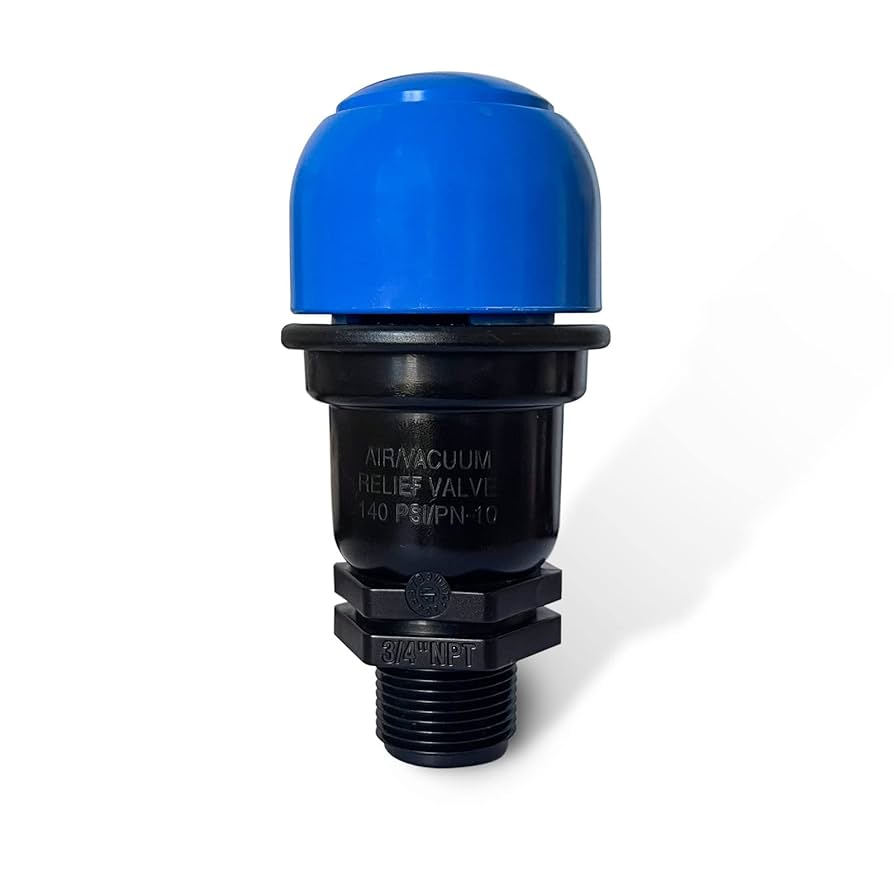
A stock image related to drip irrigation air relief valve.
In-depth Look: Manufacturing Processes and Quality Assurance for drip irrigation air relief valve
What Are the Key Stages in the Manufacturing Process of Drip Irrigation Air Relief Valves?
The manufacturing process for drip irrigation air relief valves involves several critical stages that ensure the final product meets performance and durability standards. These stages typically include material preparation, forming, assembly, and finishing.
Material Preparation: The process begins with the selection of high-quality materials, usually corrosion-resistant metals like aluminum or durable plastics. These materials are sourced based on their mechanical properties, such as tensile strength and resistance to environmental factors. Once selected, raw materials undergo quality checks to verify their compliance with industry standards.
Forming: The next step is forming, where materials are shaped into valve components using techniques such as casting, machining, or injection molding. For metal valves, casting processes may involve pouring molten metal into molds, while plastic components are often produced through injection molding. Precision in this stage is crucial to ensure that components fit together correctly and function efficiently.
Assembly: After forming, individual components are assembled. This stage may involve the installation of seals, springs, and other mechanical parts that contribute to the valve’s functionality. Assembly is typically performed in a controlled environment to prevent contamination and ensure that all components are correctly aligned.
Finishing: The final stage involves finishing processes such as surface treatment, painting, or coating. These treatments not only enhance the aesthetic appeal of the valves but also improve their resistance to corrosion and wear. Quality checks during this stage ensure that the finishing meets specified requirements.
How Is Quality Assurance Implemented During Manufacturing?
Quality assurance is a critical aspect of the manufacturing process for air relief valves, ensuring that each product meets both international standards and specific industry requirements.
International Standards: Compliance with international standards such as ISO 9001 is essential. This standard focuses on quality management systems and is recognized globally. Adherence to ISO standards signifies that a manufacturer has effective processes in place for quality control, which is vital for B2B buyers who require reliable products.
Industry-Specific Certifications: In addition to ISO standards, manufacturers may seek certifications specific to the irrigation industry, such as CE marking in Europe or API standards for petroleum-related applications. These certifications provide assurance that products meet regulatory requirements and industry benchmarks.
Quality Control Checkpoints: Various checkpoints are established throughout the manufacturing process:
– Incoming Quality Control (IQC): This initial checkpoint verifies the quality of raw materials before they enter the production line.
– In-Process Quality Control (IPQC): Regular inspections are conducted during the forming and assembly stages to catch any defects early.
– Final Quality Control (FQC): At this stage, the completed valves undergo comprehensive testing to ensure they function as intended.Testing Methods: Common testing methods for air relief valves include pressure testing to check for leaks, functional testing to ensure proper operation, and environmental testing to assess durability under various conditions. Manufacturers may also conduct lifecycle testing to predict performance over time.
How Can B2B Buyers Verify Supplier Quality Control?
B2B buyers must ensure that their suppliers maintain high-quality standards to avoid potential issues with product reliability and performance. Here are several strategies for verifying supplier quality control:
Supplier Audits: Conducting on-site audits of suppliers can provide valuable insights into their manufacturing processes and quality assurance practices. Buyers should evaluate the supplier’s adherence to international standards and their internal quality control measures.
Quality Reports: Requesting regular quality reports from suppliers can help buyers track performance over time. These reports should include data on defect rates, testing outcomes, and compliance with relevant standards.
Third-Party Inspections: Engaging third-party inspection agencies can provide an unbiased assessment of the supplier’s quality control processes. This is particularly useful for buyers in regions where local regulations may differ from international standards.
What Are the Quality Control Nuances for International B2B Buyers?
When sourcing drip irrigation air relief valves from international suppliers, especially from regions like Africa, South America, the Middle East, and Europe, buyers should be aware of specific nuances in quality control:
Regulatory Compliance: Different countries have varying regulations regarding product standards. Buyers should familiarize themselves with local regulations in their target markets to ensure compliance. For example, products sold in the European market may require CE marking, while those in the Middle East may need to adhere to local standards.
Cultural Considerations: Different cultures may have varying approaches to quality control and customer service. Understanding these cultural differences can help buyers navigate potential challenges in communication and expectations.
Supply Chain Transparency: Buyers should seek suppliers that offer transparency in their supply chain practices. This includes knowledge of where raw materials are sourced and how they are processed, which can impact overall quality.
Long-Term Partnerships: Building long-term relationships with suppliers can lead to improved quality control over time. Buyers who invest in partnerships often benefit from better communication, more reliable service, and enhanced product quality.
Conclusion: Ensuring Quality in Drip Irrigation Air Relief Valves
For B2B buyers, understanding the manufacturing processes and quality assurance measures of drip irrigation air relief valves is critical. By focusing on supplier verification, adherence to international standards, and awareness of regional nuances, buyers can make informed decisions that enhance the reliability and performance of their irrigation systems. This not only ensures product quality but also contributes to the long-term success of their operations in the competitive global market.
Practical Sourcing Guide: A Step-by-Step Checklist for ‘drip irrigation air relief valve’
Introduction
This practical sourcing guide serves as a checklist for B2B buyers seeking to procure drip irrigation air relief valves. These components are essential for maintaining system efficiency, preventing water hammer, and ensuring long-term performance in irrigation systems. By following this step-by-step guide, you can make informed purchasing decisions that align with your operational needs and regional requirements.
Step 1: Define Your Technical Specifications
Begin by identifying the specific technical requirements for your drip irrigation system. Consider factors such as pipe size, flow rate, and pressure ratings.
– Key details to define:
– Inlet size (e.g., 1/2″, 1″)
– Maximum operating pressure (commonly up to 100 PSI)
– Material compatibility (e.g., corrosion-resistant materials)
Step 2: Assess System Requirements
Evaluate the specific needs of your irrigation system to determine the number and type of air relief valves required. This includes assessing the layout and elevation of your system.
– Considerations:
– High points in the system where air needs to be released
– Total water flow; typically, one valve for every 40 LPM of flow is advisable
Step 3: Evaluate Potential Suppliers
Before committing to any supplier, conduct thorough evaluations to ensure they can meet your requirements. This includes reviewing company profiles and obtaining references.
– What to look for:
– Supplier experience in the irrigation industry
– Case studies or testimonials from similar projects
– Quality certifications (ISO, etc.) to ensure product reliability
Step 4: Request Samples and Specifications
Once you have shortlisted suppliers, request product samples and detailed specifications. This step allows you to assess quality and compatibility with your existing systems.
– Important aspects to check:
– Material quality (e.g., synthetic rubber seals for durability)
– Performance under specific conditions, such as low-head applications
Step 5: Compare Pricing and Terms
Collect pricing information and compare terms from different suppliers. Look for transparency in pricing and any additional costs that may arise, such as shipping or handling fees.
– Key factors to consider:
– Bulk order discounts
– Warranty and return policies
– Availability of after-sales support
Step 6: Verify Compliance with Local Standards
Ensure that the air relief valves comply with the local regulations and standards applicable in your region. This is particularly important for international purchases.
– Compliance checks may include:
– Certifications required by local authorities
– Environmental regulations regarding materials used
Step 7: Finalize Your Order and Set Delivery Expectations
After selecting a supplier, finalize your order while confirming lead times and delivery expectations. Clear communication regarding timelines helps avoid disruptions in your irrigation projects.
– Important points to confirm:
– Shipping methods and costs
– Expected delivery dates
– Tracking options for your order
By following this checklist, you can confidently navigate the procurement process for drip irrigation air relief valves, ensuring that your irrigation systems operate efficiently and effectively.
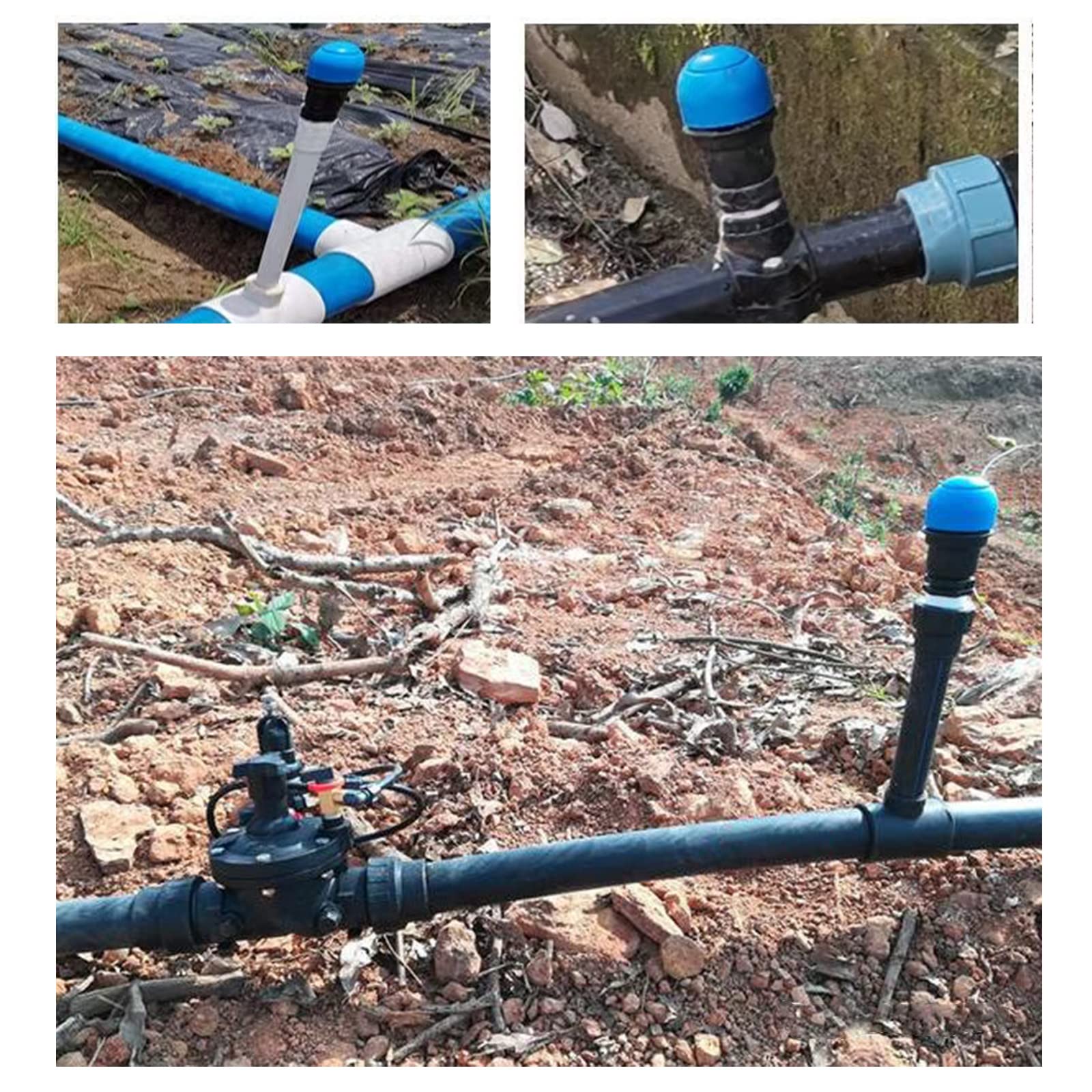
A stock image related to drip irrigation air relief valve.
Comprehensive Cost and Pricing Analysis for drip irrigation air relief valve Sourcing
What Are the Key Cost Components for Drip Irrigation Air Relief Valves?
When sourcing drip irrigation air relief valves, understanding the cost structure is essential for effective budgeting and decision-making. The primary cost components include:
Materials: The choice of materials significantly impacts the cost. Common materials such as PVC, brass, or aluminum vary in price, with aluminum typically being more expensive due to its durability and corrosion resistance. Selecting high-quality materials can enhance the lifespan and efficiency of the valves, potentially reducing long-term costs.
Labor: Labor costs encompass both manufacturing and assembly processes. The complexity of the valve design can influence labor hours required for production. Automated production methods can lower labor costs but may require higher initial investments in machinery.
Manufacturing Overhead: This includes costs related to factory operations, utilities, maintenance, and equipment depreciation. Efficient production processes can reduce overhead costs, which can be a point of negotiation with suppliers.
Tooling: Custom tooling for specialized valve designs can incur additional costs. If a buyer requires unique specifications, these costs may be passed on by the manufacturer.
Quality Control (QC): Ensuring that valves meet industry standards involves testing and certification processes, which can add to the overall cost. Investing in rigorous QC can prevent costly failures in the field, making it a worthwhile expense.
Logistics: Transportation and shipping costs vary based on the supplier’s location and the shipping terms agreed upon. International buyers should consider these costs as they can significantly influence the total cost.
Margin: Suppliers typically apply a margin based on their operational costs and market conditions. Understanding the market landscape can help buyers negotiate better pricing.
How Do Price Influencers Affect Air Relief Valve Costs?
Several factors can influence the pricing of drip irrigation air relief valves, particularly for international B2B buyers:
Volume and Minimum Order Quantity (MOQ): Suppliers often offer discounts for bulk orders. Understanding MOQ requirements is crucial, especially for buyers looking to optimize their costs.
Specifications and Customization: Customized valves tailored to specific applications may command higher prices. Buyers should assess whether standard products can meet their needs to avoid unnecessary costs.
Quality and Certifications: Valves that meet international standards and certifications (such as ISO or ASTM) may be more expensive, but they often provide greater reliability and performance. Buyers should weigh the benefits of investing in certified products.
Supplier Factors: The reputation and reliability of the supplier can impact pricing. Established suppliers with a track record of quality may charge more, but this can lead to lower maintenance and replacement costs over time.
Incoterms: Understanding the terms of shipping (e.g., FOB, CIF) is essential for calculating the total landed cost. Different terms can shift the responsibility for shipping costs and risks, influencing overall pricing.
What Negotiation Strategies Can Buyers Employ for Cost-Efficiency?
International B2B buyers can utilize several strategies to negotiate better pricing for drip irrigation air relief valves:
Leverage Volume Purchases: By committing to larger orders, buyers can negotiate better prices and terms. Establishing long-term partnerships with suppliers can also lead to additional cost savings.
Evaluate Total Cost of Ownership (TCO): Instead of focusing solely on the initial purchase price, consider the total cost over the product’s lifespan. This includes maintenance, efficiency, and replacement costs. A higher upfront investment in quality products can yield significant savings in the long run.
Research Market Prices: Understanding the competitive landscape and prevailing market prices can empower buyers during negotiations. Gathering quotes from multiple suppliers can provide leverage.
Explore Alternative Suppliers: If costs are prohibitive, consider sourcing from manufacturers in regions with lower production costs. However, be mindful of potential trade-offs in quality and service.
Consider Payment Terms: Negotiating favorable payment terms can improve cash flow. Options such as extended payment periods or discounts for early payment can enhance overall cost efficiency.
Conclusion
Sourcing drip irrigation air relief valves requires a comprehensive understanding of the cost structure and pricing influencers. By strategically navigating these elements, buyers can optimize their procurement processes, ensuring a balance between cost, quality, and performance. As the global market evolves, staying informed and adaptable will be key to successful sourcing.
Alternatives Analysis: Comparing drip irrigation air relief valve With Other Solutions
Exploring Alternatives to Drip Irrigation Air Relief Valves
In the realm of irrigation systems, particularly drip irrigation, air relief valves play a crucial role in maintaining efficiency and preventing potential damage caused by air entrapment. However, various alternative solutions exist that can achieve similar objectives. This analysis provides a comparative overview of the traditional drip irrigation air relief valve against two notable alternatives: the use of self-draining drip lines and automatic air release systems.
| Comparison Aspect | Drip Irrigation Air Relief Valve | Self-Draining Drip Lines | Automatic Air Release Systems |
|---|---|---|---|
| Performance | Effectively releases trapped air, prevents water hammer and debris intake. | Eliminates the need for air release by draining water completely, preventing air entrapment. | Automatically releases air and maintains system pressure, reducing manual intervention. |
| Cost | Moderate initial investment; ongoing maintenance costs. | Higher upfront costs for installation but lower long-term maintenance. | Higher initial costs due to technology but can save on maintenance and operational costs. |
| Ease of Implementation | Requires careful placement and installation. | Typically requires redesign of the irrigation layout. | Requires integration with existing systems, may need technical expertise. |
| Maintenance | Regular checks needed to ensure functionality; possible clogging. | Minimal maintenance once installed, as they naturally drain. | Requires occasional monitoring but generally low-maintenance. |
| Best Use Case | Ideal for complex systems with elevation changes. | Best for flat terrains where complete drainage is feasible. | Suitable for automated systems where efficiency and low intervention are desired. |
What Are the Advantages and Disadvantages of Self-Draining Drip Lines?
Self-draining drip lines are designed to allow water to drain out completely when the system is turned off, effectively preventing any air pockets from forming. The primary advantage of this system is its simplicity—once installed, they require minimal maintenance and eliminate the risk of air entrapment altogether. However, the initial installation can be more costly, and they may not be suitable for all terrains, particularly those with elevation changes where complete drainage isn’t feasible.
How Do Automatic Air Release Systems Compare?
Automatic air release systems are sophisticated solutions that continuously monitor and manage air within the irrigation system. These systems can detect air build-up and automatically release it, ensuring consistent performance without manual intervention. The main advantage is enhanced efficiency and reduced risk of damage from air entrapment. However, they often come with a higher initial cost and require technical expertise for installation and integration with existing systems.
Conclusion: How to Choose the Right Solution for Your Drip Irrigation Needs?
When selecting the appropriate solution for drip irrigation, B2B buyers should consider several factors, including the specific landscape characteristics, budget constraints, and desired maintenance levels. While traditional air relief valves offer reliable performance, alternatives such as self-draining lines and automatic air release systems provide innovative solutions that may align better with specific operational goals. Evaluating these factors will ensure that buyers make informed decisions that enhance their irrigation efficiency and sustainability in diverse agricultural contexts.
Essential Technical Properties and Trade Terminology for drip irrigation air relief valve
What Are the Essential Technical Properties of Drip Irrigation Air Relief Valves?
Understanding the technical specifications of drip irrigation air relief valves is crucial for B2B buyers looking to optimize their irrigation systems. Here are key properties to consider:
Material Grade
Air relief valves are often made from materials like PVC, brass, or stainless steel. The choice of material affects durability and resistance to environmental factors such as UV exposure and corrosion. Selecting the right material ensures longevity and reduces maintenance costs, particularly in harsh climates prevalent in regions like the Middle East and Africa.Pressure Rating
This specification indicates the maximum pressure the valve can handle, typically measured in PSI (pounds per square inch). A higher pressure rating is essential for systems requiring robust performance, especially in large agricultural setups. Understanding this property helps buyers assess whether the valve will function effectively under their specific irrigation conditions.Flow Capacity
Measured in liters per minute (LPM), flow capacity defines how much air the valve can release or allow in. Proper flow capacity is critical to ensure efficient system performance and prevent issues like water hammer and air locks, which can disrupt the irrigation process. This is particularly important in large-scale operations where multiple valves may be needed.Installation Compatibility
Many air relief valves come with specific inlet and outlet sizes, often in standard formats like 1” MPT (male pipe thread). Ensuring compatibility with existing irrigation infrastructure is essential for seamless installation. Buyers should verify these specifications to avoid costly modifications during setup.Seal Design
The quality of the seals within the valve impacts its ability to maintain pressure and prevent leaks. Synthetic rubber seals are commonly used for their durability and effectiveness in low-head applications. A reliable sealing mechanism is vital to avoid contamination and ensure consistent water flow.Operational Mechanism
Understanding whether the valve operates automatically or requires manual intervention is important for maintenance planning. Automatic valves simplify operations by allowing for air release without human input, enhancing efficiency and reliability in irrigation management.
What Are Common Trade Terms Related to Drip Irrigation Air Relief Valves?
Familiarity with industry terminology can enhance communication and negotiation between buyers and suppliers. Here are several critical terms:
OEM (Original Equipment Manufacturer)
This term refers to a company that produces components that are used in another company’s end products. For buyers, understanding OEM relationships can help in sourcing high-quality components that meet specific requirements.MOQ (Minimum Order Quantity)
MOQ is the smallest number of units a supplier is willing to sell. Knowing the MOQ helps buyers plan their purchases effectively, especially in bulk procurement scenarios typical in agricultural settings.RFQ (Request for Quotation)
An RFQ is a document sent to suppliers requesting a quote for specific products or services. This process is crucial for comparing prices, terms, and conditions across different suppliers to secure the best deal.Incoterms (International Commercial Terms)
These are predefined commercial terms published by the International Chamber of Commerce (ICC) that clarify the responsibilities of buyers and sellers in international transactions. Understanding Incoterms can help buyers navigate shipping, risk, and costs effectively.Lead Time
This refers to the time between placing an order and receiving the products. Knowing the lead time is essential for planning irrigation schedules and ensuring timely installation, especially during critical planting seasons.Warranty
A warranty is a promise from the manufacturer or supplier regarding the quality and longevity of the product. Understanding warranty terms helps buyers assess product reliability and potential costs associated with defects or failures.
By grasping these technical properties and industry terms, B2B buyers can make informed decisions when sourcing drip irrigation air relief valves, ultimately enhancing their irrigation system’s efficiency and effectiveness.
Navigating Market Dynamics and Sourcing Trends in the drip irrigation air relief valve Sector
What Are the Key Market Dynamics and Trends for Drip Irrigation Air Relief Valves?
The global drip irrigation market is witnessing significant growth, driven by the increasing need for efficient water management systems in agriculture, particularly in regions prone to water scarcity such as Africa, South America, the Middle East, and parts of Europe. Air relief valves are critical components in these systems, enabling optimal performance by preventing air locks and ensuring uniform water distribution. The emergence of smart irrigation technologies, including IoT-enabled devices, is reshaping the landscape. These innovations allow for real-time monitoring and control, enhancing system efficiency and reducing water waste.
In addition, the rising awareness of sustainable agriculture practices is influencing sourcing trends. International B2B buyers are increasingly seeking suppliers who can provide not just reliable products but also demonstrate a commitment to innovative solutions that reduce environmental impact. Furthermore, the integration of automation in irrigation systems is gaining traction, which includes advanced air relief valves that can self-regulate, minimizing the need for manual intervention and reducing maintenance costs.
How Does Sustainability and Ethical Sourcing Impact the Drip Irrigation Air Relief Valve Sector?
Sustainability is becoming a critical consideration for B2B buyers in the drip irrigation sector. The environmental impact of manufacturing processes and the materials used in air relief valves can significantly affect their overall sustainability profile. Buyers are increasingly prioritizing suppliers who utilize eco-friendly materials and sustainable practices in their production processes. This includes the use of recyclable materials and energy-efficient manufacturing methods, which can minimize carbon footprints.
Moreover, ethical sourcing has gained prominence as businesses become more aware of their supply chain impacts. International buyers are looking for manufacturers that adhere to ethical labor practices and provide transparency in their supply chains. Certifications such as ISO 14001 (environmental management) and other “green” certifications can serve as indicators of a supplier’s commitment to sustainability. By choosing suppliers who prioritize these aspects, B2B buyers can enhance their own sustainability goals and contribute positively to the environment.
What Is the Historical Context Behind Drip Irrigation Air Relief Valves?
The concept of drip irrigation emerged in the 1960s as a response to the growing need for efficient water use in agriculture. Initially, the technology was simple, with basic components like emitters and tubing. However, as the industry evolved, the importance of air management within these systems became apparent. Air relief valves were developed to address issues such as water hammer, trapped air pockets, and back-siphoning, which can lead to system inefficiencies and damage.
Over the decades, advancements in materials and design have improved the functionality of air relief valves, making them more reliable and easier to integrate into various irrigation systems. Today, these valves are essential for maintaining the performance and longevity of drip irrigation systems, reflecting the ongoing evolution of agricultural practices towards more efficient and sustainable methodologies. For international B2B buyers, understanding this historical context is crucial as it highlights the importance of investing in quality components that ensure the effectiveness of irrigation systems in diverse environments.
Frequently Asked Questions (FAQs) for B2B Buyers of drip irrigation air relief valve
How do I solve airlock issues in my drip irrigation system?
Airlocks can significantly hinder the performance of your drip irrigation system, causing uneven water distribution. To address this, ensure that air relief valves are strategically placed at the highest points of your system. This allows trapped air to escape when the system is filling. Additionally, regular maintenance checks can help identify and resolve potential airlock issues before they affect system efficiency.What is the best air relief valve for my drip irrigation needs?
The best air relief valve depends on your specific application and system requirements. For subsurface drip irrigation, dual-action air release and vacuum relief valves are recommended as they prevent air pockets and protect against debris intrusion. When selecting a valve, consider factors like flow rate, pressure ratings, and compatibility with your existing system to ensure optimal performance.How can I determine the right quantity of air relief valves for my irrigation system?
The quantity of air relief valves needed can vary based on your system’s design and flow rate. A general guideline is to install one valve for every 40 liters per minute (LPM) of water flow. It’s also essential to position these valves at the highest points of the system to effectively manage air release. Consulting with a supplier or irrigation expert can provide tailored recommendations based on your system’s specifications.What are the key considerations for sourcing air relief valves internationally?
When sourcing air relief valves from international suppliers, key considerations include the supplier’s reputation, product quality certifications, and compliance with local regulations. It’s also vital to evaluate the supplier’s experience in the irrigation industry and their ability to provide technical support. Additionally, understanding shipping logistics, potential tariffs, and lead times will help ensure a smooth procurement process.How do I vet suppliers for drip irrigation components?
Vetting suppliers involves assessing their credentials, product offerings, and customer reviews. Requesting samples and reviewing product specifications can provide insights into quality. It’s also beneficial to verify the supplier’s manufacturing processes and quality control measures. Engaging in direct communication about your specific needs will help gauge their responsiveness and expertise.What customization options are available for air relief valves?
Many suppliers offer customization options for air relief valves, including size, material, and pressure ratings to fit specific system requirements. Some manufacturers may also provide the option to integrate additional features, such as corrosion resistance for harsh environments. Discussing your needs with potential suppliers will help determine the available customization options and ensure you get the best fit for your system.What are the common payment terms for international B2B transactions?
Common payment terms for international transactions typically include methods such as letter of credit (LC), wire transfers, and payment upon delivery. Payment terms can vary based on the supplier’s policies and the buyer’s creditworthiness. It’s advisable to negotiate terms that protect both parties, ensuring secure transactions while considering factors like currency exchange rates and transaction fees.How can I ensure quality assurance for the air relief valves I purchase?
To ensure quality assurance, request product certifications and quality control documentation from your supplier. Conducting inspections upon receipt and before installation can help identify any defects. Establishing a clear communication channel with the supplier regarding warranty terms and return policies will also enhance your confidence in the quality of the products purchased.
Important Disclaimer & Terms of Use
⚠️ Important Disclaimer
The information provided in this guide, including content regarding manufacturers, technical specifications, and market analysis, is for informational and educational purposes only. It does not constitute professional procurement advice, financial advice, or legal advice.
While we have made every effort to ensure the accuracy and timeliness of the information, we are not responsible for any errors, omissions, or outdated information. Market conditions, company details, and technical standards are subject to change.
B2B buyers must conduct their own independent and thorough due diligence before making any purchasing decisions. This includes contacting suppliers directly, verifying certifications, requesting samples, and seeking professional consultation. The risk of relying on any information in this guide is borne solely by the reader.
Top 7 Drip Irrigation Air Relief Valve Manufacturers & Suppliers List
1. Rainbird – Air Relief Valves
Domain: rainbird.com
Registered: 1995 (30 years)
Introduction: Air Relief Valves are essential for dripline applications to maintain system efficiency and reduce maintenance costs. They release air at the start of the watering cycle, speeding up fill time and improving watering uniformity. In subsurface installations, they prevent back-siphoning of debris and minimize water hammer effects. Typically, one air relief valve per irrigation valve is sufficient, bu…
2. Val Plastics – 1 Kinetic Air Vent & Vacuum Relief Valve
Domain: dripirrigation.com
Registered: 1997 (28 years)
Introduction: 1″ Kinetic Air Vent & Vacuum Relief Valve
– Model #: A158
– SKU: as configured
– Manufacturer: Val Plastics
– Manufacturer #: AVR-VBK1
– Regular Price: $12.00
– Free Shipping on orders over $50 (Excluding Tax & Shipping)
– Function: Allows large volumes of air to escape from the irrigation pipe when the system is filled and allows air into the pipe when the system is turned off.
– Prevents vacuum …
3. Toro – ARV-1-K Air and Vacuum Valve
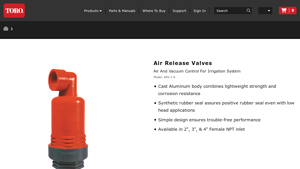
Domain: toro.com
Registered: 1994 (31 years)
Introduction: {“Model”:”ARV-1-K”,”Material”:”Cast Aluminum”,”Features”:[“Lightweight strength”,”Corrosion resistance”,”Synthetic rubber seal for low head applications”,”Simple design for trouble-free performance”],”Inlet Sizes”:[“2 inch Female NPT”,”3 inch Female NPT”,”4 inch Female NPT”],”Function”:”Air and vacuum control for drip irrigation systems to prevent water hammer and air pockets”,”Specifications”:{“V…
4. Irrigation Outlet – Air Relief Valves
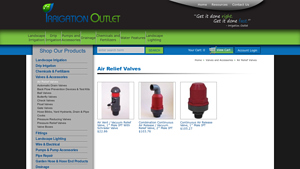
Domain: irrigationoutlet.com
Registered: 2012 (13 years)
Introduction: Air Relief Valves are essential components in irrigation systems, designed to release trapped air from pipelines, preventing air locks and ensuring efficient water flow. They are part of a broader category of valves and accessories available at Irrigation Outlet, which includes automatic drain valves, backflow prevention devices, ball valves, butterfly valves, check valves, float valves, gate valv…
5. Netafim – Air/Vacuum Relief Valve
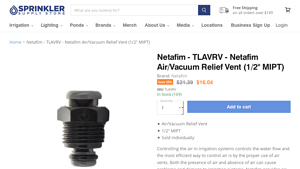
Domain: sprinklersupplystore.com
Registered: 2010 (15 years)
Introduction: {‘name’: ‘Netafim Air/Vacuum Relief Valve’, ‘model’: ‘TLAVRV’, ‘brand’: ‘Netafim’, ‘size’: ‘1/2″ MIPT’, ‘price’: {‘original’: ‘$21.39’, ‘current’: ‘$16.04’}, ‘sku’: ‘TLAVRV’, ‘stock_status’: ‘In Stock (169)’, ‘description’: ‘Controlling the air in irrigation systems controls the water flow and the most efficient way to control air is by the proper use of air vents. Both the presence of air and abs…
6. DigCorp – Air Release Relief Valve
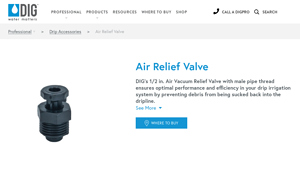
Domain: digcorp.com
Registered: 1996 (29 years)
Introduction: This company, DigCorp – Air Release Relief Valve, is a notable entity in the market. For specific product details, it is recommended to visit their website directly.
7. Irrigation Supply – 1 Inch Air/Vacuum Relief Valve
Domain: irrigationsupplyparts.com
Registered: 2011 (14 years)
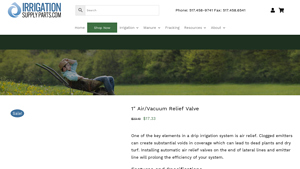
Introduction: {“name”: “1 Inch Air/Vacuum Relief Valve”, “price”: {“original”: “$23.10”, “current”: “$17.33”}, “features”: [“Dual Acting Air Release/Vacuum Relief Valve”, “80 psi working pressure”, “Inlet 1” npt”, “Seals at 5 psi”, “Clear open diameter is 0.610”], “optional_features”: [“Optional Schrader Valve to check system pressure (Must Call in to Order this option)”], “brand”: “Jain”, “sku”: “50-12090023 (…
Strategic Sourcing Conclusion and Outlook for drip irrigation air relief valve
In summary, the strategic sourcing of air relief valves is pivotal for enhancing the efficiency and longevity of drip irrigation systems. These valves play a critical role in preventing air entrapment, mitigating water hammer, and ensuring uniform water distribution, which ultimately translates to cost savings for end-users. By integrating advanced solutions like the Rain Bird XFS-CV dripline, businesses can eliminate the need for traditional air relief valves, simplifying installation and reducing maintenance costs.
For international B2B buyers, particularly in emerging markets across Africa, South America, the Middle East, and Europe, understanding the significance of these components is essential. Investing in reliable air relief valves not only optimizes irrigation performance but also fosters sustainability in agricultural practices.
As we look to the future, the demand for efficient irrigation solutions will continue to rise. Now is the time to align your sourcing strategies with innovative technologies and reliable suppliers. By prioritizing quality and efficiency, businesses can position themselves as leaders in the evolving landscape of agricultural irrigation. Engage with suppliers who offer comprehensive support and product expertise to ensure your irrigation systems meet the growing demands of your markets.
 English (United States)
  Spanish (Spain)
  Portuguese (Portugal)
  French
  German
  Italian
  Arabic
  Dutch
Dutch  English (UK)
  Bulgarian
  Chinese (China)
  Chinese (Hong Kong)
  Czech
Czech  Danish
  Greek
Greek  Finnish
  Spanish (Mexico)
  Estonian
  Hebrew
  Hungarian
  Indonesian
  Japanese
  Korean
  Latvian
  Lithuanian
  Norwegian
  Polish
  Portuguese (Brazil)
  Romanian
  Russian
  Slovenian
  Slovak
  Swedish
  Turkish
  Ukrainian
  Vietnamese