
Introduction: Navigating the Global Market for flood irrigation valve
In the dynamic landscape of agricultural technology, sourcing the right flood irrigation valve can significantly impact water management efficiency and crop yield. As global demand for sustainable agricultural practices grows, B2B buyers face the challenge of identifying reliable suppliers that offer high-quality valves tailored to diverse irrigation needs. This comprehensive guide delves into the various types of flood irrigation valves, their applications across different agricultural sectors, and critical considerations for supplier vetting and cost analysis.
Designed specifically for international B2B buyers from regions such as Africa, South America, the Middle East, and Europe—including key markets like Saudi Arabia and Vietnam—this guide aims to empower decision-makers with the knowledge they need to make informed purchasing choices. By exploring the intricacies of flood irrigation systems, readers will gain insights into the latest innovations, maintenance requirements, and operational efficiencies that can be achieved through the right valve selection.
Furthermore, the guide highlights essential factors such as durability, ease of installation, and compatibility with existing irrigation infrastructure, ensuring that buyers can effectively navigate the complexities of the global market. With this valuable resource, businesses can optimize their irrigation strategies, ultimately leading to enhanced agricultural productivity and sustainability.
Understanding flood irrigation valve Types and Variations
| Type Name | Key Distinguishing Features | Primary B2B Applications | Brief Pros & Cons for Buyers |
|---|---|---|---|
| Surge Valve | Automates flow control; designed for high flow rates; durable construction | Large-scale agriculture; flood irrigation systems | Pros: Efficient water management; reduces labor costs. Cons: Higher initial investment; may require technical expertise for installation. |
| Overflow Valve | Provides reliable shut-off; durable cast iron frame; precision ground seat | Surface irrigation; vineyard and orchard applications | Pros: Long-lasting; effective for level control. Cons: Limited to specific applications; may need periodic maintenance. |
| Alfalfa Valve | Designed for row crop irrigation; removable arch for easy access; rugged construction | Row crop irrigation; gated pipe systems | Pros: Easy maintenance; versatile in various irrigation setups. Cons: Size limitations; requires proper sizing for optimal performance. |
| Butterfly Valve | Lightweight; quick operation; suited for large flow rates | General irrigation; drainage systems | Pros: Cost-effective; simple design. Cons: Less durable than heavier valves; may require more frequent replacements. |
| Riser Valve | Facilitates remote operation; ideal for automated systems; compact design | Automated irrigation systems; precision farming | Pros: Enhances operational efficiency; reduces manual labor. Cons: Higher upfront costs; reliance on technology can be a drawback. |
What are Surge Valves and Their Key Benefits for B2B Buyers?
Surge valves are engineered to automate flow control in flood irrigation systems, making them particularly suitable for large-scale agricultural operations. Their robust construction allows them to handle high flow rates effectively, which is essential for managing extensive irrigation needs. B2B buyers should consider the initial investment versus long-term labor savings and efficiency gains. Additionally, understanding the technical requirements for installation can impact purchasing decisions.
How Do Overflow Valves Function in Irrigation Systems?
Overflow valves are essential in surface irrigation setups, providing reliable shut-off and flow regulation. Their heavy-duty cast iron frame and precision ground seat ensure durability and watertight operation, making them ideal for vineyards and orchards. Buyers should evaluate their specific application needs, as while overflow valves offer longevity and effective level control, they may require periodic maintenance to ensure optimal performance.
What Makes Alfalfa Valves Suitable for Row Crop Irrigation?
Alfalfa valves are designed specifically for row crop irrigation, featuring removable arches for easy access and maintenance. Their rugged construction ensures they can withstand the demands of agricultural environments. When considering these valves, B2B buyers should assess the versatility of the valve in various irrigation setups, as well as the importance of easy maintenance, which can significantly reduce downtime.
Why Choose Butterfly Valves for General Irrigation Needs?
Butterfly valves are lightweight and designed for quick operation, making them a cost-effective solution for general irrigation and drainage systems. They are particularly well-suited for large flow rates, but buyers should be aware that their durability may not match that of heavier alternatives. Frequent replacements might be necessary, which could affect long-term cost efficiency.
How Can Riser Valves Enhance Automated Irrigation Systems?
Riser valves facilitate remote operation, making them ideal for automated irrigation systems and precision farming. Their compact design allows for easy integration into existing setups. While they enhance operational efficiency and reduce the need for manual labor, B2B buyers should weigh the higher upfront costs and potential reliance on technology against the benefits of automation in irrigation management.
Key Industrial Applications of flood irrigation valve
| Industry/Sector | Specific Application of flood irrigation valve | Value/Benefit for the Business | Key Sourcing Considerations for this Application |
|---|---|---|---|
| Agriculture | Surface irrigation for row crops | Enhanced water distribution efficiency, leading to higher crop yields | Durability, ease of operation, compatibility with existing systems |
| Horticulture | Irrigation in vineyards and orchards | Improved growth rates and fruit quality through controlled water supply | Material quality, precision in flow regulation, maintenance support |
| Aquaculture | Water level control in fish ponds | Optimal aquatic habitat management, reducing stress on fish populations | Corrosion resistance, reliability under varying water conditions |
| Landscape and Turf Care | Irrigation management for large green spaces | Consistent moisture levels promoting healthy plant growth | Automation compatibility, ease of installation, serviceability |
| Industrial Applications | Dust suppression and cooling in mining operations | Enhanced operational safety and equipment longevity | Heavy-duty construction, flow capacity, and pressure ratings |
How Are Flood Irrigation Valves Utilized in Agriculture?
In agriculture, flood irrigation valves are essential for managing water flow in surface irrigation systems, particularly for row crops. These valves help regulate the distribution of water, ensuring that crops receive adequate moisture, which is crucial for maximizing yields. Buyers should prioritize durability and compatibility with existing irrigation infrastructure to minimize maintenance costs and ensure efficient operation.
What Role Do Flood Irrigation Valves Play in Horticulture?
In horticulture, particularly in vineyards and orchards, flood irrigation valves are used to maintain optimal moisture levels for fruit-bearing plants. These valves allow for precise control over water delivery, which can significantly enhance plant growth and fruit quality. Buyers in this sector should consider the valve’s material quality and its ability to provide consistent flow regulation, as well as the availability of maintenance support to ensure long-term performance.
How Are Flood Irrigation Valves Beneficial in Aquaculture?
Flood irrigation valves are crucial in aquaculture for maintaining water levels in fish ponds. They help manage water flow effectively, creating optimal living conditions for fish, which is essential for their growth and health. When sourcing valves for aquaculture, it’s important to focus on corrosion resistance and reliability under varying water conditions, as these factors directly impact the aquatic habitat.
Why Are Flood Irrigation Valves Important for Landscape and Turf Care?
In landscape and turf care, flood irrigation valves are used to manage irrigation for large green spaces, such as parks and sports fields. They ensure consistent moisture levels, which are vital for promoting healthy plant growth and maintaining aesthetic appeal. Buyers should look for valves that are compatible with automation systems to enhance operational efficiency and ease of installation, while also ensuring serviceability for long-term use.
What Are the Industrial Applications of Flood Irrigation Valves?
In industrial settings, flood irrigation valves are employed for dust suppression and cooling processes, particularly in mining operations. By controlling water flow, these valves help enhance operational safety and extend the life of equipment exposed to harsh environmental conditions. Businesses should consider the construction quality of the valves, their flow capacity, and pressure ratings to ensure they can withstand the rigors of industrial applications.
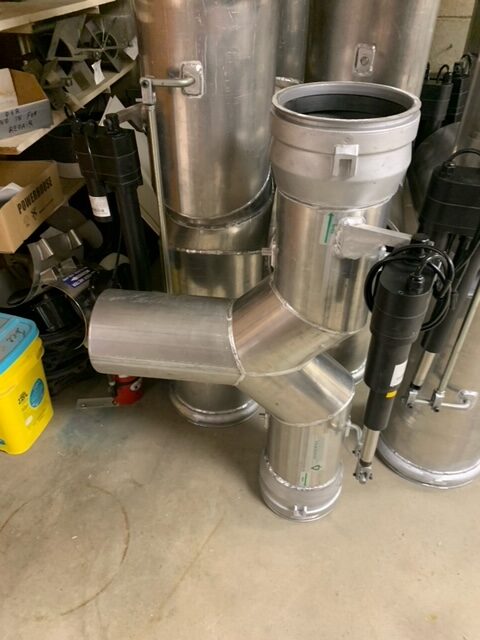
A stock image related to flood irrigation valve.
3 Common User Pain Points for ‘flood irrigation valve’ & Their Solutions
Scenario 1: Difficulty in Achieving Consistent Water Flow Rates
The Problem: One of the primary challenges faced by B2B buyers in the flood irrigation sector is maintaining consistent water flow rates across their fields. Variations in pressure and the potential for clogging can lead to uneven distribution, resulting in over-irrigation in some areas and under-irrigation in others. This not only affects crop health but can also lead to increased operational costs as more resources are required to address these inefficiencies.
The Solution: To overcome this issue, buyers should invest in high-quality flood irrigation valves equipped with pressure regulation features. Look for valves that offer precision ground seats and resilient seals, which ensure watertight closure and reduce the likelihood of leaks or pressure fluctuations. Additionally, implementing a system of overflow valves can help maintain consistent flow by managing excess water and preventing backflow. Regular maintenance and inspection of the valve systems are essential; cleaning and replacing components like the sealing gaskets can significantly enhance performance and longevity. Consider integrating automated monitoring systems that provide real-time data on flow rates and pressure levels, allowing for proactive adjustments before issues escalate.
Scenario 2: High Maintenance and Downtime Costs
The Problem: Another common pain point for B2B buyers is the high maintenance costs and downtime associated with flood irrigation valves. Many existing systems are prone to rust, corrosion, and wear, leading to frequent breakdowns and the need for replacement parts. This not only disrupts irrigation schedules but also incurs additional labor and material costs that can impact overall profitability.
The Solution: To mitigate these issues, buyers should opt for flood irrigation valves made from corrosion-resistant materials, such as stainless steel or high-grade plastics. These materials not only extend the lifespan of the valves but also require less frequent maintenance. Furthermore, choosing valves that are designed for easy access and repair can minimize downtime. Look for solutions that offer modular components, which allow for quick replacement without needing to dismantle entire systems. Establishing a routine inspection schedule can also help identify wear and tear early, ensuring that minor issues are resolved before they lead to significant downtime.
Scenario 3: Incompatibility with Existing Systems
The Problem: Many B2B buyers encounter challenges when integrating new flood irrigation valves with their existing irrigation systems. Incompatibility can arise from differences in size, design, or operational specifications, leading to additional costs and delays in implementation. This can be particularly frustrating for those looking to upgrade their systems or expand their operations.
The Solution: To ensure compatibility, buyers should conduct thorough assessments of their current irrigation systems before selecting new valves. It is crucial to match the specifications, including size, flow capacity, and connection types, to prevent future integration issues. Engaging with reputable suppliers who can provide detailed product specifications and compatibility information is vital. Additionally, consider investing in customizable valve solutions that can be tailored to fit specific operational needs. Engaging with a knowledgeable irrigation consultant can also provide insights into the best valve types and configurations that will work seamlessly with existing systems, helping to avoid costly missteps during installation.
Strategic Material Selection Guide for flood irrigation valve
What Are the Key Materials Used in Flood Irrigation Valves?
When selecting materials for flood irrigation valves, several factors such as durability, cost, and compatibility with specific applications must be considered. Here, we analyze four common materials used in the construction of flood irrigation valves: cast iron, brass, PVC, and stainless steel.
How Does Cast Iron Perform in Flood Irrigation Valves?
Cast iron is a traditional choice for flood irrigation valves due to its robust nature. It has a high-temperature rating and excellent pressure resistance, making it suitable for various irrigation systems. Cast iron valves are known for their durability and longevity, often lasting several years with minimal maintenance.
Pros: Cast iron valves are highly durable and can withstand harsh environmental conditions. They are also relatively low in cost compared to other materials, making them an economical choice for large-scale applications.
Cons: The primary drawback of cast iron is its susceptibility to corrosion, especially in acidic or saline environments. This can lead to significant maintenance costs over time. Additionally, cast iron is heavier than other materials, which may complicate installation.
International Considerations: Buyers in regions like Africa and the Middle East should consider local soil conditions that may affect corrosion rates. Compliance with standards such as ASTM A126 for cast iron products is essential.
What Advantages Does Brass Offer for Flood Irrigation Valves?
Brass is another popular material for flood irrigation valves, particularly for smaller applications. It provides excellent corrosion resistance and is suitable for a wide range of temperatures and pressures.
Pros: Brass valves are lightweight and easy to install, offering good performance in terms of sealing and flow regulation. Their corrosion resistance makes them ideal for environments with varying water quality.
Cons: The primary limitation of brass is its higher cost compared to cast iron. Additionally, brass can be susceptible to dezincification in certain water conditions, which may affect its longevity.
International Considerations: In regions such as South America and Europe, compliance with standards like ASTM B16 for brass fittings is important. Buyers should also be aware of the specific water chemistry in their area that could impact brass performance.
How Does PVC Compare for Flood Irrigation Valve Applications?
PVC (Polyvinyl Chloride) is increasingly used in flood irrigation systems due to its lightweight nature and resistance to corrosion. It is particularly suitable for applications where chemical resistance is a priority.
Pros: PVC valves are cost-effective, lightweight, and easy to install. They are resistant to a wide range of chemicals, making them suitable for various irrigation scenarios.
Cons: PVC has a lower pressure rating compared to metal options and can become brittle at high temperatures, limiting its application in extreme conditions. Its lifespan may also be shorter than that of metal valves.
International Considerations: Compliance with standards such as ASTM D1784 for PVC materials is crucial. Buyers in regions with extreme temperatures, such as Saudi Arabia, should consider the thermal stability of PVC.
What Role Does Stainless Steel Play in Flood Irrigation Valves?
Stainless steel is often selected for high-performance applications due to its exceptional strength and corrosion resistance. It is particularly useful in environments where other materials may fail.
Pros: Stainless steel valves offer excellent durability and can handle high pressures and temperatures. They are resistant to corrosion, making them suitable for saline and chemically aggressive environments.
Cons: The main disadvantage of stainless steel is its high cost compared to other materials. Additionally, the manufacturing process can be more complex, leading to longer lead times.
International Considerations: Buyers in Europe and the Middle East should ensure compliance with standards such as ASTM A312 for stainless steel products. The initial investment may be higher, but the long-term savings in maintenance can be significant.
Summary Table of Material Selection for Flood Irrigation Valves
| Material | Typical Use Case for flood irrigation valve | Key Advantage | Key Disadvantage/Limitation | Relative Cost (Low/Med/High) |
|---|---|---|---|---|
| Cast Iron | Large-scale flood irrigation systems | Highly durable and cost-effective | Susceptible to corrosion | Low |
| Brass | Smaller irrigation applications | Excellent corrosion resistance | Higher cost and dezincification risk | Med |
| PVC | Chemical-sensitive irrigation systems | Lightweight and cost-effective | Lower pressure rating and brittleness | Low |
| Stainless Steel | High-performance irrigation applications | Exceptional strength and corrosion resistance | High cost and complex manufacturing | High |
This analysis provides a comprehensive overview of the materials used in flood irrigation valves, enabling international B2B buyers to make informed decisions based on their specific needs and regional considerations.
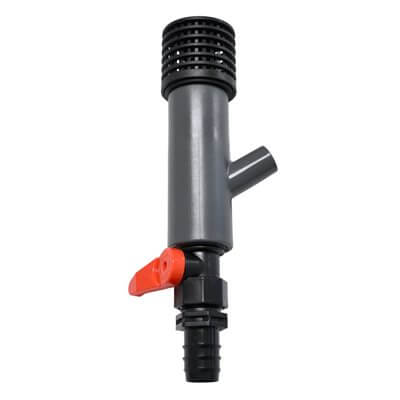
A stock image related to flood irrigation valve.
In-depth Look: Manufacturing Processes and Quality Assurance for flood irrigation valve
What Are the Main Stages in the Manufacturing Process of Flood Irrigation Valves?
The manufacturing process of flood irrigation valves involves several critical stages, each contributing to the final product’s quality and functionality. Understanding these stages is crucial for B2B buyers looking to ensure that they source high-quality components.
Material Preparation: How Are Raw Materials Selected and Processed?
The first stage in manufacturing flood irrigation valves is material preparation. Typically, manufacturers use durable materials such as cast iron, bronze, or high-grade plastics. These materials are chosen for their corrosion resistance, strength, and longevity under harsh environmental conditions.
Once selected, raw materials undergo processes such as cutting, machining, and surface treatment to ensure they meet specific dimensional and quality standards. For example, precision machining may be employed to create intricate parts like valve seats and seals, ensuring a perfect fit and watertight seal.
What Techniques Are Used in the Forming Process?
The forming stage involves shaping the prepared materials into the components required for the valve. Techniques such as casting, forging, and machining are commonly used.
- Casting is prevalent for producing large, complex shapes like valve bodies. It allows for high precision and can accommodate intricate designs.
- Forging is often used for components requiring superior strength and durability, such as valve stems.
- Machining is crucial for finalizing dimensions and surface finishes, ensuring that all parts fit together seamlessly during assembly.
Each method has its advantages and is chosen based on the specific requirements of the valve design and intended use.
How Is the Assembly of Flood Irrigation Valves Conducted?
After forming, the next step is assembly, where individual components are brought together to create the final product. This process may involve:
- Manual Assembly: Skilled workers assemble the valves, ensuring that all parts are correctly fitted and functioning as intended.
- Automated Assembly: In larger operations, automated systems may be employed to enhance efficiency and consistency. This includes robotic arms for placing components and tightening screws.
Throughout assembly, quality checks are performed to ensure that each valve meets the required specifications before moving to the finishing stage.
What Finishing Processes Are Critical for Quality and Durability?
The finishing stage is vital for enhancing the valve’s performance and longevity. This may include:
- Surface Treatment: Techniques such as powder coating or galvanization can provide additional protection against corrosion and wear.
- Testing and Calibration: Valves are often tested under simulated operational conditions to ensure they can handle the pressures and flows they will encounter in the field.
Finishing touches not only improve aesthetics but also significantly impact the valve’s overall durability and performance.
What Quality Assurance Standards Should Buyers Expect for Flood Irrigation Valves?
Quality assurance is a critical aspect of manufacturing flood irrigation valves, ensuring that products meet international standards and customer expectations.
What International Standards Apply to Flood Irrigation Valve Manufacturing?
Manufacturers often adhere to several internationally recognized quality standards, such as:
- ISO 9001: This standard focuses on quality management systems and is essential for ensuring consistent product quality and customer satisfaction.
- CE Marking: In the European market, products must meet safety, health, and environmental protection standards. The CE marking indicates compliance with these regulations.
- API Standards: The American Petroleum Institute (API) provides standards that may be applicable, especially for valves used in environments where fluids are transported.
Understanding these standards can help B2B buyers assess a supplier’s commitment to quality.
What Quality Control Checkpoints Are Critical During Manufacturing?
Quality control (QC) checkpoints are integrated throughout the manufacturing process to catch defects early and ensure product reliability. Common QC checkpoints include:
- Incoming Quality Control (IQC): This involves inspecting raw materials upon arrival to ensure they meet specified standards.
- In-Process Quality Control (IPQC): During manufacturing, regular checks are conducted to monitor processes and ensure compliance with specifications.
- Final Quality Control (FQC): After assembly, each valve undergoes rigorous testing to verify its functionality, sealing ability, and durability.
By maintaining strict QC protocols, manufacturers can minimize defects and enhance product reliability.
How Can B2B Buyers Verify Supplier Quality Assurance?
B2B buyers should be proactive in verifying the quality assurance processes of potential suppliers to mitigate risks associated with sourcing.
What Methods Are Available for Auditing and Inspecting Suppliers?
Buyers can utilize several methods to assess a supplier’s QC practices:
- Supplier Audits: Conducting on-site audits can provide insight into a supplier’s manufacturing processes, quality control systems, and adherence to international standards.
- Quality Reports: Requesting detailed quality reports can help buyers understand how a supplier monitors and maintains quality throughout production.
- Third-Party Inspections: Engaging third-party inspection services can provide an unbiased assessment of a supplier’s quality control practices and the integrity of the final product.
What Are the Nuances of Quality Certification for International Buyers?
For international buyers, understanding the nuances of quality certification is crucial. Different regions may have specific requirements that affect product compliance:
- Regional Certifications: In regions like Africa and the Middle East, local regulations may necessitate additional certifications beyond ISO and CE. Buyers should familiarize themselves with these requirements to ensure compliance.
- Cultural Considerations: Understanding cultural attitudes toward quality and reliability can influence supplier selection, especially in emerging markets.
By taking these factors into account, B2B buyers can make informed decisions when sourcing flood irrigation valves, ensuring they partner with manufacturers who prioritize quality and compliance.
Conclusion: Why Quality Assurance Is Vital for Flood Irrigation Valve Buyers
In summary, the manufacturing processes and quality assurance protocols for flood irrigation valves are integral to ensuring product reliability and performance. By understanding these processes, B2B buyers can better navigate the complexities of international sourcing and make informed choices that align with their operational needs and standards.
Practical Sourcing Guide: A Step-by-Step Checklist for ‘flood irrigation valve’
Introduction
This practical sourcing guide aims to assist B2B buyers in efficiently procuring flood irrigation valves. By following this checklist, you can ensure that your purchasing process is thorough, informed, and tailored to your specific agricultural needs, ultimately leading to better operational efficiency and cost-effectiveness.
Step 1: Define Your Technical Specifications
Before initiating your search, it’s vital to clearly outline the technical specifications required for your flood irrigation system. Consider factors such as the valve size, flow rate, pressure requirements, and material compatibility. This clarity will streamline your search and ensure that suppliers can meet your specific needs.
- Key specifications to define:
- Size: Common options include 8″, 10″, and larger diameters.
- Flow rate: Determine the maximum gallons per hour (GPH) your system will handle.
Step 2: Research Market Options
Conduct comprehensive market research to identify various types of flood irrigation valves available. This includes surge valves, overflow valves, and specialized models for different agricultural applications. Understanding the options will help you compare features and benefits effectively.
- Considerations during research:
- Read product specifications and user reviews to gauge performance.
- Identify suppliers that specialize in your region’s agricultural practices.
Step 3: Evaluate Potential Suppliers
Before committing to a supplier, it’s crucial to vet them thoroughly. Request company profiles, case studies, and references from buyers in similar industries or regions. This due diligence helps ensure that the supplier is reliable and capable of meeting your quality standards.
- What to look for:
- Supplier certifications and industry compliance.
- Feedback from existing customers regarding product reliability and service.
Step 4: Assess Warranty and After-Sales Support
Understanding the warranty and after-sales support offered by suppliers can save you time and money in the long run. A robust warranty indicates the supplier’s confidence in their product, while good after-sales support ensures that you can resolve any issues quickly.
- Key questions to ask:
- What is the duration and coverage of the warranty?
- Is there a dedicated support team for installation and maintenance inquiries?
Step 5: Request Samples or Demonstrations
If possible, request samples or demonstrations of the flood irrigation valves you are considering. This hands-on experience can provide insights into the valve’s functionality, ease of use, and overall quality, which are crucial for making an informed purchasing decision.
- Benefits of testing:
- Evaluate the valve’s operation under conditions similar to your own.
- Assess the build quality and materials firsthand.
Step 6: Compare Pricing and Delivery Terms
Once you have narrowed down your options, compare pricing and delivery terms from various suppliers. This helps you find the best value while considering factors like shipping costs, lead times, and payment terms.
- Considerations when comparing:
- Ensure that the pricing includes all potential costs, such as shipping and taxes.
- Look for suppliers that offer flexible payment options and clear delivery timelines.
Step 7: Finalize Your Order and Document Everything
After selecting the best supplier based on your evaluations, finalize your order. Ensure that all terms, specifications, and agreements are documented clearly to avoid any misunderstandings later.
- Documentation essentials:
- Purchase orders, invoices, and warranty agreements.
- Any communication regarding special requests or modifications to the standard product.
By following this checklist, you can confidently navigate the procurement process for flood irrigation valves, ensuring that your investments align with your agricultural goals and operational needs.
Comprehensive Cost and Pricing Analysis for flood irrigation valve Sourcing
Understanding the cost structure and pricing dynamics of flood irrigation valves is crucial for international B2B buyers. The following analysis breaks down the various cost components, price influencers, and strategic buyer tips that can help optimize sourcing decisions.
What Are the Key Cost Components in Flood Irrigation Valve Manufacturing?
The cost structure for flood irrigation valves typically includes several critical components:
Materials: The type of materials used significantly impacts the cost. Common materials include cast iron, brass, and specialized plastics. High-quality materials enhance durability and performance but may increase initial costs.
Labor: Labor costs vary based on the region and the complexity of the valve design. Regions with lower labor costs may offer competitive pricing, but it’s essential to consider the skill level and expertise of the workforce.
Manufacturing Overhead: This encompasses expenses related to factory operations, including utilities, equipment maintenance, and administrative costs. Efficient manufacturing processes can help reduce overhead, influencing the final price.
Tooling: The cost of specialized tools and molds for valve production can be substantial, particularly for customized or high-volume orders. Initial tooling costs may be amortized over larger production runs, making it advantageous for buyers to commit to higher volumes.
Quality Control (QC): Ensuring product quality through rigorous testing and inspection processes is vital. Investments in QC can increase upfront costs but can lead to significant savings by reducing the likelihood of failures in the field.
Logistics: Transportation and shipping costs, especially for international orders, can impact overall pricing. Factors such as distance, shipping method, and customs duties should be factored into the total cost.
Margin: Suppliers set margins based on market conditions, competition, and their financial goals. Understanding typical margins in the industry can help buyers gauge the fairness of quotes received.
What Influences the Pricing of Flood Irrigation Valves?
Several factors can influence the pricing of flood irrigation valves:
Volume/MOQ: Suppliers often offer better pricing for larger orders. Minimum order quantities (MOQs) can also affect costs. Negotiating for bulk purchases can lead to substantial savings.
Specifications and Customization: Customized valves tailored to specific irrigation needs may incur additional costs. However, these investments can enhance efficiency and reduce long-term operational costs.
Materials and Quality Certifications: Higher-quality materials and certifications (e.g., ISO, CE) can justify a premium price. Buyers should evaluate whether the quality aligns with their operational requirements and budget.
Supplier Factors: The reputation, reliability, and location of suppliers can affect pricing. Established suppliers with a proven track record may charge more but offer greater assurance of product quality and service.
Incoterms: Understanding shipping terms (e.g., FOB, CIF) can significantly impact the final cost. Buyers should clarify responsibilities for shipping, insurance, and duties to avoid unexpected expenses.
What Are Some Effective Buyer Tips for Sourcing Flood Irrigation Valves?
Negotiate Wisely: Engage suppliers in discussions about pricing, especially for large orders. Leverage competition among suppliers to secure better terms.
Consider Total Cost of Ownership (TCO): Evaluate not just the initial purchase price but also maintenance, longevity, and potential failure costs. A higher upfront investment in quality valves may lead to lower TCO over time.
Understand Pricing Nuances for International Buyers: Different regions may have varied pricing structures due to local demand, tariffs, and shipping costs. Buyers from Africa, South America, the Middle East, and Europe should account for these regional factors when comparing prices.
Request Detailed Quotes: Ensure quotes are itemized to understand what is included in the pricing. This transparency can aid in comparing offers and identifying areas for negotiation.
Be Aware of Currency Fluctuations: For international transactions, currency rates can affect pricing. Consider locking in rates or negotiating in a stable currency to mitigate exchange risks.
In summary, understanding the cost structure, pricing influences, and strategic negotiation tips can empower B2B buyers to make informed decisions when sourcing flood irrigation valves. By considering both immediate costs and long-term implications, buyers can optimize their procurement processes and enhance operational efficiency.
Alternatives Analysis: Comparing flood irrigation valve With Other Solutions
In agricultural irrigation, selecting the right system is crucial for optimizing water use and crop yield. Flood irrigation valves are widely utilized for their efficiency in managing water distribution; however, there are alternative solutions that can also achieve effective irrigation. This section explores several viable alternatives, providing a comparative analysis to assist B2B buyers in making informed decisions.
| Comparison Aspect | Flood Irrigation Valve | Surge Valve | Overflow Valve |
|---|---|---|---|
| Performance | High flow rates; effective for large areas | Excellent for surge irrigation; customizable flow rates | Reliable shut-off and regulation; good for level control |
| Cost | Moderate initial investment | Higher initial cost; $2,160 for 8″ model | Generally lower than surge valves; varies by model |
| Ease of Implementation | Requires installation expertise | Complex installation; may require professional help | Easier installation; often compatible with existing systems |
| Maintenance | Moderate; periodic checks needed | Low; designed for durability | Low; robust construction reduces wear |
| Best Use Case | Large, flat fields needing consistent water | Fields requiring variable flow and surge capabilities | Orchards and vineyards needing controlled irrigation |
What Are the Advantages and Disadvantages of Surge Valves Compared to Flood Irrigation Valves?
Surge valves are specialized devices designed for irrigation systems that require variable flow rates. They are particularly useful in applications where farmers need to manage water distribution efficiently, such as in large-scale agricultural operations. Surge valves can handle high flow rates and facilitate the surging of water, which can enhance soil infiltration and reduce runoff. However, their initial investment is generally higher, and installation can be complex, requiring skilled labor. For buyers in regions where water management is critical, surge valves may provide a more adaptable solution, albeit with a steeper learning curve.
How Do Overflow Valves Compare to Flood Irrigation Valves in Terms of Use Cases?
Overflow valves are designed to maintain consistent water levels and provide reliable shut-off capabilities. They are often used in conjunction with surface irrigation systems to control water flow from underground pipelines. Their ease of installation makes them an attractive option for farmers looking to retrofit existing systems. While overflow valves are typically less expensive than surge valves, their performance may not match the high flow and adaptability of flood irrigation valves. They are ideal for specific applications like orchards and vineyards where maintaining a steady water level is more important than managing surge flows.
What Should Buyers Consider When Choosing Between Flood Irrigation Valves and Alternatives?
When selecting an irrigation solution, B2B buyers should consider several factors, including the specific agricultural context, available budget, and desired outcomes. Flood irrigation valves provide high performance for large areas but may require more maintenance and expertise for installation. On the other hand, surge valves offer flexibility for varying irrigation needs but come with higher costs and complexity. Overflow valves are easier to implement and maintain, making them suitable for specific scenarios but might lack the versatility of flood irrigation valves.
In conclusion, the right choice hinges on understanding the unique needs of the agricultural operation. Buyers should evaluate their specific water management requirements, budget constraints, and the technical expertise available to them. By doing so, they can select the irrigation solution that best aligns with their operational goals and resource availability.
Essential Technical Properties and Trade Terminology for flood irrigation valve
What Are the Key Technical Properties of Flood Irrigation Valves?
Flood irrigation valves are critical components in agricultural irrigation systems, designed to manage water flow effectively. Understanding their technical properties is essential for B2B buyers to make informed purchasing decisions. Here are some of the most important specifications:
1. Material Grade
Flood irrigation valves are typically constructed from materials such as cast iron, brass, or high-grade PVC. Each material has unique properties; for instance, cast iron offers durability and resistance to corrosion, making it suitable for long-term use in various environments. B2B buyers should consider the material based on the specific environmental conditions of their application, such as soil salinity and temperature fluctuations.
2. Size and Flow Rate
The size of the valve (e.g., 8″, 10″) directly correlates with its flow rate capacity, often measured in gallons per hour (GPH). For example, a valve rated for 50,000 GPH is suitable for larger irrigation systems. Knowing the required flow rate helps buyers select the right valve to meet their irrigation needs while ensuring optimal performance without bottlenecks.
3. Pressure Rating
Pressure rating indicates the maximum pressure a valve can withstand without failure. It is crucial for preventing leaks and maintaining system integrity. Common pressure ratings range from 150 to 300 psi. B2B buyers should assess their irrigation system’s pressure requirements to choose a valve that can handle the expected loads.
4. Seal Type and Maintenance
The type of seal used in a valve affects its leak prevention capabilities. Precision ground seats and resilient seals are common features in high-quality valves, ensuring watertight closure. Buyers should prioritize valves that require minimal maintenance, as this reduces operational costs and downtime in agricultural operations.
5. Installation Compatibility
Valves must be compatible with existing irrigation infrastructure, such as pipelines and fittings. Buyers should verify whether the valve can be easily integrated into their systems, considering factors like connection types (e.g., threaded, flanged) and whether it can accommodate different pipe materials.
What Are Common Trade Terms Related to Flood Irrigation Valves?
Familiarity with industry terminology is essential for effective communication and negotiations. Here are some common terms relevant to flood irrigation valves:
1. OEM (Original Equipment Manufacturer)
An OEM produces parts or equipment that are marketed by another company under its brand name. When sourcing irrigation valves, buyers may seek OEM products for guaranteed compatibility and quality assurance.
2. MOQ (Minimum Order Quantity)
MOQ refers to the smallest number of units a supplier is willing to sell. Understanding MOQ is vital for budget planning and inventory management, especially for large-scale operations requiring multiple valves.
3. RFQ (Request for Quotation)
An RFQ is a formal document requesting pricing information from suppliers. B2B buyers should prepare RFQs to compare prices, terms, and conditions across different manufacturers, ensuring they receive the best deal.
4. Incoterms (International Commercial Terms)
Incoterms are standardized trade terms that define the responsibilities of buyers and sellers in international transactions. Understanding these terms helps buyers clarify shipping responsibilities, insurance, and risk management.
5. Lead Time
Lead time is the time taken from placing an order to delivery. Knowing the lead time for flood irrigation valves is crucial for planning irrigation schedules and ensuring timely installation, particularly during critical planting or harvesting periods.
By familiarizing themselves with these technical properties and trade terms, B2B buyers can navigate the complexities of purchasing flood irrigation valves more effectively, ensuring their irrigation systems operate efficiently and sustainably.
Navigating Market Dynamics and Sourcing Trends in the flood irrigation valve Sector
What Are the Current Market Dynamics and Key Trends in the Flood Irrigation Valve Sector?
The global flood irrigation valve market is influenced by several key drivers, including the increasing demand for efficient water management systems due to climate change, rising agricultural productivity needs, and the growing emphasis on sustainable farming practices. As nations grapple with water scarcity, particularly in arid regions such as the Middle East and parts of Africa, the demand for advanced irrigation solutions is accelerating. Additionally, technological advancements in irrigation systems, such as automation and remote operation capabilities, are reshaping sourcing trends. These innovations allow farmers to optimize water usage, reduce labor costs, and improve crop yields.
International B2B buyers, particularly from regions like South America and Europe, are increasingly seeking suppliers who can provide not only high-quality products but also comprehensive support and customization options. This trend is evident in the rise of smart irrigation technologies that integrate IoT devices for real-time monitoring and control of water flow. Buyers are prioritizing suppliers that offer solutions adaptable to local conditions, which can significantly enhance their operational efficiency.
Moreover, the market is witnessing a shift towards bulk purchasing and long-term contracts as companies look to secure reliable supply chains amidst geopolitical uncertainties and fluctuating commodity prices. This trend is particularly pronounced in regions with developing agricultural sectors, where establishing a consistent supply of irrigation components is crucial for sustaining growth.
How Can Sustainability and Ethical Sourcing Impact B2B Relationships in Flood Irrigation?
Sustainability and ethical sourcing are becoming non-negotiable elements in the procurement processes of international B2B buyers. The environmental impact of irrigation practices, particularly in water-scarce regions, calls for a commitment to sustainable materials and processes. Flood irrigation valves manufactured from recycled or eco-friendly materials can significantly reduce the carbon footprint associated with agricultural practices.
Moreover, buyers are increasingly scrutinizing the supply chains of their vendors, seeking those who adhere to ethical labor practices and demonstrate a commitment to social responsibility. Certifications such as ISO 14001 (Environmental Management) and Fair Trade can serve as critical indicators of a supplier’s dedication to sustainability. These certifications not only enhance a supplier’s credibility but also resonate with buyers’ corporate social responsibility goals, fostering stronger partnerships.
Incorporating sustainable practices within the supply chain can also lead to cost savings over time. For example, valves designed for longevity and low maintenance reduce the need for frequent replacements, ultimately conserving resources and reducing waste. As more buyers prioritize sustainability, suppliers who align with these values will likely gain a competitive edge in the market.
What Is the Brief Evolution and History of Flood Irrigation Valves?
The evolution of flood irrigation valves can be traced back to traditional irrigation practices where simple gravity-fed systems dominated. Over the years, advancements in materials and engineering have led to the development of more sophisticated valve designs that offer improved flow control and durability.
Initially, valves were primarily constructed from metal, leading to issues such as corrosion and maintenance challenges. The introduction of high-grade plastics and composite materials has significantly enhanced the longevity and efficiency of these systems. Modern valves, like the surge and overflow types, have been designed to cater to specific agricultural needs, such as precise flow regulation in various crop types.
Today, the market is witnessing a shift towards smart irrigation solutions that leverage technology for enhanced functionality. Innovations such as remote operation and automated flow control systems are setting new standards for efficiency in flood irrigation, highlighting the importance of staying abreast of technological advancements for B2B buyers in this sector.
Frequently Asked Questions (FAQs) for B2B Buyers of flood irrigation valve
How do I select the right flood irrigation valve for my agricultural needs?
Choosing the appropriate flood irrigation valve depends on several factors including the type of crop, soil conditions, and the volume of water flow required. Assess your irrigation system’s specifications, such as pipe size and pressure ratings, to ensure compatibility. It may also be beneficial to consult with manufacturers or irrigation experts who can provide insights based on regional practices and climate conditions. Additionally, consider the durability and maintenance requirements of the valve, especially in harsh environments typical in regions like Africa and the Middle East.What is the best valve type for flood irrigation systems?
The best valve type for flood irrigation systems typically includes surge valves and overflow valves. Surge valves are ideal for controlling water flow efficiently across large areas, particularly in crops like alfalfa and sugarcane. Overflow valves, on the other hand, regulate water levels in furrows and prevent overflow, making them suitable for surface irrigation. Selecting the right valve involves evaluating your specific irrigation layout, crop needs, and the volume of water you plan to manage.What are the common maintenance practices for flood irrigation valves?
Regular maintenance of flood irrigation valves is crucial for ensuring optimal performance. This includes periodic inspections for leaks, ensuring that seals are intact, and cleaning any debris that may obstruct valve operation. Additionally, lubricating moving parts and checking for corrosion, especially in areas with high salinity, can prolong valve life. Establishing a maintenance schedule can help identify issues early and minimize downtime during critical growing periods.What is the minimum order quantity (MOQ) for flood irrigation valves?
Minimum order quantities (MOQs) for flood irrigation valves can vary widely among suppliers, often depending on the valve type, size, and material. Typically, MOQs can range from 10 to 100 units for standard products. When negotiating with suppliers, it is beneficial to discuss your specific needs and see if they can accommodate smaller orders, especially if you are testing a new irrigation setup or working with limited resources.How can I ensure the quality of flood irrigation valves when sourcing internationally?
To ensure quality when sourcing flood irrigation valves internationally, start by vetting suppliers thoroughly. Check for certifications and compliance with international standards, such as ISO certifications. Request samples to assess the valve’s construction and performance before placing larger orders. Additionally, consider working with third-party inspection services to verify product quality before shipment, especially for bulk orders.What payment terms should I consider when purchasing flood irrigation valves?
Payment terms can significantly affect your cash flow and budgeting. Common terms include advance payment, letters of credit, or payment upon delivery, depending on the supplier’s policies and your negotiating leverage. It’s advisable to establish clear terms that protect both parties, including conditions for returns, refunds, and warranties. Always ensure that payment methods are secure, especially when dealing with international transactions.What logistics considerations are important when importing flood irrigation valves?
When importing flood irrigation valves, consider shipping costs, delivery times, and customs regulations in your country. Evaluate the best shipping methods, such as air freight for urgent needs or sea freight for cost-effectiveness on bulk orders. Understanding tariffs and import duties is also essential for budgeting. Collaborating with a logistics partner experienced in agricultural equipment can streamline the import process and mitigate potential delays.Can I customize flood irrigation valves for specific applications?
Yes, many manufacturers offer customization options for flood irrigation valves to meet specific agricultural needs. This can include adjustments in size, material, or additional features like automated controls for remote operation. When discussing customization, provide detailed specifications and intended use cases to ensure the manufacturer can meet your requirements effectively. Custom solutions may involve longer lead times, so plan accordingly in your procurement process.
Important Disclaimer & Terms of Use
⚠️ Important Disclaimer
The information provided in this guide, including content regarding manufacturers, technical specifications, and market analysis, is for informational and educational purposes only. It does not constitute professional procurement advice, financial advice, or legal advice.
While we have made every effort to ensure the accuracy and timeliness of the information, we are not responsible for any errors, omissions, or outdated information. Market conditions, company details, and technical standards are subject to change.
B2B buyers must conduct their own independent and thorough due diligence before making any purchasing decisions. This includes contacting suppliers directly, verifying certifications, requesting samples, and seeking professional consultation. The risk of relying on any information in this guide is borne solely by the reader.
Top 9 Flood Irrigation Valve Manufacturers & Suppliers List
1. Fresno Valves – Overflow Valves
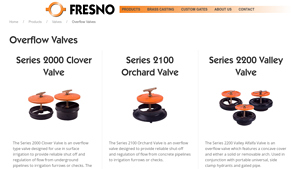
Domain: fresnovalves.com
Registered: 1997 (28 years)
Introduction: Overflow Valves:
1. Series 2000 Clover Valve:
– Type: Overflow valve for surface irrigation.
– Features: Precision ground seat, heavy-duty cast iron frame, cast-in-place bronze bushing, rugged brass screw, tapered frame skirt.
2. Series 2100 Orchard Valve:
– Type: Overflow valve for concrete pipelines.
– Features: Resilient seal, precision ground seat, easy-to-operate brass screw, ac…
2. Direct Pivot Parts – Surge Valve 8
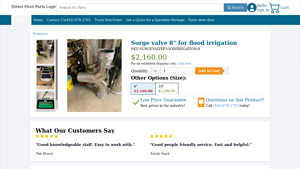
Domain: directpivotparts.com
Registered: 2016 (9 years)
Introduction: Surge valve 8″ for flood irrigation
3. Irrigation Automation – Essential Components
Domain: reddit.com
Registered: 2005 (20 years)
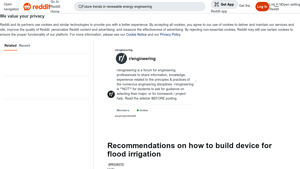
Introduction: The user is looking to automate a flood irrigation system that requires homeowners to manually turn on a community water valve every two weeks, sometimes at inconvenient times (e.g., 2AM). They are seeking recommendations for gears and parts to build a device that can automate this process.
4. Irrigation King – Dam Gate for 6 Pipe
Domain: irrigationking.com
Registered: 2016 (9 years)
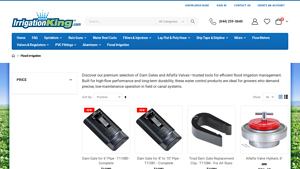
Introduction: {“products”:[{“name”:”Dam Gate for 6\” Pipe”,”code”:”T11080″,”price”:”$1.75″},{“name”:”Dam Gate for 8\” to 10\” Pipe”,”code”:”T11081″,”price”:”$1.75″},{“name”:”Triad Dam Gate Replacement Clip”,”code”:”T11084″,”price”:”$0.60″},{“name”:”Alfalfa Valve Hydrant, 6\””,”code”:”6RK”,”price”:”$76.47″},{“name”:”Alfalfa Valve Hydrant, 8\””,”code”:”8RK”,”price”:”$86.77″},{“name”:”Alfalfa Valve Hydrant, 10\””,…
5. Orbit – Top Underground Valves for Sprinkler and Drip Systems
Domain: orbitonline.com
Registered: 1999 (26 years)
Introduction: Top Underground Valves for Sprinkler and Drip Systems
6. NewAgTalk – Aluminum Butterfly Valves
Domain: talk.newagtalk.com
Registered: 2000 (25 years)
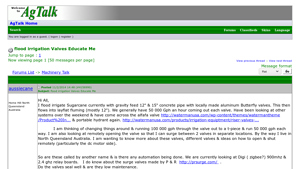
Introduction: Flood irrigation valves, specifically aluminum Butterfly valves, used for gravity feed irrigation of sugarcane in North Queensland, Australia. Current setup involves 12″ and 15″ concrete pipes with 50,000 GPH flow per valve. Interest in the Alfalfa valve and portable hydrants for potential upgrades to handle 100,000 GPH, with plans for remote operation and automation using DC motors and relay boar…
7. Netafim – Irrigation Control Valves
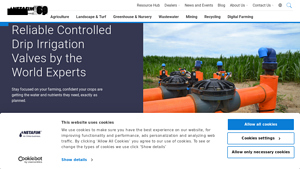
Domain: netafimusa.com
Registered: 2000 (25 years)
Introduction: Irrigation Control Valves including Series 75 Nylon Control Valves, Series 100 Iron Valves, Series 90 PVC Valves, Series 80 Nylon Control Valves, Electric PBI Throttling Valves, Battery Operated Control Valves, Pressure Sustaining Normally Open (PSNO) Valves, Quick Relief (QR) Valves, Backflush Valves. Designed for reliable controlled drip irrigation, ensuring crops receive the necessary water and…
8. Rainbird – LFV075 Inline Valve
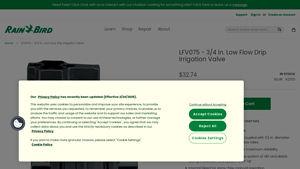
Domain: store.rainbird.com
Registered: 1995 (30 years)
Introduction: {“Model”:”LFV075″,”Flow Range”:”Low Flow: 0.2 to 8 gpm”,”Valve Type”:”Inline”,”Operating Range”:{“Flow”:”0.20 to 8.0 gpm (0.6 to 30.0 l/m)”,”Pressure”:”15 to 150 psi (1.0 to 10.3 bars)”},”Electrical Specifications”:{“Voltage”:”24 VAC 50/60 Hz (cycles/sec) solenoid”,”Inrush current”:”0.30 (7.2 VA) at 60 Hz”,”Holding current”:”0.19 A (4.56 VA)”},”Special Price”:”$32.74″,”List Price”:”$43.65″,”Featur…
9. Sprinkler Supply Store – Automatic Irrigation Valves
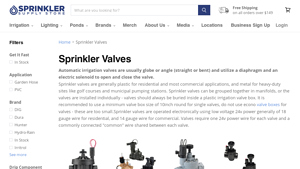
Domain: sprinklersupplystore.com
Registered: 2010 (15 years)
Introduction: Sprinkler valves are automatic irrigation valves that can be globe or angle (straight or bent) and utilize a diaphragm and an electric solenoid to open and close the valve. They are generally made of plastic for residential and most commercial applications, while metal is used for heavy-duty sites like golf courses and municipal pumping stations.
Strategic Sourcing Conclusion and Outlook for flood irrigation valve
What Are the Key Takeaways for Strategic Sourcing of Flood Irrigation Valves?
In the evolving landscape of flood irrigation, strategic sourcing of valves is paramount for ensuring efficiency and sustainability. Key considerations include the selection of durable materials, the adaptability of valve designs for varying flow rates, and the integration of automation technologies. Valves such as surge and overflow types play critical roles in optimizing water distribution, reducing operational costs, and enhancing productivity across diverse agricultural settings.
How Can International Buyers Benefit from Strategic Sourcing?
For international B2B buyers, particularly in regions like Africa, South America, the Middle East, and Europe, forging relationships with reliable suppliers can yield significant advantages. By investing in high-quality flood irrigation valves, buyers not only ensure the longevity and reliability of their systems but also contribute to water conservation efforts in their respective regions. Engaging with manufacturers who offer competitive pricing and robust customer support will facilitate smoother procurement processes.
What’s Next for Flood Irrigation Systems?
As the demand for efficient irrigation solutions continues to rise, the future of flood irrigation valves looks promising. Innovations in valve technology, including smart controls and enhanced materials, will further drive advancements in agricultural practices. Now is the time for international buyers to act—explore partnerships with trusted suppliers, invest in cutting-edge products, and position your operations for success in the competitive agricultural market. Embrace the future of irrigation today for a sustainable tomorrow.
 English (United States)
  Spanish (Spain)
  Portuguese (Portugal)
  French
  German
  Italian
  Arabic
  Dutch
Dutch  English (UK)
  Bulgarian
  Chinese (China)
  Chinese (Hong Kong)
  Czech
Czech  Danish
  Greek
Greek  Finnish
  Spanish (Mexico)
  Estonian
  Hebrew
  Hungarian
  Indonesian
  Japanese
  Korean
  Latvian
  Lithuanian
  Norwegian
  Polish
  Portuguese (Brazil)
  Romanian
  Russian
  Slovenian
  Slovak
  Swedish
  Turkish
  Ukrainian
  Vietnamese