
Introduction: Navigating the Global Market for rain barrel irrigation pump
Navigating the complexities of sourcing a rain barrel irrigation pump can be a daunting task for international B2B buyers, especially in regions like Africa, South America, the Middle East, and Europe. The challenge lies not only in identifying reliable suppliers but also in understanding the diverse range of products available, from solar-powered options to submersible pumps. This guide aims to demystify the process by providing a comprehensive overview of the various types of rain barrel irrigation pumps, their applications, and the critical factors to consider during supplier vetting.
As global demand for sustainable water solutions grows, businesses must make informed purchasing decisions that align with their operational needs and environmental commitments. This guide empowers buyers by detailing essential criteria such as cost, efficiency, and compatibility with existing rainwater harvesting systems. Furthermore, we will explore best practices for evaluating suppliers, ensuring that your investment yields a reliable and effective irrigation solution.
By addressing these key challenges and offering actionable insights, this resource serves as a vital tool for businesses looking to enhance their water management strategies while contributing to sustainability efforts. Whether you are a buyer in Brazil seeking cost-effective solutions or a distributor in Saudi Arabia looking to expand your product offerings, this guide equips you with the knowledge necessary to navigate the global market for rain barrel irrigation pumps effectively.
Understanding rain barrel irrigation pump Types and Variations
| Type Name | Key Distinguishing Features | Primary B2B Applications | Brief Pros & Cons for Buyers |
|---|---|---|---|
| Submersible Pumps | Installed inside the barrel; high efficiency | Agricultural irrigation, landscaping | Pros: Space-saving, quiet operation; Cons: Limited to water depth, potential for clogging. |
| Above Ground Pumps | External installation; easy access for maintenance | Construction sites, commercial gardens | Pros: Easy to service, versatile; Cons: Requires more space, may be noisy. |
| Solar-Powered Pumps | Operates on solar energy; eco-friendly | Remote locations, sustainable farms | Pros: Low operating costs, renewable energy; Cons: Dependent on sunlight, may require higher initial investment. |
| Diaphragm Pumps | Uses a diaphragm to pump water; low pressure capability | Residential gardens, small farms | Pros: Good for low-pressure applications, compact; Cons: Limited flow rate, potential for wear and tear. |
| Pressure Pumps | Delivers high pressure; suitable for larger systems | Large-scale agricultural operations | Pros: Efficient water delivery over long distances; Cons: Higher energy consumption, requires robust installation. |
What are Submersible Pumps and Their B2B Suitability?
Submersible pumps are designed to be placed directly within the rain barrel, making them highly efficient for extracting water. They are ideal for applications where space is limited, and they operate quietly, which can be beneficial in residential areas or commercial settings. When considering a submersible pump for B2B procurement, companies should evaluate the pump’s capacity to handle potential clogging from debris and the depth of the water in the barrel, as this can impact performance.
How Do Above Ground Pumps Differ from Other Types?
Above ground pumps are installed outside the rain barrel, providing easy access for maintenance and servicing. This type of pump is particularly suitable for commercial gardens and construction sites where frequent adjustments or repairs may be necessary. B2B buyers should consider the available space for installation and the noise level of the pump, as these factors can influence operational efficiency and workplace comfort.
What Advantages Do Solar-Powered Pumps Offer for B2B Buyers?
Solar-powered pumps represent an eco-friendly solution for businesses looking to reduce their carbon footprint. These pumps are particularly useful in remote locations or for operations focused on sustainability. However, buyers should assess the initial investment against long-term savings on energy costs and ensure that solar panels are adequately positioned to maximize sunlight exposure for optimal performance.
Why Choose Diaphragm Pumps for Specific Applications?
Diaphragm pumps are characterized by their ability to handle low-pressure applications effectively. They are compact and suitable for residential gardens or small farms where water needs are modest. B2B buyers should consider the flow rate and the potential for wear and tear over time, as diaphragm pumps may require more frequent maintenance compared to other types.
When are Pressure Pumps the Best Option for Businesses?
Pressure pumps are designed to deliver high-pressure water, making them ideal for larger irrigation systems or agricultural operations that require water delivery over long distances. While they offer efficient performance, B2B buyers must be aware of their higher energy consumption and the necessity for a robust installation to handle the increased pressure.
Key Industrial Applications of rain barrel irrigation pump
| Industry/Sector | Specific Application of rain barrel irrigation pump | Value/Benefit for the Business | Key Sourcing Considerations for this Application |
|---|---|---|---|
| Agriculture | Irrigation for small-scale farms | Reduces water costs and enhances crop yield | Assess pump capacity, energy efficiency, and local climate adaptability. |
| Landscaping and Gardening | Watering landscapes and gardens using harvested rainwater | Sustainable water usage and reduced reliance on municipal supply | Evaluate compatibility with existing irrigation systems and ease of installation. |
| Construction and Development | Temporary water supply for construction sites | Cost-effective water management during projects | Ensure compliance with local regulations and availability of power sources. |
| Municipal Water Management | Supplementing municipal water supply during dry seasons | Enhances resilience against drought and water scarcity | Focus on pump reliability, maintenance support, and integration with municipal systems. |
| Environmental Sustainability | Rainwater harvesting systems for eco-friendly building projects | Promotes sustainability and reduces environmental impact | Look for certifications and compatibility with green building standards. |
How is the Rain Barrel Irrigation Pump Used in Agriculture?
In agriculture, rain barrel irrigation pumps are essential for small-scale farmers who rely on rainwater harvesting. These pumps allow farmers to efficiently extract and distribute stored rainwater for irrigation, significantly reducing water costs and dependency on municipal supplies. By utilizing rainwater, farmers can enhance crop yields while promoting sustainable practices. International buyers should consider pump capacity and energy efficiency, especially in regions with varying climates.
What Role Does the Rain Barrel Irrigation Pump Play in Landscaping and Gardening?
In landscaping and gardening, rain barrel irrigation pumps facilitate the use of harvested rainwater for watering plants, lawns, and gardens. This application not only conserves water but also minimizes expenses associated with municipal water usage. Businesses in this sector benefit from the sustainable approach to irrigation, which is increasingly valued by eco-conscious consumers. Buyers must evaluate the pump’s compatibility with existing irrigation systems and the ease of installation to ensure optimal performance.
How Can Construction and Development Benefit from Rain Barrel Irrigation Pumps?
During construction projects, rain barrel irrigation pumps can provide a temporary water supply for various tasks, such as dust control and site cleanup. This application is particularly valuable in areas where water access is limited or costly. By leveraging harvested rainwater, construction firms can manage water usage more effectively and reduce operational costs. Buyers in this sector should ensure that the pumps comply with local regulations and assess the availability of power sources on-site.
Why are Rain Barrel Irrigation Pumps Important for Municipal Water Management?
Municipalities can use rain barrel irrigation pumps to supplement water supplies during dry seasons, enhancing resilience against drought. By integrating rainwater harvesting into municipal water management strategies, cities can alleviate pressure on existing water resources and promote sustainability. Key considerations for sourcing include the pump’s reliability and the availability of maintenance support, which are crucial for long-term operational success.
What is the Significance of Rain Barrel Irrigation Pumps in Environmental Sustainability?
Rain barrel irrigation pumps are integral to eco-friendly building projects focused on sustainability. They enable the collection and use of rainwater, thereby reducing reliance on traditional water sources and minimizing environmental impact. Businesses seeking to promote green initiatives should prioritize pumps that meet environmental certifications and compatibility with green building standards to enhance their sustainability profiles.
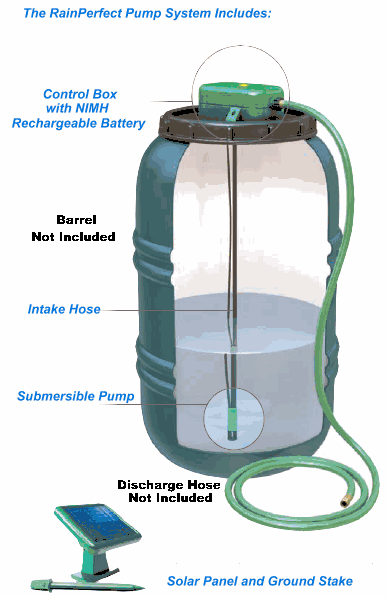
A stock image related to rain barrel irrigation pump.
3 Common User Pain Points for ‘rain barrel irrigation pump’ & Their Solutions
Scenario 1: Inconsistent Water Pressure Leading to Inefficient Irrigation
The Problem: Many B2B buyers in agriculture or landscaping face the challenge of inconsistent water pressure when using rain barrel irrigation pumps. This issue can stem from the gravitational dependence of the rain barrel system, where the water pressure varies significantly based on the water level in the barrel. As a result, plants may receive uneven watering, leading to suboptimal growth and increased operational costs due to wasted resources or the need for additional watering solutions.
The Solution: To mitigate this problem, B2B buyers should consider investing in a high-quality pump that features adjustable pressure settings. Choosing a pump with variable speed control can help maintain consistent water pressure regardless of the water level in the barrel. Additionally, integrating a pressure tank can help stabilize the water pressure and provide a buffer for peak demand periods. When selecting a pump, ensure it is compatible with the existing irrigation system and can handle the specific flow rate required for the intended application. Regular maintenance, including cleaning filters and checking connections, will also help sustain optimal performance.
Scenario 2: Frequent Pump Failures Causing Operational Delays
The Problem: A common pain point for B2B buyers is the frequent failure of rain barrel irrigation pumps, which can lead to operational delays and increased costs. Issues such as inadequate customer support, low-quality components, or improper installation can result in pumps failing shortly after purchase. This not only disrupts irrigation schedules but also leads to frustration and financial losses as businesses scramble to replace malfunctioning equipment.
The Solution: To avoid pump failures, it is crucial to conduct thorough research before purchasing. Buyers should prioritize reputable brands known for their reliability and robust customer support. Reading user reviews can provide insights into the durability and performance of specific models. Additionally, investing in pumps with warranties can offer peace of mind and financial protection. Proper installation is equally important; consider hiring a qualified technician to ensure the pump is set up correctly, which can significantly reduce the risk of failure. Regular inspection and maintenance should also be part of the operational routine to identify potential issues before they escalate.
Scenario 3: High Energy Costs Associated with Pump Operation
The Problem: Many businesses utilizing rain barrel irrigation pumps face unexpectedly high energy costs due to the inefficiency of their pumping systems. This is particularly concerning for agricultural operations or landscaping companies that rely heavily on consistent irrigation. The use of outdated, inefficient pumps can lead to excessive energy consumption, undermining the cost-saving benefits that rainwater harvesting systems are supposed to provide.
The Solution: To address high energy costs, B2B buyers should consider upgrading to energy-efficient pump models, such as those equipped with solar power options or variable frequency drives (VFDs). Solar-powered pumps, while initially more expensive, can drastically reduce long-term operational costs by leveraging renewable energy. Additionally, implementing a smart irrigation system that includes sensors and timers can optimize water usage and pump operation, reducing unnecessary energy expenditure. When selecting new pumps, always look for energy efficiency ratings and consult with suppliers to find solutions tailored to specific operational needs, ensuring that the investment pays off in the long run.
Strategic Material Selection Guide for rain barrel irrigation pump
What Are the Key Materials Used in Rain Barrel Irrigation Pumps?
When selecting materials for rain barrel irrigation pumps, it is crucial to consider their properties, advantages, and limitations. The right choice can significantly impact the pump’s performance, durability, and compatibility with various environmental conditions and applications. Below, we analyze four common materials used in the construction of these pumps.
How Does Plastic Perform in Rain Barrel Irrigation Pumps?
Key Properties: Plastic, particularly high-density polyethylene (HDPE) or polypropylene, offers excellent corrosion resistance and is lightweight, making it easy to handle. It typically has a temperature rating of up to 80°C (176°F) and can withstand moderate pressure levels.
Pros & Cons: The primary advantage of plastic is its cost-effectiveness and resistance to rust and corrosion. However, it may not withstand high temperatures or extreme weather conditions as well as other materials. Additionally, plastic can become brittle over time when exposed to UV light unless treated.
Impact on Application: Plastic is suitable for non-potable water applications, making it ideal for irrigation. However, it may not be the best choice for regions with extreme temperature fluctuations, as it can warp or degrade.
Considerations for International Buyers: Buyers in regions like Africa and South America should ensure that the plastic complies with local regulations regarding chemical leaching and environmental safety. Standards such as ASTM D3350 for polyethylene can be relevant.
What Role Does Stainless Steel Play in Pump Construction?
Key Properties: Stainless steel, particularly grades 304 and 316, is known for its high strength, corrosion resistance, and ability to withstand high temperatures (up to 800°F). It is also resistant to pitting and crevice corrosion, making it suitable for various water types.
Pros & Cons: The durability and longevity of stainless steel pumps are significant advantages, providing excellent performance in harsh environments. However, the higher cost and weight compared to plastic can be a disadvantage, particularly for larger systems.
Impact on Application: Stainless steel is ideal for applications involving potable water, as it does not leach harmful substances. Its strength makes it suitable for high-pressure applications, ensuring consistent water flow.
Considerations for International Buyers: Buyers should verify compliance with international standards such as ISO 9001 for quality management systems and ASTM standards for material specifications, particularly in Europe and the Middle East.
How Effective Are Bronze and Brass Materials?
Key Properties: Bronze and brass are alloys that offer good corrosion resistance and strength. They can typically handle temperatures up to 200°C (392°F) and are known for their excellent machinability.
Pros & Cons: The key advantage of bronze and brass is their resistance to corrosion in both freshwater and saltwater environments. However, they are generally more expensive than plastic and may require more complex manufacturing processes.
Impact on Application: These materials are suitable for high-performance pumps that require durability and reliability. They are often used in applications where water quality is a concern, such as in agricultural settings.
Considerations for International Buyers: Buyers should check for compliance with local standards such as JIS in Japan or DIN in Germany, especially in markets like Europe and the Middle East.
What About Composite Materials?
Key Properties: Composite materials, often a combination of plastic and fiberglass, provide high strength-to-weight ratios and excellent corrosion resistance. They can typically withstand temperatures up to 120°C (248°F).
Pros & Cons: The main advantage is their lightweight nature and durability, making them suitable for mobile or temporary installations. However, they can be more expensive and may require specialized manufacturing techniques.
Impact on Application: Composite pumps are well-suited for various irrigation applications, especially in regions with varying water quality. Their resistance to corrosion makes them ideal for areas with saline or acidic water.
Considerations for International Buyers: Buyers should ensure that composite materials meet relevant international standards for environmental impact and safety, particularly in regions like Africa and South America where regulations may vary.
Summary Table of Material Selection for Rain Barrel Irrigation Pumps
| Material | Typical Use Case for rain barrel irrigation pump | Key Advantage | Key Disadvantage/Limitation | Relative Cost (Low/Med/High) |
|---|---|---|---|---|
| Plastic | Non-potable water applications | Cost-effective and lightweight | Limited temperature resistance | Low |
| Stainless Steel | Potable water applications | High durability and corrosion resistance | Higher cost and weight | High |
| Bronze/Brass | High-performance agricultural settings | Excellent corrosion resistance | More expensive and complex to manufacture | Med |
| Composite | Various irrigation applications | Lightweight and durable | Higher cost and specialized manufacturing | Med |
This strategic material selection guide provides B2B buyers with essential insights into the materials used in rain barrel irrigation pumps, ensuring informed decision-making that aligns with regional needs and compliance standards.
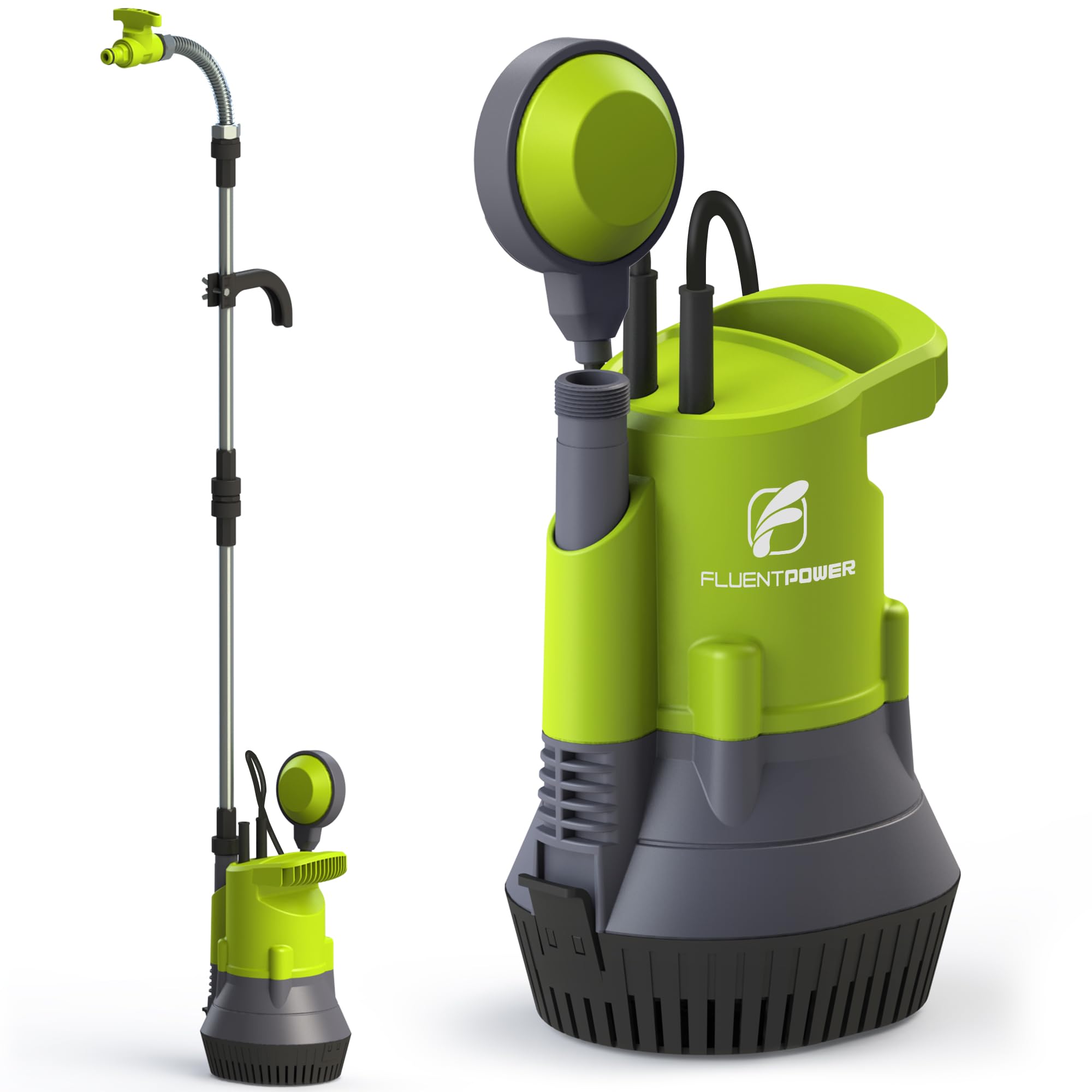
A stock image related to rain barrel irrigation pump.
In-depth Look: Manufacturing Processes and Quality Assurance for rain barrel irrigation pump
What Are the Key Stages in the Manufacturing Process of Rain Barrel Irrigation Pumps?
The manufacturing of rain barrel irrigation pumps involves several critical stages, each designed to ensure efficiency, durability, and performance. The main stages include material preparation, forming, assembly, and finishing.
Material Preparation: The first step involves sourcing high-quality materials such as thermoplastics for the pump body, stainless steel for internal components, and various seals and gaskets made from durable rubber or silicone. Suppliers often provide material certifications that meet international standards, ensuring that the components are resistant to corrosion and suitable for outdoor use.
Forming: This stage utilizes various techniques, including injection molding and extrusion, to create the pump components. Injection molding is particularly prevalent for creating complex shapes with precision, while extrusion is used for parts like hoses and fittings. Manufacturers must ensure that machinery is regularly calibrated to maintain product consistency.
Assembly: Once components are formed, they undergo assembly, which can be automated or manual, depending on the complexity of the pump design. Key aspects of this stage include the integration of electrical components (if applicable) and the installation of pumps and filters. Attention to detail is crucial, as improper assembly can lead to leaks or malfunction.
Finishing: The final stage involves quality finishing processes such as painting or applying protective coatings to enhance durability and aesthetic appeal. Surface treatments may also be applied to prevent UV degradation and ensure the longevity of the product.
How Do Quality Control Measures Ensure the Reliability of Rain Barrel Irrigation Pumps?
Quality control (QC) is essential in manufacturing rain barrel irrigation pumps, ensuring that each unit meets performance expectations and safety standards. This process involves several international and industry-specific standards that guide manufacturers.
International Standards: Many manufacturers comply with ISO 9001, which outlines quality management systems to ensure consistent quality across production processes. This certification requires ongoing monitoring and improvement, which is vital for maintaining product integrity.
Industry-Specific Standards: Additionally, certifications such as CE (Conformité Européenne) for products sold in Europe and API (American Petroleum Institute) standards for pumps used in specific applications are critical. These certifications not only enhance marketability but also assure buyers of safety and quality.
QC Checkpoints: Quality control typically includes several checkpoints throughout the manufacturing process:
– Incoming Quality Control (IQC): This involves inspecting raw materials upon arrival to ensure they meet specified standards.
– In-Process Quality Control (IPQC): During manufacturing, regular checks are performed to monitor production processes and component integrity.
– Final Quality Control (FQC): This final inspection ensures that the completed product meets all functional and safety requirements before shipment.Common Testing Methods: Various testing methods are employed to verify pump performance, including pressure testing, flow rate testing, and durability assessments under simulated environmental conditions. Manufacturers may also conduct long-term reliability tests to assess performance over extended periods.
What Are the Best Practices for B2B Buyers to Verify Supplier Quality Control?
For B2B buyers, particularly those operating in diverse regions like Africa, South America, the Middle East, and Europe, verifying the quality control processes of potential suppliers is essential. Here are several best practices:
Supplier Audits: Conducting on-site audits can provide valuable insights into a manufacturer’s processes and adherence to quality standards. Buyers should assess the production environment, machinery, and workforce practices during these audits.
Reviewing Quality Control Reports: Request detailed QC reports that outline testing results, certification compliance, and any corrective actions taken for past issues. This documentation can be instrumental in assessing reliability.
Third-Party Inspections: Engaging third-party inspection services can offer an unbiased evaluation of the supplier’s quality control measures. These services can verify compliance with industry standards and provide additional assurance of product quality.
Understanding QC/CERT Nuances: Buyers should be aware of the specific quality certification requirements in their regions. For example, certain certifications may be more relevant in Europe than in Africa or South America. Understanding these nuances helps in selecting suppliers who are not only compliant but also familiar with local market requirements.
How Do Regional Considerations Impact Quality Assurance for Rain Barrel Irrigation Pumps?
Regional considerations play a significant role in shaping quality assurance practices. For instance, climatic conditions in Africa and the Middle East may necessitate different material choices compared to Europe or South America, influencing durability and performance expectations.
Climate and Environmental Factors: Buyers in regions with extreme temperatures or humidity may prioritize pumps with enhanced corrosion resistance and UV protection. Manufacturers catering to these markets must adapt their designs and materials accordingly.
Regulatory Compliance: Different regions have unique regulations governing water usage and safety. Suppliers need to be well-versed in local laws to ensure their products meet all necessary compliance requirements.
Cultural Expectations: Understanding the cultural context can also influence purchasing decisions. For instance, in some markets, there may be a higher emphasis on sustainability and eco-friendliness, prompting buyers to seek out suppliers who utilize environmentally friendly manufacturing practices.
Conclusion
For B2B buyers sourcing rain barrel irrigation pumps, understanding the intricacies of manufacturing processes and quality assurance is crucial. By focusing on material preparation, forming techniques, assembly, and finishing processes, along with robust quality control measures, buyers can ensure they partner with reliable suppliers. Implementing best practices for verifying quality, considering regional nuances, and adhering to international standards will further enhance the procurement process, leading to successful and sustainable water management solutions.
Practical Sourcing Guide: A Step-by-Step Checklist for ‘rain barrel irrigation pump’
Introduction
This sourcing guide provides a structured approach for B2B buyers looking to procure rain barrel irrigation pumps. It outlines essential steps to ensure that your investment aligns with operational needs, quality standards, and budget constraints, particularly in diverse markets such as Africa, South America, the Middle East, and Europe.
Step 1: Define Your Technical Specifications
Clearly outline the technical requirements for your rain barrel irrigation pump. Consider factors such as flow rate, power source (solar vs. electric), and compatibility with existing systems. Understanding these specifications will help you filter options that meet your operational demands and ensure efficient water distribution.
Step 2: Research Market Trends and Innovations
Stay informed about the latest trends and technologies in rain barrel irrigation systems. Innovations such as solar-powered pumps or smart controllers can enhance efficiency and reduce operational costs. Assessing market developments will guide you in selecting a pump that not only meets current needs but also positions your operations for future improvements.
Step 3: Evaluate Potential Suppliers
Before making a purchase, it is crucial to vet suppliers thoroughly. Request company profiles, case studies, and references from buyers in similar industries or regions. Assess their history of reliability and customer service, as this can significantly impact your operational continuity.
- Supplier Certifications: Look for ISO or other relevant certifications to ensure quality and compliance with international standards.
- Customer Feedback: Check reviews and testimonials to gauge customer satisfaction and product performance.
Step 4: Request Samples or Demonstrations
Whenever possible, request samples or arrange for product demonstrations. This allows you to assess the performance of the pump firsthand and verify that it meets your specifications and quality standards. Engaging with the product directly helps to mitigate risks associated with poor performance.
Step 5: Compare Pricing and Total Cost of Ownership
Gather quotes from multiple suppliers, but don’t solely focus on the initial purchase price. Consider the total cost of ownership, which includes installation, maintenance, and operational costs. A lower upfront cost may result in higher long-term expenses, so balance price with performance and durability.
- Warranty and Support: Ensure that the supplier offers a comprehensive warranty and accessible customer support for troubleshooting and maintenance.
Step 6: Negotiate Terms and Conditions
Once you have identified a preferred supplier, negotiate the terms of purchase, including payment options, delivery timelines, and after-sales support. Clear communication about expectations can prevent misunderstandings and ensure a smoother procurement process.
Step 7: Plan for Installation and Maintenance
Develop a clear plan for the installation and ongoing maintenance of the pump. Ensure that your team is trained in proper operational procedures, and schedule regular maintenance checks to prolong the life of the equipment. Proper planning helps to minimize downtime and maintain system efficiency.
By following this checklist, B2B buyers can make informed decisions when sourcing rain barrel irrigation pumps, ultimately leading to improved operational efficiency and sustainability.
Comprehensive Cost and Pricing Analysis for rain barrel irrigation pump Sourcing
What Are the Key Cost Components in Rain Barrel Irrigation Pump Sourcing?
When sourcing rain barrel irrigation pumps, understanding the cost structure is essential for B2B buyers. The primary cost components include materials, labor, manufacturing overhead, tooling, quality control (QC), logistics, and profit margin.
- Materials: The quality and type of materials significantly influence the overall cost. Pumps made from durable, corrosion-resistant materials may have a higher upfront cost but can lead to lower maintenance expenses over time.
- Labor: Labor costs can vary by region, impacting the final price. In areas with higher wage standards, such as parts of Europe, labor costs can account for a significant portion of the total price.
- Manufacturing Overhead: This includes costs associated with facility maintenance, utilities, and equipment depreciation. Efficient manufacturing processes can help reduce these overheads.
- Tooling: Customization often requires specialized tooling, which can increase initial costs. Buyers should consider whether they need bespoke designs or if standard models will suffice.
- Quality Control: Ensuring that pumps meet specific performance and safety standards can add to costs. Certifications for quality can also influence pricing, especially in markets with stringent regulatory requirements.
- Logistics: Shipping costs, customs duties, and insurance can vary significantly based on geographical location and chosen shipping methods.
- Margin: Suppliers typically add a profit margin, which can vary based on their market positioning and competitive landscape.
How Do Price Influencers Affect Rain Barrel Pump Costs?
Several factors can influence the pricing of rain barrel irrigation pumps, and understanding these can aid in negotiating better deals.
- Volume and Minimum Order Quantity (MOQ): Purchasing in bulk can significantly lower the unit price. Suppliers often provide discounts for larger orders, so buyers should consider their long-term needs.
- Specifications and Customization: Customized pumps tailored to specific agricultural needs or environmental conditions may incur additional costs. Standard specifications generally yield better pricing.
- Quality and Certifications: Pumps that meet international quality standards may cost more upfront but can reduce the risk of failure and associated costs in the long run.
- Supplier Factors: The reputation and reliability of suppliers can affect pricing. Established suppliers may charge a premium for their products due to their proven track record.
- Incoterms: Understanding the delivery terms (Incoterms) is critical as they define who is responsible for shipping, insurance, and tariffs. This can affect the total landed cost of the product.
What Negotiation Tips Should B2B Buyers Consider for Cost-Efficiency?
B2B buyers looking to optimize costs should adopt strategic negotiation practices.
- Conduct Market Research: Understanding market prices for similar pumps can provide leverage in negotiations. Buyers should gather quotes from multiple suppliers to compare offerings.
- Assess Total Cost of Ownership (TCO): Instead of focusing solely on the initial purchase price, consider the TCO, including installation, maintenance, and potential repairs over the product’s lifespan.
- Inquire About Financing Options: Some suppliers may offer financing or leasing options, which can alleviate upfront costs while providing access to quality products.
- Leverage Relationships: Building long-term relationships with suppliers can result in better pricing, priority service, and access to new products or innovations.
- Be Mindful of International Pricing Nuances: Buyers from Africa, South America, the Middle East, and Europe should be aware of currency fluctuations, import tariffs, and regional economic conditions that can affect pricing.
Conclusion
Understanding the comprehensive cost and pricing analysis for rain barrel irrigation pumps is crucial for B2B buyers. By recognizing the various cost components and price influencers, buyers can make informed purchasing decisions that align with their operational needs and budget constraints. Always remember to approach negotiations with a thorough understanding of the market and a focus on long-term value rather than just initial costs.
Alternatives Analysis: Comparing rain barrel irrigation pump With Other Solutions
Exploring Alternative Solutions to Rain Barrel Irrigation Pumps
As businesses and agricultural enterprises seek sustainable solutions for irrigation, the rain barrel irrigation pump stands out as a popular choice. However, there are alternative methods and technologies that can also effectively harness rainwater for irrigation. This section evaluates the rain barrel irrigation pump against two viable alternatives: drip irrigation systems and soaker hoses. Each method has its unique advantages and potential drawbacks, which are essential for B2B buyers to consider based on their specific needs.
| Comparison Aspect | Rain Barrel Irrigation Pump | Drip Irrigation System | Soaker Hose |
|---|---|---|---|
| Performance | Efficient for small to medium gardens; pressure dependent on barrel height. | Highly efficient, delivering water directly to plant roots, reducing evaporation. | Good for evenly moistening soil but may require higher water pressure for optimal performance. |
| Cost | Moderate initial investment; costs vary based on pump power and features. | Higher initial setup costs, especially for larger areas; potential for long-term water savings. | Low initial cost; minimal setup required. |
| Ease of Implementation | Requires installation of pump and possibly electrical connection; moderate complexity. | Installation can be complex; may require professional help for larger systems. | Very easy to install; simply lay out the hose and connect to a water source. |
| Maintenance | Regular checks needed for pump functionality and potential blockages. | Low maintenance once installed; periodic checks for clogging in emitters. | Minimal maintenance; needs occasional cleaning to prevent clogging. |
| Best Use Case | Ideal for residential gardens with moderate water needs; provides flexibility in water delivery. | Best suited for larger agricultural applications or gardens needing precise water delivery. | Effective for gardens with consistent moisture needs and minimal water pressure. |
What Are the Pros and Cons of Drip Irrigation Systems?
Drip irrigation systems excel in efficiency, directly supplying water to plant roots, which minimizes evaporation and runoff. They are particularly advantageous for larger agricultural operations or commercial gardens where precision in watering is crucial. However, the initial investment can be significant, especially for extensive setups. Installation can also be complex, often necessitating professional assistance to ensure optimal performance. Once in place, drip systems require minimal maintenance, making them a long-term solution for water conservation.
How Do Soaker Hoses Compare to Rain Barrel Pumps?
Soaker hoses are a budget-friendly alternative that is exceptionally easy to implement. They work by allowing water to seep through porous material, providing consistent moisture to the surrounding soil. This method is best for smaller gardens or areas where water pressure is adequate. However, soaker hoses may not deliver water as efficiently as drip irrigation systems and can become clogged over time. Their simplicity and low cost make them an attractive option for small-scale applications, but they may not meet the needs of larger agricultural enterprises.
Conclusion: Which Solution Is Right for Your Needs?
When choosing between a rain barrel irrigation pump and its alternatives, B2B buyers must consider several factors, including scale, budget, and specific water needs. Rain barrel pumps offer flexibility and moderate performance for small to medium gardens, while drip irrigation systems provide precision and efficiency for larger operations, albeit at a higher cost. Soaker hoses serve as an economical choice for smaller applications, but may not provide the same level of control as other methods. Ultimately, the right solution will depend on the unique requirements of the business, the resources available, and the long-term goals for sustainable irrigation.
Essential Technical Properties and Trade Terminology for rain barrel irrigation pump
What Are the Key Technical Properties of Rain Barrel Irrigation Pumps?
When selecting a rain barrel irrigation pump, understanding the technical specifications is vital for ensuring optimal performance and durability. Here are several critical properties to consider:
Flow Rate (GPH or GPM)
The flow rate, measured in gallons per hour (GPH) or gallons per minute (GPM), indicates how much water the pump can move within a specific timeframe. This is crucial for determining whether the pump can meet the irrigation demands of your landscape or garden. A higher flow rate is beneficial for larger areas or more extensive irrigation systems.Power Source
Rain barrel pumps can be powered by electricity (AC), battery, or solar energy. For international buyers, especially in regions with inconsistent power supply, solar-powered pumps can offer a reliable alternative. Understanding the power source helps in assessing installation requirements and ongoing energy costs.Pump Type
Common types include submersible and surface pumps. Submersible pumps operate while submerged in water, providing quiet operation and efficiency, while surface pumps draw water from above the barrel. The choice of pump type affects installation complexity, maintenance needs, and overall performance.Material Composition
The materials used in the pump construction (e.g., thermoplastics, stainless steel) determine its durability and resistance to corrosion, particularly in regions with high humidity or harsh weather conditions. Selecting pumps with high-quality materials ensures longevity and reduces the frequency of replacements.Maximum Head Height
This specification indicates the maximum vertical distance the pump can move water. Understanding the head height is essential for ensuring that water can be delivered to the desired location, especially in multi-level garden designs or when watering from elevated barrels.Warranty and Service Life
The warranty period and expected service life are crucial for evaluating the long-term investment. Products with longer warranties often indicate higher confidence in the pump’s durability and performance. This can also impact purchasing decisions, especially for B2B buyers looking for reliable solutions.
What Common Trade Terms Should Buyers Understand in the Rain Barrel Pump Industry?
Familiarity with industry terminology can greatly enhance communication and decision-making for B2B buyers. Here are several essential terms:
OEM (Original Equipment Manufacturer)
This refers to companies that produce parts or equipment that may be marketed by another manufacturer. Understanding OEM relationships can help buyers identify reliable suppliers and ensure product compatibility.MOQ (Minimum Order Quantity)
MOQ indicates the smallest quantity of a product that a supplier is willing to sell. Knowing the MOQ is essential for planning purchases, especially for businesses aiming to stock products or for those with limited budgets.RFQ (Request for Quotation)
An RFQ is a document that solicits price quotes from suppliers. It is commonly used when buyers require detailed pricing and terms for bulk purchases, ensuring competitive offers and informed decision-making.Incoterms (International Commercial Terms)
These are standardized trade terms that define the responsibilities of buyers and sellers in international transactions. Understanding Incoterms is crucial for navigating shipping, insurance, and liability issues, especially for international buyers in diverse markets.Lead Time
Lead time refers to the time between placing an order and receiving the product. Knowing the lead time helps businesses plan their inventory and operational needs effectively, especially in seasonal markets.Warranty
A warranty is a guarantee provided by the manufacturer regarding the quality and longevity of the product. Understanding warranty terms is vital for assessing risk and ensuring adequate support in case of product failure.
By grasping these technical properties and industry terms, B2B buyers can make informed decisions when investing in rain barrel irrigation pumps, ensuring they meet their operational needs effectively.
Navigating Market Dynamics and Sourcing Trends in the rain barrel irrigation pump Sector
What Are the Current Market Dynamics and Key Trends in the Rain Barrel Irrigation Pump Sector?
The global rain barrel irrigation pump market is experiencing a notable transformation driven by various factors, including environmental sustainability, technological advancements, and the increasing demand for efficient water management solutions. As regions such as Africa, South America, the Middle East, and Europe face escalating water scarcity challenges, the adoption of rainwater harvesting systems, including rain barrel irrigation pumps, is on the rise. B2B buyers are increasingly seeking solutions that not only fulfill their irrigation needs but also align with sustainability goals.
Emerging technologies such as solar-powered pumps are becoming increasingly popular, offering a cost-effective and environmentally friendly alternative to traditional electric pumps. These innovations not only reduce electricity costs but also make it feasible for remote and off-grid applications. Additionally, the integration of smart technology, such as IoT-enabled systems, is enhancing the efficiency of water use, providing data analytics to optimize irrigation schedules based on weather patterns.
Furthermore, the market is witnessing a shift towards modular and scalable solutions that cater to varying needs—from small residential setups to large agricultural operations. As international buyers evaluate products, they prioritize durability, ease of installation, and customer support, particularly given the mixed reviews surrounding pump reliability and service quality. Understanding these dynamics is crucial for B2B buyers looking to navigate the complexities of sourcing in this evolving sector.
How Does Sustainability Influence Sourcing Decisions in the Rain Barrel Irrigation Pump Market?
Sustainability is a key consideration for B2B buyers in the rain barrel irrigation pump sector. The environmental impact of products throughout their lifecycle—from production to disposal—plays a critical role in sourcing decisions. Companies that prioritize eco-friendly practices are not only meeting regulatory requirements but also responding to the growing consumer demand for sustainable products.
Ethical sourcing is becoming increasingly important, with buyers looking for suppliers who maintain transparency in their supply chains. This involves ensuring that materials used in pumps and associated components are sourced responsibly and that manufacturing processes minimize environmental harm. Certifications such as ISO 14001 (Environmental Management) and Energy Star are valuable indicators of a supplier’s commitment to sustainability.
Moreover, the use of recycled materials in product design is gaining traction, as it reduces waste and promotes circular economy principles. By selecting products that incorporate ‘green’ certifications or materials, B2B buyers can enhance their brand reputation and contribute to broader environmental goals. This shift not only fosters a sustainable business model but also resonates with end-users who are increasingly aware of the environmental implications of their purchasing choices.
How Has the Rain Barrel Irrigation Pump Market Evolved Over Time?
The evolution of rain barrel irrigation pumps has been shaped by the dual imperatives of water conservation and technological advancement. Initially, these systems were rudimentary, relying on gravity to dispense water collected from roofs. As urbanization and environmental awareness grew, the need for more efficient water management solutions became apparent.
In the early 2000s, the introduction of electric pumps revolutionized the sector, allowing users to access stored rainwater more conveniently. However, concerns regarding energy consumption and the reliability of electric systems prompted innovations in solar-powered and battery-operated alternatives. Today, the market continues to evolve with smart technology integration, enabling users to monitor and control their irrigation systems remotely, thus optimizing water usage in alignment with environmental sustainability goals.
This historical perspective is essential for B2B buyers as it underscores the importance of selecting products that not only meet current needs but also anticipate future trends in water management and sustainability.
Frequently Asked Questions (FAQs) for B2B Buyers of rain barrel irrigation pump
1. How do I solve pump compatibility issues with my rain barrel?
To resolve pump compatibility issues, first ensure the pump’s specifications match the dimensions and outlet fittings of your rain barrel. It’s essential to check the flow rate, pressure requirements, and power source of the pump. Additionally, consider using adapters or hose fittings to create a secure connection. For international buyers, confirm that the voltage and plug type are compatible with your local electrical standards. If needed, consult with suppliers who can provide insights into the best pump options based on your specific rain barrel model.2. What is the best pump for rain barrel irrigation?
The best pump for rain barrel irrigation typically features a high flow rate, energy efficiency, and durability. Submersible pumps are popular for their ease of installation and ability to work quietly underwater. Solar-powered options are also gaining traction, particularly in regions with abundant sunlight, as they reduce electricity costs. When selecting a pump, consider your irrigation system’s pressure and flow requirements. It’s advisable to consult with manufacturers or distributors to identify the best models suited for your agricultural needs.3. How can I ensure the quality of the rain barrel pumps I purchase?
To ensure the quality of rain barrel pumps, conduct thorough research on potential suppliers. Look for manufacturers with established reputations, preferably those that offer warranties and robust customer support. Request samples to test for performance and durability before placing large orders. Additionally, check certifications and compliance with international quality standards. Engaging in trade shows or industry conferences can also provide insights into the latest innovations and trusted suppliers in the market.4. What are the typical minimum order quantities (MOQs) for rain barrel pumps?
Minimum order quantities (MOQs) for rain barrel pumps can vary significantly depending on the supplier and the type of pump. Many manufacturers set MOQs between 50 to 100 units for bulk purchases to optimize production costs. However, some suppliers may offer lower MOQs for customized or specialized pumps. It’s essential to communicate your requirements clearly and explore options with multiple suppliers to find a balance between cost efficiency and your specific needs.5. What payment terms are commonly offered in B2B transactions for rain barrel pumps?
Payment terms in B2B transactions for rain barrel pumps typically include options such as upfront payment, net 30/60 days, or letters of credit. Many suppliers may require a deposit (often 30% to 50%) at the time of order confirmation, with the remaining balance due prior to shipment. International buyers should be aware of currency exchange rates and potential transaction fees. It’s advisable to negotiate payment terms that provide security for both parties while maintaining cash flow for your business.6. How do I vet suppliers for rain barrel irrigation pumps?
Vetting suppliers for rain barrel irrigation pumps involves several critical steps. Begin by researching the supplier’s history, customer reviews, and industry reputation. Look for certifications or memberships in relevant trade associations to gauge their credibility. Request references from previous clients, and consider visiting their production facilities if possible. Additionally, assess their communication responsiveness and willingness to provide technical support, as these factors can indicate a reliable long-term partnership.7. What logistics considerations should I keep in mind when sourcing rain barrel pumps internationally?
When sourcing rain barrel pumps internationally, consider logistics factors such as shipping methods, lead times, and customs regulations. Evaluate the supplier’s ability to handle international shipping, including documentation and insurance. Choose a reliable freight forwarder to manage logistics efficiently. Additionally, be aware of import duties and taxes that may apply in your country. Planning for potential delays in customs and ensuring the pumps are packaged securely to prevent damage during transit is also crucial.8. Can I customize rain barrel pumps to suit specific irrigation needs?
Yes, many suppliers offer customization options for rain barrel pumps to meet specific irrigation requirements. Customizations can include modifications to pump size, flow rate, power source, and additional features such as timers or sensors. When considering customization, communicate your specific needs clearly to the manufacturer. Be prepared to discuss minimum order quantities and potential cost implications associated with custom designs. Collaborating closely with suppliers during the design phase can ensure the final product meets your operational expectations.
Important Disclaimer & Terms of Use
⚠️ Important Disclaimer
The information provided in this guide, including content regarding manufacturers, technical specifications, and market analysis, is for informational and educational purposes only. It does not constitute professional procurement advice, financial advice, or legal advice.
While we have made every effort to ensure the accuracy and timeliness of the information, we are not responsible for any errors, omissions, or outdated information. Market conditions, company details, and technical standards are subject to change.
B2B buyers must conduct their own independent and thorough due diligence before making any purchasing decisions. This includes contacting suppliers directly, verifying certifications, requesting samples, and seeking professional consultation. The risk of relying on any information in this guide is borne solely by the reader.
Top 8 Rain Barrel Irrigation Pump Manufacturers & Suppliers List
1. Water Pump Supply – Rain Barrel Pumps
Domain: store.waterpumpsupply.com
Registered: 2003 (22 years)
Introduction: Rain Barrel Pumps are designed for rainwater harvesting, collecting and storing rainwater for future use. A typical rain barrel consists of a 55-gallon drum, vinyl hose, PVC couplings, and a screen grate to keep debris and insects out. They provide a simple and low-cost alternative for outdoor water supply while conserving water and saving energy. The RainPerfect solar powered pumping system offer…
2. Top Brand – Reliable Garden Hose Pump
Domain: forum.allaboutcircuits.com
Registered: 2003 (22 years)
Introduction: Looking for a water pump to connect to a garden hose, powered by a 110VAC outlet. Price range: $45 to $155, not exceeding $200. Concerns include poor customer service and pump failures. Suggested types include diaphragm pumps, basement sump pumps, aquarium or pond pumps. Specific recommendations include a 45W, 800GPH pump for $24, a 100W version for 1050GPH, and a 155W, 2900GPH unit for $85. Other…
3. Harbor Freight – Bauer Transfer Pump

Domain: facebook.com
Registered: 1997 (28 years)
Introduction: This company, Harbor Freight – Bauer Transfer Pump, is a notable entity in the market. For specific product details, it is recommended to visit their website directly.
4. Rain Harvesting Supplies – Water Pumps & Accessories
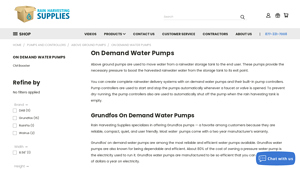
Domain: rainharvestingsupplies.com
Registered: 2010 (15 years)
Introduction: On Demand Water Pumps, Above Ground Pumps, CM Booster, Standard Pumps without Controllers, Variable Speed / Constant Pressure Pump Systems, Pump Controls, On Demand Constant Pressure Pump Start Relays, Pump Housings, Pump Packages, Submersible Water Pumps, Accessories for Submersible Pumps, Grundfos Pumps, Grundfos Submersible Pumps, Grundfos SBA Discount Without Controllers, Grundfos Surface Pump…
5. Hunter – HC75F75M HCV Adjustable Spring Check Valve
Domain: diy.stackexchange.com
Registered: 2009 (16 years)
Introduction: Hunter Sprinkler HC75F75M HCV: adjustable spring check valve, default “crack” pressure of 5 PSI, adjustable pressure, NPT threads requiring GHT adapters for connection.
6. Red Lion – Cast Iron Sump Pump
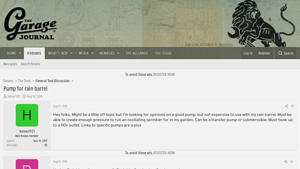
Domain: garagejournal.com
Registered: 2006 (19 years)
Introduction: 1. Type: Submersible or transfer pump
2. Power: Must connect to a 110v outlet
3. Pressure: Must create enough pressure to run an oscillating sprinkler
4. Price Range: $120-$150 for better quality pumps
5. Example Brands: Red Lion (cast iron sump pumps), Wayne (1 HP Stainless Steel Portable Sprinkler Pump)
6. Additional Features: Some pumps have a float switch, integrated pressure switch for 12v Sh…
7. Our Figs – Rain Barrel Solutions for Drip Irrigation
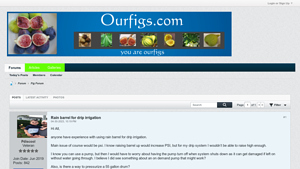
Domain: ourfigs.com
Registered: 2015 (10 years)
Introduction: Rain barrel for drip irrigation; concerns about PSI; raising barrel increases PSI; potential use of a pump; need for pump to turn off when system shuts down; discussion of on-demand pump; possibility of pressurizing a 55-gallon drum; minimum pressure requirements for drip systems; elevation impacts on PSI.
8. EarthMinded – 42 Gallon Rock Rain Wizard
Domain: therainbarreldepot.com
Registered: 2008 (17 years)
Introduction: Rain Barrels: 40-45 Gallon, 50 Gallon, 55 Gallon, 60-65 Gallon, 90 Gallon; Brands: EarthMinded, GOOD IDEAS, Impressions; Key Products: 42 Gallon Rock Rain Wizard, 50 Gallon Downton Rain Saver, 50 Gallon Palm Rain Saver, 50 Gallon Urn Rain Wizard, 65 Gallon Urn Rain Wizard, 90 Gallon Bark Rain Saver; Rain Barrel Kits: RainRecycle Kits, Earth-minded Do It Yourself Rain Barrel Accessories; Accessorie…
Strategic Sourcing Conclusion and Outlook for rain barrel irrigation pump
In conclusion, strategic sourcing for rain barrel irrigation pumps provides a multitude of benefits for international B2B buyers across diverse markets, including Africa, South America, the Middle East, and Europe. By understanding the essential features of these pumps—such as efficiency, reliability, and ease of installation—businesses can make informed purchasing decisions that align with their operational needs and budget constraints. This is particularly crucial in regions where water scarcity is prevalent, and sustainable solutions are increasingly demanded.
Investing in quality rain barrel irrigation pumps not only enhances water conservation efforts but also contributes to reducing energy costs and improving resource management. Buyers should prioritize suppliers that offer robust customer support and reliable warranties, as these factors significantly influence long-term satisfaction and system performance.
As we look ahead, the demand for innovative rainwater harvesting solutions is expected to grow. B2B buyers are encouraged to explore partnerships with reputable manufacturers and suppliers who can deliver high-quality products tailored to regional requirements. Taking proactive steps in sourcing will ensure a competitive edge in an evolving marketplace focused on sustainability and efficiency.
 English (United States)
  Spanish (Spain)
  Portuguese (Portugal)
  French
  German
  Italian
  Arabic
  Dutch
Dutch  English (UK)
  Bulgarian
  Chinese (China)
  Chinese (Hong Kong)
  Czech
Czech  Danish
  Greek
Greek  Finnish
  Spanish (Mexico)
  Estonian
  Hebrew
  Hungarian
  Indonesian
  Japanese
  Korean
  Latvian
  Lithuanian
  Norwegian
  Polish
  Portuguese (Brazil)
  Romanian
  Russian
  Slovenian
  Slovak
  Swedish
  Turkish
  Ukrainian
  Vietnamese