
Introduction: Navigating the Global Market for knife gate valves suppliers
In the ever-evolving landscape of industrial applications, sourcing reliable knife gate valves suppliers presents a significant challenge for B2B buyers. With diverse industries relying on these valves for the efficient handling of liquids, slurries, and dry materials, the need for quality, performance, and durability cannot be overstated. This comprehensive guide serves as an essential resource for international buyers, particularly those from Africa, South America, the Middle East, and Europe, including Germany and Vietnam. By exploring various types of knife gate valves, their applications, and supplier vetting processes, this guide aims to streamline your purchasing decisions.
Navigating the global market requires an understanding of the unique specifications and standards that different suppliers offer. From cast stainless steel valves designed for corrosive environments to fabricated options suited for high-pressure applications, the choices can be overwhelming. This guide not only highlights the nuances of each type but also provides insights into cost considerations, maintenance requirements, and the critical factors to evaluate when selecting a supplier.
By empowering B2B buyers with actionable insights and a structured approach to supplier evaluation, this guide ensures that you can make informed decisions that enhance operational efficiency and reduce risks in your supply chain. Whether you are expanding your operations or optimizing existing processes, understanding the global landscape of knife gate valve suppliers is key to achieving your business goals.
Understanding knife gate valves suppliers Types and Variations
| Type Name | Key Distinguishing Features | Primary B2B Applications | Brief Pros & Cons for Buyers |
|---|---|---|---|
| Cast Stainless Steel Knife Gate | Durable construction, suitable for corrosive and abrasive media | Chemical processing, wastewater treatment | Pros: High resistance to corrosion; Cons: Higher upfront cost. |
| Urethane Lined Knife Gate | Precision-molded urethane liner for abrasion resistance | Mining, pulp and paper, and slurry handling | Pros: Extended service life; Cons: Limited temperature range. |
| Bi-Directional Knife Gate | Provides effective shutoff in both directions | Water treatment, food processing | Pros: Versatile; Cons: More complex design may require higher maintenance. |
| Severe Service Knife Gate | Designed for high-pressure and abrasive conditions | Oil and gas, heavy industry | Pros: Robust for extreme environments; Cons: Can be over-engineered for simple tasks. |
| Custom Fabricated Knife Gate | Tailored to specific requirements, available in various materials | Specialized industrial applications | Pros: Perfect fit for unique needs; Cons: Longer lead times and potentially higher costs. |
What are the Characteristics of Cast Stainless Steel Knife Gate Valves?
Cast stainless steel knife gate valves are renowned for their robust construction and ability to handle corrosive and abrasive materials. Typically available in sizes ranging from 2” to 48”, these valves are ideal for applications in chemical processing and wastewater treatment where durability is crucial. When purchasing, buyers should consider factors like pressure ratings and compatibility with the media being handled, as these valves can have higher initial costs but offer long-term reliability.
Why Choose Urethane Lined Knife Gate Valves for Abrasive Applications?
Urethane lined knife gate valves feature a precision-molded liner that significantly enhances abrasion resistance, making them suitable for industries like mining and pulp and paper. Their unique design allows for bi-directional, drip-tight shutoff, providing effective isolation for high solids content and corrosive slurries. Buyers should evaluate the specific temperature and pressure ratings required for their applications, as these valves may have limitations in extreme environments.
What are the Benefits of Bi-Directional Knife Gate Valves?
Bi-directional knife gate valves are designed to provide effective shutoff in both flow directions, making them ideal for applications in water treatment and food processing. Their versatile design allows for efficient isolation, but buyers should be aware that the complexity of these valves may lead to increased maintenance requirements. Consideration of installation space and flow dynamics is essential for ensuring optimal performance.
When Should You Use Severe Service Knife Gate Valves?
Severe service knife gate valves are engineered to withstand high-pressure and highly abrasive conditions, making them suitable for the oil and gas industry and other heavy industrial applications. These valves are built to handle extreme environments, but buyers should assess whether the robustness is necessary for their specific application to avoid over-engineering. Understanding the operational environment and maintenance needs is critical for maximizing the lifespan of these valves.
How Do Custom Fabricated Knife Gate Valves Meet Specific Needs?
Custom fabricated knife gate valves are tailored to meet unique specifications in various materials and sizes, making them a perfect solution for specialized industrial applications. While they offer a perfect fit for specific requirements, buyers should consider the potential for longer lead times and higher costs associated with custom solutions. Assessing the balance between customization and budget constraints is essential when making purchasing decisions.
Key Industrial Applications of knife gate valves suppliers
| Industry/Sector | Specific Application of knife gate valves suppliers | Value/Benefit for the Business | Key Sourcing Considerations for this Application |
|---|---|---|---|
| Mining and Minerals | Isolation of slurries and abrasive materials in mineral processing | Enhances operational efficiency and minimizes downtime | Look for high abrasion resistance and suitable pressure ratings |
| Water and Wastewater | Control of flow in treatment plants and sewage systems | Ensures reliable operation and compliance with environmental standards | Consider corrosion resistance and ease of maintenance |
| Pulp and Paper | Management of paper stock and chemical processes | Improves product quality and reduces waste | Focus on valve size and compatibility with specific media |
| Chemical Processing | Handling corrosive chemicals in production lines | Increases safety and operational reliability | Verify material compatibility and pressure rating |
| Food and Beverage | Isolation of ingredients and control of flow in processing lines | Ensures hygiene and product integrity | Ensure compliance with food safety standards and certifications |
How Are Knife Gate Valves Used in the Mining and Minerals Sector?
In the mining industry, knife gate valves are crucial for isolating slurries and handling abrasive materials during mineral processing. These valves provide a reliable shut-off solution, helping to enhance operational efficiency and minimize downtime caused by leaks or valve failures. For international buyers, it’s essential to source valves that offer high abrasion resistance and are rated for the specific pressures encountered in their applications. This ensures longevity and reduces maintenance costs in challenging environments.
What Role Do Knife Gate Valves Play in Water and Wastewater Management?
Knife gate valves are widely used in water and wastewater treatment plants for controlling the flow of water and sewage. Their ability to provide tight shut-off capabilities ensures reliable operation and compliance with environmental regulations. When sourcing for this application, buyers should prioritize valves that offer corrosion resistance and ease of maintenance, as these factors are vital for long-term functionality in often harsh and variable conditions.
Why Are Knife Gate Valves Important in the Pulp and Paper Industry?
In the pulp and paper industry, knife gate valves are employed to manage paper stock and various chemical processes. These valves facilitate the smooth flow of materials, thereby improving product quality and reducing waste during production. Buyers should focus on valve sizes and compatibility with specific media to ensure optimal performance. Sourcing suppliers with expertise in this sector can also provide valuable insights into best practices for installation and maintenance.
How Are Knife Gate Valves Utilized in Chemical Processing?
Knife gate valves are essential in the chemical processing sector for safely handling corrosive chemicals. Their robust design allows for reliable isolation and flow control, increasing safety and operational reliability. International buyers should verify the compatibility of valve materials with the chemicals being processed, as well as the pressure ratings, to ensure safe and efficient operations. Suppliers that offer customized solutions may be particularly beneficial for unique applications.
What Are the Applications of Knife Gate Valves in the Food and Beverage Industry?
In the food and beverage sector, knife gate valves are used to isolate ingredients and control flow in processing lines. Their design helps maintain hygiene and product integrity, which are critical in this industry. When sourcing these valves, buyers must ensure compliance with food safety standards and certifications, as well as verify that the materials used are suitable for food contact. This focus on safety and compliance is essential for maintaining consumer trust and regulatory adherence.
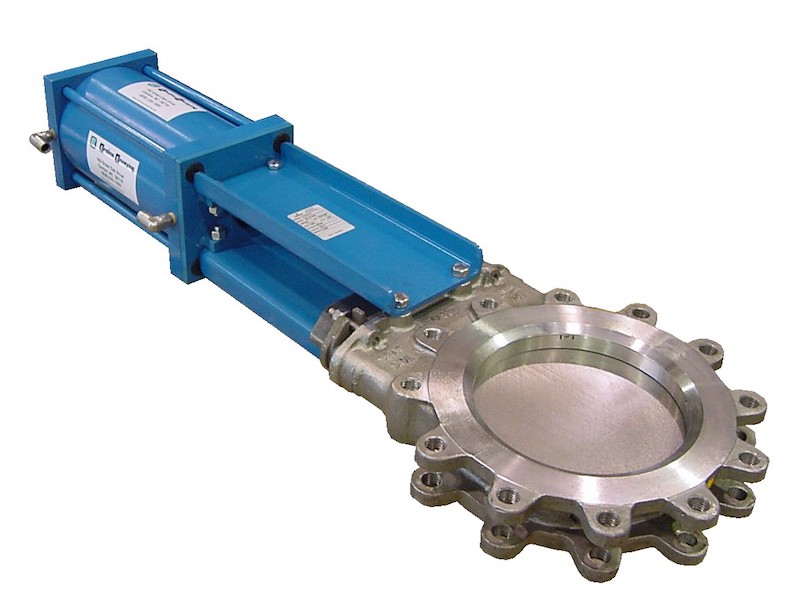
A stock image related to knife gate valves suppliers.
3 Common User Pain Points for ‘knife gate valves suppliers’ & Their Solutions
Scenario 1: Difficulty in Selecting the Right Knife Gate Valve for Specific Applications
The Problem: B2B buyers often struggle to identify the most suitable knife gate valve for their unique application needs. With various options available—ranging from cast stainless steel to urethane-lined models—buyers may feel overwhelmed by the technical specifications, such as pressure ratings, temperature limits, and the type of media the valves will handle. This can lead to costly mistakes, such as choosing a valve that fails under operational conditions, resulting in downtime and increased maintenance costs.
The Solution: To address this challenge, buyers should invest time in understanding their specific application requirements before engaging with suppliers. Conduct a thorough analysis of the media being handled, operational pressures, and temperature ranges. Once you have this data, approach knife gate valve suppliers with a clear list of your criteria. Request expert consultations or technical support from suppliers who offer detailed product guides and have a proven track record in your industry. Engaging in discussions about your needs can help suppliers recommend the most appropriate valve, ensuring optimal performance and longevity.
Scenario 2: Challenges with Valve Maintenance and Longevity
The Problem: Many companies experience high maintenance costs due to premature valve failures, often stemming from inadequate understanding of maintenance protocols or improper selection of valve materials. For instance, a valve that is not rated for the specific chemical composition of the media can corrode or wear out quickly, leading to leaks and operational disruptions.
The Solution: To mitigate this issue, buyers should prioritize selecting valves that are specifically designed for their operating environment. It’s essential to consult with suppliers who can provide detailed maintenance guidelines tailored to the chosen valve type. Additionally, consider investing in valves with advanced features such as live loading packing systems or those made from corrosion-resistant materials. Implementing a routine maintenance schedule, including regular inspections and timely replacements of seals and packing, can significantly extend the lifespan of knife gate valves. Leveraging supplier expertise can also provide insights into best practices for maintaining valve integrity, ensuring consistent operational efficiency.
Scenario 3: Delays and Miscommunication in Supply Chain Logistics
The Problem: Global buyers often face logistical challenges when sourcing knife gate valves, including delays in delivery, miscommunication regarding order specifications, and complications arising from international shipping regulations. These issues can lead to project setbacks, increased costs, and frustration for procurement teams who rely on timely valve availability.
The Solution: To streamline the supply chain process, buyers should establish clear communication channels with their chosen suppliers from the outset. Provide comprehensive specifications and confirm all details, including dimensions, materials, and delivery timelines, in writing to prevent misunderstandings. Additionally, consider suppliers who offer robust logistics support and have experience in international shipping. Opt for suppliers that provide real-time tracking and updates on your order status. Building a strong relationship with your supplier can also facilitate quicker responses to any issues that arise, ensuring that your projects remain on schedule and within budget. Regularly evaluate supplier performance to ensure reliability and foster partnerships that enhance operational efficiency.
Strategic Material Selection Guide for knife gate valves suppliers
What are the Key Properties of Common Materials Used in Knife Gate Valves?
When selecting knife gate valves, the choice of material significantly influences performance, durability, and suitability for specific applications. Here, we analyze four common materials: cast iron, stainless steel, carbon steel, and urethane. Each material has unique properties that cater to different industrial needs and environmental conditions.
How Does Cast Iron Perform in Knife Gate Valve Applications?
Cast iron is a traditional choice for knife gate valves, particularly in applications involving water and wastewater. It typically offers good strength and rigidity, with a pressure rating of up to 150 psi. However, cast iron is prone to corrosion, especially in aggressive environments, which can limit its longevity.
Pros: Cast iron is cost-effective and easy to manufacture, making it a popular choice for bulk orders. Its durability is suitable for low-pressure applications.
Cons: The main drawback is its susceptibility to corrosion and brittleness under extreme temperatures, which can lead to failure in harsh conditions.
Impact on Application: Cast iron valves are best suited for non-corrosive media, primarily in municipal water systems or sewage treatment plants.
Considerations for International Buyers: Compliance with standards such as ASTM A126 is crucial, especially for buyers in Europe and the Middle East, where stringent regulations apply.
What Advantages Does Stainless Steel Offer for Knife Gate Valves?
Stainless steel is favored for its excellent corrosion resistance and strength, making it ideal for handling aggressive chemicals and high-pressure applications. It typically supports temperatures up to 1000°F and can withstand pressures exceeding 300 psi.
Pros: The primary advantage of stainless steel is its durability and resistance to rust, which significantly extends service life. It is also easier to clean, making it suitable for sanitary applications.
Cons: The higher cost of stainless steel compared to cast iron can be a barrier for budget-conscious buyers. Additionally, the manufacturing process can be more complex, impacting lead times.
Impact on Application: Stainless steel valves are ideal for chemical processing, food and beverage industries, and any application requiring high hygiene standards.
Considerations for International Buyers: Buyers should ensure compliance with international standards like ASTM A351 for stainless steel, particularly in regions with strict quality regulations like Germany and Europe.
Why Choose Carbon Steel for Knife Gate Valves?
Carbon steel is often used in industrial applications due to its strength and versatility. It can handle high pressures and temperatures, making it suitable for oil and gas applications.
Pros: Carbon steel is robust and can be manufactured to meet specific pressure ratings, often exceeding 300 psi. It is also less expensive than stainless steel.
Cons: However, carbon steel is prone to corrosion, necessitating protective coatings or linings, which can add to overall costs and complexity.
Impact on Application: Carbon steel valves are commonly used in oil, gas, and mining applications where high strength is required.
Considerations for International Buyers: Compliance with standards like API 600 is essential, especially for buyers in Africa and South America, where oil and gas industries are prominent.
What Role Does Urethane Play in Knife Gate Valve Construction?
Urethane-lined knife gate valves are designed for handling abrasive and corrosive materials, such as slurries in mining or wastewater treatment. The urethane liner provides excellent abrasion resistance and a longer service life.
Pros: Urethane offers superior protection against wear and tear, reducing maintenance costs and downtime. It also provides a tight seal, minimizing leakage.
Cons: The initial cost of urethane-lined valves can be higher, and they may not be suitable for high-temperature applications beyond 265°F.
Impact on Application: Urethane-lined valves excel in slurry applications, making them suitable for industries like mining, pulp and paper, and wastewater.
Considerations for International Buyers: Buyers must check for compliance with standards such as MSS SP-135, particularly in regions like the Middle East and Europe, where environmental regulations are strict.
Summary Table of Material Selection for Knife Gate Valves
| Material | Typical Use Case for knife gate valves suppliers | Key Advantage | Key Disadvantage/Limitation | Relative Cost (Low/Med/High) |
|---|---|---|---|---|
| Cast Iron | Water and wastewater applications | Cost-effective and durable | Susceptible to corrosion and brittleness | Low |
| Stainless Steel | Chemical processing, food and beverage industries | Excellent corrosion resistance and durability | Higher cost and complex manufacturing | High |
| Carbon Steel | Oil and gas applications | Robust and high-pressure tolerance | Prone to corrosion, requiring protective coatings | Medium |
| Urethane | Mining, pulp and paper, wastewater treatment | Superior abrasion resistance and sealing | Higher initial cost and temperature limitations | Medium |
This strategic material selection guide provides essential insights for international B2B buyers, enabling informed decisions based on specific application needs and regional compliance requirements.
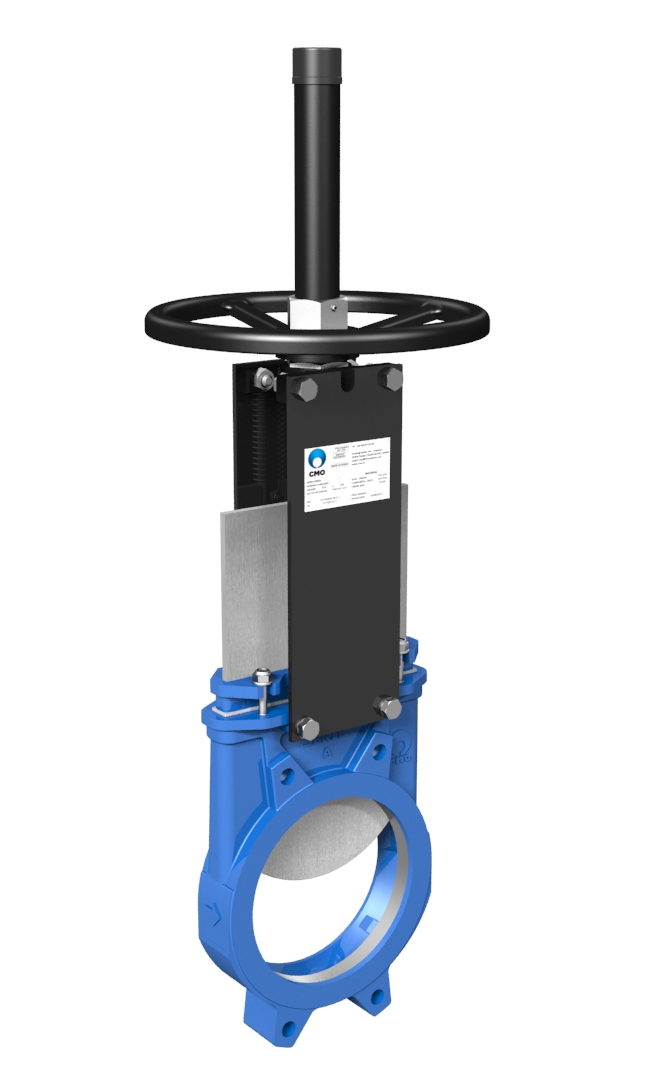
A stock image related to knife gate valves suppliers.
In-depth Look: Manufacturing Processes and Quality Assurance for knife gate valves suppliers
What Are the Key Stages in the Manufacturing Process of Knife Gate Valves?
The manufacturing process for knife gate valves involves several critical stages to ensure product quality and performance. Understanding these stages can help B2B buyers make informed decisions when selecting suppliers.
1. Material Preparation
Material selection is paramount in knife gate valve manufacturing, as the valves must withstand various media and operating conditions. Common materials include cast iron, stainless steel, and specialized alloys. Suppliers typically source materials from certified vendors, ensuring compliance with international standards such as ASTM and ASME.
Once the materials are sourced, they undergo rigorous testing for chemical composition and mechanical properties. This step is crucial, as the durability and resistance of the valve to corrosion and abrasion are heavily dependent on the material quality.
2. Forming Techniques
The forming process can vary significantly depending on the valve design and material. Common techniques include casting, forging, and machining.
- Casting is widely used for producing complex shapes and sizes, allowing for seamless integration of features like flanges and ports.
- Forging enhances the mechanical properties of metals, improving strength and resistance to fatigue.
- Machining is used for precision components, ensuring tight tolerances and surface finishes.
Each technique has its advantages and is selected based on the specific requirements of the knife gate valve being produced.
3. Assembly
After forming, the components are assembled. This stage typically involves:
- Alignment and Fitting: Ensuring that all parts fit together correctly, which is critical for valve functionality.
- Welding and Joining: Using techniques such as TIG or MIG welding for metal components. For rubber or plastic components, adhesives or mechanical fasteners may be employed.
- Installation of Sealing Mechanisms: Including packing materials and seats, which are essential for preventing leaks.
Proper assembly procedures are essential for ensuring that the valve performs reliably under pressure and in various media conditions.
4. Finishing
The finishing stage includes surface treatment, painting, and coating to enhance corrosion resistance and aesthetic appeal. Common practices involve:
- Sandblasting: To prepare the surface for coatings.
- Electroplating: To improve corrosion resistance.
- Powder Coating: For enhanced durability and appearance.
Quality control during this phase ensures that the finished product meets the aesthetic and functional requirements expected by B2B buyers.
How Is Quality Assurance Implemented in Knife Gate Valve Manufacturing?
Quality assurance is critical in knife gate valve manufacturing, as these components often operate in high-stakes environments. The following international and industry-specific standards are commonly adhered to:
Relevant International Standards
- ISO 9001: This standard outlines the requirements for a quality management system (QMS). Manufacturers must demonstrate their ability to consistently provide products that meet customer and regulatory requirements.
- CE Marking: Required for products sold in the European Economic Area (EEA), indicating compliance with health, safety, and environmental protection standards.
- API Standards: The American Petroleum Institute provides standards for valves used in the oil and gas industry, ensuring reliability and safety.
What Are the Key Quality Control Checkpoints?
Quality control involves several checkpoints throughout the manufacturing process, which include:
- Incoming Quality Control (IQC): This involves inspecting raw materials upon receipt to ensure they meet specified standards.
- In-Process Quality Control (IPQC): Conducted during manufacturing to monitor and control the processes. This may include dimensional inspections and material testing.
- Final Quality Control (FQC): A thorough inspection of the finished product, including functional testing and performance verification to ensure it meets all specifications.
What Testing Methods Are Commonly Used?
B2B buyers should be aware of the testing methods that knife gate valve suppliers utilize to ensure product reliability:
- Hydrostatic Testing: Conducted to verify the valve’s ability to withstand internal pressure without leaking.
- Functional Testing: Ensures the valve operates correctly under simulated operating conditions.
- Material Testing: Involves checking for hardness, tensile strength, and corrosion resistance.
These tests are vital for ensuring that the valves will perform as expected in their intended applications.
How Can B2B Buyers Verify Supplier Quality Control?
When selecting a knife gate valve supplier, buyers should take proactive steps to verify the quality control measures in place:
Supplier Audits: Conduct on-site audits to assess the manufacturing processes and quality assurance practices directly. This provides insight into the supplier’s commitment to quality.
Request Quality Reports: Ask for documentation related to quality tests, certifications, and compliance with international standards. Suppliers should be able to provide detailed reports on testing outcomes and quality metrics.
Third-Party Inspections: Engage third-party inspection services to conduct independent assessments of the supplier’s manufacturing facilities and processes. This can provide an unbiased view of quality practices.
What Are the Quality Control Nuances for International B2B Buyers?
International buyers, particularly those from regions such as Africa, South America, the Middle East, and Europe, should be aware of several nuances:
Regulatory Compliance: Different regions have varying regulations and standards that must be met. Understanding these can help avoid costly delays in product acceptance.
Cultural Differences: Communication styles and business practices may vary, impacting negotiations and quality assurance expectations. Building strong relationships with suppliers can facilitate smoother transactions.
Logistical Considerations: Shipping and handling can impact product quality. Ensure that suppliers have robust logistics practices to minimize damage during transport.
By understanding the manufacturing processes and quality assurance practices, B2B buyers can make informed decisions when sourcing knife gate valves, ensuring they select reliable suppliers capable of meeting their specific needs.
Practical Sourcing Guide: A Step-by-Step Checklist for ‘knife gate valves suppliers’
Introduction
Sourcing knife gate valves for industrial applications requires careful consideration of various factors to ensure optimal performance and reliability. This guide outlines a practical checklist for B2B buyers, enabling them to make informed decisions when procuring from suppliers. Each step is designed to help you identify the right partner for your needs, ensuring quality and compliance with industry standards.
Step 1: Define Your Technical Specifications
Before reaching out to suppliers, clearly outline the technical requirements of the knife gate valves you need. This includes material specifications, pressure ratings, temperature limits, and any unique operational conditions such as slurry handling or corrosive environments.
– Why It Matters: Accurate specifications help in finding suppliers who can meet your exact needs, avoiding costly mistakes later in the procurement process.
Step 2: Research Potential Suppliers
Conduct thorough research on suppliers who specialize in knife gate valves. Look for companies with a solid reputation in your target markets, particularly in regions such as Africa, South America, the Middle East, and Europe.
– What to Look For: Check online reviews, industry forums, and supplier directories to gauge customer satisfaction and reliability.
Step 3: Evaluate Supplier Certifications
Verify that potential suppliers hold relevant certifications, such as ISO 9001 for quality management systems or industry-specific certifications like MSS SP-135 for valve standards.
– Importance of Certification: Certified suppliers demonstrate a commitment to quality and compliance, which is crucial for maintaining safety and operational efficiency in your projects.
Step 4: Request Detailed Product Information
Ask for comprehensive product catalogs, technical datasheets, and case studies related to knife gate valves. This information should detail the product specifications, applications, and any performance tests conducted.
– Why You Should Do This: Detailed documentation enables you to assess whether the products align with your technical requirements and operational challenges.
Step 5: Inquire About Customization Options
If your application requires specific modifications or custom designs, discuss these needs with potential suppliers. Many manufacturers offer tailored solutions to meet unique operational demands.
– Benefits of Customization: Custom valves can enhance performance and extend service life, providing a better return on investment.
Step 6: Assess Lead Times and Availability
Check the lead times for the products you intend to purchase. Understand the supplier’s inventory management practices and their ability to deliver on schedule.
– Why Timing Matters: Delays in valve supply can disrupt operations and project timelines, making it essential to choose suppliers who can meet your deadlines.
Step 7: Evaluate Customer Support and After-Sales Services
A reliable supplier should offer robust customer support, including installation guidance, maintenance services, and easy access to spare parts.
– Long-term Value: Strong after-sales support can significantly reduce downtime and maintenance costs, ensuring your operations run smoothly over time.
By following this checklist, B2B buyers can streamline their sourcing process and establish partnerships with knife gate valve suppliers that align with their operational goals and technical requirements.
Comprehensive Cost and Pricing Analysis for knife gate valves suppliers Sourcing
What Are the Key Cost Components in Knife Gate Valve Sourcing?
When sourcing knife gate valves, understanding the cost structure is essential for making informed purchasing decisions. The primary components of cost include:
Materials: The choice of materials significantly impacts pricing. Common materials such as carbon steel and stainless steel vary in cost, with specialty alloys commanding higher prices. Additionally, the type of valve (e.g., resilient seated vs. metal seated) influences material selection and overall costs.
Labor: Labor costs encompass both skilled and unskilled labor involved in the manufacturing process. Custom fabrication requires higher labor input, affecting the final price. Suppliers with experienced teams may justify higher labor costs through superior craftsmanship and quality assurance.
Manufacturing Overhead: This includes fixed costs associated with the production facility, utilities, and administrative expenses. Efficient operations can help keep these costs down, but suppliers with advanced technology or extensive facilities may have higher overhead costs.
Tooling: Specific tooling requirements for custom or high-volume orders can add to the cost. Suppliers may need to invest in specialized tools, which can be reflected in the pricing structure.
Quality Control (QC): Implementing rigorous quality control measures is crucial for ensuring product reliability. Suppliers with comprehensive QC processes may charge a premium, but this can lead to lower long-term costs due to reduced failure rates and maintenance needs.
Logistics: Shipping and handling costs can vary widely based on location, volume, and shipping method. International buyers should account for potential tariffs, taxes, and customs fees, which can significantly increase total costs.
Margin: Suppliers typically include a profit margin that reflects their operational risks and market positioning. Understanding the industry standard margins can help buyers negotiate better deals.
How Do Price Influencers Affect Knife Gate Valve Pricing?
Several factors influence the pricing of knife gate valves, including:
Volume/MOQ (Minimum Order Quantity): Larger orders often qualify for volume discounts. Buyers should consider consolidating their orders to reduce costs per unit.
Specifications and Customization: Custom-designed valves tailored to specific applications tend to be more expensive. Buyers should clearly define their needs to avoid unnecessary custom features that inflate costs.
Material Quality and Certifications: High-quality materials and industry certifications (such as ISO or API) can lead to higher prices. However, these certifications often guarantee better performance and longevity, making them worthwhile investments.
Supplier Factors: The reputation and reliability of the supplier can impact pricing. Established suppliers may charge more but offer better service, warranties, and support.
Incoterms: Understanding Incoterms is crucial for international transactions. Terms like FOB (Free on Board) or CIF (Cost, Insurance, and Freight) can affect the overall cost structure and risk distribution between buyers and suppliers.
What Are the Best Buyer Tips for Cost-Efficiency in Knife Gate Valve Procurement?
For B2B buyers, particularly from regions like Africa, South America, the Middle East, and Europe, here are actionable strategies to enhance cost-efficiency:
Negotiate Terms: Don’t hesitate to negotiate pricing, especially on larger orders. Suppliers may have flexibility in their pricing structures.
Evaluate Total Cost of Ownership (TCO): Consider the TCO, which includes not just the purchase price but also installation, maintenance, and operational costs over the valve’s lifecycle. Investing in higher-quality valves may lead to lower TCO due to reduced maintenance and longer service life.
Research Multiple Suppliers: Conduct thorough market research to compare prices, quality, and service offerings from different suppliers. This can provide leverage during negotiations.
Understand Pricing Nuances for International Orders: Be aware of potential hidden costs such as import duties, shipping charges, and currency fluctuations that could affect the final price. Working with a supplier experienced in international transactions can help mitigate these risks.
Conclusion
While the cost of knife gate valves can vary widely based on multiple factors, understanding the cost structure and price influencers will enable buyers to make informed decisions. By employing strategic negotiation and considering the total cost of ownership, businesses can optimize their sourcing processes for knife gate valves, ultimately enhancing operational efficiency and profitability.
Alternatives Analysis: Comparing knife gate valves suppliers With Other Solutions
Exploring Alternatives to Knife Gate Valves Suppliers
In the industrial landscape, selecting the right valve solution is crucial for operational efficiency. Knife gate valves are often favored for their robust performance in isolating and controlling the flow of various media. However, buyers should consider alternatives that may better suit specific applications or offer different advantages. Below, we compare knife gate valves suppliers with two viable alternatives: Ball Valves and Butterfly Valves.
| Comparison Aspect | Knife Gate Valves Suppliers | Ball Valves | Butterfly Valves |
|---|---|---|---|
| Performance | Excellent for slurries and solids; reliable shutoff | High flow rates; versatile across applications | Good for throttling; quick shutoff |
| Cost | Generally higher due to custom fabrication | Typically lower; mass-produced | Moderate; cost-effective options available |
| Ease of Implementation | Requires precise installation; may need customization | Easy to install; standard sizes available | Simple installation; minimal space required |
| Maintenance | Moderate; regular checks needed | Low maintenance; durable | Moderate; sealing may require occasional replacement |
| Best Use Case | Slurry handling, severe service applications | General fluid control, gas applications | HVAC systems, water distribution |
What Are the Advantages and Disadvantages of Ball Valves?
Pros: Ball valves are known for their ability to provide a tight seal and are highly effective in applications requiring quick shutoff. Their design allows for high flow rates, making them ideal for gas and liquid applications. Moreover, they are generally easier to install and maintain, as they come in standard sizes and configurations.
Cons: While ball valves excel in flow control, they are not as effective in handling slurries or solid materials compared to knife gate valves. Additionally, their performance can be limited in high-pressure scenarios, which may necessitate the use of specialized designs.
What Makes Butterfly Valves a Good Alternative?
Pros: Butterfly valves are lightweight and compact, making them suitable for applications where space is limited. They offer quick operation, enabling rapid opening and closing, which is beneficial in systems requiring frequent adjustments. Their lower cost and ease of installation also make them an attractive choice for many industries.
Cons: Butterfly valves may not provide the same level of sealing capability as knife gate valves, particularly in high-pressure environments. They are typically less effective for slurries or media with high solid content, which can lead to wear and reduced lifespan if not chosen carefully.
How Should B2B Buyers Choose the Right Valve Solution?
Selecting the appropriate valve solution involves assessing specific operational requirements, including the type of media handled, pressure conditions, and space constraints. B2B buyers should evaluate the pros and cons of each alternative in relation to their unique applications. For instance, if the primary need is for handling abrasive slurries, knife gate valves may be preferable. Conversely, if cost and installation simplicity are paramount, ball or butterfly valves could be more suitable options. Consulting with suppliers and industry experts can provide valuable insights into the best choice for achieving optimal performance and reliability in your operations.
Essential Technical Properties and Trade Terminology for knife gate valves suppliers
What Are the Key Technical Properties of Knife Gate Valves?
Understanding the critical technical specifications of knife gate valves is essential for B2B buyers to make informed purchasing decisions. Here are some of the most important properties:
1. Material Grade
Knife gate valves are typically manufactured from a variety of materials, including carbon steel, stainless steel, and ductile iron. The choice of material significantly impacts the valve’s durability, corrosion resistance, and suitability for specific applications. For instance, stainless steel is ideal for corrosive environments, while carbon steel is more cost-effective for less demanding applications. Selecting the right material ensures the valve can withstand the operational conditions it will face.
2. Pressure Rating
The pressure rating indicates the maximum pressure the valve can handle safely. Knife gate valves are often rated according to ASME standards, such as Class 150 or Class 300, which correspond to specific pressure limits. Understanding pressure ratings is crucial for buyers to ensure the valve can operate effectively within the intended system without risk of failure.
3. Temperature Tolerance
Temperature tolerance specifies the range of temperatures in which the valve can operate effectively. Different materials and designs have varying temperature tolerances, which can affect performance and longevity. Buyers must consider the operating temperature of their application to select a valve that will maintain integrity and functionality.
4. Size and Configuration
Knife gate valves come in various sizes, typically ranging from 2 inches to 96 inches or more. The size directly influences flow capacity and installation requirements. Additionally, configurations such as long body or short body designs can affect the valve’s application suitability. Understanding the specific needs of a project helps buyers choose the right size and configuration to optimize system performance.
5. Sealing Mechanism
Knife gate valves utilize different sealing mechanisms, including resilient and metal seats, to achieve tight shutoff. The choice of sealing mechanism impacts the valve’s ability to prevent leaks and handle various media types, such as slurries or corrosive chemicals. Buyers should evaluate the sealing requirements of their application to ensure optimal performance.
6. Actuation Method
The actuation method refers to how the valve is operated, whether manually, electrically, or pneumatically. Different actuation methods offer various advantages in terms of speed, ease of use, and automation potential. Understanding the operational needs of the system will guide buyers in selecting the most suitable actuation method for their knife gate valves.
What Are the Common Trade Terms Used in Knife Gate Valve Transactions?
Navigating the terminology in the knife gate valve industry is crucial for effective communication and negotiation. Here are some essential terms:
1. OEM (Original Equipment Manufacturer)
OEM refers to a company that manufactures products that are then sold under another company’s brand. For buyers, working with OEMs can ensure high-quality components tailored to specific requirements, as they often provide custom solutions and proprietary technology.
2. MOQ (Minimum Order Quantity)
MOQ is the minimum quantity of units a supplier is willing to sell. Understanding MOQ is vital for buyers to assess whether a supplier can meet their needs without overcommitting resources. It helps in budgeting and inventory management.
3. RFQ (Request for Quotation)
An RFQ is a document that buyers send to suppliers to request price estimates for specified products. It is an essential tool for comparing offers from different suppliers and ensuring that all proposals are based on the same specifications.
4. Incoterms (International Commercial Terms)
Incoterms are internationally recognized trade terms that define the responsibilities of buyers and sellers regarding shipping, insurance, and tariffs. Familiarity with Incoterms helps buyers avoid misunderstandings and ensures clarity in contracts.
5. Lead Time
Lead time is the time taken from placing an order to delivery. Understanding lead times is essential for project planning, as it influences supply chain management and overall project timelines.
6. Certification Standards
Certification standards, such as ISO or MSS, indicate that a product meets specific quality and safety benchmarks. Buyers should consider these certifications when evaluating suppliers to ensure compliance with industry regulations and standards.
By grasping these technical properties and industry terms, B2B buyers can navigate the procurement process for knife gate valves more effectively, ensuring they select the right products for their operational needs.
Navigating Market Dynamics and Sourcing Trends in the knife gate valves suppliers Sector
What Are the Current Market Dynamics Influencing Knife Gate Valves Suppliers?
The global knife gate valves market is witnessing significant transformation driven by various factors. Key market drivers include increasing demand from industries such as wastewater treatment, mining, and pulp and paper. In regions like Africa and South America, the focus on improving infrastructure and industrial capabilities is propelling the demand for robust isolation valves. Emerging trends in B2B technology, such as the adoption of Industry 4.0 practices, are also shaping sourcing strategies. Suppliers are increasingly leveraging digital platforms for procurement, enabling buyers to make more informed decisions through online catalogs, customer reviews, and price comparisons.
Furthermore, international buyers, particularly from Europe and the Middle East, are placing greater emphasis on customization and flexibility in valve design. Suppliers offering tailor-made solutions to cater to specific industry requirements are likely to gain a competitive edge. The shift towards automation and smart manufacturing is also prompting suppliers to integrate IoT capabilities into their products, enhancing efficiency and reliability. As the market evolves, B2B buyers should remain vigilant about these dynamics to make strategic sourcing decisions.
How Are Sustainability and Ethical Sourcing Influencing Knife Gate Valves Suppliers?
Sustainability and ethical sourcing have become pivotal in the procurement processes for knife gate valves. Environmental impact is a growing concern, compelling suppliers to adopt practices that minimize their carbon footprint. This shift is evident in the adoption of eco-friendly materials and manufacturing processes that reduce waste and energy consumption. Suppliers who prioritize sustainable practices can not only enhance their reputation but also attract environmentally conscious buyers.
Moreover, the importance of ethical supply chains cannot be overstated. Buyers are increasingly scrutinizing their suppliers’ sourcing practices, seeking transparency and accountability in their operations. Certifications such as ISO 14001 and adherence to environmental standards are becoming prerequisites for suppliers aiming to establish trust with international buyers. By ensuring that their supply chains are not only efficient but also ethical, suppliers can position themselves as leaders in the market. This commitment to sustainability not only meets regulatory requirements but also resonates with consumers, fostering loyalty and long-term partnerships.
What Is the Brief Evolution of Knife Gate Valves in the B2B Context?
The evolution of knife gate valves can be traced back to their inception in the mid-20th century, primarily designed for isolation applications in various industries. Initially, these valves were limited to basic designs, primarily focusing on functionality and cost-effectiveness. However, as industries began to evolve, so did the technology behind knife gate valves.
With the rise of stringent industry standards and the need for enhanced performance, suppliers started to innovate, introducing advanced materials and design features to improve durability and efficiency. Modern knife gate valves now come equipped with features like bi-directional sealing and wear-resistant liners, catering to the specific needs of applications involving abrasive or corrosive media. This evolution reflects a broader trend within the B2B sector toward greater customization, technological advancement, and an emphasis on performance, aligning with the needs of international buyers across diverse markets.
Frequently Asked Questions (FAQs) for B2B Buyers of knife gate valves suppliers
How do I select the right knife gate valve for my application?
Choosing the appropriate knife gate valve depends on several factors, including the type of media (liquid, slurry, or dry material), pressure and temperature requirements, and the specific operational conditions. Assess the valve’s material compatibility, whether it needs to be bi-directional, and the size specifications for your system. Consulting with suppliers who offer technical support can help narrow down options and ensure you select a valve designed for your unique application, thus enhancing performance and longevity.What are the typical lead times for custom knife gate valves?
Lead times for custom knife gate valves can vary significantly based on the supplier’s manufacturing capabilities and current workload. Generally, you can expect lead times ranging from 4 to 12 weeks. Factors influencing this include the complexity of the design, material availability, and the supplier’s location relative to your site. It’s advisable to discuss timelines upfront during the procurement process to align expectations and ensure timely delivery.What are the minimum order quantities (MOQs) for knife gate valves?
Minimum order quantities for knife gate valves depend on the supplier and the specific product line. Many manufacturers may have an MOQ of 5 to 10 units for standard models, while custom valves could require higher quantities due to fabrication costs. For international buyers, negotiating MOQs is possible, especially if you establish a long-term partnership. Always clarify MOQs during initial discussions to avoid any surprises later in the purchasing process.How do I ensure quality assurance when sourcing knife gate valves?
To ensure quality assurance when sourcing knife gate valves, request certifications and compliance documents from suppliers, such as ISO certifications or material test reports. It’s also beneficial to inquire about their quality control processes, including testing methods and inspection protocols. Conducting factory audits or requesting samples for testing can further validate the supplier’s commitment to quality, helping you mitigate risks associated with product performance and reliability.What payment terms should I expect when ordering knife gate valves internationally?
Payment terms for international orders of knife gate valves typically range from 30% upfront deposit with the balance due upon shipment to net 30 or net 60 terms after delivery. Payment methods may include wire transfers, letters of credit, or escrow services. Discussing payment terms in detail with suppliers before finalizing contracts is crucial to ensure both parties are aligned and to protect against potential currency fluctuations or transaction fees.How can I vet potential knife gate valve suppliers?
Vetting potential suppliers involves several steps. Start by reviewing their industry experience and reputation through online research and customer testimonials. Request references from previous clients, especially those in your region or industry. Additionally, assess their manufacturing capabilities, product certifications, and after-sales support. Engaging in direct communication to gauge their responsiveness and willingness to collaborate can also provide insights into their reliability as a supplier.What are the shipping options for knife gate valves, and how do they affect costs?
Shipping options for knife gate valves typically include air freight for expedited needs or sea freight for more cost-effective solutions. The choice of shipping method will significantly impact costs, with air freight being faster but more expensive, while sea freight is slower but generally cheaper. Additionally, consider customs duties and import taxes that may apply upon arrival in your country. Discuss shipping logistics with your supplier early in the process to explore the most economical and efficient options.Can knife gate valves be customized for specific applications?
Yes, knife gate valves can be customized to meet specific application requirements, including size, material, and functional features. Suppliers often provide options for resilient or metal seating, different body configurations, and specialized coatings for enhanced abrasion resistance. When discussing customization, provide detailed specifications and operational conditions to ensure the valve is tailored to your needs. Collaborating closely with the supplier’s engineering team can help achieve optimal performance for unique applications.
Important Disclaimer & Terms of Use
⚠️ Important Disclaimer
The information provided in this guide, including content regarding manufacturers, technical specifications, and market analysis, is for informational and educational purposes only. It does not constitute professional procurement advice, financial advice, or legal advice.
While we have made every effort to ensure the accuracy and timeliness of the information, we are not responsible for any errors, omissions, or outdated information. Market conditions, company details, and technical standards are subject to change.
B2B buyers must conduct their own independent and thorough due diligence before making any purchasing decisions. This includes contacting suppliers directly, verifying certifications, requesting samples, and seeking professional consultation. The risk of relying on any information in this guide is borne solely by the reader.
Top 9 Knife Gate Valves Suppliers Manufacturers & Suppliers List
1. Henry Pratt – Knife Gate Valves
Domain: henrypratt.com
Registered: 1996 (29 years)
Introduction: Knife Gate Valves from Henry Pratt Company are custom fabricated valves produced since 1995, available in sizes from 2″ to 96″ and above. They are made from carbon steel, stainless steels, and other weldable alloys. The company offers resilient and metal seat cast knife gate valves in sizes from 2″ to 24″ in ductile iron or stainless steel. The fabrication process is handled entirely in-house at t…
2. Valveman – Knife Gate Valves
Domain: valveman.com
Registered: 2009 (16 years)
Introduction: Knife gate valves designed for thick fluids, slurries, and complicated media. Features a sharp-edged blade for reliable shutoff, suitable for wastewater, pulp and paper, mining, and chemical applications. Available in various materials, sizes, and actuation types, built for durability and performance in demanding situations.
3. Orbinox – Knife Gate Valves
Domain: orbinox.com
Registered: 1997 (28 years)
Introduction: Orbinox Knife Gate Valves are designed for on-off and throttling service in various industries. They feature a unique design that allows for a tight seal and minimal leakage, making them suitable for handling slurries, powders, and other bulk materials. Key features include a robust construction, various materials of construction, and customizable options to meet specific application needs. The va…
4. Vinson Process – Knife Gate Valves & Seals
Domain: vinsonprocess.com
Registered: 2005 (20 years)
Introduction: This company, Vinson Process – Knife Gate Valves & Seals, is a notable entity in the market. For specific product details, it is recommended to visit their website directly.
5. Ferguson – Knife Gate Valves
Domain: ferguson.com
Registered: 1999 (26 years)
Introduction: This company, Ferguson – Knife Gate Valves, is a notable entity in the market. For specific product details, it is recommended to visit their website directly.
6. Crane Engineering – Knife Gate Valves
Domain: craneengineering.net
Registered: 2003 (22 years)
Introduction: Knife Gate Valves are designed for on/off service in applications with high-suspended solids, making them suitable for slurry, corrosive, and abrasive media. They operate by lifting a barrier/gate to allow fluid flow and require minimal space, creating no obstruction when fully opened. Typically used in larger pipes, they are less complex in construction compared to other large valves and are idea…
7. Emerson – Knife Gate Valves
Domain: emerson.com
Registered: 1995 (30 years)
Introduction: This company, Emerson – Knife Gate Valves, is a notable entity in the market. For specific product details, it is recommended to visit their website directly.
8. RFValves – Heavy-Duty Knife Gate Valves
Domain: rfvalve.com
Registered: 1997 (28 years)
Introduction: Knife Gate Valves – High Performance | RFValves
Key Features:
– Heavy-duty knife gate valves designed for challenging conditions.
– Suitable for abrasive and corrosive materials, as well as bulk solids.
– Patented elastomer sleeves for low maintenance.
– Developed in conjunction with mineral processing end-users for harsh mining conditions.
– Applications include mining, coal washing, coal power …
9. Fabricast Valve – Knife Gate Valves & More
Domain: fabricastvalve.com
Registered: 2012 (13 years)
Introduction: Fabricast Valve offers a range of knife gate valves, including FIG 40, FIG 50, FIG 61, FIG 145, FIG 240, FIG 345, DBB FIG 145-UHMW, and sizes 40-MM and 50-PS. They also provide slide gate valves (FIG 202, FIG 215), swing check valves (FIG 7 / 27), FV 150-SC wedge gate valves, tilting disc check valves, and sampling valves (FIG SAM-15/20). The knife gate valves are AIS compliant and designed per MS…
Strategic Sourcing Conclusion and Outlook for knife gate valves suppliers
What Are the Key Insights for B2B Buyers in Sourcing Knife Gate Valves?
In conclusion, strategic sourcing of knife gate valves presents a pivotal opportunity for international B2B buyers, particularly in emerging markets across Africa, South America, the Middle East, and Europe. Understanding the diverse range of valve types, from cast and fabricated to custom solutions, allows businesses to select products that best meet their specific operational needs. Emphasizing durability, efficiency, and adaptability can significantly enhance process reliability and reduce long-term maintenance costs.
Investing in high-quality knife gate valves not only ensures optimal performance but also fosters supplier relationships that can lead to collaborative innovations and tailored solutions. As industries evolve, staying informed about the latest advancements and trends in valve technology will be essential for maintaining a competitive edge.
How Can You Leverage Strategic Sourcing for Future Success?
As you navigate the complex landscape of knife gate valve suppliers, consider leveraging strategic sourcing initiatives to optimize your procurement processes. Engage with suppliers who demonstrate a commitment to quality, innovation, and customer service. By doing so, you position your organization to respond swiftly to market demands and enhance operational efficiencies.
The future of your supply chain depends on the decisions made today—embrace strategic sourcing to secure not just products, but long-term partnerships that drive growth and success in your industry.
 Hebrew
  English (United States)
  Spanish (Spain)
  Portuguese (Portugal)
  French
  German
  Italian
  Arabic
  Dutch
Dutch  English (UK)
  Bulgarian
  Chinese (China)
  Chinese (Hong Kong)
  Czech
Czech  Danish
  Greek
Greek  Finnish
  Spanish (Mexico)
  Estonian
  Hungarian
  Indonesian
  Japanese
  Korean
  Latvian
  Lithuanian
  Norwegian
  Polish
  Portuguese (Brazil)
  Romanian
  Russian
  Slovenian
  Slovak
  Swedish
  Turkish
  Ukrainian
  Vietnamese