
Introduction: Navigating the Global Market for hunter drip irrigation valve
In the competitive landscape of agricultural technology, sourcing the right Hunter drip irrigation valve can significantly impact efficiency and productivity. As international B2B buyers navigate the complexities of global supply chains, they often face challenges such as varying water management needs, diverse agricultural practices, and the necessity for reliable, durable components. This guide serves as a comprehensive resource, addressing these challenges by exploring the various types of Hunter valves, their specific applications, and essential considerations for supplier vetting and cost analysis.
From the robust PGV series designed for residential use to the high-capacity ICV valves suitable for commercial projects, understanding the full spectrum of options allows buyers to tailor solutions to their unique irrigation requirements. Additionally, the guide delves into installation and maintenance best practices, ensuring that buyers are equipped with the knowledge to maximize the lifespan and functionality of their irrigation systems.
Empowering buyers from Africa, South America, the Middle East, and Europe—regions that face distinct agricultural challenges—this guide not only facilitates informed purchasing decisions but also fosters sustainable water management practices. By leveraging insights from industry experts and detailed product specifications, B2B buyers can confidently navigate the global market and invest in the most suitable Hunter drip irrigation valves for their operations.
Understanding hunter drip irrigation valve Types and Variations
| Type Name | Key Distinguishing Features | Primary B2B Applications | Brief Pros & Cons for Buyers |
|---|---|---|---|
| PGV Series | Durable construction, available in multiple sizes, versatile for various applications | Residential and commercial irrigation systems | Pros: Cost-effective, reliable performance. Cons: Limited to moderate flow applications. |
| ICV Series | High-capacity design, rugged construction for demanding environments | Large-scale agricultural and commercial projects | Pros: Handles high flow rates, suitable for extensive systems. Cons: Higher initial investment. |
| PGV-ASV Series | Anti-siphon feature prevents backflow, flow control option | Systems requiring backflow prevention | Pros: Enhances system safety, easy installation. Cons: Slightly more complex than standard valves. |
| Accu-Sync | Adjustable pressure regulator, compatible with various valves | Custom irrigation setups needing precise control | Pros: Customizable pressure settings, improves water efficiency. Cons: Requires careful calibration. |
| Quick Couplers | Fast connection and disconnection, ideal for temporary setups | Landscaping, event irrigation, and maintenance | Pros: Time-saving, versatile. Cons: May not be suitable for permanent installations. |
What are the Characteristics and Suitability of PGV Series Valves?
The PGV Series is one of the most widely used valve types within Hunter’s product line. Known for its durable construction and versatility, it accommodates a range of applications from residential gardens to commercial landscapes. These valves are available in various sizes, making them suitable for different flow requirements. When considering a PGV valve, B2B buyers should evaluate the specific flow rates and pressure requirements of their irrigation systems, as these valves are designed for moderate flow applications.
How Do ICV Series Valves Meet High Flow Demands?
ICV (Irrigation Control Valve) Series valves are engineered for high-capacity irrigation systems, making them ideal for large agricultural or commercial projects. Their rugged construction ensures reliability in demanding environments, allowing for seamless operation in high flow scenarios. For B2B buyers, the key consideration is the initial investment, as ICV valves may come at a higher cost but offer long-term savings through efficiency and durability.
What Advantages Do PGV-ASV Series Valves Provide?
The PGV-ASV Series features an anti-siphon mechanism that prevents backflow, making it essential for systems where contamination risk is a concern. Additionally, it includes a flow control option for better water management. B2B buyers should consider the installation requirements, as these valves need to be positioned above the highest sprinkler head. The advantages of enhanced safety and straightforward installation make PGV-ASV valves a strong choice for irrigation professionals.
Why Choose Accu-Sync for Custom Irrigation Control?
Accu-Sync valves are distinguished by their adjustable pressure regulator, allowing for tailored irrigation solutions based on specific landscape needs. This feature is particularly beneficial for businesses looking to optimize water usage and reduce waste. Buyers should focus on the compatibility of Accu-Sync with existing systems and the necessity for proper calibration to achieve the desired pressure settings.
How Do Quick Couplers Enhance Flexibility in Irrigation?
Quick Couplers provide a practical solution for temporary irrigation setups, allowing for quick connections and disconnections. They are particularly useful in landscaping, event irrigation, or maintenance tasks. While they offer significant time savings and versatility, B2B buyers should assess whether a quick coupling solution aligns with their long-term irrigation strategies, as these are not designed for permanent installations.
Key Industrial Applications of hunter drip irrigation valve
| Industry/Sector | Specific Application of hunter drip irrigation valve | Value/Benefit for the Business | Key Sourcing Considerations for this Application |
|---|---|---|---|
| Agriculture | Precision irrigation for crop production | Enhances water efficiency, leading to higher crop yields | Compatibility with existing systems and local regulations |
| Horticulture | Drip irrigation systems for nurseries and greenhouses | Provides consistent moisture and nutrients, promoting plant growth | Durability against local weather conditions and soil types |
| Landscaping | Automated irrigation for commercial landscapes | Reduces labor costs and ensures optimal plant health | Availability of components for maintenance and repair |
| Golf Courses | Irrigation control for fairways and greens | Maintains turf health and reduces water wastage | Pressure compatibility and ease of integration with controllers |
| Municipal Parks | Efficient water management for public spaces | Conserves water resources while maintaining aesthetic appeal | Compliance with environmental regulations and sustainability goals |
How is the Hunter Drip Irrigation Valve Utilized in Agriculture?
In agriculture, the Hunter drip irrigation valve is pivotal for precision irrigation, allowing farmers to deliver water directly to the root zone of crops. This method significantly enhances water efficiency, leading to improved crop yields and reduced waste. International buyers, particularly in regions like Africa and South America, must consider local water availability and soil types when selecting valves to ensure compatibility and maximum effectiveness.
What Role Does the Hunter Drip Irrigation Valve Play in Horticulture?
In horticulture, particularly within nurseries and greenhouses, Hunter drip irrigation valves are essential for creating controlled environments that foster consistent moisture levels. This consistency promotes healthy plant growth and reduces the risk of diseases associated with overwatering. Buyers from Europe and the Middle East should focus on the durability of these valves against varying climatic conditions to ensure long-term reliability.
How is the Hunter Drip Irrigation Valve Applied in Landscaping?
For landscaping projects, including commercial properties, the Hunter drip irrigation valve automates irrigation systems, significantly reducing labor costs while ensuring optimal plant health. This is crucial for maintaining the aesthetic appeal of landscapes in urban settings. Buyers should prioritize sourcing valves that offer easy maintenance and have a proven track record in similar environments, ensuring longevity and efficiency.
In What Ways Do Golf Courses Benefit from Hunter Drip Irrigation Valves?
Golf courses utilize Hunter drip irrigation valves to manage irrigation effectively on fairways and greens. These valves help maintain turf health by delivering precise amounts of water, which is critical for playing conditions. For international buyers, especially those in regions with variable climates, it is essential to consider the valves’ pressure compatibility and integration with existing irrigation controllers to achieve seamless operation.
How Do Municipal Parks Implement Hunter Drip Irrigation Valves?
Municipal parks benefit from Hunter drip irrigation valves by implementing efficient water management systems that conserve resources while maintaining the aesthetic value of public spaces. This is particularly important in areas facing water scarcity. Buyers in municipal sectors should consider the valves’ compliance with local environmental regulations and their sustainability features to align with public policy goals.
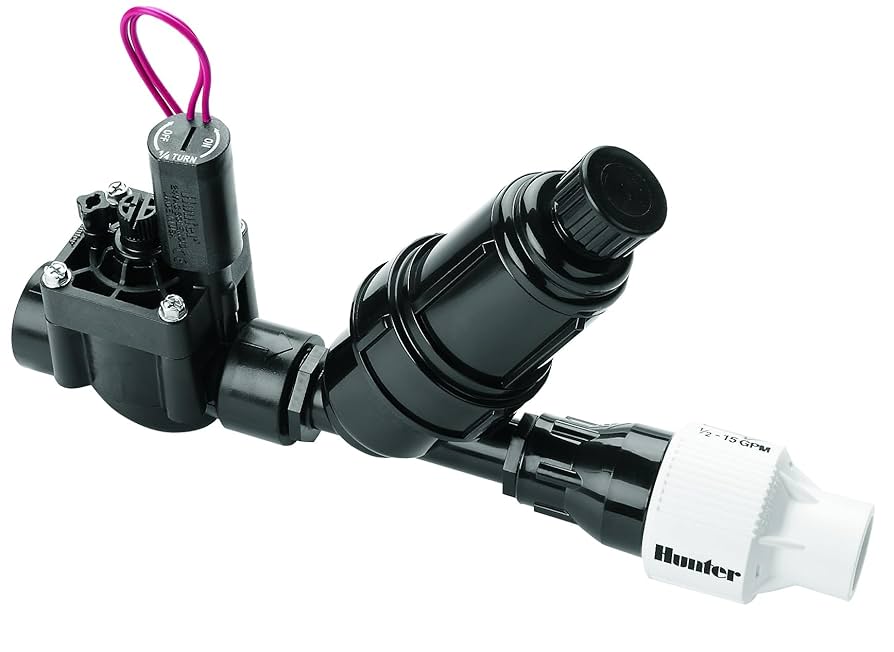
A stock image related to hunter drip irrigation valve.
3 Common User Pain Points for ‘hunter drip irrigation valve’ & Their Solutions
Scenario 1: Inconsistent Water Flow and Pressure Issues
The Problem: B2B buyers in regions with variable water supply often face challenges with inconsistent water flow and pressure in their irrigation systems. This inconsistency can lead to uneven watering, which negatively affects crop yield and overall irrigation efficiency. The use of Hunter drip irrigation valves, particularly models like the PGV series, may not provide the necessary adaptability to different pressure scenarios, leaving users frustrated and questioning their investment.
The Solution: To combat these issues, buyers should consider integrating Hunter’s pressure-regulating valves, such as the Accu-Sync series. These valves offer adjustable pressure settings, allowing users to tailor the flow according to specific irrigation needs. When sourcing these valves, it’s crucial to analyze the system’s water pressure and flow rate data. Proper installation is also vital; ensure that valves are positioned correctly within the system to maintain optimal pressure and flow. Additionally, implementing a pressure gauge can help monitor conditions continuously, allowing for timely adjustments and maintenance, which will lead to more consistent irrigation outcomes.
Scenario 2: Difficulty in Valve Compatibility with Existing Systems
The Problem: Many businesses operate with legacy irrigation systems, and integrating new components like Hunter drip irrigation valves can pose compatibility challenges. Buyers often encounter issues where new valves do not connect seamlessly with existing controllers or other irrigation components, leading to operational inefficiencies and increased costs due to system downtime.
The Solution: To avoid compatibility issues, B2B buyers should conduct a thorough assessment of their existing systems before purchasing new Hunter valves. It is advisable to choose valves that are designed to work with a broad range of controllers and irrigation systems. The Hunter ICV series, for example, is known for its rugged construction and high compatibility with various controllers. When specifying new valves, consider consulting with Hunter’s technical support or authorized distributors to ensure that the selected models will integrate smoothly with current setups. Additionally, purchasing complete irrigation kits that include both valves and compatible controllers can streamline the installation process and reduce the likelihood of future compatibility problems.
Scenario 3: Maintenance Challenges Leading to Frequent Breakdowns
The Problem: Regular maintenance of irrigation systems can be a daunting task, especially for B2B buyers managing large-scale operations. Neglecting valve maintenance often results in breakdowns, increased repair costs, and operational inefficiencies. For instance, buyers may find themselves dealing with clogged valves or damaged diaphragms, leading to water wastage and reduced system performance.
The Solution: To mitigate maintenance challenges, B2B buyers should implement a proactive maintenance schedule. Utilizing Hunter’s comprehensive support resources can aid in understanding the specific maintenance needs of each valve type. Regularly scheduled inspections should include cleaning filters, checking for leaks, and replacing worn-out parts like diaphragms and solenoids. Moreover, investing in Hunter’s pre-assembled Drip Control Zone Kits can simplify maintenance, as these kits come with built-in filtration and pressure regulation features that reduce the frequency of clogs and repairs. Establishing a training program for staff on proper maintenance practices can also enhance the longevity and efficiency of the irrigation system, ultimately saving costs and improving crop yield.
Strategic Material Selection Guide for hunter drip irrigation valve
What Materials Are Commonly Used for Hunter Drip Irrigation Valves?
When selecting materials for Hunter drip irrigation valves, it’s essential to consider the specific properties that impact performance, durability, and application suitability. Below is an analysis of four common materials used in the construction of these valves.
1. PVC (Polyvinyl Chloride)
Key Properties:
PVC is known for its excellent chemical resistance, lightweight nature, and low thermal conductivity. It can typically withstand temperatures up to 140°F (60°C) and pressures ranging from 150 to 200 PSI, making it suitable for various irrigation applications.
Pros & Cons:
The advantages of PVC include its affordability and ease of installation, as it can be easily cut and joined using solvent cement. However, it can become brittle over time when exposed to UV light, leading to potential failures in outdoor applications.
Impact on Application:
PVC is compatible with a wide range of media, including water and fertilizers, making it a versatile choice for agricultural and landscaping applications. However, it may not be suitable for high-temperature applications or where extreme mechanical stress is present.
Considerations for International Buyers:
Buyers in regions like Africa and South America should ensure compliance with local standards (e.g., ASTM for the U.S. market). In Europe, adherence to DIN standards is crucial, especially regarding chemical compatibility.
2. Brass
Key Properties:
Brass is a durable metal alloy composed primarily of copper and zinc. It offers excellent corrosion resistance and can handle high temperatures (up to 200°F or 93°C) and pressures (up to 300 PSI).
Pros & Cons:
The primary advantage of brass is its longevity and resistance to corrosion, making it ideal for harsh environments. However, it is more expensive than plastic alternatives and may require more complex manufacturing processes.
Impact on Application:
Brass valves are suitable for potable water applications and can handle various media, including acidic or alkaline solutions. Their robustness makes them ideal for commercial and industrial irrigation systems.
Considerations for International Buyers:
Brass components must meet specific international standards, including JIS in Japan and ASTM in the U.S. Buyers should also be aware of the potential for lead content in brass, which may be regulated in certain regions, particularly in Europe.
3. Nylon
Key Properties:
Nylon is a synthetic polymer known for its strength, flexibility, and resistance to abrasion. It operates effectively at temperatures up to 180°F (82°C) and pressures around 150 PSI.
Pros & Cons:
Nylon is lightweight and resistant to many chemicals, making it suitable for various irrigation applications. However, it can be more expensive than PVC and may degrade under prolonged UV exposure unless treated.
Impact on Application:
Nylon valves are particularly effective in systems requiring flexibility and durability, such as drip irrigation setups. They can handle a variety of media, but care must be taken to ensure compatibility with specific chemicals.
Considerations for International Buyers:
International buyers should check for compliance with local regulations regarding synthetic materials. In Europe, for instance, compliance with REACH regulations may be necessary.
4. Aluminum
Key Properties:
Aluminum is lightweight yet strong, with excellent resistance to corrosion and a high strength-to-weight ratio. It can withstand temperatures up to 300°F (149°C) and pressures similar to brass.
Pros & Cons:
Aluminum valves are durable and resistant to environmental factors, making them suitable for outdoor applications. However, they can be more costly than plastic options and may require protective coatings to prevent oxidation.
Impact on Application:
Aluminum is compatible with various media, including water and fertilizers, and is often used in commercial irrigation systems. Its lightweight nature facilitates easier installation and maintenance.
Considerations for International Buyers:
Buyers should ensure that aluminum products meet local industry standards, such as ASTM or DIN, and consider the environmental impact of aluminum production and recycling in their purchasing decisions.
Summary Table of Material Selection for Hunter Drip Irrigation Valves
| Material | Typical Use Case for hunter drip irrigation valve | Key Advantage | Key Disadvantage/Limitation | Relative Cost (Low/Med/High) |
|---|---|---|---|---|
| PVC | Residential and light commercial applications | Affordable and easy to install | Brittle when exposed to UV | Low |
| Brass | Potable water and industrial applications | Excellent corrosion resistance | Higher cost and complex manufacturing | High |
| Nylon | Flexible drip irrigation systems | Lightweight and durable | More expensive, UV degradation risk | Medium |
| Aluminum | Commercial irrigation systems | Strong and corrosion-resistant | Higher cost, requires protective coatings | High |
This strategic material selection guide provides valuable insights for international B2B buyers, helping them make informed decisions tailored to their specific irrigation needs.
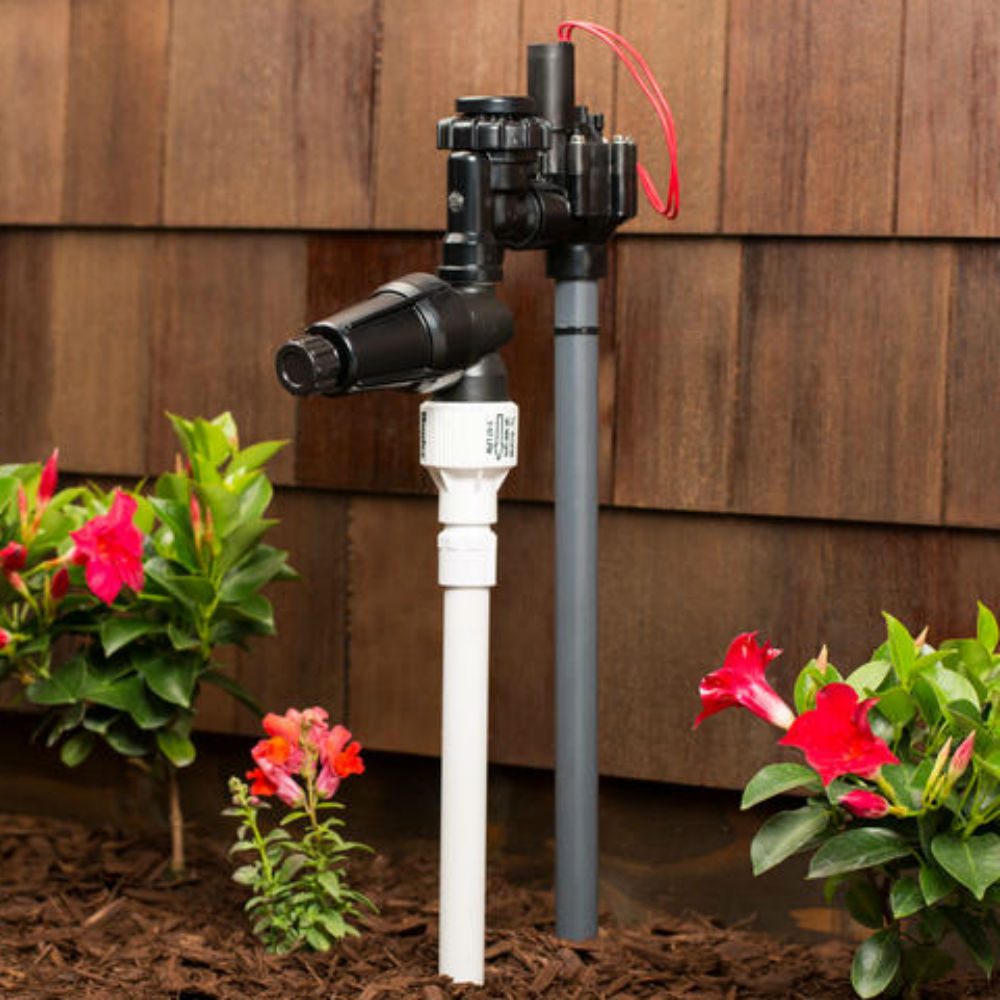
A stock image related to hunter drip irrigation valve.
In-depth Look: Manufacturing Processes and Quality Assurance for hunter drip irrigation valve
What Are the Main Stages in the Manufacturing Process of Hunter Drip Irrigation Valves?
The manufacturing process of Hunter drip irrigation valves is a meticulous journey that emphasizes quality and reliability. It typically involves several key stages: material preparation, forming, assembly, and finishing.
Material Preparation: The first stage involves sourcing high-quality raw materials that meet specific standards for durability and performance. Hunter primarily utilizes engineering-grade plastics and metals known for their resistance to corrosion and environmental factors. Materials are inspected for quality and consistency, ensuring they meet the required specifications before proceeding to the next stage.
Forming: In this stage, the prepared materials undergo various forming techniques such as injection molding for plastic components and machining for metal parts. Injection molding allows for precise shaping of complex valve components, while machining ensures tight tolerances for critical parts such as the valve body and diaphragm. This combination of techniques ensures that each component fits perfectly, which is essential for optimal valve performance.
Assembly: Following the forming stage, components are assembled using automated and manual processes. Each valve is put together in a clean environment to avoid contamination. During assembly, solenoids, diaphragms, and other essential parts are integrated, ensuring that the valve operates smoothly. This stage may also include the installation of pressure regulators and filters in specific valve models, particularly in drip control zone kits.
Finishing: The final stage involves applying protective coatings and conducting surface treatments to enhance durability. This can include UV protection for plastic components and anti-corrosive treatments for metal parts. After finishing, the valves undergo rigorous testing to ensure they meet Hunter’s high-quality standards.
How Does Hunter Ensure Quality Control Throughout the Manufacturing Process?
Quality assurance is integral to Hunter’s manufacturing philosophy, ensuring that each valve meets international and industry-specific standards. The company adheres to ISO 9001 standards, which provide a framework for consistent quality management systems.
International and Industry-Specific Standards: Hunter valves comply with various international standards, including CE marking for safety and compliance in the European market and API standards for valve performance in industrial applications. These certifications demonstrate the company’s commitment to producing high-quality products that meet global expectations.
Quality Control Checkpoints: Hunter employs multiple quality control checkpoints throughout the manufacturing process:
– Incoming Quality Control (IQC): This initial checkpoint assesses the quality of raw materials and components upon arrival. Only materials that pass stringent tests are allowed to proceed to the manufacturing stage.
– In-Process Quality Control (IPQC): During the manufacturing process, random samples are taken to ensure that production standards are maintained. This includes monitoring dimensions, materials properties, and assembly procedures.
– Final Quality Control (FQC): Once assembly is complete, each valve undergoes final inspection and testing. This includes functional tests to verify operation under specified pressure and flow conditions, ensuring that each product meets performance specifications.
What Common Testing Methods Are Employed for Hunter Drip Irrigation Valves?
To ensure reliability and performance, Hunter employs several common testing methods during quality assurance:
- Pressure Testing: Valves are subjected to high-pressure tests to ensure they can withstand operational pressures without leaking.
- Flow Testing: Each valve’s flow rate is measured to confirm it meets the specifications outlined for different models.
- Durability Testing: Long-term durability tests simulate real-world conditions, assessing how valves perform over extended periods.
- Environmental Testing: Valves are exposed to various environmental conditions, including extreme temperatures and UV exposure, to ensure they will perform in diverse climates.
How Can B2B Buyers Verify Supplier Quality Control?
For international B2B buyers, particularly those in Africa, South America, the Middle East, and Europe, verifying supplier quality control is crucial for ensuring reliability and performance in the products they purchase. Here are some actionable steps:
Supplier Audits: Conducting on-site audits of the manufacturing facilities can provide insights into the supplier’s quality control processes. Auditors can evaluate compliance with international standards and the effectiveness of quality assurance practices.
Requesting Quality Reports: B2B buyers should request detailed quality assurance reports that outline testing procedures, results, and compliance certifications. This documentation can provide confidence in the supplier’s commitment to quality.
Third-Party Inspections: Engaging third-party inspection agencies can offer an unbiased evaluation of the supplier’s quality control practices. These agencies can perform inspections at various stages of the manufacturing process and provide comprehensive reports.
What Are the Quality Control Nuances for International B2B Buyers?
Understanding the quality control nuances is essential for international B2B buyers:
- Cultural Differences: Different regions may have varying standards of quality and compliance. Buyers should be familiar with local expectations and ensure that suppliers meet both international and regional standards.
- Logistics and Transportation: Quality can be affected during transportation. Buyers should ensure that suppliers use appropriate packaging and handling procedures to maintain product integrity during shipping.
- Regulatory Compliance: Buyers must ensure that products comply with local regulations in their respective markets. This includes understanding certification requirements and ensuring that suppliers have the necessary documentation.
Conclusion
In summary, the manufacturing and quality assurance processes for Hunter drip irrigation valves are designed to ensure that every product meets high standards of performance and reliability. By understanding these processes and actively engaging in quality verification, international B2B buyers can make informed purchasing decisions that will support their irrigation projects and contribute to sustainable water management practices.
Practical Sourcing Guide: A Step-by-Step Checklist for ‘hunter drip irrigation valve’
In the competitive landscape of irrigation solutions, procuring the right Hunter drip irrigation valves is essential for ensuring optimal performance and efficiency. This guide serves as a practical checklist to aid B2B buyers in making informed sourcing decisions. By following these steps, you can streamline your procurement process and secure high-quality products that meet your operational needs.
Step 1: Define Your Technical Specifications
Before beginning your search, clearly outline the technical requirements of the valves you need. Consider factors such as flow rates, pressure ratings, and compatibility with existing systems. This step is crucial because it helps you narrow down options and ensures that the valves will function effectively in your specific application.
- Flow Rate: Identify the required GPM (gallons per minute) for your irrigation system.
- Pressure Requirements: Determine the operating pressure range suitable for your setup.
Step 2: Research Product Options
Explore the various models offered by Hunter, such as the PGV and ICV series. Each model is designed for different applications, so understanding their specific capabilities will help you select the right valves. This research phase is important to align product features with your needs.
- PGV Series: Ideal for low to medium flow applications.
- ICV Series: Designed for high flow rates, suitable for larger projects.
Step 3: Evaluate Potential Suppliers
Thoroughly vet potential suppliers to ensure they can meet your quality and service expectations. Request company profiles, product catalogs, and references from other buyers in your region or industry. This evaluation is critical to avoid procurement pitfalls and ensure reliable partnerships.
- Supplier Certifications: Look for ISO certifications or other quality standards.
- Customer Feedback: Seek testimonials or case studies that demonstrate their reliability and service quality.
Step 4: Check for Compatibility
Ensure that the Hunter valves you are considering are compatible with your existing irrigation controllers and systems. While Hunter valves are designed to work optimally with their own controllers, many are also compatible with third-party systems. This compatibility check is essential to avoid operational disruptions.
- Controller Compatibility: Verify if the valves work seamlessly with your current irrigation setup.
- System Integration: Assess how easily the new valves can be integrated into your existing infrastructure.
Step 5: Request Quotes and Compare Prices
Once you have identified suitable suppliers and products, request quotes to compare prices and terms. Make sure to consider not just the upfront cost, but also factors like shipping, warranties, and after-sales support. This step is vital for budget management and ensuring value for money.
- Bulk Purchase Discounts: Inquire about discounts for larger orders.
- Warranty Terms: Understand the warranty coverage and support options available.
Step 6: Review Installation and Maintenance Support
Evaluate the support offered by suppliers regarding installation and ongoing maintenance. Proper installation is key to ensuring the longevity of the valves, and having access to maintenance resources can prevent future issues. This consideration is important for operational efficiency.
- Installation Guidelines: Ensure that suppliers provide comprehensive installation manuals.
- Maintenance Resources: Look for suppliers that offer maintenance kits or services.
Step 7: Finalize the Order and Confirm Delivery
Once you’ve selected a supplier and product, finalize your order and confirm delivery timelines. Clear communication regarding shipping and delivery schedules can prevent potential delays in your irrigation projects. This final step is critical for ensuring your procurement process concludes smoothly.
- Delivery Times: Confirm expected shipping dates and track your order.
- Order Confirmation: Ensure all details are correct in the purchase agreement before proceeding.
By following this checklist, B2B buyers can navigate the procurement process for Hunter drip irrigation valves effectively, ensuring they select the best products to meet their irrigation needs.
Comprehensive Cost and Pricing Analysis for hunter drip irrigation valve Sourcing
What are the Key Cost Components for Hunter Drip Irrigation Valves?
When sourcing Hunter drip irrigation valves, understanding the cost structure is vital for making informed purchasing decisions. The primary cost components include materials, labor, manufacturing overhead, tooling, quality control (QC), logistics, and supplier margin.
Materials are the most significant expense, typically comprising high-quality plastics and metals designed to withstand various environmental conditions. Labor costs include both direct labor for assembly and indirect labor for management and support roles. Manufacturing overhead accounts for factory utilities, depreciation of machinery, and salaries of non-direct personnel. Tooling costs, while often amortized over production runs, can impact initial pricing if custom molds or dies are required. Quality control ensures that the valves meet stringent performance standards, which can add to the overall cost. Finally, logistics costs encompass shipping, warehousing, and distribution, while the supplier margin reflects the profit added by manufacturers or distributors.
How Do Price Influencers Affect Hunter Drip Irrigation Valve Costs?
Several factors can significantly influence the pricing of Hunter valves. Volume and minimum order quantity (MOQ) play a crucial role; purchasing in bulk can lead to discounts, whereas small orders may incur higher unit costs. Specifications and customization also impact pricing. Custom valves tailored to specific needs or performance requirements typically carry a premium.
Material quality and certifications can further affect costs. Valves that are certified for specific standards (e.g., ISO, NSF) may be more expensive due to compliance requirements. Additionally, supplier factors, such as brand reputation and service levels, can influence pricing structures. Finally, Incoterms dictate the responsibilities of buyers and sellers in international shipping, affecting overall costs based on who pays for shipping, insurance, and tariffs.
What Buyer Tips Can Help Achieve Cost-Efficiency?
For international B2B buyers, particularly from regions like Africa, South America, the Middle East, and Europe, several strategies can enhance cost-efficiency. Negotiation is key; engaging suppliers in discussions about pricing, payment terms, and delivery schedules can yield better deals.
Understanding the Total Cost of Ownership (TCO) is essential. This includes not only the initial purchase price but also operational costs such as maintenance, energy consumption, and potential downtime. Buyers should evaluate the long-term value of investing in higher-quality valves, which may have a higher upfront cost but lower maintenance expenses.
Additionally, pricing nuances vary by region. For example, European buyers may benefit from stricter regulations that ensure high-quality products, while buyers in developing markets might prioritize cost over certification. Understanding regional market dynamics can help buyers make more strategic sourcing decisions.
Are There Any Pricing Disclaimers to Consider?
It is important to note that the prices of Hunter drip irrigation valves can fluctuate based on market conditions, raw material costs, and other external factors. Therefore, while indicative pricing can be provided, it should be viewed as a guideline rather than a fixed cost. Buyers are encouraged to seek quotes from multiple suppliers to ensure competitive pricing and to factor in potential changes in cost due to geopolitical or economic shifts.
By being informed about cost structures, price influencers, and effective negotiation strategies, international B2B buyers can make strategic decisions that optimize their procurement processes for Hunter drip irrigation valves.
Alternatives Analysis: Comparing hunter drip irrigation valve With Other Solutions
Introduction: Understanding Alternative Irrigation Solutions
When considering irrigation systems, particularly in regions with diverse climatic conditions such as Africa, South America, the Middle East, and Europe, it’s crucial to evaluate various solutions. The Hunter drip irrigation valve is a prominent choice, known for its durability and efficiency. However, exploring alternative options can provide B2B buyers with insights into performance, cost-effectiveness, and ease of use. In this section, we will compare the Hunter drip irrigation valve with two viable alternatives: the Rain Bird drip irrigation valve and the Netafim drip irrigation system.
Comparison Table
| Comparison Aspect | Hunter Drip Irrigation Valve | Rain Bird Drip Irrigation Valve | Netafim Drip Irrigation System |
|---|---|---|---|
| Performance | High flow control; durable | Good flow management; reliable | Exceptional efficiency; low water usage |
| Cost | Moderate initial investment | Slightly lower initial cost | Higher upfront cost; long-term savings |
| Ease of Implementation | Requires professional setup | User-friendly installation | Complex setup; requires expertise |
| Maintenance | Low maintenance; easy parts replacement | Moderate maintenance; parts readily available | Requires regular maintenance; specialized training |
| Best Use Case | Residential and commercial applications | Small to medium gardens | Large-scale agricultural projects |
Detailed Breakdown of Alternatives
Rain Bird Drip Irrigation Valve
Rain Bird valves are known for their reliability and efficient flow management. They are often considered a cost-effective alternative to Hunter valves, with a slightly lower initial investment. Rain Bird systems typically offer user-friendly installation processes, making them suitable for small to medium gardens. However, they may require moderate maintenance, and while replacement parts are readily available, their performance can be less robust in high-demand environments compared to Hunter’s offerings.
Netafim Drip Irrigation System
Netafim is a leading name in drip irrigation technology, particularly suited for large-scale agricultural projects. Their systems are designed for exceptional water efficiency, which can result in significant long-term savings on water costs. However, Netafim systems come with a higher upfront cost and require a more complex setup, often needing specialized expertise for installation and maintenance. Regular maintenance is crucial to ensure optimal performance, which may be a consideration for buyers with limited resources.
Conclusion: How to Choose the Right Irrigation Solution
When selecting the right irrigation solution, B2B buyers should consider their specific needs, including the scale of their operations, budget constraints, and maintenance capabilities. The Hunter drip irrigation valve excels in performance and durability, making it ideal for both residential and commercial applications. In contrast, Rain Bird offers a more budget-friendly option for smaller projects, while Netafim is best suited for large agricultural endeavors that prioritize water efficiency. By carefully weighing these factors, buyers can make informed decisions that align with their operational goals and environmental conditions.
Essential Technical Properties and Trade Terminology for hunter drip irrigation valve
What Are the Key Technical Properties of Hunter Drip Irrigation Valves?
When considering Hunter drip irrigation valves, several critical specifications are essential for B2B buyers to understand. These properties not only influence performance but also impact the overall efficiency and cost-effectiveness of irrigation systems.
Material Composition
– Hunter valves are typically constructed from high-grade PVC or durable plastic, ensuring longevity and resistance to corrosion. The choice of materials directly affects the valve’s durability, especially in varying environmental conditions, making it crucial for buyers in regions with extreme climates.Pressure Rating
– Each valve model has a specified pressure rating, often ranging from 20 to 150 PSI. This rating is vital for determining compatibility with different irrigation systems. Selecting a valve that can handle the required pressure prevents failures and ensures optimal water flow, which is particularly important in commercial applications where consistency is key.Flow Rate
– Flow rate specifications indicate the volume of water the valve can handle, usually measured in gallons per minute (GPM). Understanding the flow rate is essential for buyers to ensure that the valve meets the demands of their irrigation design, especially in large agricultural or landscaping projects where high water output is necessary.Temperature Tolerance
– Hunter valves are designed to operate efficiently at a temperature range typically up to 150°F. For buyers, this means ensuring that the selected valves can withstand local temperature conditions without compromising performance, which is particularly relevant in hotter regions.Solenoid Voltage
– Most Hunter valves operate on a 24 VAC solenoid system. Knowing the voltage requirements is critical for ensuring compatibility with existing irrigation controllers. A mismatch can lead to operational failures, making it essential for buyers to consider this specification during the selection process.Diaphragm Design
– The diaphragm is a key component that regulates water flow. Hunter valves feature advanced diaphragm designs that enhance reliability and reduce maintenance needs. Understanding this can help buyers gauge the longevity and efficiency of the valve in their irrigation systems.
What Are Common Trade Terms Related to Hunter Drip Irrigation Valves?
Familiarity with industry jargon is crucial for B2B buyers when navigating the procurement of Hunter drip irrigation valves. Here are some essential terms:
OEM (Original Equipment Manufacturer)
– OEM refers to companies that produce parts or equipment that may be marketed by another manufacturer. For buyers, sourcing OEM parts ensures compatibility and quality assurance, particularly when integrating new valves into existing systems.MOQ (Minimum Order Quantity)
– MOQ is the smallest quantity of a product that a supplier is willing to sell. Understanding MOQ is essential for buyers to gauge upfront investment costs and manage inventory effectively, especially for larger projects requiring multiple units.RFQ (Request for Quotation)
– An RFQ is a document sent to suppliers to request pricing and other details for specific products. For B2B buyers, issuing an RFQ can help in comparing offers and securing the best deal for valves and other irrigation components.Incoterms (International Commercial Terms)
– Incoterms define the responsibilities of buyers and sellers in international transactions, including shipping and delivery responsibilities. Knowledge of these terms helps buyers understand their obligations and risks associated with global procurement.Lead Time
– Lead time refers to the duration between placing an order and receiving the product. Understanding lead times is crucial for buyers to plan project timelines effectively, especially in regions where irrigation installations are seasonal.Warranty and Service Terms
– Warranty and service terms outline the conditions under which a product is covered for repairs or replacements. Familiarity with these terms helps buyers assess the long-term value and reliability of the valves they are purchasing.
Incorporating these technical properties and trade terminologies into decision-making processes enables B2B buyers to make informed choices when investing in Hunter drip irrigation valves, ultimately enhancing the efficiency and effectiveness of their irrigation systems.
Navigating Market Dynamics and Sourcing Trends in the hunter drip irrigation valve Sector
What Are the Key Market Dynamics and Trends Influencing the Hunter Drip Irrigation Valve Sector?
The global drip irrigation market is experiencing significant growth, driven by increasing agricultural productivity needs and a rising emphasis on water conservation. As countries face water scarcity, particularly in regions like Africa and the Middle East, the demand for efficient irrigation solutions is paramount. The Hunter drip irrigation valves, known for their precision engineering and reliability, play a crucial role in this sector.
International B2B buyers are increasingly leaning towards smart irrigation technologies, which integrate IoT and automation to enhance system efficiency. The emergence of data analytics in agricultural practices is reshaping how irrigation systems, including Hunter valves, are monitored and managed. Additionally, the trend of sustainable agriculture is influencing sourcing decisions, with buyers seeking products that not only maximize yield but also minimize environmental impact.
In Europe, particularly in Germany, stringent regulations on water usage are prompting a shift towards advanced irrigation systems. Meanwhile, in South America, the expansion of agribusiness sectors is driving the adoption of sophisticated irrigation technologies. As a result, suppliers must remain agile, adapting their offerings to align with regional demands and technological advancements.
How Does Sustainability Impact Sourcing Decisions for Hunter Drip Irrigation Valves?
Sustainability is no longer a mere buzzword; it has become a core consideration in B2B sourcing strategies. The environmental impact of irrigation systems, especially in regions facing water scarcity, necessitates the adoption of sustainable practices. Hunter Industries is committed to reducing its ecological footprint by utilizing eco-friendly materials in the manufacturing of its drip irrigation valves.
Buyers are increasingly prioritizing suppliers that demonstrate a commitment to ethical sourcing and sustainability. This includes certifications such as ISO 14001, which indicates effective environmental management systems. Moreover, sourcing valves made from recyclable materials not only meets regulatory requirements but also appeals to environmentally conscious consumers.
In the context of Hunter valves, the integration of durable materials ensures longevity and reduces the frequency of replacements, thereby minimizing waste. B2B buyers are encouraged to seek partnerships with suppliers who uphold transparency in their supply chains and can provide documentation regarding the sustainability of their products.
What Is the Historical Context of Hunter Drip Irrigation Valves?
Hunter Industries has established itself as a leader in the irrigation industry, with a history dating back to 1981. Initially focused on residential irrigation solutions, the company has expanded its product line to cater to commercial and agricultural needs, including the development of advanced drip irrigation valves. Over the years, Hunter has continually innovated its valve technology, introducing features that enhance efficiency and reliability.
The evolution of Hunter drip irrigation valves reflects broader trends in the agricultural sector, where precision and sustainability have become essential. As the company adapts to market demands, its commitment to quality and innovation ensures that its products remain at the forefront of irrigation technology. Today, Hunter valves are recognized globally for their durability and performance, making them a preferred choice for B2B buyers seeking reliable irrigation solutions.
Frequently Asked Questions (FAQs) for B2B Buyers of hunter drip irrigation valve
How do I select the right Hunter drip irrigation valve for my project?
Selecting the appropriate Hunter drip irrigation valve depends on several factors, including the flow rate, pressure requirements, and the specific needs of your irrigation system. For high flow applications, the ICV series is recommended, while the PGV series is suitable for standard residential and commercial uses. Ensure the valve matches your system’s specifications and consider whether you need features like anti-siphon capabilities or flow control.What are the key benefits of using Hunter valves in irrigation systems?
Hunter valves are known for their durability, precision engineering, and compatibility with various irrigation systems. They provide reliable flow control, which is essential for maintaining optimal water distribution. Additionally, many models are designed to handle both clean and dirty water, making them versatile for different environments, from agricultural fields to urban landscapes.Can Hunter irrigation valves be integrated with other brands’ controllers?
While Hunter valves are optimized for use with Hunter controllers, many models can operate with third-party controllers. However, for the best performance and compatibility, it is advisable to use Hunter products together. Before making a purchase, confirm the compatibility of your controller with the specific Hunter valve model you intend to use.What is the minimum order quantity (MOQ) for Hunter drip irrigation valves?
The MOQ for Hunter drip irrigation valves can vary based on the supplier and your location. Generally, distributors may require a minimum order to qualify for bulk pricing or shipping. It is advisable to contact your chosen supplier directly to inquire about their specific MOQ and any volume discounts that may apply to larger orders.What payment terms should I expect when purchasing Hunter valves internationally?
Payment terms for international purchases of Hunter valves typically vary by supplier. Common options include advance payment, letter of credit, or payment upon delivery. Some suppliers may also offer net terms based on creditworthiness. It is crucial to discuss and agree upon payment terms prior to finalizing your order to avoid misunderstandings.How can I ensure the quality of Hunter irrigation valves from suppliers?
To ensure the quality of Hunter irrigation valves, it is essential to vet suppliers thoroughly. Look for established distributors with positive reviews and a solid reputation in the industry. Request product certifications, warranty information, and samples if possible. Additionally, consider suppliers who provide clear return policies and customer support for any post-purchase issues.What logistics considerations should I be aware of when sourcing Hunter valves internationally?
When sourcing Hunter valves internationally, consider shipping times, customs regulations, and potential tariffs that may apply. Ensure your supplier can provide reliable shipping options and track your order. Additionally, understand the delivery timelines to plan for installation and project execution, as delays can impact overall project schedules.What maintenance practices are recommended for Hunter drip irrigation valves?
Regular maintenance is crucial for the longevity of Hunter drip irrigation valves. Periodic inspections should be conducted to check for leaks, blockages, or signs of wear. Cleaning filters and ensuring that the solenoids are functioning correctly can prevent operational issues. Refer to the manufacturer’s guidelines for specific maintenance schedules and procedures to ensure optimal performance.
Important Disclaimer & Terms of Use
⚠️ Important Disclaimer
The information provided in this guide, including content regarding manufacturers, technical specifications, and market analysis, is for informational and educational purposes only. It does not constitute professional procurement advice, financial advice, or legal advice.
While we have made every effort to ensure the accuracy and timeliness of the information, we are not responsible for any errors, omissions, or outdated information. Market conditions, company details, and technical standards are subject to change.
B2B buyers must conduct their own independent and thorough due diligence before making any purchasing decisions. This includes contacting suppliers directly, verifying certifications, requesting samples, and seeking professional consultation. The risk of relying on any information in this guide is borne solely by the reader.
Top 7 Hunter Drip Irrigation Valve Manufacturers & Suppliers List
1. Hunter Irrigation – Key Valve Solutions
Domain: hunterirrigation.com
Registered: 2001 (24 years)
Introduction: {“products”:[{“model”:”1″},{“model”:”1½”},{“model”:”2″},{“model”:”ICV”},{“model”:”IBV”},{“model”:”PGV-ASV”},{“model”:”Accu Sync®”},{“model”:”Quick Couplers”},{“model”:”Wireless Valve Link”},{“model”:”Drip Control Zone Kits”},{“model”:”PGV Jar-Top”}],”inlet_sizes”:[“¾”,”1″,”1¼”,”1½”,”2″,”3″],”features”:[“Smart Technology”,”Remote Control Compatible”],”application_types”:[“Inline Irrigation”,”Online…
2. Hunter – Sprinkler Valves
Domain: sprinklersupplystore.com
Registered: 2010 (15 years)
Introduction: Hunter Sprinkler Valves provide superior flow control and are essential for irrigation systems. They are designed to work reliably across various conditions, including low to high flow, clean to dirty water, and low to high pressure. Key products include:
– Hunter SRV Valves
– Hunter PGV Valves
– Hunter PGV Jar Top Valves
– Hunter PGV-ASV Valves
– Hunter ICV Valves
– Hunter IBV Valves
– Hun…
3. Hunter – PCZ-101-40 Drip Zone Assembly
Domain: cheapsprinklers.com
Registered: 2014 (11 years)
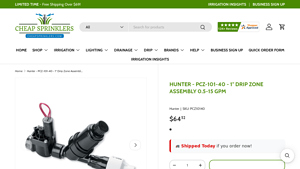
Introduction: Hunter PCZ-101-40 Drip Zone Assembly 1″ with PGV valve; Flow rate: 0.5 to 15 GPM (30 to 900 GPH); Operating pressure: 20 to 120 PSI; Pressure regulation: 40 PSI; Operating temperature: up to 120º F; Features a 150 mesh stainless steel screen, 1″ inlet, and 3/4″ outlet; Factory-assembled and water-tested; Warranty: 2 years; Heavy-duty solenoid specifications: 24 VAC, 350 mA inrush current, 190 mA h…
4. Hunter – Irrigation Valves
Domain: bigfrogsupply.com
Registered: 2014 (11 years)
Introduction: This company, Hunter – Irrigation Valves, is a notable entity in the market. For specific product details, it is recommended to visit their website directly.
5. Hunter – PGV Valves Issues
Domain: reddit.com
Registered: 2005 (20 years)
Introduction: Hunter PGV valves, used in residential sprinkler systems, are experiencing frequent issues such as zones not turning off, not turning on, and slow leaks. Common problems include torn or mangled diaphragms, with users replacing them regularly. The valves are at least 7 years old, and there are suggestions to replace the entire upper valve assembly rather than just the diaphragm. Users have noted th…
6. Hunter – PGV-101 Valves

Domain: thelawnforum.com
Registered: 2017 (8 years)
Introduction: Hunter PGV-101 valves, suitable for low flow irrigation; mainline pressure: 100 psi; installed Hunter Accu-set for pressure regulation; Zone 1: spray to drip retrofits with 30 psi regulation; Zone 2: soaker hoses with inline MHT pressure reducers; Accu-set causes excessive valve vibration; literature states flows as low as 0.2 gpm are achievable; minimum flow requirement for Accu-set is 5 gpm; dif…
7. Irrigation Depot – Replacement Solenoid for Hunter Valves
Domain: irrigationdepot.ca
Registered: 2007 (18 years)
Introduction: {“products”:[{“name”:”Replacement Solenoid for Hunter Valves”,”voltage”:”24 Volts”,”sku”:”HV-SOLENOID”,”price”:{“5+”:”21.55$ each”,”10+”:”19.16$ each”}},{“name”:”Hunter PGV-100G Valves”,”type”:”1” Plastic globe valve (Female inlet/outlet)”,”sku”:”HV-PGV-100G”,”price”:{“10+”:”28.45$ each”}},{“name”:”Hunter PGV-101G Series Valves”,”type”:”1” plastic globe valve with flow control (Female inlet/outlet…
Strategic Sourcing Conclusion and Outlook for hunter drip irrigation valve
In conclusion, strategic sourcing of Hunter drip irrigation valves presents a unique opportunity for international B2B buyers seeking to enhance their irrigation systems. The diverse range of Hunter valves, including the highly durable PGV and high-capacity ICV series, caters to various applications across residential and commercial sectors. By leveraging Hunter’s precision engineering, buyers can optimize water management, improve system reliability, and achieve significant cost savings over time.
The value of strategic sourcing extends beyond mere procurement; it encompasses the careful selection of products that align with the specific needs of diverse markets in Africa, South America, the Middle East, and Europe. As agricultural practices evolve and the demand for sustainable solutions increases, investing in high-quality irrigation components becomes imperative.
Looking ahead, international buyers are encouraged to engage with trusted distributors and explore Hunter’s comprehensive product offerings. By doing so, they can ensure their irrigation systems are equipped with the best technology available, ultimately leading to enhanced productivity and sustainability in their operations. Embrace the future of irrigation—partner with Hunter for your sourcing needs today.
 English (United States)
  Spanish (Spain)
  Portuguese (Portugal)
  French
  German
  Italian
  Arabic
  Dutch
Dutch  English (UK)
  Bulgarian
  Chinese (China)
  Chinese (Hong Kong)
  Czech
Czech  Danish
  Greek
Greek  Finnish
  Spanish (Mexico)
  Estonian
  Hebrew
  Hungarian
  Indonesian
  Japanese
  Korean
  Latvian
  Lithuanian
  Norwegian
  Polish
  Portuguese (Brazil)
  Romanian
  Russian
  Slovenian
  Slovak
  Swedish
  Turkish
  Ukrainian
  Vietnamese