
Introduction: Navigating the Global Market for irrigation ball valve
In an increasingly interconnected world, sourcing high-quality irrigation ball valves poses a significant challenge for B2B buyers, especially those operating in diverse climates and regulatory environments across Africa, South America, the Middle East, and Europe. The right ball valve can optimize water flow, enhance system efficiency, and reduce operational costs, making it a critical component for agricultural and landscaping applications. However, navigating the myriad options available—including materials, sizes, and functionalities—can be daunting.
This comprehensive guide aims to demystify the global market for irrigation ball valves by providing essential insights into various types, their applications, and best practices for supplier vetting. It will cover crucial factors influencing cost, including material choices like brass and PVC, as well as the implications of local regulations and standards. By understanding these elements, international buyers can make informed decisions that align with their operational needs and budget constraints.
Moreover, this guide emphasizes the importance of strategic sourcing, helping buyers identify reliable suppliers who can deliver quality products and services that meet regional demands. Armed with this knowledge, B2B buyers will be better equipped to secure the right irrigation ball valves, fostering sustainable growth and efficiency in their irrigation systems.
Understanding irrigation ball valve Types and Variations
| Type Name | Key Distinguishing Features | Primary B2B Applications | Brief Pros & Cons for Buyers |
|---|---|---|---|
| Brass Ball Valves | Durable, high pressure and temperature resistance | Industrial irrigation, commercial farms | Pros: Long lifespan, excellent sealing. Cons: Higher cost, heavier than PVC. |
| PVC Ball Valves | Lightweight, corrosion-resistant, economical | Residential irrigation, small-scale farms | Pros: Cost-effective, easy to install. Cons: Less durable under high pressure. |
| Barbed Ball Valves | Designed for flexible tubing, easy to connect | Drip irrigation systems | Pros: Simple installation, versatile. Cons: May require additional fittings. |
| Electric Ball Valves | Automated operation, remote control capabilities | Large-scale agricultural operations | Pros: Reduces labor, enhances efficiency. Cons: Higher initial investment, requires power source. |
| Manual Ball Valves | Operated by hand, straightforward design | Maintenance shut-off, zone control | Pros: Reliable, low maintenance. Cons: Labor-intensive for large systems. |
What Are the Characteristics of Brass Ball Valves?
Brass ball valves are known for their durability and ability to withstand high pressures and temperatures, making them ideal for industrial irrigation systems and commercial farms. Their robust construction ensures a watertight seal, significantly reducing the risk of leaks. Buyers should consider the initial investment, as brass valves are generally more expensive than their PVC counterparts, but their longevity often justifies the cost.
Why Choose PVC Ball Valves for Irrigation?
PVC ball valves are lightweight and resistant to corrosion, making them a popular choice for residential irrigation systems and small-scale farms. They are cost-effective and easy to install, appealing to budget-conscious buyers. However, potential buyers should be aware that PVC valves may not perform well under high-pressure conditions, which could limit their application in larger systems.
How Do Barbed Ball Valves Function?
Barbed ball valves are specifically designed for use with flexible tubing, making them ideal for drip irrigation systems. Their barbed ends allow for easy and secure connections without the need for additional fittings. While they offer versatility and straightforward installation, buyers should consider that they may require extra fittings for certain applications, which can add to overall costs.
What Are the Benefits of Electric Ball Valves?
Electric ball valves automate the flow control process, allowing for remote operation and enhanced efficiency in large-scale agricultural operations. This feature reduces labor costs and improves water management. However, buyers should factor in the higher initial investment and the need for a reliable power source, which may not be feasible for all operations.
When to Use Manual Ball Valves?
Manual ball valves are a straightforward and reliable option for controlling water flow in irrigation systems. They are commonly used for maintenance shut-off and zone control, providing a simple solution without the complexity of automated systems. While they are low maintenance and cost-effective, buyers should be mindful of the labor required to operate them, particularly in larger installations where multiple valves may be needed.
Key Industrial Applications of irrigation ball valve
| Industry/Sector | Specific Application of Irrigation Ball Valve | Value/Benefit for the Business | Key Sourcing Considerations for this Application |
|---|---|---|---|
| Agriculture | Water control in drip and sprinkler irrigation systems | Enhances crop yield through precise water management | Material compatibility (PVC, brass), size specifications, and pressure ratings |
| Landscape Management | Zone isolation in landscape irrigation systems | Reduces water waste and allows for targeted irrigation | Durability for outdoor conditions, ease of operation, and maintenance requirements |
| Municipal Water Supply | Flow regulation in municipal irrigation networks | Ensures efficient water distribution and conservation | Compliance with local regulations, pressure ratings, and ease of installation |
| Industrial Facilities | Process water management in manufacturing plants | Improves operational efficiency and reduces downtime | Sizing for high flow rates, material selection for chemical compatibility |
| Horticulture | Control of nutrient-rich water in greenhouse systems | Optimizes plant growth and resource usage | Customization for specific pipe sizes and connection types, reliability under varying conditions |
How Are Irrigation Ball Valves Used in Agriculture?
In agriculture, irrigation ball valves are essential for managing water flow in drip and sprinkler systems. They enable farmers to control the amount of water distributed to crops, which is crucial for optimizing yield and resource efficiency. By allowing precise flow adjustments, these valves help mitigate the risks of over-irrigation, which can lead to crop damage or wastage. For international buyers, sourcing valves that are compatible with local pipe materials and capable of withstanding regional pressure conditions is vital for ensuring reliability and longevity.
What Role Do Irrigation Ball Valves Play in Landscape Management?
In landscape management, irrigation ball valves are used to isolate different zones within an irrigation system. This capability is particularly beneficial for maintaining diverse plant types that may require varying water amounts. By controlling water flow to specific areas, businesses can significantly reduce water waste and enhance the overall health of landscaped environments. Buyers should consider the durability of the valve materials, especially in outdoor conditions, and ease of operation to facilitate maintenance and adjustments.
How Are Irrigation Ball Valves Utilized in Municipal Water Supply?
Municipal water supply systems leverage irrigation ball valves for effective flow regulation. These valves ensure that water is distributed evenly across various community irrigation needs, such as parks and public gardens. Their role in conserving water resources is increasingly critical in regions facing water scarcity. Buyers from municipal sectors must prioritize compliance with local regulations, ensuring that valves meet required pressure ratings and are easy to install within existing infrastructure.
In What Ways Do Industrial Facilities Benefit from Irrigation Ball Valves?
In industrial settings, irrigation ball valves are vital for managing process water in manufacturing operations. They help regulate the flow of water used in cooling systems or cleaning processes, thereby enhancing operational efficiency and minimizing downtime. For B2B buyers in this sector, it is crucial to select valves that can handle high flow rates and are made from materials compatible with the specific chemicals used in their processes. Proper sizing and material selection will ensure reliable performance under varying operational conditions.
How Do Horticultural Operations Use Irrigation Ball Valves?
Horticultural operations frequently utilize irrigation ball valves to control the flow of nutrient-rich water in greenhouse systems. This precise control helps optimize plant growth and resource usage, leading to healthier plants and potentially higher profits. Buyers in this sector should focus on customizing valves to fit specific pipe sizes and connection types, ensuring they can reliably manage the unique demands of greenhouse environments. Additionally, the reliability of these valves under fluctuating conditions is essential for maintaining consistent plant health.
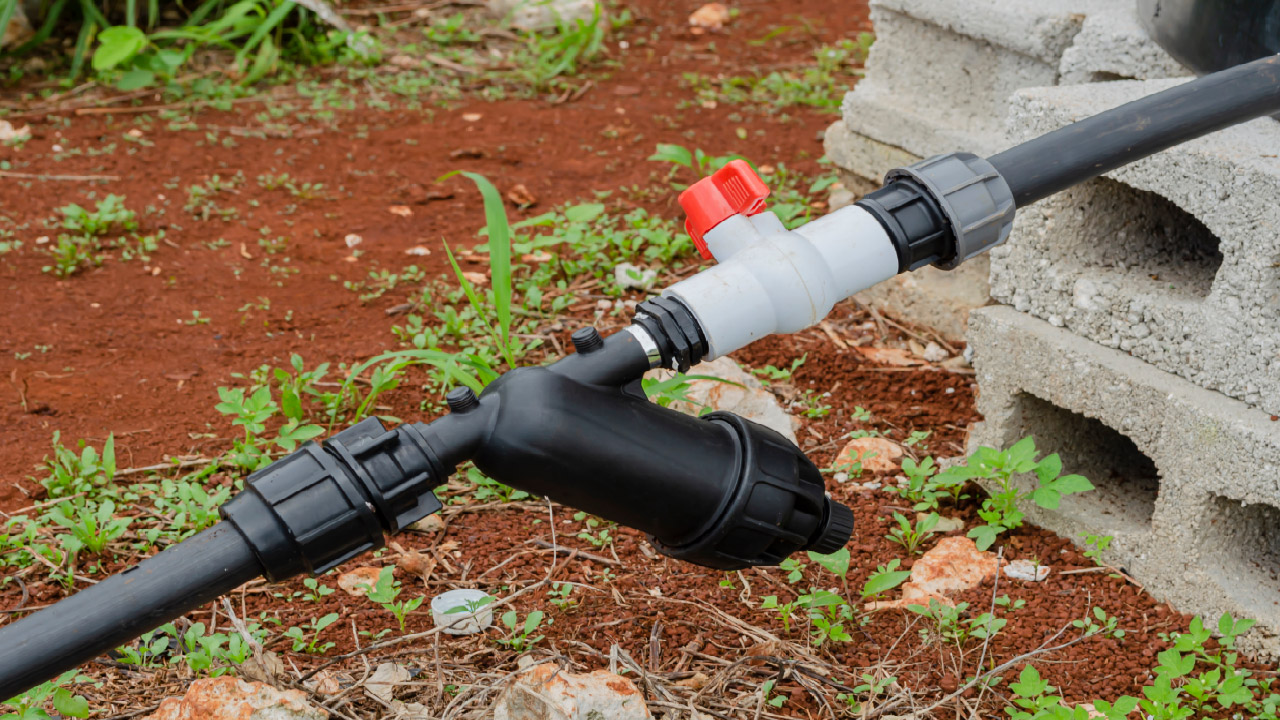
A stock image related to irrigation ball valve.
3 Common User Pain Points for ‘irrigation ball valve’ & Their Solutions
Scenario 1: Inconsistent Water Flow Due to Valve Malfunction
The Problem: Many B2B buyers encounter issues with inconsistent water flow in their irrigation systems, often caused by malfunctioning ball valves. This inconsistency can lead to uneven irrigation across fields or gardens, resulting in crop stress and reduced yields. The problem may arise from improper installation, wear and tear over time, or choosing the wrong type of valve for their specific application. For buyers in regions with extreme weather conditions, such as parts of Africa and the Middle East, the risk of valve failure increases, leading to significant operational challenges.
The Solution: To mitigate these issues, buyers should prioritize sourcing high-quality ball valves specifically designed for their environmental conditions. Opt for brass ball valves that are durable and resistant to corrosion, or consider PVC options for less demanding applications. Ensure that the valves are compatible with the specific pipe materials used in the irrigation system. Additionally, investing in regular maintenance and inspections can help identify potential issues before they escalate. Implement a routine check-up schedule to ensure valves are functioning properly, with particular attention paid to seals and fittings. By proactively managing valve health, buyers can ensure consistent water flow and optimize their irrigation efforts.
Scenario 2: Difficulty in Sizing and Selecting the Right Ball Valve
The Problem: Sizing and selecting the appropriate ball valve can be a daunting task for B2B buyers, especially those who are new to irrigation systems. An incorrectly sized valve can lead to pressure drops, inefficient water flow, or even system failures. Buyers often struggle with understanding the technical specifications and the impact of various materials, sizes, and connection types on their irrigation setup. This confusion can result in costly mistakes and delays in project timelines.
The Solution: To address sizing challenges, buyers should conduct a thorough assessment of their irrigation system’s requirements. Begin by calculating the flow rate and pressure needs based on the size of the area to be irrigated and the type of crops being grown. Consult with manufacturers or suppliers who can provide detailed specifications and recommendations based on these calculations. Utilizing resources such as sizing charts and technical guides can significantly aid in the decision-making process. Additionally, engaging in training sessions or workshops about irrigation systems can provide valuable insights into selecting the right valves. By equipping themselves with knowledge and resources, buyers can make informed decisions that enhance the efficiency of their irrigation systems.
Scenario 3: Inadequate Technical Support and Product Information
The Problem: B2B buyers often report frustration when faced with inadequate technical support and product information from suppliers. This issue is particularly prevalent in international markets, where language barriers and differences in local standards can complicate the procurement process. Buyers may find themselves with insufficient guidance on installation techniques or troubleshooting common issues, leading to increased downtime and operational inefficiencies.
The Solution: To overcome this challenge, buyers should prioritize partnering with suppliers that offer comprehensive technical support and detailed product documentation. Look for manufacturers that provide multilingual support and resources tailored to specific regional standards. Additionally, suppliers should offer installation guides, instructional videos, and access to customer service representatives who can assist with technical inquiries. Establishing a relationship with a reliable supplier can also lead to receiving timely updates on product innovations and best practices in valve maintenance. By leveraging available resources and support, buyers can ensure smoother operations and better performance from their irrigation ball valves.
Strategic Material Selection Guide for irrigation ball valve
What Are the Key Properties of Brass Ball Valves for Irrigation Systems?
Brass is a widely used material for irrigation ball valves due to its excellent mechanical properties. It typically has a high-temperature rating, often exceeding 200°F (93°C), and can handle pressures up to 600 psi, making it suitable for a variety of irrigation applications. Brass exhibits strong corrosion resistance, particularly against water and many chemicals, which is crucial in environments where exposure to moisture is prevalent.
Pros and Cons of Brass Ball Valves
Brass ball valves are known for their durability and longevity, making them a reliable choice for irrigation systems. However, they can be more expensive than alternatives like PVC, which may deter budget-conscious buyers. The manufacturing process for brass valves can also be more complex, leading to longer lead times. In regions with high salinity or corrosive soil, brass valves may be a better choice due to their resistance to corrosion compared to plastic options.
How Do PVC Ball Valves Compare for Irrigation Applications?
PVC (Polyvinyl Chloride) ball valves are lightweight and cost-effective, making them a popular choice for many irrigation systems, particularly in agricultural applications. They typically have a lower pressure rating, generally around 150 psi, and can handle temperatures up to 140°F (60°C). PVC is inherently resistant to corrosion and does not rust, making it suitable for various water sources.
Pros and Cons of PVC Ball Valves
While PVC ball valves are less expensive and easier to install, they are not as durable as brass valves and can become brittle over time, especially when exposed to UV light or extreme temperatures. This brittleness can lead to cracking, which is a significant consideration in regions with harsh climates. PVC valves are also less suitable for high-pressure applications, which may limit their use in certain irrigation systems.
What Are the Advantages of Stainless Steel Ball Valves in Irrigation?
Stainless steel ball valves are favored for their exceptional strength and corrosion resistance, particularly in applications involving aggressive chemicals or saline environments. They can typically handle pressures exceeding 300 psi and temperatures up to 400°F (204°C), making them versatile for various irrigation setups.
Pros and Cons of Stainless Steel Ball Valves
The key advantage of stainless steel valves is their durability and resistance to corrosion, which can lead to lower maintenance costs over time. However, they are significantly more expensive than both brass and PVC options, which can be a barrier for some buyers. Additionally, the manufacturing process for stainless steel valves can be complex, leading to longer lead times and higher initial costs.
What Should International Buyers Consider When Choosing Ball Valve Materials?
When selecting ball valves for irrigation systems, international buyers should consider regional standards and compliance regulations. For instance, in Europe, adherence to DIN standards is essential, while ASTM standards are crucial in the U.S. and some Latin American countries. Buyers from the Middle East and Africa should also consider the compatibility of materials with local water conditions, which can affect the longevity and performance of the valves.
Summary Table of Material Selection for Irrigation Ball Valves
| Material | Typical Use Case for irrigation ball valve | Key Advantage | Key Disadvantage/Limitation | Relative Cost (Low/Med/High) |
|---|---|---|---|---|
| Brass | Main water supply control | High durability and corrosion resistance | Higher cost and complex manufacturing | High |
| PVC | Agricultural irrigation systems | Lightweight and cost-effective | Brittle over time, lower pressure rating | Low |
| Stainless Steel | Chemical and saline environments | Exceptional strength and corrosion resistance | High cost and complex manufacturing | High |
This strategic material selection guide provides B2B buyers with essential insights into the properties, advantages, and limitations of different materials used in irrigation ball valves, helping them make informed decisions based on their specific needs and regional considerations.
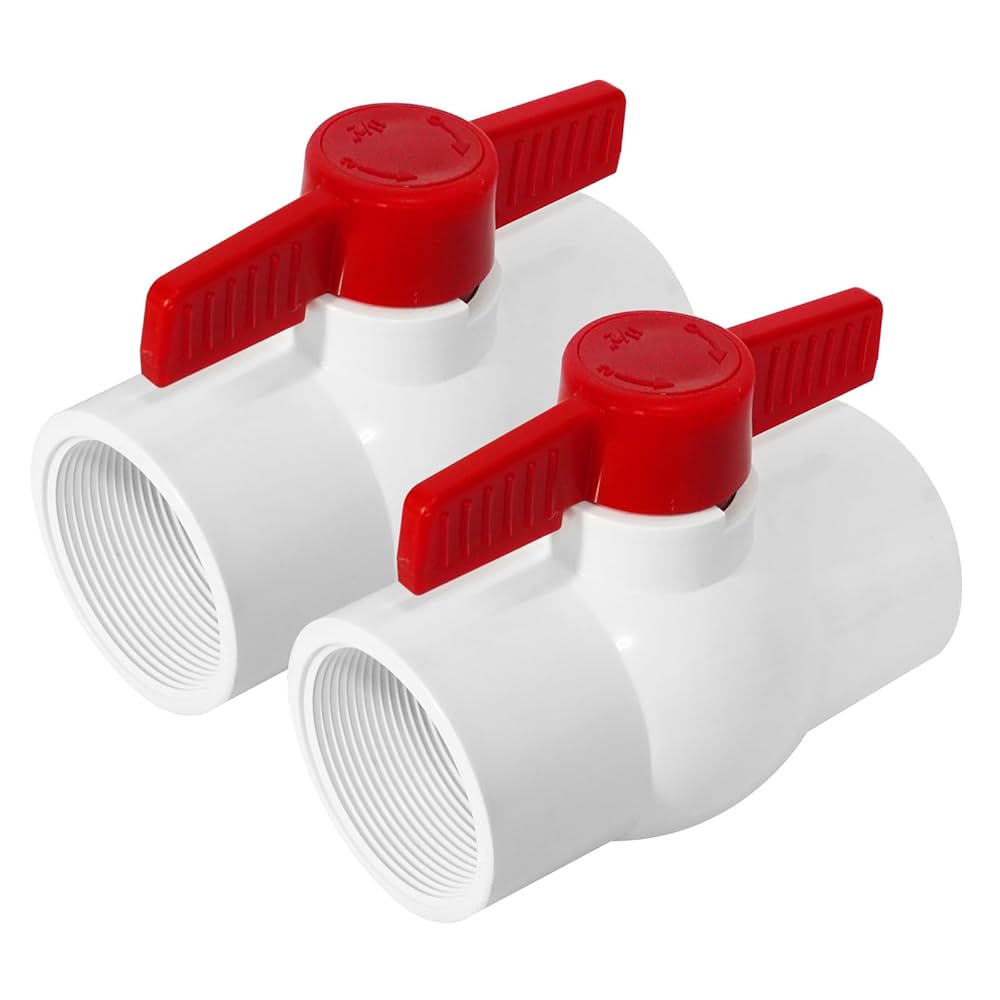
A stock image related to irrigation ball valve.
In-depth Look: Manufacturing Processes and Quality Assurance for irrigation ball valve
What Are the Main Stages of Manufacturing Irrigation Ball Valves?
The manufacturing process for irrigation ball valves involves several critical stages: material preparation, forming, assembly, and finishing. Each of these stages is essential to ensure that the final product meets performance, durability, and safety standards expected by B2B buyers.
How Is Material Prepared for Ball Valve Production?
Material selection is the first step in the manufacturing process. Common materials for irrigation ball valves include brass and PVC, chosen for their durability, corrosion resistance, and suitability for various irrigation applications. The preparation stage involves sourcing high-quality raw materials, which are then cut to size and inspected for defects. This initial inspection, often referred to as Incoming Quality Control (IQC), ensures that only materials meeting specified standards proceed to the next stage.
What Techniques Are Used in the Forming Process?
The forming stage employs various techniques based on the chosen material. For brass ball valves, processes such as forging, machining, and casting are commonly used. Forging involves shaping heated metal using compressive forces, resulting in strong, dense components. In contrast, PVC valves are typically produced through injection molding, where molten plastic is injected into a mold to create the desired shape. Each method has its advantages, with forging providing superior strength and durability, while injection molding allows for cost-effective mass production.
How Are Irrigation Ball Valves Assembled?
Assembly is a critical phase where individual components are put together to create the final product. This stage often includes fitting the ball, seals, and valve body. Manufacturers may utilize automated assembly lines to enhance efficiency and consistency. During this process, operators conduct in-process quality checks (IPQC) to ensure that each component aligns with design specifications and quality standards. These checks can include dimensional measurements and functional tests to confirm proper operation.
What Finishing Techniques Are Applied to Ball Valves?
The finishing stage enhances both the aesthetic appeal and functional performance of irrigation ball valves. Common finishing techniques include surface treatments such as electroplating for brass valves to prevent corrosion, or applying UV-resistant coatings for PVC valves to withstand harsh environmental conditions. Final inspections are conducted to ensure that the valves meet all specified criteria before packaging.
What International Standards Govern Quality Assurance for Ball Valves?
Quality assurance is paramount in the manufacturing of irrigation ball valves, particularly for international markets. Compliance with standards such as ISO 9001 ensures that manufacturers adhere to a recognized quality management system. This standard focuses on consistent product quality and continuous improvement, which are vital for maintaining buyer trust.
In addition to ISO standards, industry-specific certifications like CE marking for the European market and API standards for oil and gas applications may apply. These certifications provide assurances regarding safety, performance, and environmental compatibility, which are increasingly important for international buyers.
How Are Quality Control Checkpoints Integrated into Manufacturing?
Quality control (QC) checkpoints are strategically integrated throughout the manufacturing process to ensure product integrity. These checkpoints typically include:
- Incoming Quality Control (IQC): Verification of raw materials upon arrival.
- In-Process Quality Control (IPQC): Continuous monitoring during manufacturing to detect any deviations from quality standards.
- Final Quality Control (FQC): Comprehensive testing of the finished product to assess functionality, durability, and compliance with applicable standards.
Common testing methods include pressure testing to assess leak resistance, flow testing for operational efficiency, and material testing for strength and durability. Documented results from these tests are crucial for B2B buyers, providing insight into product reliability.
How Can B2B Buyers Verify Supplier Quality Control Practices?
B2B buyers must conduct due diligence when selecting suppliers for irrigation ball valves. Verifying a supplier’s quality control practices can be accomplished through several methods:
Supplier Audits: Conducting on-site audits allows buyers to evaluate the manufacturing process and QC systems firsthand. This can reveal the level of compliance with international standards and internal practices.
Review of Quality Reports: Suppliers should provide detailed QC reports, including results from IQC, IPQC, and FQC. These documents should clearly outline the methodologies used and the outcomes of testing.
Third-Party Inspections: Engaging third-party inspection services can provide an unbiased assessment of the supplier’s manufacturing and quality assurance processes. This is particularly beneficial for buyers from regions with stringent quality requirements, such as Europe and the Middle East.
What Are the Quality Control Nuances for International Buyers?
When sourcing irrigation ball valves from international suppliers, particularly in regions like Africa, South America, and the Middle East, buyers must consider several nuances in quality control:
Regulatory Compliance: Different regions may have varying regulations governing product quality and safety. Buyers should ensure that suppliers are compliant with local regulations in addition to international standards.
Cultural and Operational Differences: Understanding the local manufacturing culture and operational practices can help buyers gauge the reliability of suppliers. This includes assessing workforce training, technology adoption, and adherence to quality protocols.
Supply Chain Transparency: Buyers should seek suppliers that provide transparency regarding their supply chain, including sourcing of raw materials and logistics. This transparency is crucial for ensuring product quality and ethical practices.
In conclusion, the manufacturing processes and quality assurance practices for irrigation ball valves are complex and multifaceted. By understanding these processes, B2B buyers can make informed decisions that ensure they procure reliable, high-quality products suited to their irrigation needs. This knowledge not only aids in supplier selection but also fosters long-term partnerships built on trust and quality assurance.
Practical Sourcing Guide: A Step-by-Step Checklist for ‘irrigation ball valve’
Introduction
This guide provides a comprehensive checklist for B2B buyers looking to procure irrigation ball valves. Understanding the nuances of selecting the right ball valve is essential for ensuring efficient water flow control in irrigation systems. This step-by-step guide will help streamline the sourcing process, making it easier to find high-quality products that meet your specific needs.
Step 1: Define Your Technical Specifications
Establish clear technical specifications for the irrigation ball valves you require. This includes determining the size, material (brass or PVC), pressure rating, and connection type (threaded or barb). Defining these parameters upfront will help you communicate effectively with suppliers and ensure compatibility with your existing systems.
Step 2: Research Market Trends and Pricing
Conduct thorough market research to understand current trends and pricing for irrigation ball valves. This knowledge will enable you to identify competitive pricing and recognize potential red flags in pricing discrepancies. Consider factors such as regional pricing variations, which may affect your procurement costs, especially in markets like Africa and South America.
Step 3: Evaluate Potential Suppliers
Before making a commitment, it’s crucial to vet potential suppliers thoroughly. Request company profiles, product catalogs, and case studies that demonstrate their experience in the irrigation sector. Additionally, ask for references from other buyers in similar industries or geographical regions to ensure reliability and product quality.
Step 4: Verify Product Certifications and Compliance
Ensure that the ball valves meet relevant industry standards and certifications. Look for compliance with international quality standards, such as ISO or ANSI, as well as local regulations that may apply in your region. This step is critical to avoid potential legal issues and ensure the longevity of your irrigation systems.
Step 5: Request Samples for Testing
Before placing a bulk order, request samples of the irrigation ball valves you are considering. Testing these samples will allow you to assess their quality, durability, and performance under real-world conditions. This step can save you from costly mistakes and ensure you are choosing the best product for your needs.
Step 6: Negotiate Terms and Conditions
Once you have identified a suitable supplier, negotiate favorable terms and conditions. Discuss pricing, delivery timelines, payment terms, and warranty options to ensure that both parties are clear on expectations. Strong negotiation can lead to better pricing and support, especially for long-term partnerships.
Step 7: Establish a Reliable Supply Chain
Finally, develop a reliable supply chain strategy to ensure consistent availability of irrigation ball valves. Consider factors such as lead times, logistics, and potential supply chain disruptions. Establishing strong relationships with suppliers can also provide you with flexibility in case of unforeseen circumstances.
By following these steps, B2B buyers can effectively navigate the procurement process for irrigation ball valves, ensuring a successful and efficient irrigation system for their operations.
Comprehensive Cost and Pricing Analysis for irrigation ball valve Sourcing
What are the Key Cost Components in Sourcing Irrigation Ball Valves?
When sourcing irrigation ball valves, understanding the cost structure is essential for B2B buyers. The primary cost components include:
Materials: The choice between brass and PVC significantly affects pricing. Brass valves, known for their durability and resistance to corrosion, typically cost more than PVC options, which are lighter and more economical.
Labor: Labor costs vary by region and the complexity of the manufacturing process. In regions with higher wage standards, labor costs can contribute significantly to the overall price.
Manufacturing Overhead: This encompasses costs related to factory operations, utilities, and administrative expenses. Efficient manufacturing processes can help lower these costs, which can then be reflected in the pricing.
Tooling: Custom tooling for specific valve sizes or designs can increase initial costs. However, investing in quality tooling can lead to better product consistency and lower long-term expenses.
Quality Control (QC): Implementing stringent QC processes ensures that the valves meet industry standards, which may increase upfront costs but can reduce the risk of returns or failures in the field.
Logistics: Shipping costs, including freight, insurance, and customs duties, can vary significantly depending on the destination. This is particularly relevant for international buyers.
Margin: Suppliers generally include a profit margin that can vary based on market conditions and competition.
How Do Pricing Influencers Affect the Cost of Irrigation Ball Valves?
Several factors influence the pricing of irrigation ball valves, particularly for international buyers:
Volume/MOQ: Suppliers often provide discounts for larger orders. Understanding the minimum order quantity (MOQ) can help buyers negotiate better prices.
Specifications and Customization: Customized valves or those with specific certifications (e.g., for potable water) may incur additional costs. Buyers should weigh the necessity of customization against budget constraints.
Materials and Quality Certifications: The quality of materials used can significantly impact pricing. Valves with certifications for quality and safety may be priced higher but often provide greater reliability.
Supplier Factors: Supplier reputation, reliability, and location can influence pricing. Established suppliers with a history of quality products may command higher prices, but they often provide greater assurance of product performance.
Incoterms: Understanding the terms of shipping (e.g., FOB, CIF) is crucial. Incoterms dictate the responsibilities of buyers and sellers regarding shipping costs, which can affect overall pricing.
What Are Some Effective Buyer Tips for Sourcing Irrigation Ball Valves?
B2B buyers should consider several strategies to optimize their sourcing of irrigation ball valves:
Negotiate Effectively: Engaging suppliers in negotiations can lead to better pricing, especially when placing large orders. Buyers should be prepared with market data and competitor pricing to strengthen their position.
Focus on Cost-Efficiency: Evaluate the total cost of ownership, including maintenance and replacement costs, rather than just the upfront price. Investing in higher-quality valves may reduce long-term expenses due to lower failure rates.
Understand Pricing Nuances for International Markets: International buyers, particularly from regions like Africa, South America, the Middle East, and Europe, should be aware of local market conditions, currency fluctuations, and import regulations that can impact pricing.
Stay Informed on Market Trends: Keeping abreast of industry trends and technological advancements can provide insights into potential cost-saving opportunities and new product offerings.
Disclaimer on Pricing
Prices for irrigation ball valves can vary widely based on the factors discussed above. The prices mentioned are indicative and may change based on market conditions, supplier negotiations, and currency fluctuations. Buyers should obtain quotes from multiple suppliers to ensure they receive competitive pricing.
Alternatives Analysis: Comparing irrigation ball valve With Other Solutions
Exploring Alternatives to Irrigation Ball Valves for Effective Water Control
When it comes to managing water flow in irrigation systems, selecting the right type of valve is crucial for efficiency and performance. While irrigation ball valves are a popular choice due to their durability and ease of use, several alternative solutions exist that may better suit specific applications or budget constraints. This section will compare irrigation ball valves with two viable alternatives: gate valves and solenoid valves.
| Comparison Aspect | Irrigation Ball Valve | Gate Valve | Solenoid Valve |
|---|---|---|---|
| Performance | Excellent flow control; minimal pressure loss | Good flow control but not ideal for throttling | Quick response; ideal for automated systems |
| Cost | Moderate to high (depending on material) | Generally lower cost | Higher initial investment; requires electrical setup |
| Ease of Implementation | Simple installation; versatile fittings | Straightforward but requires more space | More complex; requires electrical connections |
| Maintenance | Low maintenance; long lifespan | Moderate maintenance; prone to wear | Moderate maintenance; electrical components can fail |
| Best Use Case | General irrigation systems; reliable shut-off | Situations needing isolation; large diameter pipes | Automated irrigation systems; remote control |
Detailed Breakdown of Alternatives
Gate Valves
Gate valves are a traditional choice for regulating flow in irrigation systems. They provide reliable isolation and are particularly effective in larger diameter pipes. One of the primary advantages of gate valves is their lower cost compared to ball valves. However, they are not designed for throttling flow, which can limit their effectiveness in applications where precise control is needed. Additionally, gate valves require more space for installation, which may be a concern in compact setups. Their maintenance needs are moderate, as they can wear over time, especially if used frequently.
Solenoid Valves
Solenoid valves offer a modern solution for irrigation systems, particularly those that require automation. These valves can be controlled remotely, allowing for efficient water management based on real-time conditions. The quick response time of solenoid valves makes them ideal for automated systems where immediate action is necessary. However, they come with a higher initial investment due to the need for electrical setups and components. Maintenance can also be more complex, as electrical failures may occur, requiring specialized knowledge for repairs.
Making the Right Choice for Your Irrigation Needs
When evaluating which solution to choose, B2B buyers should consider their specific irrigation requirements, budget, and long-term maintenance capabilities. Irrigation ball valves stand out for their durability and ease of use, making them suitable for a wide range of applications. However, if cost is a primary concern and flow control is less critical, gate valves may offer a more economical option. For those looking to implement automated systems, solenoid valves provide advanced control but at a higher initial cost and complexity. By carefully assessing these factors, buyers can select the most appropriate valve type to meet their irrigation needs effectively.
Essential Technical Properties and Trade Terminology for irrigation ball valve
What Are the Key Technical Properties of Irrigation Ball Valves?
Understanding the technical properties of irrigation ball valves is crucial for B2B buyers, as these specifications directly affect performance, durability, and maintenance of irrigation systems. Here are some essential specifications to consider:
1. Material Grade
Irrigation ball valves are typically constructed from materials such as brass, PVC, and stainless steel. The choice of material affects the valve’s resistance to corrosion, pressure ratings, and overall lifespan. For instance, brass valves offer higher durability and can withstand higher pressures, making them suitable for heavy-duty applications, while PVC valves are lightweight and cost-effective, ideal for smaller systems.
2. Pressure Rating
The pressure rating of a ball valve indicates the maximum pressure it can safely handle without failing. Common pressure ratings for irrigation ball valves range from 150 psi to 300 psi. Understanding the pressure requirements of your irrigation system is vital to prevent leaks and ensure efficient operation, especially in high-pressure applications.
3. Size and Connection Type
Ball valves come in various sizes, typically ranging from 1/4 inch to 4 inches in diameter. The size must match the pipe diameter in the irrigation system. Additionally, connection types such as threaded, slip, or barbed are essential considerations for compatibility with existing plumbing systems. Proper sizing and connection prevent flow restrictions and enhance system efficiency.
4. Flow Coefficient (Cv Value)
The flow coefficient, or Cv value, measures the flow capacity of the valve. A higher Cv value indicates that the valve can handle a greater flow rate with less pressure drop. This specification is crucial for determining the efficiency of the irrigation system, particularly in large-scale agricultural applications where water delivery must be optimized.
5. Operating Temperature Range
Different materials have varying tolerances for temperature fluctuations. For example, PVC valves may not perform well in high-temperature environments, while brass and stainless steel can handle extreme conditions. Knowing the operating temperature range helps in selecting the appropriate valve for specific climate conditions, ensuring reliability and longevity.
What Are Common Trade Terms Related to Irrigation Ball Valves?
Familiarity with industry terminology is crucial for effective communication and negotiation in B2B transactions. Here are some common terms related to irrigation ball valves:
1. OEM (Original Equipment Manufacturer)
An OEM refers to a company that produces parts or equipment that may be marketed by another manufacturer. In the context of irrigation ball valves, an OEM might supply valves that are branded under different names, impacting pricing and availability.
2. MOQ (Minimum Order Quantity)
MOQ is the smallest number of units that a supplier is willing to sell. Understanding MOQ is vital for B2B buyers to gauge the cost-effectiveness of purchasing in bulk versus smaller quantities, especially for large-scale irrigation projects.
3. RFQ (Request for Quotation)
An RFQ is a document sent to suppliers requesting pricing information for specific products or services. For irrigation ball valves, an RFQ can help buyers compare prices and terms from multiple suppliers, facilitating informed purchasing decisions.
4. Incoterms (International Commercial Terms)
Incoterms are international trade terms that define the responsibilities of buyers and sellers in the shipping process. These terms clarify who is responsible for shipping, insurance, and tariffs, which is particularly important when sourcing valves from overseas manufacturers.
5. Lead Time
Lead time refers to the period from placing an order to receiving the goods. Understanding lead times for irrigation ball valves is essential for project planning and ensuring timely delivery, especially in seasonal agricultural operations.
By grasping these technical properties and trade terminologies, B2B buyers can make informed decisions that optimize their irrigation systems, enhancing efficiency and sustainability.
Navigating Market Dynamics and Sourcing Trends in the irrigation ball valve Sector
What are the Current Market Dynamics and Key Trends in the Irrigation Ball Valve Sector?
The irrigation ball valve market is experiencing significant growth, driven by increasing agricultural demands, water conservation initiatives, and advancements in irrigation technology. Globally, the need for efficient water management systems is pushing the adoption of ball valves, which offer reliable flow control. In regions like Africa and South America, where agriculture is vital for economic stability, the investment in irrigation infrastructure is paramount. Countries in the Middle East, facing water scarcity, are increasingly turning to high-quality irrigation solutions, including durable ball valves, to optimize their water usage.
Emerging technologies such as IoT and smart agriculture are reshaping sourcing trends, as buyers seek valves that can integrate seamlessly with automated irrigation systems. The trend towards digital procurement platforms is also gaining traction, allowing international B2B buyers to compare suppliers and products more efficiently. Moreover, the demand for lightweight and corrosion-resistant materials, such as PVC and advanced alloys, is on the rise, driven by the need for cost-effective and long-lasting solutions.
How Can Sustainability and Ethical Sourcing Impact B2B Purchasing Decisions for Irrigation Ball Valves?
Sustainability has become a pivotal factor for B2B buyers in the irrigation ball valve sector. The environmental impact of irrigation practices, particularly in regions prone to drought, highlights the need for sustainable solutions. Ethical sourcing is crucial, as it ensures that materials used in manufacturing ball valves adhere to environmental regulations and social responsibility standards.
Buyers are increasingly looking for suppliers who can provide certifications for eco-friendly materials and manufacturing processes. This includes the use of recycled materials or sustainably sourced components, which not only minimize the ecological footprint but also enhance the brand reputation of the purchasing companies. Furthermore, adopting green practices can lead to long-term cost savings through reduced waste and improved efficiency.
What is the Historical Context of the Irrigation Ball Valve Sector?
The evolution of irrigation ball valves can be traced back to advancements in valve technology over the past century. Initially, valves were primarily made from metals, which offered durability but were often heavy and prone to corrosion. The introduction of PVC and other synthetic materials revolutionized the market, providing lightweight, cost-effective alternatives that resist rust and degradation.
As agricultural practices evolved, so did the design and functionality of ball valves. Modern iterations feature enhanced sealing technologies and are often designed for compatibility with automated irrigation systems. This evolution reflects the broader trends in the irrigation sector towards efficiency, sustainability, and technological integration, making today’s irrigation ball valves more sophisticated than ever before.
By understanding these market dynamics and trends, international B2B buyers can make informed decisions that align with their operational needs and sustainability goals, ensuring they are well-positioned in a competitive global marketplace.
Frequently Asked Questions (FAQs) for B2B Buyers of irrigation ball valve
1. How do I determine the right size of irrigation ball valve for my system?
Selecting the correct size of an irrigation ball valve is crucial for optimal performance. Measure the diameter of the pipe where the valve will be installed, as the valve should match this size. It’s also important to consider the flow rate requirements of your irrigation system; a valve that is too small can restrict flow, while an oversized valve may not seal properly. Consult with your supplier to match the valve specifications with your system’s needs, ensuring efficiency and reliability.2. What are the benefits of using brass versus PVC ball valves in irrigation systems?
Brass ball valves offer superior durability and resistance to corrosion, making them ideal for high-pressure applications and harsh environments. They can handle higher temperatures and pressures compared to PVC valves. On the other hand, PVC ball valves are lightweight and cost-effective, suitable for low-pressure systems. The choice between the two materials depends on your specific application requirements, environmental conditions, and budget constraints.3. How can I ensure the quality of the irrigation ball valves I am sourcing?
To ensure quality, vet suppliers thoroughly by checking their certifications and compliance with international standards, such as ISO or ASTM. Request product samples to assess build quality and performance. Additionally, inquire about their quality assurance processes, warranty terms, and customer feedback. Establishing a strong relationship with a reputable supplier can significantly reduce risks associated with sourcing.4. What are the minimum order quantities (MOQs) for irrigation ball valves?
Minimum order quantities can vary significantly between suppliers. Many manufacturers set MOQs based on production costs, while others may offer flexibility for first-time buyers. It’s advisable to discuss your needs directly with potential suppliers to negotiate MOQs that suit your purchasing strategy. Consider consolidating orders with other products to meet MOQ requirements while optimizing shipping costs.5. What payment terms should I expect when sourcing irrigation ball valves internationally?
Payment terms can vary widely depending on the supplier and your negotiation. Common terms include advance payment, 30% deposit with the balance due before shipment, or payment against documents. Ensure you understand the terms clearly and consider using secure payment methods, such as letters of credit or escrow services, to protect your investment. Establishing good communication with your supplier can facilitate smoother transactions.6. How do I handle logistics and shipping for my irrigation ball valve orders?
Logistics can be complex, especially for international shipments. Discuss shipping options with your supplier, including freight costs, delivery times, and customs clearance procedures. Consider using freight forwarders who specialize in international trade to streamline the process. Ensure you understand any import regulations in your country, and factor in potential delays that could impact your project timelines.7. Can I customize the irrigation ball valves according to my project specifications?
Many manufacturers offer customization options for irrigation ball valves, such as specific sizes, materials, and connection types. When discussing your needs with suppliers, be clear about the specifications required for your project. Customization may involve additional costs and longer lead times, so factor these into your planning. Collaborating early with your supplier can yield better results and ensure your project requirements are met.8. What are the common challenges faced when sourcing irrigation ball valves internationally, and how can I mitigate them?
Common challenges include language barriers, cultural differences, and varying quality standards. To mitigate these, conduct thorough research on potential suppliers, utilize translation services if necessary, and establish clear communication channels. Building strong relationships with suppliers can also help navigate challenges effectively. Additionally, consider visiting suppliers’ facilities if possible to ensure they meet your quality expectations and operational standards.
Important Disclaimer & Terms of Use
⚠️ Important Disclaimer
The information provided in this guide, including content regarding manufacturers, technical specifications, and market analysis, is for informational and educational purposes only. It does not constitute professional procurement advice, financial advice, or legal advice.
While we have made every effort to ensure the accuracy and timeliness of the information, we are not responsible for any errors, omissions, or outdated information. Market conditions, company details, and technical standards are subject to change.
B2B buyers must conduct their own independent and thorough due diligence before making any purchasing decisions. This includes contacting suppliers directly, verifying certifications, requesting samples, and seeking professional consultation. The risk of relying on any information in this guide is borne solely by the reader.
Top 7 Irrigation Ball Valve Manufacturers & Suppliers List
1. Drip Irrigation – Key Products

Domain: dripirrigation.com
Registered: 1997 (28 years)
Introduction: Key product details for Drip Irrigation Ball Valves include: 1. A007 Barbed Ball Valve for .700 or 17mm OD Poly Tube – Regular Price: $2.10 2. A122 17mm Barbed Ball Valve – Regular Price: $2.86 3. A047 3/4″ Barbed Ball Valve – Regular Price: $3.78 4. A018 1/4″ Barbed Ball Valve – Regular Price: $0.61 5. A020 Ball Valve 3/4″ FHT x MHT – Regular Price: $2.10 6. A130 3/4″ FPT x 1/2″ (16 mm) Barbed Ba…
2. IrrigationKing – Brass and PVC Ball Valves

Domain: irrigationking.com
Registered: 2016 (9 years)
Introduction: IrrigationKing offers a wide selection of brass and PVC ball valves for reliable irrigation system control. Available sizes range from 1/2″ to 4″. Brass models feature durable metal construction with threaded ends. PVC options include compact, single union, and double union styles with slip, threaded, or flanged connections. Standard white and heavy-duty gray PVC valves are available, all factory …
3. Sprinkler Supply Store – Brass Ball Valve

Domain: sprinklersupplystore.com
Registered: 2010 (15 years)
Introduction: Brass Ball Valves: A ball valve is a quarter-turn valve that uses a hollow, perforated, and pivoting ball to control flow. It is open when the ball’s hole aligns with the flow and closed when pivoted 90 degrees. The handle indicates the valve’s status. Key products include: 1. Superior Globe Valve 950 Brass w/ Flow Control FIPT x FIPT – Original Price: $177.93, Current Price: $133.45, Flow: 5 – 32…
4. DripWorks – Types of Ball Valves in Irrigation

Domain: dripworks.com
Registered: 1998 (27 years)
Introduction: Types of Ball Valves in Irrigation: 1. Union Ball Valves – Ideal for high-pressure zones and frequent maintenance; easy to disconnect. 2. Slip Ball Valves – Best for low-pressure zones and manual override. 3. Threaded Ball Valves – Suitable for mixed piping materials; versatile and secure. 4. Brass Ball Valves – Recommended for wells or dirty water; corrosion-resistant and durable. 5. Barbed Ball …
5. Irrigation Express – Matco ¾” Brass Ball Valve

Domain: irrigationexpress.com
Registered: 1999 (26 years)
Introduction: Ball and Gate Valves are essential for irrigation systems, allowing for manual control of water flow. Key products include:
1. Matco ¾” Brass Ball Valve:
– Size: 3/4″
– Use: Multi-purpose shut off valve for residential and light commercial projects.
– Features: Higher pressure capability than PVC valves, immediate shut off, weather resistant, durable, lead-free.
2. Matco 1” Brass G…
6. Berry Hill – Ball Valves
Domain: berryhilldrip.com
Introduction: We carry a wide variety of Ball Valves in plastic, aluminum, brass, inline and barbed. Ball Valves are common to a drip irrigation system. They help you build a manifold or even a multi-zone system. With ball valves you can control your mainline, submains all the way down to each row or each dripper. PVC valves are durable, cost-effective, and used for a wide variety of media, including water, air…
7. Grow Irrigation – Standard Ball Valves

Domain: growirrigation.com
Registered: 2019 (6 years)
Introduction: Standard Ball Valves from Grow Irrigation offer compact PVC ball valves designed for economical water control. Key features include:
– Rated at 150 PSI
– Easy manual operation
– Reliable performance for years
– Available sizes: 1/2″, 3/4″, 1″, 1.25″
– Connection types: Slip and Threaded
– Pricing starts at $2.95 for 1/2″ valves
– Bulk pricing available for larger quantities
– Free shipping…
Strategic Sourcing Conclusion and Outlook for irrigation ball valve
What Are the Key Takeaways for B2B Buyers in Sourcing Irrigation Ball Valves?
In today’s dynamic market, strategic sourcing of irrigation ball valves is essential for optimizing irrigation systems across diverse regions, including Africa, South America, the Middle East, and Europe. Buyers should prioritize high-quality materials like brass and PVC that ensure durability and longevity, particularly in harsh environmental conditions. Understanding the specific needs of your irrigation setup—such as compatibility with existing pipe materials and the required valve sizes—will empower you to make informed purchasing decisions.
How Can Strategic Sourcing Enhance Your Operations?
Effective strategic sourcing not only reduces costs but also enhances operational efficiency and system reliability. By collaborating with reputable suppliers, buyers can secure better pricing, timely delivery, and comprehensive support, which are crucial for maintaining uninterrupted irrigation services. Moreover, leveraging local suppliers in your region can help mitigate logistical challenges and foster sustainable relationships.
What Does the Future Hold for Irrigation Ball Valve Sourcing?
As agricultural demands evolve and environmental sustainability becomes paramount, the need for reliable irrigation solutions will only grow. Embrace innovation and be proactive in sourcing advanced products that align with these trends. International B2B buyers are encouraged to act now—evaluate your sourcing strategies, explore new supplier partnerships, and invest in high-quality irrigation ball valves to enhance your operational capabilities and stay ahead in the competitive landscape.
 English (United States)
  Spanish (Spain)
  Portuguese (Portugal)
  French
  German
  Italian
  Arabic
  Dutch
Dutch  English (UK)
  Bulgarian
  Chinese (China)
  Chinese (Hong Kong)
  Czech
Czech  Danish
  Greek
Greek  Finnish
  Spanish (Mexico)
  Estonian
  Hebrew
  Hungarian
  Indonesian
  Japanese
  Korean
  Latvian
  Lithuanian
  Norwegian
  Polish
  Portuguese (Brazil)
  Romanian
  Russian
  Slovenian
  Slovak
  Swedish
  Turkish
  Ukrainian
  Vietnamese