
Introduction: Navigating the Global Market for irrigation valve box cover
In an increasingly interconnected world, sourcing reliable irrigation valve box covers poses unique challenges for international B2B buyers. With varying climatic conditions and regional standards, selecting the right valve box cover that ensures durability, protection, and compatibility with existing systems can significantly impact irrigation efficiency. This guide provides a comprehensive exploration of the global market for irrigation valve box covers, addressing critical aspects such as types, applications, supplier vetting, and cost considerations.
We delve into the nuances of different materials and designs, examining how factors like UV resistance, size variations, and overlapping lid features enhance performance and longevity. Additionally, we offer insights into effective supplier evaluation, helping you to identify reputable manufacturers and distributors across key markets in Africa, South America, the Middle East, and Europe, including Brazil and Germany.
By empowering you with actionable insights and practical knowledge, this guide aims to facilitate informed purchasing decisions, ensuring that you select the most suitable irrigation valve box covers for your specific needs. Whether you are looking to optimize existing irrigation systems or expand your product offerings, understanding the global landscape will equip you with the tools necessary to navigate the complexities of sourcing and procurement in this vital sector.
Understanding irrigation valve box cover Types and Variations
| Type Name | Key Distinguishing Features | Primary B2B Applications | Brief Pros & Cons for Buyers |
|---|---|---|---|
| Overlapping Lid | Prevents debris entry, easy to remove | Residential and commercial irrigation systems | Fordeler: Easy maintenance; Ulemper: May require specific box compatibility. |
| Snap-In Lid | Quick installation, secure fit | Temporary setups, smaller systems | Fordeler: Fast installation; Ulemper: Less durable in harsh environments. |
| Jumbo Valve Box | Larger capacity for multiple valves, heavy-duty construction | Large-scale agricultural and commercial projects | Fordeler: High durability; Ulemper: Higher initial cost. |
| Drop-In Lid | Simple design, compatible with various box sizes | Versatile applications in diverse environments | Fordeler: Flexible use; Ulemper: May not seal as effectively as overlapping lids. |
| Lockable Lid | Security features to prevent unauthorized access | Sensitive installations, municipal applications | Fordeler: Enhanced security; Ulemper: Potentially higher maintenance. |
What Are the Key Characteristics of Overlapping Lids for Irrigation Valve Boxes?
Overlapping lids are designed to prevent dirt and debris from entering the valve box, facilitating easier access for maintenance. Their overlapping design ensures a snug fit, which is particularly beneficial in environments with significant soil movement or vegetation. These lids are suitable for both residential and commercial irrigation systems, providing a reliable option for B2B buyers who prioritize ease of use and maintenance.
How Do Snap-In Lids Benefit Temporary Irrigation Setups?
Snap-in lids offer a practical solution for temporary irrigation setups, allowing for quick installation and removal. Their secure fit ensures that they stay in place during operation while being easy to detach when necessary. These lids are particularly advantageous for smaller systems where frequent access is required, although buyers should consider their less durable nature in extreme weather conditions.
Why Choose Jumbo Valve Boxes for Large-Scale Projects?
Jumbo valve boxes are specifically engineered to accommodate multiple valves and larger irrigation systems, making them ideal for agricultural and commercial applications. Their heavy-duty construction provides enhanced durability, ensuring they withstand significant wear and tear. While the initial investment may be higher, the long-term benefits in terms of reliability and reduced maintenance costs can be significant for B2B buyers managing large-scale operations.
What Makes Drop-In Lids Versatile for Various Applications?
Drop-in lids feature a straightforward design that allows them to be compatible with a range of valve box sizes. This versatility makes them an attractive option for businesses operating in diverse environments. However, buyers should be aware that while drop-in lids offer flexibility, they may not provide the same level of sealing as overlapping lids, which could lead to debris accumulation over time.
How Do Lockable Lids Enhance Security for Irrigation Systems?
Lockable lids are designed to prevent unauthorized access to the valve box, making them essential for sensitive installations such as municipal water systems or commercial properties. These lids provide peace of mind for B2B buyers concerned about potential tampering or vandalism. While they offer enhanced security, buyers should consider the potential for increased maintenance requirements associated with the locking mechanisms.
Key Industrial Applications of irrigation valve box cover
| Industry/Sector | Specific Application of irrigation valve box cover | Value/Benefit for the Business | Key Sourcing Considerations for this Application |
|---|---|---|---|
| Landbruk | Protecting irrigation systems in large-scale farms | Ensures longevity and reliability of irrigation systems, reducing downtime | Material durability, UV resistance, and size compatibility |
| Landscaping & Horticulture | Covering valves in public parks and residential areas | Enhances aesthetic appeal while providing functional protection | Design options, color choices, and ease of access for maintenance |
| Municipal Infrastructure | Securing water supply lines in urban areas | Prevents contamination and damage, ensuring public safety | Compliance with local regulations and standards |
| Sports Facilities | Protecting irrigation controls in sports fields | Maintains optimal turf conditions, enhancing facility usability | Custom sizing and weather-resistant materials |
| Mining & Industrial | Covering valve access points in remote locations | Protects critical infrastructure from environmental hazards | Robust construction and adaptability to harsh conditions |
How is the irrigation valve box cover used in agriculture and what problems does it solve?
In the agriculture sector, irrigation valve box covers are essential for protecting irrigation systems on large-scale farms. These covers shield valves from dirt, debris, and weather-related damage, ensuring that the irrigation system operates efficiently. For buyers in regions such as Africa and South America, where irrigation is critical for crop yield, selecting durable materials that can withstand UV exposure and harsh weather conditions is vital. Additionally, the covers must be compatible with various valve sizes to ensure seamless integration into existing systems.
What are the applications in landscaping and horticulture?
In landscaping and horticulture, irrigation valve box covers serve a dual purpose: protecting essential components while enhancing the aesthetic appeal of public parks and residential gardens. These covers prevent dirt and debris from entering the valve box, which can disrupt water flow and lead to maintenance issues. Buyers from Europe, particularly Germany, may prioritize design options that blend with landscaping themes. Additionally, ease of access for maintenance is crucial, so covers with features like overlapping designs or snap-in mechanisms are preferred.
How do municipal infrastructures benefit from irrigation valve box covers?
Municipal infrastructures rely on irrigation valve box covers to secure water supply lines and prevent contamination. In urban areas, these covers protect critical valves from environmental hazards and unauthorized access, ensuring the safety of the public water supply. International buyers must consider local regulations and standards when sourcing these covers, ensuring compliance to avoid potential legal issues. The durability of the materials used is also a key consideration, as these covers must withstand urban wear and tear.
What role do irrigation valve box covers play in sports facilities?
In sports facilities, irrigation valve box covers protect the irrigation controls that maintain optimal turf conditions. These covers safeguard the valves from damage due to foot traffic or equipment, ensuring that the irrigation system functions correctly. Buyers in regions with varying climates should seek covers made from weather-resistant materials to withstand extreme conditions. Custom sizing may also be necessary to accommodate different field layouts and irrigation designs.
How are irrigation valve box covers utilized in mining and industrial applications?
In mining and industrial sectors, irrigation valve box covers are crucial for protecting valve access points in remote locations. These environments often expose equipment to harsh conditions, making robust construction essential. The covers not only protect vital infrastructure from environmental hazards but also help maintain operational efficiency. Buyers in these sectors should prioritize covers that can adapt to various conditions while providing secure access for maintenance, ensuring minimal disruption to operations.
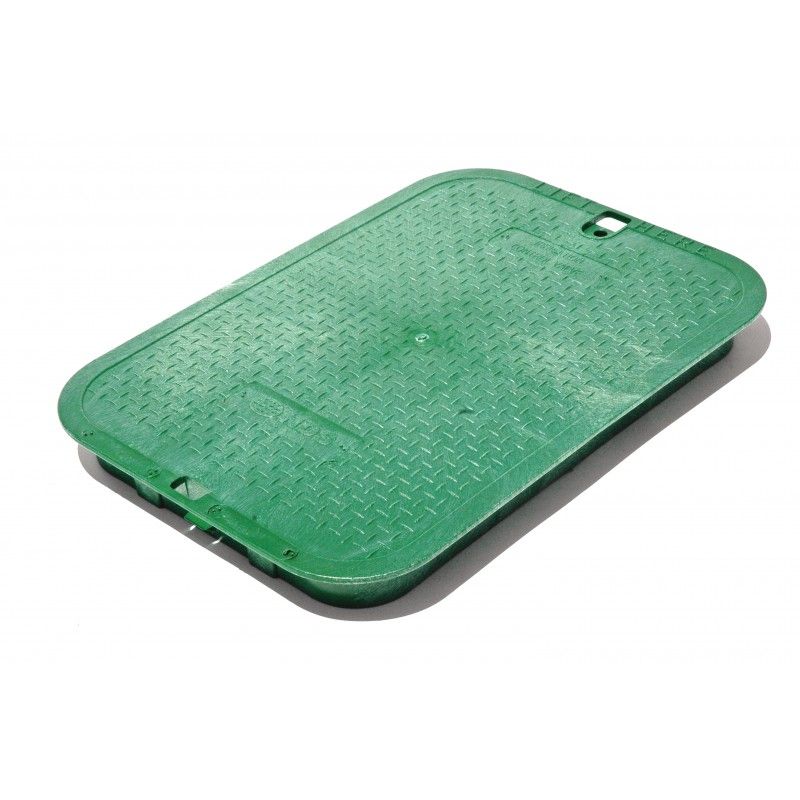
A stock image related to irrigation valve box cover.
3 Common User Pain Points for ‘irrigation valve box cover’ & Their Solutions
Scenario 1: Difficulty in Selecting the Right Size and Type of Valve Box Cover
The Problem: Many B2B buyers struggle with identifying the correct size and type of irrigation valve box cover suitable for their specific application. With a plethora of options available, including different shapes, materials, and functionalities, buyers often face uncertainty. For instance, a landscaping company in Brazil might need a durable cover that can withstand heavy rain and soil erosion, yet they may inadvertently choose a lighter model that fails under local conditions. This mismatch can lead to increased maintenance costs and operational downtime.
The Solution: To ensure the right selection, buyers should begin by accurately assessing their current valve box dimensions and the environmental conditions in which they operate. It is beneficial to consult product specifications and manufacturer recommendations, which often include guidelines on load-bearing capacities and material durability. Additionally, leveraging online resources or contacting suppliers for expert advice can provide insights into the most suitable options. For instance, choosing a cover made from UV-resistant materials can prevent premature degradation in sunny regions, while overlapping designs can effectively keep debris out, minimizing maintenance needs.
Scenario 2: Issues with Installation and Secure Fit of Valve Box Covers
The Problem: Another common challenge is the installation of valve box covers, which can be complicated by improper fits. Inconsistent manufacturing tolerances might result in covers that do not securely close, leading to potential contamination of the irrigation system or even damage from pests and debris. For example, a construction firm in Germany could find that the valve box covers they ordered do not align properly with the existing infrastructure, causing frustration and delays in project timelines.
The Solution: To mitigate installation issues, it is crucial to verify compatibility before purchasing. Buyers should consider sourcing covers from reputable manufacturers known for their quality control standards. Additionally, understanding the installation process is vital; companies should provide or request detailed installation guides from suppliers. Utilizing specialized tools for alignment and securing the covers can also enhance the fit. For maximum security, opting for overlapping lids or those with locking mechanisms can further safeguard the valve boxes against unauthorized access and environmental factors.
Scenario 3: Long-Term Durability and Maintenance Concerns
The Problem: Long-term durability is a significant concern for B2B buyers, especially in regions with extreme weather conditions. Companies often face the challenge of valve box covers that degrade quickly, leading to frequent replacements and escalating costs. For instance, a landscaping operation in South America might invest in low-cost covers that deteriorate within months, resulting in increased operational expenditures and service interruptions.
The Solution: To address durability concerns, buyers should prioritize high-quality materials designed for longevity. When evaluating products, look for features such as UV inhibitors and reinforced structures that can withstand environmental stressors. Engaging in supplier partnerships that offer warranties or guarantees can also provide peace of mind. Furthermore, implementing a regular maintenance schedule to inspect and clean valve box covers can help extend their lifespan. By proactively addressing wear and tear, companies can minimize disruptions and ensure consistent irrigation system performance, ultimately leading to cost savings in the long run.
Strategic Material Selection Guide for irrigation valve box cover
What are the Key Properties of Common Materials for Irrigation Valve Box Covers?
When selecting materials for irrigation valve box covers, it is essential to consider their properties, performance, and suitability for specific applications. Here, we analyze four common materials: Polypropylene, Polyethylene, PVC, and Metal (Aluminum and Steel).
Polypropylene: A Versatile Choice
Key Properties: Polypropylene (PP) is known for its excellent chemical resistance and durability. It can withstand temperatures ranging from -20°C to 100°C, making it suitable for various climates. Its lightweight nature also contributes to ease of handling.
Pros & Cons: The primary advantages of polypropylene are its resistance to UV rays and corrosion, which enhances its longevity in outdoor applications. However, it can be more expensive than other plastic options and may not be as strong under high pressure.
Impact on Application: Polypropylene is compatible with a wide range of irrigation media, including water and fertilizers. Its chemical resistance makes it a preferred choice in regions with aggressive soil conditions.
Considerations for International Buyers: Buyers from regions like Africa and South America should ensure compliance with local environmental regulations regarding plastic use. Standards such as ASTM D638 for tensile properties may also be relevant.
Polyethylene: Cost-Effective and Durable
Key Properties: Polyethylene (PE) is another popular material, known for its flexibility and impact resistance. It operates effectively in temperatures from -50°C to 80°C and is resistant to various chemicals.
Pros & Cons: The main advantage of polyethylene is its cost-effectiveness and ease of manufacturing, allowing for mass production. However, it may not offer the same level of UV resistance as polypropylene, leading to potential degradation over time.
Impact on Application: Polyethylene is suitable for most irrigation systems, particularly in regions with mild climates. Its flexibility allows it to adapt to varying soil conditions.
Considerations for International Buyers: In Europe, compliance with DIN standards for plastics is crucial. Buyers should also consider the availability of recycled polyethylene options to meet sustainability goals.
PVC: Strong and Rigid
Key Properties: Polyvinyl Chloride (PVC) is recognized for its rigidity and strength, capable of withstanding high pressures. It operates effectively in temperatures up to 60°C and is resistant to many chemicals.
Pros & Cons: PVC offers excellent durability and is highly resistant to corrosion, making it suitable for long-term outdoor use. However, it can be heavier and more challenging to install compared to plastic alternatives.
Impact on Application: PVC is ideal for high-pressure irrigation systems and is commonly used in commercial applications. Its rigidity makes it less suitable for areas with significant ground movement.
Considerations for International Buyers: Compliance with JIS standards in Japan or ASTM standards in the U.S. is essential for PVC products. Buyers should also be aware of potential restrictions on PVC use in certain regions due to environmental concerns.
Metal: Aluminum and Steel Options
Key Properties: Metal covers, particularly aluminum and steel, offer exceptional strength and durability. They can withstand extreme temperatures and pressures, making them suitable for heavy-duty applications.
Pros & Cons: The primary advantage of metal covers is their robustness and security features. However, they can be more expensive and may require additional coatings to prevent rust and corrosion.
Impact on Application: Metal covers are suitable for high-security applications, especially in urban environments. They can also be used in areas with extreme weather conditions.
Considerations for International Buyers: Buyers in the Middle East and Africa should consider the impact of corrosion in humid environments and ensure compliance with local standards for metal products.
Summary Table of Material Selection for Irrigation Valve Box Covers
| Materiale | Typical Use Case for irrigation valve box cover | Key Advantage | Key Disadvantage/Limitation | Relative Cost (Low/Med/High) |
|---|---|---|---|---|
| Polypropylene | Residential and commercial irrigation systems | Excellent UV and chemical resistance | Higher cost compared to other plastics | Medium |
| Polyethylene | General irrigation applications | Cost-effective and flexible | Lower UV resistance | Low |
| PVC | High-pressure irrigation systems | Strong and durable | Heavier and harder to install | Medium |
| Metal | Heavy-duty and high-security applications | Exceptional strength | Higher cost and potential rust issues | Høy |
This strategic material selection guide provides insights into the various materials available for irrigation valve box covers, helping international B2B buyers make informed decisions based on performance, application, and compliance requirements.
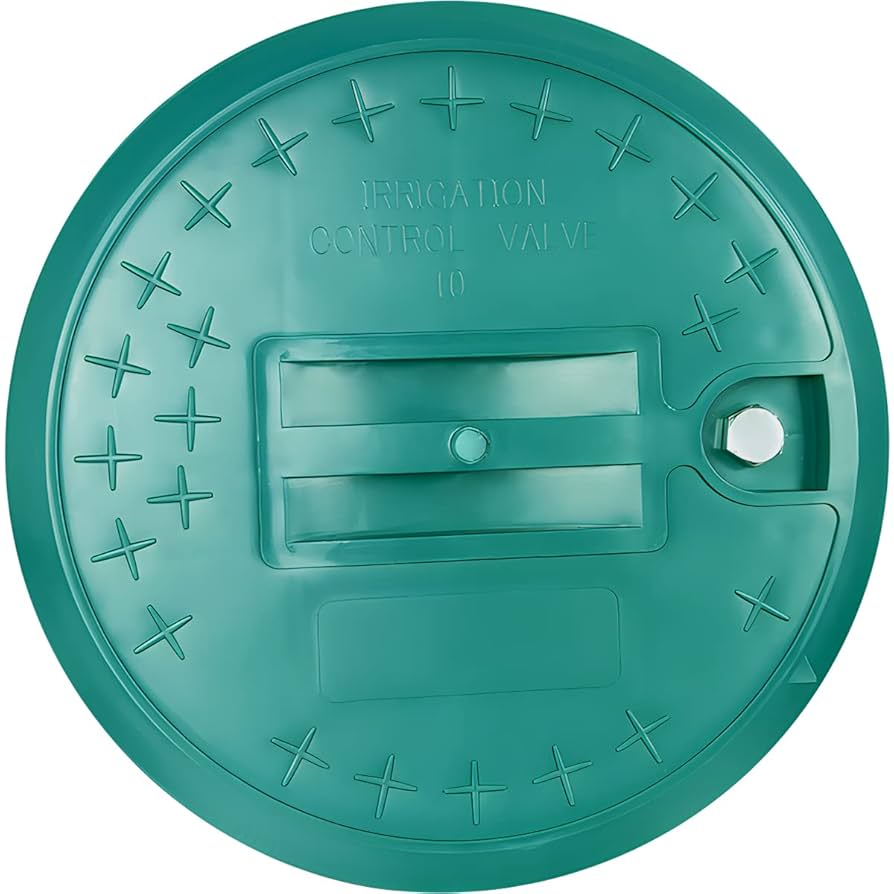
A stock image related to irrigation valve box cover.
In-depth Look: Manufacturing Processes and Quality Assurance for irrigation valve box cover
What Are the Main Stages of Manufacturing for Irrigation Valve Box Covers?
The manufacturing process of irrigation valve box covers is a multi-stage operation designed to ensure durability, functionality, and compliance with international quality standards. The key stages include material preparation, forming, assembly, and finishing.
Material Preparation: What Materials Are Commonly Used?
Irrigation valve box covers are typically made from high-density polyethylene (HDPE), polypropylene, or recycled polyolefin, which provide resistance to UV rays, impacts, and environmental degradation. During the material preparation stage, raw materials are sourced, inspected, and processed to meet specific standards. This includes granulating larger pieces into smaller pellets that can be easily molded.
How Are Valve Box Covers Formed?
The forming stage involves various techniques, with injection molding being the most common for producing irrigation valve box covers. In this process, heated plastic pellets are injected into a mold under high pressure, forming the desired shape. This technique allows for precision in dimensions and ensures a consistent product. For some products, rotational molding may also be employed, which is suitable for larger covers and allows for a more even distribution of material.
What Assembly Techniques Are Used in Manufacturing?
After the forming stage, components such as lids and bases are assembled. This can involve simple snap-fit designs or more complex fastening methods like screws or bolts, depending on the product’s requirements. Ensuring that seals and gaskets are properly placed is crucial for preventing water ingress and maintaining the integrity of the irrigation system.
How Is the Finishing Process Conducted?
The finishing stage includes surface treatment processes such as painting, coating, or adding UV inhibitors to enhance the product’s longevity and appearance. This step is essential for ensuring that the valve box covers can withstand harsh environmental conditions, especially in regions with extreme weather.
What International Standards Should Be Considered for Quality Assurance?
Quality assurance in the manufacturing of irrigation valve box covers is critical, particularly for international B2B buyers. Compliance with international standards such as ISO 9001 ensures that manufacturers maintain quality management systems. Additionally, certifications specific to the industry, such as CE marking for European markets or API standards for the oil and gas sector, may be relevant depending on the application of the valve box covers.
What Are the Key Quality Control Checkpoints in Manufacturing?
Quality control (QC) should be integrated at multiple checkpoints throughout the manufacturing process:
Incoming Quality Control (IQC): This stage involves inspecting raw materials before they are used in production. Buyers should verify that suppliers conduct thorough inspections to ensure that materials meet specified standards.
In-Process Quality Control (IPQC): During production, regular checks should be conducted to monitor the manufacturing process. This can include dimensional checks, visual inspections, and functional tests to ensure that components are being produced correctly.
Final Quality Control (FQC): Once the manufacturing process is complete, a final inspection should be performed before shipping. This includes checking the overall quality, dimensions, and functionality of the valve box covers.
What Testing Methods Are Commonly Employed?
To ensure compliance with quality standards, various testing methods may be employed. These can include:
- Impact Testing: To assess the durability of the cover against impacts.
- UV Resistance Testing: To determine how well the material holds up against prolonged exposure to sunlight.
- Water Ingress Testing: To ensure that the design prevents water from entering the valve box.
How Can B2B Buyers Verify Supplier Quality Control?
For international buyers, verifying a supplier’s quality control processes is crucial. Here are several ways to do so:
Supplier Audits: Conducting on-site audits of the manufacturing facilities can provide insights into the production processes and quality control measures in place.
Requesting Quality Reports: Buyers should ask suppliers for detailed reports on their quality control procedures, including results from IQC, IPQC, and FQC checks.
Third-Party Inspections: Engaging third-party inspection agencies can offer an unbiased assessment of the manufacturing process and product quality. This is particularly important for buyers in regions with strict import regulations.
What Are the Quality Control Nuances for International B2B Buyers?
B2B buyers, particularly from diverse regions such as Africa, South America, the Middle East, and Europe, should be aware of specific quality control nuances. For instance, differing regulations and standards may apply based on the destination country. Buyers should familiarize themselves with local compliance requirements, such as those from the European Union for CE marking or specific certifications required in Middle Eastern markets.
Furthermore, it’s essential to build strong relationships with suppliers who understand the complexities of international trade, including documentation, shipping logistics, and compliance with both local and international regulations.
Conclusion: Ensuring Quality in Irrigation Valve Box Covers
In summary, the manufacturing processes and quality assurance for irrigation valve box covers involve meticulous attention to detail and adherence to international standards. By understanding the manufacturing stages, quality control checkpoints, and testing methods, B2B buyers can make informed decisions and establish partnerships with reliable suppliers. This ensures the procurement of high-quality products that meet their specific needs and withstand the rigors of their intended environments.
Practical Sourcing Guide: A Step-by-Step Checklist for ‘irrigation valve box cover’
Introduction
This guide serves as a comprehensive checklist for B2B buyers seeking to procure irrigation valve box covers. Understanding the nuances of sourcing these essential components can lead to better purchasing decisions, ensuring long-term functionality and reliability in irrigation systems. Follow these steps to streamline your sourcing process and secure the best products for your needs.
Step 1: Define Your Technical Specifications
Clearly outline the technical requirements for your irrigation valve box covers. This includes dimensions, material specifications, and compatibility with existing systems. Knowing these details upfront helps avoid miscommunications with suppliers and ensures you receive products that meet your operational needs.
- Size Requirements: Measure the valve boxes you plan to cover to determine the exact sizes needed.
- Material Considerations: Evaluate the environmental conditions where the covers will be used, opting for UV-resistant or weatherproof materials as necessary.
Step 2: Research Potential Suppliers
Conduct thorough research to identify potential suppliers specializing in irrigation valve box covers. Look for companies with a strong reputation in the industry, especially those that operate in your target regions such as Africa, South America, the Middle East, and Europe.
- Supplier Background: Investigate their history, market presence, and product offerings.
- Customer Reviews: Check for testimonials or case studies that highlight customer satisfaction and product performance.
Step 3: Evaluate Supplier Certifications
Verify the certifications and standards compliance of your shortlisted suppliers. Certifications can indicate quality assurance and adherence to international safety and environmental standards.
- ISO Certifications: Look for ISO 9001 or equivalent certifications that demonstrate quality management systems.
- Material Safety Standards: Ensure that materials used comply with local regulations and international safety norms.
Step 4: Request Samples
Before placing a bulk order, request samples of the irrigation valve box covers. This step allows you to assess the quality, fit, and functionality of the products in real-world conditions.
- Quality Assessment: Evaluate the samples for durability, ease of installation, and overall design.
- Compatibility Check: Test the samples with your existing valve boxes to ensure proper fit and performance.
Step 5: Compare Pricing and Terms
Once you have evaluated the samples, compare pricing and payment terms across different suppliers. This is crucial for budgeting and ensuring you get the best value for your investment.
- Bulk Discounts: Inquire about pricing structures for bulk orders and any available discounts.
- Payment Flexibility: Assess the payment terms, including upfront costs and credit options, to find a supplier that aligns with your financial strategy.
Step 6: Negotiate Contract Terms
Engage in negotiations with your selected supplier to finalize contract terms. This includes delivery timelines, warranty provisions, and after-sales support.
- Delivery Schedule: Confirm timelines for production and shipment to ensure timely project execution.
- Warranty and Support: Understand the warranty coverage on the products and the type of customer support available post-purchase.
Step 7: Finalize Your Order and Monitor Delivery
Once all terms are agreed upon, finalize your order and monitor the delivery process. Stay in communication with your supplier to address any potential issues promptly.
- Tracking Information: Request tracking details to keep abreast of shipment progress.
- Inspection upon Arrival: Plan for a thorough inspection of the covers upon delivery to ensure they meet your specifications and quality standards.
By following this checklist, B2B buyers can effectively navigate the procurement process for irrigation valve box covers, ensuring a successful and satisfactory purchase experience.
Comprehensive Cost and Pricing Analysis for irrigation valve box cover Sourcing
What Are the Key Cost Components in Sourcing Irrigation Valve Box Covers?
Understanding the cost structure for irrigation valve box covers is crucial for international B2B buyers looking to make informed purchasing decisions. The primary cost components include:
Materialer: The choice of materials significantly impacts the overall cost. Common materials include high-density polyethylene (HDPE) and structural foam, which offer durability and UV resistance. The price may vary based on the quality of the materials used.
Labor: Labor costs can fluctuate based on the region and production process. For instance, manufacturing in countries with lower labor costs can lead to savings, but it’s essential to consider the trade-off with quality and reliability.
Manufacturing Overhead: This includes costs associated with factory operations, such as utilities, equipment maintenance, and administrative expenses. High overhead can inflate prices, so buyers should seek suppliers with efficient manufacturing processes.
Tooling: Custom molds or tooling for specialized valve box designs can add to upfront costs. Buyers should evaluate whether the expected volume justifies these initial investments.
Quality Control (QC): Ensuring quality through rigorous QC processes may increase costs but is essential for preventing defects and ensuring product longevity, especially in harsh climates.
Logistics: Freight, shipping methods, and distances involved in transporting goods can significantly affect overall costs. International buyers should factor in duties and tariffs, especially when sourcing from different continents.
Margin: Suppliers typically add a margin to cover their expenses and profit. This margin can vary widely based on market competition, demand, and supplier relationships.
How Do Price Influencers Affect Irrigation Valve Box Cover Costs?
Several factors influence the pricing of irrigation valve box covers:
Volume and Minimum Order Quantity (MOQ): Larger orders usually attract discounts, as they reduce per-unit costs. Buyers should negotiate MOQs to optimize their purchasing strategy.
Specifications and Customization: Custom designs or unique specifications often come at a premium. Buyers should assess whether customization is necessary or if standard products can meet their needs.
Materials and Quality Certifications: Higher-quality materials and compliance with international standards can increase costs but are often worth the investment for durability and reliability.
Supplier Factors: The reputation and reliability of suppliers can influence pricing. Established suppliers with a history of quality may charge more, but they often provide better warranties and support.
Incoterms: The terms of trade (e.g., FOB, CIF) can affect pricing. Understanding these terms helps buyers calculate total costs, including freight and insurance.
What Are the Best Buyer Tips for Cost-Efficiency in Sourcing?
To maximize value when sourcing irrigation valve box covers, consider the following tips:
Negotiate Terms: Effective negotiation on price, payment terms, and shipping costs can lead to significant savings. Establishing long-term relationships with suppliers may also yield better pricing.
Evaluate Total Cost of Ownership (TCO): Look beyond the initial purchase price. Consider factors such as longevity, maintenance, and potential replacement costs to determine the true value of your investment.
Understand Pricing Nuances for International Buyers: Buyers from regions like Africa, South America, and the Middle East should be aware of local market conditions, currency fluctuations, and economic stability, which can all impact pricing.
Conduct Market Research: Comparing prices from various suppliers can provide insights into fair market rates, helping buyers make informed decisions and avoid overpaying.
Disclaimer on Indicative Prices
Prices for irrigation valve box covers can fluctuate based on market conditions, supplier negotiations, and specific buyer requirements. The indicative prices observed in various sources reflect current market trends and may not represent final costs. Always verify with suppliers for the most accurate pricing and availability.
Alternatives Analysis: Comparing irrigation valve box cover With Other Solutions
Exploring Alternatives to Irrigation Valve Box Covers
In the irrigation industry, effective management of water systems is critical for optimizing performance and ensuring longevity. While irrigation valve box covers are a popular choice for protecting valves from environmental elements, there are several alternative solutions worth considering. This analysis compares the traditional irrigation valve box cover with two viable alternatives: underground valve systems og above-ground valve enclosures.
Comparison Table
| Comparison Aspect | Irrigation Valve Box Cover | Underground Valve Systems | Above-Ground Valve Enclosures |
|---|---|---|---|
| Performance | High durability and UV resistance | Very reliable; less maintenance | Good protection; visibility can be a concern |
| Kostnader | Moderate ($4.11 – $57.95) | Higher initial investment | Lower cost ($20 – $150) |
| Ease of Implementation | Simple installation | Requires excavation and skilled labor | Easy to install; can be retrofitted |
| Vedlikehold | Low maintenance required | Minimal, but access can be challenging | Moderate; needs occasional cleaning |
| Best Use Case | Residential and commercial landscapes | Large agricultural fields and parks | Areas needing frequent access and visibility |
Detailed Breakdown of Alternatives
Underground Valve Systems
Underground valve systems involve placing valves below the surface, typically connected to a network of irrigation lines. This method is known for its reliability and effectiveness in preventing damage from external elements. However, the initial investment can be significantly higher due to excavation and installation costs. Maintenance is minimal once installed, but accessing valves can be challenging, particularly in emergencies. This solution is best suited for large agricultural fields or parks where long-term durability is prioritized over immediate access.
Above-Ground Valve Enclosures
Above-ground valve enclosures are another alternative that provides a protective casing for valves while keeping them accessible. These enclosures can be made from various materials, such as plastic or metal, and are designed to withstand environmental conditions. They offer a lower cost compared to underground systems and are relatively easy to install. However, visibility might present a concern in landscaped areas, as they can detract from the aesthetic appeal. These enclosures are ideal for situations where frequent access to valves is required, making them suitable for residential and commercial applications.
Conclusion: How to Choose the Right Solution for Your Needs
Selecting the right valve protection solution depends on specific project requirements, including budget, installation feasibility, and maintenance considerations. For B2B buyers, understanding the unique advantages and drawbacks of each option is essential. If long-term durability and minimal maintenance are priorities, underground valve systems may be the best fit despite their higher costs. Conversely, for projects where accessibility and cost-effectiveness are crucial, above-ground enclosures or traditional valve box covers can provide satisfactory protection without significant investment. Ultimately, assessing the unique demands of your irrigation system will guide you to the optimal choice.
Essential Technical Properties and Trade Terminology for irrigation valve box cover
What Are the Essential Technical Properties of an Irrigation Valve Box Cover?
When selecting an irrigation valve box cover, understanding its technical properties is crucial for ensuring durability, functionality, and compatibility with existing systems. Here are some critical specifications to consider:
Material Grade
The material used for valve box covers typically includes high-density polyethylene (HDPE), polypropylene, or structural foam recycled polyolefin. These materials are chosen for their strength, resistance to UV radiation, and ability to withstand varying environmental conditions. In B2B contexts, selecting the right material is vital for ensuring longevity and reducing replacement costs.Size and Dimensions
Irrigation valve box covers come in various sizes, typically ranging from 6 inches to 24 inches in diameter or rectangular dimensions. Accurate sizing is essential for ensuring that the cover fits securely over the valve box, preventing debris ingress and protecting the internal components. Buyers should always check compatibility with the existing valve boxes to avoid operational issues.Weight Capacity
The weight capacity of a valve box cover is critical, especially in areas subjected to heavy traffic or potential impact from machinery. Covers designed for higher weight capacities can be beneficial for commercial applications where durability is required. Understanding the weight limits helps businesses avoid costly damages and ensures safety for operators.UV Resistance
UV inhibitors in the material composition protect the cover from sun exposure, preventing discoloration and cracking over time. This property is particularly important in regions with intense sunlight, as it directly affects the product’s lifespan. For B2B buyers, investing in UV-resistant covers can lead to long-term savings on maintenance and replacements.Sealing Mechanism
The sealing mechanism, such as overlapping designs or snap-in features, plays a significant role in keeping out dirt, moisture, and pests. Effective sealing ensures that the internal components remain dry and functional, which is essential for maintaining system efficiency. Buyers should evaluate the sealing options available to ensure they meet their operational needs.
What Trade Terminology Should B2B Buyers Know When Purchasing Irrigation Valve Box Covers?
Understanding trade terminology is essential for effective communication and negotiation in the B2B space. Here are some common terms that buyers should be familiar with:
OEM (Original Equipment Manufacturer)
OEM refers to companies that produce parts or equipment that may be marketed by another manufacturer. In the context of valve box covers, purchasing from an OEM ensures compatibility with specific valve box models, as these manufacturers often provide parts tailored to particular specifications.MOQ (Minimum Order Quantity)
MOQ indicates the smallest quantity of a product that a supplier is willing to sell. For buyers, understanding MOQ is crucial for budgeting and inventory planning. Low MOQs can be beneficial for small businesses or projects, while larger companies may benefit from negotiating lower prices on bulk orders.RFQ (Request for Quotation)
An RFQ is a document issued by a buyer to request pricing and availability from suppliers. It typically outlines the specific requirements for the products needed, including dimensions, material specifications, and quantities. Utilizing RFQs helps buyers receive competitive pricing and makes it easier to compare different suppliers.Incoterms (International Commercial Terms)
Incoterms are a series of international standards for shipping and freight logistics that define the responsibilities of buyers and sellers. Understanding these terms is critical for international transactions, as they clarify who is responsible for shipping costs, insurance, and risk during transit. This knowledge helps businesses avoid misunderstandings and potential disputes.Warranty Terms
Warranty terms detail the conditions under which a manufacturer will repair or replace defective products. Understanding warranty conditions is vital for B2B buyers, as it protects their investment and provides assurance regarding product quality and durability.Lead Time
Lead time refers to the period between placing an order and receiving the product. For irrigation valve box covers, lead times can vary significantly based on production capacity and shipping logistics. Buyers should consider lead times in their project planning to avoid delays in installation and operation.
By understanding these technical properties and trade terminologies, B2B buyers can make informed decisions that align with their operational needs and budget constraints.
Navigating Market Dynamics and Sourcing Trends in the irrigation valve box cover Sector
What Are the Key Trends and Market Dynamics in the Irrigation Valve Box Cover Sector?
The irrigation valve box cover market is witnessing significant growth driven by several global factors. The increasing demand for efficient water management systems in agriculture, particularly in regions like Africa and South America, is a primary driver. As countries in these areas face challenges related to water scarcity, the need for effective irrigation solutions becomes paramount. Additionally, the rise of smart irrigation technologies is influencing sourcing trends, as B2B buyers look for products that integrate with automated systems.
Emerging trends include the adoption of advanced materials such as UV-resistant plastics and recycled materials, which enhance durability and longevity. This trend is particularly relevant for international buyers who prioritize products that can withstand diverse climatic conditions. The growing emphasis on e-commerce platforms also reshapes the procurement landscape, allowing buyers from Europe and the Middle East to access a wider range of products and suppliers, often with competitive pricing and faster shipping options.
Furthermore, the market is becoming increasingly competitive, with manufacturers focusing on customization and a broader product range to meet specific regional needs. For instance, valve box covers designed for larger agricultural setups may differ significantly from those intended for residential use, reflecting the unique demands of different markets.
How Is Sustainability Influencing B2B Sourcing Decisions in the Irrigation Valve Box Cover Market?
Sustainability is a critical consideration for B2B buyers in the irrigation valve box cover sector. The environmental impact of manufacturing processes and the materials used is under scrutiny, prompting companies to seek out suppliers that prioritize eco-friendly practices. The use of recyclable and biodegradable materials is becoming more prevalent, aligning with the increasing regulatory pressures and consumer preferences for sustainable products.
Ethical sourcing is equally important, with businesses recognizing the value of transparent supply chains. Buyers are increasingly inclined to partner with manufacturers that demonstrate a commitment to fair labor practices and environmental stewardship. Certifications such as ISO 14001 (Environmental Management) and certifications for recycled materials can significantly enhance a supplier’s credibility.
Moreover, the shift towards sustainability not only fulfills corporate social responsibility goals but also often leads to cost savings in the long run. For instance, investing in durable valve box covers made from sustainable materials can reduce the frequency of replacements and maintenance, ultimately benefiting the bottom line.
What Is the Historical Context of the Irrigation Valve Box Cover Market?
The irrigation valve box cover market has evolved significantly over the last few decades. Initially, these products were made from basic materials that offered limited protection against environmental factors. However, as agricultural practices advanced and the need for reliable irrigation systems grew, manufacturers began to innovate.
The introduction of molded plastics in the late 20th century marked a turning point, providing enhanced durability and resistance to UV rays and weather conditions. As technology progressed, the focus shifted towards integrating smart features into irrigation systems, thereby influencing the design and functionality of valve box covers. Today, the sector not only prioritizes traditional performance metrics but also emphasizes sustainability, customization, and technological integration, reflecting the changing needs of B2B buyers across various regions.
This evolution underscores the importance of staying informed about market trends and sourcing strategies, enabling international buyers to make decisions that align with both their operational requirements and sustainability goals.
Frequently Asked Questions (FAQs) for B2B Buyers of irrigation valve box cover
1. How do I choose the right irrigation valve box cover for my needs?
Selecting the appropriate irrigation valve box cover involves considering various factors such as size, material, and design. First, assess the dimensions of the valve box to ensure compatibility. Next, evaluate the material; for instance, UV-resistant plastics are ideal for areas with intense sunlight. Additionally, look for features like overlapping lids that prevent debris entry and enhance durability. Conducting a cost-benefit analysis can also help in determining the best option that meets your operational needs while staying within budget.2. What are the key features to look for in irrigation valve box covers?
Key features include durability, UV resistance, and ease of access. A robust cover made from high-quality materials can withstand harsh weather conditions and prevent cracking. UV inhibitors are essential for preventing discoloration and degradation over time. Overlapping lids are beneficial as they keep dirt and grass from settling in, facilitating easier removal. Additionally, consider whether the cover includes features like lock mechanisms for added security, especially in areas prone to theft or vandalism.3. How can I ensure the quality of irrigation valve box covers from suppliers?
To ensure quality, request samples from potential suppliers and conduct thorough inspections. Look for certifications that verify compliance with international quality standards. Additionally, check customer reviews and testimonials to gauge the supplier’s reliability. Engaging in direct communication with manufacturers can provide insights into their production processes and material sourcing. Establishing a quality assurance protocol, including periodic audits, can further ensure consistent product quality.4. What are common payment terms for international purchases of irrigation valve box covers?
Payment terms can vary widely depending on the supplier and the buyer’s relationship. Standard terms include a 30% deposit upon order confirmation, with the balance due before shipment. Some suppliers may offer letters of credit or payment through escrow services for added security. It’s crucial to discuss these terms upfront and ensure they align with your financial practices. Negotiating favorable terms can help manage cash flow effectively while securing your order.5. What is the minimum order quantity (MOQ) for irrigation valve box covers?
The MOQ for irrigation valve box covers often depends on the supplier and the specific product line. Typically, suppliers may set an MOQ ranging from 50 to 100 units to cover production costs. However, some manufacturers may be flexible, especially for first-time buyers or larger contracts. It’s advisable to communicate your needs directly with suppliers to negotiate terms that suit your purchasing capacity while ensuring you meet their production requirements.6. How does international shipping impact the procurement of irrigation valve box covers?
International shipping can significantly affect procurement timelines and costs. Factors such as shipping mode (air vs. sea), customs duties, and insurance must be considered. Air freight is faster but more expensive, while sea freight is cost-effective for larger shipments but may take longer. Understanding the logistics involved, including potential delays at customs, is essential for planning. Collaborating with reliable logistics partners can streamline the shipping process and help mitigate unexpected costs.7. Can I customize irrigation valve box covers to fit specific project requirements?
Yes, many suppliers offer customization options for irrigation valve box covers. Customizations may include specific sizes, colors, or materials tailored to project specifications. Discussing your requirements with suppliers during the initial inquiry can lead to bespoke solutions that meet your needs. Keep in mind that custom orders may have longer lead times and potentially higher costs, so it’s important to factor this into your project timeline and budget.8. What are the best practices for vetting suppliers of irrigation valve box covers?
Vetting suppliers involves a comprehensive assessment of their capabilities and reliability. Start by checking their business credentials, including registration and industry certifications. Request references from previous clients and conduct background checks to evaluate their reputation. Additionally, assess their production capacity and quality control measures. Engaging in a trial order can provide firsthand experience of their service and product quality, helping you make informed decisions for future procurement.
Important Disclaimer & Terms of Use
⚠️ Important Disclaimer
The information provided in this guide, including content regarding manufacturers, technical specifications, and market analysis, is for informational and educational purposes only. It does not constitute professional procurement advice, financial advice, or legal advice.
While we have made every effort to ensure the accuracy and timeliness of the information, we are not responsible for any errors, omissions, or outdated information. Market conditions, company details, and technical standards are subject to change.
B2B buyers must conduct their own independent and thorough due diligence before making any purchasing decisions. This includes contacting suppliers directly, verifying certifications, requesting samples, and seeking professional consultation. The risk of relying on any information in this guide is borne solely by the reader.
Top 4 Irrigation Valve Box Cover Manufacturers & Suppliers List
1. Rain Bird – PVB10RND 10 in. Round Valve Box
Domain: store.rainbird.com
Registered: 1995 (30 years)
Introduction: Rain Bird offers a variety of sprinkler valve boxes designed to protect irrigation systems from water, dirt, and dust. Key products include:
1. PVB10RND – 10 in. Round PVB Valve Box – Black Body & Overlapping Green Lid, Special Price: $17.08, List Price: $22.77
2. PVB6RND – 6 in. Round PVB Valve Box – Black Body & Overlapping Green Lid, Special Price: $5.00, List Price: $6.67
3. PVBJMB – 12 in. P…
2. Orbit – Rock Box Sprinkler Valve Covers
Domain: orbitonline.com
Registered: 1999 (26 years)
Introduction: {‘name’: ‘Rock Box Sprinkler Valve Covers’, ‘part_number’: ‘53016’, ‘options’: [{‘type’: ‘Granite Resin Rock Box Sprinkler Valve Cover’, ‘price’: 57.29}, {‘type’: ‘Sandstone Resin Rock Box Sprinkler Valve Cover’, ‘price’: 68.79}], ‘description’: ‘The rock valve cover is designed to provide an aesthetically pleasing cover for anti-siphon valves, backflow prevention devices, pumps, well casings, and…
3. Big Frog Supply – Valve Boxes & Covers
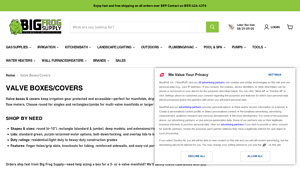
Domain: bigfrogsupply.com
Registered: 2014 (11 years)
Introduction: This company, Big Frog Supply – Valve Boxes & Covers, is a notable entity in the market. For specific product details, it is recommended to visit their website directly.
4. PlumbersStock – 18 Rain Bird Max
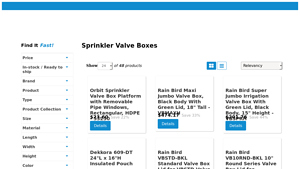
Domain: plumbersstock.com
Registered: 2007 (18 years)
Introduction: Sprinkler Valve Boxes | Irrigation Valve Boxes | Above Ground Valve Boxes. Types include rectangular or round valve boxes, with sizes ranging from 7 to 27 inches. Options available: complete valve boxes, replacement lids, valve box extensions, and fake rock covers. Popular product: 18″ Rain Bird Maxi Jumbo VBMAXH Sprinkler Box. Installation tip: ensure the top of the valve box cover is flush with …
Strategic Sourcing Conclusion and Outlook for irrigation valve box cover
In the competitive landscape of irrigation solutions, strategic sourcing of irrigation valve box covers is essential for ensuring system longevity and operational efficiency. Key takeaways highlight the importance of selecting high-quality materials, such as those with UV inhibitors, to enhance durability and prevent damage from environmental factors. Buyers should also consider a diverse range of sizes and styles to meet specific irrigation needs, ensuring compatibility with existing systems.
The value of strategic sourcing extends beyond cost savings; it encompasses the establishment of reliable supplier relationships that can facilitate timely deliveries and consistent product quality. By leveraging suppliers from various regions, including Africa, South America, the Middle East, and Europe, businesses can mitigate risks associated with supply chain disruptions while benefiting from competitive pricing.
Looking ahead, the demand for durable and efficient irrigation solutions will continue to grow, driven by the need for sustainable agricultural practices and effective water management. International B2B buyers are encouraged to evaluate their sourcing strategies, prioritize quality, and stay informed on market trends to secure the best products for their irrigation systems. Embrace the opportunity to enhance your operations and ensure your projects thrive in this evolving market.
 Norwegian
  English (United States)
  Spanish (Spain)
  Portuguese (Portugal)
  French
  German
  Italian
  Arabic
  Dutch
Dutch  English (UK)
  Bulgarian
  Chinese (China)
  Chinese (Hong Kong)
  Czech
Czech  Danish
  Greek
Greek  Finnish
  Spanish (Mexico)
  Estonian
  Hebrew
  Hungarian
  Indonesian
  Japanese
  Korean
  Latvian
  Lithuanian
  Polish
  Portuguese (Brazil)
  Romanian
  Russian
  Slovenian
  Slovak
  Swedish
  Turkish
  Ukrainian
  Vietnamese