
Introduction: Navigating the Global Market for irrigation valve cover
In the dynamic landscape of global agriculture, sourcing the right irrigation valve covers poses a significant challenge for international B2B buyers. Whether you’re operating in the arid regions of Saudi Arabia or the lush fields of Brazil, selecting high-quality irrigation valve covers is essential to protect your systems from water, dirt, and dust. This guide provides a comprehensive exploration of the various types of irrigation valve covers available on the market, their applications, and critical factors for supplier vetting.
Navigating this complex market requires a keen understanding of product specifications, pricing structures, and the unique needs of different agricultural environments. Our resource empowers B2B buyers by offering actionable insights into sourcing strategies, cost analysis, and product comparisons tailored for diverse regions, including Africa, South America, the Middle East, and Europe.
By leveraging this guide, you can make informed purchasing decisions that enhance the longevity and efficiency of your irrigation systems, ensuring your agricultural operations thrive in a competitive global market. From understanding the nuances of material selection to recognizing the importance of compliance with local regulations, this guide is your essential companion in mastering the procurement of irrigation valve covers.
Understanding irrigation valve cover Types and Variations
| Type Name | Key Distinguishing Features | Primary B2B Applications | Brief Pros & Cons for Buyers |
|---|---|---|---|
| Standard Valve Box | Rectangular or round shape, typically made of plastic, with a lid. | Residential and small commercial setups | Fordeler: Affordable, easy to install. Ulemper: May not withstand heavy loads. |
| Jumbo Valve Box | Larger size, often with a drop-in lid, designed for more equipment. | Larger commercial and municipal systems | Fordeler: More space for equipment, durable. Ulemper: Higher cost and weight. |
| Lockable Valve Box | Features a locking mechanism to secure contents. | High-security installations | Fordeler: Prevents unauthorized access. Ulemper: More complex installation. |
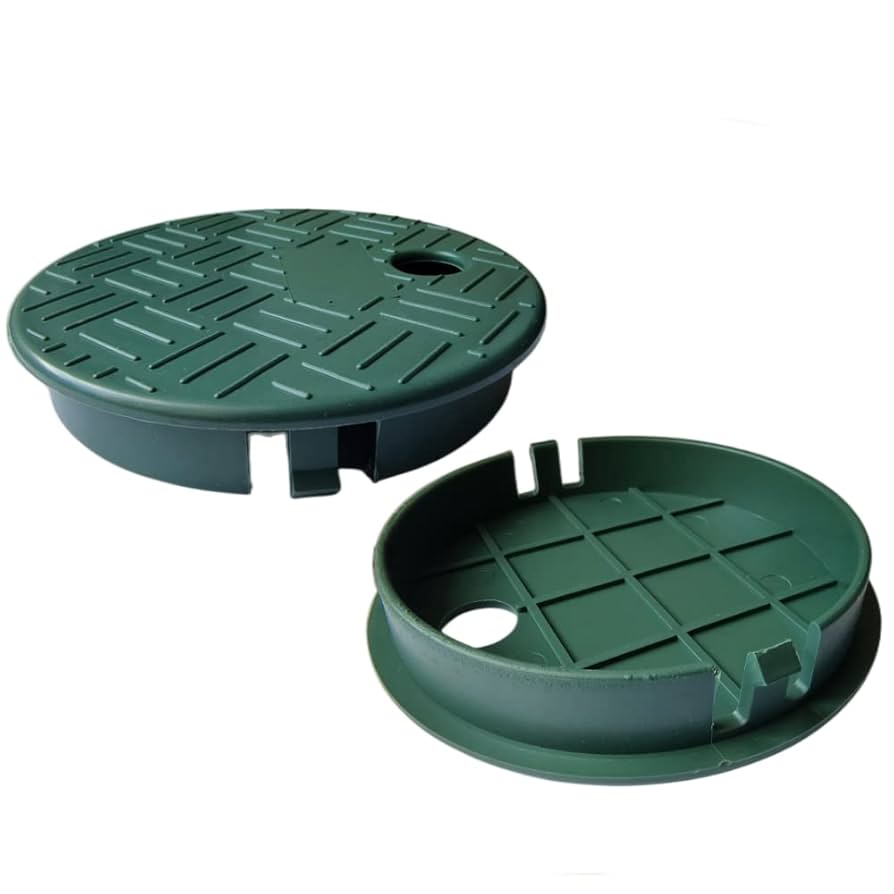
| Decorative Rock Covers | Mimics natural stone, made from resin, enhances aesthetic appeal. | Landscaping and decorative applications | Fordeler: Blends into landscape, lightweight. Ulemper: May be more expensive. |
| Overlapping Lid Valve Box | Features a lid that overlaps the box for added protection. | Areas with heavy rainfall or flooding | Fordeler: Superior protection against elements. Ulemper: Can be bulkier. |
What Are the Characteristics of Standard Valve Boxes?
Standard valve boxes are typically rectangular or round, made from durable plastic, and designed to house irrigation valves and components. They are commonly used in residential and small commercial irrigation systems, providing a straightforward solution for protecting valves from dirt, debris, and damage. When purchasing, consider factors such as size, compatibility with existing systems, and the expected load on the box, as these can affect installation and longevity.
How Do Jumbo Valve Boxes Differ from Standard Options?
Jumbo valve boxes are larger than standard models, featuring a drop-in lid that allows for easier access to the internal components. These boxes are ideal for larger commercial and municipal irrigation systems that require more space for additional equipment. Buyers should evaluate the specific needs of their irrigation system, including space requirements and the anticipated volume of water flow, to ensure that a jumbo box is a suitable investment.
What Are the Benefits of Lockable Valve Boxes?
Lockable valve boxes provide enhanced security by featuring a locking mechanism that protects the internal components from unauthorized access. This type is particularly useful in high-security installations or public areas where vandalism or tampering could be a concern. When considering lockable options, buyers should assess the ease of installation and the level of security required for their specific application.
In What Situations Are Decorative Rock Covers Ideal?
Decorative rock covers are designed to mimic the appearance of natural stone, making them an aesthetically pleasing choice for landscaping and decorative applications. These covers are made from lightweight resin and can easily conceal irrigation equipment while blending seamlessly into garden environments. For buyers, the primary considerations should include the desired visual impact and the potential for higher costs compared to standard options.
Why Choose Overlapping Lid Valve Boxes?
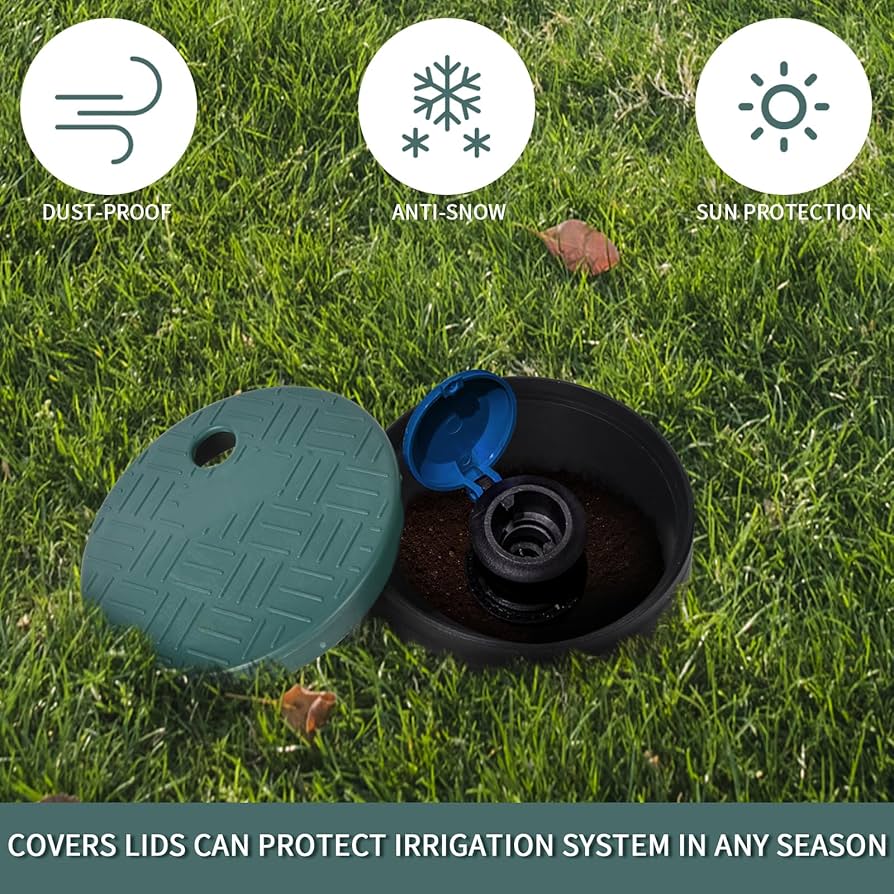
Overlapping lid valve boxes feature a lid that extends over the edge of the box, providing superior protection against water, dirt, and debris. This design is particularly advantageous in regions prone to heavy rainfall or flooding. When selecting an overlapping lid box, it is essential to consider the environmental conditions and the potential impact on the longevity of the irrigation system components housed within.
Key Industrial Applications of irrigation valve cover
| Industry/Sector | Specific Application of Irrigation Valve Cover | Value/Benefit for the Business | Key Sourcing Considerations for this Application |
|---|---|---|---|
| Landbruk | Protecting irrigation systems in large-scale farming | Ensures system longevity and reduces maintenance costs | Durability against environmental factors, size compatibility |
| Landscaping & Gardening | Concealing irrigation components in residential landscapes | Enhances aesthetics and protects equipment from damage | Material selection for UV resistance and visual appeal |
| Municipal Water Supply | Securing valve boxes for public irrigation systems | Improves public safety and system reliability | Compliance with local regulations and accessibility needs |
| Golf Course Management | Shielding sprinkler valves from environmental elements | Minimizes downtime and maintenance, enhancing playability | Customization options for branding and durability |
| Sports Facilities | Protecting irrigation equipment in sports fields | Ensures optimal field conditions and reduces repair costs | Compatibility with existing systems and ease of installation |
How is Irrigation Valve Cover Used in Agriculture?
In agriculture, irrigation valve covers are crucial for protecting complex irrigation systems, particularly in large-scale farming operations. These covers shield valves from dirt, water, and debris, which can lead to mechanical failures. By ensuring the longevity of the irrigation components, farmers can significantly reduce maintenance costs and downtime, thus enhancing productivity. Buyers in this sector should prioritize durability, size compatibility, and resistance to harsh environmental conditions, especially in regions like Africa and South America, where weather extremes can be prevalent.
What Role Does Irrigation Valve Cover Play in Landscaping & Gardening?
In landscaping and gardening, irrigation valve covers serve both functional and aesthetic purposes. They conceal unsightly irrigation components while protecting them from potential damage caused by weather elements or landscaping activities. This is particularly important for residential areas where visual appeal is paramount. Buyers should consider materials that offer UV resistance and a design that complements the surrounding landscape, ensuring that the covers blend seamlessly with the environment, especially in regions with high sun exposure like the Middle East.
How Does Irrigation Valve Cover Enhance Municipal Water Supply Systems?
Municipal water supply systems utilize irrigation valve covers to secure and protect valves in public irrigation systems. These covers play a vital role in maintaining public safety by preventing unauthorized access and safeguarding the equipment from environmental damage. Additionally, they enhance the reliability of the water supply system. Buyers must consider local regulations regarding safety and accessibility, ensuring that the selected covers meet compliance standards while providing easy access for maintenance.
Why is Irrigation Valve Cover Important for Golf Course Management?
In golf course management, irrigation valve covers protect sprinkler valves from environmental elements, which is essential for maintaining optimal field conditions. By minimizing wear and tear, these covers help reduce maintenance costs and downtime, allowing for uninterrupted play. Golf course managers should look for customization options that allow for branding while ensuring the covers are durable enough to withstand frequent foot traffic and weather conditions, particularly in regions like Europe where diverse climates can impact maintenance schedules.
How Do Sports Facilities Benefit from Using Irrigation Valve Covers?
Sports facilities rely on irrigation valve covers to protect irrigation equipment used in maintaining playing fields. These covers not only shield the valves from damage but also ensure that the irrigation system operates efficiently, promoting healthy grass growth and optimal field conditions. This reduces the need for costly repairs and maintenance. Buyers in this sector should focus on compatibility with existing irrigation systems and ease of installation, which is crucial for minimizing disruption during the sports season.
A stock image related to irrigation valve cover.
3 Common User Pain Points for ‘irrigation valve cover’ & Their Solutions
Scenario 1: Inadequate Protection Against Environmental Elements
The Problem:
B2B buyers, especially those operating in regions with extreme weather conditions—such as the scorching sun in Saudi Arabia or the heavy rains in Brazil—often face challenges with irrigation valve covers that do not provide adequate protection. Many covers are made from subpar materials that can degrade under UV exposure or crack under freezing temperatures. This deterioration not only compromises the functionality of the irrigation system but can lead to costly repairs or replacements, disrupting operations and project timelines.
The Solution:
To mitigate this issue, it is crucial to source irrigation valve covers made from high-quality, UV-resistant materials that can withstand harsh environmental conditions. Buyers should look for products with a proven track record, such as those made from robust polycarbonate or heavy-duty polyethylene. When specifying these covers, consider additional features like overlapping lids that provide better sealing against dirt and debris. Furthermore, opting for models that include built-in drainage systems can help prevent water accumulation, which can further damage the valves. Always consult with suppliers about the expected lifespan and warranty of the products to ensure long-term reliability.
Scenario 2: Difficulty in Accessing Irrigation Components for Maintenance
The Problem:
Another common pain point is the challenge of accessing irrigation components for routine maintenance. Many valve covers are cumbersome and can be challenging to remove, leading to frustration and increased downtime. This situation is especially prevalent in commercial landscaping and agricultural settings, where quick access to irrigation systems is vital for maintaining healthy crops or landscapes.
The Solution:
To address this challenge, buyers should consider selecting valve covers designed for easy access. Look for features such as lightweight materials or designs that allow for quick removal without tools. Some products come with locking mechanisms that secure the cover while still allowing for easy access when needed. Additionally, opting for valve covers with integrated hinges can simplify the process of checking or servicing valves without completely removing the cover. It’s advisable to provide training for maintenance staff on the best practices for handling these covers to maximize efficiency and minimize the risk of damage during access.
Scenario 3: Compatibility Issues with Existing Irrigation Systems
The Problem:
Compatibility with existing irrigation systems is a significant concern for B2B buyers, particularly those managing large-scale installations with various brands and models. Many valve covers on the market are not universally compatible, leading to mismatches that can hinder system performance and necessitate additional purchases or modifications.
The Solution:
To avoid compatibility issues, buyers should perform a thorough inventory of their existing irrigation system components before sourcing new valve covers. Consult with manufacturers or suppliers to ensure that the chosen covers are compatible with the specific valves in use. Many suppliers offer customizable options that can be tailored to fit specific models, which can be beneficial for businesses managing diverse irrigation systems. Additionally, consider purchasing from reputable manufacturers known for producing universal-fit products. Establishing a strong relationship with suppliers can also facilitate better communication regarding compatibility and ensure that replacements can be sourced quickly when needed.
Strategic Material Selection Guide for irrigation valve cover
What Are the Key Properties of Common Materials for Irrigation Valve Covers?
When selecting materials for irrigation valve covers, it is essential to consider their properties, durability, and suitability for specific applications. Here, we analyze four common materials: plastic, fiberglass, metal, and composite materials.
How Does Plastic Perform in Irrigation Valve Covers?
Plastic, particularly high-density polyethylene (HDPE) and polypropylene, is widely used for irrigation valve covers due to its lightweight nature and resistance to corrosion. These plastics typically have a temperature rating up to 80°C (176°F) and are resistant to UV radiation, making them suitable for outdoor applications.
Fordeler: Plastic covers are cost-effective, easy to manufacture, and lightweight, which simplifies installation. They are also resistant to chemicals commonly found in irrigation systems.
Ulemper: While they offer good durability, extreme temperatures can cause brittleness over time. Additionally, they may not withstand heavy loads, which can be a consideration in high-traffic areas.
Impact on Application: Plastic valve covers are compatible with various irrigation media, including water and fertilizers, but may not be suitable for environments with high mechanical stress.
Considerations for International Buyers: Buyers should ensure compliance with local regulations regarding plastic materials, especially in regions like Europe where strict environmental standards apply.
What Advantages Do Fiberglass Covers Offer?
Fiberglass is another popular choice for valve covers, known for its high strength-to-weight ratio and excellent resistance to environmental factors. Fiberglass covers can withstand temperatures up to 120°C (248°F) and are resistant to corrosion from chemicals.
Fordeler: They are highly durable, can handle heavy loads, and are resistant to fading and warping. This makes them ideal for harsh climates, such as those found in the Middle East.
Ulemper: The manufacturing process for fiberglass can be more complex and costly compared to plastic. Additionally, they may require more maintenance over time to prevent surface degradation.
Impact on Application: Fiberglass covers are suitable for a wide range of irrigation media and can effectively protect against environmental damage.
Considerations for International Buyers: Compliance with ASTM standards is crucial, especially in North America. Buyers in regions like Africa and South America should also consider local availability and support for fiberglass products.
What Role Do Metal Covers Play in Irrigation Systems?
Metal covers, particularly those made from aluminum or galvanized steel, are known for their strength and durability. They can withstand high temperatures and pressures, making them suitable for industrial applications.
Fordeler: Metal covers are incredibly durable and can handle heavy loads, making them ideal for high-traffic areas. They also offer excellent protection against tampering and vandalism.
Ulemper: They are generally heavier and more expensive than plastic or fiberglass options. Additionally, metal can corrode over time if not properly treated, particularly in humid environments.
Impact on Application: Metal covers are compatible with various irrigation media but may require additional coatings to prevent corrosion.
Considerations for International Buyers: Buyers should be aware of local corrosion resistance standards and ensure that metal products comply with relevant regulations in their regions.
How Do Composite Materials Enhance Valve Cover Performance?
Composite materials combine various elements to enhance performance. These materials often include a blend of plastics and fiberglass, offering a balance of strength and lightweight properties.
Fordeler: Composites provide excellent resistance to environmental factors and can be tailored for specific applications. They are also lighter than metals while maintaining high durability.
Ulemper: The cost of composite materials can be higher than traditional options, and their manufacturing process may be more complex.
Impact on Application: Composite covers are suitable for various irrigation media and environments, providing a versatile solution for diverse applications.
Considerations for International Buyers: Buyers should verify that composite materials meet local standards and regulations, particularly in regions with strict environmental policies.
Summary of Material Selection for Irrigation Valve Covers
| Materiale | Typical Use Case for irrigation valve cover | Key Advantage | Key Disadvantage/Limitation | Relative Cost (Low/Med/High) |
|---|---|---|---|---|
| Plastic | Residential and light commercial applications | Cost-effective and lightweight | Limited load-bearing capacity | Low |
| Fiberglass | Harsh environments and industrial applications | High durability and load capacity | Higher manufacturing cost | Medium |
| Metal | High-traffic areas and industrial settings | Exceptional strength and security | Prone to corrosion without treatment | Høy |
| Composite | Versatile applications in various environments | Tailored performance and lightweight | Higher cost and complexity | Medium |
This strategic material selection guide provides insights into the various materials available for irrigation valve covers, enabling international B2B buyers to make informed decisions based on their specific needs and regional considerations.
A stock image related to irrigation valve cover.
In-depth Look: Manufacturing Processes and Quality Assurance for irrigation valve cover
What Are the Key Stages in the Manufacturing Process of Irrigation Valve Covers?
The manufacturing process for irrigation valve covers involves several critical stages, each playing a pivotal role in ensuring the final product meets quality and performance standards. Understanding these stages can help B2B buyers identify reliable suppliers and ensure they receive high-quality products.
Material Preparation: The first step in manufacturing irrigation valve covers is selecting the right materials. Common materials include high-density polyethylene (HDPE), polypropylene, and various composite materials. These materials are chosen for their durability, resistance to UV radiation, and ability to withstand harsh environmental conditions. The materials undergo inspection to confirm they meet specific industry standards before being processed.
Forming Techniques: The next stage involves various forming techniques. Injection molding is prevalent for producing plastic valve covers, allowing for precise shapes and sizes with minimal waste. Alternatively, rotational molding can be used for more complex designs, providing uniform thickness and strength. The choice of technique often depends on the desired volume, cost considerations, and the specific design requirements of the valve cover.
Assembly Process: After forming, the valve covers may require assembly, particularly if they include multiple components or features such as locking mechanisms or overlapping lids. This stage is critical to ensure that all parts fit together seamlessly, which is essential for maintaining the integrity of the irrigation system.
Finishing Touches: The finishing stage enhances the aesthetics and functionality of the valve covers. This may involve surface treatments to improve UV resistance or adding colorants for better visibility. Additionally, any necessary logos or identification marks are applied during this phase. Quality assurance checks are often integrated into this stage to identify defects before the products move to final inspection.
How Is Quality Assurance Implemented in the Production of Irrigation Valve Covers?
Quality assurance (QA) is crucial in the manufacturing of irrigation valve covers, ensuring that the products meet both international standards and industry-specific requirements. B2B buyers should be aware of these QA processes to verify supplier credibility.
International and Industry Standards: Manufacturers often adhere to international standards such as ISO 9001, which sets the criteria for quality management systems. Compliance with CE marking is also vital for products sold in Europe, indicating conformity with health, safety, and environmental protection standards. In regions such as the Middle East, compliance with local regulations and standards is equally important.
Quality Control Checkpoints: Effective QA involves multiple checkpoints throughout the manufacturing process:
– Incoming Quality Control (IQC): This stage assesses the raw materials before production begins, ensuring they meet specified standards.
– In-Process Quality Control (IPQC): Regular checks during the manufacturing process help identify issues early, reducing waste and rework.
– Final Quality Control (FQC): This final inspection ensures that the finished products meet all specifications and are free from defects before shipping.Common Testing Methods: Various testing methods are employed to ensure the quality and reliability of irrigation valve covers. These may include:
– Material Testing: To assess the strength, flexibility, and resistance to environmental factors.
– Durability Testing: Simulating real-world conditions to evaluate how the valve covers perform over time.
– Water Resistance Testing: Ensuring that the covers effectively protect the valves from water ingress, which is crucial for maintaining system integrity.
How Can B2B Buyers Verify Supplier Quality Control Measures?
B2B buyers have several options for verifying the quality control measures implemented by potential suppliers. This is especially important when sourcing from international markets, where standards and practices may vary.
Supplier Audits: Conducting audits of potential suppliers can provide valuable insights into their manufacturing processes and quality control measures. This can include reviewing their production facilities, quality management systems, and previous compliance records with international standards.
Quality Assurance Reports: Requesting detailed quality assurance reports from suppliers can help buyers understand the processes and standards in place. These reports should outline the results of inspections, testing methods used, and any corrective actions taken for non-conformities.
Third-Party Inspections: Engaging third-party inspection services can add an additional layer of assurance. These independent organizations can evaluate the supplier’s facilities, processes, and products to confirm compliance with specified standards.
What Are the Quality Control Nuances for International B2B Buyers?
International B2B buyers, particularly from regions such as Africa, South America, the Middle East, and Europe, face unique challenges when it comes to quality control. Understanding these nuances can help mitigate risks.
Regulatory Compliance: Different regions have varying regulatory requirements. Buyers should ensure that their suppliers are familiar with local regulations and can provide products that comply with these standards. This is particularly relevant in regions like the Middle East, where compliance with local laws can impact the ability to conduct business.
Cultural Differences: Cultural attitudes towards quality and business practices can differ significantly across regions. Buyers should be aware of these differences and consider them when evaluating suppliers. Establishing clear communication and expectations is vital for successful partnerships.
Logistical Considerations: The logistics of international shipping can affect product quality. Buyers should ensure that suppliers have robust processes for packaging and shipping to prevent damage during transit. Additionally, understanding the local infrastructure can help buyers anticipate potential delays or issues.
By being informed about the manufacturing processes and quality assurance practices for irrigation valve covers, B2B buyers can make more informed decisions, ensuring they select suppliers that meet their quality standards and operational needs.
Practical Sourcing Guide: A Step-by-Step Checklist for ‘irrigation valve cover’
In the competitive landscape of irrigation supplies, selecting the right irrigation valve cover is essential for ensuring system integrity and durability. This guide provides a practical checklist to help B2B buyers streamline their procurement process, making informed decisions that align with their operational needs.
Step 1: Define Your Technical Specifications
Establishing clear technical specifications is crucial as it informs suppliers of your exact requirements. Consider factors such as the size, shape, and material of the valve cover, as these attributes directly affect performance and compatibility with your irrigation system. For instance, a robust, UV-resistant plastic cover may be ideal for outdoor applications in regions with high sun exposure.
Step 2: Research Market Trends and Innovations
Understanding current market trends and technological advancements can give you an edge. Look for innovative features such as overlapping lids for improved protection against debris and moisture. Additionally, consider eco-friendly materials, which are increasingly preferred in various regions, aligning with sustainability initiatives.
Step 3: Evaluate Potential Suppliers
Before committing to a supplier, thorough vetting is essential. Request company profiles, case studies, and references from buyers in similar industries or regions to assess reliability and performance. Ensure that the suppliers have a proven track record of delivering high-quality products that meet international standards.
Step 4: Verify Certifications and Compliance
Ensuring that your suppliers comply with local and international standards is vital for quality assurance. Look for certifications such as ISO 9001 for quality management and any specific certifications relevant to your region, such as those pertaining to environmental impact. This step not only guarantees product quality but also reduces risks associated with non-compliance.
Step 5: Request Samples for Testing
Before making a bulk purchase, request samples of the irrigation valve covers you are considering. Testing samples can help evaluate the durability, fit, and functionality of the covers within your existing systems. Pay attention to details such as ease of installation and the integrity of locking mechanisms if applicable.
Step 6: Assess Pricing and Payment Terms
Pricing structures can vary significantly among suppliers, so it’s important to compare quotes while considering the overall value offered. Look beyond the initial cost—evaluate payment terms, bulk discounts, and shipping costs. Favorable payment conditions can enhance cash flow, especially for larger orders.
Step 7: Establish a Relationship with Your Supplier
Building a strong relationship with your chosen supplier can yield long-term benefits. Open communication lines can facilitate better service, prompt responses to queries, and potential negotiation on future orders. A reliable supplier partnership can also lead to valuable insights on product usage and maintenance, enhancing your operational efficiency.
By following this checklist, B2B buyers can effectively navigate the procurement process for irrigation valve covers, ensuring they select high-quality products that meet their specific needs and contribute to the longevity of their irrigation systems.
Comprehensive Cost and Pricing Analysis for irrigation valve cover Sourcing
What Are the Key Cost Components in Sourcing Irrigation Valve Covers?
When sourcing irrigation valve covers, understanding the cost structure is essential for effective budgeting and negotiation. The primary components that contribute to the overall cost include materials, labor, manufacturing overhead, tooling, quality control (QC), logistics, and profit margins.
Materialer: The type of materials used, such as high-density polyethylene (HDPE) or polypropylene, significantly influences the price. High-quality materials may increase initial costs but can lead to better durability and longevity, ultimately reducing replacement frequency.
Labor: Labor costs vary based on the geographical location of the manufacturing facility. Regions with lower labor costs, such as certain countries in Africa and South America, may offer competitive pricing compared to European suppliers.
Manufacturing Overhead: This encompasses utilities, rent, and equipment depreciation. Efficient manufacturing processes can minimize overhead costs, allowing suppliers to offer more competitive pricing.
Tooling: Custom tooling for specific designs or features can be a significant upfront investment. Buyers should consider whether standard designs can meet their needs to avoid unnecessary costs.
Quality Control: Implementing stringent QC processes may add to the cost but ensures product reliability and compliance with international standards, which is critical for buyers in regulated markets.
Logistics: Transportation costs can vary widely based on the distance from the supplier to the buyer, shipping methods, and any tariffs or duties applicable in international trade.
Margin: Suppliers will typically include a profit margin in their pricing, which can be influenced by their market position and competition.
How Do Price Influencers Affect the Cost of Irrigation Valve Covers?
Several factors can influence the pricing of irrigation valve covers, particularly in the context of international B2B transactions.
Volume and Minimum Order Quantity (MOQ): Larger orders often lead to discounts due to economies of scale. Negotiating MOQs can be beneficial, especially for buyers who may not need large quantities.
Specifications and Customization: Custom designs or additional features, such as UV resistance or specific color requirements, can increase costs. Buyers should weigh the necessity of these features against their budget.
Material and Quality Certifications: Products with quality certifications (e.g., ISO, CE marking) may command higher prices but assure buyers of compliance with industry standards. This is particularly relevant in regions with stringent import regulations.
Supplier Factors: The reputation and reliability of the supplier can also affect pricing. Established suppliers may charge higher prices due to their proven track record, while newer entrants may offer lower prices to penetrate the market.
Incoterms: The agreed-upon Incoterms will impact logistics costs and risk allocation between the buyer and supplier. Understanding these terms is crucial for accurately calculating total costs.
What Are Effective Buyer Tips for Negotiating Irrigation Valve Cover Prices?
Navigating the procurement of irrigation valve covers can be complex, especially for international buyers. Here are some actionable tips:
Negotiate Pricing: Don’t hesitate to negotiate prices based on volume and long-term contracts. Suppliers may be willing to offer better rates for commitment to larger orders.
Consider Total Cost of Ownership (TCO): When evaluating options, factor in not just the purchase price but also shipping, potential tariffs, and the expected lifespan of the product. A cheaper product may end up costing more in the long run if it requires frequent replacements.
Understand Pricing Nuances: Pricing can vary significantly based on the supplier’s location and market conditions. Engage with multiple suppliers to gauge a fair market price and build competitive offers.
Be Aware of International Pricing Dynamics: Different regions have varying expectations and pricing standards. Buyers from Africa and South America may find suppliers in Asia offer more competitive pricing due to lower labor costs, while European buyers may prioritize quality and certifications.
Disclaimer on Indicative Prices
The prices of irrigation valve covers can fluctuate based on market conditions, raw material costs, and exchange rates. Therefore, it is advisable for buyers to seek current quotes from suppliers to ensure they have the most accurate and relevant pricing information for their purchasing decisions.
Alternatives Analysis: Comparing irrigation valve cover With Other Solutions
Exploring Alternatives to Irrigation Valve Covers
When considering irrigation systems, selecting the right protective solution for valve components is crucial. While irrigation valve covers are a popular choice, various alternatives exist that may better suit specific needs based on performance, cost, and environmental conditions. This section examines the strengths and weaknesses of irrigation valve covers compared to two viable alternatives: Rock Box Sprinkler Valve Covers og Valve Boxes.
Comparison Table
| Comparison Aspect | Irrigation Valve Cover | Rock Box Sprinkler Valve Covers | Valve Boxes |
|---|---|---|---|
| Performance | Protects valves from debris and moisture; enhances system longevity. | Mimics natural landscape; offers robust protection. | Provides solid protection against environmental elements; protects wiring. |
| Kostnader | Typically low to moderate ($5 – $100). | Moderate to high ($57 – $509). | Varies widely ($6 – $100+). |
| Ease of Implementation | Simple installation; often requires no tools. | Requires careful placement; may need additional support. | Generally straightforward installation; can be more cumbersome if large. |
| Vedlikehold | Minimal; periodic checks recommended. | Low maintenance; durable materials reduce wear. | Requires occasional inspection for damage or wear. |
| Best Use Case | Ideal for residential and small commercial applications. | Best for aesthetic landscaping in residential areas. | Suitable for both residential and large-scale agricultural use. |
In-Depth Analysis of Alternatives
What Are Rock Box Sprinkler Valve Covers and Their Benefits?
Rock Box Sprinkler Valve Covers are designed to conceal irrigation and plumbing equipment while providing a realistic appearance that blends with the landscape. Made from rotomolded resin, these covers resist fading and warping. Their hollow interiors provide ample space for various equipment, making them a flexible option. However, they can be more expensive than traditional valve covers and may require careful placement to ensure stability and functionality.
How Do Valve Boxes Serve as an Alternative?
Valve boxes are a versatile solution that protects irrigation valves from environmental factors such as dirt, water, and pests. They are available in various sizes and materials, making them suitable for different applications, from residential gardens to extensive agricultural setups. While they provide robust protection, their installation can sometimes be cumbersome, especially in larger setups, and they may require periodic inspections to ensure they remain intact and functional.
Conclusion: How to Choose the Right Solution for Your Needs
Selecting the appropriate irrigation protection solution depends on various factors, including budget, application, and aesthetic preferences. For B2B buyers, understanding the specific requirements of their projects is essential. If cost-effectiveness and simplicity are priorities, traditional irrigation valve covers may suffice. However, for those seeking aesthetic integration into landscaping or requiring additional durability, Rock Box Sprinkler Valve Covers or valve boxes may provide better long-term value. Evaluating these factors will enable buyers to make informed decisions that align with their operational goals and environmental considerations.
Essential Technical Properties and Trade Terminology for irrigation valve cover
What Are the Key Technical Properties of Irrigation Valve Covers?
Irrigation valve covers are essential for protecting valve systems from environmental elements, ensuring longevity and reliability. Here are some critical specifications that B2B buyers should consider:
Material Grade
The material used in irrigation valve covers is crucial for durability and performance. Common materials include high-density polyethylene (HDPE) and polypropylene, both offering UV resistance and impact durability. A higher-grade material can withstand harsh weather conditions, making it suitable for diverse climates found in regions like Africa and the Middle East.Load Rating
This specification indicates the maximum weight the valve cover can support without deformation or damage. Load ratings can range from light-duty (for residential use) to heavy-duty (for commercial applications). Understanding the load requirements is vital for ensuring that the selected cover can handle the expected traffic, particularly in agricultural or urban settings.Dimensions and Tolerances
Accurate dimensions are necessary for a proper fit over the valve assembly. Tolerances in manufacturing should be minimal to prevent gaps that could allow dirt and debris to enter. B2B buyers should verify that the valve covers meet the specific measurements required by their irrigation systems to avoid compatibility issues.Seal Type
The type of sealing mechanism employed in the valve cover can impact its effectiveness in preventing water ingress. Overlapping lids or gasket seals provide better protection against moisture and contaminants, which is especially important in regions with heavy rainfall or irrigation needs. Buyers should assess the sealing technology to ensure it aligns with their operational requirements.Color and Visibility
While often overlooked, the color of the valve cover can have practical implications. Brightly colored covers can enhance visibility, making it easier to locate valves in the landscape. This can be particularly beneficial for maintenance teams operating in large agricultural fields or public spaces.Locking Mechanism
A locking feature can prevent unauthorized access to the irrigation system, safeguarding it from tampering or vandalism. This is particularly relevant in urban areas or regions prone to theft. Buyers should consider the security requirements of their installations when selecting valve covers.
What Are Common Trade Terms Used in the Irrigation Valve Cover Industry?
Understanding industry terminology is essential for effective communication and negotiation. Here are several key terms that B2B buyers should be familiar with:
OEM (Original Equipment Manufacturer)
This term refers to a company that produces parts or equipment that may be marketed by another manufacturer. When sourcing irrigation valve covers, knowing the OEM can help buyers ensure compatibility with existing systems and quality assurance.MOQ (Minimum Order Quantity)
MOQ represents the smallest number of units that a supplier is willing to sell. This is important for budget planning and inventory management. Buyers should clarify MOQs upfront to determine if they align with their purchasing needs.RFQ (Request for Quotation)
An RFQ is a document sent to suppliers requesting price estimates for specific products or services. It helps buyers compare pricing and terms across different suppliers, facilitating informed purchasing decisions.Incoterms (International Commercial Terms)
These are a set of international rules that define the responsibilities of sellers and buyers in shipping agreements. Understanding Incoterms is crucial for B2B buyers involved in international trade, as they dictate who is responsible for shipping costs, insurance, and risk during transport.Lead Time
This term refers to the time it takes from placing an order to receiving the goods. Lead time can vary based on manufacturing processes and supply chain logistics. Buyers should inquire about lead times to effectively plan their inventory and project timelines.Warranty Terms
Warranty terms outline the conditions under which a manufacturer will repair or replace defective products. Understanding warranty coverage can provide peace of mind and help buyers assess the long-term value of their investment.
By familiarizing themselves with these technical properties and trade terms, B2B buyers can make informed decisions when selecting irrigation valve covers that meet their operational needs.
Navigating Market Dynamics and Sourcing Trends in the irrigation valve cover Sector
What Are the Key Market Trends Influencing the Irrigation Valve Cover Sector?
The irrigation valve cover sector is experiencing significant shifts driven by a confluence of global market dynamics. One of the primary drivers is the increasing demand for efficient water management solutions, particularly in regions prone to water scarcity, such as Africa and the Middle East. Governments and organizations are prioritizing investments in irrigation infrastructure, which is fostering growth in the valve cover market. Additionally, the rise of precision agriculture is pushing manufacturers to innovate, leading to advanced products that offer durability and functionality.
Emerging technologies, such as IoT-enabled irrigation systems, are also reshaping the landscape. These systems require robust valve covers that can withstand environmental challenges while providing easy access for maintenance and monitoring. B2B buyers in regions like South America and Europe are increasingly looking for suppliers who can provide smart irrigation solutions that integrate seamlessly with existing systems.
Furthermore, there is a noticeable trend toward customization. Buyers are seeking valve covers that can be tailored to specific installation environments, whether for residential, commercial, or agricultural applications. This trend is particularly prevalent in countries like Brazil, where agricultural diversity demands versatile solutions. Understanding these market dynamics is crucial for international buyers looking to make informed sourcing decisions.
How Is Sustainability and Ethical Sourcing Shaping the Irrigation Valve Cover Market?
Sustainability is at the forefront of B2B sourcing decisions in the irrigation valve cover sector. The environmental impact of plastic waste has prompted buyers to seek products made from recycled or eco-friendly materials. Companies that manufacture valve covers are increasingly adopting sustainable practices, from sourcing raw materials to production methods. This shift not only appeals to environmentally conscious consumers but also aligns with global sustainability goals.
Ethical sourcing is equally important, especially in regions where labor practices can be scrutinized. Buyers are looking for suppliers who adhere to fair labor practices and who can demonstrate transparency throughout their supply chains. Certifications such as ISO 14001 for environmental management and Fair Trade for ethical labor practices are becoming crucial benchmarks for B2B buyers.
Moreover, the incorporation of ‘green’ certifications in products is becoming a deciding factor. Buyers are more likely to partner with suppliers that can provide documented proof of their commitment to sustainability, whether through certifications or product lifecycle assessments. This trend is particularly relevant in Europe, where stringent regulations on environmental impact are in place.
How Has the Irrigation Valve Cover Market Evolved Over Time?
The evolution of the irrigation valve cover market has been marked by technological advancements and changing consumer preferences. Initially, valve covers were primarily utilitarian, focusing on functionality without much emphasis on design or material sustainability. However, as awareness of environmental issues grew, manufacturers began exploring more durable and eco-friendly materials.
In recent years, the introduction of smart technologies has further transformed the market. Innovations such as UV-resistant plastics and lockable designs have enhanced the durability and security of valve covers, making them more appealing to B2B buyers. This evolution reflects a broader trend in the irrigation sector, where efficiency, sustainability, and technology converge to meet the needs of modern agriculture and landscaping. Understanding this historical context is essential for buyers looking to navigate the current landscape effectively.
Frequently Asked Questions (FAQs) for B2B Buyers of irrigation valve cover
1. How do I solve issues related to irrigation valve cover durability?
To enhance the durability of irrigation valve covers, select materials that withstand environmental stressors such as UV exposure, moisture, and temperature fluctuations. Look for covers made from high-quality, rotomolded resin or commercial-grade plastic, as these materials offer superior resistance to fading and warping. Additionally, consider valve covers with overlapping lids to prevent water ingress and dirt accumulation. Regular maintenance checks can also help identify wear and tear early, allowing for timely replacements and ensuring the longevity of your irrigation system.2. What is the best type of irrigation valve cover for my project?
The best type of irrigation valve cover depends on the specific requirements of your project. For instance, if you need a cover that blends with the landscape, consider options like simulated granite or sandstone resin covers. For durability and protection against environmental factors, choose heavy-duty plastic or metal covers. Additionally, assess the size and shape of your valve boxes to ensure a proper fit. Consulting with suppliers about their product specifications can help you make an informed decision tailored to your project’s needs.3. What are the typical minimum order quantities (MOQs) for irrigation valve covers?
Minimum order quantities for irrigation valve covers can vary significantly depending on the supplier and the type of cover. Generally, MOQs can range from 50 to 500 units. For custom designs or specialized materials, MOQs may be higher. It’s essential to communicate directly with suppliers to understand their specific MOQs and negotiate terms that align with your procurement needs. Smaller businesses may find suppliers willing to accommodate lower MOQs, especially if they can demonstrate a long-term partnership potential.4. How can I ensure quality assurance (QA) for the irrigation valve covers I purchase?
To ensure quality assurance for your irrigation valve covers, request certifications and test reports from suppliers that demonstrate compliance with industry standards. Establish a clear QA process, including pre-shipment inspections and random sampling of products upon delivery. Additionally, consider suppliers with a strong reputation in the market and positive customer reviews. Building a relationship with suppliers can also facilitate better communication regarding quality expectations and allow for adjustments based on feedback.5. What payment terms are commonly offered by suppliers of irrigation valve covers?
Payment terms for irrigation valve covers typically vary by supplier and region. Common options include net 30, net 60, or upfront payment for first-time orders. Some suppliers may offer discounts for early payments or bulk orders. It is advisable to negotiate payment terms that align with your cash flow needs. Additionally, consider using secure payment methods and platforms that provide buyer protection, especially when dealing with international transactions.6. How do I vet suppliers for irrigation valve covers in international markets?
When vetting suppliers for irrigation valve covers in international markets, conduct thorough research to assess their credibility and reliability. Look for suppliers with industry certifications and positive reviews from previous clients. Request references and follow up with them to gauge their experience. Additionally, consider visiting the supplier’s facilities, if possible, or using third-party inspection services to verify their production capabilities and quality standards. Utilize platforms like Alibaba or Global Sources for verified supplier listings.7. What logistics considerations should I be aware of when importing irrigation valve covers?
When importing irrigation valve covers, consider factors such as shipping methods, customs regulations, and delivery timelines. Choose a logistics provider experienced in international shipping and familiar with the specific requirements of your destination country. Ensure that all necessary documentation, including invoices, packing lists, and certificates of origin, are in order to facilitate smooth customs clearance. Additionally, account for potential delays in transit and factor them into your project timelines.8. Can I customize irrigation valve covers with my branding?
Yes, many suppliers offer customization options for irrigation valve covers, allowing you to incorporate your branding. Customization can include color selection, logo printing, or specific dimensions to fit your needs. Be sure to discuss your requirements with the supplier during the initial inquiry phase to understand their capabilities and any associated costs. Keep in mind that custom orders may have longer lead times and higher MOQs, so plan accordingly to avoid project delays.
Important Disclaimer & Terms of Use
⚠️ Important Disclaimer
The information provided in this guide, including content regarding manufacturers, technical specifications, and market analysis, is for informational and educational purposes only. It does not constitute professional procurement advice, financial advice, or legal advice.
While we have made every effort to ensure the accuracy and timeliness of the information, we are not responsible for any errors, omissions, or outdated information. Market conditions, company details, and technical standards are subject to change.
B2B buyers must conduct their own independent and thorough due diligence before making any purchasing decisions. This includes contacting suppliers directly, verifying certifications, requesting samples, and seeking professional consultation. The risk of relying on any information in this guide is borne solely by the reader.
Top 6 Irrigation Valve Cover Manufacturers & Suppliers List
1. Rainbird – PVB10RND 10 in. Round Valve Box
Domain: store.rainbird.com
Registered: 1995 (30 years)
Introduction: [{‘name’: ‘PVB10RND – 10 in. Round PVB Valve Box’, ‘color’: ‘Black Body & Overlapping Green Lid’, ‘special_price’: ‘$17.08’, ‘list_price’: ‘$22.77’}, {‘name’: ‘PVB6RND – 6 in. Round PVB Valve Box’, ‘color’: ‘Black Body & Overlapping Green Lid’, ‘special_price’: ‘$5.00’, ‘list_price’: ‘$6.67’}, {‘name’: ‘PVBJMB – 12 in. PVB Jumbo Valve Box’, ‘color’: ‘Black Body & Drop-in Green Lid’, ‘special_price…
2. Orbit – Rock Box Sprinkler Valve Covers
Domain: orbitonline.com
Registered: 1999 (26 years)
Introduction: {‘name’: ‘Rock Box Sprinkler Valve Covers’, ‘part_number’: ‘53016’, ‘options’: [{‘color’: ‘Granite Resin’, ‘price’: 57.29}, {‘color’: ‘Sandstone Resin’, ‘price’: 68.79}], ‘description’: ‘The rock valve cover is designed to provide an aesthetically pleasing cover for anti-siphon valves, backflow prevention devices, pumps, well casings, and other plumbing fixtures in the landscape. The simulated gra…
3. NDS – Valve Boxes
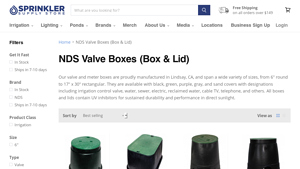
Domain: sprinklersupplystore.com
Registered: 2010 (15 years)
Introduction: NDS Valve Boxes are manufactured in Lindsay, CA, and come in various sizes from 6″ round to 17″ x 30″ rectangular. They feature black, green, purple, gray, and sand covers with designations for irrigation control valve, water, sewer, electric, reclaimed water, cable TV, telephone, etc. All boxes and lids include UV inhibitors for durability in sunlight. Key products include: 1. NDS – 111BC – STD 1…
4. Pinterest – Decorative Outdoor Covers
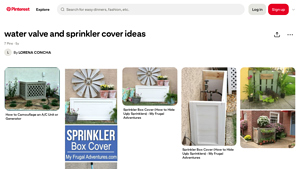
Domain: pinterest.com
Registered: 2009 (16 years)
Introduction: water valve and sprinkler cover ideas, camouflage A/C unit or generator, hide ugly sprinklers, irrigation cover, sprinkler pump cover ideas, decorative sprinkler valve covers, gas meter cover ideas, hide exposed pipes, outdoor pipe cover, cottage style picket fence
5. Big Frog Supply – Valve Boxes & Covers
Domain: bigfrogsupply.com
Registered: 2014 (11 years)
Introduction: This company, Big Frog Supply – Valve Boxes & Covers, is a notable entity in the market. For specific product details, it is recommended to visit their website directly.
6. PlumbersStock – Sprinkler Valve Boxes
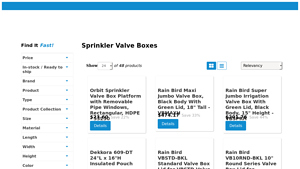
Domain: plumbersstock.com
Registered: 2007 (18 years)
Introduction: Sprinkler Valve Boxes are essential for protecting sprinkler valves from the elements and improving the aesthetics of your lawn. They come in various sizes (7 to 27 inches) and types, including rectangular and round options. PlumbersStock offers complete valve boxes, replacement lids, valve box extensions, and realistic-looking rock covers designed to mimic sandstone and granite. Popular products …
Strategic Sourcing Conclusion and Outlook for irrigation valve cover
In the evolving landscape of irrigation solutions, the strategic sourcing of irrigation valve covers stands as a critical component for ensuring system longevity and operational efficiency. As international B2B buyers navigate diverse markets in Africa, South America, the Middle East, and Europe, understanding the nuances of product specifications, material durability, and design variations becomes essential. The selection of high-quality valve covers not only protects valuable irrigation infrastructure from environmental wear but also enhances overall system reliability, reducing the need for costly repairs and downtime.
Moreover, engaging with reputable suppliers who offer a range of products—such as lockable, UV-resistant, and aesthetically pleasing options—can significantly impact project outcomes. Buyers are encouraged to leverage strategic sourcing practices to negotiate favorable terms, ensuring they secure the best value while meeting their operational requirements.
Looking ahead, the demand for innovative irrigation solutions will only continue to rise. International buyers are urged to stay informed about emerging trends and technologies in valve cover design, as well as to explore partnerships that foster sustainable practices. By prioritizing strategic sourcing now, businesses can position themselves for success in an increasingly competitive global market.
 Norwegian
  English (United States)
  Spanish (Spain)
  Portuguese (Portugal)
  French
  German
  Italian
  Arabic
  Dutch
Dutch  English (UK)
  Bulgarian
  Chinese (China)
  Chinese (Hong Kong)
  Czech
Czech  Danish
  Greek
Greek  Finnish
  Spanish (Mexico)
  Estonian
  Hebrew
  Hungarian
  Indonesian
  Japanese
  Korean
  Latvian
  Lithuanian
  Polish
  Portuguese (Brazil)
  Romanian
  Russian
  Slovenian
  Slovak
  Swedish
  Turkish
  Ukrainian
  Vietnamese