
Introduction: Navigating the Global Market for air release valve irrigation system
In today’s global market, sourcing air release valve irrigation systems presents a significant challenge for B2B buyers, particularly in regions such as Africa, South America, the Middle East, and Europe. As agricultural practices evolve, the need for efficient irrigation solutions that prevent costly system failures becomes paramount. Air release valves play a crucial role in maintaining the integrity of irrigation systems by allowing trapped air to escape, thereby mitigating risks associated with water hammer and vacuum conditions. This guide offers a comprehensive overview of the various types of air release valves, their applications in different agricultural settings, and essential considerations for supplier vetting.
Navigating the complexities of purchasing air release valve irrigation systems requires an understanding of multiple factors, including installation requirements, performance specifications, and cost implications. This guide empowers international B2B buyers by providing actionable insights into the selection process, helping them make informed decisions that align with their specific operational needs. From understanding the differences between automatic and manual valves to evaluating suppliers based on reliability and service, this resource is designed to enhance the purchasing experience for businesses looking to optimize their irrigation systems. By addressing key challenges and providing expert guidance, we aim to facilitate successful sourcing strategies that support sustainable agricultural practices worldwide.
Understanding air release valve irrigation system Types and Variations
| Type Name | Key Distinguishing Features | Primary B2B Applications | Brief Pros & Cons for Buyers |
|---|---|---|---|
| Automatic Air Release Valves | Continuous operation, self-activating, no manual intervention required | Large-scale irrigation systems | Prós: Reduces maintenance; Contras: Higher initial cost. |
| Air/Vacuum Relief Valves | Dual functionality to release air and prevent vacuum conditions | Agricultural and landscape irrigation | Prós: Versatile; Contras: Can be complex to install. |
| Combination Air/Vacuum Relief and Air Release Valves | Integrates both air release and vacuum relief functions in one unit | Mixed-use irrigation systems | Prós: Space-saving design; Contras: Potentially higher price. |
| Plastic Air Vents | Lightweight, corrosion-resistant, cost-effective | Smaller irrigation systems or budget projects | Prós: Economical; Contras: Less durable than metal options. |
| Cast Aluminum Air Vents | Robust construction, excellent corrosion resistance, suitable for high-pressure systems | Commercial and industrial applications | Prós: Long-lasting; Contras: Heavier and more costly. |
What are the Characteristics of Automatic Air Release Valves?
Automatic air release valves are designed for continuous operation, activating automatically without the need for manual intervention. These valves are ideal for large-scale irrigation systems where consistent air management is crucial. When selecting these valves, buyers should consider their reliability in preventing water hammer and air pockets, which can damage the system. While they offer reduced maintenance needs, the initial investment is typically higher than manual options.
How do Air/Vacuum Relief Valves Function in Irrigation Systems?
Air/vacuum relief valves serve a dual purpose by allowing air to escape during system startup and preventing vacuum conditions during shutdown. This functionality is vital in agricultural and landscape irrigation where both air management and system integrity are critical. Buyers should assess the complexity of installation and ensure proper placement at high points in the system to maximize effectiveness. While they are versatile, the installation process can be more intricate compared to simpler valve types.
What are the Benefits of Combination Air/Vacuum Relief and Air Release Valves?
Combination air/vacuum relief and air release valves integrate both functions into a single unit, making them an efficient choice for mixed-use irrigation systems. Their space-saving design is especially beneficial for operations with limited installation space. However, buyers should weigh the potential for higher costs against the convenience of having both functionalities in one valve. Proper installation is essential to realize their full benefits in preventing system damage.
Why Choose Plastic Air Vents for Smaller Irrigation Systems?
Plastic air vents are lightweight and corrosion-resistant, making them an economical choice for smaller irrigation systems or budget-conscious projects. They are easy to install and are suitable for less demanding applications. However, while they provide cost savings, buyers should be aware of their lower durability compared to metal alternatives. Evaluating the specific operational demands of the irrigation system is crucial when considering plastic options.
What Advantages Do Cast Aluminum Air Vents Offer for Commercial Applications?
Cast aluminum air vents are known for their robust construction and excellent corrosion resistance, making them suitable for high-pressure systems in commercial and industrial applications. Their longevity and performance under demanding conditions justify the higher price point. Buyers should consider the weight and installation requirements, as these valves are heavier than plastic options. The investment in cast aluminum can lead to significant long-term savings through reduced maintenance and replacement costs.
Key Industrial Applications of air release valve irrigation system
| Industry/Sector | Specific Application of air release valve irrigation system | Value/Benefit for the Business | Key Sourcing Considerations for this Application |
|---|---|---|---|
| Agricultura | Used in large-scale crop irrigation systems | Prevents water hammer and system damage, increasing longevity and efficiency | Durability in harsh climates, compatibility with existing systems |
| Landscape Management | Integrated into municipal and commercial landscape irrigation | Enhances system reliability, ensures uniform water distribution | Availability of various sizes, ease of installation |
| Golf Course Management | Maintains optimal water flow in irrigation systems for greens | Reduces maintenance costs and improves turf health | Corrosion resistance, performance in varying pressures |
| Industrial Facilities | Utilized in cooling water systems for manufacturing processes | Prevents vacuum conditions that can disrupt operations | Compliance with international standards, reliability under pressure |
| Greenhouse Operations | Controls air release in closed-loop irrigation systems | Improves plant health and resource efficiency | Ability to handle variable temperatures and pressures |
How is the Air Release Valve Irrigation System Used in Agriculture?
In the agriculture sector, air release valves are critical for large-scale crop irrigation systems. These valves prevent the buildup of air pockets that can lead to water hammer—a phenomenon that causes pressure surges capable of damaging pipes and fittings. By ensuring that air is expelled during system startup and allowing air to enter during shutdown, these valves enhance the longevity and efficiency of irrigation systems. For international buyers, particularly in regions like Africa and South America, sourcing durable valves that can withstand extreme weather conditions and are compatible with various irrigation setups is essential.
What Role Do Air Release Valves Play in Landscape Management?
In landscape management, air release valves are integrated into municipal and commercial irrigation systems to ensure consistent water flow. They help maintain system reliability by preventing air accumulation, which can lead to uneven water distribution and system inefficiencies. For buyers in Europe and the Middle East, it is crucial to consider the availability of valves in various sizes and their ease of installation, as these factors directly impact the operational effectiveness of landscape irrigation projects.
How Do Golf Courses Benefit from Air Release Valves?
Golf courses utilize air release valves to maintain optimal water flow in their irrigation systems, particularly for greens. These valves help to reduce maintenance costs by preventing issues like water hammer and ensuring even water distribution, which is vital for turf health. Golf course managers should prioritize sourcing valves that are corrosion-resistant and capable of performing well under varying pressure conditions, ensuring long-term functionality in diverse environmental settings.
In What Ways Are Air Release Valves Important for Industrial Facilities?
In industrial facilities, air release valves are essential for cooling water systems used in manufacturing processes. They prevent vacuum conditions that could disrupt operations and lead to costly downtimes. For businesses operating in regions with strict compliance standards, it is important to ensure that the sourced valves meet international regulations and are reliable under high-pressure scenarios. This consideration enhances operational efficiency and minimizes the risk of system failures.
How Do Greenhouse Operations Utilize Air Release Valves?
Greenhouse operations benefit from air release valves by controlling air release in closed-loop irrigation systems. These valves help improve plant health by ensuring that water is delivered efficiently, reducing waste, and optimizing resource use. Buyers in this sector should look for valves that can handle variable temperatures and pressures, as these factors are critical for maintaining optimal growing conditions in controlled environments.
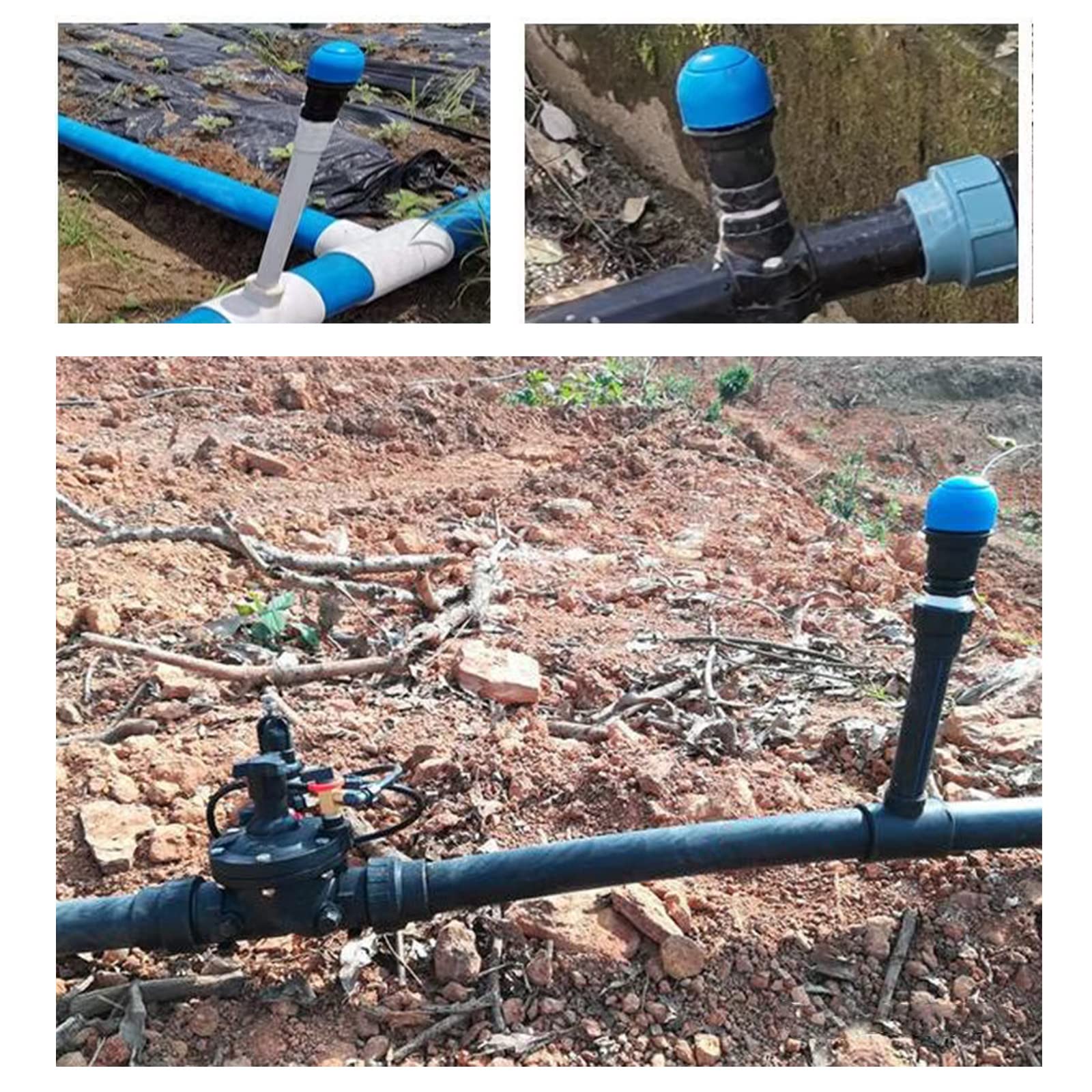
A stock image related to air release valve irrigation system.
3 Common User Pain Points for ‘air release valve irrigation system’ & Their Solutions
Scenario 1: Difficulty Managing Air Accumulation in Irrigation Systems
The Problem:
B2B buyers often encounter challenges with air accumulation in irrigation systems, particularly in regions with varied terrain. When water is not flowing, air can become trapped at high points in the system, leading to air pockets. These pockets can cause inefficiencies such as uneven water distribution and potential damage to system components. In severe cases, air can lead to water hammer—a sudden surge of water that can compromise pipes and fittings, ultimately resulting in costly repairs and downtime.
The Solution:
To effectively manage air accumulation, it is crucial to install air release valves strategically at high points in the irrigation system. These valves allow trapped air to escape as the system fills, preventing air pockets from forming. Buyers should consider selecting automatic air release valves that activate without manual intervention, ensuring continuous operation. Additionally, it is essential to conduct a thorough site survey before installation to identify potential high points and plan valve placement accordingly. This proactive approach will enhance system efficiency and longevity, reducing the risk of damage and operational disruptions.
Scenario 2: Vacuum Conditions Leading to System Failure
The Problem:
Vacuum conditions can pose a significant threat to the integrity of irrigation systems, particularly during system shutdowns. When water drains out, a vacuum can form, leading to soil being sucked back into the lines, which can clog emitters and disrupt water flow. This issue is particularly critical for B2B buyers managing large agricultural operations where every drop of water counts. The result is often increased maintenance costs and reduced yield due to insufficient watering.
The Solution:
Implementing vacuum relief valves is an essential countermeasure against these conditions. These valves allow air to enter the system as water drains, preventing the formation of a vacuum. Buyers should look for combination air/vacuum relief valves that perform dual functions—releasing air during system fill and allowing air to enter during shutdown. When specifying these valves, ensure they are compatible with the existing system pressure and pipe sizes. Regular maintenance checks on these valves will ensure they remain operational, thus safeguarding against vacuum-related failures.
Scenario 3: Inadequate Knowledge of Valve Specifications
The Problem:
Many B2B buyers lack the technical expertise required to select the appropriate air release valves for their specific irrigation systems. This lack of knowledge can lead to purchasing valves that are either over-engineered or underperforming for the intended application. The consequences include inefficient operation, increased energy costs, and potential system failures, which can be particularly detrimental in competitive markets where efficiency is key.
The Solution:
To overcome this knowledge gap, buyers should engage with reputable suppliers who offer technical support and guidance. It’s beneficial to request detailed product specifications and compatibility assessments tailored to the unique demands of your irrigation system. Additionally, participating in training workshops or webinars focused on irrigation systems and air management can provide valuable insights into the proper selection and application of air release valves. Creating a detailed checklist that includes factors such as pressure ratings, materials, and valve size will streamline the selection process and ensure that the chosen valves meet both current and future operational needs.
Strategic Material Selection Guide for air release valve irrigation system
What Are the Common Materials Used in Air Release Valves for Irrigation Systems?
Selecting the right material for air release valves in irrigation systems is crucial for ensuring optimal performance and longevity. Various materials offer distinct properties that can significantly impact the efficiency and reliability of the system. Below, we analyze four common materials used in air release valves: cast aluminum, plastic, brass, and stainless steel.
How Does Cast Aluminum Perform in Air Release Valves?
Cast aluminum is a popular choice due to its lightweight nature and excellent corrosion resistance. It can withstand moderate pressure and temperature variations, making it suitable for various irrigation applications. The key advantage of cast aluminum is its durability, which ensures a long service life even in harsh environments.
Prós: Lightweight, corrosion-resistant, and cost-effective.
Contras: Limited pressure rating compared to metals like brass or stainless steel, which may restrict its use in high-pressure systems.
For international buyers, especially in regions like Africa and the Middle East, cast aluminum valves must comply with local standards such as ASTM. Buyers should ensure that the valves are designed to handle local climatic conditions, including temperature extremes.
What Are the Benefits of Plastic in Air Release Valves?
Plastic materials, such as PVC and polypropylene, are commonly used in air release valves due to their excellent chemical resistance and low cost. They are lightweight and easy to install, making them suitable for various irrigation applications, particularly in low-pressure systems.
Prós: Cost-effective, lightweight, and resistant to corrosion and chemicals.
Contras: Lower temperature and pressure ratings compared to metals, which may limit their application in high-stress environments.
International buyers should consider the specific chemical compatibility of plastic materials with the water and fertilizers used in their irrigation systems. Compliance with standards such as DIN or JIS is also essential to ensure product quality.
Why Choose Brass for Air Release Valves?
Brass is known for its strength and durability, making it an excellent choice for air release valves in high-pressure irrigation systems. It has a high resistance to corrosion and can handle a wide range of temperatures, ensuring reliable performance.
Prós: High strength, excellent corrosion resistance, and suitable for high-pressure applications.
Contras: Higher cost compared to plastic and aluminum, and it may require more complex manufacturing processes.
For B2B buyers in Europe, particularly in Germany, adherence to European standards for brass components is crucial. Buyers should ensure that the brass used is lead-free to comply with health regulations.
How Does Stainless Steel Compare in Air Release Valves?
Stainless steel is the premium choice for air release valves due to its exceptional strength, corrosion resistance, and longevity. It can withstand extreme temperatures and pressures, making it ideal for demanding irrigation applications.
Prós: Exceptional durability, high-temperature and pressure ratings, and corrosion resistance.
Contras: Higher cost and weight compared to other materials, which may affect installation and shipping.
International buyers, especially in regions with stringent regulations, should ensure that stainless steel valves comply with relevant standards, such as ASTM or ISO. Additionally, the choice of stainless steel grade can impact performance, so understanding local preferences is essential.
Summary of Material Selection for Air Release Valves
| Material | Typical Use Case for air release valve irrigation system | Key Advantage | Key Disadvantage/Limitation | Relative Cost (Low/Med/High) |
|---|---|---|---|---|
| Cast Aluminum | General irrigation systems with moderate pressure | Lightweight and corrosion-resistant | Limited pressure rating | Medium |
| Plastic | Low-pressure irrigation applications | Cost-effective and easy to install | Lower temperature and pressure ratings | Low |
| Brass | High-pressure irrigation systems | High strength and excellent durability | Higher cost and complex manufacturing | Alta |
| Stainless Steel | Demanding irrigation applications | Exceptional durability and resistance | Higher cost and weight | Alta |
This material selection guide offers valuable insights for international B2B buyers, helping them make informed decisions that align with their specific irrigation needs and local standards.
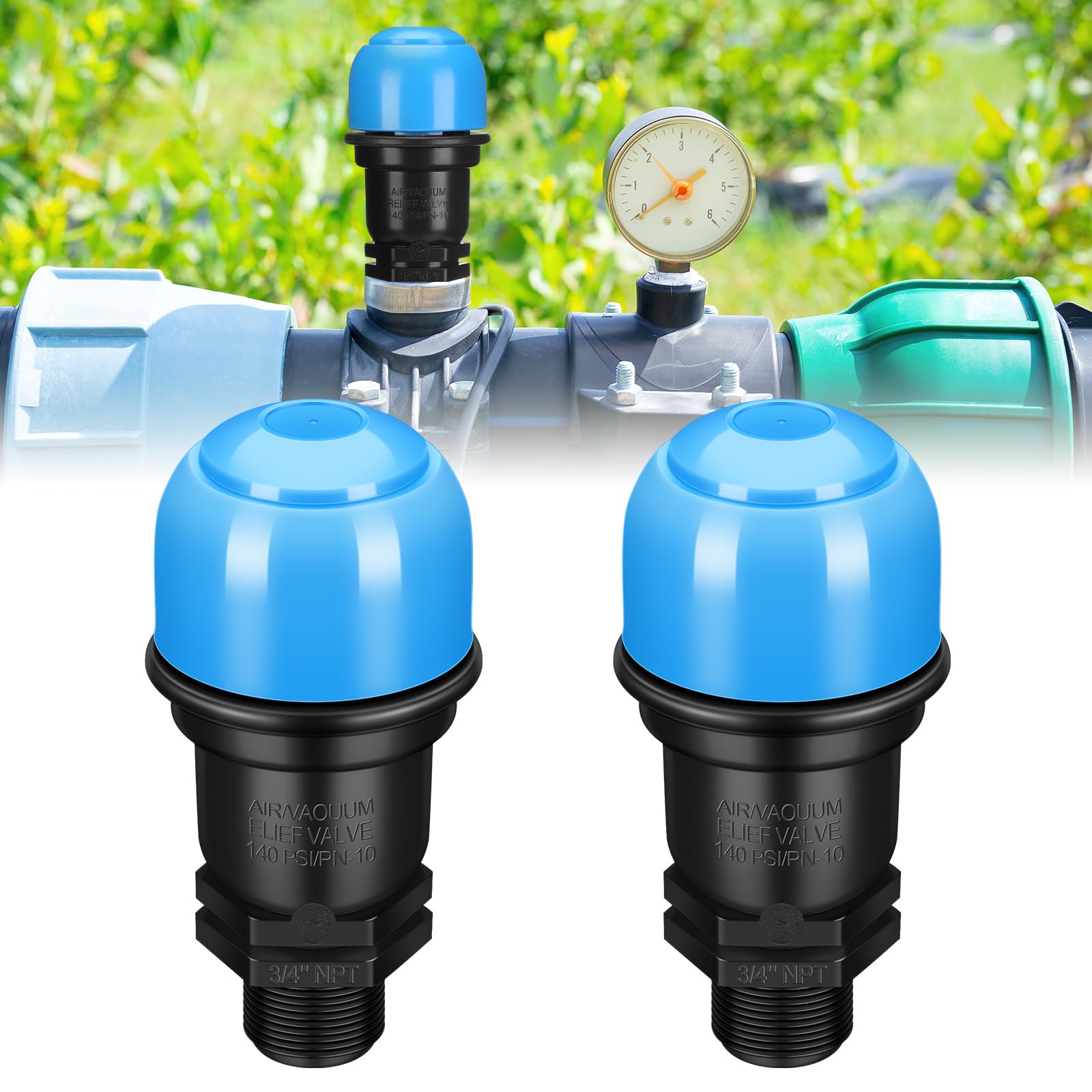
A stock image related to air release valve irrigation system.
In-depth Look: Manufacturing Processes and Quality Assurance for air release valve irrigation system
What are the Main Stages of Manufacturing Air Release Valves for Irrigation Systems?
The manufacturing process of air release valves for irrigation systems involves several critical stages to ensure that each component meets stringent performance and durability standards.
Material Preparation
The first stage in manufacturing air release valves is material selection and preparation. Common materials include cast aluminum and high-grade synthetic rubber, chosen for their strength, corrosion resistance, and reliability under varying environmental conditions. The selected materials undergo a series of tests to confirm their chemical and physical properties, ensuring they can withstand the rigors of irrigation applications. This stage may involve cutting, shaping, and treating the materials to achieve the desired specifications.
Forming Techniques
Once the materials are prepared, the forming process begins. This typically involves casting or machining techniques, depending on the valve design. For example, cast aluminum valves are produced using sand casting or die casting processes, where molten metal is poured into a mold to create the valve body. Alternatively, machining processes such as CNC milling may be used for precision components, ensuring tight tolerances are met. This step is crucial for achieving the precise dimensions necessary for proper valve function and compatibility with irrigation systems.
Assembly of Components
After forming, the next stage is assembly. This involves integrating various components such as the valve body, seals, and other internal mechanisms. Each component must be accurately aligned and securely fastened to prevent leaks and ensure reliable operation. Automated assembly lines are often employed to enhance efficiency and precision, but manual assembly may also be used for more complex valve designs. During this phase, manufacturers may also conduct preliminary testing to verify that the components fit and function correctly before moving on to the finishing stage.
Finishing Processes
The final manufacturing stage includes finishing processes that enhance the valve’s performance and longevity. These processes may involve surface treatments, such as anodizing for aluminum components to improve corrosion resistance, or applying protective coatings to prevent wear and tear. Additionally, final inspections are conducted to ensure that the valves meet all technical specifications and aesthetic standards. This stage is critical as it directly impacts the valve’s performance in real-world irrigation applications.
What Quality Assurance Practices are Essential for Air Release Valve Manufacturing?
Quality assurance (QA) is a vital component in the manufacturing process of air release valves, ensuring that products meet international standards and customer expectations.
Which International Standards Apply to Air Release Valve Manufacturing?
Manufacturers of air release valves often adhere to several international quality standards, including ISO 9001, which outlines the requirements for a quality management system. Compliance with ISO standards demonstrates a commitment to quality and continuous improvement. Additionally, industry-specific certifications such as CE marking for products sold in the European market and API standards for valves in oil and gas applications are also critical. These certifications assure buyers that the products meet specific safety, health, and environmental protection standards.
What are the Key Quality Control Checkpoints?
The quality control process typically involves multiple checkpoints throughout the manufacturing stages:
Incoming Quality Control (IQC): This initial phase checks raw materials and components upon arrival to ensure they meet predefined specifications.
In-Process Quality Control (IPQC): Continuous monitoring during the manufacturing process helps identify defects early on. This includes dimensional checks, assembly verification, and functional testing of components.
Final Quality Control (FQC): Once manufacturing is complete, a comprehensive inspection is conducted. This includes testing for leaks, pressure tolerance, and functional operation under simulated conditions.
These checkpoints are essential for maintaining product integrity and performance.
How Can B2B Buyers Verify Supplier Quality Control?
B2B buyers seeking to ensure quality in their supply chain can adopt several strategies:
Supplier Audits: Conducting on-site audits of potential suppliers can provide insights into their manufacturing processes, quality control measures, and compliance with international standards.
Review of Quality Reports: Requesting documentation such as quality assurance reports, test results, and certification copies can help verify a supplier’s commitment to quality.
Third-Party Inspections: Engaging third-party inspection services can offer an impartial assessment of the manufacturing process and final product quality. This is particularly important for international buyers who may be dealing with suppliers in different regulatory environments.
What are the QC and Certification Nuances for International Buyers?
International buyers, especially from regions like Africa, South America, the Middle East, and Europe, should be aware of specific nuances when it comes to quality control and certification.
Local Regulations: Each region may have unique regulations that affect product standards and certifications. Understanding these local requirements is crucial for compliance and market entry.
Cultural Differences in Quality Expectations: Quality perceptions can vary by region. Buyers must communicate clearly with suppliers about their quality expectations and requirements to avoid misunderstandings.
Logistics and Transportation Considerations: The quality of products can be affected during transportation. Buyers should ensure that suppliers use appropriate packaging and handling methods to protect valves from damage during shipment.
By being proactive in understanding manufacturing processes and quality assurance practices, B2B buyers can make informed decisions when sourcing air release valves for irrigation systems, ensuring they receive reliable, high-quality products that meet their operational needs.
Practical Sourcing Guide: A Step-by-Step Checklist for ‘air release valve irrigation system’
This guide serves as a practical checklist for B2B buyers focused on sourcing air release valve irrigation systems. Proper selection and procurement are vital for ensuring the efficiency and longevity of irrigation systems, particularly in regions prone to air-related issues that can compromise system performance.
Step 1: Define Your Technical Specifications
Before you start sourcing, it’s essential to have a clear understanding of the technical requirements for your irrigation system. Determine the size, material (such as aluminum or plastic), and type of air release valves needed based on your specific application.
– Considerations: Evaluate the pressure ratings, flow capacity, and compatibility with existing infrastructure. This will help narrow down potential suppliers who can meet your needs.
Step 2: Research Supplier Credentials
Conduct thorough research on potential suppliers to ensure they have the necessary qualifications and experience in manufacturing air release valves.
– What to look for: Verify certifications such as ISO or local quality standards, and check for industry-specific experience. A supplier with a solid reputation in your geographical region will likely understand local market conditions and regulations.
Step 3: Evaluate Potential Suppliers
Before committing, it’s crucial to vet suppliers thoroughly. Request company profiles, case studies, and references from buyers in a similar industry or region.
– Why it matters: Understanding a supplier’s track record can provide insights into their reliability and product quality. Don’t just rely on their website—engage with their previous clients to gain genuine feedback.
Step 4: Request Samples and Specifications
Once you have shortlisted potential suppliers, request product samples and detailed specifications.
– Importance of samples: Testing samples will allow you to assess quality and compatibility with your system. Ensure that the specifications align with your defined technical requirements to avoid issues post-purchase.
Step 5: Compare Pricing and Terms
Collect quotes from multiple suppliers and compare pricing structures, but don’t focus solely on cost.
– Considerations: Look for transparency in pricing, terms of payment, and shipping costs. Evaluate the overall value, including warranty and after-sales support, as these can significantly impact long-term costs.
Step 6: Confirm Availability and Lead Times
Before finalizing your order, confirm product availability and lead times for delivery.
– Why this is critical: Delays in receiving air release valves can disrupt project timelines, especially in agricultural sectors where timing is crucial. Ensure that the supplier can meet your deadlines to avoid operational hiccups.
Step 7: Negotiate Contracts and Terms
Once you have selected a supplier, negotiate contracts that clearly outline the terms of sale, delivery schedules, and warranty details.
– Importance of clear contracts: A well-defined contract can help prevent misunderstandings and protect your interests. Ensure that both parties agree on quality standards and recourse in case of discrepancies.
By following these steps, B2B buyers can make informed decisions when sourcing air release valve irrigation systems, ensuring they choose the right products and suppliers for their specific needs.
Comprehensive Cost and Pricing Analysis for air release valve irrigation system Sourcing
What Are the Key Cost Components in Sourcing Air Release Valves for Irrigation Systems?
When sourcing air release valves for irrigation systems, understanding the cost structure is essential for effective budgeting and negotiation. The primary cost components include materials, labor, manufacturing overhead, tooling, quality control (QC), logistics, and profit margins.
Materiais: The type of materials used significantly influences the cost. Common materials include plastic, aluminum, and brass, each offering different durability and corrosion resistance. For instance, aluminum valves, known for their lightweight and corrosion-resistant properties, tend to be more expensive than plastic options but offer better longevity.
Labor: Labor costs can vary based on the region of production. Manufacturing in countries with lower labor costs may offer cheaper valves, but it’s crucial to consider the potential trade-off in quality.
Manufacturing Overhead: This includes costs related to factory operations, utilities, and management. Efficient production processes can help minimize these costs, impacting the final pricing of the valves.
Tooling: The initial costs for molds and tooling for valve production can be significant, especially for customized designs. These costs are often amortized over the production volume, making it important to consider order quantities.
Quality Control: Investing in robust QC processes ensures that the valves meet performance standards, thereby reducing the risk of failures that can lead to costly repairs. However, this can also add to the overall cost.
Logistics: Transportation and shipping costs are critical, especially for international buyers. Factors such as distance, shipping method, and customs duties can significantly affect the total cost.
Margin: Suppliers will typically add a margin that reflects their business model, market positioning, and the competitive landscape. Understanding this can help in negotiations.
What Price Influencers Should Buyers Consider When Sourcing Air Release Valves?
Various factors can influence pricing beyond the direct cost components.
Volume and Minimum Order Quantity (MOQ): Larger order volumes often lead to lower unit prices due to economies of scale. Buyers should negotiate MOQ terms to optimize their purchasing costs.
Specifications and Customization: Customized valves with specific dimensions or features can significantly increase costs. Buyers should assess whether standard options meet their needs before opting for custom solutions.
Materials and Quality Certifications: The choice of materials and the presence of quality certifications (such as ISO or CE marks) can impact pricing. Higher quality materials and certifications typically command higher prices but can lead to long-term cost savings through improved performance and reduced maintenance.
Supplier Factors: Supplier reputation, reliability, and support services can also affect pricing. Established suppliers may charge a premium for their brand and assurance of quality.
Incoterms: Understanding Incoterms is vital for international transactions. They define the responsibilities of buyers and sellers regarding shipping costs, risk, and insurance, which can significantly influence the total cost of ownership.
What Are the Best Practices for Negotiating Costs and Ensuring Cost-Efficiency?
Conduct Thorough Market Research: Understanding the market landscape can provide leverage in negotiations. Identify multiple suppliers and compare their offerings and pricing structures.
Evaluate Total Cost of Ownership (TCO): Beyond the initial purchase price, consider the long-term costs associated with installation, maintenance, and potential failures. This holistic view can guide purchasing decisions.
Negotiate Terms: Always negotiate for better pricing, payment terms, and shipping conditions. Leverage larger order volumes to secure discounts and favorable terms.
Consider Local Suppliers: For buyers in regions like Africa and South America, sourcing from local suppliers may reduce logistics costs and lead times, providing a competitive edge.
Stay Informed on Pricing Trends: Keep abreast of fluctuations in raw material prices, currency exchange rates, and global market trends, as these can impact pricing.
Conclusão
Understanding the cost structure and pricing influencers for air release valves is crucial for international B2B buyers. By focusing on key cost components, evaluating price influencers, and employing effective negotiation strategies, businesses can make informed sourcing decisions that enhance their irrigation systems’ efficiency and reliability. Always remember that indicative prices may vary based on market conditions, supplier capabilities, and specific buyer requirements.
Alternatives Analysis: Comparing air release valve irrigation system With Other Solutions
Exploring Alternatives to Air Release Valve Irrigation Systems
In the realm of irrigation technology, selecting the right system is critical for optimizing water management and ensuring the longevity of infrastructure. While air release valve irrigation systems are effective in managing air and vacuum conditions in pipelines, several alternative solutions exist that may better suit specific operational needs and budgets. This section explores these alternatives, comparing their performance, cost, ease of implementation, maintenance requirements, and ideal use cases.
| Comparison Aspect | Air Release Valve Irrigation System | Gravity Drainage System | Pressure Relief Valves |
|---|---|---|---|
| Performance | Excellent air and vacuum control; prevents water hammer and system damage. | Effective for draining water; relies on gravity, which may not be suitable for all terrains. | Controls pressure fluctuations; does not manage air accumulation directly. |
| Custo | Moderate initial investment with long-term savings on maintenance. | Low initial cost; ongoing costs for land and potential erosion control. | Moderate initial cost; may require additional components for optimal performance. |
| Ease of Implementation | Requires strategic placement; installation can be complex based on system design. | Simple installation; dependent on terrain and slope. | Relatively easy to install; requires proper sizing and placement. |
| Manutenção | Requires periodic checks to ensure functionality; low maintenance once installed. | Minimal maintenance; regular checks for erosion and sedimentation needed. | Regular maintenance needed to ensure pressure settings are optimal. |
| Best Use Case | Ideal for pressurized systems with varying elevation; prevents damage from trapped air. | Best for areas with natural slopes; suitable for agricultural lands without pressurization. | Suitable for systems prone to pressure surges; complements other irrigation methods. |
What Are the Advantages and Disadvantages of Gravity Drainage Systems?
Gravity drainage systems are an alternative that utilizes the natural slope of the land to manage water flow. The primary advantage of this method is its low initial cost and simplicity of installation, making it appealing for regions with appropriate terrain. However, its effectiveness is limited by the topography, as it cannot be effectively used in flat areas or those with insufficient drainage slopes. Additionally, while gravity systems require minimal maintenance, they can lead to erosion and sedimentation issues if not managed properly.
How Do Pressure Relief Valves Compare to Air Release Valve Systems?
Pressure relief valves are designed to manage pressure fluctuations within irrigation systems, ensuring that pressure does not exceed safe levels. They are relatively easy to install and can be integrated into existing systems with moderate costs. However, unlike air release valves, they do not address air accumulation, which can still pose a risk in pressurized systems. This limitation means that while pressure relief valves are beneficial for systems prone to pressure surges, they should be used in conjunction with air management solutions for optimal performance.
Making the Right Choice for Your Irrigation Needs
Selecting the appropriate irrigation solution requires a thorough understanding of your operational requirements, including terrain, water source, and the specific challenges you face. For B2B buyers, it is essential to weigh the benefits and drawbacks of each option against their unique situation. An air release valve irrigation system may be the best choice for pressurized systems where air management is critical, while gravity drainage systems might suit cost-sensitive projects in suitable terrains. Pressure relief valves can also play a supportive role in managing pressure, but they should not replace air release systems in applications where air management is vital. By carefully analyzing these factors, buyers can make informed decisions that enhance the efficiency and longevity of their irrigation systems.
Essential Technical Properties and Trade Terminology for air release valve irrigation system
What Are the Key Technical Properties of Air Release Valve Irrigation Systems?
When selecting air release valves for irrigation systems, understanding their technical specifications is crucial for ensuring reliability and efficiency. Here are some essential properties to consider:
Material Grade
Air release valves are typically constructed from materials like cast aluminum or high-grade plastic. The choice of material affects durability, corrosion resistance, and overall performance. For instance, aluminum valves offer lightweight strength and resistance to environmental elements, making them ideal for various climates, particularly in regions prone to high humidity or corrosive conditions.Classificação de pressão
This specification indicates the maximum pressure the valve can withstand without failure. It is vital for ensuring that the valve operates safely within the system’s pressure range. High-pressure systems, common in commercial agriculture, require valves with higher ratings to prevent leaks or ruptures, which could lead to costly downtime or equipment failure.Flow Capacity
Measured in gallons per minute (GPM) or liters per second (L/s), flow capacity determines how much air or water can pass through the valve. Selecting a valve with the appropriate flow capacity is essential to avoid bottlenecks in the system, which can lead to inefficient irrigation and increased operational costs. High-capacity valves are particularly beneficial in larger irrigation networks.Seal Type
The type of seal used in the valve, often made from synthetic rubber, plays a crucial role in preventing leaks and ensuring proper operation under varying pressure conditions. A well-designed seal provides a positive closure even in low head applications, enhancing the valve’s reliability. A high-quality seal reduces maintenance requirements and extends the lifespan of the valve.Installation Orientation
Many air release valves can be installed in various orientations. This flexibility is essential for optimizing system design, particularly in uneven terrain. Proper orientation ensures effective air release during operation and prevents vacuum conditions that could damage irrigation components.Operating Temperature Range
The temperature tolerance of the valve material affects its performance in different climates. Valves must be able to withstand extremes to ensure consistent operation, particularly in regions with significant temperature fluctuations. This property is vital for maintaining system integrity and preventing premature wear.
What Trade Terminology Should B2B Buyers Know About Air Release Valves?
Familiarity with industry terminology can facilitate smoother transactions and negotiations. Here are some common terms relevant to air release valves:
OEM (Original Equipment Manufacturer)
This term refers to companies that produce parts and equipment that may be marketed by another manufacturer. Understanding OEM specifications is crucial for B2B buyers to ensure compatibility with existing systems and for maintaining warranty coverage.MOQ (Minimum Order Quantity)
MOQ indicates the smallest quantity of a product that a supplier is willing to sell. Knowing the MOQ helps buyers plan their purchases effectively, ensuring they meet supplier requirements while managing inventory levels.RFQ (Request for Quotation)
An RFQ is a formal document issued by a buyer to solicit price quotes from suppliers for specific products. For air release valves, issuing an RFQ allows buyers to compare pricing, terms, and conditions across multiple suppliers, ensuring they make informed purchasing decisions.Incoterms (International Commercial Terms)
These are internationally recognized terms that define the responsibilities of buyers and sellers in international transactions. Understanding Incoterms is essential for B2B transactions involving air release valves, as they dictate who is responsible for shipping, insurance, and tariffs, which can significantly affect overall costs.Lead Time
This term refers to the time taken from placing an order until the product is delivered. Understanding lead times is critical for effective project planning, particularly in agriculture where timing can impact crop yields.Warranty Period
The warranty period is the duration during which a product is guaranteed against defects. This term is vital for assessing the long-term reliability and support available for air release valves, influencing overall purchasing decisions.
By grasping these technical properties and trade terms, B2B buyers can make more informed decisions when sourcing air release valves for irrigation systems, ensuring they select the best products for their operational needs.
Navigating Market Dynamics and Sourcing Trends in the air release valve irrigation system Sector
What Are the Key Drivers Shaping the Air Release Valve Irrigation System Market?
The air release valve irrigation system market is currently experiencing a paradigm shift influenced by several global drivers. Growing water scarcity, particularly in arid regions of Africa and the Middle East, is pushing agricultural stakeholders to invest in efficient irrigation technologies. Additionally, increasing agricultural productivity demands, coupled with a rise in sustainable farming practices, are driving the adoption of advanced irrigation systems. Furthermore, the integration of IoT and smart farming technologies is enabling real-time monitoring and management of irrigation systems, thereby improving operational efficiency.
Emerging trends include a shift towards automated air release valves that enhance operational efficiency and reduce manual intervention. International buyers are increasingly seeking products that offer durability and corrosion resistance, especially in regions with harsh environmental conditions. The growing focus on cost-effective solutions is also influencing purchasing decisions, with buyers looking for high-performance valves that minimize maintenance costs over time.
Market dynamics reveal a competitive landscape where suppliers from Europe and North America dominate, yet manufacturers in South America and Asia are rapidly evolving. B2B buyers are advised to evaluate suppliers based on innovation, product quality, and responsiveness to market needs, ensuring that their investments yield long-term benefits.
How Are Sustainability and Ethical Sourcing Impacting the Air Release Valve Market?
As environmental concerns become more pressing, sustainability is taking center stage in the air release valve irrigation system sector. The use of eco-friendly materials and manufacturing processes is increasingly prioritized, reflecting a broader shift towards sustainable agriculture. B2B buyers are now more discerning, favoring suppliers who demonstrate a commitment to reducing their carbon footprint and utilizing recyclable materials in their products.
Ethical sourcing is also gaining traction, with buyers seeking transparency in the supply chain. This includes understanding the origins of materials used in manufacturing air release valves and ensuring compliance with international labor standards. Certifications such as ISO 14001 (Environmental Management) and ISO 9001 (Quality Management) are becoming crucial benchmarks for evaluating suppliers.
Additionally, the emphasis on ‘green’ certifications is reshaping procurement strategies. Buyers are encouraged to consider suppliers that have adopted sustainable practices, such as using recycled aluminum or plastics in valve production. This not only contributes to environmental conservation but also enhances the brand reputation of buyers committed to sustainability.
How Has the Air Release Valve Industry Evolved Over Time?
The evolution of the air release valve irrigation system dates back to the early advancements in irrigation technology. Initially, simple manual valves were utilized to manage air and vacuum conditions within irrigation systems. However, as agricultural practices evolved and the demand for efficiency increased, the industry witnessed significant innovations.
The introduction of automatic air release valves marked a turning point, allowing for more efficient air expulsion and reducing the risk of water hammer and system damage. Over the years, technological advancements have led to the development of durable materials, such as corrosion-resistant aluminum and high-grade plastics, enhancing the longevity and reliability of these systems.
Today, the market is characterized by a blend of traditional practices and modern technologies, with a strong emphasis on sustainability and efficiency. As the industry continues to evolve, B2B buyers are encouraged to stay informed about the latest innovations and trends to make informed sourcing decisions that align with their operational goals and sustainability commitments.
Frequently Asked Questions (FAQs) for B2B Buyers of air release valve irrigation system
How do I solve air lock issues in my irrigation system?
Air lock occurs when air pockets form in the pipeline, impeding water flow and causing pressure fluctuations. To resolve this, install air release or vacuum relief valves at high points in your system. These valves allow trapped air to escape during operation and prevent vacuum conditions during shutdowns. Ensure proper placement and regular maintenance of these valves to mitigate air lock problems and enhance system efficiency.What is the best air release valve for a low-pressure irrigation system?
For low-pressure irrigation systems, continuous acting air release valves are ideal. These valves automatically release accumulated air during operation while preventing vacuum formation during shutdowns. Look for models with synthetic rubber seals for reliable performance at lower heads. Brands like Toro and Grow Irrigation offer reliable options tailored for low-pressure applications, ensuring longevity and efficiency in your irrigation setup.How can I vet international suppliers for air release valves?
When vetting international suppliers, prioritize those with a proven track record in the irrigation industry. Check their certifications, customer reviews, and product warranties. Request samples to evaluate product quality and compliance with your specifications. Additionally, assess their responsiveness and communication style, as these factors are crucial for smooth transactions and support throughout the purchasing process.What customization options are available for air release valves?
Many suppliers offer customization options for air release valves, including size, material, and pressure ratings. You can request specific features like corrosion-resistant coatings or unique inlet configurations to suit your irrigation system. Discuss your requirements with potential suppliers to explore available options and ensure the final product meets your operational needs and environmental conditions.What are the minimum order quantities (MOQ) for air release valves?
Minimum order quantities for air release valves can vary by supplier, typically ranging from 10 to 100 units. Larger suppliers may offer more flexibility with smaller orders, especially for established customers. Always inquire about MOQs during your initial discussions to ensure they align with your project requirements and budget, allowing for effective inventory management.What payment terms should I expect when sourcing air release valves internationally?
Payment terms can vary significantly depending on the supplier and your negotiation. Common options include upfront payments, letters of credit, or payment upon delivery. It’s advisable to establish clear terms during negotiations, including currencies accepted and any financing options available. Ensure that payment terms align with your cash flow needs while maintaining supplier trust and commitment.How can I ensure quality assurance for my air release valves?
To ensure quality assurance, request certifications such as ISO or equivalent from your suppliers. Inquire about their quality control processes, including inspections and testing protocols during production. If possible, conduct factory visits or hire third-party inspectors to verify compliance with your specifications. Establishing a comprehensive quality assurance plan will mitigate risks and ensure reliable product performance.What logistics considerations should I keep in mind when importing air release valves?
When importing air release valves, consider factors such as shipping methods, lead times, and customs regulations in your country. Choose reliable freight forwarders who specialize in your region to facilitate smooth transit. Ensure that all necessary documentation, including commercial invoices and packing lists, is in order to avoid delays at customs. Additionally, factor in potential tariffs and duties to accurately calculate total costs.
Important Disclaimer & Terms of Use
⚠️ Important Disclaimer
The information provided in this guide, including content regarding manufacturers, technical specifications, and market analysis, is for informational and educational purposes only. It does not constitute professional procurement advice, financial advice, or legal advice.
While we have made every effort to ensure the accuracy and timeliness of the information, we are not responsible for any errors, omissions, or outdated information. Market conditions, company details, and technical standards are subject to change.
B2B buyers must conduct their own independent and thorough due diligence before making any purchasing decisions. This includes contacting suppliers directly, verifying certifications, requesting samples, and seeking professional consultation. The risk of relying on any information in this guide is borne solely by the reader.
Top 9 Air Release Valve Irrigation System Manufacturers & Suppliers List
1. Grow Irrigation – Economy Air/Vacuum Relief Valve, 3/4
Domain: growirrigation.com
Registered: 2019 (6 years)
Introduction: [{‘name’: ‘Economy Air/Vacuum Relief Valve, 3/4″‘, ‘price’: ‘$11.90’, ‘model’: ‘B5-VBK75’, ‘stock’: ’15’}, {‘name’: ‘Air/Vacuum Relief Valve, 2″‘, ‘price’: ‘$76.00’, ‘model’: ‘B5-SSE2’, ‘stock’: ‘1’}, {‘name’: ‘Continuous Air/Vacuum Relief Valve, 2″‘, ‘price’: ‘$139.80’, ‘model’: ‘B5-SDE2’, ‘stock’: ‘0’}]
2. Rain Bird – XFS-CV Dripline
Domain: rainbird.com
Registered: 1995 (30 years)
Introduction: Rain Bird® XFS-CV dripline eliminates the need for air relief valves and valve boxes. Benefits of air relief valves include: releasing air to eliminate air pockets, allowing air into the zone to prevent back-siphoning, and minimizing water hammer effects. One air relief valve per irrigation valve is typically sufficient, but multiple valves can improve efficiency. The XFS-CV dripline can handle el…
3. Irrigation King – Aluminum Air Vents
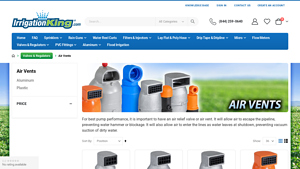
Domain: irrigationking.com
Registered: 2016 (9 years)
Introduction: Product Types: 1″ Aluminum Air Vent (RKARV-100) – $11.52, 1-1/2″ Aluminum Air Vent (RKARV-150) – $20.27, 2″ Aluminum Air Vent (RKARV-200) – was $48.70, special price $29.88, 2″ Aluminum Air Vent Epoxy Orange (RKARVO-200) – was $49.60, special price $30.43, 3″ Aluminum Air Vent (RKARV-300) – was $95.58, special price $53.94, 4″ Aluminum Air Vent (RKARV-400) – was $272.17, special price $122.14, 2″ …
4. Val Plastics – 1 Continuous Air Vacuum Relief Valve
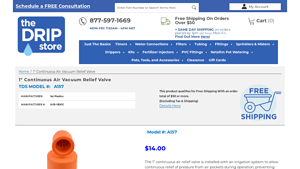
Domain: dripirrigation.com
Registered: 1997 (28 years)
Introduction: {“Product Name”: “1” Continuous Air Vacuum Relief Valve”, “Model Number”: “A157”, “Manufacturer”: “Val Plastics”, “SKU”: “AVR-VBK1C”, “Price”: “$14.00”, “Free Shipping”: “Yes, on orders over $50”, “Description”: “The 1” continuous air relief valve is installed with an irrigation system to allow continuous relief of pressure from air pockets during operation, preventing pipes and fittings from crac…
5. Toro – ARV-1-K
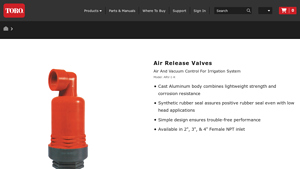
Domain: toro.com
Registered: 1994 (31 years)
Introduction: {“Model”:”ARV-1-K”,”Material”:”Cast Aluminum”,”Features”:[“Lightweight strength”,”Corrosion resistance”,”Synthetic rubber seal for positive sealing even with low head applications”,”Simple design for trouble-free performance”],”Inlet Sizes”:[“2 inch Female NPT”,”3 inch Female NPT”,”4 inch Female NPT”],”Function”:”Air and vacuum control for drip irrigation systems to prevent water hammer, air pocke…
6. Drip Depot – Air Vent Vacuum Relief Valves
Domain: help.dripdepot.com
Registered: 2005 (20 years)
Introduction: Air Vent Vacuum Relief Valves are essential components in irrigation systems to manage air and vacuum conditions. Key types include: 1. Automatic (Continuous) Air Release Valves – release small amounts of air continuously but may not prevent vacuum formation. 2. Air Release/Vacuum Relief Valves – discharge large volumes of air during filling and allow air intake during draining, but cannot release…
7. A.R.I. – Air Release Valve
Domain: irrigationglobal.com
Registered: 2009 (16 years)
Introduction: This company, A.R.I. – Air Release Valve, is a notable entity in the market. For specific product details, it is recommended to visit their website directly.
8. Air Valves – Essential for Drip Irrigation

Domain: reddit.com
Registered: 2005 (20 years)
Introduction: Air valves for drip irrigation systems are used to manage air pockets and prevent issues like water hammer. Their necessity depends on the system’s flow rate; systems below 10 GPM may not require them, as air can escape through high point emitters. The use of air valves is more common in larger systems or when encountering air-related problems.
9. Bermad – Air Release Valve
Domain: bermad.com.au
Introduction: Air Release Valve for irrigation pipelines; essential for maximizing flow and protecting against vacuum during drainage; requires isolation valve installation (recommended full port ball or gate valves for up to 50mm); must be installed vertically (within 5 degrees); connection methods include welding, tapping saddles, or installing tees; fitting a collection chamber is recommended for optimal air…
Strategic Sourcing Conclusion and Outlook for air release valve irrigation system
In the rapidly evolving landscape of irrigation systems, the strategic sourcing of air release valves is crucial for enhancing operational efficiency and system longevity. B2B buyers must recognize the importance of integrating high-quality air/vacuum relief valves, which prevent costly damages from air pockets and vacuum conditions that can disrupt water flow and lead to expensive repairs. By prioritizing reliable suppliers that offer durable, corrosion-resistant products tailored to diverse climates—especially in regions like Africa, South America, the Middle East, and Europe—buyers can ensure their irrigation systems function optimally.
Moreover, with varying irrigation needs across different geographies, it is essential to evaluate valve types, such as automatic and combination valves, based on specific agricultural practices and environmental conditions. Leveraging strategic sourcing not only mitigates risks but also fosters sustainable practices in water management.
As the demand for efficient irrigation solutions continues to grow, now is the time for international buyers to invest in advanced air release valve technologies. By doing so, they will not only enhance their operational capabilities but also contribute to the global movement towards more sustainable agriculture. Engage with trusted suppliers today to secure the best solutions for your irrigation needs.
 Portuguese (Brazil)
  English (United States)
  Spanish (Spain)
  Portuguese (Portugal)
  French
  German
  Italian
  Arabic
  Dutch
Dutch  English (UK)
  Bulgarian
  Chinese (China)
  Chinese (Hong Kong)
  Czech
Czech  Danish
  Greek
Greek  Finnish
  Spanish (Mexico)
  Estonian
  Hebrew
  Hungarian
  Indonesian
  Japanese
  Korean
  Latvian
  Lithuanian
  Norwegian
  Polish
  Romanian
  Russian
  Slovenian
  Slovak
  Swedish
  Turkish
  Ukrainian
  Vietnamese