
Introduction: Navigating the Global Market for irrigation motor and pump
In an era where agricultural efficiency is paramount, sourcing reliable irrigation motors and pumps has become a critical challenge for international B2B buyers. With the increasing demand for sustainable farming practices and the need to optimize water usage, understanding the global market dynamics for irrigation solutions is essential. This comprehensive guide delves into various types of irrigation motors and pumps, highlighting their applications across different agricultural settings.
From centrifugal pumps to booster systems, we explore the diverse functionalities that cater to specific irrigation needs, ensuring that you can select the right equipment for your projects. Additionally, the guide provides actionable insights into supplier vetting processes, cost considerations, and the latest technological advancements that influence purchasing decisions.
By equipping buyers from regions such as Africa, South America, the Middle East, and Europe—including key markets like Saudi Arabia and Germany—with the necessary knowledge, this resource empowers them to make informed choices. Whether you are looking to enhance crop yields or streamline operations, this guide serves as your roadmap to navigating the complexities of the irrigation motor and pump market, ultimately fostering better investment decisions and promoting agricultural sustainability.
Understanding irrigation motor and pump Types and Variations
| Type Name | Key Distinguishing Features | Primary B2B Applications | Brief Pros & Cons for Buyers |
|---|---|---|---|
| Centrifugal Pumps | High flow rates, efficient for large areas, typically self-priming | Large-scale agricultural irrigation | Prós: High efficiency, low maintenance. Contras: Not ideal for high-pressure applications. |
| Submersible Pumps | Designed to operate underwater, compact and durable | Deep well irrigation, drainage systems | Prós: Space-saving, effective in deep water. Contras: Installation can be complex. |
| Jet Pumps | Suction lift capability, suitable for shallow wells | Small to medium-scale irrigation | Prós: Cost-effective, easy to install. Contras: Limited to shallow applications. |
| Booster Pumps | Increases water pressure, often used in conjunction with other pumps | Urban and rural irrigation systems | Prós: Enhances system efficiency, versatile. Contras: Requires additional electrical considerations. |
| Solar-Powered Pumps | Utilizes solar energy, eco-friendly, reduces electricity costs | Remote or off-grid irrigation systems | Prós: Sustainable, low operating costs. Contras: Initial investment can be high. |
What Are the Characteristics of Centrifugal Pumps in Irrigation Systems?
Centrifugal pumps are widely used in irrigation due to their ability to handle large volumes of water efficiently. They are characterized by a rotating impeller that increases the water’s velocity, converting it into flow. These pumps are particularly suitable for large-scale agricultural applications, where they can cover vast areas with minimal energy consumption. When purchasing centrifugal pumps, buyers should consider flow rate, power requirements, and compatibility with existing irrigation infrastructure.
Why Choose Submersible Pumps for Deep Well Applications?
Submersible pumps are designed to be submerged in water, making them ideal for deep well irrigation. Their compact design and durable construction allow them to operate efficiently in challenging environments. These pumps are commonly used in both agricultural and drainage applications. B2B buyers should evaluate factors such as depth of water source, flow rate requirements, and ease of maintenance when selecting submersible pumps.
How Do Jet Pumps Function in Shallow Well Irrigation?
Jet pumps are a popular choice for shallow well applications due to their ability to lift water effectively. They operate by creating a vacuum that draws water into the pump, making them easy to install and maintain. Jet pumps are particularly suited for small to medium-scale irrigation systems. Buyers should assess the pump’s lift capacity, energy efficiency, and compatibility with existing systems to ensure optimal performance.
What Benefits Do Booster Pumps Offer for Irrigation Systems?
Booster pumps are essential for increasing water pressure in irrigation systems, especially in areas with low water pressure. They can be used in conjunction with other pump types to enhance overall system performance. These pumps are versatile and can be applied in both urban and rural settings. When considering booster pumps, buyers should focus on pressure requirements, energy consumption, and the potential need for additional electrical infrastructure.
Why Consider Solar-Powered Pumps for Sustainable Irrigation?
Solar-powered pumps provide an eco-friendly irrigation solution by harnessing solar energy, making them ideal for remote or off-grid applications. They significantly reduce electricity costs and reliance on traditional power sources. However, the initial investment can be higher than conventional pumps. B2B buyers should evaluate the solar pump’s energy output, compatibility with existing systems, and potential return on investment based on energy savings.
Key Industrial Applications of irrigation motor and pump
| Industry/Sector | Specific Application of irrigation motor and pump | Value/Benefit for the Business | Key Sourcing Considerations for this Application |
|---|---|---|---|
| Agricultura | Drip Irrigation Systems | Efficient water usage and increased crop yields | Durability, energy efficiency, and compatibility with local water sources |
| Horticulture | Greenhouse Irrigation Systems | Optimized plant growth and resource management | Customization for specific plant needs and local climate conditions |
| Landscaping and Turf Management | Lawn and Sports Field Irrigation | Enhanced aesthetic appeal and improved recreational areas | Flow rate, pressure requirements, and ease of installation |
| Municipal Water Management | Water Supply Boosting for Urban Irrigation | Reliable water supply for public green spaces | Compliance with local regulations and energy efficiency |
| Mining and Industrial | Dust Suppression and Site Irrigation | Improved safety and operational efficiency | Robustness under harsh conditions and maintenance support |
How is ‘Irrigation Motor and Pump’ Used in Agriculture?
In the agriculture sector, irrigation motors and pumps are integral to drip irrigation systems, which deliver water directly to the plant roots. This application enhances water efficiency, reducing waste and promoting higher crop yields. Buyers in this sector, especially in regions like Africa and South America, must consider the durability of the pumps, energy efficiency, and compatibility with local water sources to ensure sustainable operations.
What Role Do Irrigation Motors and Pumps Play in Horticulture?
For horticulture, irrigation motors and pumps facilitate greenhouse irrigation systems, ensuring optimal moisture levels for various plants. This precision leads to improved growth rates and resource management. International buyers, particularly from the Middle East and Europe, should focus on customization options that cater to specific plant needs and local climate conditions, as this can significantly affect their operations.
How Do Landscaping and Turf Management Benefit from Irrigation Solutions?
In landscaping and turf management, irrigation motors and pumps are essential for maintaining lawns and sports fields. These systems enhance aesthetic appeal and provide necessary moisture for recreational areas. When sourcing equipment, businesses should prioritize flow rate and pressure requirements to ensure effective coverage while considering ease of installation to minimize disruption during setup.
What is the Importance of Irrigation Motors and Pumps in Municipal Water Management?
Municipal water management utilizes irrigation motors and pumps for boosting water supply in urban irrigation systems. This application ensures a reliable water source for public green spaces, enhancing community aesthetics and recreational opportunities. Buyers must consider compliance with local regulations and energy efficiency to align with sustainability goals and operational budgets.
How Are Irrigation Motors and Pumps Used in Mining and Industrial Applications?
In the mining and industrial sectors, irrigation motors and pumps serve crucial functions such as dust suppression and site irrigation. These applications improve safety conditions and operational efficiency by controlling dust and maintaining site hygiene. Buyers in these sectors should look for robust systems capable of withstanding harsh environmental conditions, alongside reliable maintenance support to ensure continuous operation.
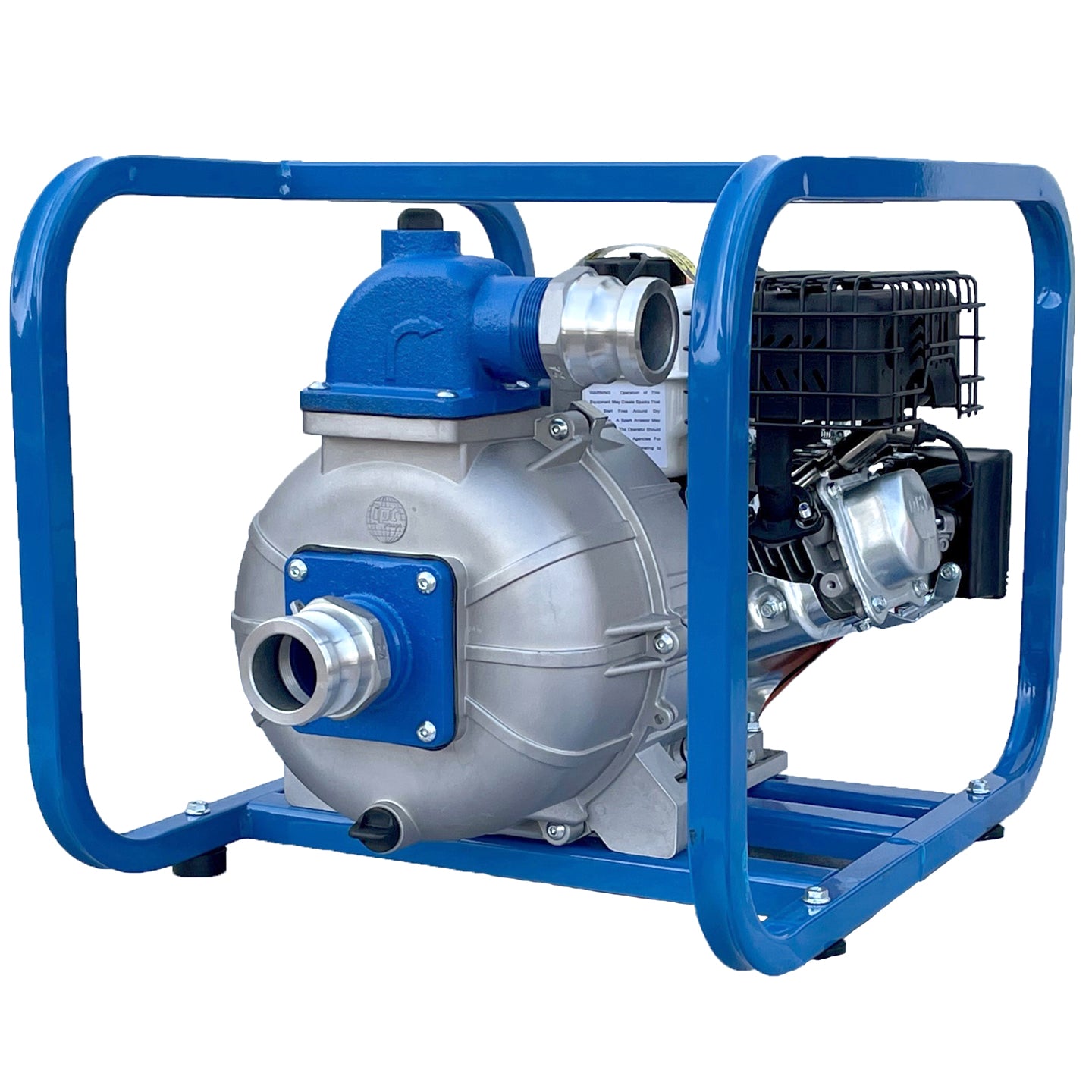
A stock image related to irrigation motor and pump.
3 Common User Pain Points for ‘irrigation motor and pump’ & Their Solutions
Scenario 1: Inconsistent Water Pressure Affecting Crop Health
The Problem: B2B buyers, particularly agricultural cooperatives and large farms, often face the challenge of inconsistent water pressure in their irrigation systems. This inconsistency can lead to uneven watering, which adversely affects crop health and yields. For instance, if the pressure is too low, it may not deliver sufficient water to certain areas of the field, leading to under-irrigation and crop stress. Conversely, high pressure can cause runoff and erosion, wasting valuable resources and damaging soil integrity.
The Solution: To address this issue, buyers should invest in water pressure booster pumps specifically designed for agricultural applications. These pumps can stabilize and enhance water pressure, ensuring that all crops receive the necessary irrigation. It is crucial to conduct a thorough assessment of the current irrigation system to determine the pressure needs and to select a pump that aligns with those requirements. Additionally, integrating smart irrigation systems that monitor pressure and flow can provide real-time data, allowing for adjustments as needed. Buyers should also consider pumps with self-priming features to reduce maintenance and downtime, thereby improving operational efficiency.
Scenario 2: High Energy Costs Impacting Profitability
The Problem: Energy costs can be a significant expense for businesses operating irrigation systems, especially in regions where electricity prices are high. B2B buyers often find themselves struggling with the economic burden of running large irrigation motors, which can lead to reduced profitability. For example, a large farm may find that its energy expenses for operating pumps during peak seasons consume a substantial portion of its budget, forcing them to cut costs in other areas.
The Solution: To mitigate high energy costs, businesses should consider investing in energy-efficient irrigation pumps. These pumps are designed to consume less power while maintaining optimal performance. When sourcing pumps, buyers should look for models with high-efficiency ratings and consider variable frequency drives (VFDs) that adjust the motor speed based on real-time water demand. Additionally, utilizing solar-powered irrigation solutions can significantly reduce reliance on grid electricity, offering a sustainable and cost-effective alternative. Conducting an energy audit can also identify areas for improvement and lead to strategic decisions that enhance overall efficiency.
Scenario 3: Frequent Mechanical Failures Leading to Downtime
The Problem: Frequent mechanical failures of irrigation motors and pumps can result in significant downtime, disrupting irrigation schedules and impacting crop yields. B2B buyers in agricultural sectors often experience frustration when pumps fail unexpectedly, leading to costly repairs and lost productivity. For instance, a sudden pump breakdown during a critical growth phase can leave fields unwatered, severely impacting crop quality and yield.
The Solution: To reduce the likelihood of mechanical failures, businesses should prioritize routine maintenance and invest in high-quality, durable pumps designed for their specific applications. Implementing a preventive maintenance schedule that includes regular inspections, cleaning, and parts replacement can help catch potential issues before they lead to failures. Buyers should also consider purchasing pumps with robust warranties and reliable customer support from manufacturers to ensure assistance when needed. Additionally, investing in smart monitoring systems can help track pump performance and alert operators to irregularities, enabling proactive maintenance and minimizing downtime.
Strategic Material Selection Guide for irrigation motor and pump
What Are the Key Materials Used in Irrigation Motors and Pumps?
When selecting materials for irrigation motors and pumps, it’s crucial to consider their properties, advantages, and limitations. The choice of material directly impacts performance, durability, and cost-effectiveness, especially for international B2B buyers operating in diverse environments. Below, we analyze four common materials used in the manufacturing of irrigation motors and pumps.
How Does Cast Iron Perform in Irrigation Motors and Pumps?
Cast iron is a traditional choice for irrigation pumps due to its excellent strength and durability. It typically has a high-temperature rating and can withstand significant pressure, making it suitable for heavy-duty applications. Cast iron is also resistant to wear and has a good thermal conductivity, which helps in dissipating heat during operation.
Prós: Cast iron offers exceptional durability and longevity, making it ideal for high-stress environments. Its cost is relatively low compared to other materials, which makes it a popular choice among manufacturers.
Contras: However, cast iron is prone to corrosion if not properly coated or maintained, especially in humid or saline environments. Its weight can also complicate installation and transportation.
Impact on Application: Cast iron is well-suited for pumping water with moderate levels of abrasiveness but may not be the best choice for highly corrosive fluids.
Considerations for International Buyers: Buyers from regions like the Middle East, where humidity levels can be high, should ensure that cast iron components are adequately treated to prevent rust. Compliance with ASTM standards is essential for quality assurance.
What Are the Advantages of Stainless Steel in Irrigation Systems?
Stainless steel is increasingly favored in irrigation motor and pump applications due to its corrosion resistance and aesthetic appeal. It can handle a wide range of temperatures and pressures, making it versatile for various applications.
Prós: The primary advantage of stainless steel is its resistance to corrosion, which extends the lifespan of pumps in challenging environments. It is also lightweight, which simplifies installation and reduces shipping costs.
Contras: The main drawback is its higher cost compared to cast iron. Additionally, stainless steel may not be as strong under extreme pressure conditions, depending on the grade used.
Impact on Application: Stainless steel is ideal for applications involving saline or acidic water, making it suitable for coastal regions or areas with high mineral content.
Considerations for International Buyers: Buyers in Europe, particularly Germany, should consider compliance with DIN standards for stainless steel components, ensuring that they meet rigorous quality requirements.
Why Choose Plastic for Irrigation Motors and Pumps?
Plastic materials, such as PVC or polyethylene, are often used in lightweight irrigation pumps. They are particularly advantageous in applications where corrosion resistance is paramount.
Prós: Plastic is highly resistant to chemicals and corrosion, making it suitable for various media. It is also lightweight and cost-effective, which can significantly reduce transportation and installation costs.
Contras: The primary limitation of plastic is its lower strength and durability compared to metals. It may not withstand high-pressure applications and can become brittle over time, particularly under UV exposure.
Impact on Application: Plastic is best for low-pressure irrigation systems and is often used in residential applications or where water quality is not compromised.
Considerations for International Buyers: Buyers from Africa may find plastic pumps advantageous due to their affordability and ease of use. However, they should ensure compliance with local standards for material safety and performance.
How Do Bronze Components Enhance Performance in Irrigation Pumps?
Bronze is often used for impellers and other components in irrigation systems due to its excellent corrosion resistance and mechanical properties.
Prós: Bronze offers good strength and durability, along with excellent resistance to corrosion, particularly in marine environments. It also has a lower friction coefficient, which can improve pump efficiency.
Contras: The main disadvantage is the higher cost compared to cast iron and plastic. Additionally, bronze can be more challenging to machine, which may increase manufacturing complexity.
Impact on Application: Bronze is particularly effective in applications involving seawater or brackish water, making it suitable for coastal irrigation systems.
Considerations for International Buyers: Buyers in regions like the Middle East should ensure that bronze components meet ASTM standards to guarantee quality and performance.
Summary of Material Selection for Irrigation Motors and Pumps
| Material | Typical Use Case for irrigation motor and pump | Key Advantage | Key Disadvantage/Limitation | Relative Cost (Low/Med/High) |
|---|---|---|---|---|
| Cast Iron | Heavy-duty irrigation pumps | High durability and strength | Prone to corrosion | Low |
| Stainless Steel | Corrosive environments | Excellent corrosion resistance | Higher cost, lower pressure capacity | Alta |
| Plastic | Lightweight, low-pressure systems | Lightweight and cost-effective | Lower strength, UV brittleness | Low |
| Bronze | Marine applications | Good corrosion resistance and efficiency | Higher cost, manufacturing complexity | Medium |
This strategic material selection guide provides valuable insights for B2B buyers navigating the complexities of irrigation motor and pump procurement. Understanding the properties and implications of each material will facilitate informed decision-making tailored to specific operational needs and environmental conditions.
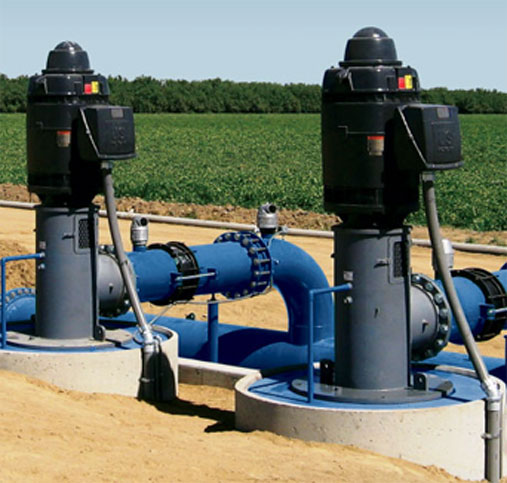
A stock image related to irrigation motor and pump.
In-depth Look: Manufacturing Processes and Quality Assurance for irrigation motor and pump
What Are the Key Stages in the Manufacturing Process of Irrigation Motors and Pumps?
The manufacturing of irrigation motors and pumps is a complex process that involves several critical stages to ensure product reliability and efficiency. The main stages include material preparation, forming, assembly, and finishing.
Material Preparation: The manufacturing process begins with the selection of high-quality raw materials. Common materials include stainless steel, cast iron, and various alloys that offer corrosion resistance and durability. Suppliers often conduct rigorous material testing to ensure that the properties meet industry standards before proceeding to the forming stage.
Forming Techniques: This stage involves shaping the raw materials into the required components. Techniques such as casting, machining, and forging are commonly used. For instance, centrifugal pumps often utilize casting to create intricate designs that enhance performance. Machining processes ensure precise dimensions, which are critical for the pump’s efficiency and longevity.
Assembly: After the individual components are formed, they are assembled into the final product. This stage may involve both manual labor and automation. Skilled technicians perform the assembly, ensuring that each component fits perfectly. The integration of electrical components, such as motors and control systems, is also crucial at this stage.
Finishing: The final stage includes surface treatments and coatings to enhance corrosion resistance and aesthetic appeal. Techniques such as powder coating or anodizing are applied to protect the pumps from environmental factors. Final inspections are conducted to ensure that the product meets all specifications.
How Is Quality Assurance Implemented Throughout the Manufacturing Process?
Quality assurance (QA) is an integral part of the manufacturing process for irrigation motors and pumps, ensuring that products meet both international standards and customer expectations.
International Standards: Compliance with international standards such as ISO 9001 is essential. This standard focuses on a quality management system that enhances customer satisfaction through effective processes. Additionally, industry-specific certifications like CE (Conformité Européenne) and API (American Petroleum Institute) are crucial for markets in Europe and the Middle East. These certifications assure buyers of the product’s quality and safety.
Quality Control Checkpoints: Various checkpoints are established throughout the manufacturing process to monitor quality:
– Incoming Quality Control (IQC): This initial checkpoint verifies the quality of raw materials before they enter production.
– In-Process Quality Control (IPQC): During the manufacturing process, inspections are conducted to ensure that components are being produced to specifications.
– Final Quality Control (FQC): After assembly, the final product undergoes comprehensive testing to confirm it meets all performance standards and specifications.Common Testing Methods: Various testing methods are employed to ensure product quality, including:
– Hydrostatic Testing: This is used to check for leaks and ensure the structural integrity of pumps.
– Performance Testing: Pumps are tested under simulated operational conditions to verify flow rates, pressure, and efficiency.
– Electrical Testing: For motors, electrical tests ensure that insulation resistance and operational characteristics meet safety standards.
How Can B2B Buyers Verify Supplier Quality Control Practices?
B2B buyers must take proactive steps to verify the quality control practices of their suppliers to ensure they receive high-quality irrigation motors and pumps.
Supplier Audits: Conducting on-site audits is one of the most effective ways to assess a supplier’s quality control processes. During the audit, buyers can review documentation, observe manufacturing practices, and evaluate compliance with international standards.
Quality Assurance Reports: Requesting detailed quality assurance reports from suppliers can provide insights into their quality control processes. These reports should include information about testing methods, results, and any corrective actions taken in case of discrepancies.
Third-Party Inspections: Engaging third-party inspection services can offer an unbiased assessment of the supplier’s quality practices. These inspections can be scheduled at various stages of production, providing an added layer of assurance.
What Nuances Should International B2B Buyers Be Aware of Regarding Quality Control?
For international B2B buyers, especially those from regions like Africa, South America, the Middle East, and Europe, understanding the nuances of quality control is vital.
Regional Compliance Standards: Different regions may have specific compliance requirements. For instance, the CE marking is essential for products sold in the European market, while other regions may have their own certifications. Buyers should familiarize themselves with these requirements to avoid regulatory issues.
Cultural and Operational Differences: Quality control practices may vary based on cultural and operational standards in different countries. Buyers should consider these differences when assessing suppliers and may need to adjust their expectations accordingly.
Communication and Transparency: Open communication with suppliers about quality control practices is crucial. Buyers should encourage transparency regarding the manufacturing process and quality assurance measures to build trust and ensure product quality.
Conclusão
In-depth knowledge of the manufacturing processes and quality assurance practices for irrigation motors and pumps is essential for B2B buyers. By understanding the key stages of manufacturing, the importance of quality control, and how to verify supplier practices, buyers can make informed decisions that align with their operational needs and quality expectations. This comprehensive approach not only enhances supplier relationships but also ensures the procurement of reliable, high-quality products that meet international standards.
Practical Sourcing Guide: A Step-by-Step Checklist for ‘irrigation motor and pump’
Introduction
This guide serves as a practical checklist for B2B buyers looking to procure irrigation motors and pumps. By following these steps, you can ensure that you select the right equipment for your agricultural or landscaping needs while navigating the complexities of international sourcing. The goal is to streamline the procurement process and minimize risks associated with purchasing.
Step 1: Define Your Technical Specifications
Before engaging suppliers, clearly outline the technical requirements of the irrigation motor and pump you need. This includes flow rate, pressure requirements, power source, and any specific features such as self-priming capabilities or energy efficiency. Knowing your specifications will help you communicate effectively with suppliers and avoid purchasing equipment that does not meet your operational needs.
Step 2: Research Market Trends and Innovations
Stay informed about the latest trends and technological advancements in irrigation systems. Understanding innovations such as variable frequency drives (VFDs) and smart irrigation solutions can help you make informed decisions that enhance productivity. This research can also provide insights into which brands are leading the market and what features are becoming standard.
Step 3: Evaluate Potential Suppliers
Before committing, it’s crucial to vet suppliers thoroughly. Request company profiles, case studies, and references from buyers in a similar industry or region. Look for suppliers with a proven track record in providing reliable products and excellent customer service.
– Check for certifications: Ensure that the suppliers meet international quality standards, such as ISO certifications.
– Assess geographical capabilities: Understand their logistics capabilities, especially if you are sourcing from different continents.
Step 4: Request Detailed Quotes
Once you have identified potential suppliers, request detailed quotes that outline pricing, delivery timelines, and warranty information. This step is essential for comparing offers and understanding the total cost of ownership.
– Clarify payment terms: Ensure you understand the payment methods and any financing options available.
– Look for bulk discounts: If you are purchasing multiple units, inquire about pricing breaks for larger orders.
Step 5: Negotiate Terms and Conditions
Negotiation is key to securing favorable terms. Discuss not only the price but also aspects such as payment terms, delivery schedules, and after-sales support. A well-negotiated contract can prevent misunderstandings and protect your investment.
– Include performance guarantees: Ensure that the contract specifies warranty terms and service agreements.
– Establish clear communication channels: Define how you will communicate throughout the procurement process.
Step 6: Verify Compliance with Local Regulations
Before finalizing your purchase, ensure that the irrigation motors and pumps comply with local regulations and standards in your country. This step is crucial to avoid legal complications and ensure operational safety.
– Check for environmental regulations: Some regions may have specific guidelines regarding water usage and energy consumption.
– Confirm installation requirements: Understand any local mandates regarding installation practices to ensure compliance.
Step 7: Plan for Installation and Maintenance
Once you have procured the equipment, develop a plan for installation and ongoing maintenance. This includes hiring qualified technicians and scheduling regular maintenance checks to ensure optimal performance. Proper installation and maintenance can significantly extend the lifespan of your irrigation system.
– Training for staff: Ensure your team understands how to operate and maintain the equipment efficiently.
– Establish a maintenance schedule: Regular checks can help identify issues before they become serious problems.
By following this checklist, B2B buyers can streamline their procurement process for irrigation motors and pumps, ensuring they select the right equipment that meets their operational needs and regulatory requirements.
Comprehensive Cost and Pricing Analysis for irrigation motor and pump Sourcing
What Are the Key Cost Components in Sourcing Irrigation Motors and Pumps?
When sourcing irrigation motors and pumps, understanding the cost structure is essential for effective budgeting and decision-making. The primary cost components include:
Materiais: The quality and type of materials significantly affect the overall cost. For instance, stainless steel or cast iron pumps generally command higher prices compared to plastic alternatives due to durability and performance.
Labor: Labor costs encompass both direct manufacturing labor and indirect costs associated with skilled technicians and assembly line workers. Variations in labor rates across regions can influence the final product price.
Manufacturing Overhead: This includes indirect costs like utilities, rent, and equipment depreciation. Efficient production processes can help minimize these costs, thereby affecting the pricing strategy.
Tooling: Custom tooling may be required for specific pump designs, impacting initial costs. Buyers should consider whether standardized or custom solutions better meet their needs.
Quality Control (QC): Implementing stringent quality control measures can increase costs but is essential for ensuring product reliability and compliance with industry standards.
Logistics: Shipping and handling costs, including freight and insurance, can vary widely depending on the supplier’s location and the destination market. Buyers should also account for potential tariffs and customs duties.
Margin: Suppliers will include their profit margin, which can vary based on market demand, competition, and brand reputation.
How Do Price Influencers Impact the Cost of Irrigation Motors and Pumps?
Several factors can influence pricing in the irrigation motor and pump market:
Volume and Minimum Order Quantity (MOQ): Bulk orders often lead to discounts due to economies of scale. Buyers should negotiate MOQs to maximize their purchasing power.
Specifications and Customization: Custom specifications or unique designs can lead to higher costs. Buyers must weigh the benefits of customization against the potential price increase.
Quality and Certifications: Products that meet certain international quality standards or certifications (e.g., ISO, CE) may come at a premium. However, these certifications can assure reliability and performance.
Supplier Factors: The reputation and reliability of suppliers can affect pricing. Established suppliers with a history of quality may charge more, but they often provide better warranties and customer support.
Incoterms: The chosen Incoterms (e.g., FOB, CIF) will determine who bears the costs and risks during shipping. Understanding these terms can help buyers negotiate better deals and manage total costs effectively.
What Buyer Tips Can Help Optimize Costs in International Sourcing?
For international B2B buyers, particularly from Africa, South America, the Middle East, and Europe, here are some actionable tips to optimize costs:
Negotiate: Always engage in negotiations to secure better pricing or terms. Suppliers may have room to adjust their margins, especially for larger orders.
Focus on Total Cost of Ownership (TCO): Consider not just the upfront cost but the entire lifecycle cost, including maintenance, energy consumption, and potential downtime. A slightly higher initial investment in a more efficient pump could yield savings over time.
Research Pricing Nuances: Understand regional price variances and market conditions. For example, prices may be influenced by local competition and demand fluctuations.
Leverage Relationships: Building strong relationships with suppliers can lead to better pricing and terms. Regular communication and loyalty may result in preferential treatment.
Stay Informed on Market Trends: Keeping abreast of market trends, technological advancements, and global supply chain shifts can provide insights that help you make informed purchasing decisions.
Disclaimer on Indicative Prices
Prices for irrigation motors and pumps can fluctuate based on market conditions, supplier pricing strategies, and currency exchange rates. The prices referenced in this analysis are indicative and should be verified with suppliers for the most accurate and current pricing.
Alternatives Analysis: Comparing irrigation motor and pump With Other Solutions
Introduction to Alternative Solutions for Irrigation
In the ever-evolving landscape of agricultural technology, B2B buyers must consider various irrigation solutions to optimize water management and enhance crop productivity. While irrigation motors and pumps are widely recognized for their efficiency in delivering water, alternative methods may offer unique advantages depending on specific agricultural needs, local conditions, and budget constraints. This analysis compares irrigation motors and pumps with two viable alternatives: drip irrigation systems and rainwater harvesting systems.
Comparison Table
| Comparison Aspect | Irrigation Motor And Pump | Drip Irrigation System | Rainwater Harvesting System |
|---|---|---|---|
| Performance | High flow rates; suitable for large areas | Precise water delivery; reduces waste | Utilizes natural precipitation; variable performance |
| Custo | Moderate to high initial investment | Moderate initial cost; low operational costs | Low to moderate setup costs; maintenance costs vary |
| Ease of Implementation | Requires installation and setup | Generally easy to install; requires planning | Requires collection system setup; moderate complexity |
| Manutenção | Regular maintenance needed; potential for mechanical failures | Low maintenance; occasional emitter cleaning | Moderate maintenance; requires system checks |
| Best Use Case | Large scale farms needing uniform water distribution | Small to medium farms; water-scarce areas | Areas with sufficient rainfall; sustainable practices |
Detailed Breakdown of Alternatives
What Are the Advantages and Disadvantages of Drip Irrigation Systems?
Drip irrigation systems deliver water directly to the plant roots, minimizing evaporation and runoff. This precision leads to significant water savings and is particularly beneficial in arid regions where water conservation is crucial. The installation process is relatively straightforward, making it accessible for many farmers. However, the initial investment can be moderate, and the system requires careful planning to ensure effective coverage. Additionally, while maintenance is low, emitters can become clogged, necessitating occasional cleaning.
How Does Rainwater Harvesting Compare in Terms of Efficiency and Cost?
Rainwater harvesting systems collect and store rainwater for agricultural use, providing a sustainable and cost-effective alternative to conventional irrigation methods. The initial setup costs can be low to moderate, depending on the complexity of the system, which can include tanks, filters, and distribution methods. Maintenance involves regular checks to ensure the collection system is functioning properly. The variability in performance is a downside; the effectiveness of this system largely depends on regional rainfall patterns, making it less reliable in areas with inconsistent precipitation.
Conclusion: Choosing the Right Irrigation Solution for Your Needs
When selecting the appropriate irrigation solution, B2B buyers should consider the specific requirements of their agricultural operations, including the scale of farming, local climate conditions, and budget constraints. While irrigation motors and pumps provide robust performance for large areas, alternatives like drip irrigation and rainwater harvesting can offer tailored benefits for smaller farms or regions facing water scarcity. By evaluating the advantages and limitations of each option, buyers can make informed decisions that align with their operational goals and sustainability objectives.
Essential Technical Properties and Trade Terminology for irrigation motor and pump
What Are the Key Technical Properties of Irrigation Motors and Pumps?
Understanding the technical specifications of irrigation motors and pumps is crucial for making informed purchasing decisions. Here are some critical properties to consider:
Material Grade
The material grade of components, such as the pump casing and impeller, significantly impacts durability and performance. Common materials include cast iron, stainless steel, and thermoplastics. For instance, stainless steel is preferred in corrosive environments, while cast iron provides strength and stability. Selecting the right material can reduce maintenance costs and extend the pump’s lifespan, which is vital for agricultural operations reliant on irrigation.Flow Rate (GPM)
Flow rate, measured in gallons per minute (GPM), indicates the volume of water a pump can move. This specification is essential for determining if a pump can meet the irrigation needs of a particular field size or crop type. A higher GPM is often necessary for larger agricultural applications, impacting efficiency and overall yield. Buyers must align flow rate with their specific irrigation requirements to optimize water usage.Horsepower (HP)
The horsepower rating of a motor determines its ability to perform work. In the context of irrigation pumps, higher HP ratings usually correlate with the capacity to lift water from greater depths or push it over longer distances. Understanding the required HP is crucial for selecting a motor that can handle specific irrigation tasks without overloading or failing, ensuring reliable operation.Voltage and Power Supply
The voltage rating (e.g., 115V, 230V) is vital for compatibility with existing electrical systems. International buyers should consider local power supply standards to avoid operational issues. Additionally, understanding whether a pump requires single-phase or three-phase power can influence both installation costs and operational efficiency.Efficiency Rating
Efficiency ratings, often expressed as a percentage, indicate how effectively a pump converts electrical energy into hydraulic energy. Higher efficiency translates into lower operational costs and reduced energy consumption, which is increasingly important in regions where electricity costs are high. An efficient pump not only saves money but also contributes to sustainable water management practices.
What Are Common Trade Terms in the Irrigation Motor and Pump Industry?
Familiarity with industry terminology can streamline communication and negotiations. Here are some key terms:
OEM (Original Equipment Manufacturer)
An OEM refers to a company that produces parts or equipment that may be marketed by another manufacturer. In the irrigation sector, understanding OEM relationships can help buyers assess product quality and compatibility, as OEM products are often tailored to specific systems and standards.MOQ (Minimum Order Quantity)
MOQ is the smallest number of units a supplier is willing to sell. Understanding MOQ is critical for B2B buyers, as it can influence purchasing decisions, particularly for smaller operations that may not require large volumes. Negotiating MOQs can lead to cost savings and better inventory management.RFQ (Request for Quotation)
An RFQ is a document sent to suppliers to solicit price quotes for specific goods or services. In the context of irrigation pumps, submitting an RFQ allows buyers to compare prices, terms, and conditions from multiple suppliers, enabling informed purchasing decisions that align with budget constraints.Incoterms (International Commercial Terms)
Incoterms define the responsibilities of buyers and sellers in international shipping. They specify who pays for shipping, insurance, and tariffs, which can significantly affect overall project costs. Understanding Incoterms helps buyers anticipate total expenditures and avoid unexpected charges.Lead Time
Lead time refers to the amount of time it takes from placing an order until it is delivered. This term is crucial for planning irrigation projects, as delays can impact planting and harvesting schedules. Buyers should inquire about lead times to ensure timely delivery and avoid disruptions in their operations.
By grasping these essential technical properties and trade terminologies, B2B buyers can enhance their decision-making processes, ensuring they select the right irrigation motors and pumps for their needs.
Navigating Market Dynamics and Sourcing Trends in the irrigation motor and pump Sector
What Are the Current Market Dynamics and Key Trends in the Irrigation Motor and Pump Sector?
The global irrigation motor and pump market is experiencing transformative growth, driven by increasing agricultural demands, water scarcity, and advancements in technology. Key drivers include the rising need for efficient water management systems to enhance crop yield, especially in regions like Africa and South America, where agriculture forms the backbone of the economy. Furthermore, the Middle East’s harsh climate necessitates innovative irrigation solutions, while European countries focus on sustainability and efficiency.
Emerging technologies, such as smart irrigation systems that utilize IoT and AI, are revolutionizing the way water is managed. These systems allow for real-time monitoring and data analytics, leading to optimized water usage. B2B buyers are increasingly looking for suppliers who can offer integrated solutions that combine traditional pump technologies with cutting-edge digital tools. Additionally, the trend toward modular and scalable systems enables businesses to adapt quickly to changing agricultural needs, making it crucial for international buyers to source flexible solutions.
Another significant trend is the emphasis on energy efficiency and low operational costs. Buyers are actively seeking pumps that not only meet performance standards but also minimize energy consumption, aligning with global efforts to reduce carbon footprints. This trend is particularly relevant in regions like Germany, where regulatory frameworks encourage sustainable practices.
How Is Sustainability and Ethical Sourcing Impacting the Irrigation Motor and Pump Sector?
Sustainability has become a cornerstone of purchasing decisions in the irrigation motor and pump sector. Environmental impact is a pressing concern, particularly in areas facing severe water shortages. B2B buyers are increasingly aware of the ecological implications of their sourcing decisions, leading them to prioritize suppliers who adhere to sustainable practices.
Ethical sourcing is vital, ensuring that supply chains minimize environmental degradation and support local communities. Suppliers that provide ‘green’ certifications or utilize sustainable materials are gaining favor among discerning buyers. These certifications serve as a benchmark for responsible sourcing and can enhance a brand’s reputation in the market.
Moreover, the use of energy-efficient motors and pumps not only reduces operating costs but also contributes to a more sustainable agricultural model. Companies that invest in eco-friendly technologies and practices are not only addressing regulatory pressures but also meeting the expectations of environmentally conscious consumers. For B2B buyers, aligning with suppliers committed to sustainability can lead to long-term partnerships and improved market positioning.
What Is the Evolution of Irrigation Motors and Pumps in the Global Market?
The evolution of irrigation motors and pumps has seen significant milestones, transitioning from rudimentary mechanical systems to sophisticated, automated solutions. Initially, irrigation relied on basic pumps powered by manual labor or simple engines. The introduction of electric motors in the mid-20th century marked a turning point, allowing for more efficient water distribution.
As technology advanced, the focus shifted towards automation and smart irrigation systems, incorporating sensors and data analytics to optimize water usage. Today, the market is characterized by a blend of traditional and modern technologies, catering to diverse agricultural needs across different regions. This evolution reflects not only technological progress but also an increasing recognition of the importance of sustainable water management practices in a changing global climate.
In summary, understanding market dynamics, embracing sustainability, and recognizing the historical context are essential for B2B buyers navigating the irrigation motor and pump sector. These insights will empower them to make informed sourcing decisions that align with their operational goals and ethical standards.
Frequently Asked Questions (FAQs) for B2B Buyers of irrigation motor and pump
How do I select the right irrigation motor and pump for my agricultural needs?
Choosing the right irrigation motor and pump involves assessing your specific agricultural requirements, including the size of the area to be irrigated, the type of crops, and the water source. Key factors to consider include flow rate, head pressure, and energy efficiency. It’s also essential to evaluate the pump’s durability and maintenance needs based on local conditions, such as soil type and climate. Consulting with experts or suppliers who understand your unique challenges can provide valuable insights for optimal selection.What are the common types of irrigation pumps available in the market?
The most common types of irrigation pumps include centrifugal pumps, submersible pumps, and jet pumps. Centrifugal pumps are ideal for large-scale irrigation due to their high flow rates. Submersible pumps are effective for deeper water sources, while jet pumps work well for shallow wells. Each type has its advantages and is suited for different applications, so understanding your specific irrigation setup is crucial in making the right choice.What factors should I consider when vetting suppliers for irrigation motors and pumps?
When vetting suppliers, consider their industry experience, product quality, and customer reviews. Look for suppliers with a proven track record in your region, as they will better understand local regulations and agricultural practices. Request certifications and product warranties, and inquire about after-sales support and service. It’s also beneficial to establish communication channels to ensure a smooth transaction process and to address any concerns promptly.What are the typical minimum order quantities (MOQs) for irrigation pumps?
Minimum order quantities can vary significantly based on the supplier and the type of pump. Generally, MOQs for irrigation pumps can range from a single unit to several dozen, depending on the manufacturer. When negotiating, consider your budget, storage capabilities, and the demand forecast for your agricultural operations. Suppliers may offer flexibility on MOQs, especially for new customers or bulk orders.What payment terms should I expect when purchasing irrigation equipment internationally?
Payment terms can vary widely among suppliers, but common options include advance payment, letter of credit, and payment upon delivery. It’s essential to discuss and agree upon payment terms upfront to avoid misunderstandings. Consider using secure payment methods that provide buyer protection. Additionally, understand any currency exchange implications if dealing with international suppliers, as this can affect overall costs.How can I ensure quality assurance for irrigation motors and pumps?
Quality assurance can be ensured by selecting suppliers who adhere to international quality standards, such as ISO certifications. Request samples for testing before placing larger orders and ask about the supplier’s quality control processes. Regular inspections during manufacturing and upon delivery can help verify that the products meet your specifications and standards. Establishing a clear return policy can also safeguard against defective products.What logistics considerations should I keep in mind for importing irrigation pumps?
When importing irrigation pumps, consider shipping methods, customs regulations, and potential tariffs. Work with logistics partners experienced in international trade to navigate these complexities. Ensure you have the necessary documentation, such as invoices and shipping manifests, to facilitate smooth customs clearance. Plan for potential delays and costs associated with shipping, including insurance and warehousing if needed.How can I customize irrigation pumps to suit my specific agricultural needs?
Customization options for irrigation pumps may include adjustments to flow rate, pressure settings, and additional features such as automatic controls or energy-efficient motors. Discuss your specific requirements with suppliers, as many offer tailored solutions based on your operational needs. Be prepared to provide detailed information about your irrigation system and desired outcomes to facilitate the customization process effectively.
Important Disclaimer & Terms of Use
⚠️ Important Disclaimer
The information provided in this guide, including content regarding manufacturers, technical specifications, and market analysis, is for informational and educational purposes only. It does not constitute professional procurement advice, financial advice, or legal advice.
While we have made every effort to ensure the accuracy and timeliness of the information, we are not responsible for any errors, omissions, or outdated information. Market conditions, company details, and technical standards are subject to change.
B2B buyers must conduct their own independent and thorough due diligence before making any purchasing decisions. This includes contacting suppliers directly, verifying certifications, requesting samples, and seeking professional consultation. The risk of relying on any information in this guide is borne solely by the reader.
Top 6 Irrigation Motor And Pump Manufacturers & Suppliers List
1. Pump Stop Online – Irrigation Pumps
Domain: pumpstoponline.com
Registered: 2016 (9 years)
Introduction: Irrigation Pumps available at Pump Stop Online include various models and types such as: 1. Water Pressure Booster Pumps: – 15 GPM – FBSMS05 15G30P – Original Price: $1,460.00, Current Price: $1,022.00 – 17 GPM – FBSMS07 17G40P – Original Price: $1,556.00, Current Price: $1,089.20 – 25 GPM – FBSMS07 25G30P – Original Price: $1,901.00, Current Price: $1,330.70 – 20 GPM – Best Control Well System BW…
2. Goulds – Sprinkler and Irrigation Motors
Domain: pumpandmotors.com
Registered: 2013 (12 years)
Introduction: Sprinkler and Irrigation Motors: These replacement motors are for the Goulds GT Irrigator and Prime Line SPM and SPH models.
1. Goulds J05853R 3/4HP Motor for GBC Booster Pump 115/230V
2. Goulds J05853R 3/4HP Motor for GT07 Sprinkler Irrigation Pump
3. Goulds J06853R 1HP Motor for GBS Booster Pump 115/230V
4. Goulds J06853R 1HP Motor for GT10 Irrigation Sprinkler Pump
5. Goulds J07858R 1.5HP…
3. RainFlo – 25 HP Diesel Pump Unit
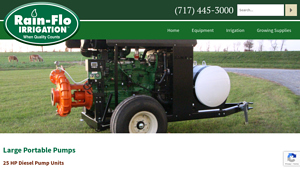
Domain: rainfloirrigation.com
Registered: 2008 (17 years)
Introduction: Large Portable Pumps:
1. 25 HP Diesel Pump Units:
– Engine: Kubota D1105
– Pump: Berkeley B2½ZRLS with 9″ impeller
– Features: Heavy duty trailer, hand primer, check valve, safety shutdown, 22 Gal steel fuel tank, 4″ female Bauer socket on suction, 4″ female NPT discharge.
– Price: $11,800.00
2. 37 HP Diesel Pump Units:
– Engine: Kubota D1803CR
– Pump: Berkeley B2EQHH
– Feat…
4. Weeder’s Digest – Lake & Pond Irrigation Pumps
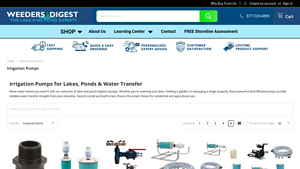
Domain: weedersdigest.com
Introduction: Lake & Pond Irrigation Pumps for reliable water transfer solutions. Key products include: 1.5″ Reducer Nipple ($14.99), Check Valve (2″ Threaded) ($23.40), Stand for 80 Gallon Big Foot Filter ($102.98), Stand for 40 Gallon Big Foot Filter ($79.98), Filters for Lake Irrigation Pump (40 Gallon & 80 Gallon Big Foot) priced between $205.70 – $279.65, 4-Port + Ball Valve Assembly ($201.14), 40 gal Filt…
5. Pentair – Irrigation Pumps
Domain: pentair.com
Registered: 1996 (29 years)
Introduction: Pentair offers a wide variety of irrigation pumps including vertical turbine pumps, submersible pumps, and vertical multi-stage pumps. These pumps are designed for reliable and efficient operation, ensuring clean, fresh water delivery to crops and livestock. The product range also includes accessories such as motors and controls, supporting both installation and maintenance needs.
6. A.Y. McDonald Mfg. Co. – Irrigation Pumps
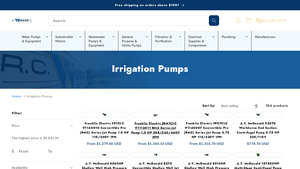
Domain: rcworst.com
Registered: 2007 (18 years)
Introduction: {“category”:”Irrigation Pumps”,”brands”:[“A.Y. McDonald Mfg. Co.”,”Franklin Electric”,”Power-Flo”,”Shakti”],”total_products”:106,”price_range”:{“min”:0,”max”:9032.91},”availability”:”In stock”,”height_options”:[9.0,10.0,11.0,12.0,13.0,14.0,20.0,24.0],”horsepower_options”:[“1/3″,”0.5″,”0.75″,”1.0″,”1.5″,”2.0″,”2.5″,”3.0″,”5.0″],”length_options”:[10.0,11.0,13.0,16.0,18.0,20.0,21.0,22.0,24.0],”phase_…
Strategic Sourcing Conclusion and Outlook for irrigation motor and pump
In the competitive landscape of irrigation motors and pumps, strategic sourcing emerges as a critical element for international B2B buyers aiming to enhance operational efficiency and reduce costs. By leveraging supplier relationships and market insights, businesses can identify high-quality products that meet their specific needs while ensuring compliance with local regulations and standards.
Buyers from Africa, South America, the Middle East, and Europe should focus on understanding regional supply chains and the technological advancements that drive product innovation. The ongoing shift towards sustainable and energy-efficient solutions offers significant opportunities for cost savings and enhanced productivity.
As we look ahead, it is essential for businesses to stay informed about emerging trends and adapt their sourcing strategies accordingly. Engaging with trusted suppliers who offer comprehensive support and after-sales services will be invaluable in navigating this dynamic market.
We encourage international buyers to take proactive steps in evaluating their sourcing strategies and exploring new partnerships. By doing so, they will not only secure a competitive edge but also contribute to the sustainable growth of the irrigation industry.
 Portuguese (Brazil)
  English (United States)
  Spanish (Spain)
  Portuguese (Portugal)
  French
  German
  Italian
  Arabic
  Dutch
Dutch  English (UK)
  Bulgarian
  Chinese (China)
  Chinese (Hong Kong)
  Czech
Czech  Danish
  Greek
Greek  Finnish
  Spanish (Mexico)
  Estonian
  Hebrew
  Hungarian
  Indonesian
  Japanese
  Korean
  Latvian
  Lithuanian
  Norwegian
  Polish
  Romanian
  Russian
  Slovenian
  Slovak
  Swedish
  Turkish
  Ukrainian
  Vietnamese