
Introduction: Navigating the Global Market for pneumatic knife gate valve
In the fast-paced world of industrial operations, sourcing the right pneumatic knife gate valve can pose significant challenges for B2B buyers, especially those in sectors like mining, wastewater management, and chemical processing. These valves are critical for ensuring effective isolation and control of material flow, yet navigating the myriad of options can be daunting. This comprehensive guide aims to demystify the complexities of the global market for pneumatic knife gate valves, addressing key factors such as types, applications, supplier vetting, and cost considerations.
International buyers from regions including Africa, South America, the Middle East, and Europe, such as Vietnam and Germany, will find actionable insights tailored to their unique needs. By exploring the various types of pneumatic knife gate valves, their specific applications across industries, and the best practices for selecting reliable suppliers, this guide empowers decision-makers to make informed purchasing choices.
Armed with the knowledge presented herein, B2B buyers will be better equipped to assess performance, durability, and cost-effectiveness, ensuring that their operations run smoothly and efficiently. Whether you are looking to upgrade existing systems or invest in new solutions, understanding the nuances of pneumatic knife gate valves is essential for optimizing your industrial processes and driving business success.
Understanding pneumatic knife gate valve Types and Variations
| Type Name | Key Distinguishing Features | Primary B2B Applications | Brief Pros & Cons for Buyers |
|---|---|---|---|
| Conventional Pneumatic Knife Gate Valve | Simple design, reliable sealing, low maintenance | General industrial applications, water treatment | Pros: Cost-effective, easy installation. Cons: Limited to low-pressure applications. |
| Severe Service Pneumatic Knife Gate Valve | Enhanced durability, designed for abrasive materials | Mining, pulp and paper, heavy slurry services | Pros: High performance under extreme conditions. Cons: Higher initial investment. |
| Slurry Pneumatic Knife Gate Valve | Specialized elastomer sleeves for tight shutoff | Wastewater management, chemical processing | Pros: Zero leakage, suitable for challenging slurries. Cons: Requires careful maintenance of sleeves. |
| Resilient Seat Pneumatic Knife Gate Valve | Features resilient seats for pressure or vacuum sealing | Food processing, petrochemical industries | Pros: Versatile sealing capabilities. Cons: May not withstand extreme temperatures. |
| Heavy-Duty Pneumatic Knife Gate Valve | Robust construction, oversized air cylinders | Bulk material handling, energy sector | Pros: Long service life, high flow capacity. Cons: Heavier and may require more space for installation. |
What are the characteristics of Conventional Pneumatic Knife Gate Valves?
Conventional pneumatic knife gate valves are known for their straightforward design, which ensures reliable sealing and low maintenance requirements. These valves are typically constructed with a cast body and a knife gate that slices through solids, making them ideal for general industrial applications such as water treatment and light-duty processes. B2B buyers should consider their cost-effectiveness and ease of installation, although they are primarily suited for low-pressure applications.
How do Severe Service Pneumatic Knife Gate Valves perform in demanding environments?
Severe service pneumatic knife gate valves are engineered for durability and are specifically designed to handle abrasive materials found in mining and pulp and paper industries. Their robust construction allows them to perform under extreme conditions, providing a reliable solution for heavy slurry applications. While they offer high performance and longevity, buyers should be prepared for a higher initial investment compared to standard models.
What makes Slurry Pneumatic Knife Gate Valves unique for specific applications?
Slurry pneumatic knife gate valves are distinguished by their specialized elastomer sleeves, which provide a tight shutoff, making them suitable for challenging environments like wastewater management and chemical processing. These valves are engineered to achieve zero leakage, which is crucial in industries dealing with hazardous materials. However, buyers must be aware that the sleeves require regular maintenance to ensure optimal performance and longevity.
Why choose Resilient Seat Pneumatic Knife Gate Valves for versatile applications?
Resilient seat pneumatic knife gate valves are designed with flexible sealing capabilities, allowing them to maintain effective pressure or vacuum sealing. These valves are commonly used in food processing and petrochemical industries, where versatility is essential. While they provide excellent sealing performance, potential buyers should note that they may not withstand extreme temperatures, making them less suitable for high-heat applications.
What are the benefits of Heavy-Duty Pneumatic Knife Gate Valves in industrial settings?
Heavy-duty pneumatic knife gate valves feature a robust construction and oversized air cylinders, making them ideal for bulk material handling in sectors like energy and mining. Their design allows for high flow capacity and a long service life, which can significantly enhance operational efficiency. However, buyers should consider the increased weight and space requirements for installation, which could be a limitation in some setups.
Key Industrial Applications of pneumatic knife gate valve
| Industry/Sector | Specific Application of pneumatic knife gate valve | Value/Benefit for the Business | Key Sourcing Considerations for this Application |
|---|---|---|---|
| Mining | Isolation of slurries in mineral processing | Ensures zero leakage, maximizing production efficiency | Durability under abrasive conditions, compatibility with slurries |
| Wastewater Management | Control of sludge and wastewater flow | Reliable shut-off to prevent leaks and environmental hazards | Corrosion resistance, ease of maintenance, size specifications |
| Pulp and Paper | Regulation of pulp stock and chemical flows | Enhances operational efficiency and reduces downtime | Material compatibility, pressure ratings, and actuator options |
| Chemical Processing | Isolation of corrosive materials in pipelines | Reduces risk of leaks and contamination | High-performance sealing, resistance to chemicals, and certifications |
| Food and Beverage | Control of dry bulk ingredients in processing lines | Ensures product quality and safety by preventing cross-contamination | Compliance with food safety standards, ease of cleaning, and size options |
How Are Pneumatic Knife Gate Valves Used in Mining?
In the mining industry, pneumatic knife gate valves play a crucial role in isolating slurries during mineral processing. These valves are designed to handle high-pressure conditions while providing a reliable shut-off to prevent leakage, which is critical for maintaining operational efficiency. Buyers in this sector must consider the valve’s durability against abrasive materials and ensure compatibility with the specific types of slurries being processed. Given the challenging environments in mining operations, selecting robust materials and effective sealing technologies is essential.
What Role Do Pneumatic Knife Gate Valves Play in Wastewater Management?
Pneumatic knife gate valves are essential for controlling the flow of sludge and wastewater in treatment facilities. They provide a dependable shut-off mechanism that minimizes the risk of leaks, which can lead to environmental hazards. For international buyers, especially in regions like Africa and South America, sourcing valves with superior corrosion resistance and ease of maintenance is vital. Additionally, the ability to accommodate varying pipeline sizes and pressure conditions is crucial for effective wastewater management.
Why Are Pneumatic Knife Gate Valves Important in Pulp and Paper Industries?
In the pulp and paper sector, pneumatic knife gate valves regulate the flow of pulp stock and chemicals throughout the production process. Their precise control capabilities enhance operational efficiency and reduce the likelihood of downtime caused by leaks or blockages. Buyers should focus on material compatibility to prevent degradation from chemical exposure and ensure that the valves can withstand the pressures involved. Selecting valves that meet industry standards for reliability and performance is also a key consideration.
How Do Pneumatic Knife Gate Valves Enhance Chemical Processing?
In chemical processing, pneumatic knife gate valves are used to isolate corrosive materials within pipelines, significantly reducing the risk of leaks and contamination. These valves offer high-performance sealing solutions that are crucial for maintaining safety and compliance with industry regulations. International buyers need to prioritize sourcing valves with certifications for chemical resistance and robust sealing technologies. Additionally, the ability to handle high-pressure applications is a critical factor for successful operation in this sector.
What Benefits Do Pneumatic Knife Gate Valves Provide in Food and Beverage Applications?
In the food and beverage industry, pneumatic knife gate valves are used to control the flow of dry bulk ingredients, ensuring product quality and safety. These valves help prevent cross-contamination, which is vital for maintaining compliance with food safety standards. Buyers in this sector should consider valves that are easy to clean, constructed from food-grade materials, and available in various sizes to suit different processing lines. Ensuring that the selected valves meet relevant safety certifications is also essential for operational success.
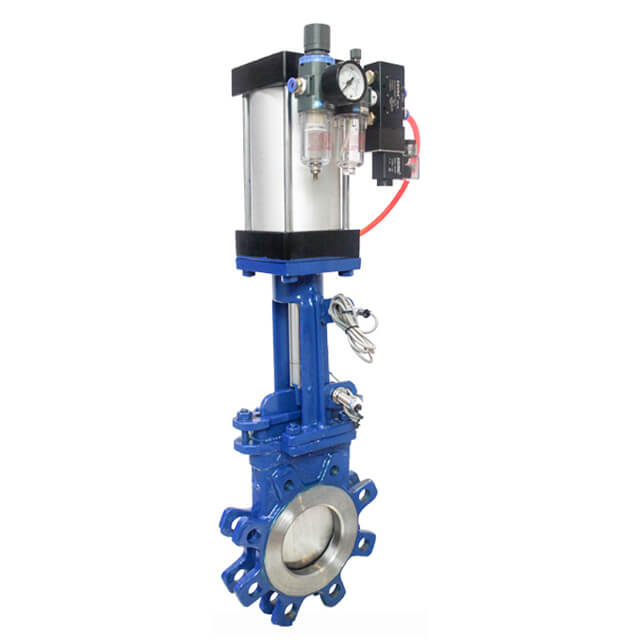
A stock image related to pneumatic knife gate valve.
3 Common User Pain Points for ‘pneumatic knife gate valve’ & Their Solutions
Scenario 1: Leakage Issues in Slurry Applications
The Problem: One of the most critical challenges faced by B2B buyers of pneumatic knife gate valves is ensuring a reliable seal in slurry applications. Industries such as mining and wastewater treatment often deal with abrasive and viscous materials, making it difficult for traditional valves to achieve a tight shut-off. When leakage occurs, it not only leads to material loss but also poses risks to the environment and safety, resulting in costly downtime and repairs.
The Solution: To address leakage issues, buyers should prioritize sourcing pneumatic knife gate valves that are specifically designed for slurry service, featuring advanced sealing technologies. Look for valves that offer elastomer sleeves or metal seats capable of withstanding the rigors of abrasive materials. Additionally, consider valves with a zero-leakage design, which can provide bubble-tight isolation. It is advisable to consult with manufacturers who offer customization options based on the specific requirements of your application, including size, material compatibility, and actuator type. Regular maintenance and timely replacement of worn-out components can also enhance the longevity and performance of the valve, ensuring that it operates effectively in challenging conditions.
Scenario 2: Actuation Failures During Operation
The Problem: Another common pain point for B2B buyers is the failure of pneumatic actuation systems in knife gate valves, which can halt production lines and lead to significant operational disruptions. These failures may arise from issues such as air supply inconsistencies, solenoid valve malfunctions, or improper installation. When a pneumatic knife gate valve fails to open or close correctly, it can disrupt material flow, leading to inefficiencies and increased costs.
The Solution: To mitigate the risk of actuation failures, buyers should ensure they select pneumatic knife gate valves with robust and reliable actuation systems. When sourcing valves, consider those that come equipped with oversized air cylinders and high-quality solenoid valves. Implementing redundancy in the actuation system, such as backup air supply or manual overrides, can provide additional security against failure. Furthermore, regular training for maintenance personnel on proper installation and troubleshooting of pneumatic systems can significantly reduce the likelihood of unexpected downtime. Establishing a routine inspection and maintenance schedule will help identify potential issues before they escalate, keeping operations smooth and efficient.
Scenario 3: Incompatibility with Diverse Material Types
The Problem: Many B2B buyers encounter challenges when pneumatic knife gate valves are not compatible with the various materials they need to handle. Industries such as food processing, chemicals, and petrochemicals require valves that can effectively manage different states of matter, including solids, slurries, and gases. The wrong valve selection can lead to material degradation, cross-contamination, and inefficiencies in the production process.
The Solution: To avoid compatibility issues, it is essential for buyers to conduct thorough material compatibility assessments before selecting pneumatic knife gate valves. This involves understanding the chemical properties of the materials being handled, as well as the environmental conditions (temperature, pressure, etc.) the valves will be exposed to. Buyers should seek manufacturers that provide detailed specifications and options for various seat materials such as EPDM, Nitrile, or Teflon, which are tailored to specific applications. Additionally, consider the valve’s construction materials—stainless steel and other corrosion-resistant options can enhance longevity and reliability. Engaging in direct communication with valve manufacturers for expert recommendations can ensure that the selected valves meet the operational demands of diverse applications effectively.
Strategic Material Selection Guide for pneumatic knife gate valve
When selecting materials for pneumatic knife gate valves, it is essential to consider the specific requirements of the application, including the nature of the media being handled, environmental conditions, and compliance with international standards. Below is an analysis of four common materials used in the construction of pneumatic knife gate valves, highlighting their properties, advantages, disadvantages, and considerations for international B2B buyers.
What are the Key Properties of Cast Iron for Pneumatic Knife Gate Valves?
Cast Iron is often used for pneumatic knife gate valves due to its excellent strength and durability. It typically has a temperature rating of up to 400°F (204°C) and can handle moderate pressure levels. Its natural corrosion resistance is enhanced with coatings, making it suitable for various industrial applications.
Pros: Cast iron is relatively inexpensive and easy to manufacture, making it a cost-effective choice for many applications. It also provides good wear resistance, particularly in abrasive environments.
Cons: However, cast iron is susceptible to rust if not properly coated, and it can be brittle under extreme conditions. Additionally, it may not be suitable for highly corrosive media.
Impact on Application: Cast iron valves are often used in water treatment, mining, and other applications where moderate pressure and temperature are present.
Considerations for International Buyers: Buyers from regions like Africa and South America should ensure that the cast iron used complies with ASTM or ISO standards to guarantee quality and performance.
How Does Stainless Steel Perform in Pneumatic Knife Gate Valves?
Stainless Steel is another popular material for pneumatic knife gate valves, known for its high corrosion resistance and strength. It can withstand temperatures up to 800°F (427°C) and high pressures, making it versatile for various applications.
Pros: Stainless steel offers excellent durability and is suitable for handling corrosive substances, including chemicals and slurries. Its aesthetic appeal and low maintenance requirements are additional benefits.
Cons: The primary drawback is its higher cost compared to cast iron. Manufacturing stainless steel components can also be more complex, leading to longer lead times.
Impact on Application: Stainless steel valves are ideal for industries such as food processing, pharmaceuticals, and chemical manufacturing, where hygiene and corrosion resistance are critical.
Considerations for International Buyers: In Europe, compliance with standards such as DIN and EN is vital for stainless steel components, ensuring they meet safety and performance requirements.
What Role Does PVC Play in Pneumatic Knife Gate Valves?
PVC (Polyvinyl Chloride) is a lightweight, corrosion-resistant plastic used in pneumatic knife gate valves, particularly in low-pressure applications. It typically operates effectively at temperatures up to 140°F (60°C).
Pros: PVC is cost-effective, lightweight, and resistant to a wide range of chemicals, making it suitable for many applications. Its ease of installation and low maintenance needs are significant advantages.
Cons: However, PVC is not suitable for high-pressure or high-temperature applications and can become brittle over time when exposed to UV light.
Impact on Application: PVC valves are commonly used in water treatment, irrigation, and chemical processing, where corrosive media is present but pressure and temperature are relatively low.
Considerations for International Buyers: Buyers should ensure that PVC products comply with local regulations and standards, such as JIS in Japan or ASTM in the U.S., to ensure safety and performance.
How Does Carbon Steel Compare in Pneumatic Knife Gate Valves?
Carbon Steel is frequently used in pneumatic knife gate valves for its strength and ability to withstand high pressures and temperatures. It typically has a temperature rating of up to 800°F (427°C).
Pros: Carbon steel is strong, durable, and relatively inexpensive, making it a popular choice for heavy-duty applications. It can be easily welded and fabricated into complex shapes.
Cons: The primary disadvantage is its susceptibility to corrosion, which necessitates protective coatings or linings, increasing maintenance costs.
Impact on Application: Carbon steel valves are often utilized in oil and gas, mining, and other heavy industries where high strength is required.
Considerations for International Buyers: Compliance with international standards like API or ASTM is crucial for carbon steel valves, especially for buyers in the Middle East and Europe, where regulations can be stringent.
Summary Table of Material Selection for Pneumatic Knife Gate Valves
| Material | Typical Use Case for pneumatic knife gate valve | Key Advantage | Key Disadvantage/Limitation | Relative Cost (Low/Med/High) |
|---|---|---|---|---|
| Cast Iron | Water treatment, mining | Cost-effective and durable | Susceptible to rust and brittleness | Low |
| Stainless Steel | Food processing, pharmaceuticals | High corrosion resistance and durability | Higher cost and manufacturing complexity | High |
| PVC | Water treatment, irrigation | Lightweight and chemical resistant | Not suitable for high pressure/temperature | Low |
| Carbon Steel | Oil and gas, heavy industries | Strong and cost-effective | Susceptible to corrosion | Medium |
This strategic material selection guide provides B2B buyers with a clear understanding of the materials available for pneumatic knife gate valves, their applications, and considerations for international compliance and standards.
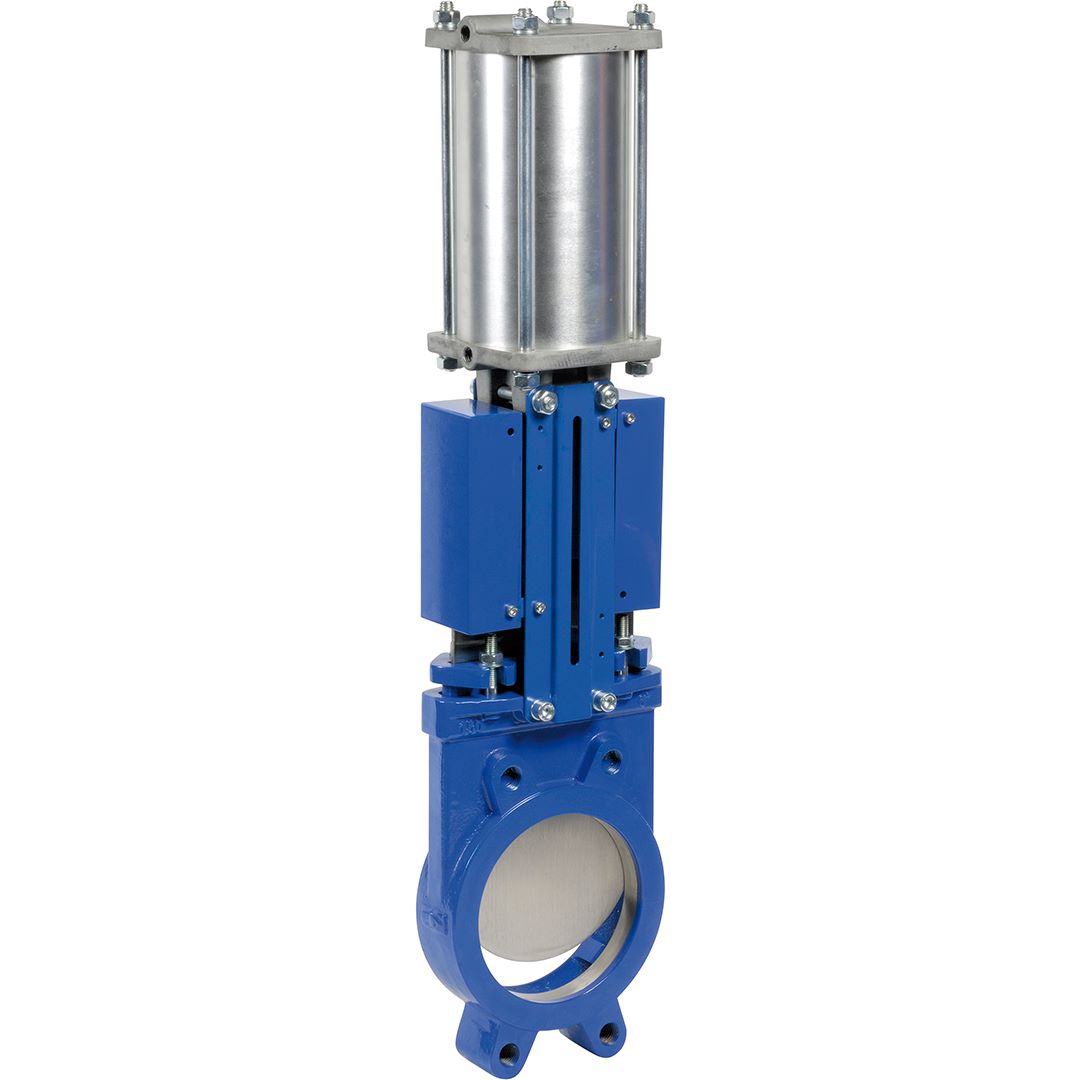
A stock image related to pneumatic knife gate valve.
In-depth Look: Manufacturing Processes and Quality Assurance for pneumatic knife gate valve
What Are the Main Stages in the Manufacturing Process of Pneumatic Knife Gate Valves?
The manufacturing process of pneumatic knife gate valves involves several critical stages, each essential for ensuring the final product meets the rigorous demands of various industries. The key stages include material preparation, forming, assembly, and finishing.
How Is Material Prepared for Pneumatic Knife Gate Valves?
The first step in manufacturing pneumatic knife gate valves is material preparation. High-quality materials such as stainless steel, cast iron, or specialized alloys are selected based on the intended application and environmental conditions. This selection is crucial as it affects the valve’s performance, durability, and resistance to corrosion or abrasion.
Once the materials are chosen, they undergo processes such as cutting, machining, and heat treatment to achieve the required specifications. Advanced techniques like CNC machining are often employed to ensure precision in dimensions and tolerances, which are vital for the valve’s functionality and sealing capability.
What Forming Techniques Are Used in Pneumatic Knife Gate Valve Manufacturing?
The forming stage typically involves shaping the prepared materials into the desired components of the valve. This can include processes like forging, casting, or stamping, depending on the design and material used.
For example, the body of the valve may be cast to create a robust structure capable of withstanding high pressure and temperature variations. The knife gate itself is often machined to achieve a sharp edge that can effectively cut through solids and create a reliable seal when closed.
How Is Assembly Conducted for Pneumatic Knife Gate Valves?
Once the individual components are formed, they proceed to the assembly stage. This involves meticulously putting together parts such as the valve body, knife gate, actuator, and seals. Assembly is often done in a controlled environment to minimize contamination and ensure that all components fit together seamlessly.
During this stage, pneumatic actuators are integrated, which are critical for the valve’s operation. The assembly process may also involve the installation of additional features, such as proximity sensors and solenoid valves, which enhance the functionality and control of the valve.
What Finishing Processes Are Applied to Ensure Quality in Pneumatic Knife Gate Valves?
The final stage of manufacturing is finishing, which involves surface treatments to enhance durability and performance. Common finishing processes include polishing, coating, and surface hardening. These treatments can improve resistance to corrosion, wear, and environmental factors, which is particularly important in industries like mining or wastewater management.
Moreover, attention to detail in the finishing process can significantly affect the valve’s sealing performance and longevity, making it a crucial step in the manufacturing process.
What Quality Assurance Standards Are Relevant for Pneumatic Knife Gate Valves?
Quality assurance (QA) is integral to the manufacturing process of pneumatic knife gate valves. Adhering to international standards such as ISO 9001 ensures that manufacturers implement a quality management system that meets customer and regulatory requirements.
In addition to ISO standards, industry-specific certifications like CE marking for European markets and API (American Petroleum Institute) standards for oil and gas applications are vital. These certifications indicate that the valves meet stringent safety and performance criteria, providing assurance to B2B buyers about the quality and reliability of the products.
What Are the Key Quality Control Checkpoints in Pneumatic Knife Gate Valve Manufacturing?
Quality control (QC) involves several checkpoints throughout the manufacturing process to identify and rectify issues before the product reaches the customer. The main QC checkpoints include:
Incoming Quality Control (IQC): This involves inspecting raw materials and components upon arrival to ensure they meet specified standards before production begins.
In-Process Quality Control (IPQC): During the manufacturing stages, inspections are conducted to monitor the quality of the processes and ensure that they adhere to predefined specifications.
Final Quality Control (FQC): Before the valves are shipped to customers, a thorough inspection is performed to ensure that each valve operates correctly and meets all quality standards.
What Common Testing Methods Are Used to Validate the Quality of Pneumatic Knife Gate Valves?
To ensure that pneumatic knife gate valves perform as expected, several testing methods are employed:
Pressure Testing: Valves are subjected to pressure tests to verify their ability to withstand specified pressure levels without leaking.
Leak Testing: This is critical, especially for valves used in slurry applications. Tests ensure that there is no leakage during operation, which can lead to significant operational issues.
Functional Testing: Each valve is tested for operational performance, ensuring that the actuator responds correctly and the valve opens and closes as intended.
How Can B2B Buyers Verify Supplier Quality Control Practices?
B2B buyers can take several steps to verify the quality control practices of potential suppliers:
Request Documentation: Buyers should ask for quality assurance documentation, including certifications and test reports, to ensure compliance with international standards.
Conduct Audits: Periodic audits of the supplier’s manufacturing facilities can provide insights into their quality control processes and adherence to standards.
Third-Party Inspections: Engaging third-party inspection services can offer an unbiased evaluation of the supplier’s products and processes, ensuring they meet the required specifications.
What Are the Quality Control Nuances for International B2B Buyers?
International B2B buyers, particularly from regions like Africa, South America, the Middle East, and Europe, must be aware of certain nuances related to quality control:
Regulatory Compliance: Different regions may have specific regulatory requirements. Understanding these can help buyers avoid compliance issues.
Cultural Differences: Quality expectations may vary between regions. Buyers should communicate their quality standards clearly to avoid misunderstandings.
Supply Chain Considerations: Evaluating the entire supply chain, including logistics and transportation, is crucial to ensure that quality is maintained from manufacturer to end-user.
In conclusion, the manufacturing and quality assurance processes for pneumatic knife gate valves are multifaceted and critical for ensuring reliable performance in demanding applications. By understanding these processes, B2B buyers can make informed decisions and select suppliers that meet their stringent quality requirements.
Practical Sourcing Guide: A Step-by-Step Checklist for ‘pneumatic knife gate valve’
To assist B2B buyers in effectively sourcing pneumatic knife gate valves, this practical checklist outlines essential steps to ensure a successful procurement process. Each step is designed to provide clarity and direction, helping you make informed decisions that align with your operational needs.
Step 1: Define Your Technical Specifications
Before initiating your search, clearly outline the technical requirements of the pneumatic knife gate valve you need. Consider factors such as size, pressure ratings, and the type of materials the valve will handle. This clarity will streamline your procurement process and ensure that you select a valve that meets your operational demands.
- Key specifications to consider:
- Valve size (e.g., 2 to 24 inches)
- Material compatibility (e.g., stainless steel, elastomers)
- Actuation type (pneumatic vs. manual)
Step 2: Research Supplier Options
Take the time to identify potential suppliers who specialize in pneumatic knife gate valves. A thorough market analysis will help you discover manufacturers with a proven track record and expertise in your specific industry.
- What to look for:
- Industry reputation and experience
- Range of products offered
- Specialization in your application area (e.g., mining, wastewater)
Step 3: Evaluate Potential Suppliers
Before making a commitment, it’s crucial to vet suppliers thoroughly. Request company profiles, case studies, and references from buyers in similar industries or regions. This step ensures you engage with reputable suppliers who can meet your quality standards.
- Consider the following:
- Customer testimonials and reviews
- Past project success stories
- Technical support capabilities
Step 4: Verify Certifications and Compliance
Ensure that the suppliers you consider have the necessary certifications and comply with international standards. This verification protects your investment and ensures the valves meet safety and quality benchmarks.
- Certifications to look for:
- ISO 9001 for quality management
- ANSI/ASME standards relevant to valve manufacturing
- Compliance with regional regulations (e.g., CE marking in Europe)
Step 5: Request Samples and Prototypes
If possible, request samples or prototypes of the pneumatic knife gate valves. This allows you to assess the quality, materials, and functionality before making a bulk purchase. Testing these samples in your operational environment can reveal potential issues early on.
- Benefits of sampling:
- Validation of specifications
- Opportunity to identify any design flaws
- Assurance of compatibility with existing systems
Step 6: Negotiate Terms and Conditions
Once you’ve selected a supplier, engage in negotiations regarding pricing, delivery times, warranties, and after-sales support. Clear agreements on these terms can prevent misunderstandings and ensure a smoother transaction process.
- Important negotiation points:
- Payment terms (e.g., upfront, installment)
- Return policy and warranty coverage
- Lead times for delivery and installation
Step 7: Plan for Installation and Maintenance
Consider the installation requirements and ongoing maintenance of the pneumatic knife gate valves. Proper planning will help you minimize downtime and ensure optimal performance over the valve’s lifespan.
- Installation considerations:
- Compatibility with existing piping systems
- Requirements for specialized installation teams
- Maintenance schedules for optimal valve operation
By following these steps, B2B buyers can confidently source pneumatic knife gate valves that meet their specific needs, ensuring reliability and efficiency in their operations.
Comprehensive Cost and Pricing Analysis for pneumatic knife gate valve Sourcing
What Are the Key Cost Components for Sourcing Pneumatic Knife Gate Valves?
When analyzing the cost structure for pneumatic knife gate valves, several components come into play. The primary cost components include:
Materials: The choice of materials significantly influences the overall cost. High-quality stainless steel or specialized alloys, often needed for harsh environments, typically command higher prices. Additionally, the type of seals and seats (e.g., rubber, Teflon) can affect costs based on their durability and compatibility with different substances.
Labor: Labor costs encompass both skilled workforce wages and operational overhead. Skilled technicians are essential for precision manufacturing, especially when dealing with customized valves. Labor costs can vary by region, impacting pricing strategies for international buyers.
Manufacturing Overhead: This includes expenses related to factory operations, such as utilities, equipment maintenance, and administrative costs. Efficient manufacturing processes can help reduce these overheads, thereby affecting the final price of the valves.
Tooling: The initial investment in tooling and machinery can be substantial, especially for custom valve designs. Tooling costs are typically amortized over the production volume, meaning larger orders can reduce the per-unit cost.
Quality Control (QC): Rigorous quality control processes are crucial, particularly for products in critical applications. The costs associated with testing and certification (e.g., ISO standards) can add to the overall price but are essential for ensuring reliability and compliance.
Logistics: Shipping and handling costs vary greatly depending on the origin and destination of the valves. Factors such as freight methods, packaging, and customs duties can significantly influence the total landed cost.
Margin: Manufacturers and suppliers typically add a margin to cover their costs and ensure profitability. This margin can vary based on competition, market demand, and the supplier’s positioning in the industry.
How Do Price Influencers Affect Pneumatic Knife Gate Valve Sourcing?
Several factors influence the pricing of pneumatic knife gate valves, including:
Volume/MOQ (Minimum Order Quantity): Larger orders often lead to lower unit prices. Suppliers are generally more willing to negotiate discounts for bulk purchases, making it advantageous for buyers to consolidate orders when possible.
Specifications and Customization: Custom valves that meet specific operational needs may incur additional costs. Buyers should carefully evaluate the necessity of custom features against standard options to avoid unnecessary expenses.
Materials and Quality Certifications: Higher quality materials and certifications can raise initial costs but may reduce long-term operational expenses through enhanced durability and reliability. Buyers should weigh the Total Cost of Ownership (TCO) against upfront costs.
Supplier Factors: The reputation and reliability of the supplier can influence pricing. Established suppliers with a history of quality and service may charge higher prices, but their products often offer better long-term value.
Incoterms: Understanding shipping terms is crucial for international buyers. Different Incoterms can affect the total cost by determining who is responsible for shipping, insurance, and customs duties.
What Are the Best Negotiation Tips for International Buyers of Pneumatic Knife Gate Valves?
For international B2B buyers, particularly from regions like Africa, South America, the Middle East, and Europe, effective negotiation is key to securing favorable pricing:
Research and Compare: Conduct thorough market research to understand prevailing prices and product specifications. This knowledge empowers buyers during negotiations.
Leverage Volume Discounts: If possible, consolidate orders to meet or exceed the supplier’s MOQ. This approach can yield significant savings.
Discuss Total Cost of Ownership: Highlight the long-term benefits of high-quality products during negotiations. Suppliers may be more willing to negotiate on initial pricing when they understand the buyer’s focus on TCO.
Be Flexible with Specifications: If budget constraints arise, consider adjusting specifications or opting for standard products instead of custom solutions.
Establish Long-term Relationships: Building a rapport with suppliers can lead to better pricing and terms over time. Suppliers are often more willing to negotiate with buyers who are seen as reliable partners.
Disclaimer on Indicative Prices
Prices for pneumatic knife gate valves can vary widely based on the factors outlined above. It is essential for buyers to obtain quotes from multiple suppliers to ensure competitive pricing and to consider all components of the cost structure in their sourcing decisions.
Alternatives Analysis: Comparing pneumatic knife gate valve With Other Solutions
Understanding the Importance of Alternative Solutions for Pneumatic Knife Gate Valves
In the industrial sector, selecting the right valve technology is crucial for efficient operations. While pneumatic knife gate valves are popular for their reliability and performance, it’s essential for buyers to explore alternative solutions that may better suit their specific needs. This analysis compares pneumatic knife gate valves with two viable alternatives: electric actuated gate valves and manual gate valves.
Comparison Table
| Comparison Aspect | Pneumatic Knife Gate Valve | Electric Actuated Gate Valve | Manual Gate Valve |
|---|---|---|---|
| Performance | High flow control with tight shut-off | Good control, but slower actuation | Moderate control, depends on manual operation |
| Cost | Moderate initial cost; potential high maintenance | Higher initial cost; lower maintenance | Low initial cost; labor-intensive |
| Ease of Implementation | Requires air supply and installation | Requires electrical connections | Simple installation; no external power needed |
| Maintenance | Regular maintenance needed for pneumatic components | Low maintenance; fewer moving parts | Higher maintenance due to wear from manual operation |
| Best Use Case | Slurry and bulk material handling | Applications requiring precision control | Simple on/off applications with low flow |
Detailed Breakdown of Alternatives
Electric Actuated Gate Valve
Electric actuated gate valves are operated using electric motors, providing precise control over flow rates. Their performance is commendable, especially in applications requiring consistent and repeatable operation. However, the initial investment is generally higher compared to pneumatic options. Additionally, they require electrical infrastructure, which may complicate installation in remote locations. These valves are best suited for environments where automation is a priority, but the reliance on electrical components can be a drawback in areas with unstable power supply.
Manual Gate Valve
Manual gate valves are the simplest form of valve technology, allowing operators to control flow through physical manipulation. Their cost-effectiveness and straightforward installation make them an appealing choice for small operations or low-flow applications. However, they lack the efficiency and speed of pneumatic or electric alternatives, and performance can vary significantly based on operator skill. Manual valves are best utilized in scenarios where flow control is infrequent, but they require consistent operator presence, which can increase labor costs over time.
Conclusion: How to Choose the Right Valve Solution for Your Needs
When selecting the appropriate valve solution, B2B buyers should assess their operational requirements, including flow control precision, budget constraints, and maintenance capabilities. Pneumatic knife gate valves offer excellent performance for handling slurry and bulk materials, making them ideal for industries like mining and wastewater management. Conversely, if automation and precision are paramount, electric actuated gate valves may be the better choice, despite the higher initial investment. For straightforward applications with limited flow control needs, manual gate valves may suffice, although they come with the caveat of increased labor demands. Ultimately, the decision should align with the specific operational context and long-term strategic goals of the business.
Essential Technical Properties and Trade Terminology for pneumatic knife gate valve
What Are the Key Technical Properties of Pneumatic Knife Gate Valves?
Pneumatic knife gate valves are engineered for robust performance in diverse industrial applications. Understanding their technical properties is crucial for B2B buyers looking to optimize operational efficiency and ensure reliable material handling. Here are some essential specifications:
1. Material Grade
The choice of material significantly influences the valve’s durability and suitability for specific applications. Common materials include stainless steel and cast iron, each offering distinct advantages. Stainless steel provides excellent resistance to corrosion, making it ideal for the food and chemical industries, while cast iron is often utilized in more heavy-duty applications due to its strength and affordability. Selecting the right material is critical for minimizing maintenance costs and extending service life.
2. Size and Flange Configuration
Pneumatic knife gate valves come in a variety of sizes, typically ranging from 2 to 24 inches. The flange configuration often adheres to the ASA (American Standards Association) bolt hole pattern, which standardizes installation across systems. Choosing the correct size ensures proper fit and functionality, allowing for optimal flow control and pressure management in diverse applications such as mining, wastewater treatment, and energy sectors.
3. Actuation Type
These valves can be actuated pneumatically or manually. Pneumatic actuation, featuring oversized air cylinders, allows for swift operation and reduced labor costs, which is beneficial for high-throughput environments. Manual actuation serves as a reliable backup in case of pneumatic system failure. Understanding the actuation type helps buyers assess the operational efficiency and adaptability of the valve within their processes.
4. Sealing Mechanism
The sealing mechanism, often involving resilient rubber seats or metal seals, is vital for achieving a tight shut-off. This property is particularly important in applications where leakage could result in significant product loss or environmental hazards. A high-quality sealing mechanism contributes to lower operational risks and enhances the overall reliability of the valve.
5. Pressure and Temperature Ratings
Pneumatic knife gate valves are designed to operate under specific pressure and temperature conditions. It is essential to match these ratings with the operational requirements of the application. Valves with higher pressure ratings are necessary for industries like oil and gas, where extreme conditions are common. Understanding these ratings ensures compliance with safety standards and optimal performance.
What Are Common Trade Terms Related to Pneumatic Knife Gate Valves?
Navigating the procurement process for pneumatic knife gate valves involves familiarity with industry-specific terminology. Here are some common trade terms that B2B buyers should understand:
1. OEM (Original Equipment Manufacturer)
An OEM refers to a company that produces parts or equipment that may be marketed by another manufacturer. For buyers, engaging with OEMs can ensure that they receive high-quality, compatible components for their systems.
2. MOQ (Minimum Order Quantity)
MOQ indicates the smallest number of units that a supplier is willing to sell. Understanding MOQ is crucial for buyers as it impacts inventory levels and purchasing strategies. It helps in budgeting and ensuring that the supply chain remains uninterrupted.
3. RFQ (Request for Quotation)
An RFQ is a document sent to suppliers to request pricing and terms for specific products or services. It is a critical step in the procurement process, allowing buyers to compare offers and make informed decisions based on price and quality.
4. Incoterms (International Commercial Terms)
Incoterms define the responsibilities of buyers and sellers in international transactions. Familiarity with these terms helps buyers understand shipping responsibilities, risk management, and cost allocation, which are vital for successful international procurement.
5. Lead Time
Lead time refers to the amount of time it takes from placing an order to receiving the product. Understanding lead times is essential for inventory management and project planning, ensuring that operations run smoothly without unnecessary delays.
By grasping these technical properties and trade terminologies, B2B buyers can make informed decisions that lead to more efficient and reliable operations within their industries.
Navigating Market Dynamics and Sourcing Trends in the pneumatic knife gate valve Sector
What Are the Key Trends Driving the Pneumatic Knife Gate Valve Market?
The global pneumatic knife gate valve market is experiencing significant growth, driven by increasing demand across various industries including mining, wastewater management, and energy. Factors such as urbanization, infrastructure development, and the need for efficient material handling systems are propelling the market forward. B2B buyers in regions like Africa, South America, the Middle East, and Europe are particularly focused on sourcing valves that provide reliable performance under demanding conditions.
Emerging trends include the integration of advanced technologies such as IoT and automation in valve operation. These technologies enable predictive maintenance and real-time monitoring, which can enhance operational efficiency and reduce downtime. Moreover, the shift towards more resilient materials and designs that cater to harsh environments is becoming a priority for manufacturers. Buyers are increasingly seeking valves with enhanced features like zero-leakage designs and customizable actuation options, ensuring optimal performance in diverse applications.
Additionally, the global push for sustainability is influencing procurement strategies. International buyers are looking for suppliers that prioritize eco-friendly practices and materials, aligning with global environmental goals. This trend is shaping the competitive landscape, as companies that can offer innovative, sustainable solutions gain a significant advantage in the market.
How Are Sustainability and Ethical Sourcing Reshaping the Pneumatic Knife Gate Valve Market?
Sustainability and ethical sourcing have become crucial considerations for B2B buyers in the pneumatic knife gate valve sector. The environmental impact of industrial operations is under increasing scrutiny, pushing companies to adopt more responsible practices. Buyers are now more inclined to partner with manufacturers who demonstrate a commitment to reducing their carbon footprint and utilizing sustainable materials in their products.
The demand for ‘green’ certifications and materials is on the rise. For instance, valves made from recyclable or eco-friendly materials, or those that comply with international environmental standards, are increasingly favored. This shift not only enhances a company’s reputation but also meets the expectations of environmentally-conscious stakeholders.
Furthermore, ethical supply chains are essential in maintaining quality and reliability. Buyers must ensure that their suppliers adhere to labor rights and fair trade practices. By prioritizing suppliers with transparent sourcing processes, companies can mitigate risks associated with supply chain disruptions while promoting a positive corporate image. Thus, investing in sustainable and ethical sourcing is not just a trend; it is becoming a fundamental aspect of strategic procurement in the pneumatic knife gate valve sector.
What Is the Historical Context of Pneumatic Knife Gate Valves in B2B Markets?
The pneumatic knife gate valve has evolved significantly since its inception, adapting to meet the demands of various industries. Initially designed for basic on-off isolation, advancements in technology and materials have transformed these valves into high-performance components capable of handling severe service conditions. The introduction of pneumatic actuation has enhanced their efficiency, allowing for quick and precise control of material flow.
Over the years, innovations such as zero-leakage designs and resilient seat materials have emerged, addressing the challenges posed by harsh industrial environments. As industries continue to evolve, the pneumatic knife gate valve has proven its adaptability and resilience, making it a critical component in modern material handling systems. This historical context is essential for B2B buyers, as it highlights the importance of choosing suppliers that not only understand these developments but also invest in ongoing innovation to meet future challenges.
Frequently Asked Questions (FAQs) for B2B Buyers of pneumatic knife gate valve
How do I choose the right pneumatic knife gate valve for my application?
Choosing the right pneumatic knife gate valve depends on several factors, including the type of material being handled, the required pressure and temperature ratings, and the necessary size and connection type. Assess the specific demands of your application, such as whether it involves abrasive materials or requires zero leakage. Additionally, consider the valve’s actuation mechanism and whether you need features like resilient seating or automation options. Consulting with manufacturers or industry experts can provide insights tailored to your operational needs.What are the advantages of using pneumatic knife gate valves?
Pneumatic knife gate valves offer several advantages, including efficient control over material flow, quick actuation, and minimal maintenance. They are designed for heavy-duty applications, providing reliable shutoff for slurries and abrasive materials. The pneumatic actuation allows for remote operation, enhancing safety and efficiency in processes. Their robust construction ensures durability in challenging environments, making them ideal for industries like mining, wastewater management, and chemical processing.What is the typical lead time for ordering pneumatic knife gate valves?
Lead times for pneumatic knife gate valves can vary significantly based on factors such as customization, order size, and the manufacturer’s production schedule. Generally, standard models may have a lead time of 4 to 8 weeks, while custom configurations could take longer. It’s advisable to communicate directly with suppliers to get accurate timelines and ensure that your project schedules align with their production capabilities.What are the minimum order quantities (MOQs) for pneumatic knife gate valves?
Minimum order quantities (MOQs) for pneumatic knife gate valves vary by manufacturer and region. Many suppliers may have MOQs ranging from 5 to 10 units for standard models, while custom valves may require higher quantities. When sourcing, inquire about MOQs as they can impact your procurement strategy, especially for smaller operations or projects with limited budgets. Negotiating terms with suppliers may also yield flexibility in MOQs.How can I ensure the quality of pneumatic knife gate valves from suppliers?
To ensure the quality of pneumatic knife gate valves, start by vetting suppliers through their certifications and industry reputation. Request product samples or visit manufacturing facilities if possible. Additionally, inquire about their quality assurance processes, including testing methods and compliance with international standards. Reading customer reviews and seeking recommendations from industry peers can also provide valuable insights into a supplier’s reliability.What payment terms are commonly offered for international purchases of pneumatic knife gate valves?
Payment terms for international purchases of pneumatic knife gate valves can vary significantly depending on the supplier and the buyer’s location. Common options include advance payment, letters of credit, or payment upon delivery. It’s essential to negotiate terms that align with your cash flow and risk management strategies. Ensure that you understand the implications of the chosen payment method, especially regarding currency exchange rates and potential transaction fees.What should I consider regarding logistics when importing pneumatic knife gate valves?
When importing pneumatic knife gate valves, consider factors such as shipping methods, customs clearance, and delivery timelines. Evaluate the total landed cost, which includes shipping, insurance, tariffs, and taxes. Collaborating with a reliable freight forwarder can streamline logistics and help navigate any regulatory requirements. It’s also wise to plan for potential delays in transit and customs to avoid disruptions in your supply chain.Can pneumatic knife gate valves be customized for specific applications?
Yes, pneumatic knife gate valves can often be customized to meet specific application requirements. Manufacturers typically offer various options, including different materials, sizes, actuation methods, and sealing technologies. Customization is particularly beneficial for industries with unique operational demands, such as extreme temperatures or corrosive environments. When discussing customization with suppliers, clearly outline your specifications to ensure that the final product meets your needs effectively.
Important Disclaimer & Terms of Use
⚠️ Important Disclaimer
The information provided in this guide, including content regarding manufacturers, technical specifications, and market analysis, is for informational and educational purposes only. It does not constitute professional procurement advice, financial advice, or legal advice.
While we have made every effort to ensure the accuracy and timeliness of the information, we are not responsible for any errors, omissions, or outdated information. Market conditions, company details, and technical standards are subject to change.
B2B buyers must conduct their own independent and thorough due diligence before making any purchasing decisions. This includes contacting suppliers directly, verifying certifications, requesting samples, and seeking professional consultation. The risk of relying on any information in this guide is borne solely by the reader.
Top 8 Pneumatic Knife Gate Valve Manufacturers & Suppliers List
1. Emerson – Knife Gate Valves
Domain: emerson.com
Registered: 1995 (30 years)
Introduction: This company, Emerson – Knife Gate Valves, is a notable entity in the market. For specific product details, it is recommended to visit their website directly.
2. ATO – Stainless Steel Knife Gate Valves
Domain: ato.com
Registered: 1997 (28 years)
Introduction: This company, ATO – Stainless Steel Knife Gate Valves, is a notable entity in the market. For specific product details, it is recommended to visit their website directly.
3. Cooper Industries – Knife Gate Valves

Domain: cooperind.com
Registered: 2020 (5 years)
Introduction: Knife Gate Valve offerings from Cooper Industries include various models and sizes, with prices ranging from $500 to $6,500. Notable products include: 10″ Manual Dezurik Knife Gate Valve (Unused) for $1,600.00; 12 Inch Vortex Quantum Knife Gate Valve with Pneumatic Cylinder and Air Tank for $6,500.00; 2 Inch OrbinoX Pneumatic Knife Gate for $750.00; 6 Inch Manual Dezurik Knife Gate Valve (Unused) …
4. Carolina Conveying – Pneumatic Knife Gate Valve
Domain: carolinaconveying.com
Registered: 1999 (26 years)
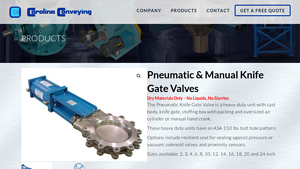
Introduction: Pneumatic Knife Gate Valve is a heavy duty unit with cast body, knife gate, stuffing box with packing, and oversized air cylinder. Features include: ASA 150 lbs bolt hole pattern, options for resilient seat for sealing against pressure or vacuum, solenoid valves, proximity sensors, and hand crank actuator. Available sizes: 2, 3, 4, 6, 8, 10, 12, 14, 16, 18, 20, and 24 inch. Specifications: Bodies …
5. Rodney Hunt – Knife Gate Valves
Domain: rodneyhunt.com
Registered: 1997 (28 years)
Introduction: Cast & Fabricated Knife Gate Valves
– Versions:
– Mono:
– Usage: Underground installation, chamber installation, sewage and water systems
– Material: Cast Ductile Iron per ASTM A 536 Gr.65-45-12 or 400/15 (GGG40)
– Sizes: 2″ to 120″
– Seatings: Resilient and Metallic
– Actuation: Manual, electric, hydraulic, pneumatic
– Mono-A:
– Usage: Underground installation, chamber…
6. Ferguson – Stainless Steel Pneumatic Cylinder Knife Gate Valve
Domain: ferguson.com
Registered: 1999 (26 years)
Introduction: This company, Ferguson – Stainless Steel Pneumatic Cylinder Knife Gate Valve, is a notable entity in the market. For specific product details, it is recommended to visit their website directly.
7. Wey Valve – Knife Gate Valves
Domain: weyvalve.com
Registered: 1997 (28 years)
Introduction: {“product_type”: “Knife Gate Valves”, “features”: {“sealing_system”: “Wey sealing system”, “suitable_for”: [“demanding applications”, “variety of differential pressure scenarios”, “abrasive materials”, “corrosive materials”, “extreme temperatures”], “nominal_size_range”: “2 – 80 inch”, “pressure_rating_range”: “0 – 1450 psi”, “material_options”: [“Stainless steel”, “Cast iron”, “Ductile iron”, “Ca…
8. Nieruf – Knife Gate Valve DN 200
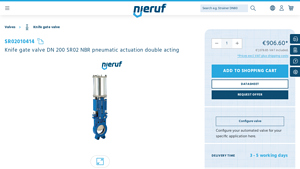
Domain: nieruf.com
Registered: 2014 (11 years)
Introduction: Knife gate valve, pneumatic actuation, double acting, DN 200, NBR, uni-directional tightness, price: €906.60 (VAT included), delivery time: 3 – 5 working days, accessory options available.
Strategic Sourcing Conclusion and Outlook for pneumatic knife gate valve
In conclusion, the strategic sourcing of pneumatic knife gate valves is essential for optimizing operational efficiency across various industries, including mining, wastewater management, and energy. These valves provide reliable on-off isolation, ensuring minimal leakage and enhanced control over material flow. B2B buyers should prioritize suppliers that offer robust, heavy-duty designs with customizable features, such as resilient seats and pneumatic or manual actuation options.
Investing in high-quality pneumatic knife gate valves not only reduces maintenance costs but also extends the lifespan of critical equipment, thus lowering the total cost of ownership. As industries in Africa, South America, the Middle East, and Europe continue to evolve, the demand for reliable valve solutions will only increase.
Looking ahead, international buyers are encouraged to explore partnerships with leading manufacturers that prioritize innovation and quality. By leveraging strategic sourcing, companies can enhance their operational capabilities, ensuring they remain competitive in a dynamic global marketplace. Now is the time to make informed decisions that will drive growth and efficiency in your business processes.
 Slovak
  English (United States)
  Spanish (Spain)
  Portuguese (Portugal)
  French
  German
  Italian
  Arabic
  Dutch
Dutch  English (UK)
  Bulgarian
  Chinese (China)
  Chinese (Hong Kong)
  Czech
Czech  Danish
  Greek
Greek  Finnish
  Spanish (Mexico)
  Estonian
  Hebrew
  Hungarian
  Indonesian
  Japanese
  Korean
  Latvian
  Lithuanian
  Norwegian
  Polish
  Portuguese (Brazil)
  Romanian
  Russian
  Slovenian
  Swedish
  Turkish
  Ukrainian
  Vietnamese