
Introduction: Navigating the Global Market for irrigation pump housing
In the rapidly evolving agricultural landscape, sourcing reliable irrigation pump housing is crucial for international B2B buyers aiming to enhance productivity and sustainability. As global demand for efficient irrigation systems rises, understanding the nuances of irrigation pump enclosures becomes a key challenge. This guide addresses that need by providing a comprehensive overview of the different types of irrigation pump housings, their applications across various agricultural settings, and essential considerations for supplier vetting.
From robust fiberglass enclosures to lightweight plastic covers, each option offers distinct advantages tailored to specific environmental conditions and operational requirements. Buyers will also find insights into cost implications and the importance of durability and protection against extreme weather conditions, which are particularly relevant for regions in Africa, South America, the Middle East, and Europe, such as Brazil and Vietnam.
By leveraging this guide, international buyers will be empowered to make informed purchasing decisions that align with their operational goals, ultimately ensuring that their irrigation systems function optimally. The actionable insights provided will facilitate strategic sourcing and foster long-term partnerships with suppliers who understand the unique challenges of each market.
Understanding irrigation pump housing Types and Variations
| Type Name | Key Distinguishing Features | Primary B2B Applications | Brief Pros & Cons for Buyers |
|---|---|---|---|
| Fiberglass Enclosures | Lightweight, corrosion-resistant, customizable sizes | Agricultural irrigation, landscaping | Pros: Durable, low maintenance; Cons: Higher initial cost. |
| Metal Covers | Robust, typically steel or aluminum, good thermal properties | Industrial irrigation systems | Pros: Long-lasting, excellent protection; Cons: Heavier, susceptible to rust if untreated. |
| Plastic Housings | Lightweight, often UV-resistant, cost-effective | Residential and small-scale irrigation | Pros: Affordable, easy to install; Cons: Less durable than metal or fiberglass. |
| Acoustic Enclosures | Sound-dampening features, often insulated | Urban agriculture, noise-sensitive areas | Pros: Reduces noise pollution; Cons: More complex installation and higher cost. |
| Custom Fabricated Housings | Tailored designs to specific requirements | Specialized agricultural applications | Pros: Fit for unique needs; Cons: Longer lead times and potentially higher costs. |
What are the Characteristics of Fiberglass Enclosures for Irrigation Pumps?
Fiberglass enclosures are favored for their lightweight and corrosion-resistant properties, making them ideal for diverse environmental conditions. They can be customized in size and shape, accommodating various pump configurations. B2B buyers should consider their durability and low maintenance needs, although the initial investment may be higher than other materials. These enclosures are particularly suitable for agricultural irrigation and landscaping applications, where longevity is essential.
Why Choose Metal Covers for Industrial Applications?
Metal covers, typically made from steel or aluminum, offer robust protection and excellent thermal properties, making them suitable for industrial irrigation systems. They are designed to withstand harsh weather conditions and provide a long-lasting solution. However, they can be heavier and require proper treatment to prevent rusting. B2B buyers should weigh their durability against potential maintenance needs when considering metal covers for their operations.
What Are the Benefits of Plastic Housings?
Plastic housings are an economical option for irrigation systems, especially for residential and small-scale applications. They are lightweight, often UV-resistant, and easy to install, making them a popular choice for budget-conscious buyers. However, while they offer affordability, their durability may not match that of metal or fiberglass options. B2B buyers should assess the specific needs of their projects when considering plastic housings.
How Do Acoustic Enclosures Improve Irrigation Pump Efficiency?
Acoustic enclosures are designed to minimize noise pollution, making them ideal for urban agricultural settings or areas where noise sensitivity is a concern. These enclosures feature sound-dampening materials and insulation, which can enhance the overall operational environment. While they provide significant benefits in noise reduction, B2B buyers must consider the complexity of installation and potentially higher costs associated with these specialized housings.
What Are the Advantages of Custom Fabricated Housings?
Custom fabricated housings are tailored to meet specific operational requirements, making them suitable for specialized agricultural applications. These housings can be designed to fit unique dimensions and functionalities, ensuring optimal performance. However, B2B buyers should be aware of the longer lead times and potentially higher costs associated with custom solutions. Understanding the specific needs of the operation is crucial when considering this option.
Key Industrial Applications of irrigation pump housing
| Industry/Sector | Specific Application of Irrigation Pump Housing | Value/Benefit for the Business | Key Sourcing Considerations for this Application |
|---|---|---|---|
| Agriculture | Enclosed pump systems for large-scale irrigation | Protects pumps from environmental factors, reducing downtime | Material durability, compatibility with existing systems |
| Landscaping | Residential and commercial landscape irrigation systems | Enhances aesthetic appeal while safeguarding equipment | Design options, noise reduction capabilities |
| Mining | Water transfer for mineral extraction and processing | Ensures reliable water supply in harsh conditions | Corrosion resistance, ease of installation |
| Construction | Temporary water supply systems for site management | Provides efficient water management during construction phases | Portability, ease of maintenance |
| Aquaculture | Pump housing for water circulation in fish farms | Maintains optimal water quality for fish health | Size and capacity specifications, energy efficiency |
How is Irrigation Pump Housing Used in Agriculture?
In the agriculture sector, irrigation pump housing is crucial for protecting pumps used in large-scale irrigation systems. These housings shield pumps from harsh environmental conditions, including UV rays, rain, and dust, thus minimizing maintenance costs and downtime. Buyers in regions like Africa and South America should consider materials that withstand extreme temperatures and humidity levels, ensuring longevity and reliability in their irrigation operations.
What Role Does Pump Housing Play in Landscaping?
For landscaping applications, irrigation pump housing provides both functional and aesthetic benefits. These enclosures protect pumps from damage while enhancing the visual appeal of residential and commercial landscapes. Buyers should prioritize design options that blend with their landscaping themes, as well as noise reduction features to minimize disturbances in residential areas, particularly in urban settings across Europe and the Middle East.
How is Pump Housing Utilized in Mining Operations?
In the mining industry, irrigation pump housing is essential for water transfer during mineral extraction and processing. These housings safeguard pumps from abrasive materials and corrosive environments, ensuring a consistent water supply critical for operations. Buyers should focus on sourcing materials that offer high corrosion resistance and durability, especially in harsh climates, to maintain operational efficiency in remote mining locations.
What is the Importance of Pump Housing in Construction?
During construction projects, temporary water supply systems often rely on irrigation pump housing to manage water efficiently. These housings facilitate the transfer of water for various site needs, including dust control and concrete curing. Key considerations for buyers include the portability of the housing and ease of maintenance, as construction timelines can be tight, particularly in fast-paced markets in South America and Africa.
How Does Pump Housing Support Aquaculture?
In the aquaculture industry, irrigation pump housing plays a vital role in maintaining water circulation and quality within fish farms. These enclosures protect pumps from contaminants and ensure optimal conditions for fish health. Buyers should evaluate the size and capacity of the pump housing to fit their specific aquaculture needs, along with energy efficiency features to reduce operational costs, especially in regions where energy resources may be limited.
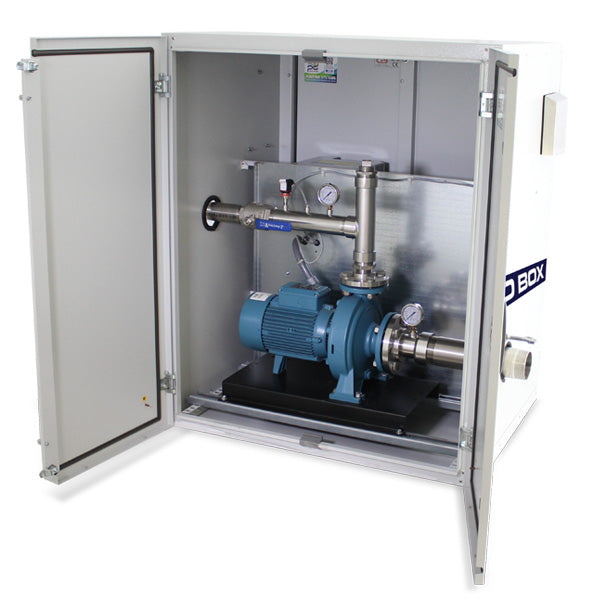
A stock image related to irrigation pump housing.
3 Common User Pain Points for ‘irrigation pump housing’ & Their Solutions
Scenario 1: Insufficient Protection Against Environmental Elements
The Problem: Many agricultural enterprises operate in regions with extreme weather conditions, such as heavy rain, intense sunlight, or even snow. B2B buyers of irrigation pump housings often face the challenge of selecting enclosures that adequately protect pumps from environmental factors. Inadequate housing can lead to premature wear and tear, rust, or even total pump failure, resulting in costly repairs and operational downtime. This is particularly critical in areas where irrigation is essential for crop survival, making the protection of equipment a high priority.
The Solution: To overcome this challenge, buyers should focus on sourcing irrigation pump housings made from durable, weather-resistant materials. For instance, fiberglass or heavy-duty plastic enclosures can withstand harsh weather conditions and prevent corrosion. When specifying pump housings, consider features such as UV resistance, waterproof seals, and ventilation to mitigate heat buildup. Additionally, buyers should evaluate the housing’s insulation properties to protect against freezing temperatures. Consulting with suppliers about regional environmental challenges can also lead to tailored solutions, ensuring that the selected housing meets specific operational needs while enhancing longevity.
Scenario 2: Inadequate Soundproofing Leading to Noise Pollution
The Problem: In urban or suburban areas, noise pollution from irrigation pumps can become a significant issue, leading to complaints from surrounding communities. B2B buyers often find that standard pump housings do not provide adequate soundproofing, resulting in disruptive operational noise. This not only affects community relations but can also result in regulatory scrutiny or fines, complicating business operations and harming reputations.
The Solution: Buyers should prioritize soundproofing features when selecting irrigation pump housings. This can involve sourcing enclosures specifically designed with acoustic insulation materials, which can significantly reduce noise levels. Additionally, incorporating sound-absorbing panels within the housing can further mitigate sound emissions. Buyers should also consider the placement of pumps; locating them in less populated areas or using barriers can help contain noise. Engaging with manufacturers to understand which products are best suited for noise reduction will enhance compliance with local regulations and improve community relations.
Scenario 3: Difficulty in Maintenance and Accessibility
The Problem: Regular maintenance is critical for the efficient operation of irrigation systems, yet many pump housings are designed in a way that makes access to the pump cumbersome. B2B buyers often struggle with enclosures that require excessive time and effort to open, risking operational delays during critical maintenance windows. This can lead to increased labor costs and a higher risk of equipment malfunction due to neglected upkeep.
The Solution: To address maintenance accessibility, buyers should look for pump housings that are designed with user-friendly features, such as hinged doors or removable panels that allow easy access to the pump without disassembly. It is also beneficial to consider modular designs that facilitate quick repairs and part replacements. Buyers can enhance operational efficiency by ensuring that housings have integrated access points for monitoring equipment, such as pressure gauges or filters, without needing to open the entire enclosure. When evaluating options, conducting a trial or pilot test of the housing can provide valuable insights into its practicality for maintenance needs, ultimately leading to better decision-making and reduced downtime.
Strategic Material Selection Guide for irrigation pump housing
When selecting materials for irrigation pump housing, it is crucial to consider various factors, including performance characteristics, cost, and regional compliance standards. This analysis focuses on four common materials: fiberglass, polyethylene, aluminum, and stainless steel. Each material has distinct properties that influence their suitability for different applications, especially in diverse environments like Africa, South America, the Middle East, and Europe.
What are the Key Properties of Fiberglass in Irrigation Pump Housing?
Fiberglass is known for its excellent corrosion resistance and lightweight characteristics. It can withstand a wide range of temperatures, making it suitable for various climates. Fiberglass also has a high tensile strength, which contributes to its durability under pressure. However, it is sensitive to UV exposure over time, which can lead to degradation if not properly treated.
Pros: Fiberglass is relatively easy to mold into complex shapes, allowing for customized designs. It is also cost-effective compared to metals, making it an attractive option for budget-conscious buyers.
Cons: The manufacturing process can be complex and may require specialized skills. Additionally, if damaged, repairs can be challenging, as patching fiberglass may not restore its original strength.
How Does Polyethylene Perform as a Material for Pump Housing?
Polyethylene is a thermoplastic known for its flexibility and resistance to impact and chemicals. It is lightweight and has good insulation properties, making it suitable for various applications, including irrigation. Polyethylene can handle a range of temperatures but is not as robust under high-pressure conditions compared to other materials.
Pros: Its low cost and ease of manufacturing make polyethylene a popular choice. It is also resistant to corrosion and does not require additional coatings for protection.
Cons: The material’s lower temperature tolerance can limit its use in extreme environments. Additionally, it may not be suitable for applications requiring high structural integrity.
What Advantages Does Aluminum Offer for Irrigation Pump Housings?
Aluminum is a lightweight metal that provides excellent strength-to-weight ratio and corrosion resistance. It can handle high temperatures and pressures, making it suitable for demanding applications. Aluminum is also recyclable, adding an environmental benefit to its use.
Pros: The durability and strength of aluminum make it ideal for long-term applications. It can also be anodized for additional corrosion protection, enhancing its lifespan.
Cons: Aluminum can be more expensive than plastic options, and its manufacturing process can be more complex, requiring specialized equipment. Additionally, it is susceptible to galvanic corrosion when in contact with other metals.
Why is Stainless Steel Considered a Premium Material for Pump Housing?
Stainless steel is renowned for its exceptional strength, durability, and resistance to corrosion. It can withstand extreme temperatures and pressures, making it a top choice for high-performance applications. Its non-reactive nature also makes it suitable for various media, including potable water.
Pros: The longevity and robustness of stainless steel justify its higher cost. It is easy to clean and maintain, which is essential in agricultural settings where hygiene is critical.
Cons: The initial investment is significant, which may deter some buyers. Additionally, stainless steel can be heavy, which may complicate installation and transportation.
Summary Table of Material Selection for Irrigation Pump Housing
| Material | Typical Use Case for irrigation pump housing | Key Advantage | Key Disadvantage/Limitation | Relative Cost (Low/Med/High) |
|---|---|---|---|---|
| Fiberglass | Custom-shaped enclosures for various climates | Excellent corrosion resistance and lightweight | Sensitive to UV exposure over time | Medium |
| Polyethylene | Flexible housing for low-pressure systems | Low cost and easy to manufacture | Limited high-pressure application suitability | Low |
| Aluminum | High-performance applications in agriculture | Strong and lightweight with good corrosion resistance | More expensive and complex to manufacture | High |
| Stainless Steel | Premium applications requiring durability | Exceptional strength and longevity | High initial cost and heavier weight | High |
This strategic material selection guide provides B2B buyers with essential insights into the properties, advantages, and limitations of various materials for irrigation pump housing. Understanding these factors will aid in making informed purchasing decisions tailored to specific regional needs and compliance standards.
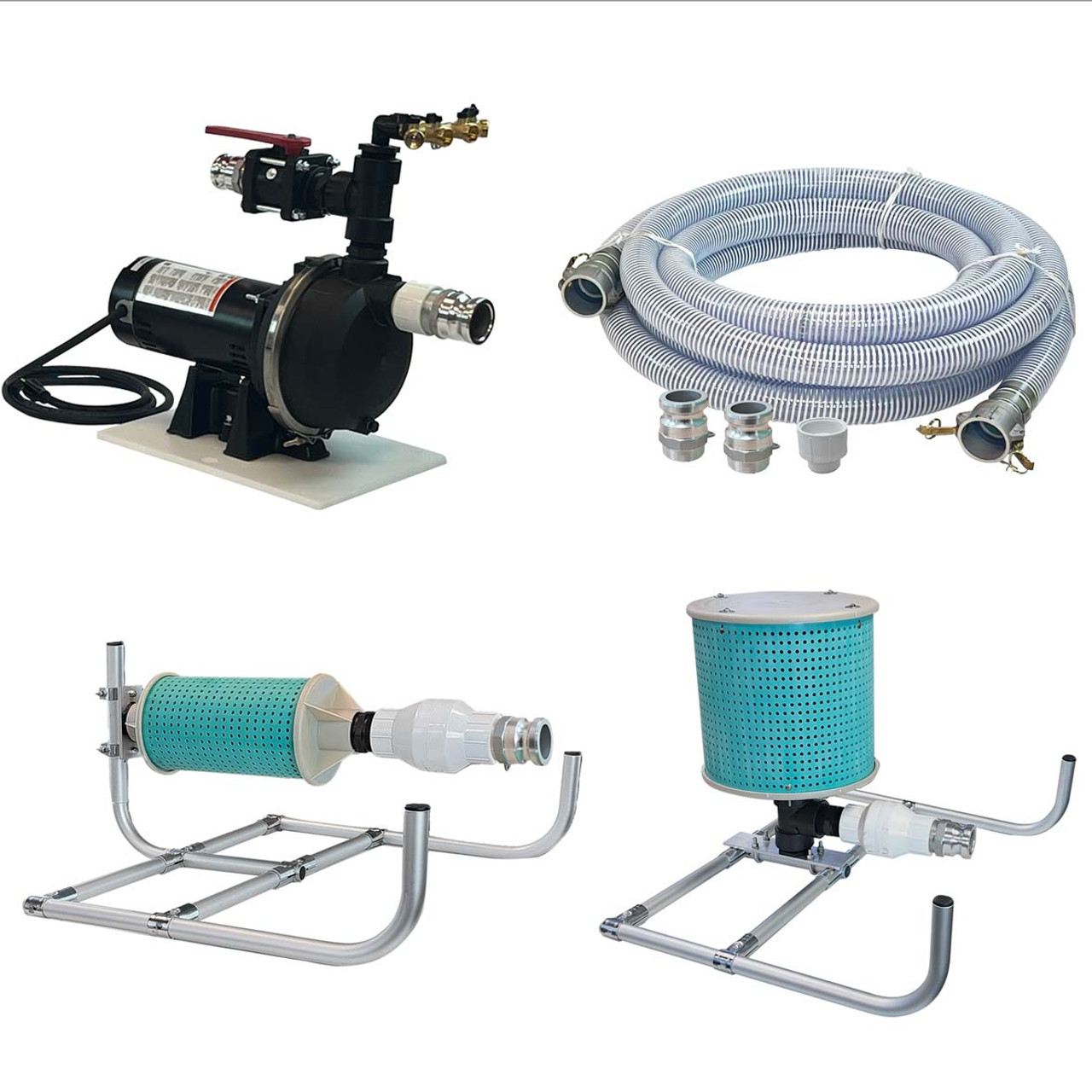
A stock image related to irrigation pump housing.
In-depth Look: Manufacturing Processes and Quality Assurance for irrigation pump housing
What Are the Main Stages of Manufacturing Irrigation Pump Housings?
The manufacturing process for irrigation pump housings typically involves several key stages: material preparation, forming, assembly, and finishing. Each of these stages plays a vital role in ensuring the final product meets the required specifications and quality standards.
Material Preparation: This initial stage involves selecting the appropriate materials, which often include high-grade plastics, fiberglass, or metals like aluminum and stainless steel. The chosen material is then cut to size, and any surface treatments required to enhance durability and corrosion resistance are applied.
Forming: In this phase, the prepared materials are shaped into the desired form of the pump housing. Techniques such as injection molding, rotational molding, or stamping are commonly used, depending on the material and design complexity. Advanced technologies like computer-aided design (CAD) ensure precision in forming, which is crucial for fit and function.
Assembly: Once the individual components are formed, they are assembled into the final housing structure. This can include the integration of seals, fasteners, and any internal components necessary for optimal performance. Automated assembly lines can enhance efficiency, but manual assembly may be employed for more complex housings requiring careful handling.
Finishing: The final stage involves surface treatments such as painting, coating, or polishing to enhance aesthetic appeal and protect against environmental factors. Quality checks are also integral at this stage to ensure that the product meets design specifications before it moves to the next phase.
How Is Quality Control Implemented in the Manufacturing of Irrigation Pump Housings?
Quality control (QC) is critical in the manufacturing of irrigation pump housings to ensure reliability, safety, and compliance with international standards. Various QC checkpoints and testing methods are employed throughout the production process.
International Standards and Certifications: Adhering to international standards such as ISO 9001 for quality management systems is essential. Additionally, industry-specific certifications like CE marking for European markets or API standards for oil and gas applications may be required, depending on the intended use of the pump housing.
Quality Control Checkpoints:
– Incoming Quality Control (IQC): This initial checkpoint assesses the quality of raw materials before they enter the manufacturing process. Suppliers must provide material certifications to confirm compliance with specified standards.
– In-Process Quality Control (IPQC): During the manufacturing process, regular inspections are conducted to monitor production quality. This includes verifying dimensions, material properties, and adherence to design specifications.
– Final Quality Control (FQC): After assembly and finishing, the final product undergoes a comprehensive evaluation. This includes functional testing, pressure testing, and visual inspections to ensure the pump housing meets all performance criteria.Common Testing Methods: Testing methods can include hydrostatic pressure tests, temperature cycling tests, and corrosion resistance assessments. These tests are vital to confirm that the housing can withstand operational stresses and environmental conditions.
What Are the Best Practices for B2B Buyers to Verify Supplier Quality Control?
For B2B buyers, especially those from diverse international markets such as Africa, South America, the Middle East, and Europe, verifying the quality control measures of suppliers is crucial for ensuring product reliability and compliance.
Supplier Audits: Conducting regular audits of suppliers’ manufacturing facilities is one of the most effective ways to assess their QC practices. Buyers should evaluate the supplier’s adherence to international standards, their quality management systems, and the robustness of their QC checkpoints.
Quality Reports: Requesting detailed quality reports from suppliers can provide insights into their QC processes. These reports should outline testing procedures, results, and any corrective actions taken in response to quality issues.
Third-Party Inspections: Engaging third-party inspection agencies can further validate the supplier’s quality claims. These independent assessments can provide an unbiased evaluation of the manufacturing process, materials used, and final product quality.
Certification Verification: Buyers should verify that suppliers hold the necessary certifications relevant to their industry and region. This includes checking the validity of ISO certifications, CE markings, and any other relevant compliance documentation.
What Are the Quality Control Nuances for International B2B Buyers?
Navigating the quality control landscape can be complex for international B2B buyers, particularly when dealing with suppliers across different regions. Understanding local regulations and standards is crucial.
Regional Compliance: Different regions may have specific compliance requirements. For example, CE certification is mandatory for products sold in the European Union, while other regions may have their own regulatory frameworks. Buyers should be aware of these differences to avoid compliance issues.
Cultural Considerations: Cultural differences can influence manufacturing practices and quality perceptions. It is essential for buyers to establish clear communication channels with suppliers to ensure mutual understanding of quality expectations.
Language Barriers: Technical documentation, including quality reports and certification documents, may be in different languages. Buyers should ensure that they have access to translated versions to fully comprehend the quality assurance processes in place.
Supply Chain Transparency: Building strong relationships with suppliers can enhance transparency throughout the supply chain. Engaging in collaborative quality improvement initiatives can lead to better outcomes for both parties, ensuring that quality remains a shared priority.
By understanding the manufacturing processes and quality assurance measures in place for irrigation pump housings, B2B buyers can make informed decisions, ensuring that they source high-quality products that meet their operational needs.
Practical Sourcing Guide: A Step-by-Step Checklist for ‘irrigation pump housing’
Introduction
Navigating the procurement of irrigation pump housing can be complex, especially for international B2B buyers. This checklist aims to streamline your sourcing process by outlining essential steps to ensure you select the right housing solutions that meet your operational needs and compliance standards. By following these steps, you can make informed decisions that will enhance the efficiency and longevity of your irrigation systems.
Step 1: Define Your Technical Specifications
Before starting your search, it’s vital to outline the specific requirements for your irrigation pump housing. Consider factors such as size, material (e.g., fiberglass, plastic, metal), and environmental resistance (UV, corrosion, etc.). Clearly defined specifications will help you communicate effectively with suppliers and ensure that the products meet your operational needs.
Step 2: Research Potential Suppliers
Conduct thorough research to identify suppliers that specialize in irrigation pump housing. Utilize online resources, industry directories, and trade shows to compile a list of potential partners. Pay attention to their reputation in the market, product range, and experience in your specific region, as local support can be critical in maintenance and service.
Step 3: Evaluate Supplier Certifications and Compliance
It is crucial to verify that potential suppliers adhere to relevant industry standards and certifications, such as ISO 9001 or equivalent local standards. These certifications indicate that the supplier follows quality management practices, which can significantly impact product reliability and performance. Additionally, ensure compliance with environmental regulations specific to your region.
Step 4: Request Samples and Product Specifications
Before making a bulk purchase, request samples of the irrigation pump housing. This allows you to assess the quality and suitability of the product firsthand. Examine the technical specifications provided by the supplier, and ensure they align with your defined criteria. Look for details regarding installation, maintenance, and warranty information.
Step 5: Assess Cost and Payment Terms
Evaluate the pricing structure of the shortlisted suppliers, keeping in mind that the lowest price may not always equate to the best value. Compare costs while considering shipping and handling fees, as these can significantly affect your total expenditure. Additionally, negotiate payment terms that align with your cash flow needs, such as deposits, credit terms, or payment plans.
Step 6: Check References and Reviews
Before finalizing a supplier, request references from previous clients, particularly those in similar industries or geographical regions. This step provides insights into the supplier’s reliability, customer service, and product performance. Online reviews and testimonials can also offer valuable information about the supplier’s reputation in the market.
Step 7: Finalize Terms and Place Your Order
Once you have completed your due diligence, finalize the terms of your agreement. Ensure that all aspects, including delivery schedules, warranties, and after-sales support, are clearly articulated in the contract. Confirm the order details and keep lines of communication open with your supplier to facilitate a smooth transaction.
By following this practical checklist, you can confidently navigate the sourcing process for irrigation pump housing, ensuring that you select the best options for your irrigation systems while minimizing risks and maximizing operational efficiency.
Comprehensive Cost and Pricing Analysis for irrigation pump housing Sourcing
What Are the Key Cost Components for Irrigation Pump Housing?
When sourcing irrigation pump housings, understanding the cost structure is crucial for B2B buyers. The primary cost components include:
Materials: The choice of materials significantly impacts pricing. Common materials for pump housings include fiberglass, plastics, and metals. Each comes with varying costs based on durability, weather resistance, and availability in specific regions.
Labor: Labor costs can fluctuate based on geographic location and skill levels required for manufacturing. In regions with higher labor costs, buyers may see a noticeable increase in the final price.
Manufacturing Overhead: This includes expenses related to facility maintenance, utilities, and administrative costs. Efficient manufacturing processes can mitigate overhead costs, benefiting the final pricing.
Tooling: Initial setup costs for specialized molds or tooling can be substantial. Buyers should inquire about these costs, especially for custom designs, as they can significantly influence the overall price.
Quality Control (QC): Implementing rigorous quality control measures ensures product reliability but adds to the cost. Certifications for quality assurance (e.g., ISO standards) can also affect pricing.
Logistics: Shipping and handling costs vary widely based on distance, mode of transport, and logistics partners. Understanding these costs is essential, especially for international transactions.
Margin: Suppliers will typically apply a markup to cover their costs and profit margin. Buyers should be aware of typical margins in the industry to gauge fair pricing.
How Do Price Influencers Affect Sourcing Decisions?
Several factors influence the pricing of irrigation pump housings, particularly for international buyers:
Volume/MOQ: Purchasing in bulk often leads to lower per-unit costs. Buyers should evaluate their needs and negotiate Minimum Order Quantities (MOQs) that align with their operational requirements.
Specifications and Customization: Custom-designed housings tailored to specific needs may incur additional costs. Buyers should balance the need for customization with budget constraints.
Materials and Quality Certifications: Higher-quality materials and certifications can drive up costs. Buyers must assess whether these factors are essential for their applications.
Supplier Factors: The reputation and reliability of suppliers can influence pricing. Established suppliers may charge more but offer better service and product consistency.
Incoterms: Understanding Incoterms (International Commercial Terms) is vital for international transactions, as they define responsibilities and costs associated with shipping and delivery. Incorrect interpretations can lead to unexpected expenses.
What Are the Best Buyer Tips for Cost-Efficiency?
To maximize cost-efficiency in sourcing irrigation pump housings, buyers should consider the following strategies:
Negotiate Effectively: Building strong relationships with suppliers can lead to better pricing agreements. Approach negotiations with a clear understanding of market rates and be prepared to discuss volume discounts.
Evaluate Total Cost of Ownership (TCO): Look beyond the initial purchase price. Consider long-term costs such as maintenance, durability, and operational efficiency. A cheaper housing may result in higher TCO due to frequent replacements or repairs.
Understand Pricing Nuances for International Transactions: Buyers from regions such as Africa, South America, the Middle East, and Europe should be aware of currency fluctuations, import duties, and tariffs that can affect the total cost. Researching local regulations can prevent unexpected expenses.
Are Indicative Prices Available for Irrigation Pump Housings?
While indicative prices for irrigation pump housings vary widely based on the aforementioned factors, it is essential for buyers to approach pricing with caution. Prices can range significantly based on materials, specifications, and supplier relationships. For accurate pricing, requesting quotes from multiple suppliers and conducting thorough market research will yield the best results. Always consider the unique requirements of your project and budget to make informed purchasing decisions.
Alternatives Analysis: Comparing irrigation pump housing With Other Solutions
Understanding Alternatives in Irrigation Solutions
When evaluating irrigation systems, it is crucial to explore various housing solutions for irrigation pumps. While irrigation pump housings are a popular choice for protecting pump systems, alternative solutions may offer distinct advantages depending on specific operational needs, environmental conditions, and budget constraints. This section provides a comparative analysis of irrigation pump housing against alternative technologies, helping B2B buyers make informed decisions.
Comparison Table
| Comparison Aspect | Irrigation Pump Housing | Portable Pump Enclosures | Submersible Pumps |
|---|---|---|---|
| Performance | High durability and protection from elements | Moderate protection; dependent on environmental conditions | High efficiency in water delivery |
| Cost | Medium to high initial investment | Lower upfront cost; varying durability | Medium to high initial investment |
| Ease of Implementation | Requires proper installation and site preparation | Generally easy to set up and relocate | Installation can be complex, requires professional help |
| Maintenance | Low maintenance; durable materials | Moderate maintenance; check for wear and tear | Higher maintenance; requires regular inspection |
| Best Use Case | Fixed installations in harsh climates | Temporary or variable sites needing mobility | Deep water applications or where surface pumps are impractical |
Detailed Breakdown of Alternatives
Portable Pump Enclosures
Portable pump enclosures serve as an alternative to traditional irrigation pump housing. They offer moderate protection against environmental factors while allowing for flexibility in location. The primary advantage of these enclosures is their lower upfront cost and ease of relocation. However, they may not provide the same level of durability and protection as fixed irrigation pump housings, making them less suitable for long-term or harsh conditions. Regular checks for wear and tear are necessary to ensure continued performance.
Submersible Pumps
Submersible pumps represent another alternative, particularly effective in deep water applications where surface pumps may struggle. These pumps are encased in a waterproof housing and are designed to operate underwater, delivering high efficiency in water delivery. While submersible pumps can be more effective in specific scenarios, they come with a medium to high initial investment and may require complex installation. Regular maintenance is also crucial to ensure their longevity, as they can be prone to issues if not properly serviced.
Conclusion: How to Choose the Right Irrigation Solution
When selecting the best solution for your irrigation needs, consider the unique requirements of your project, including environmental conditions, budget, and the intended use case. Irrigation pump housing is ideal for long-term installations in harsh climates, providing robust protection and low maintenance. In contrast, portable pump enclosures offer flexibility for temporary setups, while submersible pumps excel in deep water applications. By weighing these factors, B2B buyers can identify the most suitable option that aligns with their operational goals and financial considerations.
Essential Technical Properties and Trade Terminology for irrigation pump housing
What Are the Key Technical Properties of Irrigation Pump Housing?
Understanding the essential technical properties of irrigation pump housing is crucial for B2B buyers seeking reliable and efficient solutions. Here are some of the most critical specifications:
Material Grade:
The material grade refers to the type and quality of material used in the pump housing, often aluminum, stainless steel, or high-density polyethylene (HDPE). The choice of material affects durability, corrosion resistance, and weight. For instance, stainless steel is preferred in corrosive environments, while HDPE is lightweight and resistant to UV degradation. Selecting the right material grade is vital for ensuring longevity and performance, especially in harsh climates typical of regions in Africa and South America.Tolerance:
Tolerance indicates the permissible limit of variation in dimensions of the pump housing. High tolerance levels are essential for parts that must fit precisely together, preventing leaks and ensuring efficient operation. For B2B buyers, understanding tolerance helps in assessing the quality of the pump housing, which can directly influence maintenance costs and operational efficiency.Pressure Rating:
This specification indicates the maximum pressure the pump housing can withstand without failure. It is crucial for determining the suitable application of the pump. Buyers must ensure that the pressure rating aligns with the operational requirements of their irrigation systems to avoid catastrophic failures, particularly in high-pressure applications common in agricultural settings.Thermal Stability:
Thermal stability refers to a material’s ability to maintain its properties under varying temperature conditions. This is particularly important for regions experiencing extreme weather fluctuations. Buyers should consider thermal stability to ensure that the pump housing will not deform or degrade over time, which can lead to operational failures.Weight:
The weight of the pump housing affects installation and transportation costs. Lightweight materials facilitate easier handling and installation, which is a significant consideration for projects in remote areas. Understanding the weight specifications helps buyers budget for logistics and labor more accurately.
Which Trade Terms Are Essential for Purchasing Irrigation Pump Housing?
Navigating the procurement process requires familiarity with specific trade terminology. Here are some common terms relevant to irrigation pump housing:
OEM (Original Equipment Manufacturer):
This term refers to companies that produce parts or equipment that may be marketed by another manufacturer. Buyers should understand OEM relationships as they often indicate the quality and compatibility of replacement parts for their irrigation systems.MOQ (Minimum Order Quantity):
MOQ defines the smallest number of units a supplier is willing to sell. Understanding MOQ is crucial for budget-conscious buyers, as it affects inventory costs and the ability to meet project demands without overcommitting resources.RFQ (Request for Quotation):
An RFQ is a document sent to suppliers to solicit price quotes for specific products or services. This process is vital for buyers to compare costs and negotiate favorable terms, ensuring they receive the best value for their investment.Incoterms (International Commercial Terms):
These are predefined commercial terms published by the International Chamber of Commerce that clarify the responsibilities of buyers and sellers in international transactions. Familiarity with Incoterms is essential for B2B buyers to understand shipping responsibilities, risk management, and cost allocation.Lead Time:
Lead time is the time it takes from placing an order to receiving it. For irrigation projects, where timing can be critical, understanding lead times helps in planning and ensuring that supplies are on hand when needed.Warranty Terms:
Warranty terms outline the conditions under which a product is guaranteed by the manufacturer. Understanding these terms is crucial for buyers, as they provide assurance regarding product quality and recourse in case of defects.
By grasping these technical properties and trade terms, B2B buyers can make informed decisions regarding irrigation pump housing, ultimately leading to enhanced efficiency and reliability in their agricultural operations.
Navigating Market Dynamics and Sourcing Trends in the irrigation pump housing Sector
What are the Key Trends and Drivers in the Irrigation Pump Housing Market?
The irrigation pump housing market is influenced by several global drivers, including the increasing demand for efficient agricultural practices, particularly in regions facing water scarcity such as Africa, South America, and the Middle East. The global push towards sustainable agriculture is driving innovation in pump housing technologies. Key trends include the adoption of smart irrigation systems that integrate IoT technology for real-time monitoring and control, enabling more efficient water usage. Furthermore, advancements in materials science are leading to the development of more durable and lightweight pump housings, enhancing performance and reducing maintenance costs.
International B2B buyers must also be aware of regional sourcing trends. For example, markets in Europe and South America are increasingly favoring local suppliers to minimize transportation costs and carbon footprints. In contrast, buyers in Africa may seek partnerships with suppliers who can provide training and support for installation and maintenance, ensuring long-term sustainability of their irrigation systems. As the market evolves, buyers should prioritize suppliers that demonstrate adaptability to these emerging trends while providing comprehensive service packages.
How Does Sustainability Influence Sourcing Decisions in the Irrigation Pump Housing Sector?
Sustainability is becoming a crucial factor in sourcing decisions for irrigation pump housing. The environmental impact of irrigation systems, particularly in water-scarce regions, necessitates the use of eco-friendly materials and practices. International buyers are increasingly looking for manufacturers that utilize recycled materials or sustainable sourcing methods, as this can significantly reduce the ecological footprint of their operations.
In addition, ethical supply chains are gaining importance. Buyers should prioritize suppliers who adhere to fair labor practices and demonstrate a commitment to social responsibility. Certifications such as ISO 14001 (Environmental Management) or the use of sustainably sourced materials can also serve as indicators of a supplier’s commitment to sustainability. Buyers can enhance their brand reputation and appeal to environmentally-conscious consumers by aligning their sourcing strategies with these ethical practices.
What Historical Developments Have Shaped the Irrigation Pump Housing Market?
The irrigation pump housing sector has evolved significantly over the past few decades. Initially, traditional materials such as metal and concrete dominated the market, but advances in plastic and composite materials have transformed the landscape. These newer materials are not only lighter and more resistant to corrosion but also offer better insulation properties, which can improve energy efficiency in pump operations.
Furthermore, the integration of technology has revolutionized the market. The introduction of smart pumps and enclosures equipped with sensors and IoT capabilities allows for enhanced monitoring and control, optimizing water usage and energy consumption. This shift towards technology-driven solutions has been driven by the need for more efficient agricultural practices in response to global challenges such as climate change and food security. Understanding this evolution helps B2B buyers appreciate the ongoing innovations and the potential for further advancements in the irrigation pump housing market.
Frequently Asked Questions (FAQs) for B2B Buyers of irrigation pump housing
How do I select the right irrigation pump housing for my needs?
Choosing the appropriate irrigation pump housing requires consideration of several factors, including the size and type of pump, the environment in which it will be used, and specific operational requirements. Evaluate the material (e.g., fiberglass, plastic, or metal) based on durability and resistance to environmental conditions. Additionally, consider customization options for fittings and dimensions to ensure compatibility with existing systems. Consulting with suppliers and manufacturers can provide insights into the best options tailored to your specific irrigation needs.What are the key features to look for in irrigation pump housings?
When sourcing irrigation pump housings, prioritize features such as weather resistance, insulation properties, and ease of access for maintenance. Look for enclosures that offer protection from UV rays, moisture, and pests, as these can prolong the lifespan of your pumps. Additionally, assess the ventilation design to prevent overheating and ensure that the housing is compatible with various pump sizes and configurations. A robust warranty and support from the manufacturer can also be critical factors in your decision-making process.What is the standard lead time for ordering irrigation pump housings internationally?
Lead times for international orders of irrigation pump housings can vary significantly based on the supplier’s location, production capacity, and shipping methods. Generally, expect a lead time of 4 to 12 weeks from order confirmation to delivery. Factors such as customs clearance and local regulations may further influence this timeline. To avoid delays, it’s advisable to discuss and confirm lead times with your supplier during the ordering process and to consider placing orders well in advance of peak agricultural seasons.How can I effectively vet suppliers of irrigation pump housings?
To vet suppliers, begin by researching their reputation in the industry through customer reviews, case studies, and testimonials. Verify their certifications and compliance with international quality standards (e.g., ISO). Request references from previous clients, particularly those in your region, to assess reliability and service quality. Additionally, consider visiting the supplier’s manufacturing facilities, if feasible, or arranging virtual tours to gain insights into their production processes and quality control measures.What customization options are available for irrigation pump housings?
Many manufacturers offer customization options for irrigation pump housings to meet specific needs. Customizations may include size adjustments, color selections, and additional features such as insulation or specialized fittings. Discuss your requirements with potential suppliers to explore available modifications. Be sure to clarify any impact on pricing and lead times, as custom orders may require longer production schedules. Having detailed specifications will help suppliers provide accurate quotes and solutions.What is the minimum order quantity (MOQ) for irrigation pump housings?
Minimum order quantities (MOQ) for irrigation pump housings can vary widely among suppliers, often ranging from a single unit for custom orders to several dozen for standard models. Factors influencing MOQ include manufacturing capabilities, product type, and the supplier’s inventory policies. When negotiating with suppliers, inquire about flexibility in MOQs, especially if you are just starting or testing new markets. Some suppliers may offer lower MOQs for trial orders, which can be beneficial for assessing product suitability.What payment terms should I expect when purchasing irrigation pump housings?
Payment terms for irrigation pump housing orders typically depend on the supplier’s policies and the order size. Common terms include a deposit (often 30% to 50%) upfront, with the balance due upon shipment or delivery. Some suppliers may offer extended payment terms for larger orders or established customers. Always clarify payment methods accepted (e.g., bank transfer, letter of credit) and ensure that all terms are documented in the purchase agreement to avoid misunderstandings.How do I ensure quality assurance for my irrigation pump housing orders?
To ensure quality assurance, request certifications and compliance documents from your supplier that demonstrate adherence to relevant quality standards. Establish clear quality control protocols, including pre-shipment inspections and testing requirements. Collaborating with third-party inspection services can further enhance quality assurance, especially for large orders. Maintain open communication with your supplier throughout the production process to address any concerns promptly and facilitate effective quality management.
Important Disclaimer & Terms of Use
⚠️ Important Disclaimer
The information provided in this guide, including content regarding manufacturers, technical specifications, and market analysis, is for informational and educational purposes only. It does not constitute professional procurement advice, financial advice, or legal advice.
While we have made every effort to ensure the accuracy and timeliness of the information, we are not responsible for any errors, omissions, or outdated information. Market conditions, company details, and technical standards are subject to change.
B2B buyers must conduct their own independent and thorough due diligence before making any purchasing decisions. This includes contacting suppliers directly, verifying certifications, requesting samples, and seeking professional consultation. The risk of relying on any information in this guide is borne solely by the reader.
Top 8 Irrigation Pump Housing Manufacturers & Suppliers List
1. Rain Harvesting Supplies – Camouflage Pump Covers
Domain: rainharvestingsupplies.com
Registered: 2010 (15 years)
Introduction: Pump housing, resin, Camouflage, hide pump, cover pump, pump box, fake rock, hide under rock, pump box, pump cover
2. Landworks Depot – Pump Covers and Enclosures
Domain: landworksdepot.com
Registered: 2010 (15 years)
Introduction: This company, Landworks Depot – Pump Covers and Enclosures, is a notable entity in the market. For specific product details, it is recommended to visit their website directly.
3. Rain Harvest – Polyslab Pump Cover
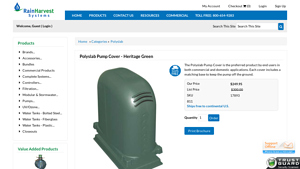
Domain: rainharvest.com
Registered: 2005 (20 years)
Introduction: Product Name: Polyslab Pump Cover – Heritage Green
Price: $249.95 (List Price: $300.00)
SKU: 17893 811
Shipping: Ships free to continental U.S.
Description: Designed in consultation with leading pump manufacturers, the Polyslab Pump Cover protects pumps from harsh environmental conditions. It includes a matching base to keep the pump off the ground. The cover is made from lightweight, recycled, ec…
4. Pump Housing – Purchase Inquiry

Domain: reddit.com
Registered: 2005 (20 years)
Introduction: The user is inquiring about the possibility of purchasing just the housing for a pump, indicating that the pump itself is still functional. There are suggestions from other users regarding the need to know the exact model number, the potential for repair through welding, and the challenges associated with replacing the housing, such as removing the old one and cleaning mating surfaces. Additionall…
5. Sprinkler Savers – High-Quality Sprinkler Protectors
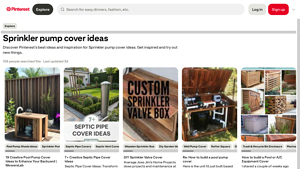
Domain: pinterest.com
Registered: 2009 (16 years)
Introduction: Sprinkler Savers are a high-quality alternative to concrete Sprinkler Donuts & Sprinkler Head Protectors. Designed to keep your sprinkler system working right the first time. Patented in 2003. Proudly made in USA. Covers for Pool Pumps include Wooden Lawn Sprinkler Lawn Pump Cover. DIY Pump Cover dimensions: 16 Diameter, 2.5′ to 3.5′ Tall. Decorative Rocks for Grinder Pump Stations are lightweight…
6. Irrigation Outlet – Pump Cover
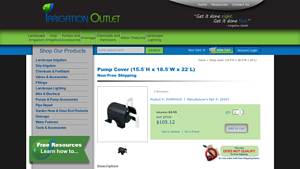
Domain: irrigationoutlet.com
Registered: 2012 (13 years)
Introduction: Pump Cover dimensions: 15.5″H x 18.5″W x 22″L
7. Weeder’s Digest – Lake Irrigation Pump Packages
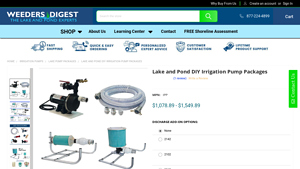
Domain: weedersdigest.com
Registered: 2005 (20 years)
Introduction: Lake Irrigation Pump Packages:
– Price Range: $1,078.89 – $1,549.89
– Options:
– 1 HP (115V) Pump Package
– 1 HP (220V) Pump Package
– 1.5 HP (115V) Pump Package
– 1.5 HP (220V) Pump Package
– 2 HP (220V) Pump Package
– Suction Hose Length Options: 10 ft, 33 ft
– Discharge Add-on Options: None, 2142, 2102, 2542
– Discharge Hose Options: None, 2273, 2274
– Firehose Nozzle Optio…
8. Do It Yourself – Irrigation Solutions
Domain: doityourself.com
Registered: 1995 (30 years)
Introduction: Irrigation pump, irrigation well, sprinkler system, 1/4″ black irrigation hose, valve, garden hose.
Strategic Sourcing Conclusion and Outlook for irrigation pump housing
What Are the Key Takeaways for Strategic Sourcing of Irrigation Pump Housing?
In the rapidly evolving agricultural landscape, strategic sourcing of irrigation pump housing is paramount for international buyers. Understanding the variety of options available—ranging from fiberglass enclosures to robust plastic covers—allows for tailored solutions that enhance durability and operational efficiency. Key factors such as climate resilience, compatibility with existing systems, and long-term maintenance costs should guide purchasing decisions, particularly for regions facing diverse environmental challenges.
How Can Strategic Sourcing Enhance Operational Efficiency?
Investing in quality irrigation pump housing not only protects vital equipment but also contributes to sustainable agricultural practices. By sourcing strategically, buyers can leverage economies of scale, optimize supply chain logistics, and ensure compliance with local regulations. This proactive approach mitigates risks associated with equipment failures, ultimately leading to improved productivity and profitability.
What Should International Buyers Consider Moving Forward?
As the global demand for efficient irrigation solutions continues to rise, international buyers from Africa, South America, the Middle East, and Europe must stay informed about market trends and emerging technologies. Engaging with reliable suppliers and conducting thorough market research will be crucial in identifying the best products to meet specific agricultural needs. Embrace the opportunity to enhance your sourcing strategy today to secure a competitive edge in the future of sustainable irrigation.
 Slovak
  English (United States)
  Spanish (Spain)
  Portuguese (Portugal)
  French
  German
  Italian
  Arabic
  Dutch
Dutch  English (UK)
  Bulgarian
  Chinese (China)
  Chinese (Hong Kong)
  Czech
Czech  Danish
  Greek
Greek  Finnish
  Spanish (Mexico)
  Estonian
  Hebrew
  Hungarian
  Indonesian
  Japanese
  Korean
  Latvian
  Lithuanian
  Norwegian
  Polish
  Portuguese (Brazil)
  Romanian
  Russian
  Slovenian
  Swedish
  Turkish
  Ukrainian
  Vietnamese