
Introduction: Navigating the Global Market for irrigation back flow valve
In the ever-evolving landscape of global agriculture, sourcing the right irrigation backflow valve is a critical challenge that can significantly impact water quality and system efficiency. As businesses expand into international markets, particularly in regions like Africa, South America, the Middle East, and Europe, understanding the nuances of backflow prevention becomes paramount. This comprehensive guide delves into the various types of irrigation backflow valves, including Reduced Pressure Zone (RPZ) assemblies, Double Check Valves, and Atmospheric Vacuum Breakers, each tailored to meet diverse agricultural needs and regulatory standards.
Navigating the complexities of supplier vetting, pricing structures, and installation requirements is essential for making informed purchasing decisions. This guide empowers B2B buyers by providing actionable insights into selecting the right backflow prevention devices, understanding their applications, and ensuring compliance with local regulations. With a focus on quality assurance and operational reliability, we aim to equip international buyers with the knowledge necessary to safeguard their potable water systems against contamination risks.
By addressing the unique challenges faced by agricultural stakeholders across different regions, this guide serves as a vital resource for making strategic investments in irrigation backflow valves, ultimately fostering a sustainable and efficient agricultural future.
Understanding irrigation back flow valve Types and Variations
| Type Name | Key Distinguishing Features | Primary B2B Applications | Brief Pros & Cons for Buyers |
|---|---|---|---|
| Reduced Pressure Zone (RPZ) | High protection against backpressure; includes check and relief valves | Commercial irrigation systems with health hazards | Pros: Superior protection; Cons: Higher cost and maintenance requirements. |
| Double Check Assembly (DCA) | Two check valves for moderate protection; suitable for low-risk applications | Residential and light commercial irrigation systems | Pros: Cost-effective; Cons: Limited protection compared to RPZ. |
| Pressure Vacuum Breaker (PVB) | Prevents backsiphonage; requires installation above the highest point in the system | Landscape irrigation and agricultural applications | Pros: Simple design; Cons: Not suitable for high-risk scenarios. |
| Atmospheric Vacuum Breaker (AVB) | Operates using atmospheric pressure; low-cost and easy to install | Small-scale irrigation systems | Pros: Affordable; Cons: Limited to non-pressurized systems and lower protection. |
| Combination Backflow Preventer | Integrates multiple functions; includes features of RPZ and DCA | Complex commercial systems needing versatile protection | Pros: Multi-functional; Cons: More complex installation and potentially higher costs. |
What Are the Characteristics of Reduced Pressure Zone (RPZ) Assemblies?
RPZ assemblies are engineered for high-stakes environments where backpressure could introduce contaminants into potable water systems. They utilize a combination of check valves and a relief valve to maintain a reduced pressure zone, ensuring that any backflow is effectively managed. B2B buyers should consider the installation requirements and ongoing maintenance, as these devices necessitate regular testing and can be more expensive upfront. However, the robust protection they offer makes them ideal for commercial applications, particularly in sectors dealing with health hazards.
Why Choose a Double Check Assembly (DCA)?
Double Check Assemblies are designed to provide moderate protection against backflow, making them suitable for residential and light commercial applications. They consist of two check valves that work in tandem to prevent water from flowing back into the potable supply. For B2B buyers, this type of assembly offers a cost-effective solution, especially for irrigation systems that do not involve high-risk contaminants. However, it is essential to recognize that DCAs do not provide the same level of protection as RPZs, which may be a consideration for buyers in more sensitive applications.
How Do Pressure Vacuum Breakers (PVB) Function?
Pressure Vacuum Breakers are specifically designed to prevent backsiphonage in irrigation systems. They operate by allowing air into the system when water pressure drops, effectively breaking the vacuum that could cause backflow. PVBs are ideal for landscape and agricultural applications where simplicity and ease of installation are priorities. B2B purchasers should note that while PVBs are generally less costly than RPZs, they are not suitable for high-risk scenarios, which may limit their applicability in certain environments.
What Are the Advantages of Atmospheric Vacuum Breakers (AVB)?
Atmospheric Vacuum Breakers offer a low-cost and straightforward solution for preventing backsiphonage, making them ideal for small-scale irrigation systems. Their design relies on atmospheric pressure to function, requiring minimal maintenance. However, B2B buyers should be aware that AVBs are limited to non-pressurized systems and provide less protection than other types of backflow preventers. This makes them most suitable for less critical applications where budget constraints are a concern.
When to Use a Combination Backflow Preventer?
Combination Backflow Preventers merge the functionalities of multiple devices, such as RPZs and DCAs, into a single unit. This versatility makes them suitable for complex commercial irrigation systems that require robust protection against various backflow scenarios. B2B buyers should consider the installation complexity and potential higher costs associated with combination devices. However, their multi-functional nature can provide significant value in environments where different types of backflow risks are present, ensuring comprehensive water safety.
Key Industrial Applications of irrigation back flow valve
| Industry/Sector | Specific Application of Irrigation Back Flow Valve | Value/Benefit for the Business | Key Sourcing Considerations for this Application |
|---|---|---|---|
| Agriculture | Protecting potable water supplies in crop irrigation systems | Ensures safe drinking water, prevents contamination from fertilizers | Compliance with local regulations, durability in harsh conditions |
| Landscaping and Horticulture | Safeguarding water quality in commercial landscaping projects | Enhances plant health by preventing chemical contamination | Need for high-quality materials and reliable performance |
| Golf Course Management | Preventing backflow in irrigation systems for greens and fairways | Maintains water purity for irrigation, ensuring a healthy turf | Installation ease, maintenance requirements, and winterization features |
| Industrial Facilities | Protecting water supplies in manufacturing processes | Prevents costly contamination and downtime in production operations | Compatibility with existing systems, certifications, and testing |
| Municipal Water Systems | Ensuring safe water distribution in public irrigation systems | Protects public health by preventing backflow into municipal supplies | Compliance with health and safety regulations, easy access for testing |
How is Irrigation Back Flow Valve Used in Agriculture?
In agriculture, irrigation back flow valves are crucial for protecting potable water supplies used in crop irrigation. These valves prevent the backflow of contaminated water, which may contain fertilizers, pesticides, or other harmful substances, into the clean water supply. For B2B buyers in regions like Africa and South America, understanding local agricultural regulations and ensuring compliance is essential. Additionally, these valves must be robust enough to withstand varying environmental conditions, which is a key consideration when sourcing.
What Role Do Irrigation Back Flow Valves Play in Landscaping and Horticulture?
In the landscaping and horticulture sector, irrigation back flow valves safeguard the quality of water used in commercial projects. These valves ensure that harmful chemicals from irrigation systems do not contaminate clean water supplies, which is vital for maintaining plant health. Buyers in Europe, particularly in Germany, should focus on sourcing high-quality, durable valves that can operate efficiently in diverse climates. The ability to prevent contamination not only protects plants but also enhances the reputation of landscaping businesses.
Why Are Irrigation Back Flow Valves Important for Golf Course Management?
Golf courses rely on irrigation back flow valves to maintain the purity of water used on greens and fairways. These valves prevent the backflow of potentially contaminated water into the irrigation system, ensuring a healthy and vibrant turf. For golf course managers, especially in regions like the Middle East where water scarcity is a concern, sourcing valves that are easy to install and maintain is crucial. Additionally, features that facilitate winterization can be beneficial in colder climates.
How Do Industrial Facilities Benefit from Irrigation Back Flow Valves?
In industrial facilities, irrigation back flow valves play a vital role in protecting water supplies used in various manufacturing processes. By preventing backflow, these valves help avoid costly contamination that could lead to production downtime. Buyers in South America should ensure that the valves they source are compatible with existing systems and meet necessary certifications for safety and efficiency. This focus on quality can significantly reduce long-term operational risks.
What Is the Importance of Irrigation Back Flow Valves in Municipal Water Systems?
Municipal water systems utilize irrigation back flow valves to ensure safe distribution of water in public irrigation systems. These valves are essential for protecting public health by preventing backflow into municipal supplies. For B2B buyers involved in municipal projects in regions like Europe, understanding local health and safety regulations is critical. Sourcing valves that allow for easy testing and maintenance can enhance the reliability of municipal water systems and ensure compliance with regulatory standards.
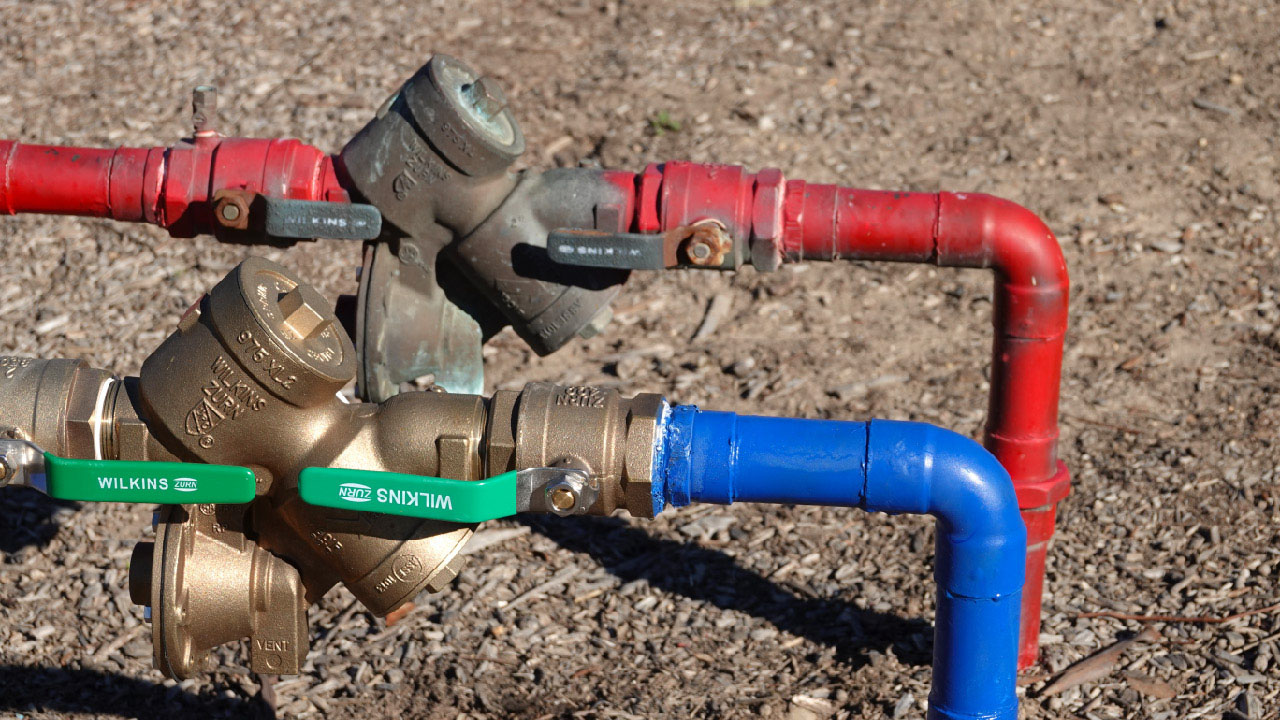
A stock image related to irrigation back flow valve.
3 Common User Pain Points for ‘irrigation back flow valve’ & Their Solutions
Scenario 1: Navigating Regulatory Compliance for Backflow Prevention
The Problem: In many regions, especially in Africa and parts of Europe, stringent regulations govern the use of irrigation systems, particularly concerning water safety. B2B buyers often face challenges in ensuring compliance with local laws regarding backflow prevention devices. Non-compliance can lead to hefty fines, project delays, or even the revocation of operational permits. Buyers may struggle to understand which type of backflow prevention device is legally required for their specific application, resulting in confusion and potential financial loss.
The Solution: To navigate these complexities, it is crucial for buyers to thoroughly research local regulations and standards related to backflow prevention. Engaging with local authorities or consulting with legal experts who specialize in environmental and water safety regulations can provide clarity. When sourcing backflow valves, opt for products certified to meet local standards (such as those from Conbraco or Febco) and ensure that installation teams are aware of compliance requirements. Regular training and updates on local regulations for staff involved in irrigation management will also help maintain compliance and avoid costly penalties.
Scenario 2: Overcoming Installation and Maintenance Challenges
The Problem: Many B2B buyers encounter difficulties during the installation and maintenance of irrigation backflow valves. Poor installation can lead to system failures, which compromise water safety and efficiency. Additionally, maintenance of these devices is often neglected due to a lack of understanding or resources, resulting in costly repairs or replacements. Buyers may feel overwhelmed by the technical specifications and installation requirements of different types of backflow prevention devices, such as Reduced Pressure Zone (RPZ) assemblies.
The Solution: To mitigate installation and maintenance challenges, buyers should prioritize thorough training for their installation teams. This can involve workshops or training sessions led by manufacturers or experienced technicians. When selecting an irrigation backflow valve, choose devices that come with comprehensive installation guides and customer support. Implement a scheduled maintenance program that includes regular inspections and testing of backflow prevention devices to ensure they function correctly and meet safety standards. Utilizing backflow test kits can help in proactively identifying issues before they escalate.
Scenario 3: Managing Budget Constraints While Ensuring Quality
The Problem: Budget constraints are a common concern for many businesses, particularly in developing regions like South America and Africa. B2B buyers often struggle to balance the need for high-quality backflow prevention devices with limited financial resources. The pressure to reduce costs can lead to the temptation of purchasing cheaper, low-quality valves, which may ultimately compromise water safety and system efficiency. This situation can create anxiety around the potential long-term costs associated with poor-quality products, including repairs and legal penalties.
The Solution: To effectively manage budget constraints while ensuring quality, buyers should conduct a thorough cost-benefit analysis before making a purchase. Investing in reputable brands, even if they come at a higher upfront cost, can save money in the long run through reduced maintenance and compliance costs. Establish relationships with multiple suppliers to compare prices and negotiate better terms. Additionally, consider exploring financing options or bulk purchasing discounts for larger projects. Collaborating with irrigation experts can also help in selecting the most appropriate backflow prevention devices that align with both budget and operational needs, ensuring a sustainable approach to water management.
Strategic Material Selection Guide for irrigation back flow valve
What Are the Key Materials for Irrigation Backflow Valves?
When selecting materials for irrigation backflow valves, it is crucial to consider properties that affect performance, durability, and compliance with international standards. Below, we analyze four common materials used in the manufacturing of these valves: brass, bronze, PVC, and stainless steel.
How Does Brass Perform in Irrigation Backflow Valves?
Brass is a popular choice for irrigation backflow valves due to its excellent corrosion resistance and good mechanical properties. It typically has a temperature rating of up to 180°F (82°C) and can withstand moderate pressure levels.
Pros: Brass valves are durable, have a long lifespan, and are relatively easy to manufacture. They are also compatible with various media, including potable water.
Cons: However, brass can be more expensive than other materials like PVC. Additionally, it may corrode in acidic or highly alkaline environments, which can limit its use in certain regions.
International Considerations: Brass valves often comply with ASTM standards, making them suitable for markets in Europe and the Middle East. However, buyers in regions with aggressive water chemistry, such as parts of Africa, should verify compatibility.
What Advantages Does Bronze Offer for Backflow Prevention?
Bronze is another widely used material for irrigation backflow valves, known for its superior corrosion resistance compared to brass. It can handle higher temperatures and pressures, typically rated up to 250°F (121°C) and 300 psi.
Pros: Bronze is highly durable and resistant to rust and corrosion, making it ideal for harsh environments. It also has excellent compatibility with a variety of fluids, including those containing chemicals.
Cons: The main drawback is the cost, as bronze is generally more expensive than brass and PVC. Additionally, its manufacturing process can be more complex, potentially leading to longer lead times.
International Considerations: Bronze valves are often required to meet stringent European standards, such as DIN, which can be a selling point for buyers in Germany and other European countries.
How Does PVC Compare as a Material for Backflow Valves?
PVC (Polyvinyl Chloride) is a lightweight and cost-effective alternative for irrigation backflow valves. It is typically rated for temperatures up to 140°F (60°C) and can handle moderate pressure levels.
Pros: PVC is resistant to corrosion and chemicals, making it suitable for various irrigation applications. Its lower cost makes it an attractive option for budget-conscious projects.
Cons: However, PVC is less durable than metal options and may become brittle over time, especially under UV exposure. It also has limitations in high-temperature applications.
International Considerations: PVC valves often comply with JIS standards, making them suitable for markets in Asia, such as Vietnam. Buyers should ensure that the PVC used is of high quality to prevent premature failure.
What Role Does Stainless Steel Play in Backflow Valve Applications?
Stainless steel is known for its exceptional strength and corrosion resistance, making it a premium choice for irrigation backflow valves. It typically has a temperature rating of up to 400°F (204°C) and can handle high pressures.
Pros: The durability and longevity of stainless steel valves are unmatched, making them ideal for critical applications. They are also compatible with a wide range of fluids.
Cons: The primary disadvantage is the cost, as stainless steel is the most expensive material on this list. Additionally, its manufacturing process can be complex, leading to higher production costs.
International Considerations: Stainless steel valves often meet global standards, including ASTM and ISO, making them suitable for international buyers across Africa, South America, and Europe.
Summary Table of Material Selection for Irrigation Backflow Valves
| Material | Typical Use Case for irrigation back flow valve | Key Advantage | Key Disadvantage/Limitation | Relative Cost (Low/Med/High) |
|---|---|---|---|---|
| Brass | General irrigation applications | Good corrosion resistance | Can corrode in acidic conditions | Medium |
| Bronze | Harsh environmental conditions | Superior corrosion resistance | Higher cost and complex manufacturing | High |
| PVC | Budget-friendly irrigation systems | Lightweight and cost-effective | Less durable and temperature sensitive | Low |
| Stainless Steel | Critical applications requiring high durability | Exceptional strength and longevity | Most expensive and complex to manufacture | High |
This strategic material selection guide provides valuable insights for B2B buyers looking to make informed decisions regarding irrigation backflow valves. By understanding the properties, advantages, and limitations of each material, buyers can choose the best option for their specific needs and compliance requirements in their respective regions.
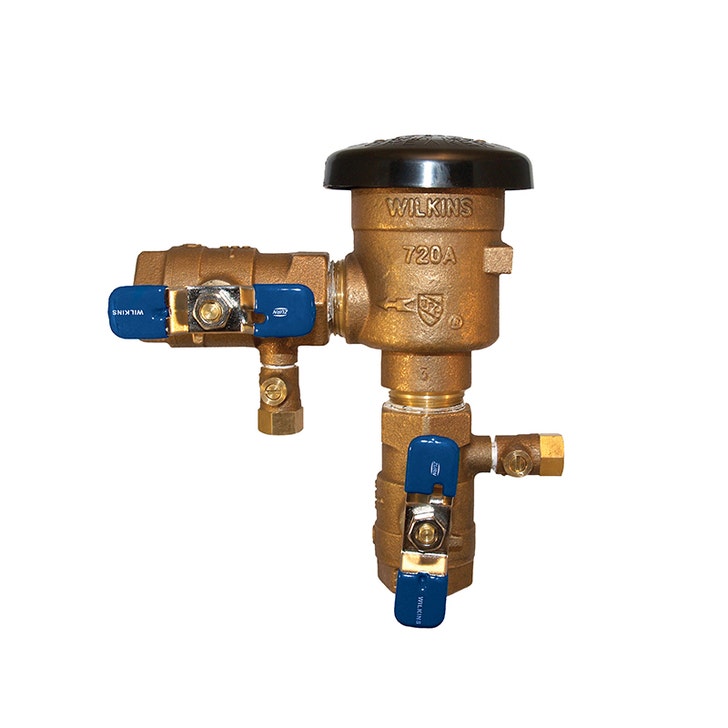
A stock image related to irrigation back flow valve.
In-depth Look: Manufacturing Processes and Quality Assurance for irrigation back flow valve
What Are the Main Stages of Manufacturing Irrigation Backflow Valves?
The manufacturing process for irrigation backflow valves involves several critical stages, each designed to ensure the final product is durable, efficient, and compliant with international standards. The main stages include material preparation, forming, assembly, and finishing.
How Is Material Prepared for Backflow Valve Manufacturing?
The first stage involves selecting high-quality materials that meet industry standards for durability and corrosion resistance, such as bronze, stainless steel, or high-grade plastics. Manufacturers typically source these materials from certified suppliers to ensure consistent quality. Once the materials are acquired, they undergo inspection for defects or irregularities. This step is crucial, as the integrity of the raw materials directly impacts the performance of the finished product.
What Forming Techniques Are Commonly Used in Backflow Valve Production?
In the forming stage, various techniques are employed, including casting, machining, and injection molding.
- Casting is often used for complex shapes and is favored for its ability to produce robust components.
- Machining allows for precise shaping and sizing of components, ensuring they meet tight tolerances necessary for effective sealing and operation.
- Injection molding is commonly utilized for plastic components, enabling high-volume production while maintaining consistency.
These techniques not only enhance the functionality of the backflow valves but also ensure they can withstand high-pressure conditions.
How Are Irrigation Backflow Valves Assembled?
The assembly stage integrates various components, including check valves, relief valves, and body casings. This process is typically carried out in a controlled environment to minimize contamination and ensure precision. Automated assembly lines are often used, allowing for high throughput and consistency. Key components are assembled according to detailed schematics, ensuring that each valve functions correctly to prevent backflow.
What Finishing Processes Are Applied to Backflow Valves?
Finishing processes such as surface treatment, coating, and testing are vital to the production of irrigation backflow valves. Surface treatments, such as anodizing or plating, are applied to enhance corrosion resistance and improve aesthetics. After finishing, each valve undergoes rigorous testing to ensure it meets functional specifications, including pressure testing and leak testing.
What Quality Assurance Measures Are Essential for Backflow Valve Manufacturing?
Quality assurance (QA) is paramount in the manufacturing of irrigation backflow valves, particularly for B2B buyers who require reliable products. Manufacturers typically adhere to international standards like ISO 9001, which outlines criteria for a quality management system. Compliance with these standards assures buyers of the manufacturer’s commitment to quality and continuous improvement.
Which International Standards Should B2B Buyers Be Aware Of?
In addition to ISO 9001, various industry-specific certifications may apply. For example:
- CE Marking indicates conformity with European health, safety, and environmental protection standards.
- API (American Petroleum Institute) standards apply if the valves are used in oil and gas applications.
Understanding these certifications can help international buyers make informed purchasing decisions, ensuring they select suppliers who prioritize quality and safety.
What Are the Key Quality Control Checkpoints During Production?
Quality control (QC) checkpoints are integrated throughout the manufacturing process. Common checkpoints include:
- Incoming Quality Control (IQC): Inspecting raw materials upon arrival to ensure they meet specifications.
- In-Process Quality Control (IPQC): Monitoring production at various stages to detect issues early.
- Final Quality Control (FQC): Conducting comprehensive tests on finished products to ensure they meet performance standards.
These checkpoints help maintain product integrity and reliability.
How Can B2B Buyers Verify Supplier Quality Control Practices?
B2B buyers should take proactive steps to verify a supplier’s quality control practices. Here are some effective methods:
- Audits: Conducting supplier audits can provide insight into their manufacturing processes and QC practices. This includes reviewing documentation, observing production processes, and assessing compliance with relevant standards.
- Reports: Requesting quality assurance reports and certifications can help buyers evaluate a supplier’s commitment to quality. These documents should detail the processes used and the results of any testing performed.
- Third-Party Inspections: Engaging third-party inspection agencies can provide an unbiased evaluation of the manufacturer’s quality control processes. This is particularly useful for buyers unfamiliar with local suppliers.
What Are the Nuances of Quality Control for International B2B Buyers?
International buyers, especially from regions like Africa, South America, the Middle East, and Europe, should be aware of several nuances regarding quality control:
- Regulatory Compliance: Different regions have specific regulations governing the manufacture of plumbing and irrigation components. It is essential to understand these regulations and ensure suppliers comply.
- Cultural Differences: Communication styles and business practices can vary significantly between regions. Establishing clear expectations regarding quality standards and delivery timelines is vital.
- Logistical Considerations: Shipping and customs can affect the quality and integrity of products. Buyers should work with suppliers who have experience in international shipping and can guarantee product quality upon arrival.
Conclusion
Manufacturing irrigation backflow valves involves a meticulous process that emphasizes quality at every stage. By understanding the manufacturing processes and quality assurance measures, B2B buyers can make informed decisions when selecting suppliers. Ensuring compliance with international standards and conducting thorough due diligence will help mitigate risks and enhance the reliability of irrigation systems worldwide.
Practical Sourcing Guide: A Step-by-Step Checklist for ‘irrigation back flow valve’
Introduction
This guide serves as a practical checklist for B2B buyers seeking to procure irrigation backflow valves. Backflow prevention is critical for ensuring the safety and quality of potable water supplies in irrigation systems. By following these steps, buyers can make informed decisions that align with their technical requirements and compliance standards.
Step 1: Define Your Technical Specifications
Before initiating the sourcing process, clearly outline your technical needs. Identify the type of backflow preventer required—be it a Reduced Pressure Zone (RPZ), Double Check Valve, or Atmospheric Vacuum Breaker. Understanding the specifications helps in narrowing down options that meet local regulations and the specific risks associated with your irrigation setup.
Step 2: Research Regulatory Compliance
Ensure that the backflow preventers you consider comply with local and international regulations. Different regions may have unique standards regarding water safety and backflow prevention. Verify that the devices are certified by recognized organizations, such as ASSE (American Society of Sanitary Engineering) or local equivalents, to avoid legal issues and enhance safety.
Step 3: Evaluate Potential Suppliers
Before committing, it’s crucial to vet suppliers thoroughly. Request company profiles, case studies, and references from buyers in a similar industry or region. Look for suppliers with a proven track record of providing reliable and compliant backflow prevention devices, as this can significantly impact the performance of your irrigation systems.
- What to check:
- Supplier’s industry experience
- Customer reviews and testimonials
- Technical support and service offerings
Step 4: Assess Product Quality and Features
Investigate the quality of the backflow preventers available from different suppliers. Focus on the materials used (such as bronze or PVC), the design, and any innovative features that enhance functionality. High-quality products are crucial for durability, particularly in harsh environmental conditions.
- Consider:
- Resistance to corrosion and freezing
- Maintenance requirements and ease of repair
- Warranty and service options
Step 5: Request Samples and Conduct Testing
When possible, request samples of the backflow valves you’re considering. Conduct tests to ensure compatibility with your irrigation system and to evaluate performance under real-world conditions. Testing is essential to confirm that the devices function as intended and meet your operational standards.
Step 6: Negotiate Terms and Pricing
Once you have selected potential suppliers, engage in negotiations regarding pricing, delivery schedules, and payment terms. Ensure that you discuss bulk purchase discounts or long-term agreements that could reduce costs. Establishing favorable terms can strengthen your supply chain and enhance profitability.
Step 7: Plan for Installation and Maintenance
Finally, consider how the backflow preventers will be installed and maintained. Ensure that your team is trained or that you have access to professional services for installation. Proper installation is key to the effective functioning of backflow prevention devices, and regular maintenance will prolong their lifespan and reliability.
By following this checklist, B2B buyers can navigate the complexities of sourcing irrigation backflow valves effectively, ensuring that they invest in products that safeguard water quality and comply with regulatory standards.
Comprehensive Cost and Pricing Analysis for irrigation back flow valve Sourcing
What Are the Key Cost Components in Sourcing Irrigation Backflow Valves?
When sourcing irrigation backflow valves, understanding the cost structure is essential for making informed purchasing decisions. The primary cost components include materials, labor, manufacturing overhead, tooling, quality control (QC), logistics, and the supplier’s margin.
Materials: The choice of materials significantly impacts cost. Common materials include bronze, PVC, and stainless steel. Valves made from higher-quality materials or those that meet specific certifications will typically command a premium price.
Labor: Labor costs vary by region. In countries with lower wage standards, labor costs may be reduced, but this can affect quality. Conversely, regions with higher labor costs may offer better craftsmanship and stricter quality assurance practices.
Manufacturing Overhead: This includes all costs associated with production that are not directly tied to materials or labor, such as utilities and equipment depreciation. Efficient manufacturing processes can reduce overhead costs.
Tooling: Custom tooling for specific valve designs can lead to higher initial costs but may be necessary for meeting precise specifications. Standardized tooling can help keep costs down.
Quality Control: Investment in QC processes ensures that products meet safety and performance standards, which is crucial for backflow prevention devices. A robust QC process may increase upfront costs but can mitigate risks associated with product failures.
Logistics: Transportation and warehousing costs can vary significantly based on location and the chosen shipping method. Consideration of Incoterms is vital to understanding who bears these costs.
Margin: Supplier margins typically reflect the overall market conditions, competition, and the perceived value of the product. It’s essential to compare margins across different suppliers to ensure competitive pricing.
How Do Price Influencers Affect the Sourcing of Irrigation Backflow Valves?
Several factors influence the pricing of irrigation backflow valves, particularly for international buyers.
Volume/MOQ: Suppliers often provide discounts for bulk orders. Establishing a minimum order quantity (MOQ) can lead to cost savings, but buyers must assess their demand to avoid excess inventory.
Specifications and Customization: Customized valves designed for specific applications or regulatory requirements may incur additional costs. Buyers should clearly define their specifications to avoid unexpected charges.
Quality and Certifications: Valves that meet international standards or local certifications may carry higher prices. These certifications can offer peace of mind regarding the product’s reliability and safety.
Supplier Factors: The supplier’s reputation, experience, and location can significantly impact pricing. Established suppliers may charge more but can also provide better customer service and product guarantees.
Incoterms: Understanding Incoterms is crucial for international transactions. They dictate the responsibilities of buyers and sellers regarding shipping, insurance, and tariffs, which can affect the total landed cost.
What Negotiation Tips Can Help International Buyers Secure Better Prices?
International B2B buyers should employ strategic negotiation tactics to maximize cost-efficiency and value.
Leverage Volume Discounts: When possible, commit to larger orders to negotiate better pricing. Suppliers are more likely to offer favorable terms for higher volumes.
Assess Total Cost of Ownership (TCO): Consider not just the upfront price but also maintenance, operational efficiency, and potential savings over the product’s lifecycle. A higher initial investment in quality valves may result in lower long-term costs.
Understand Regional Market Dynamics: Pricing can vary significantly across regions. Familiarize yourself with local market conditions in Africa, South America, the Middle East, and Europe to better position your negotiation strategy.
Build Relationships: Developing strong relationships with suppliers can lead to better pricing and terms. Regular communication can foster trust and openness, which often results in more favorable negotiations.
Be Prepared for Pricing Nuances: Be aware of fluctuations in material costs, currency exchange rates, and geopolitical factors that may impact pricing. Staying informed allows for more effective negotiation discussions.
Disclaimer Regarding Indicative Prices
Prices for irrigation backflow valves can fluctuate based on market conditions, supplier pricing strategies, and other external factors. It is essential for buyers to conduct thorough market research and obtain multiple quotes to ensure they are making a cost-effective purchase.
Alternatives Analysis: Comparing irrigation back flow valve With Other Solutions
Exploring Alternatives to Irrigation Back Flow Valves
As the demand for efficient water management solutions grows globally, particularly in regions like Africa, South America, the Middle East, and Europe, it is essential for B2B buyers to explore various options for preventing backflow in irrigation systems. While irrigation backflow valves are popular for their effectiveness, several alternative technologies and methods can also achieve similar goals. This analysis compares irrigation backflow valves with two viable alternatives: Pressure Vacuum Breakers (PVBs) and Double Check Valves (DCVs).
| Comparison Aspect | Irrigation Back Flow Valve | Pressure Vacuum Breaker (PVB) | Double Check Valve (DCV) |
|---|---|---|---|
| Performance | High protection against backpressure and backsiphonage | Moderate protection against backsiphonage | Moderate protection against backpressure |
| Cost | Varies by type and brand; generally higher initial investment | Typically lower than backflow valves | Generally affordable, but installation costs can vary |
| Ease of Implementation | Requires professional installation and testing | Easier to install; often DIY-friendly | Requires professional installation for optimal performance |
| Maintenance | Regular maintenance needed for testing and repairs | Minimal maintenance; check valves are easier to access | Regular testing required but generally low maintenance |
| Best Use Case | Ideal for high-risk systems (e.g., agricultural, commercial) | Suitable for residential systems with lower contamination risk | Good for medium-risk applications, such as irrigation systems without hazardous chemicals |
Understanding Pressure Vacuum Breakers (PVBs)
Pressure Vacuum Breakers (PVBs) are designed primarily to prevent backsiphonage, making them a suitable option for irrigation systems with lower contamination risks. They are generally more affordable than traditional irrigation backflow valves, making them attractive for budget-conscious buyers. However, PVBs do not provide the same level of protection against backpressure. They are simpler to install, often allowing for DIY setups, but require proper positioning above the highest point of the irrigation system to function effectively. While maintenance is minimal, it’s essential to ensure that they are protected from freezing conditions.
Exploring Double Check Valves (DCVs)
Double Check Valves (DCVs) offer moderate protection against backpressure and are an economical solution for irrigation systems that do not involve high-risk contaminants. They consist of two check valves that work together to prevent backflow, making them reliable for many applications. The initial cost of DCVs is generally lower than that of irrigation backflow valves, though installation may require professional expertise to ensure compliance with local regulations. Maintenance is less demanding compared to backflow valves, but regular testing is still necessary to confirm their functionality, especially in areas subject to contamination.
Conclusion: How to Choose the Right Solution for Your Needs
When selecting the appropriate backflow prevention solution, B2B buyers should consider the specific requirements of their irrigation systems, including the level of contamination risk, budget constraints, and installation capabilities. While irrigation backflow valves provide the highest level of protection, alternatives like Pressure Vacuum Breakers and Double Check Valves can be viable options depending on the application. Ultimately, understanding the unique needs of your irrigation system will guide you in making an informed decision that ensures water safety and regulatory compliance.
Essential Technical Properties and Trade Terminology for irrigation back flow valve
What Are the Key Technical Properties of Irrigation Backflow Valves?
When selecting irrigation backflow valves, understanding their technical specifications is crucial for ensuring optimal performance and compliance with safety regulations. Below are some critical specifications that B2B buyers should consider:
Material Grade:
The most common materials used for backflow valves include bronze, brass, and PVC. Bronze is preferred for its durability and resistance to corrosion, making it suitable for various environmental conditions. Understanding the material grade is essential as it impacts the valve’s longevity and resistance to contaminants, which is vital in agricultural and irrigation applications.Pressure Rating:
Backflow valves typically have a specified pressure rating, often measured in pounds per square inch (psi). This rating indicates the maximum pressure the valve can withstand without failing. Selecting a valve with an appropriate pressure rating is critical to ensuring that it can handle the system’s operational pressure, thus preventing leaks and potential system failure.Flow Rate:
Measured in gallons per minute (GPM), the flow rate indicates how much water the valve can handle effectively. A valve with a higher flow rate is necessary for larger irrigation systems to maintain efficiency. Understanding flow rates is crucial for optimizing water delivery and ensuring that the irrigation system operates smoothly without backflow issues.Temperature Tolerance:
Different irrigation systems may operate under varying temperature conditions. Backflow valves come with specific temperature tolerances that indicate the range of temperatures they can withstand without degrading. Knowing the temperature tolerance is essential for ensuring that the valve performs reliably in different climates, particularly in regions with extreme temperatures.Installation Type:
Backflow valves can be installed in various configurations, including above-ground and underground. The installation type affects maintenance accessibility and operational efficiency. B2B buyers should consider the installation requirements and ensure that the selected valve fits within the operational parameters of their irrigation systems.
What Are Common Trade Terms Related to Irrigation Backflow Valves?
Understanding industry terminology is essential for effective communication and negotiation with suppliers. Here are some common terms that B2B buyers should be familiar with:
OEM (Original Equipment Manufacturer):
This term refers to companies that manufacture products that may be marketed by another company. In the context of backflow valves, buyers should consider whether they are purchasing OEM products, which often come with quality assurances and compatibility guarantees.MOQ (Minimum Order Quantity):
MOQ is the smallest number of units that a supplier is willing to sell. Understanding MOQ is vital for budget planning and inventory management, especially for businesses that may not require large quantities but still need to meet supplier requirements.RFQ (Request for Quotation):
An RFQ is a document that a buyer sends to suppliers to request pricing and terms for specific products. Crafting a clear RFQ for backflow valves can facilitate better negotiations and help buyers obtain competitive pricing.Incoterms:
International Commercial Terms (Incoterms) are standard trade definitions used in international transactions. They clarify the responsibilities of buyers and sellers regarding shipping, insurance, and tariffs. Familiarity with Incoterms can help B2B buyers minimize risks and understand their liabilities in the procurement process.Lead Time:
This refers to the time taken from placing an order to receiving the product. Understanding lead times for backflow valves is essential for project planning and scheduling, particularly in regions with seasonal irrigation needs.Certification Standards:
Various certification standards, such as ASSE (American Society of Sanitary Engineering) or ANSI (American National Standards Institute), indicate that a product meets specific safety and performance criteria. Familiarity with these certifications is crucial for ensuring compliance with local regulations and for maintaining the integrity of potable water systems.
By grasping these technical properties and trade terminologies, B2B buyers can make informed decisions that enhance the performance and reliability of their irrigation systems.
Navigating Market Dynamics and Sourcing Trends in the irrigation back flow valve Sector
What Are the Key Market Dynamics and Trends in the Irrigation Backflow Valve Sector?
The global market for irrigation backflow valves is witnessing significant growth, driven by increasing awareness of water quality and safety regulations. With rising agricultural activities in regions like Africa and South America, the demand for reliable backflow prevention devices is on the rise. These devices are essential for safeguarding potable water sources from contamination, particularly in irrigation systems that often involve fertilizers and pesticides. Technological advancements such as smart irrigation systems and automated monitoring are reshaping the landscape, allowing for better management of water resources and enhanced safety measures.
In terms of sourcing trends, international buyers are increasingly leaning towards suppliers who offer comprehensive solutions that include installation, maintenance, and customer support. The emphasis on durability and reliability in products is paramount, given the harsh environmental conditions often faced in regions like the Middle East and Africa. Additionally, e-commerce platforms are becoming pivotal for B2B transactions, providing buyers with a wider range of options and competitive pricing. Enhanced logistics and supply chain management have also improved the accessibility of high-quality products, facilitating smoother transactions across borders.
How Is Sustainability and Ethical Sourcing Shaping the Irrigation Backflow Valve Market?
Sustainability is becoming a cornerstone in the procurement strategies of international buyers, particularly in the irrigation sector. The environmental impact of irrigation systems is under scrutiny, prompting a shift towards products that minimize ecological footprints. Buyers are now prioritizing suppliers who utilize sustainable materials and processes in their backflow valve production, such as recycled metals and non-toxic coatings.
Ethical sourcing practices are equally important, as B2B buyers seek to ensure that their supply chains are free from exploitative labor practices and environmental degradation. Certifications such as ISO 14001 for environmental management and other ‘green’ certifications can serve as indicators of a supplier’s commitment to sustainable practices. By opting for ethically sourced products, businesses not only enhance their brand reputation but also contribute to global sustainability efforts, aligning with consumer preferences that increasingly favor environmentally responsible companies.
What Is the Brief Evolution and History of Backflow Prevention Devices in Irrigation?
The evolution of backflow prevention devices can be traced back to the early 20th century, when the need for safeguarding potable water supplies became increasingly apparent. Initially, simple mechanical devices were used to prevent backflow, but as agricultural practices evolved and the use of chemicals in irrigation became common, more sophisticated solutions were developed.
The introduction of Reduced Pressure Zone (RPZ) assemblies marked a significant advancement in technology, offering enhanced protection against potential contaminants. These devices utilize a combination of check valves and relief valves to ensure water flows in one direction only. As regulations around water safety tightened globally, the demand for high-quality backflow prevention devices surged, leading to innovations that focus on durability and ease of maintenance. Today, the market continues to adapt to technological advancements and environmental considerations, shaping a future that prioritizes safe and sustainable water management.
Frequently Asked Questions (FAQs) for B2B Buyers of irrigation back flow valve
How do I ensure compliance with local regulations when sourcing irrigation backflow valves?
To ensure compliance, start by researching the specific regulations governing backflow prevention in your target market. Different countries and regions have distinct requirements for installation and certification of backflow valves. Collaborate with local regulatory bodies or industry associations to obtain guidance. It’s also wise to partner with suppliers who are familiar with local laws and can provide certification documents for their products. This will help ensure that your irrigation systems meet safety and health standards, ultimately protecting your business from potential legal issues.What is the best type of backflow preventer for agricultural irrigation systems?
For agricultural irrigation systems, Reduced Pressure Zone (RPZ) assemblies are often considered the best option. They provide the highest level of protection against backpressure and backsiphonage, making them ideal for systems that may contain contaminants like fertilizers and pesticides. RPZs are suitable for high-risk applications and are required in many jurisdictions. When selecting a backflow preventer, consider factors such as the specific contaminants present, local regulations, and the flow rates required for your irrigation system.How can I vet suppliers for irrigation backflow valves?
To vet suppliers, begin by researching their industry reputation through online reviews and testimonials. Request references from previous clients to gauge their reliability and product quality. Verify if the supplier holds relevant certifications and adheres to international quality standards, such as ISO 9001. Additionally, assess their manufacturing capabilities and product range to ensure they can meet your specific needs. Finally, visiting their facility, if feasible, can provide valuable insight into their operations and commitment to quality.What are the minimum order quantities (MOQ) for irrigation backflow valves?
Minimum order quantities (MOQ) can vary significantly among suppliers and depend on the specific type of backflow valve being sourced. Typically, MOQs range from 10 to 50 units for standard products, while customized valves may require higher quantities. When sourcing from international suppliers, consider negotiating MOQs to align with your purchasing capacity. It’s advisable to discuss your needs upfront to avoid potential delays in order fulfillment and to ensure you have the stock necessary for your projects.What payment terms are commonly offered by suppliers of irrigation backflow valves?
Payment terms vary by supplier and may include options such as net 30, net 60, or payment in advance. Some suppliers may offer discounts for early payment or bulk orders. It is crucial to establish clear payment terms before finalizing your order to avoid misunderstandings. Additionally, consider using secure payment methods, such as letters of credit or escrow services, especially when dealing with international suppliers, to protect your investment and ensure the quality of the products received.How do I ensure quality assurance for backflow preventers sourced internationally?
To ensure quality assurance, require suppliers to provide detailed product specifications and compliance certifications relevant to your market. Implement a quality control process that includes inspection of products upon arrival and conducting pressure tests to verify functionality. Establish a good relationship with your supplier, encouraging them to adhere to quality standards throughout the manufacturing process. Consider third-party inspections or certifications to further validate the quality of the backflow preventers before they are put into service.What logistics considerations should I keep in mind when importing backflow valves?
Logistics considerations include shipping methods, customs clearance, and lead times. Choose a reliable shipping partner experienced in handling industrial products. Be aware of customs regulations and import duties in your country, as these can affect overall costs. Ensure that your supplier provides accurate shipping documentation to avoid delays. Planning ahead for potential shipping challenges, such as delays or damages, will help you maintain a seamless supply chain and meet project deadlines.Can backflow valves be customized to meet specific project requirements?
Yes, many suppliers offer customization options for backflow valves to meet unique project specifications. Customizations can include size adjustments, material selections, or specific pressure ratings. When considering customization, discuss your requirements in detail with the supplier to ensure they can accommodate your needs. Be aware that custom orders may come with higher MOQs and longer lead times, so factor this into your project planning to avoid potential delays.
Important Disclaimer & Terms of Use
⚠️ Important Disclaimer
The information provided in this guide, including content regarding manufacturers, technical specifications, and market analysis, is for informational and educational purposes only. It does not constitute professional procurement advice, financial advice, or legal advice.
While we have made every effort to ensure the accuracy and timeliness of the information, we are not responsible for any errors, omissions, or outdated information. Market conditions, company details, and technical standards are subject to change.
B2B buyers must conduct their own independent and thorough due diligence before making any purchasing decisions. This includes contacting suppliers directly, verifying certifications, requesting samples, and seeking professional consultation. The risk of relying on any information in this guide is borne solely by the reader.
Top 7 Irrigation Back Flow Valve Manufacturers & Suppliers List
1. Conbraco – 4A-505-02(F) – 1 Freeze Resistant Pressure Vacuum Breaker
Domain: sprinklersupplystore.com
Registered: 2010 (15 years)
Introduction: [{‘name’: ‘Conbraco – 4A-505-02(F) – 1″ Freeze Resistant Pressure Vacuum Breaker’, ‘size’: ‘1″‘, ‘type’: ‘Pressure Vacuum Breaker Assembly’, ‘material’: ‘Bronze’, ‘original_price’: ‘$275.29’, ‘current_price’: ‘$206.47’, ‘discount’: ‘25%’, ‘stock_status’: ‘In Stock (7)’}, {‘name’: ‘Febco – 825EBVFEB – 825Y 1″ RPZ Backflow Preventer w/Ball Valve’, ‘size’: ‘1″‘, ‘type’: ‘Reduced Pressure Zone Assembl…
2. Facebook – Backflow Prevention Devices

Domain: facebook.com
Registered: 1997 (28 years)
Introduction: Backflow prevention devices are designed to stop the unwanted reverse flow of water and other substances, protecting the municipal water supply and keeping drinking water safe. They are commonly used in the irrigation industry.
3. DripWorks – Febco 765 Backflow Preventor
Domain: dripworks.com
Registered: 1998 (27 years)
Introduction: Irrigation Backflow Prevention Devices and Valves. Guaranteed Lowest Price with excellent customer service. Products include: Febco 765 Backflow Preventor ($184.65 – $208.95 MSRP), Febco 850 Inline Backflow Preventor ($291.65 – $303.95 MSRP), Febco 825Y Backflow Preventer ($565.35 – $595.55 MSRP), Vacuum Breakers ($3.25 – $8.95 MSRP), Check Valves ($16.95 – $34.95 MSRP), Hunter Air/Vacuum Relief V…
4. Reddit – Sprinkler Backflow Preventer

Domain: reddit.com
Registered: 2005 (20 years)
Introduction: Sprinkler backflow preventer is essential for homeowners with irrigation systems, especially those using well water. It prevents cross-contamination of potable water with potentially harmful substances from irrigation systems. Local codes often require installation by a licensed plumber and may mandate annual checks by certified professionals. Failure to comply can result in significant fines. The…
5. Sprinkler Warehouse – Backflow Preventers Guide
Domain: school.sprinklerwarehouse.com
Registered: 1999 (26 years)
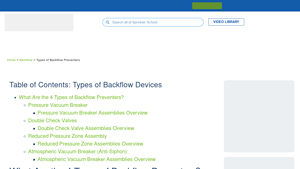
Introduction: Types of Backflow Preventers: 1. Pressure Vacuum Breaker (PVB): – Most common and inexpensive type – Consists of an inlet shutoff valve, a pressure vacuum breaker, a check valve, two test cocks, and an outlet shutoff valve – Installed at least 12 inches above the highest downstream point – Prevents back-siphonage only – Not suitable for chemigation – May eject some water; spill-resistant models av…
6. Drip Depot – Backflow Prevention Essentials
Domain: help.dripdepot.com
Registered: 2005 (20 years)
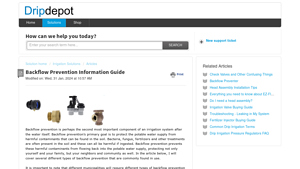
Introduction: Backflow prevention is crucial for irrigation systems to protect potable water from harmful contaminants in the soil. Key types of backflow prevention devices include: 1. Hose-End Atmospheric Vacuum Breaker (AVB) – Commonly used in residential drip irrigation, affordable but limited; not suitable for sub-surface applications. 2. Pressure Vacuum Breaker (PVB) – Similar to AVB but can withstand stat…
7. Big Frog Supply – Irrigation Backflow Preventers
Domain: bigfrogsupply.com
Registered: 2014 (11 years)
Introduction: This company, Big Frog Supply – Irrigation Backflow Preventers, is a notable entity in the market. For specific product details, it is recommended to visit their website directly.
Strategic Sourcing Conclusion and Outlook for irrigation back flow valve
What Are the Key Takeaways for B2B Buyers on Irrigation Backflow Valves?
In the realm of irrigation backflow valves, strategic sourcing is paramount for ensuring both compliance and efficiency. Understanding the different types of backflow preventers—such as Reduced Pressure Zone (RPZ) assemblies, Double Check Assemblies, and Pressure Vacuum Breakers—allows buyers to select the right solution tailored to their specific needs. These devices not only safeguard potable water supplies but also enhance the overall integrity of irrigation systems, protecting against contamination from fertilizers and other chemicals.
How Can Strategic Sourcing Enhance Your Supply Chain?
Effective strategic sourcing can yield significant cost savings while ensuring access to high-quality products from reputable manufacturers like Conbraco, Febco, and Wilkins. Establishing strong partnerships with these suppliers can provide competitive advantages in terms of pricing, reliability, and innovation, particularly in diverse markets across Africa, South America, the Middle East, and Europe.
What’s Next for International Buyers in the Backflow Valve Market?
As the global demand for sustainable irrigation solutions continues to rise, now is the time for international B2B buyers to engage with reliable suppliers and invest in advanced backflow prevention technologies. Embrace the opportunity to enhance your irrigation systems with top-tier backflow valves that meet stringent safety standards. Together, we can ensure a cleaner, safer water supply for future generations.
 Slovak
  English (United States)
  Spanish (Spain)
  Portuguese (Portugal)
  French
  German
  Italian
  Arabic
  Dutch
Dutch  English (UK)
  Bulgarian
  Chinese (China)
  Chinese (Hong Kong)
  Czech
Czech  Danish
  Greek
Greek  Finnish
  Spanish (Mexico)
  Estonian
  Hebrew
  Hungarian
  Indonesian
  Japanese
  Korean
  Latvian
  Lithuanian
  Norwegian
  Polish
  Portuguese (Brazil)
  Romanian
  Russian
  Slovenian
  Swedish
  Turkish
  Ukrainian
  Vietnamese