
Introduction: Navigating the Global Market for solar powered water pump for irrigation
In the ever-evolving agricultural landscape, sourcing reliable solar powered water pumps for irrigation presents a significant challenge for international B2B buyers. The increasing demand for sustainable and cost-effective irrigation solutions is driving businesses to seek out innovative technologies that not only conserve water but also reduce energy costs. This comprehensive guide serves as a vital resource for navigating the global market, offering insights into various types of solar powered water pumps, their applications, and essential criteria for supplier vetting.
From submersible pumps for deep wells to surface pumps for irrigation systems, this guide explores the full spectrum of options available to meet diverse agricultural needs. Buyers will gain valuable knowledge on pricing structures, installation requirements, and long-term benefits of solar water pumps, enabling them to make informed purchasing decisions. Special attention is given to markets in Africa, South America, the Middle East, and Europe, including countries like Saudi Arabia and Vietnam, where the adoption of renewable energy solutions is crucial for agricultural sustainability.
Empowering B2B buyers with actionable insights, this guide not only addresses the complexities of sourcing solar powered water pumps but also highlights the transformative potential these technologies hold for enhancing irrigation practices. By leveraging this information, businesses can confidently invest in solutions that align with their operational goals and contribute to a greener future.
Understanding solar powered water pump for irrigation Types and Variations
| Type Name | Key Distinguishing Features | Primary B2B Applications | Brief Pros & Cons for Buyers |
|---|---|---|---|
| Submersible DC Pumps | Operate underwater, ideal for deep wells | Irrigation in remote areas, livestock watering | Pros: Efficient for deep water sources; Cons: Installation can be complex. |
| Surface DC Pumps | Non-submersible, suitable for shallow water sources | Agricultural irrigation, garden systems | Pros: Easier installation; Cons: Limited depth capabilities. |
| Hybrid Pumps | Can operate on both solar and grid power | Commercial agriculture, large-scale irrigation | Pros: Versatile power sources; Cons: Higher initial costs. |
| Slow-Flow Diaphragm Pumps | Designed for low-flow applications, high durability | Drip irrigation systems, low-pressure needs | Pros: Long lifespan; Cons: Not suitable for high-volume applications. |
| Helical Rotor Pumps | Efficient at high heads with low power consumption | Pressurized irrigation, water supply systems | Pros: High efficiency; Cons: More expensive than standard pumps. |
What are Submersible DC Pumps and Their Applications?
Submersible DC pumps are designed to operate underwater, making them ideal for deep wells where traditional pumps would struggle. These pumps can efficiently lift water from depths of up to 820 feet, providing a reliable solution for irrigation in remote areas where electric power is scarce. Key purchasing considerations include pump depth capability, flow rate, and compatibility with solar panel systems. Buyers should also consider the complexity of installation, which may require professional assistance.
How Do Surface DC Pumps Differ from Submersible Models?
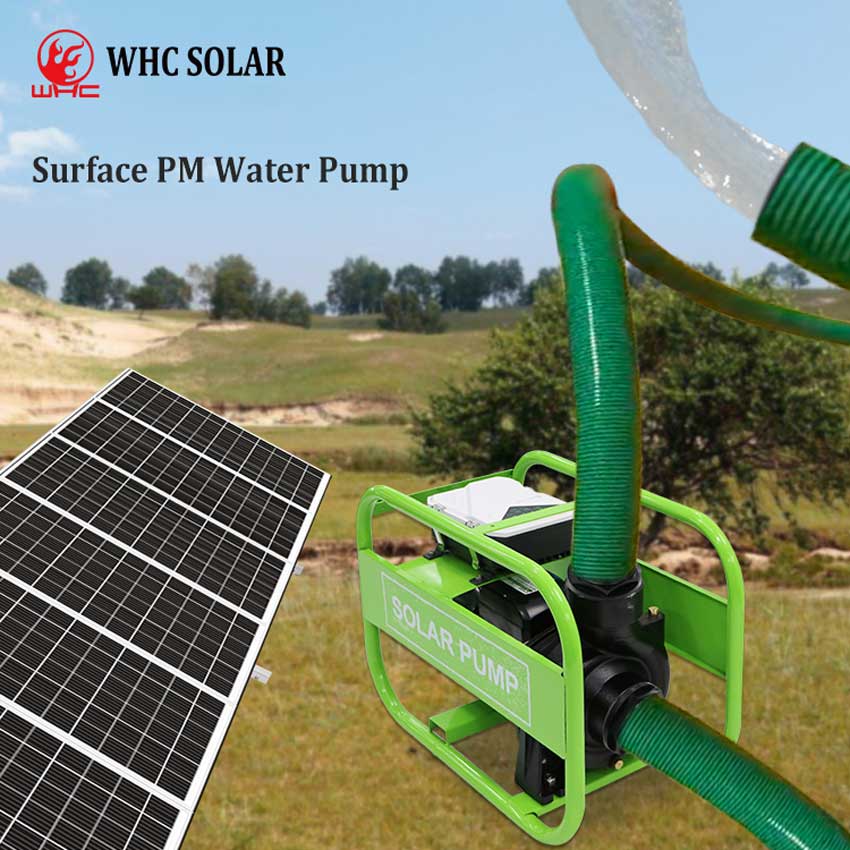
Surface DC pumps are non-submersible, making them suitable for shallow water sources, typically within 10 feet of the surface. They are commonly used in agricultural irrigation and garden systems, where ease of installation is crucial. When selecting a surface pump, buyers should focus on the pump’s flow rate and pressure capabilities, as well as its ability to connect with solar panel setups. While easier to install, these pumps have limitations in terms of depth, which may restrict their application in certain agricultural settings.
What Are the Advantages of Hybrid Pumps for Commercial Use?
Hybrid pumps can operate on both solar and grid power, offering versatility for commercial agriculture and large-scale irrigation systems. This adaptability ensures a reliable water supply regardless of weather conditions or solar availability. Buyers should consider the initial investment, as hybrid systems tend to be more expensive than other types. However, their ability to switch power sources can lead to long-term savings and increased operational reliability.
Why Choose Slow-Flow Diaphragm Pumps?
Slow-flow diaphragm pumps are engineered for low-flow applications, making them ideal for drip irrigation systems and other low-pressure needs. They are known for their durability and longevity, often lasting over 20 years with proper maintenance. B2B buyers should assess the specific flow requirements of their irrigation systems, as these pumps are not designed for high-volume applications. Their robustness makes them a reliable choice for businesses seeking low-maintenance solutions.
What Makes Helical Rotor Pumps Efficient?
Helical rotor pumps are designed for high-efficiency performance, particularly in applications requiring high heads with minimal power consumption. They are suitable for pressurized irrigation systems and water supply applications, providing consistent flow rates with lower energy costs. B2B buyers should evaluate the initial cost against potential energy savings, as these pumps can be more expensive than standard models. Their efficiency makes them a compelling option for businesses focused on sustainability and cost reduction in irrigation practices.
Key Industrial Applications of solar powered water pump for irrigation
| Industry/Sector | Specific Application of Solar Powered Water Pump for Irrigation | Value/Benefit for the Business | Key Sourcing Considerations for this Application |
|---|---|---|---|
| Agriculture | Irrigation of crops in remote areas without grid access | Reduces operational costs, provides reliable water supply | Assess pump capacity, solar panel size, and local climate conditions |
| Livestock Farming | Supplying water to livestock in arid regions | Ensures animal health and productivity with sustainable water supply | Evaluate water demand, pump efficiency, and maintenance needs |
| Horticulture | Drip irrigation systems for greenhouses | Increases crop yield and quality while conserving water resources | Consider system integration, scalability, and automation options |
| Commercial Landscaping | Watering large-scale landscapes and parks | Lowers utility costs and enhances aesthetic appeal | Focus on durability, pump type, and ease of installation |
| Aquaculture | Water circulation in fish farms | Maintains optimal aquatic conditions for fish health | Check compatibility with saline or freshwater, and pump reliability |
How Are Solar Powered Water Pumps Used in Agriculture?
In agriculture, solar powered water pumps are crucial for irrigation, especially in remote areas where conventional electricity is unavailable. These pumps draw water from wells or nearby sources to irrigate crops efficiently. By utilizing solar energy, farmers can significantly reduce their operational costs while ensuring a consistent water supply, which is vital for crop health and yield. For international buyers, it’s essential to consider the pump’s capacity, the required solar panel size, and the specific climatic conditions of the region to optimize performance.
What Benefits Do Solar Pumps Offer to Livestock Farmers?
Livestock farming in arid regions relies heavily on consistent water supply for animal health and productivity. Solar powered water pumps can deliver water from wells or storage tanks directly to troughs, ensuring that livestock have access to clean water at all times. This sustainable solution not only reduces dependency on grid power but also minimizes operational costs. Buyers should evaluate their water demand, pump efficiency, and ongoing maintenance requirements to select the most suitable system for their farming needs.
How Does Solar Power Enhance Horticultural Practices?
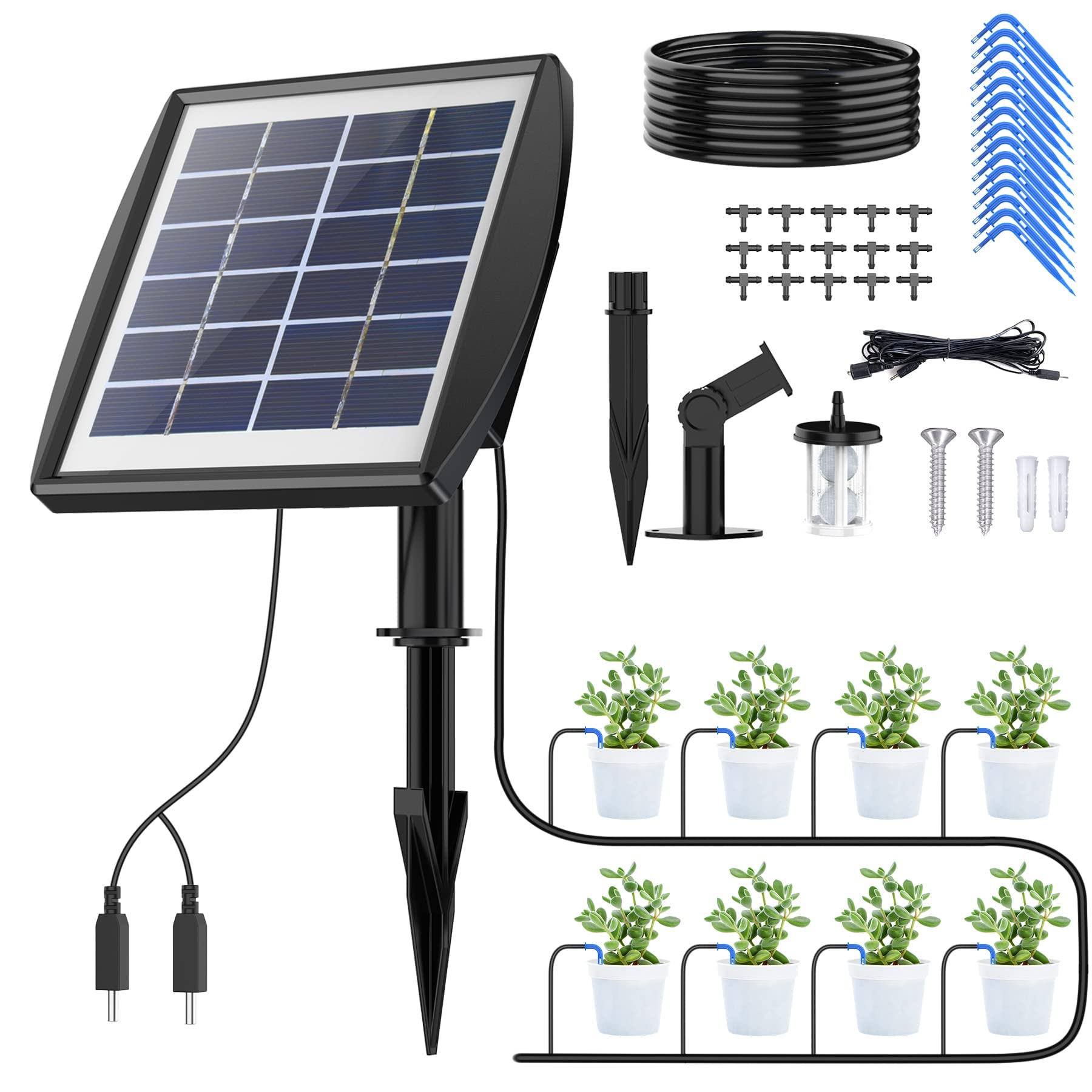
In horticulture, solar powered water pumps are often integrated into drip irrigation systems within greenhouses. This technology allows for precise water delivery directly to plant roots, which increases crop yield and quality while conserving water. The use of solar energy also eliminates ongoing electricity costs, making it an economically viable option for growers. Buyers should consider the system’s integration capabilities, scalability for future expansion, and potential for automation to maximize operational efficiency.
What Role Do Solar Pumps Play in Commercial Landscaping?
For commercial landscaping, solar powered water pumps facilitate the efficient watering of large-scale landscapes and parks. This not only lowers utility costs but also enhances the aesthetic appeal of outdoor spaces. By utilizing solar energy, businesses can demonstrate their commitment to sustainability while benefiting from reduced operational expenses. When sourcing these pumps, it’s important to focus on their durability, the appropriate type of pump for the landscape design, and the ease of installation to ensure long-term performance.
Why Are Solar Powered Water Pumps Essential for Aquaculture?
In aquaculture, maintaining optimal water conditions is crucial for fish health and growth. Solar powered water pumps can circulate water in fish farms, ensuring that oxygen levels remain high and waste is effectively managed. This sustainable approach not only reduces energy costs but also supports eco-friendly farming practices. Buyers should check the pump’s compatibility with either saline or freshwater environments and assess its reliability to ensure consistent operation in their aquaculture systems.
A stock image related to solar powered water pump for irrigation.
3 Common User Pain Points for ‘solar powered water pump for irrigation’ & Their Solutions
Scenario 1: Difficulty in Sizing the Right Solar Powered Water Pump for Specific Irrigation Needs
The Problem: Many B2B buyers struggle with selecting the correct size and capacity of a solar powered water pump for their irrigation systems. This often leads to either over-investment in a pump that is too powerful for their needs or underperformance due to an inadequately sized pump. For instance, a large agricultural firm in South America may require a system capable of delivering high volumes of water across extensive fields. If they choose a pump that doesn’t meet their flow rate requirements, they risk crop failure during critical growth periods, leading to significant financial losses.
The Solution: To effectively size a solar powered water pump, buyers should first conduct a thorough assessment of their irrigation needs, including the total area to be irrigated, the crop type, and the average water requirement per plant. Utilizing online calculators or consulting with experienced suppliers can aid in determining the necessary flow rate and head height. Once the specifications are clear, buyers can explore options from reputable manufacturers, ensuring they select a pump that not only meets their immediate irrigation needs but also allows for future scalability. For instance, opting for modular systems that can be expanded as agricultural demands grow can provide long-term benefits. Additionally, considering hybrid systems that can integrate battery backup may alleviate concerns about inconsistent sunlight and ensure reliable operation.
Scenario 2: Challenges with Installation and Maintenance of Solar Powered Water Pumps
The Problem: Installation and maintenance of solar powered water pumps can pose significant challenges, especially for businesses operating in remote or rural areas. A B2B buyer in Africa, for example, may find that the lack of skilled technicians to install and maintain the systems leads to operational downtime. Furthermore, without proper installation, the system may not function optimally, resulting in wasted resources and increased costs.
The Solution: To mitigate these issues, it is crucial for buyers to partner with suppliers that offer comprehensive installation services or training for local technicians. Choosing suppliers that provide detailed installation guides and ongoing technical support can also be beneficial. Additionally, buyers should consider investing in training programs for their staff, ensuring that they are equipped to handle routine maintenance and troubleshooting. Using pumps that come with self-diagnostic features can simplify the maintenance process, allowing for quick identification of issues before they escalate. Furthermore, establishing a regular maintenance schedule can help ensure that the system operates efficiently and prolongs the lifespan of the equipment.
Scenario 3: Uncertainty About the Long-Term Cost Efficiency of Solar Powered Water Pumps
The Problem: Many buyers are hesitant about investing in solar powered water pumps due to uncertainty surrounding their long-term cost efficiency compared to traditional diesel or electric pumps. A buyer in the Middle East might question whether the initial capital expenditure will yield significant savings over time, especially in areas where fuel prices fluctuate drastically or electricity is subsidized.
The Solution: To address these concerns, it is essential for buyers to perform a comprehensive cost-benefit analysis that includes not only the initial investment but also the ongoing operational and maintenance costs. This analysis should factor in the expected lifespan of the solar pumps, which can exceed 15-20 years, and the associated savings from reduced fuel and electricity costs. Buyers can leverage case studies or testimonials from similar businesses that have successfully transitioned to solar-powered systems to gain insights into potential savings and ROI. Additionally, exploring financing options such as grants, subsidies, or low-interest loans specifically for renewable energy projects can alleviate upfront cost burdens and make the transition to solar more appealing. Engaging with energy consultants who specialize in renewable energy can also provide tailored financial projections and help navigate any available incentives.
Strategic Material Selection Guide for solar powered water pump for irrigation
When selecting materials for solar-powered water pumps used in irrigation, various factors such as durability, cost, and environmental compatibility come into play. Below is an analysis of four common materials used in the construction of these pumps, focusing on their properties, advantages, disadvantages, and specific considerations for international B2B buyers.
What Are the Key Properties of Stainless Steel in Solar-Powered Water Pumps?
Stainless steel is favored for its excellent corrosion resistance, high strength, and durability. It can withstand a wide temperature range, making it suitable for both hot and cold climates. In terms of pressure rating, stainless steel can handle high-pressure applications, which is essential for deep well pumping.
Pros: Stainless steel is highly durable and resistant to rust and corrosion, ensuring a long lifespan even in harsh environments. Its strength allows for the construction of robust components that can withstand mechanical stress.
Cons: The primary drawback is its relatively high cost compared to other materials like plastic or aluminum. Manufacturing processes can be complex and may require specialized techniques, increasing production costs.
Impact on Application: Stainless steel is compatible with various media, including potable water and agricultural chemicals, making it versatile for different irrigation needs.
Considerations for International Buyers: Buyers should ensure compliance with international standards such as ASTM and DIN for quality assurance. In regions with high humidity or saline conditions, stainless steel is often preferred due to its corrosion resistance.
How Does Plastic Compare as a Material for Solar-Powered Water Pumps?
Plastic, particularly high-density polyethylene (HDPE) and polyvinyl chloride (PVC), is widely used in solar-powered water pumps due to its lightweight nature and resistance to corrosion.
Pros: Plastic is cost-effective and easy to manufacture, allowing for lower production costs. It is also resistant to many chemicals, making it suitable for various irrigation applications.
Cons: While plastic is durable, it may not withstand high temperatures or pressures as effectively as metals. Over time, UV exposure can lead to degradation unless UV stabilizers are added.
Impact on Application: Plastic pumps are ideal for low-pressure applications and are often used in surface irrigation systems. They are not recommended for deep well applications due to pressure limitations.
Considerations for International Buyers: Buyers should verify that the plastic materials meet relevant safety and environmental standards, particularly in regions with strict regulations on materials used in agricultural applications.
What Advantages Does Aluminum Offer for Solar-Powered Water Pumps?
Aluminum is lightweight and offers good corrosion resistance, making it a popular choice for various components in solar-powered water pumps.
Pros: The lightweight nature of aluminum simplifies installation and reduces shipping costs. It also provides decent strength and is resistant to rust, making it suitable for outdoor applications.
Cons: Aluminum can be more susceptible to corrosion in saline environments compared to stainless steel. Additionally, it may not be suitable for high-pressure applications without reinforcement.
Impact on Application: Aluminum is often used in pump housings and frames, particularly in portable or smaller systems where weight is a critical factor.
Considerations for International Buyers: Buyers should consider the local climate and environmental conditions, as aluminum may require protective coatings in coastal regions to prevent corrosion.
How Does Cast Iron Perform in Solar-Powered Water Pumps?
Cast iron is traditionally used in heavy-duty applications due to its strength and durability, particularly in submersible pumps.
Pros: Cast iron offers high strength and excellent wear resistance, making it ideal for high-pressure applications. It also has a long lifespan, often exceeding that of other materials.
Cons: The main disadvantage is its weight, which can increase shipping and installation costs. Cast iron is also prone to rust if not properly coated or maintained.
Impact on Application: Cast iron pumps are suitable for deep well applications and can handle abrasive materials, making them ideal for agricultural use.
Considerations for International Buyers: Buyers must ensure that cast iron components are properly treated to resist corrosion, especially in humid or saline environments. Compliance with international standards is also essential for quality assurance.
| Material | Typical Use Case for Solar Powered Water Pump for Irrigation | Key Advantage | Key Disadvantage/Limitation | Relative Cost (Low/Med/High) |
|---|---|---|---|---|
| Stainless Steel | Deep well pumps, potable water applications | Excellent corrosion resistance | Higher cost and complex manufacturing | High |
| Plastic | Surface irrigation systems, low-pressure applications | Cost-effective and lightweight | Limited pressure and temperature resistance | Low |
| Aluminum | Portable pumps, lightweight applications | Lightweight and easy to install | Susceptible to corrosion in saline environments | Medium |
| Cast Iron | Heavy-duty submersible pumps, high-pressure applications | High strength and wear resistance | Heavy and prone to rust without treatment | Medium |
This strategic material selection guide aims to assist international B2B buyers in making informed decisions when sourcing solar-powered water pumps for irrigation, considering the unique requirements of their respective markets.
A stock image related to solar powered water pump for irrigation.
In-depth Look: Manufacturing Processes and Quality Assurance for solar powered water pump for irrigation
What Are the Main Stages of Manufacturing Solar-Powered Water Pumps for Irrigation?
The manufacturing process of solar-powered water pumps involves several critical stages, each essential for ensuring the product’s reliability and efficiency.
Material Preparation: The first step involves sourcing high-quality materials that meet industry standards. Common materials include corrosion-resistant metals, durable plastics, and photovoltaic (PV) cells. Suppliers should provide certifications for the materials to ensure they are suitable for outdoor use and can withstand environmental conditions.
Forming: This stage includes various techniques such as casting, machining, and molding to create the pump components. Advanced methods like CNC machining are often employed to achieve precise dimensions, which is crucial for the efficiency of the pump. High-quality forming processes contribute to the durability and performance of the final product.
Assembly: Once components are formed, they are assembled using automated and manual processes. Automated assembly lines improve consistency, while skilled technicians ensure that complex parts fit together correctly. Attention to detail is critical during this phase, as improper assembly can lead to operational failures.
Finishing: The final stage involves applying protective coatings and conducting surface treatments to enhance corrosion resistance and aesthetic appeal. This may include powder coating or anodizing, which are essential for pumps expected to operate in harsh environments.
Which Key Techniques Are Used in the Manufacturing of Solar-Powered Water Pumps?
Manufacturers utilize several key techniques to optimize the performance and longevity of solar-powered water pumps:
Precision Engineering: High-precision tools and machinery are employed to ensure that all components fit together seamlessly. This reduces the risk of leaks and mechanical failures.
Quality Welding and Sealing: For components that require joining, techniques such as TIG welding or epoxy sealing are commonly used to ensure robust connections that can withstand pressure and environmental stressors.
Solar Cell Integration: The process of integrating solar cells into the pump system is vital. This includes ensuring that the electrical components are compatible with the PV system for maximum energy efficiency.
Testing and Calibration: After assembly, pumps undergo rigorous testing to calibrate performance metrics, such as flow rate and pressure. This ensures that the product meets the specified operational requirements.
What Are the Relevant International Standards for Quality Assurance in Solar-Powered Water Pumps?
Quality assurance for solar-powered water pumps is governed by several international standards that ensure safety, reliability, and performance:
ISO 9001: This standard specifies requirements for a quality management system (QMS) and is essential for manufacturers aiming to enhance customer satisfaction through consistent quality products.
CE Marking: In Europe, CE marking indicates that the product complies with EU safety and environmental requirements. It is crucial for B2B buyers in Europe to verify that their suppliers have CE certification.
API Standards: The American Petroleum Institute (API) provides standards for pumps used in various industries. Compliance with API standards ensures that the pumps meet specific performance criteria, particularly in agricultural applications.
What Are the QC Checkpoints in the Manufacturing Process of Solar-Powered Water Pumps?
Quality control (QC) checkpoints are integrated throughout the manufacturing process to ensure that products meet established standards:
Incoming Quality Control (IQC): This initial checkpoint involves inspecting raw materials and components upon receipt. Suppliers should provide documentation proving that materials meet quality standards.
In-Process Quality Control (IPQC): During manufacturing, regular inspections are conducted to monitor processes and detect any deviations from the standard. This may involve checking dimensions, material integrity, and assembly accuracy.
Final Quality Control (FQC): Before products are shipped, a comprehensive final inspection is performed. This includes functional testing of the pumps to ensure they operate as intended under various conditions.
What Common Testing Methods Are Used to Ensure Quality in Solar-Powered Water Pumps?
Several testing methods are critical for verifying the performance and durability of solar-powered water pumps:
Hydraulic Testing: This method evaluates the pump’s ability to handle pressure and flow rates, simulating real-world operating conditions.
Electrical Testing: For solar-powered pumps, electrical testing ensures that the PV cells and wiring systems function correctly, providing adequate power for operation.
Environmental Testing: Pumps are subjected to environmental simulations to assess their performance in extreme conditions, such as high temperatures, humidity, or exposure to corrosive elements.
How Can B2B Buyers Verify Supplier Quality Control Processes?
B2B buyers should take proactive steps to verify the quality control processes of potential suppliers:
Supplier Audits: Conducting audits allows buyers to assess the manufacturing facilities, quality control processes, and compliance with international standards. This can be done through third-party inspection services for an unbiased evaluation.
Requesting Documentation: Buyers should request documentation such as quality assurance reports, certificates of compliance, and testing results to ensure that the supplier meets industry standards.
Third-Party Inspections: Engaging third-party inspection agencies can provide an additional layer of assurance. These agencies can conduct independent assessments of the manufacturing process and quality control measures.
What Are the QC and Certification Nuances for International B2B Buyers?
For international B2B buyers, particularly in regions like Africa, South America, the Middle East, and Europe, understanding QC and certification nuances is essential:
Regional Compliance Requirements: Different regions have varying compliance and certification requirements. Buyers should familiarize themselves with local regulations, such as those specific to agriculture and water management.
Cultural Considerations: Building strong relationships with suppliers can facilitate better communication regarding quality expectations and standards. Understanding cultural differences can also aid in negotiations and partnerships.
Logistics and Supply Chain Management: Buyers should consider the logistics of transporting solar pumps across borders. Ensure that suppliers have experience navigating international shipping regulations and can provide timely delivery.
By understanding these facets of manufacturing processes and quality assurance, B2B buyers can make informed decisions when sourcing solar-powered water pumps for irrigation, ensuring they select reliable suppliers that deliver high-quality products.
Practical Sourcing Guide: A Step-by-Step Checklist for ‘solar powered water pump for irrigation’
This guide provides a practical checklist for B2B buyers looking to procure solar-powered water pumps for irrigation. With a focus on sustainability and efficiency, this checklist will help you navigate the procurement process effectively, ensuring that you make informed decisions that align with your operational needs.
Step 1: Define Your Technical Specifications
Before you begin sourcing, it’s essential to outline the specific technical requirements for your solar-powered water pump. Consider factors such as:
– Flow Rate: Determine the gallons per minute (GPM) needed based on your irrigation needs.
– Head Height: Assess the vertical distance the pump needs to lift water, which will influence the pump type.
Having clear specifications helps streamline the selection process and ensures compatibility with your existing systems.
Step 2: Research Available Pump Types
Familiarize yourself with the various types of solar-powered water pumps available in the market. Key types include:
– Submersible Pumps: Ideal for deep wells and can operate efficiently in high head applications.
– Surface Pumps: Suitable for shallow water sources and offer easier installation.
Understanding the differences allows you to select the right pump for your specific irrigation scenario, maximizing efficiency.
Step 3: Evaluate Potential Suppliers
Thoroughly vet potential suppliers to ensure they can meet your needs. Consider the following:
– Experience and Reputation: Look for suppliers with a proven track record in solar water pump solutions.
– Customer Testimonials: Seek out case studies or reviews from similar industries to gauge reliability.
This step is crucial as it minimizes risks associated with poor product quality and service delivery.
Step 4: Request Detailed Proposals
Once you have shortlisted suppliers, request detailed proposals that include:
– Technical Specifications: Ensure the proposal aligns with your defined requirements.
– Pricing Structure: Look for transparency in costs, including installation and maintenance.
– Warranty and Support: Confirm what kind of after-sales support and warranty terms are offered.
A comprehensive proposal will help you compare options effectively and make an informed decision.
Step 5: Verify Supplier Certifications
Ensure that the suppliers you are considering possess the necessary certifications and standards for solar water pumps. Important certifications may include:
– ISO Certification: Indicates quality management systems.
– CE Marking: Ensures compliance with European safety standards.
Verification of certifications assures you that the products meet international quality and safety standards.
Step 6: Assess Logistics and Delivery Options
Consider the logistics involved in the procurement process, including:
– Shipping Times: Understand lead times for delivery to avoid disruptions in your irrigation schedule.
– Import Duties and Taxes: Factor in any additional costs that may arise from international shipping.
A clear logistics plan will help ensure timely delivery and implementation of your irrigation system.
Step 7: Establish a Maintenance Plan
Before finalizing your purchase, outline a maintenance plan that includes:
– Routine Check-ups: Schedule regular inspections to ensure optimal pump performance.
– Parts Replacement: Identify critical components that may require periodic replacement.
Having a maintenance strategy in place helps extend the lifespan of your solar-powered water pump and ensures sustained operational efficiency.
By following this checklist, you can navigate the complexities of sourcing solar-powered water pumps for irrigation, leading to informed decisions that enhance agricultural productivity.
Comprehensive Cost and Pricing Analysis for solar powered water pump for irrigation Sourcing
What Are the Key Cost Components for Solar Powered Water Pumps?
When sourcing solar powered water pumps for irrigation, understanding the cost structure is crucial for effective budgeting and negotiation. The primary cost components include:
Materials: The quality and type of materials used directly influence the pump’s durability and efficiency. Common materials include corrosion-resistant metals, high-grade plastics, and photovoltaic cells. Premium materials may increase upfront costs but can lead to lower maintenance and replacement costs over time.
Labor: Labor costs encompass the wages for skilled workers involved in manufacturing, assembly, and installation. Regions with higher labor costs may lead to increased product prices, which is particularly relevant for international buyers sourcing from different markets.
Manufacturing Overhead: This includes costs associated with factory operations such as utilities, equipment depreciation, and administrative expenses. Efficient manufacturing processes can minimize overhead costs, which in turn can make the final product more competitive in pricing.
Tooling: Tooling costs are incurred for the creation of molds and dies used in the production of pumps. Custom tooling can be expensive, but it may be necessary for specialized designs or features.
Quality Control (QC): Ensuring product quality is vital, particularly for pumps used in critical applications like agriculture. QC processes, while adding to costs, can prevent future issues that may arise from defective products.
Logistics: Shipping, handling, and storage costs can significantly impact the overall price, especially for international buyers. Understanding the logistics involved, including transportation modes and delivery times, is essential for cost calculations.
Margin: Suppliers typically add a margin to cover their risks and profit. This margin varies by supplier and can be influenced by factors such as market demand and competitive pricing.
How Do Price Influencers Affect the Cost of Solar Powered Water Pumps?
Several factors can influence the pricing of solar powered water pumps:
Volume/MOQ: Bulk purchasing often leads to lower per-unit costs. Buyers who can commit to larger orders may negotiate better pricing terms.
Specifications/Customization: Custom features or specifications can increase costs. It’s important to balance the need for customization with budget constraints.
Materials: The choice of materials affects both the initial cost and the long-term maintenance costs. Higher-quality materials may require a higher investment upfront but can offer better longevity and efficiency.
Quality and Certifications: Pumps that meet international quality standards or possess certifications may come at a premium. However, these certifications often ensure reliability and performance, which can justify the higher costs.
Supplier Factors: Supplier reputation, experience, and reliability play a significant role in pricing. Established suppliers may charge more due to their proven track record.
Incoterms: The chosen Incoterms can impact pricing by determining who bears the costs and risks during transportation. Understanding these terms is essential for international buyers to avoid unexpected charges.
What Buyer Tips Can Help Optimize Costs?
For international B2B buyers, particularly those in Africa, South America, the Middle East, and Europe, here are some valuable tips:
Negotiation: Engage in discussions with suppliers about pricing, especially for large orders. Building a relationship can lead to favorable terms and discounts.
Cost-Efficiency: Consider the Total Cost of Ownership (TCO), which includes purchase price, installation, maintenance, and operational costs over the product’s lifespan. A lower initial price may not always be the best option if it leads to higher operational costs.
Pricing Nuances: Be aware that international pricing may fluctuate due to tariffs, currency exchange rates, and local market conditions. Establishing a clear understanding of these factors can help avoid budget overruns.
Research and Due Diligence: Conduct thorough research on potential suppliers, including reviews and case studies. This can help in selecting a reliable partner who offers value for money.
Disclaimer for Indicative Prices
It is important to note that prices for solar powered water pumps can vary significantly based on numerous factors, including market conditions, supplier changes, and specific project requirements. Therefore, the prices mentioned in this analysis are indicative and should be confirmed with suppliers for the most accurate and up-to-date information.
Alternatives Analysis: Comparing solar powered water pump for irrigation With Other Solutions
Exploring Alternative Solutions for Irrigation Water Supply
In the quest for effective irrigation solutions, solar-powered water pumps are gaining traction due to their sustainability and cost-effectiveness. However, various alternative technologies also exist that can meet irrigation needs. This section compares solar-powered water pumps with other viable methods, providing B2B buyers with insights to make informed decisions.
| Comparison Aspect | Solar Powered Water Pump For Irrigation | Diesel-Powered Pump | Electric Pump |
|---|---|---|---|
| Performance | High efficiency, particularly in sunny regions; can pump water from significant depths. | Strong performance in remote areas with reliable fuel supply; capable of high flow rates. | Consistent output, but dependent on electricity availability and grid stability. |
| Cost | High initial investment but low operational costs (no fuel needed). | Moderate initial cost; ongoing fuel expenses can add up. | Lower initial cost, but ongoing electricity costs can be significant. |
| Ease of Implementation | Requires solar panel installation; more complex in shaded areas. | Requires fuel storage and maintenance; easier setup in remote areas. | Straightforward installation but reliant on grid access. |
| Maintenance | Minimal maintenance; robust systems can last 15-20 years. | Requires regular maintenance and fuel management; risk of mechanical failure. | Moderate maintenance; depends on electrical infrastructure. |
| Best Use Case | Ideal for remote, sunny areas with low energy costs; great for sustainable farming practices. | Suitable for areas without electricity but with a stable fuel supply; good for high-demand situations. | Best for areas with reliable electricity; effective for continuous irrigation needs. |
What Are the Advantages and Disadvantages of Diesel-Powered Pumps?
Diesel-powered pumps offer strong performance, especially in remote locations where electricity is unavailable. They can deliver high flow rates and are often easier to implement in regions with established fuel supply chains. However, they come with ongoing fuel costs and require regular maintenance, which can be burdensome for agricultural operations. Additionally, the environmental impact of fossil fuel usage is a growing concern for many businesses looking to adopt more sustainable practices.
How Do Electric Pumps Compare in Terms of Efficiency and Cost?
Electric pumps are a common choice for irrigation, particularly in regions with stable electricity access. They typically have lower initial costs compared to solar-powered systems. However, their dependency on the electrical grid can pose challenges, especially in areas prone to outages or where electricity is expensive. While they provide consistent water flow, operational costs can accumulate over time, diminishing the financial advantage they initially present.
Conclusion: How Should B2B Buyers Choose the Right Irrigation Solution?
When selecting an irrigation solution, B2B buyers should consider their specific environmental conditions, budget constraints, and long-term operational goals. Solar-powered water pumps are ideal for businesses prioritizing sustainability and cost savings over time, especially in regions with abundant sunlight. On the other hand, diesel-powered and electric pumps can serve specific needs based on available resources and infrastructure. Evaluating the pros and cons of each option will empower buyers to make strategic decisions that align with their operational objectives and sustainability initiatives.
Essential Technical Properties and Trade Terminology for solar powered water pump for irrigation
What Are the Key Technical Properties of Solar-Powered Water Pumps for Irrigation?
Understanding the critical specifications of solar-powered water pumps is essential for making informed purchasing decisions. Here are some key properties that international B2B buyers should consider:
Flow Rate (GPM or L/min)
The flow rate, measured in gallons per minute (GPM) or liters per minute (L/min), indicates how much water the pump can deliver. This is crucial for determining whether the pump meets the irrigation needs of a specific agricultural application. For instance, a higher flow rate is essential for large-scale operations that require significant water distribution across vast fields.Head Height (Feet or Meters)
Head height refers to the maximum vertical distance the pump can lift water, typically measured in feet or meters. This specification is vital for understanding whether the pump can deliver water to the desired elevation, such as from a well to a storage tank or directly to crops. Pumps with a high head height are particularly important in areas with varied topography.Power Source and Voltage (DC/AC)
Solar-powered pumps generally operate on either direct current (DC) or alternating current (AC). Understanding the voltage requirements (e.g., 12V, 24V, 48V) is essential for compatibility with solar panels and battery systems. This affects installation costs and the overall efficiency of the pump system, especially in remote locations.Material and Durability
The materials used in pump construction—such as stainless steel, thermoplastics, or cast iron—impact both the lifespan and efficiency of the pump. Durable materials can withstand harsh environmental conditions, which is particularly important in regions with extreme weather or corrosive water sources. Selecting pumps made from high-quality materials ensures longevity and reduces maintenance costs.Self-Priming Capability
Self-priming pumps can draw water without needing manual intervention, which is advantageous in irrigation systems where water levels can fluctuate. This feature minimizes downtime and labor costs, making it an essential consideration for buyers looking for efficiency and ease of use.
What Are Common Trade Terms Associated with Solar-Powered Water Pumps?
Familiarity with industry jargon can facilitate smoother transactions and negotiations. Here are several key terms that B2B buyers should understand:
OEM (Original Equipment Manufacturer)
An OEM refers to a company that produces parts and equipment that may be marketed by another manufacturer. Understanding OEM relationships can be critical for ensuring the quality and compatibility of replacement parts or entire systems.MOQ (Minimum Order Quantity)
MOQ is the smallest quantity of a product that a supplier is willing to sell. Knowing the MOQ is vital for buyers to assess whether they can meet the supplier’s requirements without overcommitting to unnecessary inventory.RFQ (Request for Quotation)
An RFQ is a formal document requesting price quotes from suppliers. This process is crucial for buyers to gauge market rates and compare offerings from different manufacturers, ensuring they get the best value for their investment.Incoterms (International Commercial Terms)
Incoterms are a set of predefined commercial terms published by the International Chamber of Commerce (ICC). They clarify the responsibilities of buyers and sellers in international transactions, including shipping, risk, and insurance. Understanding these terms can help buyers navigate logistics and avoid unexpected costs.Wattage (Watts)
Wattage indicates the power consumption of the pump. It’s essential for assessing energy efficiency and ensuring that the solar panel system can adequately support the pump’s power needs, thus optimizing the overall system performance.
By grasping these technical properties and trade terms, international B2B buyers can make more informed decisions when selecting solar-powered water pumps for irrigation, ultimately enhancing their operational efficiency and sustainability.
Navigating Market Dynamics and Sourcing Trends in the solar powered water pump for irrigation Sector
What are the Key Trends Shaping the Solar Powered Water Pump Market for Irrigation?
The global demand for solar powered water pumps for irrigation is on the rise, driven by the urgent need for sustainable agricultural practices and efficient water management. Key trends influencing this market include the increasing adoption of renewable energy solutions, technological advancements in pump efficiency, and the growing focus on off-grid applications, particularly in regions with limited access to electricity. Countries in Africa, South America, the Middle East, and Europe are leading the charge in this transition, with investments in solar infrastructure becoming a priority.
Emerging technologies such as smart irrigation systems and IoT-enabled pumps are redefining traditional irrigation methods. These innovations allow farmers to monitor water usage remotely and optimize irrigation schedules based on real-time data, leading to significant water conservation. Additionally, the cost of solar panels and related technology continues to decrease, making solar water pumps more accessible to smallholder farmers and large agricultural enterprises alike.
International B2B buyers must also consider regional variations in market dynamics. For instance, in Africa, where water scarcity is a pressing issue, solar pumps provide a reliable solution for irrigation in remote areas. In contrast, European buyers may prioritize efficiency and integration with existing agricultural technologies. Understanding these nuances will enable buyers to make informed sourcing decisions that align with local market conditions.
How Can Sustainability and Ethical Sourcing Influence B2B Decisions in the Solar Pump Sector?
Sustainability and ethical sourcing are becoming increasingly critical in the solar powered water pump sector. As environmental concerns grow, buyers are encouraged to consider the ecological footprint of their procurement choices. Solar pumps inherently offer a more sustainable alternative to fossil fuel-powered pumps, as they utilize renewable energy, thereby reducing greenhouse gas emissions.
Moreover, the importance of ethical supply chains cannot be overstated. Buyers should seek manufacturers that adhere to fair labor practices and environmentally friendly production methods. Certifications such as ISO 14001 for environmental management and Fair Trade can help identify suppliers committed to sustainable practices.
Investing in solar powered water pumps that are built with sustainable materials not only enhances a company’s green credentials but also appeals to environmentally conscious consumers. Furthermore, as regulatory pressures increase globally, companies that prioritize sustainability in their sourcing strategies will likely find themselves at a competitive advantage in the market.
What Historical Developments Have Shaped the Solar Water Pump Industry?
The evolution of solar powered water pumps for irrigation can be traced back to the early 1990s, when the first models were introduced primarily for remote applications in arid regions. Initially, these systems were rudimentary, often limited to small-scale use. However, advancements in solar technology and pump efficiency have transformed the landscape dramatically over the past two decades.
The introduction of solar photovoltaic (PV) technology has enabled pumps to become more powerful and efficient, making them suitable for larger agricultural operations. Furthermore, the global push for sustainable energy solutions and the increasing awareness of climate change have accelerated the adoption of solar pumps. As a result, the market has expanded significantly, attracting investments from both private and public sectors, thus laying a solid foundation for future growth.
Understanding the historical context of solar water pumps is crucial for B2B buyers, as it highlights the technological advancements and market dynamics that have shaped the industry into what it is today. This knowledge can inform purchasing decisions and strategies to leverage the latest innovations in solar pump technology.
Frequently Asked Questions (FAQs) for B2B Buyers of solar powered water pump for irrigation
How do I determine the right solar powered water pump for my irrigation needs?
To select the appropriate solar powered water pump, assess your specific irrigation requirements, including the total water volume needed, the distance the water must be lifted, and the pressure requirements for your irrigation system. Calculate the GPM (gallons per minute) needed based on the size of the area being irrigated and the type of crops. Additionally, consider the pump’s power source and efficiency; larger systems may require multiple solar panels to ensure adequate energy supply, especially in regions with varying sunlight intensity.What are the benefits of using a solar powered water pump for irrigation?
Solar powered water pumps offer numerous advantages, including cost savings on electricity, sustainability, and minimal maintenance. They operate independently of the grid, making them ideal for remote locations with limited access to power. Additionally, these pumps can reduce long-term operational costs since they rely on free solar energy. Many models also boast a long lifespan, with some lasting over 15 years, which can significantly enhance the return on investment for agricultural operations.How can I ensure the quality of the solar water pump I purchase?
To ensure quality, source pumps from reputable manufacturers or suppliers with proven track records in the industry. Look for certifications, warranty offerings, and customer reviews. Conduct thorough supplier vetting by requesting product specifications, performance data, and case studies from similar agricultural applications. It may also be beneficial to ask for sample products or demonstrations to evaluate their performance in real-world conditions before making a bulk purchase.What is the typical minimum order quantity (MOQ) for solar powered water pumps?
MOQs for solar powered water pumps can vary significantly by supplier and product type. Generally, established manufacturers may have an MOQ ranging from 5 to 50 units, depending on the model and customization options. When negotiating, consider discussing your specific requirements and potential for future orders, as many suppliers are open to flexibility, especially for long-term partnerships or larger contracts.What payment terms should I expect when purchasing solar powered water pumps internationally?
Payment terms can vary by supplier and region, but typical arrangements include options such as upfront payments, letter of credit, or payment upon delivery. It’s common for suppliers to request a deposit (20-30%) upon order confirmation, with the remainder due before shipment. Always clarify terms and conditions, including any penalties for late payments or potential discounts for early payments. Establishing clear agreements upfront can prevent misunderstandings later in the transaction process.How do I handle shipping and logistics for international orders of solar water pumps?
When arranging shipping, collaborate closely with your supplier to understand shipping options, costs, and timelines. Consider using freight forwarders who specialize in international shipping to streamline logistics and ensure compliance with local regulations. Be aware of customs duties and import taxes that may apply in your country, as these can impact overall costs. It’s also crucial to track shipments and maintain communication with your supplier to address any potential delays or issues promptly.Can I customize my solar powered water pump order?
Yes, many suppliers offer customization options for solar powered water pumps to meet specific irrigation needs. Customizations can include variations in pump size, flow rate, and solar panel configurations, as well as additional features such as timers or remote monitoring systems. When discussing your requirements with suppliers, provide detailed specifications to ensure the final product aligns with your operational needs and irrigation goals.What are the common issues to watch for with solar powered water pumps?
Common issues with solar powered water pumps include insufficient solar energy due to shading, improper installation, and inadequate maintenance. To mitigate these risks, ensure that the pump is installed in a location with maximum sunlight exposure and that all components are appropriately sized for your irrigation system. Regular maintenance checks, including cleaning solar panels and inspecting pump components, can prevent operational failures and extend the pump’s lifespan.
Important Disclaimer & Terms of Use
⚠️ Important Disclaimer
The information provided in this guide, including content regarding manufacturers, technical specifications, and market analysis, is for informational and educational purposes only. It does not constitute professional procurement advice, financial advice, or legal advice.
While we have made every effort to ensure the accuracy and timeliness of the information, we are not responsible for any errors, omissions, or outdated information. Market conditions, company details, and technical standards are subject to change.
B2B buyers must conduct their own independent and thorough due diligence before making any purchasing decisions. This includes contacting suppliers directly, verifying certifications, requesting samples, and seeking professional consultation. The risk of relying on any information in this guide is borne solely by the reader.
Top 8 Solar Powered Water Pump For Irrigation Manufacturers & Suppliers List
1. RPS – Pro Irrigation Surface Pump
Domain: shop.rpssolarpumps.com
Registered: 2016 (9 years)
Introduction: RPS Pro Irrigation Surface Pump
– Regular Price: $4,619.00 (Sale Price: $4,619.00)
– Models Available: ProS750, ProS1000, ProS1500, ProS2000, ProS3000
– High volume, mid-head, non-submersible applications
– Suitable for sprinklers up to 45 psi and drip lines
– Self-priming suction up to 25 feet
– Best-of-the-best USA 3-Phase Pumps
– Cast iron construction with corrosion-resistant Electrocoat paint…
2. Solariver™ – Solar Water Pump Kits and Aerators
Domain: solariverusa.com
Registered: 2016 (9 years)
Introduction: This company, Solariver™ – Solar Water Pump Kits and Aerators, is a notable entity in the market. For specific product details, it is recommended to visit their website directly.
3. Reddit – 2 HP Water Pump for Drip Irrigation
Domain: reddit.com
Registered: 2005 (20 years)
Introduction: 2 HP water pump, approximately 1500 watts, suitable for drip irrigation, operates for 1 hour on battery, consideration for 12V or higher voltage system.
4. Rock Solar – Solar Water Pumps

Domain: rocksolar.io
Registered: 2023 (2 years)
Introduction: Collection: Solar Water Pumps
Applications: Farming, Gardens, Off-grid living
Product Types:
– Brushless DC Pump + Solar Panel Kit
– Full Kit (Brushless DC Pump + Panel + Battery)
– Water Transfer Pump
– Water Transfer Pump + Solar Panel Kit
Power Ratings:
– 0.5 – 1.0 HP
– 1.1 – 2.0 HP
– 2.1 – 3.0 HP
– 3.1 HP and above
– Under 0.5 HP
Voltage Options:
– 24V
– 48V
– 60V – 110V
– 80V – 150V
– 200V…
5. DIY Solar Forum – 1.5 HP Three Phase Pump
Domain: diysolarforum.com
Registered: 2019 (6 years)
Introduction: 1.5 hp three phase pump, 6 310 Watt solar panels, RPS Pro Irrigation Surface Pump, pumps about 1500 gallons per hour, operates at 35-40 lbs pressure, runs 7 hours each day, off-grid system, potential for waterfall feature, battery sizing using 280ah LiFePo4 cells.
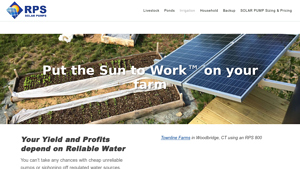
6. RPS Solar Pumps – Solar-Powered Irrigation Solutions
Domain: rpssolarpumps.com
Registered: 2016 (9 years)
Introduction: RPS Solar Pumps offers a range of solar-powered irrigation solutions designed for farmers and growers. Key features include: 1. Reliable Water Supply: RPS provides a 100% Water Assurance Guarantee, ensuring dependable water delivery for irrigation needs. 2. Off-Grid Capability: Ideal for areas with limited electricity access, allowing for sustainable farming practices. 3. System Design Support: Cu…
7. Permies – Solar Pump for Lake to Garden

Domain: permies.com
Registered: 2005 (20 years)
Introduction: Solar pump for lake to garden, suitable for pumping water without electricity. Key features include: brushless motors for longevity, ability to handle variable DC voltages directly from solar panels, magnetic coupling for motor protection, and a recommendation for pre-filtering water for reliability. Suggested flow rate is 1 gallon per minute for 5 hours (totaling 300 gallons). Important considera…
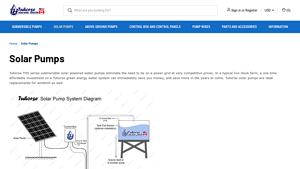
8. Tuhorse – THS Series Submersible Solar Pumps
Domain: tuhorse.us
Registered: 2012 (13 years)
Introduction: Tuhorse THS series submersible solar powered water pumps; eliminate need for power grid; competitive pricing; ideal for livestock farms; one-time investment saves money; full kits tested for compatibility; two-year warranty; options include: 2″ 370W, 3″ 500W, 4″ 2200W; large holding tank recommended; 6 hours of pumping can produce over 16,000 gallons; various models and complete kits available wit…
Strategic Sourcing Conclusion and Outlook for solar powered water pump for irrigation
In today’s rapidly evolving agricultural landscape, the strategic sourcing of solar-powered water pumps for irrigation presents a multitude of opportunities for international B2B buyers. These systems not only offer significant cost savings by eliminating electricity expenses but also enhance sustainability through the utilization of renewable energy. The variety of available models, from submersible to surface pumps, allows businesses to tailor solutions that meet specific irrigation needs, ensuring efficient water management.
Investing in solar-powered pumps also aligns with global trends toward environmentally responsible practices. As regions like Africa, South America, the Middle East, and Europe increasingly prioritize sustainable agriculture, the demand for reliable, off-grid solutions will continue to rise. Leveraging strategic sourcing can facilitate access to high-quality products from reputable manufacturers, ensuring long-term operational efficiency and product reliability.
As we look ahead, international buyers are encouraged to explore partnerships with trusted suppliers and manufacturers to capitalize on the advantages of solar technology. Embrace this opportunity to invest in a greener future for agriculture, enhancing productivity while contributing to environmental preservation. Engage with suppliers now to secure the best solutions tailored to your irrigation needs and position your business for success in the evolving agricultural market.
 English (United States)
  Spanish (Spain)
  Portuguese (Portugal)
  French
  German
  Italian
  Arabic
  Dutch
Dutch  English (UK)
  Bulgarian
  Chinese (China)
  Chinese (Hong Kong)
  Czech
Czech  Danish
  Greek
Greek  Finnish
  Spanish (Mexico)
  Estonian
  Hebrew
  Hungarian
  Indonesian
  Japanese
  Korean
  Latvian
  Lithuanian
  Norwegian
  Polish
  Portuguese (Brazil)
  Romanian
  Russian
  Slovenian
  Slovak
  Swedish
  Turkish
  Ukrainian
  Vietnamese