
Introduction: Navigating the Global Market for irrigation valve box covers
In the ever-evolving landscape of global agriculture, sourcing high-quality irrigation valve box covers poses a significant challenge for B2B buyers. These essential components not only protect critical irrigation systems from environmental damage but also ensure efficient water management—an increasingly vital concern in regions like Africa, South America, the Middle East, and Europe. This comprehensive guide delves into the diverse types of irrigation valve box covers available, their various applications, and the key factors to consider when selecting suppliers.
From understanding the differences between overlapping and snap-in lids to evaluating materials that resist UV degradation and physical wear, this resource equips international buyers with the knowledge needed to make informed decisions. We explore critical topics such as supplier vetting processes, pricing strategies, and the impact of local regulations on product selection. By the end of this guide, you will be empowered to navigate the complexities of the market with confidence, ensuring that your procurement decisions align with both operational needs and budgetary constraints.
With actionable insights tailored to the unique challenges faced by businesses in diverse geographical regions, this guide serves as your roadmap to successfully sourcing irrigation valve box covers that meet your specifications while enhancing the efficiency and longevity of your irrigation systems.
Understanding irrigation valve box covers Types and Variations
| Type Name | Key Distinguishing Features | Primary B2B Applications | Brief Pros & Cons for Buyers |
|---|---|---|---|
| Overlapping Valve Box Covers | Designed with overlapping edges to prevent debris ingress | Commercial landscaping, municipal irrigation | Pros: Enhanced protection from dirt; easy removal. Cons: May require specific sizing for compatibility. |
| Snap-In Valve Box Covers | Feature a snap-in design for quick access and secure fit | Residential and small-scale irrigation systems | Pros: Fast installation; secure fit. Cons: Limited to specific box types. |
| Rock Valve Covers | Aesthetic design mimicking natural stones, durable resin material | Landscaping, parks, and public spaces | Pros: Visually appealing; UV resistant. Cons: Higher cost; may not fit all equipment. |
| Jumbo Valve Box Covers | Larger dimensions for accommodating extensive irrigation systems | Large agricultural applications | Pros: Ample space for equipment; robust design. Cons: Bulkiness may complicate installation. |
| Standard Valve Box Covers | Basic design with various sizes, often made from recycled materials | General irrigation systems | Pros: Cost-effective; widely available. Cons: May lack advanced features like UV protection. |
What Are Overlapping Valve Box Covers and Their Benefits?
Overlapping valve box covers are engineered with edges that extend beyond the box’s perimeter, effectively preventing soil, grass, and debris from entering the box. This feature not only facilitates easier access for maintenance but also prolongs the lifespan of the valve and connected components. These covers are particularly suitable for commercial landscaping and municipal irrigation projects where durability and maintenance efficiency are paramount. Buyers should consider the specific dimensions and compatibility with existing valve boxes to ensure optimal fit and performance.
How Do Snap-In Valve Box Covers Enhance Irrigation System Management?
Snap-in valve box covers provide a user-friendly solution for quick access to irrigation systems. Their design allows for easy installation and secure attachment, making them ideal for residential and small-scale irrigation systems. The simplicity of the snap-in mechanism reduces installation time, which can be a significant advantage for contractors working on tight schedules. However, buyers should verify that these covers are compatible with the specific valve box models to avoid fit issues.
Why Choose Rock Valve Covers for Landscaping Projects?
Rock valve covers are designed to blend seamlessly into landscaped environments, mimicking natural stone textures like granite or sandstone. Constructed from durable rotomolded resin, these covers resist fading and warping, making them suitable for outdoor applications. They are ideal for parks, public spaces, and residential areas where aesthetics are important. While they provide an attractive solution for concealing irrigation equipment, potential buyers should be aware of their higher price point and ensure compatibility with existing systems.
What Are the Advantages of Jumbo Valve Box Covers in Agriculture?
Jumbo valve box covers are tailored for large agricultural irrigation systems, offering extensive internal space to accommodate multiple valves and connections. Their robust construction ensures they can withstand heavy-duty use in demanding environments. These covers are particularly beneficial for large-scale farming operations that require reliable and accessible irrigation solutions. However, buyers must consider the installation complexity due to their size and weight, which may necessitate additional support or equipment.
How Do Standard Valve Box Covers Fit into General Irrigation Systems?
Standard valve box covers are the most widely used option, available in various sizes and often made from recycled materials. Their cost-effectiveness and availability make them a popular choice for general irrigation systems across different sectors. While they provide basic protection against environmental elements, buyers should assess the specific needs of their irrigation systems, such as UV protection or additional durability features, to determine if standard covers meet their long-term requirements.
Key Industrial Applications of irrigation valve box covers
| Industry/Sector | Specific Application of irrigation valve box covers | Value/Benefit for the Business | Key Sourcing Considerations for this Application |
|---|---|---|---|
| Agriculture | Protecting irrigation systems in large farms | Enhances longevity of irrigation components, reducing maintenance costs | Durability against UV and weather conditions; availability of various sizes |
| Landscaping & Gardening | Concealing valves and backflow preventers in residential landscapes | Improves aesthetics while ensuring functionality | Design options that blend with the landscape; lightweight for easy installation |
| Municipal Water Management | Securing water control valves in public parks and green spaces | Ensures public safety and system integrity | Compliance with local regulations; robust construction to withstand public use |
| Sports Facilities | Covering irrigation systems in sports fields and golf courses | Protects equipment from damage while maintaining field appearance | Resistance to wear and tear; compatibility with various irrigation systems |
| Construction & Development | Integrating valve boxes in new commercial and residential projects | Streamlines installation processes and ensures long-term reliability | Customization options; bulk purchasing for large projects |
How Are Irrigation Valve Box Covers Utilized in Agriculture?
In the agriculture sector, irrigation valve box covers serve a crucial role in protecting irrigation systems on large farms. These covers safeguard valves and electrical components from dirt, water, and other environmental hazards, significantly enhancing the longevity of the irrigation infrastructure. For international buyers, particularly in regions like Africa and South America, sourcing durable materials resistant to UV rays and extreme weather is essential. This ensures that the covers withstand the harsh conditions often found in agricultural settings, ultimately reducing maintenance costs and downtime.
What Role Do Valve Box Covers Play in Landscaping and Gardening?
In landscaping and gardening, irrigation valve box covers are utilized to conceal unsightly valves and backflow preventers, contributing to the overall aesthetic of residential spaces. These covers not only provide a clean look but also protect the irrigation components from damage caused by lawn equipment or adverse weather. Buyers in Europe, particularly in Germany, may prioritize design options that blend seamlessly with their landscaping themes while ensuring the covers are lightweight for easy installation. This balance of functionality and aesthetics is key for successful landscaping projects.
How Do Valve Box Covers Benefit Municipal Water Management?
Municipal water management entities utilize irrigation valve box covers to secure water control valves in public parks and green spaces. These covers help maintain public safety by preventing unauthorized access to critical infrastructure while ensuring that the irrigation systems operate efficiently. For sourcing, it’s crucial for municipalities to consider compliance with local regulations and standards. The robustness of the covers is also a significant factor, as they must withstand vandalism and the stresses of public use.
Why Are These Covers Important for Sports Facilities?
Sports facilities often employ irrigation valve box covers to protect irrigation systems used on fields and golf courses. These covers shield vital components from damage and help maintain the visual integrity of the playing surfaces. For B2B buyers in this sector, sourcing covers that resist wear and tear is critical, especially given the high level of foot traffic and maintenance activities. Additionally, compatibility with various irrigation systems ensures that these covers can be easily integrated into existing setups.
What Are the Considerations for Construction and Development Projects?
In construction and development, irrigation valve box covers are integrated into new commercial and residential projects to streamline installation processes. These covers ensure long-term reliability for irrigation systems, which is vital for maintaining property value and utility efficiency. Buyers in this sector should look for customization options that cater to specific project needs, along with the ability to purchase in bulk. This approach not only saves costs but also ensures consistency in quality across various installations.
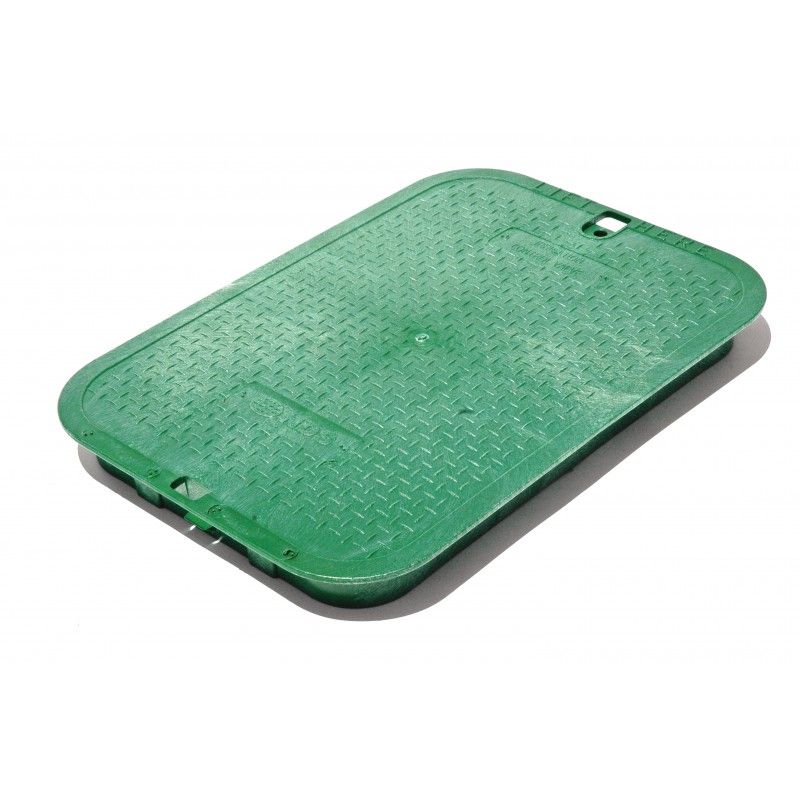
A stock image related to irrigation valve box covers.
3 Common User Pain Points for ‘irrigation valve box covers’ & Their Solutions
Scenario 1: Difficulty in Finding the Right Size and Fit
The Problem: B2B buyers often struggle with selecting the correct size and fit for irrigation valve box covers. With various brands and models on the market, it can be overwhelming to determine which cover is compatible with existing valve boxes. This can lead to costly errors, such as purchasing the wrong size, which can delay project timelines and increase operational costs. Additionally, inconsistent product specifications across suppliers can further complicate the decision-making process.
The Solution: To avoid sizing issues, buyers should first conduct a thorough inventory of their existing valve boxes, noting the dimensions and specifications. It’s advisable to consult product catalogs from multiple manufacturers to find covers that are explicitly compatible with the specific valve boxes in use. Establishing a standardized measurement protocol can help streamline the process. Engaging with suppliers who offer customizable options or comprehensive fitting guides can also ensure a perfect match. Prioritize suppliers that provide detailed product descriptions and customer support to clarify any uncertainties before making a purchase.
Scenario 2: Concerns About Durability and Environmental Resistance
The Problem: Many B2B buyers are worried about the durability of irrigation valve box covers, especially in regions with extreme weather conditions. Covers made from inferior materials may crack, warp, or fade due to UV exposure, leading to premature replacements and increased maintenance costs. This is particularly concerning in areas like Africa and the Middle East, where high temperatures and strong sunlight are prevalent.
The Solution: Buyers should prioritize covers that are constructed from high-quality, UV-resistant materials, such as rotomolded resin or structural foam. When sourcing products, look for those that explicitly state their resistance to environmental factors such as UV rays, temperature fluctuations, and moisture. Suppliers that provide warranties or guarantees on durability can offer additional peace of mind. Additionally, consider investing in covers with features like overlapping designs that help prevent debris from entering the box, as this can enhance longevity and reduce maintenance efforts.
Scenario 3: Aesthetic Integration with Landscape Design
The Problem: A significant challenge for B2B buyers in landscaping and irrigation is the visual impact of valve box covers on the overall design. Unsightly or mismatched covers can detract from the aesthetic appeal of a landscape, making them a concern for landscape architects and property managers. This can be particularly relevant in markets like Europe and South America, where landscape aesthetics are often prioritized.
The Solution: To address aesthetic concerns, buyers should explore covers that are designed to blend seamlessly with the surrounding environment. Options such as simulated rock or granite finishes can provide a natural look that enhances the landscape rather than detracting from it. When sourcing products, consider suppliers that offer a range of colors and textures to match different landscaping themes. Additionally, engaging with manufacturers who can provide samples before bulk purchasing can help ensure the chosen products meet aesthetic expectations. Collaborating with landscape designers early in the project can also facilitate better integration of these covers into the overall design scheme.
Strategic Material Selection Guide for irrigation valve box covers
What Are the Key Materials for Irrigation Valve Box Covers?
When selecting materials for irrigation valve box covers, it’s essential to consider their properties, performance, and suitability for specific applications. Here, we analyze four common materials: Polypropylene (PP), Polyethylene (PE), Rotomolded Resin, and Concrete.
How Does Polypropylene Perform as a Material for Valve Box Covers?
Polypropylene is a thermoplastic polymer known for its excellent chemical resistance and durability. It typically withstands temperatures ranging from -20°C to 80°C and has a good pressure rating, making it suitable for various irrigation applications.
Pros: Polypropylene is lightweight, cost-effective, and easy to manufacture. Its resistance to moisture and chemicals makes it ideal for outdoor applications.
Cons: While it offers decent durability, it may not be as robust as other materials under extreme conditions, such as heavy impacts or prolonged UV exposure.
Impact on Application: Polypropylene is compatible with water and various fertilizers, making it suitable for agricultural and landscaping applications.
Considerations for International Buyers: Buyers from regions like Africa and South America should ensure that the polypropylene used meets local standards for UV resistance and chemical compatibility, as these factors can vary significantly.
What Are the Advantages of Polyethylene for Valve Box Covers?
Polyethylene is another popular choice, known for its excellent toughness and flexibility. It can handle a wide temperature range, typically from -50°C to 80°C, and has a strong resistance to impact and chemicals.
Pros: Polyethylene is highly durable and resistant to corrosion, making it ideal for outdoor applications. Its flexibility allows it to absorb impacts without cracking.
Cons: The manufacturing process can be more complex, leading to higher costs compared to polypropylene.
Impact on Application: Polyethylene is suitable for various media, including water and chemicals, making it versatile for agricultural and industrial uses.
Considerations for International Buyers: Buyers in Europe, particularly Germany, should consider compliance with EU regulations regarding plastic materials, ensuring that the polyethylene used is free from harmful additives.
Why Choose Rotomolded Resin for Valve Box Covers?
Rotomolded resin is a composite material that offers a unique blend of durability and aesthetic appeal. It is commonly used for valve covers that need to blend into the landscape, as it can be made to resemble natural materials like stone.
Pros: This material is resistant to fading, warping, and damage from lawn equipment. It also provides ample space for irrigation components due to its hollow interior.
Cons: Rotomolded resin can be more expensive than traditional plastics and may require specialized manufacturing processes.
Impact on Application: It is particularly suitable for concealing irrigation systems in residential or commercial landscapes, providing both functionality and visual appeal.
Considerations for International Buyers: Buyers in the Middle East should check for local standards regarding UV resistance and environmental impact, as these factors can influence the longevity of rotomolded resin products.
What Role Does Concrete Play in Valve Box Cover Construction?
Concrete is a traditional choice for valve box covers, known for its exceptional strength and durability. It can withstand extreme weather conditions and heavy loads, making it ideal for high-traffic areas.
Pros: Concrete offers unmatched durability and is resistant to corrosion and UV damage, ensuring a long lifespan.
Cons: The weight of concrete can make installation more challenging and may incur higher shipping costs.
Impact on Application: Concrete is suitable for applications requiring high load-bearing capacity, such as industrial settings or areas with heavy machinery.
Considerations for International Buyers: Buyers in regions with seismic activity, such as parts of South America, should consider the structural integrity and potential need for reinforcement.
Summary Table of Material Properties
| Material | Typical Use Case for irrigation valve box covers | Key Advantage | Key Disadvantage/Limitation | Relative Cost (Low/Med/High) |
|---|---|---|---|---|
| Polypropylene (PP) | Agricultural and landscaping applications | Lightweight and cost-effective | Moderate durability under extreme conditions | Low |
| Polyethylene (PE) | Versatile for water and chemical applications | Highly durable and impact-resistant | More complex manufacturing, higher costs | Medium |
| Rotomolded Resin | Concealing irrigation systems in landscapes | Aesthetic appeal and resistance to damage | Higher cost and specialized manufacturing needed | High |
| Concrete | High-load industrial applications | Exceptional strength and durability | Heavy weight complicates installation | Medium |
This guide provides a comprehensive overview of the materials used for irrigation valve box covers, enabling B2B buyers to make informed decisions based on their specific needs and regional considerations.
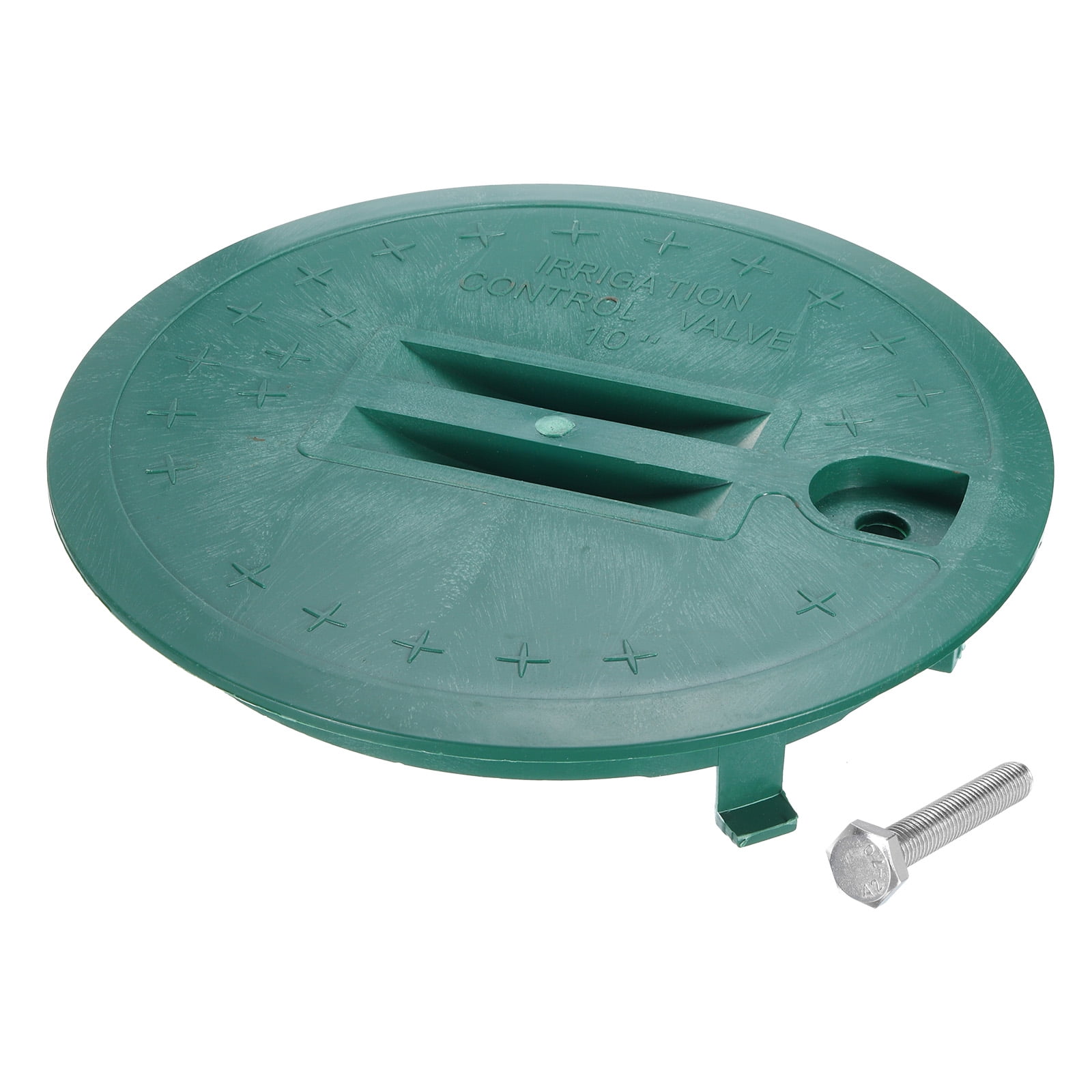
A stock image related to irrigation valve box covers.
In-depth Look: Manufacturing Processes and Quality Assurance for irrigation valve box covers
What Are the Key Stages in the Manufacturing Process of Irrigation Valve Box Covers?
The manufacturing process of irrigation valve box covers typically involves several critical stages: material preparation, forming, assembly, and finishing. Each stage is essential in ensuring that the final product meets both functional requirements and quality standards.
How Is Material Prepared for Manufacturing Irrigation Valve Box Covers?
Material selection is crucial for irrigation valve box covers, which must withstand various environmental conditions. Common materials include high-density polyethylene (HDPE), polypropylene, and other UV-stabilized plastics. These materials are chosen for their durability, resistance to weathering, and ability to prevent cracking or fading over time.
The preparation process begins with the procurement of raw materials, which are then subjected to quality checks to ensure they meet specified standards. Suppliers often provide material data sheets, detailing properties like tensile strength and UV resistance. This documentation is vital for B2B buyers, particularly those in regions with extreme weather conditions, such as Africa and the Middle East.
What Techniques Are Used in Forming Irrigation Valve Box Covers?
Forming techniques can vary based on the material selected. Common methods include injection molding, rotomolding, and blow molding.
Injection Molding: This technique is popular for producing high-volume, uniform parts. It involves injecting molten plastic into a mold, allowing for precise designs and a high level of detail. For example, overlapping lids that prevent dirt accumulation are often produced using this method.
Rotomolding: This method is used for creating hollow, seamless components. It involves heating plastic in a mold and rotating it, allowing the material to coat the mold evenly. This is particularly useful for creating aesthetically pleasing covers that mimic natural stone, as seen in products from brands like Orbit.
Blow Molding: This technique is generally used for larger hollow items and involves inflating a heated plastic tube into a mold. While less common for valve box covers, it is an option for specific designs requiring larger capacities.
How Is Assembly Conducted in the Manufacturing of Valve Box Covers?
Once the components are formed, assembly may involve additional fittings, such as gaskets or seals, to enhance durability and ensure water resistance. For example, many manufacturers incorporate overlapping lids designed to fit securely and minimize debris entry.
Automation plays a role in assembly, as robotic systems can efficiently handle repetitive tasks. However, manual assembly may still be employed for quality-sensitive components, ensuring that every cover meets the exact specifications required.
What Finishing Processes Are Applied to Enhance Quality?
Finishing processes can include surface treatments, painting, or applying UV-resistant coatings. These enhancements not only improve aesthetic appeal but also provide added protection against environmental degradation.
For instance, some manufacturers apply textured finishes to mimic natural materials, increasing the product’s visual appeal while maintaining functionality. Quality assurance checkpoints during this phase ensure that the finish meets both aesthetic and durability standards.
What Quality Assurance Standards Should Buyers Look For?
Quality assurance in manufacturing irrigation valve box covers is critical, particularly for international B2B transactions. Buyers should look for adherence to relevant international standards, such as ISO 9001, which focuses on quality management systems. This certification indicates that the manufacturer has established processes to ensure consistent quality in their products.
Which Industry-Specific Certifications Are Important?
In addition to ISO 9001, industry-specific certifications may be relevant. For example, CE marking is essential for products sold in Europe, indicating compliance with health, safety, and environmental protection standards. Similarly, API standards may apply in regions where valve box covers are used in conjunction with oil and gas applications.
What Are the Key Quality Control Checkpoints in Manufacturing?
Quality control (QC) is typically divided into three key checkpoints:
Incoming Quality Control (IQC): This initial checkpoint involves inspecting raw materials before they enter the production process. Buyers should ensure that suppliers maintain strict IQC protocols, as the quality of materials directly impacts the final product.
In-Process Quality Control (IPQC): During manufacturing, regular inspections ensure that processes are followed, and products are within specified tolerances. This phase may involve checking for defects, dimensional accuracy, and adherence to design specifications.
Final Quality Control (FQC): The final inspection is crucial to verify that the finished product meets all specifications and standards. This includes testing for UV resistance, structural integrity, and fit compatibility with existing systems.
How Can B2B Buyers Verify Supplier Quality Control?
For international B2B buyers, verifying supplier quality control can be challenging but is essential for ensuring product reliability. Here are some actionable steps:
Conduct Supplier Audits: Regular audits of suppliers can provide insight into their manufacturing processes and adherence to quality standards. This can include reviewing production lines and quality control procedures.
Request Quality Reports: Suppliers should be able to provide quality assurance reports, detailing their QC processes and any testing conducted on the products. This documentation is vital for buyers who need to ensure compliance with local regulations.
Engage Third-Party Inspectors: Utilizing third-party inspection services can provide an unbiased assessment of a supplier’s quality assurance practices. These inspectors can conduct tests and inspections on-site, providing detailed reports for buyers.
Evaluate Certification Documentation: Buyers should request and evaluate documentation for all relevant certifications. This includes ISO, CE, and any local certifications that may apply, ensuring the supplier meets the necessary regulatory requirements.
What Are the Quality Control Nuances for International Buyers?
For buyers in regions like Africa, South America, the Middle East, and Europe, understanding local market conditions and regulations is crucial. Different regions may have varying standards for quality and safety, which can affect the selection of suppliers.
Buyers should also consider logistical challenges, such as shipping and customs regulations, which can impact product integrity during transport. Establishing clear communication with suppliers about these factors can help mitigate risks and ensure that products meet expectations upon arrival.
In conclusion, a comprehensive understanding of the manufacturing processes and quality assurance practices for irrigation valve box covers is essential for B2B buyers. By paying close attention to material selection, manufacturing techniques, and quality control protocols, buyers can ensure they source reliable and durable products that meet their operational needs.
Practical Sourcing Guide: A Step-by-Step Checklist for ‘irrigation valve box covers’
When sourcing irrigation valve box covers, it’s essential to follow a structured approach to ensure you meet your operational needs while optimizing cost and quality. This checklist will guide you through the critical steps for making informed purchasing decisions.
Step 1: Define Your Technical Specifications
Establishing clear technical specifications is foundational for sourcing the right valve box covers. Consider factors such as size, shape, and material composition. For example, overlapping lids may be preferred for their ability to prevent dirt infiltration, while UV-resistant materials can extend the lifespan of your products.
Step 2: Research Market Options
Conduct thorough market research to identify potential suppliers and product offerings. Pay attention to the different types of valve box covers available, such as those made from structural foam, rotomolded resin, or other durable materials. Understanding the range of options will help you compare quality and pricing effectively.
Step 3: Evaluate Supplier Certifications
Before finalizing a supplier, verify their certifications and compliance with international quality standards. Look for certifications such as ISO 9001 or other relevant industry standards that ensure product quality and reliability. This step is crucial for mitigating risks associated with subpar products.
Step 4: Assess Supplier Reputation
Investigate the reputation of potential suppliers through online reviews, testimonials, and industry references. Reach out to other businesses in your network that have previously sourced similar products. A supplier with a solid track record can provide peace of mind regarding product quality and service reliability.
Step 5: Request Samples for Testing
Before committing to a bulk order, request samples to evaluate the quality of the valve box covers firsthand. Testing samples will allow you to assess durability, fit, and ease of installation. It’s an opportunity to ensure that the product meets your operational requirements before making a larger investment.
Step 6: Understand Pricing Structures
Analyze the pricing structures of your shortlisted suppliers. Look for transparency in pricing, including any additional costs such as shipping, customs duties, or bulk order discounts. Understanding the total cost of ownership will help you make a more informed decision.
Step 7: Finalize Logistics and After-Sales Support
Ensure you have a clear agreement regarding logistics, including delivery timelines and terms of shipment. Additionally, inquire about after-sales support, warranty policies, and return processes. Strong after-sales support can be invaluable in addressing any issues that arise post-purchase.
By following this checklist, you can effectively navigate the procurement process for irrigation valve box covers, ensuring that you select the right products to meet your operational needs while minimizing risk and maximizing value.
Comprehensive Cost and Pricing Analysis for irrigation valve box covers Sourcing
What Are the Key Cost Components in Sourcing Irrigation Valve Box Covers?
When sourcing irrigation valve box covers, understanding the cost structure is crucial for effective budgeting and procurement. The main cost components include:
Materials: The choice of materials significantly impacts pricing. Common options are structural foam, resin, and recycled polyolefin. High-quality materials that resist fading and cracking typically incur higher costs but offer longer durability.
Labor: Labor costs can vary based on the region of production. In countries with lower labor costs, such as those in Africa and South America, you may find more competitive pricing.
Manufacturing Overhead: This includes expenses related to utilities, equipment maintenance, and facility costs. Efficient production processes can help reduce overhead, positively influencing the final price.
Tooling Costs: Custom molds and tooling can be expensive, particularly for unique designs or specifications. These costs should be amortized over the expected production volume to assess the impact on unit pricing.
Quality Control (QC): Investing in rigorous QC processes can enhance product reliability, but it may also increase manufacturing costs. Certifications for quality standards can further influence pricing.
Logistics: Shipping costs are a significant factor, especially for international buyers. Factors such as distance, shipping method, and freight terms (Incoterms) can lead to variations in total costs.
Margin: Supplier margins can vary based on market positioning, brand reputation, and service levels. Understanding the margin expectations of suppliers can aid in negotiation.
How Do Price Influencers Affect the Cost of Irrigation Valve Box Covers?
Several factors influence the pricing of irrigation valve box covers, which are particularly relevant for international B2B buyers:
Volume/MOQ: Suppliers often provide discounts for bulk orders. Understanding the minimum order quantities (MOQs) can help in planning purchases to optimize costs.
Specifications and Customization: Custom designs or specific dimensions can lead to increased costs. Standardized products are typically cheaper, so balancing customization needs with cost efficiency is essential.
Materials and Quality Certifications: Higher-grade materials and certifications (e.g., UV resistance, environmental standards) often lead to increased pricing. Buyers should weigh the benefits of these features against their budget constraints.
Supplier Factors: Supplier reputation, reliability, and service offerings can influence pricing. Established suppliers may charge a premium for proven quality and customer service.
Incoterms: Understanding shipping terms is crucial for international transactions. Incoterms dictate who bears the costs and risks at various stages of shipping, impacting overall pricing.
What Tips Can Help International Buyers Negotiate Better Prices for Irrigation Valve Box Covers?
For international buyers, particularly from regions such as Africa, South America, the Middle East, and Europe, effective negotiation and cost management strategies are essential:
Leverage Relationships: Building strong relationships with suppliers can lead to better pricing and terms. Establishing trust can facilitate negotiations.
Focus on Total Cost of Ownership (TCO): Consider not just the upfront costs but also long-term expenses, including maintenance and replacement costs. This perspective can justify higher initial investments in quality products.
Conduct Market Research: Understanding the competitive landscape and price benchmarks can empower buyers during negotiations. Knowledge of local and international pricing trends is invaluable.
Negotiate Payment Terms: Flexible payment options can improve cash flow management. Discussing longer payment terms or early payment discounts can lead to better financial arrangements.
Be Prepared to Walk Away: If negotiations are not yielding favorable terms, being willing to explore alternative suppliers can strengthen your position.
Disclaimer on Indicative Pricing
Prices for irrigation valve box covers can fluctuate based on market conditions, material costs, and supplier pricing strategies. The figures provided here are indicative and should be verified with suppliers to ensure accuracy in your procurement planning.
Alternatives Analysis: Comparing irrigation valve box covers With Other Solutions
In the realm of irrigation management, selecting the right solution for covering and protecting valves is crucial. While irrigation valve box covers are commonly used, various alternative solutions exist that can also serve similar purposes. This section evaluates these alternatives to help B2B buyers make informed decisions.
| Comparison Aspect | Irrigation Valve Box Covers | Rock Box Covers | PVC Enclosures |
|---|---|---|---|
| Performance | Excellent protection against dirt, debris, and UV damage. | Aesthetic appeal with good protection against environmental factors. | Durable and secure, but may not provide aesthetic value. |
| Cost | Affordable, ranging from $5 to $57 depending on size and material. | Typically higher cost, around $57 and above. | Moderate cost, generally lower than rock covers but higher than basic valve box covers. |
| Ease of Implementation | Simple to install; typically lightweight and designed for easy access. | Lightweight but may require additional anchoring; easy to install. | Can be cumbersome to install due to size; may require tools for assembly. |
| Maintenance | Minimal maintenance; durable materials resist weathering. | Requires occasional cleaning; may fade over time. | Low maintenance; however, they can crack if not UV-resistant. |
| Best Use Case | Ideal for standard irrigation systems needing reliable protection. | Best for landscaping where aesthetics are a priority. | Suitable for industrial applications where security and durability are paramount. |
What are the Benefits and Drawbacks of Rock Box Covers?
Rock Box Covers are designed to blend seamlessly into landscaped environments, mimicking natural stone. They provide excellent protection for valves while enhancing the visual appeal of outdoor spaces. The primary advantage is their aesthetic quality, which can significantly improve the overall look of irrigation installations. However, they come at a higher price point and may not fit all valve types, limiting their versatility. Additionally, they require pre-drilled holes for secure anchoring, which can complicate installation.
How Do PVC Enclosures Compare as an Alternative?
PVC Enclosures offer a sturdy and secure option for protecting irrigation components. They are generally more affordable than decorative rock covers and can be found in various sizes to accommodate different equipment. However, while they excel in durability and security, they lack the aesthetic qualities that some buyers might seek. Their installation can be more labor-intensive, requiring tools and possibly more than one person, which can be a consideration for B2B buyers looking for quick solutions.
Conclusion: How Should B2B Buyers Choose the Right Solution?
Selecting the right valve cover solution depends on the specific requirements of the irrigation system and the surrounding environment. For buyers focused on cost-effectiveness and straightforward installation, traditional irrigation valve box covers are often the best choice. However, if aesthetics and integration with landscaping are priorities, Rock Box Covers may justify their higher price. Meanwhile, PVC Enclosures serve well in industrial contexts where security and durability are paramount. Buyers should assess their unique circumstances, including budget, installation capabilities, and the intended use environment, to determine the most suitable solution for their irrigation needs.
Essential Technical Properties and Trade Terminology for irrigation valve box covers
What Are the Key Technical Properties of Irrigation Valve Box Covers?
When selecting irrigation valve box covers, understanding their technical properties is crucial for ensuring longevity, functionality, and compatibility with existing systems. Here are some essential specifications:
Material Composition
Most irrigation valve box covers are made from durable materials such as high-density polyethylene (HDPE), polypropylene, or rotomolded resin. These materials are chosen for their resistance to environmental factors, including UV radiation, moisture, and temperature fluctuations. The choice of material directly affects the cover’s durability and longevity, which is critical for minimizing replacement costs and maintenance efforts.Load Capacity
This specification indicates the maximum weight that a valve box cover can support without deforming or breaking. Load capacity is particularly important in areas with heavy foot traffic or where landscaping equipment may be used. Selecting a cover with an adequate load capacity helps prevent damage to the irrigation system and ensures safe operation.Dimensions and Compatibility
Irrigation valve box covers come in various shapes and sizes to fit different valve box models. Common dimensions include round and rectangular options, and it is crucial to verify compatibility with specific brands or models. Ensuring the right fit prevents issues such as misalignment or water ingress, which can lead to system failures.Tolerance Levels
Tolerance refers to the allowable variation in dimensions during manufacturing. High tolerance levels ensure that covers fit snugly onto valve boxes, preventing dirt, debris, and moisture from entering. This is vital for maintaining the integrity of the irrigation system and prolonging its operational life.Color and UV Resistance
Many covers are available in various colors, which not only aids in aesthetics but also provides protection against UV degradation. Covers with UV inhibitors are less likely to fade or crack over time, maintaining their appearance and functionality. This is particularly relevant in regions with intense sunlight, common in parts of Africa, South America, and the Middle East.
What Are Common Trade Terms Related to Irrigation Valve Box Covers?
Understanding industry jargon is essential for effective communication in B2B transactions. Here are some common terms:
OEM (Original Equipment Manufacturer)
This term refers to companies that produce parts or equipment that may be marketed by another manufacturer. In the context of irrigation valve box covers, buyers often seek OEM products for compatibility and reliability.MOQ (Minimum Order Quantity)
MOQ defines the smallest quantity of a product that a supplier is willing to sell. Understanding MOQ is essential for budgeting and inventory planning, especially for businesses looking to maintain consistent stock levels.RFQ (Request for Quotation)
An RFQ is a formal document soliciting price quotes from suppliers. It is a critical step in the procurement process, allowing buyers to compare prices and terms from multiple vendors before making a decision.Incoterms (International Commercial Terms)
These are predefined international trade terms that clarify the responsibilities of buyers and sellers in transactions. Familiarity with Incoterms is vital for international buyers, as they dictate shipping costs, insurance, and risk management.Lead Time
Lead time refers to the time it takes from placing an order to receiving it. Understanding lead times helps businesses plan their inventory and project timelines effectively.Warranty Period
This term indicates the duration for which a product is guaranteed against defects. Knowing the warranty period is crucial for assessing product reliability and long-term investment value.
By grasping these technical properties and trade terms, B2B buyers can make informed decisions when sourcing irrigation valve box covers, ensuring they select products that meet their operational needs and budget constraints.
Navigating Market Dynamics and Sourcing Trends in the irrigation valve box covers Sector
What Are the Current Market Dynamics and Key Trends in the Irrigation Valve Box Covers Sector?
The global market for irrigation valve box covers is driven by a blend of rising agricultural demands, increasing urbanization, and the necessity for effective water management solutions. As regions such as Africa and South America experience agricultural expansion, there is a heightened need for durable, reliable irrigation infrastructure. B2B buyers are particularly focused on sourcing products that offer longevity and resilience, especially in harsh climates.
Emerging technologies, such as advanced materials and manufacturing techniques, are transforming product offerings. Innovations like UV-resistant plastics and rotomolded resins are gaining traction, enhancing durability and aesthetic appeal. For instance, covers that mimic natural materials, such as granite or sandstone, are becoming popular for their ability to blend into landscapes while maintaining functionality. Moreover, digital platforms are facilitating easier sourcing and comparison of products, enabling international buyers to access a broader range of options and streamline procurement processes.
Another notable trend is the move towards standardization and modular designs. This allows for easier installation and maintenance, reducing labor costs and improving operational efficiency. As B2B buyers seek to optimize supply chains, they are increasingly turning to manufacturers who can provide comprehensive solutions, including accessories and replacement parts, thereby ensuring consistent supply and compatibility.
How Is Sustainability and Ethical Sourcing Influencing B2B Decisions in the Irrigation Valve Box Covers Sector?
Sustainability is becoming a critical factor in the purchasing decisions of B2B buyers in the irrigation valve box covers sector. Environmental impact considerations are driving companies to seek products made from recycled or eco-friendly materials. Manufacturers that invest in sustainable practices not only reduce their carbon footprint but also appeal to a growing base of environmentally conscious buyers.
Ethical sourcing is equally important, as businesses are increasingly held accountable for their supply chain practices. Buyers are looking for suppliers who can demonstrate transparency and responsibility in their production processes. Certifications for sustainability, such as ISO 14001 or those specific to eco-friendly materials, are becoming essential for suppliers wishing to compete in this market. These certifications serve as proof that products are made with minimal environmental impact, further influencing buyer preferences.
Moreover, as governments and organizations worldwide implement stricter regulations on environmental sustainability, B2B buyers are motivated to partner with manufacturers who prioritize ethical practices. This not only ensures compliance but also enhances brand reputation in an increasingly competitive landscape.
What Is the Historical Context Behind the Evolution of Irrigation Valve Box Covers?
The irrigation valve box cover market has evolved significantly over the last few decades, driven by advancements in materials science and changing agricultural practices. Initially, these covers were predominantly made from metal, which, while durable, posed challenges such as rusting and difficulty in installation. The introduction of plastic materials in the late 20th century marked a turning point, allowing for lighter, more resistant options that could withstand various weather conditions.
The focus on aesthetics and functionality grew in the 21st century, with designs increasingly catering to the needs of both agricultural and landscaping sectors. Manufacturers began to offer products that not only protected irrigation systems but also enhanced the visual appeal of outdoor spaces. This evolution reflects a broader trend in the B2B landscape, where buyers are now looking for solutions that combine performance with design, driving innovation and competition within the sector.
In summary, the irrigation valve box covers sector is experiencing dynamic changes influenced by technological advancements, sustainability imperatives, and evolving market demands. B2B buyers who stay informed about these trends will be better positioned to make strategic sourcing decisions that align with their operational goals and environmental commitments.
Frequently Asked Questions (FAQs) for B2B Buyers of irrigation valve box covers
How do I ensure the quality of irrigation valve box covers before purchasing?
To ensure quality, request samples from suppliers to evaluate material durability and design. It’s essential to verify certifications that indicate compliance with international standards, such as ISO or ASTM. Additionally, reviewing customer testimonials and case studies can provide insights into the performance of the products in various climates and conditions. Engaging in discussions about the manufacturing process can also reveal the level of quality control practiced by the supplier.What is the best material for irrigation valve box covers to withstand harsh weather?
The best materials for irrigation valve box covers include UV-resistant polyethylene and rotomolded resin, which offer excellent durability against fading, cracking, and warping. These materials are designed to withstand extreme temperatures and moisture, making them suitable for diverse climates, especially in regions like Africa and the Middle East. When selecting a cover, consider factors such as local weather patterns and the specific environmental conditions where the covers will be installed.What customization options are available for irrigation valve box covers?
Many manufacturers offer customization options such as size, color, and branding. You can request specific dimensions to ensure compatibility with your irrigation system. Additionally, some suppliers may provide options for adding logos or unique designs to enhance brand visibility. Discussing your specific requirements with the supplier can help identify the best customization options available, including lead times and costs associated with these modifications.What are the typical minimum order quantities (MOQs) for irrigation valve box covers?
Minimum order quantities can vary significantly based on the supplier and the type of product. Generally, MOQs for irrigation valve box covers range from 100 to 500 units, depending on the customization and material. It’s advisable to inquire about the MOQ upfront to ensure it aligns with your purchasing needs. If you’re testing a new market, some suppliers may offer flexibility with lower MOQs for initial orders.How can I vet suppliers for irrigation valve box covers?
To vet suppliers, start by checking their business credentials and production capabilities. Look for suppliers with established reputations in the industry, and verify their experience in international trade. Request references and case studies from previous clients, and consider conducting site visits if feasible. Additionally, checking their compliance with international quality standards and their ability to provide after-sales support can help ensure a reliable partnership.What payment terms are typically offered by suppliers of irrigation valve box covers?
Payment terms can vary widely, but common practices include 30% upfront payment with the balance due upon shipment or delivery. Some suppliers may offer net 30 or net 60 terms for established customers. It’s essential to discuss and negotiate payment terms that are favorable for both parties. Ensure that any payment agreements are clearly documented to avoid misunderstandings later in the transaction process.What logistics considerations should I keep in mind when importing irrigation valve box covers?
When importing, consider shipping methods, costs, and delivery times. Evaluate the supplier’s ability to handle international shipping and customs clearance. It’s advisable to work with a freight forwarder who understands the regulations specific to your region. Additionally, factor in potential tariffs and duties that may apply to your import, and ensure that you have adequate insurance coverage for the shipment to mitigate risks.How do I handle warranty and return issues for irrigation valve box covers?
Before purchasing, clarify the warranty terms and return policies with the supplier. A standard warranty typically covers manufacturing defects for a specific period. Ensure you understand the process for filing a warranty claim and the conditions under which returns are accepted. Having a clear agreement on these terms can prevent disputes and ensure you have recourse if the products do not meet your expectations.
Important Disclaimer & Terms of Use
⚠️ Important Disclaimer
The information provided in this guide, including content regarding manufacturers, technical specifications, and market analysis, is for informational and educational purposes only. It does not constitute professional procurement advice, financial advice, or legal advice.
While we have made every effort to ensure the accuracy and timeliness of the information, we are not responsible for any errors, omissions, or outdated information. Market conditions, company details, and technical standards are subject to change.
B2B buyers must conduct their own independent and thorough due diligence before making any purchasing decisions. This includes contacting suppliers directly, verifying certifications, requesting samples, and seeking professional consultation. The risk of relying on any information in this guide is borne solely by the reader.
Top 6 Irrigation Valve Box Covers Manufacturers & Suppliers List
1. NDS – 111C Round Valve Box Lid
Domain: sprinklersupplystore.com
Registered: 2010 (15 years)
Introduction: NDS Valve Box – Lids available in various sizes. Round valve boxes feature overlapping covers to prevent dirt and grass from settling. Manufactured in Lindsay, California with UV inhibitors to prevent discoloration and cracking. Products include:
1. NDS – 111C – STD 10 in. Round Overlapping Lid, Green – Original Price: $17.01, Current Price: $12.76, In Stock: 49
2. NDS – 107CH – STD 6″ Lid Only, …
2. Orbit – Rock Box Sprinkler Valve Covers
Domain: orbitonline.com
Registered: 1999 (26 years)
Introduction: {‘name’: ‘Rock Box Sprinkler Valve Covers’, ‘part_number’: ‘53016’, ‘options’: [{‘color’: ‘Granite Resin’, ‘price’: 57.29}, {‘color’: ‘Sandstone Resin’, ‘price’: 68.79}], ‘description’: ‘The rock valve cover is designed to provide an aesthetically pleasing cover for anti-siphon valves, backflow prevention devices, pumps, well casings, and other plumbing fixtures in the landscape. The simulated gra…
3. Rain Bird – PVB10RND 10 in. Round Valve Box
Domain: store.rainbird.com
Registered: 1995 (30 years)
Introduction: Rain Bird offers a variety of sprinkler valve boxes designed to protect irrigation systems from water, dirt, and dust. Key products include:
1. PVB10RND – 10 in. Round Valve Box – Black Body & Overlapping Green Lid, Special Price: $17.08, List Price: $22.77
2. PVB6RND – 6 in. Round Valve Box – Black Body & Overlapping Green Lid, Special Price: $5.00, List Price: $6.67
3. PVBJMB – 12 in. PVB Jumbo…
4. Brandnew – Valve Box Lid Branding Irons
Domain: brandnew.net
Registered: 1998 (27 years)
Introduction: Valve Box Lid Branding Irons allow for quick and easy marking of valve box lids to map and identify irrigation line valves. Available products include: 1. Ag Irrigation Valve Box Branding Torch VB2x3 – holds 3 of 2″ tall characters, priced at $339.95 (sale price $305.96). 2. Ag Irrigation Valve Box Branding Torch VB2x5 – holds 5 of 2″ tall characters, priced at $509.95. 3. Flame Heated Character H…
5. NDS – Valve, Meter, and Telecom Boxes
Domain: ndspro.com
Registered: 1996 (29 years)
Introduction: NDS valve, meter, and telecom boxes range in size from 6 in. round to 17 in. x 30 in. rectangular. Covers are available in various colors and designations, including ICV, water, sewer, electric, and telecom. The product line includes: 1. Standard Series Valve Boxes – Ideal for residential or commercial use, featuring a double wall at the top cover seat area and structural support ribs. 2. Pro-Spec…
6. Big Frog Supply – Valve Boxes & Covers
Domain: bigfrogsupply.com
Registered: 2014 (11 years)
Introduction: This company, Big Frog Supply – Valve Boxes & Covers, is a notable entity in the market. For specific product details, it is recommended to visit their website directly.
Strategic Sourcing Conclusion and Outlook for irrigation valve box covers
In the realm of irrigation valve box covers, strategic sourcing emerges as a pivotal factor for B2B buyers seeking reliability, durability, and cost-effectiveness. Understanding the diverse product offerings, such as overlapping lids and aesthetically pleasing designs, allows international buyers to make informed purchasing decisions tailored to their specific needs. Key considerations include material quality, compatibility with existing systems, and features like UV resistance and ease of installation.
For buyers in regions such as Africa, South America, the Middle East, and Europe, engaging with reputable suppliers can lead to advantageous partnerships that enhance supply chain efficiency. As market demands evolve, prioritizing sustainability and innovation in sourcing practices will ensure that your irrigation systems are not only functional but also environmentally responsible.
Looking ahead, the global market for irrigation valve box covers is poised for growth, driven by increasing agricultural demands and infrastructure development. Now is the time to explore new supplier relationships and innovative product solutions that align with your business objectives. Embrace the opportunity to enhance your irrigation projects while ensuring quality and performance through strategic sourcing.
 English (United States)
  Spanish (Spain)
  Portuguese (Portugal)
  French
  German
  Italian
  Arabic
  Dutch
Dutch  English (UK)
  Bulgarian
  Chinese (China)
  Chinese (Hong Kong)
  Czech
Czech  Danish
  Greek
Greek  Finnish
  Spanish (Mexico)
  Estonian
  Hebrew
  Hungarian
  Indonesian
  Japanese
  Korean
  Latvian
  Lithuanian
  Norwegian
  Polish
  Portuguese (Brazil)
  Romanian
  Russian
  Slovenian
  Slovak
  Swedish
  Turkish
  Ukrainian
  Vietnamese