
Introduction: Navigating the Global Market for pump relay switch irrigation
In today’s rapidly evolving agricultural landscape, international B2B buyers face the critical challenge of sourcing efficient pump relay switch irrigation solutions that can enhance water management systems. As irrigation becomes increasingly vital in regions such as Africa, South America, the Middle East, and Europe, understanding the intricacies of pump relay switches is essential for optimizing water use and ensuring sustainable agricultural practices. This comprehensive guide delves into the various types of pump relay switches, their applications across different irrigation systems, and the nuances of supplier vetting to facilitate informed purchasing decisions.
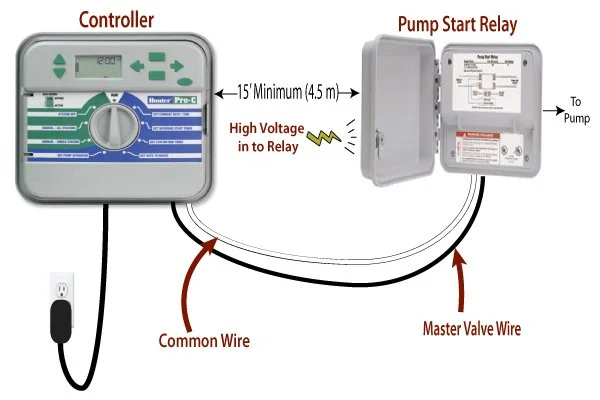
Buyers will explore the operational mechanics of pump start relays, which serve as the crucial link between irrigation controllers and water pumps, especially when utilizing non-pressurized water sources. Additionally, the guide addresses critical factors such as installation requirements, potential failure causes, and maintenance best practices. By equipping buyers with actionable insights on pricing, performance standards, and regional compliance, this guide empowers businesses to navigate the global market effectively. Whether you’re based in Brazil, Vietnam, or elsewhere, our aim is to provide the knowledge needed to select reliable, cost-effective solutions tailored to your irrigation needs, ultimately driving efficiency and productivity in your agricultural operations.
Understanding pump relay switch irrigation Types and Variations
| Type Name | Key Distinguishing Features | Primary B2B Applications | Brief Pros & Cons for Buyers |
|---|---|---|---|
| Standard Pump Start Relay | Typically operates on 120/230 VAC; suitable for single-phase pumps. | Agriculture, landscaping, municipal water management | Pros: Reliable, easy to install; Cons: Limited to lower power applications. |
| High-Power Pump Relay | Designed for pumps up to 10 hp; supports both single-phase and three-phase systems. | Large agricultural operations, industrial applications | Pros: Handles higher loads; Cons: More complex installation and higher costs. |
| Dual Voltage Pump Relay | Can operate on both 120 VAC and 230 VAC; offers flexibility in installation. | Diverse irrigation setups across regions | Pros: Versatile; can adapt to various power sources; Cons: Slightly more expensive than standard models. |
| Booster Pump Relay | Specifically designed to enhance the power output for larger pumps; often includes a transformer. | Commercial irrigation, large-scale farming | Pros: Essential for high-demand systems; Cons: Requires professional installation. |
| Smart Pump Relay | Integrates with IoT systems; allows remote monitoring and control via apps. | Urban landscaping, smart farming initiatives | Pros: Enhances efficiency through automation; Cons: Higher initial investment and technical complexity. |
What Are the Characteristics of a Standard Pump Start Relay?
Standard pump start relays are fundamental components in irrigation systems, typically designed for use with single-phase pumps operating on 120 or 230 VAC. These relays are essential for controlling pumps drawing water from non-pressurized sources, making them ideal for agricultural and landscaping applications. When purchasing, buyers should consider compatibility with existing irrigation controllers and the specific power requirements of their pumps. While they are reliable and straightforward to install, their capacity may limit them to smaller-scale applications.
How Does a High-Power Pump Relay Differ from Standard Models?
High-power pump relays are engineered to manage pumps that require more robust support, accommodating up to 10 hp in both single-phase and three-phase configurations. This makes them suitable for large agricultural operations and industrial applications where significant water flow is necessary. When selecting a high-power relay, buyers must assess the specific voltage and amperage needs of their pumps, as well as installation complexity. While they offer superior performance, these relays come with increased costs and may require professional installation for optimal functionality.
Why Choose a Dual Voltage Pump Relay?
Dual voltage pump relays are versatile solutions that can operate on both 120 VAC and 230 VAC, providing flexibility for various irrigation setups. This adaptability is particularly beneficial for businesses operating across different regions with varying electrical standards. When considering a dual voltage relay, B2B buyers should evaluate the range of their irrigation systems and potential future needs. Although these relays are slightly more expensive than standard models, their flexibility can lead to long-term savings and efficiency.
What Is the Role of a Booster Pump Relay in Irrigation Systems?
Booster pump relays are specifically designed to enhance the electrical output for larger pumps, often incorporating a transformer to ensure reliable operation. These relays are essential in commercial irrigation and large-scale farming, where water demand exceeds standard supply capabilities. Buyers should prioritize professional installation due to the complexity involved. While booster relays significantly improve system performance, they also entail higher upfront costs and maintenance considerations.
How Can Smart Pump Relays Transform Irrigation Management?
Smart pump relays represent the forefront of irrigation technology, integrating with IoT systems to allow remote monitoring and control. This innovation is particularly relevant for urban landscaping and smart farming initiatives, where efficiency and automation are paramount. When evaluating smart relays, B2B buyers should consider their existing infrastructure and the potential for improved resource management. Although they require a higher initial investment and technical know-how, the long-term benefits in efficiency and operational oversight can be substantial.
Key Industrial Applications of pump relay switch irrigation
| Industry/Sector | Specific Application of pump relay switch irrigation | Value/Benefit for the Business | Key Sourcing Considerations for this Application |
|---|---|---|---|
| Agriculture | Irrigation systems for crop production | Enhances crop yield and optimizes water usage | Compatibility with local water sources; voltage requirements |
| Landscaping | Automated irrigation for parks and recreational areas | Reduces labor costs and ensures consistent watering | Durability in outdoor conditions; ease of installation |
| Horticulture | Greenhouse irrigation management | Maintains optimal plant health and growth | Adaptability to various plant types; support for multiple zones |
| Aquaculture | Water management in fish farming | Ensures stable water levels and quality | Resistance to corrosion; ability to handle various water sources |
| Municipal Services | Water supply systems for public parks and gardens | Promotes sustainable water management practices | Compliance with local regulations; energy efficiency considerations |
How is Pump Relay Switch Irrigation Used in Agriculture?
In agriculture, pump relay switches are vital for managing irrigation systems that draw from non-pressurized sources like wells or ponds. By automating the pump operation through the irrigation controller, these relays enable farmers to optimize water usage, crucial in regions with scarce water resources. This application not only boosts crop yields but also reduces labor costs associated with manual irrigation. Buyers should consider the relay’s compatibility with their existing systems and the specific voltage requirements based on local electrical standards, especially in developing regions of Africa and South America.
What Role Does Pump Relay Switch Irrigation Play in Landscaping?
In the landscaping industry, pump relay switches automate irrigation for parks, gardens, and recreational areas, significantly reducing manual labor and ensuring consistent watering schedules. This technology addresses challenges such as uneven water distribution and variable weather conditions. For B2B buyers, factors like the relay’s durability against outdoor elements and ease of installation are critical. Sourcing from manufacturers who provide robust warranties and support can enhance long-term operational reliability, particularly in regions with extreme weather conditions, such as the Middle East.
Why is Pump Relay Switch Irrigation Important for Horticulture?
In horticulture, pump relay switches are essential for managing irrigation in greenhouses and nurseries. They help maintain optimal moisture levels for different plant species, promoting healthy growth and reducing the risk of overwatering. This automation is particularly beneficial in regions like Brazil and Vietnam, where diverse climates can affect plant health. Buyers in this sector should focus on relays that offer flexibility in controlling multiple irrigation zones, ensuring that they can cater to varying plant needs efficiently.
How Does Pump Relay Switch Irrigation Benefit Aquaculture?
In aquaculture, pump relay switches manage water levels and quality in fish farming operations. By automating water supply from various sources, these systems help maintain stable conditions essential for fish health and productivity. This application addresses challenges related to water scarcity and quality fluctuations, which can significantly impact yields. Buyers in this industry should prioritize relays that are resistant to corrosion and capable of handling diverse water sources, ensuring longevity and reliability in operations.
What is the Significance of Pump Relay Switch Irrigation in Municipal Services?
Municipal services utilize pump relay switches for efficient water management in public parks and community gardens. This technology promotes sustainable water usage by automating irrigation schedules, which is vital in urban areas facing water shortages. For B2B buyers in this sector, compliance with local regulations and energy efficiency are key considerations when sourcing pump relay switches. Ensuring that these systems are tailored to meet specific municipal needs can enhance public service efficiency and community satisfaction.
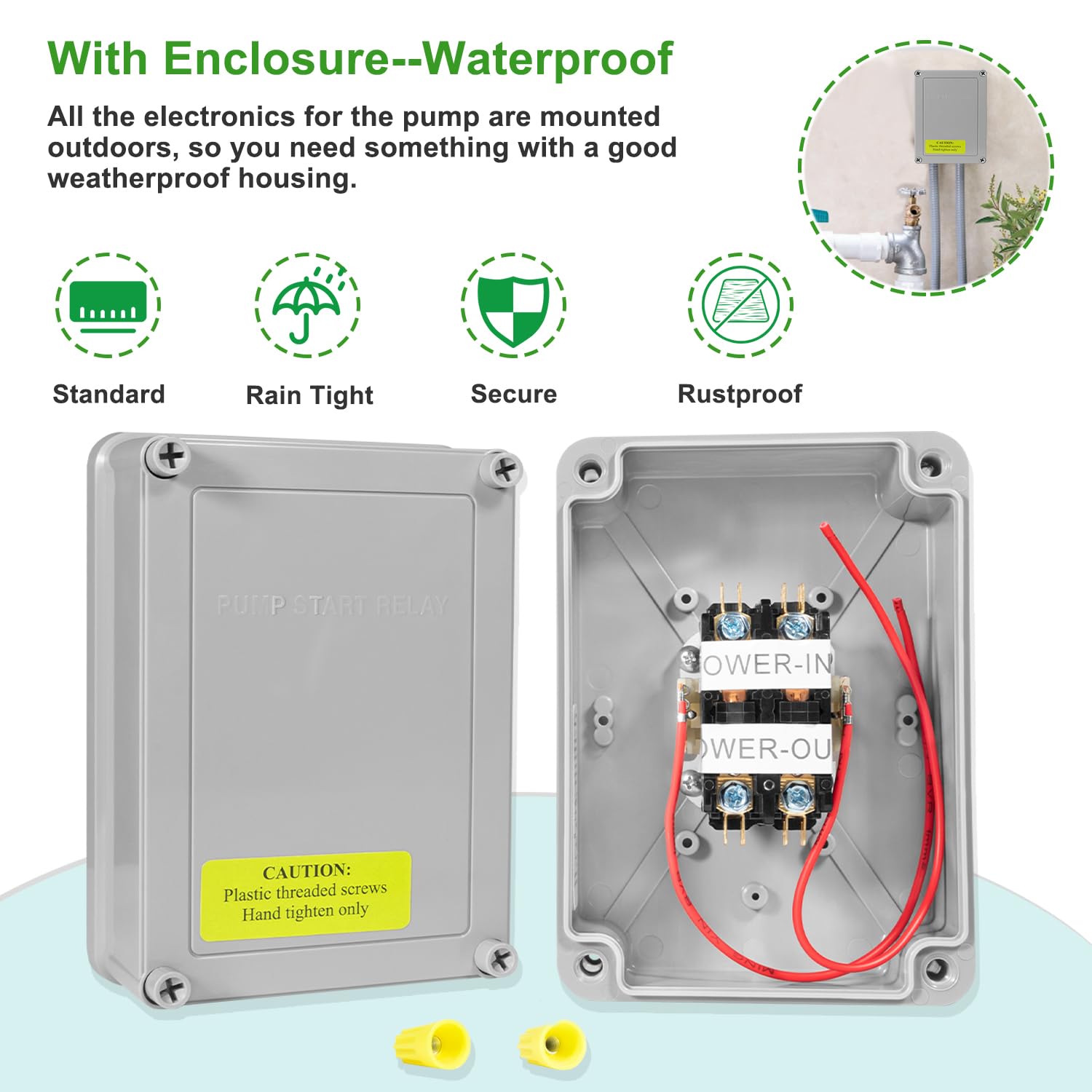
A stock image related to pump relay switch irrigation.
3 Common User Pain Points for ‘pump relay switch irrigation’ & Their Solutions
Scenario 1: Inconsistent Pump Operation Leads to Irrigation Failures
The Problem: B2B buyers often encounter issues with inconsistent pump operation when using pump relay switches in their irrigation systems. This can lead to inadequate watering of crops or landscapes, resulting in poor growth and yield. In regions where water is scarce, such as parts of Africa and the Middle East, the consequences of a malfunctioning pump can be dire, leading to significant financial losses and diminished reputation for agricultural businesses. Buyers may struggle with understanding the compatibility of their existing systems with new relay switches, often resulting in trial-and-error installations that waste time and resources.
The Solution: To mitigate these issues, it is essential to conduct a thorough compatibility assessment before purchasing a pump relay switch. Buyers should consult with manufacturers or distributors to ensure that the selected relay is suitable for their specific irrigation system and pump type. Furthermore, investing in a relay with adjustable settings can enhance flexibility and performance under varying conditions. Regular maintenance checks should be implemented to inspect wiring, connections, and relay functionality. Providing training for staff on how to troubleshoot common issues can also empower teams to quickly address problems, reducing downtime and ensuring optimal irrigation performance.
Scenario 2: Electrical Failures Due to Poor Installation Practices
The Problem: Many B2B buyers experience electrical failures caused by improper installation of pump relay switches. This issue can lead to costly repairs and prolonged downtime, especially in large-scale agricultural operations where time is of the essence. Poor installation can result in short circuits, overheating, and even damage to pumps, which may lead to significant financial repercussions. Buyers may lack the technical expertise to install these complex systems correctly, particularly in regions where skilled labor is scarce.
The Solution: To prevent electrical failures, it is crucial for buyers to engage qualified professionals for the installation of pump relay switches. Suppliers should be consulted for recommendations on certified electricians or installation services that specialize in irrigation systems. Furthermore, buyers can invest in training programs for their teams to enhance their understanding of electrical systems and installation techniques. Prior to installation, conducting a site assessment can identify potential hazards or areas for improvement, ensuring that all electrical components are appropriately rated for the environment. Utilizing relays that come with clear installation manuals and support can also aid in successful setup.
Scenario 3: Inability to Scale Irrigation Systems for Expanding Operations
The Problem: As agricultural businesses grow, B2B buyers often find that their existing pump relay switches are inadequate for scaling their irrigation systems. The inability to effectively manage increased water demand can stifle growth and limit productivity. Buyers may struggle to find relays that accommodate higher power requirements or that can integrate seamlessly with advanced irrigation technologies, such as smart controllers and sensors. This challenge is especially pronounced in regions like South America and Europe, where agricultural practices are evolving rapidly.
The Solution: To address scalability issues, buyers should consider investing in modular pump relay systems that allow for easy upgrades and expansions. When selecting a pump relay, it is important to assess the maximum load capacity and ensure that it can handle future growth without requiring a complete system overhaul. Collaborating with irrigation technology providers can also yield insights into compatible relay systems that support advanced features like remote monitoring and automated control. Additionally, establishing a clear plan for phased upgrades can help manage costs and ensure that irrigation systems evolve in tandem with business growth, maintaining efficiency and reliability.
Strategic Material Selection Guide for pump relay switch irrigation
What Materials Are Commonly Used in Pump Relay Switch Irrigation Systems?
When selecting materials for pump relay switches in irrigation systems, it’s essential to consider their properties, advantages, and limitations. The choice of materials can significantly impact the performance, durability, and cost-effectiveness of the irrigation system, especially in diverse international markets.
Which Materials Are Suitable for Pump Relay Switches?
1. Plastic (Polycarbonate or PVC)
Key Properties:
Plastic materials like polycarbonate and PVC are lightweight, corrosion-resistant, and can withstand moderate temperatures (up to 70°C). They are also non-conductive, which enhances safety in electrical applications.
Pros & Cons:
Plastics are generally low in cost and easy to manufacture, making them suitable for mass production. However, they may not withstand high-pressure environments and can degrade under prolonged exposure to UV light.
Impact on Application:
Plastic materials are ideal for applications involving non-pressurized water sources, such as ponds or wells. However, they may not be suitable for high-temperature or high-pressure scenarios.
Considerations for International Buyers:
Buyers should ensure compliance with local standards, such as ASTM or DIN, particularly regarding UV resistance and temperature ratings. In regions with intense sunlight, UV-stabilized plastics are recommended.
2. Aluminum
Key Properties:
Aluminum is lightweight, has excellent corrosion resistance, and can handle a wide range of temperatures. Its strength-to-weight ratio makes it suitable for various applications.
Pros & Cons:
While aluminum is durable and cost-effective, it can be more expensive than plastic. Additionally, it may require additional coatings for enhanced corrosion resistance in harsh environments.
Impact on Application:
Aluminum is particularly effective in applications where weight is a concern, such as portable irrigation systems. However, it may not be compatible with all media, especially those that are highly acidic or alkaline.
Considerations for International Buyers:
Buyers should look for aluminum products that meet international standards for corrosion resistance, especially in coastal or humid environments. Compliance with standards like ISO 9001 can also be beneficial.
3. Stainless Steel
Key Properties:
Stainless steel offers high strength, excellent corrosion resistance, and can withstand high temperatures and pressures. It is suitable for both indoor and outdoor applications.
Pros & Cons:
While stainless steel is highly durable and long-lasting, it is also one of the more expensive options. The manufacturing process can be complex, which may lead to higher costs.
Impact on Application:
Stainless steel is ideal for applications involving aggressive media or high-pressure environments, making it suitable for industrial irrigation systems. Its longevity can reduce long-term maintenance costs.
Considerations for International Buyers:
When sourcing stainless steel components, buyers should ensure compliance with international standards such as ASTM A240 or EN 10088. They should also consider local regulations regarding the use of stainless steel in water systems.
4. Copper
Key Properties:
Copper is an excellent conductor of electricity and has natural antimicrobial properties. It can handle high temperatures and provides good corrosion resistance.
Pros & Cons:
Copper is durable and effective for electrical applications, but it is relatively expensive compared to other materials. Additionally, it may corrode in certain environments, requiring protective coatings.
Impact on Application:
Copper is suitable for applications where electrical conductivity is critical, such as in pump relay switches. However, its cost may be prohibitive for large-scale installations.
Considerations for International Buyers:
Buyers should check for compliance with local electrical standards and regulations. In regions with high humidity or corrosive environments, protective coatings may be necessary to extend the lifespan of copper components.
Summary Table of Material Selection for Pump Relay Switch Irrigation
| Material | Typical Use Case for pump relay switch irrigation | Key Advantage | Key Disadvantage/Limitation | Relative Cost (Low/Med/High) |
|---|---|---|---|---|
| Plastic | Non-pressurized water sources | Lightweight and corrosion-resistant | Limited pressure tolerance | Low |
| Aluminum | Portable irrigation systems | Strong and lightweight | Requires coatings for corrosion resistance | Medium |
| Stainless Steel | High-pressure industrial systems | Highly durable and corrosion-resistant | Higher cost and complex manufacturing | High |
| Copper | Electrical applications in pump relays | Excellent conductivity and antimicrobial | Expensive and may corrode in some media | High |
This material selection guide provides actionable insights for international B2B buyers, enabling them to make informed decisions based on performance, cost, and compliance with local standards.
A stock image related to pump relay switch irrigation.
In-depth Look: Manufacturing Processes and Quality Assurance for pump relay switch irrigation
What Are the Key Stages in the Manufacturing Process of Pump Relay Switches for Irrigation?
The manufacturing process of pump relay switches for irrigation involves several critical stages, ensuring the final product meets the necessary performance and safety standards. The main stages include material preparation, forming, assembly, and finishing.
How Is Material Prepared for Pump Relay Switch Manufacturing?
The initial stage involves sourcing high-quality materials, such as durable plastics, metals, and electrical components. Suppliers often adhere to strict material specifications to ensure compatibility with international quality standards. Materials undergo inspection upon arrival (Incoming Quality Control – IQC) to verify their quality and compliance with predefined specifications. This step is crucial to avoid defects later in the production process.
What Forming Techniques Are Used in Pump Relay Switch Production?
Once materials are approved, they move to the forming stage, where components are shaped into their final forms. Common techniques include injection molding for plastic parts, stamping for metal components, and machining for precise fittings. Each method is selected based on the specific design requirements of the pump relay. Automation plays a significant role here, increasing efficiency and ensuring consistent quality across batches.
How Are Pump Relay Switches Assembled and Finished?
The assembly phase involves integrating various components, including electrical circuits, housing, and relay mechanisms. Automated assembly lines are typically employed to enhance precision and reduce human error. Quality checkpoints, known as In-Process Quality Control (IPQC), are established during this stage to monitor the assembly process and identify any issues early on.
After assembly, the finishing stage includes painting, coating, or applying other protective measures to enhance durability and aesthetic appeal. This step may also involve final inspections to ensure that all components function correctly and meet design specifications.
What Quality Assurance Standards Are Relevant for Pump Relay Switches?
Quality assurance is paramount in the production of pump relay switches, particularly for international markets. Many manufacturers comply with ISO 9001, which outlines a framework for quality management systems. Additionally, industry-specific certifications such as CE (Conformité Européenne) for European markets and API (American Petroleum Institute) standards for certain applications are crucial.
These certifications not only ensure product safety and reliability but also enhance the manufacturer’s reputation in the global market.
What Are the Key Quality Control Checkpoints in Manufacturing Pump Relay Switches?
Quality control (QC) involves systematic processes to ensure that products meet quality standards throughout the manufacturing lifecycle. Key checkpoints include:
- Incoming Quality Control (IQC): Verifying the quality of incoming materials.
- In-Process Quality Control (IPQC): Monitoring the manufacturing process to catch defects early.
- Final Quality Control (FQC): Conducting comprehensive tests on completed products to ensure they meet specifications before shipment.
Common testing methods for pump relay switches include functional testing, stress testing, and environmental testing to assess performance under various conditions.
How Can B2B Buyers Verify Supplier Quality Control Processes?
B2B buyers should take proactive measures to verify the quality control processes of potential suppliers. Key strategies include:
Supplier Audits: Conducting on-site audits can provide insights into a supplier’s manufacturing capabilities and adherence to quality standards. This can be especially important when sourcing from regions like Africa, South America, the Middle East, and Europe.
Requesting Quality Reports: Buyers should ask suppliers for detailed QC reports, including metrics on defect rates and compliance with international standards.
Third-Party Inspections: Engaging independent inspection agencies to evaluate products before shipment can ensure that they meet quality and safety standards.
What Are the Specific Quality Control Nuances for International B2B Buyers?
International B2B buyers should be aware of several nuances when it comes to quality control:
Regional Compliance: Different regions may have specific regulatory requirements. For example, CE marking is mandatory for products sold in the European market, while UL certification is often required in North America.
Cultural Considerations: Understanding the business culture of the supplier’s region can facilitate better communication and collaboration regarding quality standards.
Logistics and Transportation: Quality can be compromised during transport. Buyers should consider how products are packaged and shipped to minimize damage and ensure compliance upon arrival.
Conclusion: Why Quality Assurance in Pump Relay Switch Manufacturing Matters
In conclusion, the manufacturing processes and quality assurance practices for pump relay switches are integral to ensuring reliability and performance in irrigation systems. By understanding the key stages of manufacturing, relevant quality standards, and effective verification methods, B2B buyers can make informed decisions when sourcing these critical components. Prioritizing quality not only reduces operational risks but also enhances the overall efficiency and effectiveness of irrigation systems across diverse agricultural environments.
Practical Sourcing Guide: A Step-by-Step Checklist for ‘pump relay switch irrigation’
Introduction
This guide provides a structured approach for international B2B buyers looking to procure pump relay switches for irrigation systems. Understanding the essential steps in sourcing these components ensures that you make informed decisions that enhance the efficiency and reliability of your irrigation setup.
Step 1: Define Your Technical Specifications
Before initiating the procurement process, clearly outline the technical requirements of your irrigation system. Identify the type of pump being used, the voltage requirements, and the size of the relay needed. This is crucial because selecting a relay that does not match your system’s specifications can lead to operational failures and inefficiencies.
- Voltage Ratings: Ensure compatibility with your pump (e.g., 120 VAC or 230 VAC).
- Power Capacity: Consider the horsepower of your pump to select a relay that can handle the load.
Step 2: Research Supplier Options
Take the time to explore various suppliers that specialize in irrigation components. Look for companies with a proven track record in the industry and positive customer reviews. A reliable supplier can provide not only the products but also support and guidance throughout the purchasing process.
- Local vs. International Suppliers: Assess the benefits of sourcing locally for easier logistics versus international suppliers for potentially better pricing.
- Product Range: Choose suppliers that offer a variety of models to meet diverse requirements.
Step 3: Evaluate Potential Suppliers
Before committing, it’s crucial to vet suppliers thoroughly. Request company profiles, case studies, and references from buyers in a similar industry or region. This will provide insights into their reliability and the quality of their products.
- Certifications: Verify if the supplier holds relevant certifications (e.g., CE, UL) that indicate compliance with international standards.
- Customer Support: Inquire about the level of customer support they provide, especially for installation and troubleshooting.
Step 4: Request Samples or Prototypes
Once you have shortlisted potential suppliers, request samples or prototypes of the pump relay switches. This allows you to assess the quality and compatibility with your existing irrigation systems before making a bulk purchase.
- Testing for Performance: Conduct tests to ensure the relay operates correctly under your specific conditions.
- Check for Durability: Evaluate the materials used in the relay to ensure they can withstand environmental factors relevant to your region.
Step 5: Negotiate Pricing and Terms
Engage in discussions with your selected suppliers to negotiate pricing, payment terms, and delivery timelines. This step is vital for maximizing your budget and ensuring that you receive favorable conditions that align with your operational needs.
- Volume Discounts: Inquire about bulk purchase discounts to reduce overall costs.
- Warranty and Returns: Clarify warranty terms and the return policy for defective products.
Step 6: Finalize the Purchase Order
Once all terms are agreed upon, finalize the purchase order with clear specifications regarding quantities, delivery dates, and payment methods. This documentation is essential for accountability and tracking the order through to delivery.
- Documentation: Ensure that all agreements are documented to avoid any misunderstandings.
- Follow-Up: Maintain communication with the supplier throughout the shipping process to ensure timely delivery.
Step 7: Plan for Installation and Maintenance
After receiving the pump relay switches, plan for their installation and routine maintenance. Proper installation is crucial for optimal performance, so consider hiring professionals if necessary.
- Installation Guidelines: Follow manufacturer instructions closely to ensure correct setup.
- Regular Maintenance: Schedule periodic checks to prevent failures and extend the lifespan of your equipment.
By following these steps, B2B buyers can effectively source pump relay switches for irrigation, ensuring that their systems are efficient, reliable, and tailored to their specific needs.
Comprehensive Cost and Pricing Analysis for pump relay switch irrigation Sourcing
What Are the Key Cost Components for Pump Relay Switch Irrigation Sourcing?
When sourcing pump relay switches for irrigation systems, understanding the cost structure is essential for B2B buyers. The primary components of costs include:
Materials: The quality and type of materials used in the manufacturing of pump relays significantly impact the cost. Components such as electrical wiring, casings, and relays themselves vary in price based on specifications and quality.
Labor: Labor costs encompass the wages paid to workers involved in the production and assembly of the pump relays. This can vary significantly based on the country of manufacture and local wage laws.
Manufacturing Overhead: This includes costs related to factory operations such as utilities, equipment maintenance, and factory management. Efficient manufacturing practices can help reduce these overhead costs.
Tooling: The initial setup costs for machinery and tools used in production can be substantial, especially for custom designs. These costs are often amortized over the production run.
Quality Control (QC): Implementing rigorous quality control processes ensures that each pump relay meets safety and performance standards. While this adds to the upfront cost, it can save money in the long run by reducing returns and warranty claims.
Logistics: Shipping costs, including freight and handling, are critical in determining the final price. Factors such as distance, shipping method, and freight terms (Incoterms) can greatly influence logistics expenses.
Margin: Suppliers typically add a profit margin to the total production costs. Understanding the typical margins in your industry can aid in negotiating better prices.
How Do Price Influencers Affect Pump Relay Costs?
Several factors can influence the pricing of pump relay switches, including:
Volume/MOQ: Purchasing in larger quantities often allows for bulk discounts. Understanding minimum order quantities (MOQs) can help buyers negotiate better pricing structures.
Specifications/Customization: Custom-designed relays tailored to specific irrigation needs may incur higher costs. Standard models are typically more affordable than specialized ones.
Materials: The choice of materials can vary widely in cost. Higher quality or specialized materials may drive up prices but can also enhance durability and performance.
Quality and Certifications: Certifications (e.g., UL, CE) add to costs but are often necessary for compliance and safety. Buyers should consider the importance of these certifications based on their market requirements.
Supplier Factors: The reputation and reliability of the supplier can influence pricing. Established suppliers may charge a premium for their products due to perceived quality and service.
Incoterms: The chosen Incoterms can significantly affect total costs. For instance, terms that require the buyer to handle shipping and insurance can lead to higher overall expenses.
What Are Effective Buyer Tips for Sourcing Pump Relay Switches?
To optimize sourcing strategies and ensure cost efficiency, consider these tips:
Negotiate Terms: Engage suppliers in discussions about pricing, payment terms, and delivery schedules. Building a strong relationship can lead to better deals.
Focus on Total Cost of Ownership (TCO): Evaluate not just the purchase price but also the long-term costs associated with maintenance, energy efficiency, and potential downtime. Lower initial costs may not always lead to overall savings.
Understand Pricing Nuances for International Markets: When sourcing from regions such as Africa, South America, the Middle East, or Europe, be aware of currency fluctuations, import tariffs, and local regulations that can impact pricing.
Conduct Market Research: Analyze competitor pricing and market trends. This knowledge can empower buyers during negotiations and help identify fair pricing.
Assess Supplier Capabilities: Ensure that suppliers can meet your quality and delivery expectations. A supplier’s ability to provide reliable service can significantly affect your operational efficiency.
Disclaimer for Indicative Prices
Prices for pump relay switches can vary widely based on the factors mentioned above. Therefore, it is crucial for buyers to obtain specific quotes from suppliers to determine accurate pricing for their unique sourcing needs.
Alternatives Analysis: Comparing pump relay switch irrigation With Other Solutions
Exploring Alternative Solutions to Pump Relay Switch Irrigation
When evaluating irrigation solutions, it is essential to consider various alternatives to pump relay switch irrigation. Each option may offer unique advantages and disadvantages, depending on factors such as cost, performance, and ease of implementation. Below, we compare pump relay switch irrigation with two viable alternatives: Smart Irrigation Controllers and Gravity-Fed Irrigation Systems.
| Comparison Aspect | Pump Relay Switch Irrigation | Smart Irrigation Controllers | Gravity-Fed Irrigation Systems |
|---|---|---|---|
| Performance | High efficiency for non-pressurized sources; reliable pump activation. | Optimizes water usage with real-time data; can reduce water waste. | Dependent on terrain and water source; lower operational costs. |
| Cost | Moderate initial investment; potential maintenance costs. | Higher initial costs; cost savings in water usage over time. | Low initial costs; minimal ongoing expenses. |
| Ease of Implementation | Requires electrical knowledge for installation; may need professional help. | User-friendly, often plug-and-play; setup may require initial programming. | Simple installation; relies on gravity, no electricity needed. |
| Maintenance | Regular checks needed for electrical components; can fail due to surges. | Minimal maintenance; software updates may be necessary. | Low maintenance; periodic checks for blockages. |
| Best Use Case | Ideal for areas with non-pressurized water sources, such as wells or ponds. | Best for urban or suburban settings with access to weather data and smart technology. | Suited for hilly terrains with adequate water flow from higher elevations. |
In-Depth Look at Alternatives
Smart Irrigation Controllers
Smart irrigation controllers utilize advanced technology to manage watering schedules based on real-time weather data, soil moisture levels, and plant needs. They offer significant water savings by adapting irrigation schedules to environmental conditions. The main advantages include reduced water waste and lower utility costs over time. However, the initial investment can be higher compared to traditional systems, and they may require some level of technical know-how to set up and maintain.
Gravity-Fed Irrigation Systems
Gravity-fed irrigation systems rely on the natural slope of the land to deliver water from a higher source to the crops below. This method is cost-effective, with low installation and maintenance costs. It’s particularly effective in regions with hilly terrains or where water sources are located at higher elevations. However, the performance can be inconsistent depending on the landscape and available water supply. Additionally, it may not be suitable for flat areas where water flow is insufficient.
Choosing the Right Solution for Your Needs
When selecting an irrigation solution, B2B buyers should assess their specific requirements, including water source, terrain, and budget. Pump relay switch irrigation is an excellent choice for those needing reliable pump activation from non-pressurized sources. In contrast, smart irrigation controllers may be more beneficial for urban settings focused on efficiency and water conservation. Finally, gravity-fed systems offer an economical solution for agricultural operations in suitable terrains. Evaluating these factors will ensure the chosen irrigation method aligns with operational goals and resource availability.
Essential Technical Properties and Trade Terminology for pump relay switch irrigation
What Are the Essential Technical Properties of Pump Relay Switch Irrigation?
Understanding the technical properties of pump relay switches is crucial for B2B buyers, especially when making purchasing decisions for irrigation systems. Below are some critical specifications and their importance in the irrigation industry.
1. Voltage Rating
The voltage rating indicates the maximum voltage the pump relay can handle, typically either 120 VAC or 230 VAC. This specification is essential for compatibility with the existing electrical infrastructure. Selecting a relay with an appropriate voltage rating prevents electrical failures and ensures efficient operation.
2. Relay Type
Pump relays come in various types, including single-pole and double-pole configurations. A double-pole relay can control multiple circuits simultaneously, which is advantageous for larger systems requiring more than one pump. Understanding the relay type helps buyers choose the right solution for their specific irrigation needs.
3. Current Rating
This specification defines the maximum current the relay can carry, usually measured in amps (A). For instance, a relay rated for 10 A can handle a pump that draws up to 10 amps of current. Properly matching the current rating to the pump requirements is vital to avoid overheating and potential damage to the system.
4. IP Rating
The Ingress Protection (IP) rating indicates the degree of protection the relay has against dust and water ingress. An IP54 rating means the relay is protected against limited dust and water splashes. This specification is particularly important in outdoor installations where environmental factors can affect performance and longevity.
5. Operating Temperature Range
The operating temperature range specifies the conditions under which the relay functions optimally. Buyers must ensure that the relay can withstand the local climate conditions, especially in regions with extreme temperatures. This aspect is critical for maintaining consistent irrigation performance.
6. Installation Requirements
Understanding the installation requirements, such as the minimum distance between the relay, pump, and timer (usually at least 15 feet), is essential for proper system setup. This helps avoid electrical interference and ensures reliable operation.
What Are Common Trade Terms in Pump Relay Switch Irrigation?
Familiarity with industry jargon can significantly enhance communication between buyers and suppliers. Here are some common terms relevant to pump relay switch irrigation.
1. OEM (Original Equipment Manufacturer)
An OEM refers to a company that produces parts or equipment that may be marketed by another manufacturer. For B2B buyers, understanding OEM relationships can help in sourcing high-quality components that are compatible with existing systems.
2. MOQ (Minimum Order Quantity)
MOQ is the smallest quantity of a product that a supplier is willing to sell. Knowing the MOQ is crucial for budgeting and inventory planning, especially for businesses looking to scale their irrigation systems.
3. RFQ (Request for Quotation)
An RFQ is a document that solicits price quotations from suppliers. It is a critical step for buyers to ensure competitive pricing and terms before making purchasing decisions.
4. Incoterms (International Commercial Terms)
Incoterms are a series of international sales terms that define the responsibilities of buyers and sellers regarding shipping, risk, and insurance. Understanding these terms is vital for international transactions, ensuring that both parties are clear about their obligations.
5. Lead Time
Lead time refers to the period from placing an order to receiving the product. For irrigation systems, understanding lead times can help in planning the installation schedules and ensuring timely project completion.
6. Warranty Period
This term specifies the duration for which the manufacturer guarantees the product against defects. Buyers should pay attention to warranty details, as they provide insight into product reliability and the manufacturer’s confidence in their offerings.
By grasping these essential technical properties and trade terminologies, international B2B buyers can make informed decisions, ensuring efficient and effective irrigation solutions for their agricultural or landscaping needs.
Navigating Market Dynamics and Sourcing Trends in the pump relay switch irrigation Sector
What Are the Current Market Dynamics and Key Trends in the Pump Relay Switch Irrigation Sector?
The global pump relay switch irrigation market is experiencing significant growth, driven by the increasing demand for efficient irrigation systems, particularly in regions with limited water resources such as Africa, South America, and the Middle East. As agricultural practices evolve, the need for reliable water management solutions becomes paramount. B2B buyers are increasingly looking for advanced pump relay systems that offer automation and remote control capabilities, enhancing operational efficiency and reducing labor costs.
Emerging technologies, such as IoT-enabled irrigation systems, are reshaping the landscape. These smart systems allow for real-time monitoring and control, making it possible to optimize water usage based on climatic conditions and crop requirements. This trend is particularly relevant for international buyers who aim to modernize their agricultural practices and meet sustainability goals. Additionally, the integration of data analytics in irrigation management is gaining traction, enabling buyers to make informed decisions based on historical data and predictive analytics.
Market dynamics are also influenced by regulatory frameworks that promote sustainable practices. International buyers must stay updated on local regulations, especially in regions like Europe, where compliance with environmental standards is critical. As the market matures, collaboration between manufacturers and local distributors will become essential for navigating these complexities and ensuring the availability of high-quality products.
How Can Sustainability and Ethical Sourcing Impact the Pump Relay Switch Irrigation Sector?
Sustainability is becoming a crucial consideration for B2B buyers in the pump relay switch irrigation sector. The environmental impact of traditional irrigation methods has led to a growing emphasis on sustainable practices. Buyers are increasingly prioritizing products that minimize water waste and energy consumption, aligning with global sustainability initiatives.
Ethical sourcing is equally important, as buyers seek to ensure that their supply chains are transparent and responsible. This includes evaluating suppliers for their labor practices and environmental stewardship. Certifications such as ISO 14001 for environmental management and Fair Trade practices can serve as valuable indicators for buyers looking to establish responsible partnerships.
Moreover, the use of ‘green’ materials in the manufacturing of pump relays—such as recyclable components and energy-efficient designs—can significantly enhance a company’s reputation and appeal to environmentally conscious buyers. International buyers, especially from regions with stringent environmental regulations, should prioritize suppliers who demonstrate a commitment to sustainability through certifications and sustainable product offerings.
How Has the Pump Relay Switch Irrigation Sector Evolved Over Time?
The evolution of the pump relay switch irrigation sector reflects broader advancements in agricultural technology. Initially, irrigation systems relied heavily on manual controls and basic electrical components. As the demand for more efficient and reliable irrigation methods grew, manufacturers began to innovate, introducing advanced pump relay systems that could automate and optimize water delivery.
Over the past few decades, the integration of electronic controls and IoT technology has transformed pump relays from simple on/off switches to sophisticated systems capable of remote operation and monitoring. This evolution has been particularly significant in regions facing water scarcity, where efficient irrigation practices are critical for agricultural sustainability. As technology continues to advance, the pump relay switch irrigation sector is poised for further innovation, promising even greater efficiency and effectiveness for international B2B buyers.
Frequently Asked Questions (FAQs) for B2B Buyers of pump relay switch irrigation
1. How do I solve pump relay switch failures in my irrigation system?
To resolve pump relay switch failures, start by examining the relay for signs of wear, corrosion, or overheating. Common issues often stem from electrical surges or shorts, so check the electrical connections and wiring for any damage. Ensure that the relay is installed at least 15 feet from the timer and pump to minimize interference. If the relay frequently cycles, consider upgrading to a higher-rated model to handle the load. Regular maintenance and inspections can prevent future failures and ensure reliable operation.
2. What is the best pump relay switch for non-pressurized irrigation systems?
The best pump relay switch for non-pressurized irrigation systems is one that is compatible with your specific pump type and power requirements. Look for models that can handle the voltage and horsepower of your pump, such as double-pole or triple-pole configurations. Ensure that the relay has features like solid-state components for durability and easy connections to your irrigation controller. Popular options include the PSR-22 and PSR-53 from reputable manufacturers, which cater to a range of power needs and provide reliable performance.
3. What should I consider when sourcing pump relay switches internationally?
When sourcing pump relay switches internationally, consider factors such as product specifications, compliance with local electrical standards, and the reliability of the supplier. Verify the manufacturer’s certifications, such as CE or UL, to ensure quality. Assess the supplier’s reputation through reviews and references, and inquire about their experience in international trade. Additionally, clarify logistics, shipping costs, and lead times to avoid delays. Understanding the local market demands can also help tailor your sourcing strategy effectively.
4. How can I ensure quality assurance (QA) for pump relay switches from suppliers?
To ensure quality assurance for pump relay switches, request detailed product specifications and certifications from suppliers. Conduct factory audits or request samples to evaluate product quality before bulk orders. Establish clear QA protocols, including testing procedures for performance and durability. Implement a contract that outlines quality standards, and maintain open communication with suppliers to address any issues promptly. Additionally, consider partnering with suppliers who have a proven track record of compliance with international quality standards.
5. What are the typical minimum order quantities (MOQ) for pump relay switches?
Minimum order quantities (MOQ) for pump relay switches can vary significantly by supplier and product type. Typically, MOQs may range from 50 to 500 units, depending on the manufacturer’s production capabilities and the complexity of the product. When negotiating with suppliers, inquire about flexibility in MOQs, especially if you are testing new products or entering a new market. Some suppliers may offer lower MOQs for first-time customers or bulk discounts for larger orders.
6. What payment terms should I expect when purchasing pump relay switches?
Payment terms for purchasing pump relay switches can vary by supplier and region. Common terms include a percentage upfront (often 30-50%) with the balance due upon delivery or after inspection. Some suppliers may offer net payment terms, allowing you to pay within a specified period after receiving the goods. It’s advisable to negotiate terms that align with your cash flow and risk management strategy. Consider using secure payment methods such as letters of credit or escrow services for larger transactions to protect your investment.
7. How do I vet suppliers for pump relay switches in international markets?
To vet suppliers for pump relay switches in international markets, start by researching their company background and manufacturing capabilities. Look for online reviews, testimonials, and references from previous clients. Verify their certifications and compliance with international quality standards. Engage in direct communication to assess their responsiveness and willingness to address your concerns. Visiting their manufacturing facility, if feasible, can provide deeper insights into their operational processes and quality control measures.
8. What logistics considerations should I keep in mind when importing pump relay switches?
When importing pump relay switches, logistics considerations include shipping methods, transit times, and customs clearance processes. Choose a reliable freight forwarder familiar with your destination country’s regulations. Factor in shipping costs, including duties and taxes, and ensure that your documentation is complete to avoid delays at customs. Additionally, consider the impact of local infrastructure on delivery times and the reliability of shipping routes. Establish a contingency plan for potential disruptions in the supply chain to maintain operational efficiency.
Important Disclaimer & Terms of Use
⚠️ Important Disclaimer
The information provided in this guide, including content regarding manufacturers, technical specifications, and market analysis, is for informational and educational purposes only. It does not constitute professional procurement advice, financial advice, or legal advice.
While we have made every effort to ensure the accuracy and timeliness of the information, we are not responsible for any errors, omissions, or outdated information. Market conditions, company details, and technical standards are subject to change.
B2B buyers must conduct their own independent and thorough due diligence before making any purchasing decisions. This includes contacting suppliers directly, verifying certifications, requesting samples, and seeking professional consultation. The risk of relying on any information in this guide is borne solely by the reader.
Top 4 Pump Relay Switch Irrigation Manufacturers & Suppliers List
1. Hunter – Pump Start Relay
Domain: hunterirrigation.com
Registered: 2001 (24 years)
Introduction: {‘product_name’: ‘Pump Start Relay’, ‘product_line’: ‘Controllers’, ‘description’: ‘Reliable and economical pump start relay family perfect for systems that require pump activation.’, ‘models’: [{‘model’: ‘PSR-22’, ‘type’: ‘double-pole/single-throw’, ‘specs’: ‘120 VAC pumps up to 2 hp, or 230 VAC pumps up to 3 hp’}, {‘model’: ‘PSR-52’, ‘type’: ‘double-pole/single-throw’, ‘specs’: ‘120 VAC pumps up…
2. Sprinkler Warehouse – Pump Start Relay

Domain: school.sprinklerwarehouse.com
Registered: 1999 (26 years)
Introduction: A pump start relay is an electrical device that allows an irrigation timer to communicate with a pump. It converts the irrigation timer’s signal to normal household voltage and must be mounted at least 15 feet away from the timer and pump to prevent electrical interference. It is essential for operating pumps in irrigation systems, whether for booster pumps or drawing water from sources like creek…
3. Krain – Pump Start Relays
Domain: krain.com
Registered: 1997 (28 years)
Introduction: Pump Start Relays for Irrigation & Water Features
– Designed for systems requiring a pump, supporting pumps up to 10 HP.
– Enclosures made from corrosion resistant, UV resistant, shockproof material.
– Features a rain-tight, secure, rustproof enclosure for safe connections.
– 3 Year Trade Warranty for factory support after purchase.
– U.L. Rated Relay for approved use.
– Large easy access enclosur…
4. Lawnsite – Pump Start Relay

Domain: lawnsite.com
Registered: 2000 (25 years)
Introduction: Pump Start Relay (PSR) with Manual On/Off Switch; designed to work with irrigation controllers; allows for manual operation of the pump; typically handles pumps up to 2HP; can be combined with a pressure switch and pressure tank for optimal performance; wiring setup allows for both automated and manual control.
Strategic Sourcing Conclusion and Outlook for pump relay switch irrigation
The adoption of pump relay switches in irrigation systems represents a pivotal advancement for international agricultural and horticultural markets. By streamlining the connection between irrigation controllers and pumps, these devices enhance efficiency and reliability, particularly when drawing from non-pressurized sources. Strategic sourcing of high-quality pump relays is crucial, as it directly influences the operational effectiveness of irrigation systems across diverse geographical regions, including Africa, South America, the Middle East, and Europe.
As buyers navigate the complexities of sourcing, it’s essential to evaluate not only the technical specifications of the pump relays but also the reputation and reliability of suppliers. Prioritizing partnerships with manufacturers that offer robust warranties and excellent customer support can mitigate risks associated with installation and maintenance.
Looking ahead, the growing emphasis on sustainable agricultural practices will likely fuel demand for advanced irrigation technologies. International B2B buyers are encouraged to proactively engage with suppliers and explore innovative solutions that can enhance water management efficiency. By investing in quality pump relay switches, businesses can position themselves at the forefront of the evolving irrigation landscape, contributing to both productivity and sustainability in their respective markets.
 English (United States)
  Spanish (Spain)
  Portuguese (Portugal)
  French
  German
  Italian
  Arabic
  Dutch
Dutch  English (UK)
  Bulgarian
  Chinese (China)
  Chinese (Hong Kong)
  Czech
Czech  Danish
  Greek
Greek  Finnish
  Spanish (Mexico)
  Estonian
  Hebrew
  Hungarian
  Indonesian
  Japanese
  Korean
  Latvian
  Lithuanian
  Norwegian
  Polish
  Portuguese (Brazil)
  Romanian
  Russian
  Slovenian
  Slovak
  Swedish
  Turkish
  Ukrainian
  Vietnamese