
Introduction: Navigating the Global Market for automatic irrigation valves
In today’s competitive landscape, sourcing automatic irrigation valves can pose significant challenges for B2B buyers, particularly in regions such as Africa, South America, the Middle East, and Europe. The demand for efficient irrigation solutions is escalating due to climate variability and the need for sustainable agricultural practices. This guide aims to provide a comprehensive overview of automatic irrigation valves, addressing various types, applications, and technical specifications that buyers must consider.
We will delve into the nuances of selecting the right valve for specific environments, whether it be residential, commercial, or agricultural. Furthermore, the guide will cover essential aspects of supplier vetting, ensuring that buyers can identify reliable manufacturers and distributors. Cost analysis will also be explored, providing insights into pricing structures and potential ROI on investments.
By equipping international B2B buyers with actionable insights and detailed information, this guide empowers them to make informed purchasing decisions. With a focus on quality, compatibility, and performance, readers will be better positioned to navigate the complexities of the global market for automatic irrigation valves, ensuring they meet their operational needs while optimizing resource management.
Understanding automatic irrigation valves Types and Variations
| Type Name | Key Distinguishing Features | Primary B2B Applications | Brief Pros & Cons for Buyers |
|---|---|---|---|
| Globe Valves | Designed for precise flow regulation; usually features a round body. | Commercial landscaping, golf courses | Pros: High control over water flow; durable. Cons: More expensive; can be complex to install. |
| Angle Valves | Features a 90-degree angle design; typically used for tight spaces. | Agricultural irrigation, residential use | Pros: Space-efficient; versatile installation options. Cons: Limited flow control compared to globe valves. |
| Anti-Siphon Valves | Prevents backflow; integrates a built-in backflow preventer. | Urban landscaping, municipal systems | Pros: Protects water supply; easy to install. Cons: May require more maintenance; can be pricier. |
| Electric Solenoid Valves | Operated by electric current; allows for automation and remote control. | Smart irrigation systems, commercial gardens | Pros: Facilitates automation; reliable performance. Cons: Dependence on electrical supply; potential for electrical failure. |
| Flow Control Valves | Adjustable flow settings; often includes a manual override. | Sports fields, large agricultural areas | Pros: Customizable water delivery; enhances efficiency. Cons: Can be complicated to adjust; higher initial cost. |
What Are Globe Valves and Where Are They Best Used?
Globe valves are designed for precise flow regulation, making them ideal for applications requiring consistent water delivery. Their round body shape allows for smooth flow control and minimal turbulence. This type is commonly used in commercial landscaping and golf courses where water management is critical. When purchasing globe valves, buyers should consider their durability and installation complexity, as these valves tend to be more expensive but offer long-term benefits.
How Do Angle Valves Function in Irrigation Systems?
Angle valves feature a 90-degree design, making them suitable for installations in tight spaces. They are often used in agricultural irrigation and residential applications where flexibility is needed. Buyers appreciate their space-efficient design, but it’s essential to note that angle valves may not provide the same level of flow control as globe valves. When evaluating angle valves, consider the specific layout of the irrigation system to ensure compatibility.
What Advantages Do Anti-Siphon Valves Offer?
Anti-siphon valves are equipped with a built-in backflow preventer, which is crucial for protecting the water supply from contamination. They are commonly used in urban landscaping and municipal irrigation systems. Their ease of installation and ability to safeguard against backflow are significant advantages. However, buyers should be aware that anti-siphon valves may require more maintenance and can be pricier than standard valves.
Why Choose Electric Solenoid Valves for Automation?
Electric solenoid valves are operated by an electric current, making them ideal for automated irrigation systems. They allow for remote control and scheduling of water delivery, which is particularly beneficial for smart irrigation setups in commercial gardens. While these valves facilitate automation and are reliable, buyers must ensure they have a consistent electrical supply to avoid potential failures.
What Are the Benefits of Flow Control Valves in Large Applications?
Flow control valves allow users to adjust the flow rate of water, offering customizable water delivery tailored to specific needs. They are commonly used in sports fields and large agricultural areas where efficient water use is crucial. While flow control valves enhance efficiency and adaptability, they can be complicated to adjust and may come with a higher initial cost. Buyers should weigh the long-term benefits against the complexity when considering these valves.
Key Industrial Applications of automatic irrigation valves
| Industry/Sector | Specific Application of automatic irrigation valves | Value/Benefit for the Business | Key Sourcing Considerations for this Application |
|---|---|---|---|
| Agriculture | Drip irrigation systems for crops | Increased yield through efficient water use | Quality of materials, compatibility with existing systems |
| Landscaping | Automated irrigation for parks and gardens | Reduced labor costs and improved water management | Durability in outdoor conditions, ease of installation |
| Golf Courses | Irrigation for fairways and greens | Consistent turf health and playability | High-pressure tolerance, precision flow control |
| Municipal Water Systems | Irrigation of public green spaces | Enhanced urban aesthetics and biodiversity | Compliance with local regulations, energy efficiency |
| Horticulture | Greenhouse irrigation systems | Optimized growth conditions and resource savings | Automation capabilities, responsiveness to environmental changes |
How Are Automatic Irrigation Valves Used in Agriculture?
In agriculture, automatic irrigation valves are integral to drip irrigation systems, which deliver water directly to the plant roots. This method minimizes water wastage, ensuring that crops receive the optimal moisture levels for growth. For international buyers, especially in regions like Africa and South America, sourcing valves that withstand diverse climatic conditions is crucial. Additionally, compatibility with existing irrigation infrastructure can significantly impact operational efficiency.
What Benefits Do Automatic Irrigation Valves Provide in Landscaping?
In landscaping, automatic irrigation valves facilitate the automated watering of parks and gardens, allowing for consistent watering schedules without manual intervention. This automation leads to reduced labor costs and improved water management, particularly in arid regions. Buyers should prioritize valves that are durable and designed for outdoor use, ensuring they can withstand varying weather conditions while maintaining functionality over time.
How Are Automatic Irrigation Valves Essential for Golf Courses?
Golf courses utilize automatic irrigation valves to maintain the health of fairways and greens, providing precise water distribution tailored to the unique needs of different turf types. This precision ensures optimal playability and aesthetic appeal, which is vital for attracting patrons. When sourcing valves for golf course applications, businesses should consider high-pressure tolerance and the ability to control flow rates, as these factors contribute to the overall maintenance of the course.
What Role Do Automatic Irrigation Valves Play in Municipal Water Systems?
Municipalities employ automatic irrigation valves to manage the watering of public green spaces, enhancing urban aesthetics and promoting biodiversity. These systems can significantly reduce water consumption and energy costs when properly implemented. International buyers must ensure that the valves comply with local regulations regarding water usage and efficiency, as well as consider the long-term maintenance requirements of these systems.
How Are Automatic Irrigation Valves Beneficial in Horticulture?
In horticulture, automatic irrigation valves are crucial for greenhouse systems, where they help maintain optimal growth conditions through precise water delivery. This technology leads to significant resource savings and improved plant health. Buyers in this sector should look for valves that offer advanced automation capabilities and responsiveness to environmental changes, ensuring that the irrigation system adapts to varying conditions efficiently.
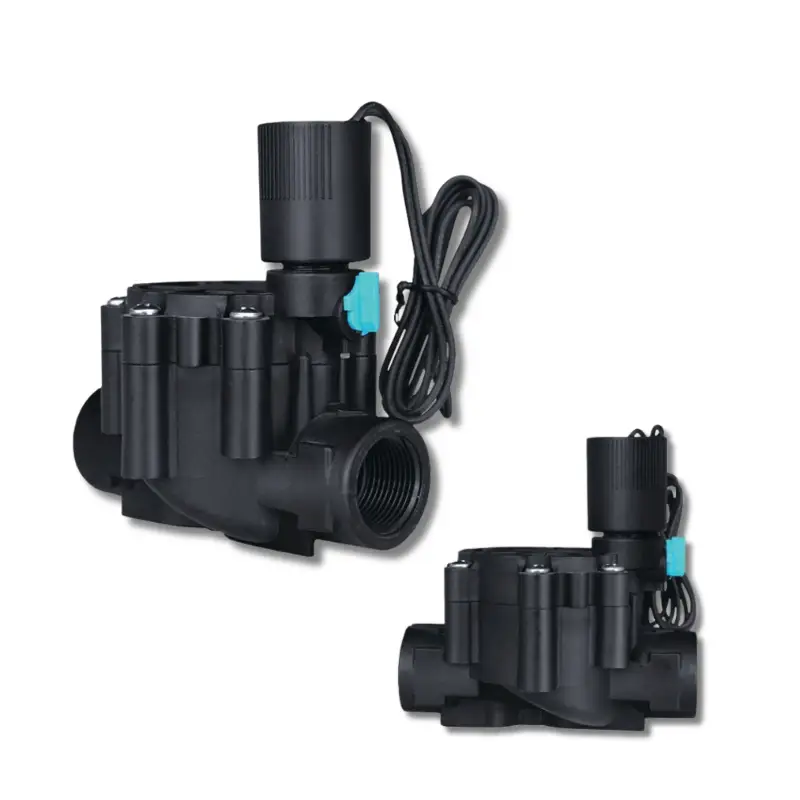
A stock image related to automatic irrigation valves.
3 Common User Pain Points for ‘automatic irrigation valves’ & Their Solutions
Scenario 1: Frequent Valve Failures in Harsh Environments
The Problem: B2B buyers in regions with extreme weather conditions—such as intense heat in parts of Africa and the Middle East, or heavy rainfall in South America—often encounter the challenge of frequent valve failures. Automatic irrigation valves can deteriorate rapidly due to UV exposure, corrosion, or waterlogging. This not only disrupts irrigation schedules but can also lead to crop damage and increased operational costs due to the need for frequent replacements. The frustration is compounded when local suppliers lack the required quality products that can withstand these environmental stresses.
The Solution: To mitigate this issue, it’s crucial to source high-quality, durable automatic irrigation valves designed specifically for harsh environments. Buyers should prioritize valves made from UV-resistant materials and those featuring robust construction, such as metal components for heavy-duty applications. Engaging with reputable suppliers who provide detailed product specifications and warranties can ensure the procurement of reliable valves. Additionally, implementing routine maintenance checks can help identify potential issues before they escalate. For instance, incorporating a preventative maintenance plan that includes regular inspections can significantly reduce unexpected failures.
Scenario 2: Complexity in System Integration
The Problem: International buyers often face difficulties when trying to integrate automatic irrigation valves into existing systems. The complexity arises from variations in voltage requirements, valve types (like anti-siphon or flow control), and compatibility with irrigation controllers. Misalignment in specifications can lead to inefficient water distribution, wasted resources, and increased labor costs for troubleshooting and reinstallation.
The Solution: To overcome integration challenges, buyers should conduct a thorough audit of their existing irrigation systems before making any purchases. Understanding the specific requirements of each component—such as voltage, flow rate, and compatibility—will enable buyers to make informed decisions. Working closely with a knowledgeable irrigation consultant can also streamline this process, ensuring that the selected valves match the existing infrastructure. Furthermore, investing in smart irrigation technology that allows for centralized control and compatibility with various valve types can enhance system flexibility and efficiency.
Scenario 3: Cost Management and Budget Constraints
The Problem: Budget constraints are a common challenge for B2B buyers, particularly in developing regions where access to affordable technology can be limited. While cheaper valves may seem attractive initially, they often lead to higher long-term costs due to frequent replacements and repairs. Buyers are often caught in a cycle of selecting low-cost options that ultimately fail to meet their operational needs.
The Solution: To manage costs effectively, buyers should adopt a value-over-price mindset when selecting automatic irrigation valves. Conducting a cost-benefit analysis that factors in the initial investment, expected lifespan, and maintenance costs can help identify the most economical options in the long run. Buyers should seek out suppliers that offer bulk purchasing discounts or financing options. Additionally, investing in training for staff on proper installation and maintenance can reduce the likelihood of premature valve failures, ensuring that the valves perform effectively throughout their intended lifespan. Establishing relationships with reliable suppliers who understand the local market can also provide access to better quality products at competitive prices.
Strategic Material Selection Guide for automatic irrigation valves
What are the Key Properties of Common Materials Used in Automatic Irrigation Valves?
When selecting materials for automatic irrigation valves, it is essential to consider the properties that directly impact performance, durability, and compatibility with various media. The most common materials used in the manufacturing of these valves include plastic, brass, stainless steel, and aluminum. Each material has its unique characteristics that influence its suitability for specific applications.
How Does Plastic Perform in Automatic Irrigation Valves?
Plastic, particularly PVC and ABS, is widely used in residential and light commercial applications due to its lightweight nature and cost-effectiveness. These materials typically have a temperature rating of up to 140°F (60°C) and can withstand pressures of around 150 PSI.
Pros: Plastic valves are resistant to corrosion and are less affected by chemicals in water, making them suitable for various irrigation applications. They are also easy to manufacture and install, which reduces labor costs.
Cons: However, plastic valves can become brittle over time, especially when exposed to UV light or extreme temperatures. They may not be suitable for high-pressure systems or heavy-duty applications.
Impact on Application: Plastic valves are ideal for residential irrigation systems and small-scale agricultural applications, but they may not perform well in harsh environments or with abrasive media.
Considerations for International Buyers: Buyers should ensure that plastic valves comply with local standards such as ASTM or DIN. In regions with high UV exposure, UV-resistant materials should be prioritized.
What Advantages Does Brass Offer in Automatic Irrigation Valves?
Brass is another popular material for automatic irrigation valves, particularly in commercial and industrial applications. Brass valves can withstand higher temperatures (up to 200°F or 93°C) and pressures (up to 300 PSI).
Pros: Brass is highly durable and resistant to corrosion, making it suitable for various water sources, including potable water systems. Its strength allows for reliable performance in high-pressure situations.
Cons: The primary drawback of brass is its higher cost compared to plastic. Additionally, brass valves can be heavier, which may complicate installation and increase shipping costs.
Impact on Application: Brass valves are often used in municipal water systems, golf courses, and large-scale agricultural applications due to their robustness and reliability.
Considerations for International Buyers: Compliance with standards such as JIS or ASTM is critical, especially for potable water applications. Buyers should also consider the availability of brass valves in their region to avoid supply chain issues.
Why Choose Stainless Steel for Automatic Irrigation Valves?
Stainless steel is recognized for its exceptional strength and corrosion resistance, making it suitable for harsh environments. Stainless steel valves can handle temperatures up to 250°F (121°C) and pressures exceeding 300 PSI.
Pros: The durability and longevity of stainless steel valves make them ideal for industrial applications and areas with aggressive water chemistry. They are also easy to clean and maintain.
Cons: The main disadvantage is the cost; stainless steel valves are significantly more expensive than plastic or brass options. They can also be heavier, which may impact installation logistics.
Impact on Application: Stainless steel valves are particularly well-suited for agricultural applications in regions with saline or corrosive water sources.
Considerations for International Buyers: Buyers must ensure that stainless steel valves meet international standards for corrosion resistance, such as ASTM A312. Additionally, understanding local market prices is crucial, as stainless steel can be subject to price fluctuations.
What Role Does Aluminum Play in Automatic Irrigation Valves?
Aluminum is often used for specific applications where weight savings are essential. Aluminum valves typically have a temperature rating of up to 180°F (82°C) and can handle pressures around 150 PSI.
Pros: Aluminum is lightweight, making it easy to transport and install. It also offers good corrosion resistance, especially when anodized.
Cons: However, aluminum is less durable than brass or stainless steel, and it may not be suitable for high-pressure applications. It can also be more susceptible to damage from chemicals.
Impact on Application: Aluminum valves are often used in portable irrigation systems and temporary setups where weight is a critical factor.
Considerations for International Buyers: Buyers should verify that aluminum valves comply with relevant standards and consider the specific chemical compatibility of the water media in their application.
Summary Table of Material Selection for Automatic Irrigation Valves
| Material | Typical Use Case for automatic irrigation valves | Key Advantage | Key Disadvantage/Limitation | Relative Cost (Low/Med/High) |
|---|---|---|---|---|
| Plastic | Residential and light commercial applications | Lightweight and cost-effective | Brittle over time, limited pressure | Low |
| Brass | Municipal and large-scale agricultural systems | Durable and corrosion-resistant | Higher cost, heavier | Med |
| Stainless Steel | Industrial applications with aggressive media | Exceptional strength and longevity | High cost, heavier | High |
| Aluminum | Portable and temporary irrigation systems | Lightweight and easy to install | Less durable, chemical sensitivity | Med |
This analysis provides a comprehensive overview of the materials used in automatic irrigation valves, equipping international B2B buyers with the knowledge to make informed decisions based on their specific needs and regional considerations.
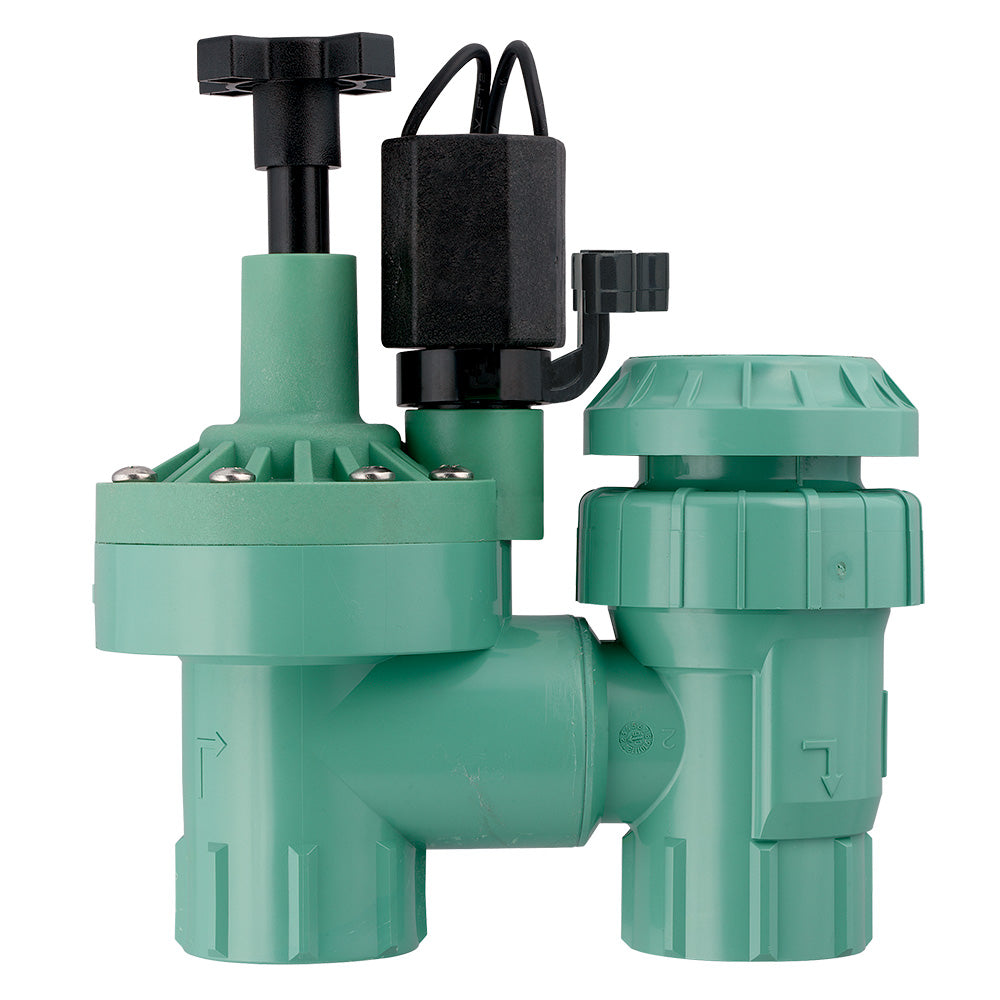
A stock image related to automatic irrigation valves.
In-depth Look: Manufacturing Processes and Quality Assurance for automatic irrigation valves
Automatic irrigation valves are critical components in modern agricultural and landscaping systems, enabling efficient water management. Understanding the manufacturing processes and quality assurance measures for these valves is essential for B2B buyers seeking reliable suppliers. This section provides an in-depth look at the manufacturing stages, key techniques, and quality control measures that ensure high standards in automatic irrigation valves.
What Are the Main Stages in the Manufacturing Process of Automatic Irrigation Valves?
The manufacturing process of automatic irrigation valves typically consists of four main stages: material preparation, forming, assembly, and finishing. Each stage is designed to ensure that the final product meets both functional and quality standards.
Material Preparation: What Materials Are Used and How Are They Prepared?
The first stage involves selecting appropriate materials, which may include plastics (such as PVC or ABS) for residential and commercial applications, and metals (like brass or stainless steel) for heavy-duty uses. The materials are sourced from certified suppliers to ensure compliance with international standards.
Once sourced, materials undergo preparation processes such as cutting, grinding, or molding to create specific components like valve bodies, diaphragms, and solenoids. This stage is crucial as the quality of raw materials directly impacts the durability and performance of the valves.
How Are Automatic Irrigation Valves Formed?
The forming stage employs various techniques, including injection molding, machining, and die-casting.
- Injection Molding: This is commonly used for plastic components, where molten plastic is injected into molds to create valve bodies and other intricate parts.
- Machining: Metal parts are often machined to precise specifications, ensuring that critical dimensions are maintained for proper functionality.
- Die-Casting: Used for creating complex metal components, die-casting allows for high-volume production with excellent dimensional accuracy.
These techniques help produce components that are not only functional but also cost-effective to manufacture.
What Happens During the Assembly Process?
The assembly stage involves bringing together all the formed components. This is often done in a clean environment to minimize contamination. Assembly may include:
- Fitting solenoids and diaphragms into the valve bodies.
- Installing electrical connections for electronic models.
- Conducting initial functional tests to ensure that the valves operate correctly.
Automated assembly systems may be used to enhance efficiency and reduce human error, while skilled technicians oversee critical assembly operations.
How Is the Finishing Process Conducted?
The finishing stage includes surface treatments, such as painting, coating, or polishing, to enhance durability and aesthetics. For instance, metal components may be galvanized to prevent corrosion, while plastic parts may receive UV-resistant coatings to withstand outdoor conditions.
Final inspections are conducted during this stage to ensure that the valves meet the specified standards before they move to the packaging stage.
What Quality Assurance Standards Are Relevant for Automatic Irrigation Valves?
Quality assurance is a fundamental aspect of the manufacturing process, particularly for products that operate under various environmental conditions.
Which International Standards Should B2B Buyers Be Aware Of?
ISO 9001 is a widely recognized international standard for quality management systems (QMS). Manufacturers who comply with ISO 9001 demonstrate a commitment to consistent quality and continuous improvement. Additionally, industry-specific standards such as CE marking in Europe and API standards for certain applications are essential for ensuring safety and reliability.
What Are the Key Quality Control Checkpoints in the Manufacturing Process?
Quality control (QC) checkpoints are established at various stages of the manufacturing process, including:
- Incoming Quality Control (IQC): This involves inspecting raw materials and components upon arrival to ensure they meet specified standards.
- In-Process Quality Control (IPQC): During manufacturing, checks are conducted to monitor processes and identify defects early. This may include dimensional checks and functional tests.
- Final Quality Control (FQC): Before packaging, valves undergo comprehensive testing to ensure they meet performance specifications. This may involve pressure testing, flow rate testing, and electrical safety checks.
What Testing Methods Are Commonly Used for Automatic Irrigation Valves?
Testing methods are crucial to validate the functionality and durability of automatic irrigation valves. Common tests include:
- Hydraulic Testing: Valves are subjected to pressure tests to ensure they can withstand the operational pressures without leaking.
- Electrical Testing: For electrically operated valves, tests are conducted to verify solenoid functionality and electrical safety.
- Flow Rate Testing: This assesses the valve’s ability to control water flow accurately, ensuring it meets specified performance criteria.
How Can B2B Buyers Verify Supplier Quality Control Practices?
B2B buyers should take proactive measures to verify the quality control practices of potential suppliers.
What Actions Can Buyers Take to Ensure Supplier Compliance?
- Conduct Audits: Buyers can request on-site audits of manufacturing facilities to assess quality control processes firsthand.
- Request Documentation: Suppliers should provide documentation of their quality management systems, including certifications and test reports.
- Engage Third-Party Inspectors: Utilizing third-party inspection services can offer an unbiased assessment of the supplier’s quality practices.
What Are the Nuances of Quality Control for International Buyers?
International buyers, particularly those from regions like Africa, South America, and the Middle East, may encounter specific challenges related to quality control. It is vital to understand local regulations and standards that may differ from international norms. Additionally, language barriers and cultural differences can impact communication regarding quality expectations.
Conclusion: Why Is Quality Assurance Critical for B2B Buyers of Automatic Irrigation Valves?
Quality assurance is not merely a regulatory requirement; it is a critical factor that affects the performance, reliability, and longevity of automatic irrigation valves. By understanding the manufacturing processes, relevant standards, and quality control measures, B2B buyers can make informed decisions, ensuring they partner with suppliers committed to delivering high-quality products tailored to their specific needs. This diligence ultimately leads to successful irrigation projects and satisfied end-users.
Practical Sourcing Guide: A Step-by-Step Checklist for ‘automatic irrigation valves’
Introduction
Sourcing automatic irrigation valves requires careful consideration to ensure you select the right products for your agricultural or landscaping needs. This guide provides a practical checklist designed to help B2B buyers navigate the procurement process effectively. Each step focuses on critical aspects that will influence both the quality of the valves and the reliability of your supplier.
1. Define Your Technical Specifications
Start by outlining the specific requirements for your automatic irrigation valves. Consider factors such as:
– Type of valve: Globe or angle, depending on your system layout.
– Material: Plastic for general use or metal for heavy-duty applications.
Defining these specifications upfront will help streamline your search and avoid costly mistakes later on.
2. Assess Required Features and Functionality
Identify the essential features that your irrigation valves must have. Look for:
– Flow control capabilities: This ensures optimal water distribution.
– Power requirements: Determine if you need 24V AC or a DC latching solenoid based on your control system.
Knowing these features will help you avoid purchasing valves that do not meet your operational needs.
3. Evaluate Potential Suppliers
Before finalizing a purchase, conduct a thorough evaluation of potential suppliers. Investigate:
– Company reputation: Seek out reviews and testimonials from previous clients.
– Product range: Ensure they offer a variety of brands, such as Hunter, Rain Bird, or Toro.
A reliable supplier will not only provide quality products but also support your ongoing maintenance needs.
4. Verify Supplier Certifications and Compliance
Ensure that your chosen supplier adheres to relevant industry standards and certifications. Look for:
– ISO certifications: This indicates adherence to international quality management standards.
– Local compliance: Confirm that products meet local regulations in your target market.
Compliance ensures that the valves are safe, reliable, and suitable for your specific application.
5. Request Product Samples
Before committing to a bulk order, request samples of the valves you are considering. This step allows you to:
– Test functionality: Ensure that the valves perform as expected in real-world conditions.
– Check build quality: Inspect the materials and construction for durability.
Sampling helps mitigate risk by confirming that the products will meet your operational standards.
6. Negotiate Terms and Pricing
Once you have identified a suitable supplier and validated the products, engage in negotiations regarding terms and pricing. Consider:
– Bulk discounts: Many suppliers offer price breaks for larger orders.
– Payment terms: Establish clear payment schedules to manage cash flow effectively.
Negotiating favorable terms can significantly impact your overall procurement costs.
7. Establish a Support Plan
Finally, develop a support plan for ongoing maintenance and troubleshooting. Ensure that:
– Supplier offers support: Confirm that they have a reliable customer service system.
– Availability of spare parts: Make sure that replacement parts are readily available for the valves you choose.
A solid support plan ensures that your irrigation system remains efficient and minimizes downtime.
Following this checklist will empower you to make informed decisions and enhance the efficiency of your irrigation system.
Comprehensive Cost and Pricing Analysis for automatic irrigation valves Sourcing
What Are the Key Cost Components for Automatic Irrigation Valves?
When sourcing automatic irrigation valves, understanding the cost structure is crucial for B2B buyers. The primary cost components include:
Materials: The choice of materials significantly impacts cost. Plastic valves are more economical, suitable for residential and light commercial use, while metal valves, such as those made from brass or stainless steel, are designed for heavy-duty applications like golf courses and municipal systems.
Labor: Labor costs vary based on the region and manufacturing practices. Countries with lower labor costs can offer competitive pricing, but this may come at the expense of quality and consistency.
Manufacturing Overhead: This includes the costs associated with running the production facilities, such as utilities, rent, and equipment maintenance. Efficient manufacturing processes can help minimize these overheads.
Tooling: The initial investment in tooling for specialized valve designs can be significant. However, this cost can be amortized over larger production volumes, making it more manageable for bulk buyers.
Quality Control (QC): Implementing rigorous QC processes ensures product reliability and compliance with international standards, which can add to costs but ultimately reduces the risk of defects and returns.
Logistics: Transportation costs can fluctuate based on distance, mode of transport, and current fuel prices. International shipping may involve additional fees such as customs duties and insurance.
Margin: Suppliers typically include a profit margin, which can vary widely based on market demand, competition, and the perceived value of the product.
How Do Price Influencers Affect Automatic Irrigation Valve Costs?
Numerous factors influence pricing in the automatic irrigation valve market:
Volume/MOQ (Minimum Order Quantity): Larger orders often lead to lower per-unit costs due to economies of scale. Negotiating favorable terms for bulk purchases can yield significant savings.
Specifications/Customization: Custom features or specifications can increase costs. Buyers should weigh the benefits of customization against the additional expenses it incurs.
Materials: The quality and type of materials used directly affect pricing. High-quality, durable materials tend to come at a premium but can offer longer lifespans and lower maintenance costs.
Quality and Certifications: Compliance with international certifications (like ISO or CE) can influence pricing. Products that meet stringent quality standards may be more expensive but can provide assurance of reliability.
Supplier Factors: The reputation and experience of the supplier can affect pricing. Established suppliers with a track record of quality may charge more but offer better service and reliability.
Incoterms: The terms of trade can impact total costs. Understanding whether prices include shipping, insurance, and customs duties is essential for accurate budgeting.
What Buyer Tips Can Enhance Cost-Efficiency When Sourcing Automatic Irrigation Valves?
Negotiation: Engage in negotiations to secure better pricing, especially for bulk orders. Suppliers may be willing to adjust their pricing based on the potential for repeat business.
Total Cost of Ownership (TCO): Consider not just the purchase price but the total cost of ownership, which includes installation, maintenance, and operational costs over the product’s lifespan. A higher upfront cost may lead to lower overall expenses if the valve has a longer lifespan and requires less maintenance.
Pricing Nuances for International Buyers: B2B buyers from regions such as Africa, South America, the Middle East, and Europe must be aware of currency fluctuations, import tariffs, and regional market conditions that can affect pricing.
Supplier Relationships: Building strong relationships with suppliers can lead to better pricing, more favorable payment terms, and access to new products or technologies.
Research and Benchmarking: Conduct thorough market research to benchmark prices across different suppliers. This ensures that you are getting competitive pricing and helps identify any red flags in pricing discrepancies.
Conclusion
Understanding the cost structure and pricing dynamics of automatic irrigation valves is vital for international B2B buyers. By considering the various cost components, price influencers, and strategic buyer tips, organizations can make informed sourcing decisions that optimize their procurement processes and enhance their bottom line.
Alternatives Analysis: Comparing automatic irrigation valves With Other Solutions
Exploring Alternatives to Automatic Irrigation Valves for Effective Water Management
In the realm of irrigation solutions, automatic irrigation valves are a popular choice for managing water flow efficiently. However, various alternatives exist that can provide similar benefits, each with unique features and considerations. This section delves into a comparative analysis of automatic irrigation valves against two viable alternatives: manual irrigation systems and smart irrigation controllers.
Comparison Table
| Comparison Aspect | Automatic Irrigation Valves | Manual Irrigation Systems | Smart Irrigation Controllers |
|---|---|---|---|
| Performance | High efficiency and reliability; consistent water distribution. | Varies significantly based on user skill and diligence. | Adaptive watering based on real-time data, ensuring optimal performance. |
| Cost | Moderate initial investment; low maintenance costs. | Low initial cost; potential for high labor costs over time. | Higher upfront investment but potential cost savings through water conservation. |
| Ease of Implementation | Requires professional installation; straightforward once set up. | Easy to implement with minimal tools; labor-intensive. | Requires initial setup and programming; user-friendly interfaces available. |
| Maintenance | Low maintenance; occasional valve checks needed. | High maintenance; requires consistent user involvement. | Low to moderate maintenance; software updates may be necessary. |
| Best Use Case | Large-scale agriculture and commercial landscaping. | Small gardens and lawns; suitable for budget-conscious users. | Smart farms and commercial properties looking for efficiency and water savings. |
Detailed Breakdown of Alternatives
What Are the Pros and Cons of Manual Irrigation Systems?
Manual irrigation systems involve traditional methods like hoses or watering cans. They are cost-effective, with low initial expenditures and minimal technology requirements. However, their performance heavily relies on the user’s consistency and knowledge of watering needs. This method can lead to uneven watering and higher labor costs if not managed properly, making it less ideal for larger or more complex irrigation needs.
How Do Smart Irrigation Controllers Enhance Water Management?
Smart irrigation controllers utilize technology to optimize water usage by analyzing weather data, soil moisture, and plant needs. They adjust watering schedules automatically, which can lead to significant water conservation and cost savings. While they may require a higher upfront investment and technical setup, the long-term benefits often outweigh these costs. However, they depend on reliable internet connectivity and may require occasional software updates, which could be a consideration in remote regions.
Conclusion: How Can B2B Buyers Choose the Right Irrigation Solution?
When selecting an irrigation solution, B2B buyers must consider their specific needs, including the scale of their operations, budget constraints, and the level of maintenance they are willing to manage. Automatic irrigation valves are ideal for large, commercial setups requiring efficient and consistent water distribution. In contrast, manual systems may suit smaller projects or budget-sensitive buyers. Smart irrigation controllers offer advanced management capabilities that can lead to significant resource savings, making them a strong contender for tech-savvy businesses. Ultimately, the right choice will depend on a careful assessment of these factors in relation to the operational goals and environmental conditions of the buyer’s landscape.
Essential Technical Properties and Trade Terminology for automatic irrigation valves
What Are the Key Technical Properties of Automatic Irrigation Valves?
Automatic irrigation valves are critical components in efficient water management systems, and understanding their technical properties is essential for making informed purchasing decisions. Below are some of the most important specifications to consider:
Material Composition
– Definition: Automatic irrigation valves are typically constructed from materials such as plastic (PVC, ABS) or metal (brass, stainless steel).
– B2B Importance: The choice of material affects the valve’s durability, resistance to corrosion, and suitability for different water types (e.g., potable vs. non-potable). Buyers must consider local environmental conditions when selecting materials to ensure longevity and reliability.Pressure Rating
– Definition: This specification indicates the maximum pressure the valve can withstand, commonly expressed in psi (pounds per square inch) or bar.
– B2B Importance: Understanding the pressure rating is vital for ensuring the valve can handle the operational pressure of the irrigation system without risk of failure. This is particularly crucial in high-pressure applications, such as agricultural fields or municipal systems.Flow Rate
– Definition: Flow rate refers to the volume of water that can pass through the valve in a given time, typically measured in gallons per minute (GPM) or liters per second (L/s).
– B2B Importance: Matching the flow rate to the irrigation system’s requirements ensures efficient water distribution. Buyers should assess their system’s needs to select valves that optimize performance and conserve water.Electrical Specifications
– Definition: Automatic valves often operate using solenoids that require specific voltage levels (e.g., 24V AC or DC).
– B2B Importance: Knowing the electrical specifications helps in planning the electrical infrastructure of the irrigation system. Compatibility with existing controllers and power sources is crucial for seamless operation.Size and Connection Type
– Definition: Valves come in various sizes and connection types (e.g., threaded, slip, or flanged) that must match the piping system.
– B2B Importance: Ensuring compatibility with existing infrastructure reduces installation time and costs. Incorrect sizing can lead to leaks or inefficiencies in the irrigation system.
What Are Common Trade Terms Used in the Automatic Irrigation Valve Industry?
Familiarity with industry terminology is essential for effective communication and negotiation in B2B transactions. Here are several key terms:
OEM (Original Equipment Manufacturer)
– Definition: A company that produces parts or equipment that may be marketed by another manufacturer.
– Significance: Understanding OEM relationships can help buyers identify quality and compatibility standards for valves, as OEM products often guarantee reliability and performance.MOQ (Minimum Order Quantity)
– Definition: The smallest number of units that a supplier is willing to sell.
– Significance: Knowing the MOQ is critical for budgeting and inventory management. It allows buyers to assess whether they can meet purchase requirements without overcommitting resources.RFQ (Request for Quotation)
– Definition: A document sent to suppliers to request pricing for specific products or services.
– Significance: RFQs are essential for comparing prices and terms among different suppliers, enabling informed decision-making in procurement processes.Incoterms (International Commercial Terms)
– Definition: A series of predefined commercial terms published by the International Chamber of Commerce (ICC) that clarify the responsibilities of buyers and sellers.
– Significance: Understanding Incoterms is vital for international trade, as they determine who is responsible for shipping, insurance, and tariffs, thus affecting overall cost and risk management.Backflow Preventer
– Definition: A device that prevents the reverse flow of water, protecting the water supply from contamination.
– Significance: Buyers should be aware of backflow prevention requirements, as they are crucial for compliance with local regulations and for safeguarding public health.
By grasping these essential technical properties and trade terms, B2B buyers can enhance their purchasing strategies, ensuring they select the right automatic irrigation valves for their specific needs.
Navigating Market Dynamics and Sourcing Trends in the automatic irrigation valves Sector
What Are the Key Trends Influencing the Global Automatic Irrigation Valves Market?
The global automatic irrigation valves market is experiencing significant growth driven by increasing agricultural productivity demands, urbanization, and water scarcity. Particularly in regions like Africa, South America, and the Middle East, the urgency for efficient irrigation systems is paramount due to varying climate conditions and limited water resources. Advanced technologies such as IoT-enabled irrigation systems are emerging, allowing for remote monitoring and control, which enhances efficiency and reduces water wastage. B2B buyers should also consider the rise of smart agriculture, integrating sensors and automation to optimize irrigation schedules based on real-time data.
Moreover, the market is witnessing a shift towards sustainable practices, with manufacturers increasingly adopting eco-friendly materials and production methods. This trend is particularly relevant in Europe, where stringent regulations regarding environmental impact are in place. Buyers are encouraged to seek suppliers who prioritize sustainability to align with global initiatives and local regulations.
The competitive landscape is also evolving, with an influx of new entrants offering innovative products at competitive prices. This dynamic creates opportunities for B2B buyers to source high-quality valves that meet specific agricultural needs while benefiting from cost reductions. Understanding these market dynamics is crucial for international buyers looking to make informed purchasing decisions.
How Can Sustainability and Ethical Sourcing Impact Your Supply Chain for Automatic Irrigation Valves?
Sustainability is becoming a cornerstone of the automatic irrigation valves sector, driven by increasing awareness of environmental impacts and the need for responsible sourcing. B2B buyers are now more focused on sourcing from manufacturers that adhere to ethical practices and demonstrate a commitment to minimizing their carbon footprint. This includes opting for suppliers who utilize recycled materials, implement energy-efficient production processes, and prioritize water conservation in their operations.
Certifications such as ISO 14001 (Environmental Management) and eco-labels indicate a supplier’s commitment to sustainability and ethical practices. Buyers should actively seek out manufacturers with these certifications to ensure they are contributing to a more sustainable supply chain. Additionally, adopting ‘green’ materials for products, such as biodegradable plastics or low-impact metals, not only meets regulatory demands but also appeals to environmentally conscious consumers.
In regions like Africa and South America, where agriculture plays a vital role in local economies, ethical sourcing practices can enhance brand reputation and foster community goodwill. By investing in sustainable supply chains, B2B buyers can also mitigate risks associated with environmental regulations, ultimately leading to long-term profitability and market competitiveness.
What Is the Historical Context of Automatic Irrigation Valves in the B2B Landscape?
The evolution of automatic irrigation valves dates back to the early 20th century, when the need for efficient water management in agriculture became apparent. Initially, manual valves were the norm, requiring significant labor and time for operation. However, as agricultural practices modernized, there was a push towards automation to improve efficiency and reduce labor costs.
The introduction of electric solenoid valves in the 1960s marked a significant turning point, allowing for precise control over water flow and enabling timed irrigation schedules. This innovation paved the way for the development of sophisticated irrigation systems equipped with sensors and automation, which are now commonplace in both agricultural and landscaping applications.
Today, the focus on sustainability and smart technology continues to drive advancements in the industry. B2B buyers are now presented with a diverse range of options that not only enhance operational efficiency but also promote environmental stewardship, reflecting the ongoing evolution of automatic irrigation valves in the global market.
Frequently Asked Questions (FAQs) for B2B Buyers of automatic irrigation valves
How do I select the right automatic irrigation valve for my needs?
Choosing the right automatic irrigation valve depends on various factors including the size of the system, type of plants, water pressure, and specific application (residential vs. commercial). Consider valves with appropriate flow rates and durability for your environment. For heavy-duty applications, metal valves are recommended, while plastic valves may suffice for residential uses. Assess compatibility with existing irrigation systems and consult with suppliers to ensure the selected valve meets your operational requirements.What is the best type of automatic irrigation valve for commercial applications?
For commercial applications, angle valves are often preferred due to their efficient design that minimizes pressure loss. Metal valves are also ideal for high-demand environments like golf courses or municipal systems, offering enhanced durability and longevity. Ensure the valve is compatible with your irrigation control system and can handle the required flow rates. Additionally, consider features like flow control and anti-siphon capabilities to optimize performance.What are the typical minimum order quantities (MOQs) for automatic irrigation valves?
Minimum order quantities (MOQs) can vary significantly among suppliers and depend on the valve type and material. Generally, MOQs range from 50 to 500 units. It is advisable to discuss your specific needs with suppliers to negotiate MOQs that align with your project requirements, especially if you are a smaller business or are testing new markets. Always inquire about potential flexibility in MOQs, especially during initial orders.How do I vet suppliers of automatic irrigation valves for quality and reliability?
When vetting suppliers, look for established manufacturers with a proven track record in the irrigation industry. Check for certifications such as ISO 9001, which indicates adherence to quality management standards. Request references or case studies from previous clients and assess their production capacity. Additionally, consider suppliers that offer warranties and robust customer support, as these factors can enhance reliability and trustworthiness.What payment terms should I expect when purchasing automatic irrigation valves internationally?
Payment terms can vary widely by supplier and region. Common practices include a deposit (typically 30-50%) upfront with the balance due prior to shipping. Some suppliers may offer letters of credit or payment upon delivery for established relationships. Always clarify payment methods accepted, such as wire transfers, PayPal, or credit terms. It’s advisable to negotiate terms that provide security and flexibility for both parties.What logistics considerations should I keep in mind when importing automatic irrigation valves?
Logistics are crucial when importing automatic irrigation valves. Assess the shipping methods available, including air and sea freight, and choose based on cost and urgency. Be aware of import duties and taxes in your country, and ensure compliance with local regulations. Establish clear communication with your supplier regarding shipping schedules and tracking. Partnering with a reliable freight forwarder can help streamline the process and mitigate potential delays.How can I customize automatic irrigation valves to fit my specific requirements?
Customization options for automatic irrigation valves may include size, flow rates, materials, and specific features such as solenoid types or anti-siphon mechanisms. Discuss your requirements with suppliers who offer customizable solutions and provide detailed specifications. Some manufacturers may have standard options, while others can accommodate bespoke designs. Be prepared to share your project specifications to facilitate accurate customization.What quality assurance measures should I look for in automatic irrigation valves?
Quality assurance measures are essential to ensure the reliability and longevity of irrigation valves. Look for suppliers who conduct rigorous testing on their products, including pressure tests and durability assessments. Certifications from recognized industry bodies can also indicate adherence to quality standards. Request information on the supplier’s quality control processes and inquire about warranties that cover manufacturing defects, as these are indicators of a commitment to quality.
Important Disclaimer & Terms of Use
⚠️ Important Disclaimer
The information provided in this guide, including content regarding manufacturers, technical specifications, and market analysis, is for informational and educational purposes only. It does not constitute professional procurement advice, financial advice, or legal advice.
While we have made every effort to ensure the accuracy and timeliness of the information, we are not responsible for any errors, omissions, or outdated information. Market conditions, company details, and technical standards are subject to change.
B2B buyers must conduct their own independent and thorough due diligence before making any purchasing decisions. This includes contacting suppliers directly, verifying certifications, requesting samples, and seeking professional consultation. The risk of relying on any information in this guide is borne solely by the reader.
Top 5 Automatic Irrigation Valves Manufacturers & Suppliers List
1. Rain Bird – Efficient Irrigation Valves
Domain: rainbird.com
Registered: 1995 (30 years)
Introduction: Rain Bird offers a range of valves and valve boxes designed for efficient irrigation systems. Key features include durable construction, compatibility with various irrigation systems, and options for manual or automatic operation. The valves are designed to withstand harsh weather conditions and provide reliable performance. Valve boxes are available in different sizes to accommodate various valve…
2. Orbit – Top Underground Valves
Domain: orbitonline.com
Registered: 1999 (26 years)
Introduction: Top Underground Valves for Sprinkler and Drip Systems
3. US Solid – Motorized Ball Valve for Irrigation
Domain: reddit.com
Registered: 2005 (20 years)
Introduction: Motorized ball valve for irrigation; brand: US Solid; issues: internal gearing made of thin plastic, leading to failure within 6 months; lifecycle rated at 80,000 to 100,000 cycles, but actual lifespan observed is around 1000 cycles; user looking for a new valve with a budget of $200 each; size options: 1/2″ or 3/4″; normally closed (NC); operates on 12V DC; irrigation schedule: once per day; desi…
4. BERMAD – Irrigation Control Valves
Domain: bermad.com
Registered: 1996 (29 years)
Introduction: BERMAD’s Irrigation Control Valves are automatic and operate according to pressure. They are directed by Pilots and Solenoids and can be programmed for various functions including Sustaining, Flow Limiting, Pumps, Pressure & Surge Control, and Flush Valves. The valves range from 1″ to 48″ and come in globe, angled, or oblique flow patterns. They can be double-chambered and constructed from metal a…
5. Toro – Irrigation Sprinkler Valves
Domain: toro.com
Registered: 1994 (31 years)
Introduction: Irrigation Sprinkler Valves for Homeowners from Toro are designed for durability and quality. Toro is committed to developing innovative water-saving irrigation solutions for homeowners, golf courses, professional contractors, and agricultural growers, aiming to use water more efficiently while improving landscape health.
Strategic Sourcing Conclusion and Outlook for automatic irrigation valves
Why is Strategic Sourcing Critical for Automatic Irrigation Valves?
In the dynamic landscape of automatic irrigation valves, strategic sourcing emerges as a cornerstone for enhancing operational efficiency and ensuring sustainability. By carefully selecting suppliers who prioritize quality, innovation, and reliability, businesses can not only reduce costs but also improve the longevity and performance of their irrigation systems. It is crucial for international buyers, particularly from regions like Africa, South America, the Middle East, and Europe, to foster strong relationships with trusted manufacturers and distributors.
What Future Trends Should Buyers Consider in Automatic Irrigation?
As global agricultural practices evolve, the demand for efficient irrigation solutions is set to rise. Buyers should stay attuned to advancements such as smart irrigation technology, which integrates IoT capabilities for real-time monitoring and control. Embracing these innovations will not only optimize water usage but also contribute to sustainable farming practices, aligning with global environmental goals.
How Can Buyers Position Themselves for Success?
To capitalize on these trends, international B2B buyers are encouraged to engage proactively with suppliers, attend industry trade shows, and leverage digital platforms for sourcing. By doing so, they can access cutting-edge products and solutions tailored to their specific market needs. The future of irrigation is bright, and those who strategically source today will be the leaders of tomorrow.
 English (United States)
  Spanish (Spain)
  Portuguese (Portugal)
  French
  German
  Italian
  Arabic
  Dutch
Dutch  English (UK)
  Bulgarian
  Chinese (China)
  Chinese (Hong Kong)
  Czech
Czech  Danish
  Greek
Greek  Finnish
  Spanish (Mexico)
  Estonian
  Hebrew
  Hungarian
  Indonesian
  Japanese
  Korean
  Latvian
  Lithuanian
  Norwegian
  Polish
  Portuguese (Brazil)
  Romanian
  Russian
  Slovenian
  Slovak
  Swedish
  Turkish
  Ukrainian
  Vietnamese