
Introduction: Navigating the Global Market for covers for irrigation valves
Navigating the complexities of sourcing covers for irrigation valves can be a daunting challenge for international B2B buyers, particularly those operating in diverse markets such as Africa, South America, the Middle East, and Europe. The need for reliable, durable, and aesthetically pleasing valve covers is critical to ensuring the longevity and functionality of irrigation systems. This comprehensive guide aims to demystify the global market for irrigation valve covers by exploring various types and applications, highlighting key features, and offering insights into supplier vetting processes.
In the coming sections, we will delve into the different designs available—from standard rectangular and round boxes to innovative rock-style covers that blend seamlessly into landscapes. We will also cover essential factors such as material durability, cost considerations, and regulatory compliance, empowering buyers to make informed purchasing decisions. Whether you’re looking to enhance your irrigation infrastructure in Vietnam or Brazil, this guide provides actionable insights tailored to your specific regional needs.
By equipping yourself with the knowledge outlined in this guide, you can streamline your procurement process, minimize risks associated with supplier selection, and ultimately enhance the operational efficiency of your irrigation systems. This resource is designed to support your business objectives while ensuring you remain competitive in a rapidly evolving global market.
Understanding covers for irrigation valves Types and Variations
| Type Name | Key Distinguishing Features | Primary B2B Applications | Brief Pros & Cons for Buyers |
|---|---|---|---|
| Standard Valve Box Covers | Typically green, rectangular or round; lightweight. | Residential and commercial irrigation systems. | Pros: Cost-effective, easy to install. Cons: May not withstand heavy-duty use. |
| Heavy-Duty Valve Box Covers | Reinforced materials for maximum durability. | Large-scale agricultural and industrial applications. | Pros: Long-lasting, withstands harsh conditions. Cons: Higher initial investment. |
| Aesthetic Rock Box Covers | Simulated natural stone appearance; rotomolded resin. | Landscaping and decorative applications. | Pros: Enhances landscape aesthetics. Cons: May be pricier than standard options. |
| Lockable Valve Box Covers | Bolt-down or locking mechanisms to prevent tampering. | Public and commercial installations requiring security. | Pros: Increased security for vital equipment. Cons: More complex installation. |
| Reclaimed Water Valve Box Covers | Color-coded (purple) for reclaimed water systems. | Municipal and eco-friendly irrigation projects. | Pros: Promotes sustainable practices. Cons: Limited to specific applications. |
What Are the Key Characteristics of Standard Valve Box Covers?
Standard valve box covers are often rectangular or round and are typically made from lightweight materials, such as plastic. These covers are primarily used in residential and commercial irrigation systems to protect the valves from debris and weather elements. When considering a purchase, buyers should focus on compatibility with existing systems and the ease of installation, as these covers are designed for straightforward use.
How Do Heavy-Duty Valve Box Covers Differ?
Heavy-duty valve box covers are constructed from reinforced materials, making them suitable for large-scale agricultural or industrial applications where durability is paramount. These covers can withstand harsh weather conditions, heavy machinery, and frequent use. Buyers should evaluate the specific environmental conditions their irrigation systems will face, as the initial investment may be higher, but the long-term savings on replacements can be significant.
What Benefits Do Aesthetic Rock Box Covers Provide?
Aesthetic rock box covers are designed to blend seamlessly into landscaped areas, mimicking natural stone textures. Made from rotomolded resin, they resist fading and warping, making them ideal for outdoor use. These covers are particularly beneficial for businesses looking to enhance their property’s appearance while still providing functional protection for irrigation equipment. However, buyers must consider their budget, as these options tend to be more expensive than standard covers.
Why Choose Lockable Valve Box Covers?
Lockable valve box covers incorporate security features, such as bolt-down or locking mechanisms, making them ideal for public or commercial installations where tampering is a concern. These covers are essential for protecting valuable irrigation components, especially in high-traffic areas. Buyers should assess the security needs of their installations, as the added complexity in installation may deter some users.
What Are the Applications of Reclaimed Water Valve Box Covers?
Reclaimed water valve box covers are specifically designed for systems utilizing recycled water and are often color-coded purple to indicate their purpose. These covers are crucial in municipal and eco-friendly irrigation projects, supporting sustainable water management practices. Buyers should ensure compliance with local regulations regarding reclaimed water systems, as these specialized covers cater to specific environmental standards.
Key Industrial Applications of covers for irrigation valves
| Industry/Sector | Specific Application of covers for irrigation valves | Value/Benefit for the Business | Key Sourcing Considerations for this Application |
|---|---|---|---|
| Agriculture | Protection of irrigation systems in crop production | Enhances system longevity and reduces maintenance costs | Durability in harsh climates, UV resistance, and size compatibility |
| Landscaping & Gardening | Concealment of valves in aesthetic landscaping projects | Improves visual appeal and protects equipment | Aesthetic options (e.g., natural stone look), ease of installation, and material quality |
| Municipal Water Management | Safeguarding backflow prevention devices in public systems | Ensures compliance with safety regulations and reduces contamination risk | Compliance with local regulations, accessibility for maintenance, and robust construction |
| Construction | Integration in residential and commercial irrigation systems | Streamlined installation and reduced labor costs | Availability of various sizes, locking mechanisms for security, and compatibility with existing systems |
| Sports & Recreation | Covering irrigation valves in sports fields and parks | Protects equipment from damage and enhances user safety | Weather resistance, ease of access for maintenance, and design that blends with surroundings |
How Are Covers for Irrigation Valves Used in Agriculture?
In the agriculture sector, covers for irrigation valves are essential for protecting vital components of irrigation systems used in crop production. They prevent damage from environmental factors such as UV rays, moisture, and physical impact from machinery. This protection extends the lifespan of the irrigation infrastructure, reducing overall maintenance costs and downtime. Buyers in this sector should consider sourcing covers made from durable materials that can withstand harsh climatic conditions, ensuring they meet specific size requirements for various valve types.
What Role Do Covers Play in Landscaping & Gardening?
For landscaping and gardening applications, covers for irrigation valves serve a dual purpose: they conceal unsightly equipment and protect it from damage. Aesthetic options, such as those resembling natural stone, can enhance the visual appeal of gardens and landscaped areas. This is particularly important in high-end residential or commercial projects where appearance matters. Buyers should prioritize ease of installation and the quality of materials to ensure longevity and compatibility with existing landscaping designs.
How Are Covers Essential for Municipal Water Management?
Municipal water management entities utilize covers for irrigation valves to safeguard critical components such as backflow prevention devices. These covers help maintain compliance with safety regulations, thereby reducing the risk of water contamination. It is crucial for buyers in this sector to consider local regulations regarding access and maintenance, as well as the robustness of the materials used, to ensure they can withstand public use and environmental stressors.
Why Are Covers Important in Construction Projects?
In the construction industry, covers for irrigation valves are integrated into both residential and commercial irrigation systems. They facilitate streamlined installations and can significantly reduce labor costs by providing easy access to valves. Buyers should focus on sourcing a variety of sizes and designs that include locking mechanisms for added security, ensuring that the covers fit seamlessly into the overall system while meeting project specifications.
What Benefits Do Covers Provide in Sports & Recreation?
In sports fields and recreational parks, covers for irrigation valves protect essential irrigation components while enhancing user safety. These covers prevent accidents and injuries that can occur from exposed valves, especially in high-traffic areas. Buyers should look for covers that are weather-resistant and easy to access for maintenance, ensuring they can withstand outdoor conditions while blending into the field’s design.
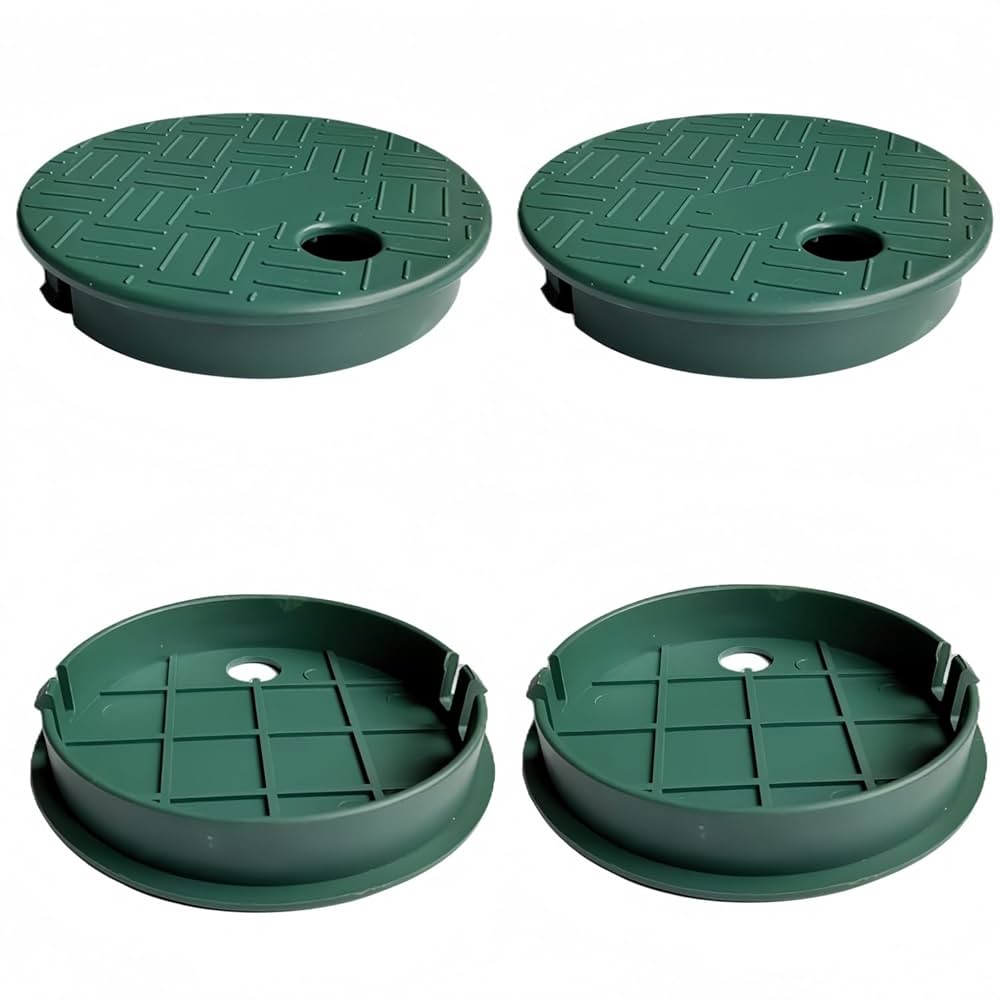
A stock image related to covers for irrigation valves.
3 Common User Pain Points for ‘covers for irrigation valves’ & Their Solutions
Scenario 1: The Dilemma of Material Durability in Harsh Environments
The Problem: B2B buyers often operate in regions with extreme weather conditions, such as high temperatures, heavy rainfall, or even harsh sunlight. These environmental factors can significantly reduce the lifespan of irrigation valve covers, leading to frequent replacements and increased maintenance costs. For instance, in arid areas of Africa or humid climates in South America, traditional materials may warp, fade, or become brittle, causing operational failures and potential system leaks. Buyers face the challenge of selecting durable covers that withstand these conditions without frequent replacements.
The Solution: To address durability concerns, buyers should prioritize covers made from high-quality, UV-resistant materials like rotomolded resin or high-density polyethylene (HDPE). These materials are specifically designed to resist fading and warping caused by harsh sunlight and moisture exposure. Additionally, buyers should consider sourcing valve covers with reinforced structures that can withstand physical impacts from landscaping equipment. Consulting with manufacturers about the duty ratings and material specifications can ensure that the selected covers are tailored for the specific environmental challenges of the region. Investing in covers with warranties or robust customer support can also provide peace of mind regarding long-term performance.
Scenario 2: Challenges with Size and Compatibility
The Problem: Another common pain point for B2B buyers is ensuring that the irrigation valve covers fit correctly over existing infrastructure. In many cases, irrigation systems consist of various valve types and sizes, and a mismatch can lead to ineffective protection or accessibility issues. This can be particularly problematic for companies managing multiple sites or projects, where standardization is critical. Incorrect sizing can result in additional costs and labor in modifying or replacing covers that do not meet the system’s needs.
The Solution: To mitigate sizing issues, buyers should conduct a comprehensive inventory assessment of their existing valve types before purchasing covers. Utilizing detailed specifications from manufacturers, such as diameter, height, and shape, will enable buyers to select the right covers that match their systems. Engaging with suppliers who offer customization options can also be beneficial, allowing for tailored solutions that meet specific project requirements. Additionally, maintaining a standardized inventory of valve sizes and types across projects can streamline future procurement processes, ensuring that the right covers are readily available.
Scenario 3: Aesthetic Concerns in Landscaping
The Problem: For companies involved in landscape management or irrigation installation, the visual appeal of irrigation components is critical. Covers that do not blend with the surrounding environment can detract from the overall aesthetic of a property, leading to potential dissatisfaction among clients. This is particularly relevant in high-end residential or commercial landscapes, where appearances matter significantly. Buyers often struggle to find covers that provide necessary functionality without compromising on design.
The Solution: To address aesthetic concerns, buyers should explore valve covers that offer a variety of finishes and colors that can seamlessly integrate into the landscape. Products designed to mimic natural materials, such as simulated granite or sandstone, provide an attractive solution while maintaining durability. Additionally, buyers can work closely with suppliers to access custom design options that match specific project themes. Investing in covers that not only fulfill functional requirements but also enhance visual appeal will contribute to client satisfaction and potentially lead to repeat business and referrals.
Strategic Material Selection Guide for covers for irrigation valves
When selecting materials for covers for irrigation valves, it is essential to consider various factors that affect performance, durability, and cost. The choice of material can significantly influence the longevity of the product, its ability to withstand environmental conditions, and its compliance with international standards. Below, we analyze four common materials used for these covers: plastic, metal, composite, and resin.
What Are the Key Properties of Plastic Covers for Irrigation Valves?
Plastic covers, typically made from high-density polyethylene (HDPE) or polypropylene, are popular due to their lightweight nature and corrosion resistance. They can withstand a range of temperatures, making them suitable for various climates. Plastic covers are also resistant to UV radiation, which helps prevent degradation from prolonged sun exposure.
Pros: They are cost-effective, easy to manufacture, and available in various shapes and sizes. Their lightweight nature makes installation straightforward.
Cons: Plastic covers may not be as durable as metal options and can become brittle over time, especially in extreme temperatures.
Impact on Application: Suitable for environments where corrosion is a concern, but they may not withstand heavy loads or impacts.
Considerations for International Buyers: Buyers should ensure compliance with local regulations regarding plastic materials, particularly in regions with stringent environmental laws.
How Do Metal Covers Compare in Terms of Performance?
Metal covers, often made from aluminum or galvanized steel, offer superior strength and durability. They can withstand significant pressure and are resistant to impact, making them ideal for high-traffic areas. Metal covers typically have a higher temperature tolerance, which is beneficial in extreme weather conditions.
Pros: They provide excellent security and longevity, making them suitable for heavy-duty applications.
Cons: Metal covers can be heavier and more expensive than plastic options. They may also be prone to rust if not properly coated.
Impact on Application: Ideal for industrial settings or areas with heavy machinery, but may require more maintenance.
Considerations for International Buyers: Compliance with standards such as ASTM or DIN is crucial, especially in regions where metal corrosion is a concern.
What Advantages Do Composite Materials Offer for Valve Covers?
Composite materials, which combine plastic with reinforcing fibers, offer a balance between strength and weight. These materials are designed to resist warping and fading, providing a long-lasting solution for valve covers. They often have a higher resistance to chemicals, making them suitable for various irrigation applications.
Pros: Composites are lightweight, durable, and resistant to environmental stressors. They can mimic the appearance of natural materials, enhancing aesthetic appeal.
Cons: The manufacturing process can be more complex and costly compared to traditional plastics.
Impact on Application: Suitable for residential and commercial applications where aesthetics are important.
Considerations for International Buyers: Buyers should verify the material’s compliance with local standards and preferences, especially in markets that favor eco-friendly products.
How Do Resin Covers Function in Diverse Environments?
Resin covers, particularly those made from rotomolded resin, are known for their durability and resistance to fading and warping. They are often designed to mimic natural materials, such as granite or sandstone, making them visually appealing for landscaping applications.
Pros: Resin covers are lightweight, easy to install, and can withstand harsh environmental conditions.
Cons: They may not provide the same level of security as metal covers and can be more expensive than plastic options.
Impact on Application: Ideal for residential settings where aesthetics and protection from the elements are priorities.
Considerations for International Buyers: It is essential to check for compliance with local regulations regarding synthetic materials, especially in regions focused on sustainability.
Summary Table of Material Selection for Covers
| Material | Typical Use Case for covers for irrigation valves | Key Advantage | Key Disadvantage/Limitation | Relative Cost (Low/Med/High) |
|---|---|---|---|---|
| Plastic | Residential irrigation systems, low-traffic areas | Lightweight and cost-effective | Less durable, can become brittle | Low |
| Metal | Industrial applications, high-traffic areas | High strength and durability | Heavier, potential for rust | High |
| Composite | Residential and commercial applications, aesthetic needs | Durable and visually appealing | More complex manufacturing | Medium |
| Resin | Landscaping, decorative applications | Weather-resistant and lightweight | Less secure than metal | Medium to High |
This guide provides a comprehensive overview of material options for irrigation valve covers, helping international B2B buyers make informed decisions based on their specific needs and regional considerations.
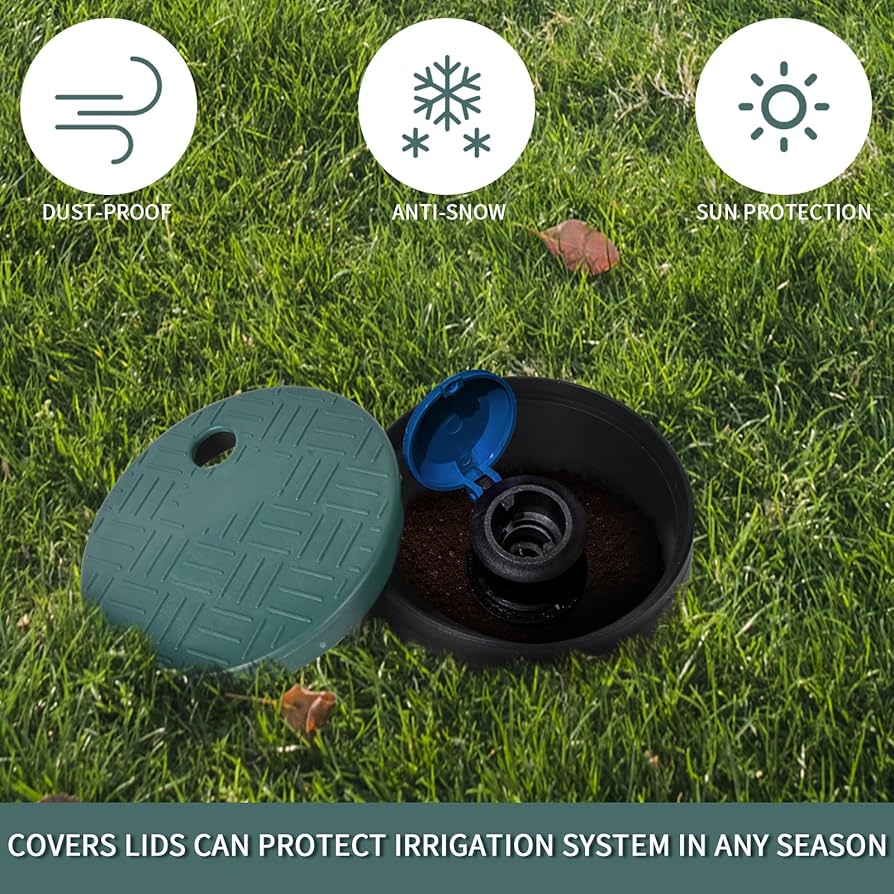
A stock image related to covers for irrigation valves.
In-depth Look: Manufacturing Processes and Quality Assurance for covers for irrigation valves
What Are the Key Stages in Manufacturing Covers for Irrigation Valves?
The manufacturing process for covers designed for irrigation valves typically involves several critical stages: material preparation, forming, assembly, and finishing. Each stage is crucial to ensure that the final product meets the necessary durability and aesthetic standards.
Material Preparation: The process begins with selecting appropriate materials, which can range from high-density polyethylene (HDPE) to rotomolded resin. These materials are chosen for their resistance to environmental factors such as UV radiation and temperature fluctuations. In this phase, raw materials are inspected for quality and consistency, and any necessary pre-processing, such as cutting or shredding, is conducted to prepare them for forming.
Forming Techniques: Various forming techniques are employed depending on the material used. For instance, injection molding is common for plastics, allowing for the creation of precise shapes and sizes. In contrast, rotomolding is often used for resin materials, providing a strong, lightweight cover with a hollow interior that can accommodate plumbing equipment. These techniques ensure that the covers not only fit securely over the valves but also withstand external pressures and impacts.
Assembly: Once the individual components are formed, they are assembled. This may involve attaching lids to boxes or integrating locking mechanisms for added security. Automated assembly lines may be used for efficiency, especially in high-volume production settings. Manual assembly might be necessary for more complex designs or smaller production runs, ensuring attention to detail.
Finishing Processes: The final stage involves finishing processes that enhance the aesthetic and functional qualities of the covers. This can include surface treatments such as painting or applying UV inhibitors to prevent fading. Additional features like texture or color matching can be applied to blend the covers seamlessly into the landscape. Quality checks are conducted at this stage to ensure that all finishing meets the required specifications.
How Is Quality Assurance Implemented in the Manufacturing of Irrigation Valve Covers?
Quality assurance (QA) is critical in the manufacturing of irrigation valve covers, ensuring that the products meet international and industry-specific standards. Effective QA encompasses various checkpoints throughout the manufacturing process.
International Standards Compliance: Many manufacturers adhere to international standards such as ISO 9001, which outlines criteria for quality management systems. Compliance with ISO standards indicates that a company has established a robust quality management system, ensuring consistent product quality and continuous improvement. Additionally, industry-specific certifications like CE (Conformité Européenne) and API (American Petroleum Institute) may be relevant depending on the application of the valve covers.
Quality Control Checkpoints: Throughout the manufacturing process, several quality control checkpoints are established:
– Incoming Quality Control (IQC): Raw materials are inspected upon arrival to ensure they meet specified standards before production begins. This includes checking for material composition and defects.
– In-Process Quality Control (IPQC): During the manufacturing process, random samples may be taken to ensure that production parameters remain within specified limits. This step helps identify any deviations early in the process, allowing for immediate corrective actions.
– Final Quality Control (FQC): After the manufacturing process, finished products undergo comprehensive testing and inspections. This includes dimensional checks, functional testing (e.g., ensuring lids fit securely), and aesthetic evaluations.Common Testing Methods for Quality Assurance: Various testing methods are employed to ensure that the covers meet performance criteria. These may include:
– Mechanical Testing: Assessing the strength and durability of materials under stress.
– Environmental Testing: Evaluating how materials perform under different temperature and humidity conditions.
– Aesthetic Testing: Checking for color consistency and surface defects.
How Can B2B Buyers Verify Supplier Quality Control Processes?
For B2B buyers, particularly those operating in international markets such as Africa, South America, the Middle East, and Europe, verifying a supplier’s quality control processes is essential to ensure product reliability.
Supplier Audits: Conducting on-site audits of potential suppliers allows buyers to assess their manufacturing processes, quality control measures, and adherence to international standards. During audits, buyers can evaluate the effectiveness of IQC, IPQC, and FQC processes firsthand.
Quality Assurance Reports: Requesting detailed quality assurance reports from suppliers can provide insights into their compliance with industry standards. These reports should outline testing results, certifications, and any corrective actions taken in response to quality issues.
Third-Party Inspections: Engaging third-party inspection services can offer an unbiased evaluation of the supplier’s quality processes. These inspections may occur at various stages of production, providing assurance that the products meet the specified requirements.
What Are the Unique Quality Control Considerations for International B2B Buyers?
International buyers face unique challenges when it comes to quality control. Understanding regional regulations and standards is crucial to ensure compliance and product acceptance in local markets.
Regional Standards and Certifications: Different regions may have specific regulations governing the materials and manufacturing processes for irrigation equipment. For example, CE marking is essential for products sold in the European market, while other regions might prioritize different certifications. Buyers must be familiar with these requirements to ensure compliance.
Cultural and Market Differences: Buyers should consider cultural factors that may influence quality expectations. For instance, preferences for aesthetics or functionality might vary significantly between markets in Africa and Europe. Understanding these differences can guide the selection of suppliers who can meet localized needs.
Logistical Considerations: The logistics of international shipping can impact product quality. Buyers should ensure that suppliers implement proper packaging and handling processes to prevent damage during transit. This includes using moisture-resistant materials and securing products to minimize movement.
In conclusion, a comprehensive understanding of the manufacturing processes and quality assurance measures for irrigation valve covers is crucial for B2B buyers. By focusing on material selection, manufacturing techniques, and stringent quality control, buyers can ensure they source reliable products that meet their specific needs.
Practical Sourcing Guide: A Step-by-Step Checklist for ‘covers for irrigation valves’
Introduction
In the competitive landscape of irrigation solutions, sourcing the right covers for irrigation valves is essential for ensuring durability, functionality, and aesthetic appeal. This guide provides a structured checklist for B2B buyers, focusing on key considerations and actionable steps to facilitate informed purchasing decisions.
Step 1: Define Your Technical Specifications
Establishing clear technical specifications is the foundation of your procurement process. Consider factors such as the size, shape (round or rectangular), and materials (plastic, resin) of the valve covers. Specifications should also include any requirements for UV resistance, weight capacity, and compatibility with existing irrigation systems.
- Shape and Size: Ensure the cover fits the specific valve type and installation environment.
- Material Selection: Choose materials that can withstand local weather conditions, especially in regions prone to extreme temperatures or moisture.
Step 2: Research Supplier Options
Conduct thorough research to identify potential suppliers who specialize in irrigation valve covers. Look for suppliers with a proven track record in your target regions—Africa, South America, the Middle East, and Europe.
- Supplier Reputation: Check online reviews, testimonials, and case studies to gauge supplier reliability and product quality.
- Market Reach: Ensure the supplier can deliver to your location and has experience working with businesses in your industry.
Step 3: Evaluate Product Features
When assessing different valve covers, focus on their features to ensure they meet your operational needs. Look for covers that offer functionality such as locking mechanisms, weather resistance, and design aesthetics.
- Locking Mechanisms: Consider bolt-down or locking covers to prevent unauthorized access.
- Weather Resistance: Check for features like UV inhibitors and waterproof designs to enhance longevity.
Step 4: Request Samples for Testing
Before making a bulk purchase, request samples of the valve covers to evaluate their quality and fit. Testing samples can help identify any potential issues early in the procurement process.
- Fit and Functionality: Ensure the samples fit your valves correctly and perform as expected under operational conditions.
- Durability Testing: Assess the material strength and resistance to environmental factors.
Step 5: Verify Supplier Certifications
Confirm that your chosen suppliers hold relevant certifications and adhere to industry standards. Certifications can indicate quality assurance and compliance with safety regulations.
- Quality Standards: Look for certifications such as ISO or equivalent, which reflect a commitment to quality manufacturing.
- Environmental Compliance: Ensure the supplier meets local environmental regulations, especially if you are sourcing in regions with strict guidelines.
Step 6: Negotiate Pricing and Terms
Once you have identified a suitable supplier, engage in negotiations to secure favorable pricing and terms. Discuss bulk order discounts, payment terms, and delivery timelines to align with your budget and project requirements.
- Bulk Purchase Discounts: Inquire about pricing structures for large orders to optimize your budget.
- Flexible Payment Terms: Aim for terms that allow for cash flow management while securing your order.
Step 7: Establish a Communication Plan
Finally, set up a clear communication plan with your supplier for the duration of the procurement process. Regular updates can help address any concerns and ensure timely delivery.
- Point of Contact: Designate a specific representative from both sides for streamlined communication.
- Progress Updates: Schedule regular check-ins to monitor order status and resolve any issues promptly.
By following this checklist, B2B buyers can enhance their sourcing process for irrigation valve covers, ensuring that they make informed decisions that align with their operational needs and budget constraints.
Comprehensive Cost and Pricing Analysis for covers for irrigation valves Sourcing
What Are the Key Cost Components for Covers for Irrigation Valves?
When evaluating the cost structure for covers for irrigation valves, several components contribute to the overall price. These include:
Materials: The choice of materials significantly impacts pricing. Common options include high-density polyethylene (HDPE), polypropylene, and rotomolded resins, each varying in durability and cost. For instance, covers made from UV-resistant materials may command a premium due to their longevity and performance in harsh environments.
Labor: The labor cost is influenced by the manufacturing location and local wage standards. In regions with higher labor costs, such as parts of Europe, buyers may see increased prices. Conversely, sourcing from countries with lower labor costs can result in savings.
Manufacturing Overhead: This includes utilities, equipment maintenance, and administrative costs incurred during production. Efficient manufacturing processes can reduce overhead, allowing suppliers to offer more competitive pricing.
Tooling: Initial setup costs for molds and tooling can be significant, particularly for custom designs. Buyers should consider these costs in their negotiations, especially if they are ordering specialized or custom covers.
Quality Control (QC): Rigorous QC processes ensure that products meet specifications and performance standards. While this adds to the cost, it can reduce long-term expenses associated with replacements or repairs.
Logistics: Shipping and handling costs vary based on the supplier’s location, shipping methods, and the destination. Incoterms (International Commercial Terms) play a crucial role in determining who bears these costs, affecting the final price.
Margin: Suppliers will include a profit margin, which can vary based on market competition and demand. Understanding the market landscape can help buyers negotiate better terms.
How Do Price Influencers Affect the Cost of Irrigation Valve Covers?
Several factors influence the pricing of irrigation valve covers that international B2B buyers should consider:
Volume and Minimum Order Quantity (MOQ): Larger orders often lead to bulk discounts, allowing buyers to achieve lower per-unit costs. Understanding the supplier’s MOQ can help in planning purchases effectively.
Specifications and Customization: Customized covers or those with specific features (like locking mechanisms or color options) can incur additional costs. Buyers should weigh the benefits of customization against the potential price increase.
Materials and Quality Certifications: High-quality materials and certifications (such as ISO or ASTM standards) can elevate costs but may offer better performance and reliability. Buyers should assess the Total Cost of Ownership (TCO) when considering these factors.
Supplier Factors: The reputation and reliability of suppliers can influence pricing. Established suppliers may charge more due to their proven track record, while newer entrants might offer lower prices to gain market share.
What Buyer Tips Can Help in Sourcing Cost-Effective Irrigation Valve Covers?
For international B2B buyers, especially those in Africa, South America, the Middle East, and Europe, the following tips can enhance sourcing strategies:
Negotiate Terms: Leverage volume purchases and long-term relationships to negotiate better pricing and terms. Suppliers may be willing to offer discounts or flexible payment terms for committed buyers.
Evaluate Total Cost of Ownership: Consider not just the purchase price but also maintenance, durability, and potential replacement costs. Investing in higher-quality covers may yield savings over time.
Understand Pricing Nuances: Different regions may have varied pricing structures based on local market conditions, tariffs, and shipping costs. It’s essential to conduct thorough market research before making purchasing decisions.
Leverage Incoterms: Familiarize yourself with Incoterms to clarify shipping responsibilities and costs. This knowledge can help avoid unexpected expenses and streamline the procurement process.
Request Samples: Before committing to large orders, request samples to assess quality and fit. This approach can prevent costly mistakes and ensure that the products meet your specifications.
In conclusion, understanding the cost structure and pricing influencers for covers for irrigation valves is crucial for B2B buyers. By considering these factors and employing strategic sourcing techniques, buyers can optimize their procurement processes and achieve cost-effective solutions.
Alternatives Analysis: Comparing covers for irrigation valves With Other Solutions
Understanding Alternatives to Covers for Irrigation Valves
In the realm of irrigation systems, selecting the right protection for valves is crucial for ensuring efficient water management and system longevity. While covers for irrigation valves are a popular choice, several alternative solutions exist that can offer different advantages depending on specific needs. This section will explore these alternatives to help B2B buyers make informed decisions.
| Comparison Aspect | Covers For Irrigation Valves | Rock Box Sprinkler Valve Covers | Valve Boxes with Locking Mechanism |
|---|---|---|---|
| Performance | Protects valves from debris and weather | Aesthetically pleasing, hides equipment | Secure access, prevents unauthorized use |
| Cost | $5 – $60 per unit | $57.29 per unit | $30 – $150 per unit |
| Ease of Implementation | Simple to install | Lightweight, easy to place | Requires tools for installation |
| Maintenance | Minimal; clean occasionally | Moderate; may require repositioning | Low; generally durable |
| Best Use Case | Residential gardens | Landscaped areas needing aesthetics | Commercial applications needing security |
What are Rock Box Sprinkler Valve Covers and Their Benefits?
Rock Box Sprinkler Valve Covers offer a unique solution that blends functionality with aesthetics. Made from rotomolded resin, they provide a realistic appearance resembling granite or sandstone, making them ideal for landscaped environments. While they effectively conceal irrigation equipment and protect against environmental elements, they come at a higher price point and may require more frequent adjustments to ensure they remain securely in place. Their lightweight design facilitates easy installation, but users must be cautious about securing them against wind or other disturbances.
How Do Valve Boxes with Locking Mechanisms Enhance Security?
Valve boxes equipped with locking mechanisms are particularly beneficial for commercial settings where security is a priority. They provide robust protection for irrigation valves, ensuring that only authorized personnel have access. The construction of these boxes is typically heavier-duty, suitable for high-traffic areas. However, the installation process may be more complex, requiring tools and possibly professional assistance. The cost can also be higher, but the trade-off is a significant enhancement in security and durability, making them a wise investment for businesses.
Conclusion: How Can B2B Buyers Choose the Right Solution for Their Needs?
When evaluating solutions for protecting irrigation valves, B2B buyers should consider the specific requirements of their projects. If aesthetics and ease of installation are paramount, Rock Box Sprinkler Valve Covers may be the best choice. On the other hand, for applications where security is critical, opting for valve boxes with locking mechanisms is advisable. Ultimately, the decision should reflect the balance between performance, cost, and the unique operational context of the buyer’s irrigation system. By carefully assessing these factors, buyers can select the most suitable solution to enhance their irrigation management systems effectively.
Essential Technical Properties and Trade Terminology for covers for irrigation valves
When sourcing covers for irrigation valves, understanding the essential technical properties and trade terminology is crucial for making informed purchasing decisions. This guide provides a comprehensive overview of key specifications and common jargon relevant to B2B buyers in international markets.
What Are the Critical Technical Properties of Covers for Irrigation Valves?
Material Grade
The material used for valve covers is a primary consideration. Common materials include high-density polyethylene (HDPE), polypropylene, and rotomolded resin. Each material offers different durability, UV resistance, and thermal stability. For example, HDPE is known for its strength and resistance to environmental stress, making it suitable for outdoor applications. Understanding material specifications ensures buyers choose covers that withstand local climate conditions.Size and Shape Tolerance
Covers come in various sizes and shapes, typically round or rectangular, with diameters ranging from 6 to 25 inches. Tolerance refers to the allowable variation in size, which is critical for ensuring a proper fit over the valve assembly. Correct sizing prevents leaks and protects the internal components of the irrigation system. Buyers should ensure that the dimensions meet the specifications of their existing systems to avoid compatibility issues.Load Rating
The load rating indicates how much weight the cover can withstand without deforming or breaking. This specification is particularly important for areas with vehicular traffic or heavy landscaping equipment. Covers are often categorized into light-duty, medium-duty, and heavy-duty ratings. Selecting the appropriate load rating helps prevent costly replacements and system failures.Seal Type
The seal type used in valve covers determines their ability to keep out debris, water, and other contaminants. Options include overlapping lids, bolt-down covers, and gaskets. A good seal is essential for maintaining the integrity of the irrigation system, as it prevents blockages and ensures efficient operation. Buyers should assess their specific environmental conditions to select the most effective seal type.UV Resistance
UV resistance measures a material’s ability to withstand degradation from sun exposure. Covers with high UV resistance are essential in regions with intense sunlight, as they prolong the lifespan of the product and maintain aesthetic appeal. Buyers should inquire about UV inhibitors incorporated into the cover material, especially in markets with extreme weather conditions.
What Common Trade Terms Should Buyers Know?
OEM (Original Equipment Manufacturer)
OEM refers to companies that manufacture products that are sold under another brand’s name. For buyers, understanding OEM relationships can help ensure that they are sourcing high-quality products that meet industry standards, as these manufacturers typically adhere to strict quality control processes.MOQ (Minimum Order Quantity)
MOQ indicates the smallest number of units a supplier is willing to sell. This term is critical for buyers to understand their purchasing requirements and budget constraints. Knowing the MOQ can help in negotiating better terms or exploring alternative suppliers if the quantity exceeds their needs.RFQ (Request for Quotation)
An RFQ is a formal process where buyers request pricing and terms from suppliers for specific products. This is an essential step in procurement, allowing buyers to compare offers and select the best value. Crafting a clear RFQ can lead to more accurate responses from suppliers.Incoterms (International Commercial Terms)
Incoterms define the responsibilities of buyers and sellers regarding shipping, risk, and insurance during international trade. Familiarity with these terms helps buyers understand their obligations and costs, ensuring smoother transactions. Common terms include FOB (Free on Board) and CIF (Cost, Insurance, and Freight).Lead Time
Lead time refers to the time taken from placing an order to receiving the product. Understanding lead times is essential for project planning and inventory management, particularly in agricultural settings where timely access to irrigation components can impact crop yields.
By grasping these critical technical properties and trade terms, B2B buyers can make more informed decisions, ultimately enhancing the effectiveness of their irrigation systems and ensuring reliable supply chain management.
Navigating Market Dynamics and Sourcing Trends in the covers for irrigation valves Sector
What Are the Key Market Dynamics and Trends Influencing the Covers for Irrigation Valves Sector?
The covers for irrigation valves sector is witnessing significant growth driven by an increasing demand for efficient water management solutions, particularly in regions facing water scarcity such as Africa, South America, and the Middle East. Global initiatives aimed at sustainable agriculture and water conservation are also propelling market expansion. International B2B buyers are increasingly looking for reliable suppliers who can offer innovative products that enhance irrigation efficiency and protect essential components from environmental damage.
Emerging trends in technology and sourcing include the adoption of smart irrigation systems that integrate IoT technology, allowing for real-time monitoring and management of water resources. This shift towards automation is prompting manufacturers to develop covers that are not only durable but also compatible with advanced irrigation systems. Additionally, there is a growing preference for products that provide aesthetic solutions, such as rock-shaped covers that blend seamlessly into landscaped environments, appealing to buyers who prioritize both functionality and design.
As the market evolves, buyers must be aware of fluctuating raw material prices and supply chain challenges that can affect product availability and costs. Establishing strong relationships with suppliers and leveraging regional partnerships can help mitigate these risks and ensure consistent access to high-quality irrigation valve covers.
How Important Is Sustainability and Ethical Sourcing in the Covers for Irrigation Valves Sector?
Sustainability is becoming a crucial consideration for B2B buyers in the covers for irrigation valves sector. The environmental impact of manufacturing processes and materials is under scrutiny, with a growing emphasis on reducing carbon footprints and promoting eco-friendly practices. Buyers are increasingly seeking suppliers who prioritize sustainable production methods and offer products made from recycled or biodegradable materials.
Ethical sourcing is also gaining traction, with businesses looking to ensure that their supply chains are transparent and responsible. This includes verifying that suppliers adhere to fair labor practices and environmentally friendly operations. Certifications such as ISO 14001 for environmental management and other green certifications can enhance a supplier’s credibility and appeal to conscientious buyers.
Incorporating sustainability into procurement strategies not only aligns with global trends but also meets the expectations of consumers who are increasingly favoring companies with strong environmental commitments. For buyers in regions like Europe, where regulatory frameworks around sustainability are tightening, sourcing from eco-conscious suppliers is not just beneficial but often necessary.
What Is the Historical Context Behind the Development of Covers for Irrigation Valves?
The covers for irrigation valves have evolved significantly over the decades, reflecting advancements in irrigation technology and changing environmental needs. Initially, these covers were predominantly functional, designed simply to protect valves from debris and weather conditions. However, as the agricultural industry has become more sophisticated, so too has the design and functionality of these covers.
In the late 20th century, the introduction of more durable materials such as high-density polyethylene (HDPE) and rotomolded resins marked a turning point, leading to longer-lasting and weather-resistant products. By the 21st century, the focus shifted towards aesthetic appeal, with manufacturers creating designs that mimic natural elements, thereby addressing landscaping concerns while maintaining functionality.
This historical evolution illustrates how the covers for irrigation valves sector has adapted to meet the needs of modern agriculture, emphasizing the importance of both performance and environmental integration. B2B buyers today can benefit from this rich history by sourcing products that combine durability with innovative design solutions, ensuring both efficiency and aesthetic value in their irrigation systems.
Frequently Asked Questions (FAQs) for B2B Buyers of covers for irrigation valves
How do I choose the right cover for irrigation valves?
Selecting the appropriate cover for irrigation valves involves considering several factors, including size, shape, and material. Measure the dimensions of the valve assembly to ensure a proper fit, and choose between round or rectangular designs based on your specific setup. Material matters too; opt for UV-resistant and weatherproof options for longevity, especially in harsh climates. Additionally, consider aesthetic aspects if the cover will be visible, as some suppliers offer decorative designs that blend with landscaping.What types of materials are used for irrigation valve covers?
Irrigation valve covers are typically made from materials like plastic, resin, and metal. Plastic covers are lightweight, durable, and resistant to UV damage, making them suitable for various environments. Resin options often mimic natural stone for aesthetic appeal and are also resistant to fading and warping. Metal covers provide robust protection but may be heavier and less visually appealing. Assess your specific needs—such as durability, weight, and appearance—when selecting a material.What are the benefits of customizing irrigation valve covers?
Customizing irrigation valve covers allows businesses to tailor products to specific operational needs and branding requirements. Custom sizes ensure a precise fit, enhancing functionality and protection. Additionally, options for branding or color matching can improve visibility and aesthetic integration with existing landscaping. Customization may also allow for specific features such as locking mechanisms for added security, which can be crucial for protecting expensive irrigation systems.What are the typical minimum order quantities (MOQs) for irrigation valve covers?
Minimum order quantities (MOQs) for irrigation valve covers can vary significantly by supplier and product type. Generally, MOQs may range from 50 to 500 units, depending on the material and customization options. Larger orders often qualify for discounts, which can enhance cost-effectiveness. When sourcing from international suppliers, it’s essential to confirm MOQs upfront to align with your procurement strategy and ensure sufficient inventory levels for your projects.What payment terms should I expect when sourcing internationally?
Payment terms for international purchases of irrigation valve covers typically include options like advance payment, letters of credit, or payment upon delivery. Common practices involve a 30% deposit upfront with the balance due prior to shipment. It’s crucial to negotiate favorable terms to manage cash flow effectively. Be aware of the payment methods accepted by your supplier, as international transactions may require specific platforms or currencies.How can I ensure quality assurance (QA) for my irrigation valve cover orders?
To ensure quality assurance for irrigation valve covers, establish clear specifications and standards with your supplier before production begins. Request samples to evaluate material quality and fit. Additionally, consider implementing third-party inspections at various production stages to verify compliance with your specifications. Many suppliers provide documentation of quality standards, so inquire about certifications like ISO or similar relevant quality frameworks.What logistics considerations should I keep in mind when importing valve covers?
When importing irrigation valve covers, consider shipping methods, delivery times, and customs regulations that may impact costs and timelines. Choose between air freight for speed or sea freight for cost-effectiveness, depending on your urgency and budget. Ensure that you understand the import duties and taxes applicable in your country. Collaborating with a reliable freight forwarder can help navigate these complexities and streamline the logistics process.How do I vet suppliers for irrigation valve covers?
Vetting suppliers for irrigation valve covers requires thorough research and due diligence. Start by checking their industry reputation through online reviews and testimonials. Request references from previous clients to assess their reliability. It’s also beneficial to visit manufacturing facilities if possible or request virtual tours. Ensure the supplier adheres to quality standards and has the capability to meet your specific needs in terms of customization, lead times, and customer service.
Important Disclaimer & Terms of Use
⚠️ Important Disclaimer
The information provided in this guide, including content regarding manufacturers, technical specifications, and market analysis, is for informational and educational purposes only. It does not constitute professional procurement advice, financial advice, or legal advice.
While we have made every effort to ensure the accuracy and timeliness of the information, we are not responsible for any errors, omissions, or outdated information. Market conditions, company details, and technical standards are subject to change.
B2B buyers must conduct their own independent and thorough due diligence before making any purchasing decisions. This includes contacting suppliers directly, verifying certifications, requesting samples, and seeking professional consultation. The risk of relying on any information in this guide is borne solely by the reader.
Top 5 Covers For Irrigation Valves Manufacturers & Suppliers List
1. Big Frog Supply – Valve Boxes & Covers
Domain: bigfrogsupply.com
Registered: 2014 (11 years)
Introduction: This company, Big Frog Supply – Valve Boxes & Covers, is a notable entity in the market. For specific product details, it is recommended to visit their website directly.
2. Orbit – Rock Box Sprinkler Valve Covers
Domain: orbitonline.com
Registered: 1999 (26 years)
Introduction: {‘name’: ‘Rock Box Sprinkler Valve Covers’, ‘part_number’: ‘53016’, ‘options’: [{‘type’: ‘Granite Resin Rock Box Sprinkler Valve Cover’, ‘price’: 57.29}, {‘type’: ‘Sandstone Resin Rock Box Sprinkler Valve Cover’, ‘price’: 68.79}], ‘description’: ‘The rock valve cover is designed to provide an aesthetically pleasing cover for anti-siphon valves, backflow prevention devices, pumps, well casings, and…
3. Pinterest – Outdoor Covering Ideas
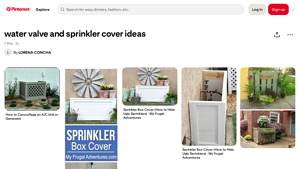
Domain: pinterest.com
Registered: 2009 (16 years)
Introduction: water valve and sprinkler cover ideas, camouflage for A/C units or generators, sprinkler box cover ideas, irrigation valve cover ideas, decorative sprinkler valve covers, hide ugly pipes and wires, outdoor projects, backyard projects, DIY ideas for covering sprinkler boxes and valves.
4. NDS – Valve Box Lids
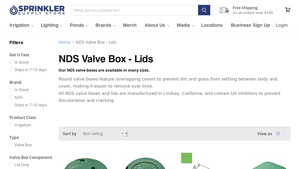
Domain: sprinklersupplystore.com
Registered: 2010 (15 years)
Introduction: NDS Valve Box – Lids available in various sizes. Features include overlapping covers to prevent dirt and grass from settling, making removal easier. Manufactured in Lindsay, California with UV inhibitors to prevent discoloration and cracking. Specific products include: 1. NDS – 111C – STD 10 in. Round Overlapping Lid, Green – Original Price: $17.01, Current Price: $12.76, In Stock: 69. 2. NDS – 10…
5. Rain Bird – PVB10RND 10 in. Round Valve Box
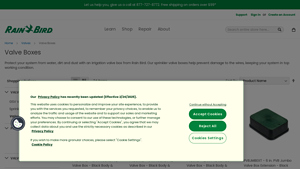
Domain: store.rainbird.com
Registered: 1995 (30 years)
Introduction: Rain Bird offers a variety of sprinkler valve boxes designed to protect irrigation systems from water, dirt, and dust. Key products include:
1. PVB10RND – 10 in. Round PVB Valve Box – Black Body & Overlapping Green Lid – Special Price: $17.08 (List Price: $22.77)
2. PVB6RND – 6 in. Round PVB Valve Box – Black Body & Overlapping Green Lid – Special Price: $5.00 (List Price: $6.67)
3. PVBJMB – 12…
Strategic Sourcing Conclusion and Outlook for covers for irrigation valves
What Are the Key Takeaways for Sourcing Covers for Irrigation Valves?
In conclusion, effective strategic sourcing of covers for irrigation valves is essential for optimizing irrigation systems across various regions, including Africa, South America, the Middle East, and Europe. Buyers should prioritize high-quality materials that offer durability and resistance to environmental factors, such as UV exposure and mechanical stress. Additionally, understanding the variety of shapes, sizes, and features—such as bolt-down options and overlapping lids—enables businesses to select products that best meet their operational needs.
How Can International Buyers Enhance Their Procurement Strategy?
The value of strategic sourcing lies in its ability to reduce costs, improve supply chain efficiency, and ensure reliable access to essential components. By forging partnerships with reputable suppliers and leveraging bulk purchasing agreements, buyers can enhance their procurement processes while securing competitive pricing.
What is the Future Outlook for Covers in Irrigation Systems?
Looking ahead, the demand for aesthetically pleasing yet functional valve covers, such as those mimicking natural rock formations, is expected to grow. This trend presents an opportunity for international buyers to innovate and expand their product offerings. Engage with suppliers now to explore how the latest advancements can enhance your irrigation projects, ensuring sustainability and efficiency for the future.
 English (United States)
  Spanish (Spain)
  Portuguese (Portugal)
  French
  German
  Italian
  Arabic
  Dutch
Dutch  English (UK)
  Bulgarian
  Chinese (China)
  Chinese (Hong Kong)
  Czech
Czech  Danish
  Greek
Greek  Finnish
  Spanish (Mexico)
  Estonian
  Hebrew
  Hungarian
  Indonesian
  Japanese
  Korean
  Latvian
  Lithuanian
  Norwegian
  Polish
  Portuguese (Brazil)
  Romanian
  Russian
  Slovenian
  Slovak
  Swedish
  Turkish
  Ukrainian
  Vietnamese