
Introduction: Navigating the Global Market for backflow valve irrigation
In the global landscape of irrigation systems, ensuring the integrity of potable water is paramount, and sourcing the right backflow valve irrigation solutions can be a daunting task for international B2B buyers. As the demand for reliable and compliant irrigation systems grows, particularly in regions such as Africa, South America, the Middle East, and Europe, understanding the nuances of backflow prevention becomes critical. This guide provides a comprehensive overview of backflow valve irrigation, covering essential topics such as the various types of backflow preventers, their applications, and the importance of supplier vetting.
By delving into the specifics of Pressure Vacuum Breakers, Double Check Assemblies, and Reduced Pressure Zone Assemblies, this resource equips buyers with the knowledge needed to make informed decisions tailored to their unique irrigation requirements. Additionally, we explore the cost implications, regulatory considerations, and best practices for maintenance and installation.
With an authoritative and solution-oriented tone, this guide empowers B2B buyers to navigate the complexities of sourcing backflow prevention devices effectively. It is designed to enhance understanding and drive confidence in purchasing decisions, ultimately ensuring the safety and efficiency of irrigation systems across diverse markets, including emerging economies like Vietnam and Brazil.
Understanding backflow valve irrigation Types and Variations
| Type Name | Key Distinguishing Features | Primary B2B Applications | Brief Pros & Cons for Buyers |
|---|---|---|---|
| Pressure Vacuum Breaker (PVB) | Prevents backflow through a pressure differential; freeze-resistant models available | Residential and commercial irrigation systems | Pros: Cost-effective, easy to install. Cons: Requires periodic maintenance to ensure functionality. |
| Double Check Assembly (DCA) | Two independent check valves; suitable for low hazard applications | Industrial irrigation, fire protection systems | Pros: Reliable for low-risk applications. Cons: Not suitable for high hazard environments. |
| Reduced Pressure Zone Assembly (RPZ) | Provides maximum protection against backflow; incorporates a pressure relief valve | Fertilizer and chemical application systems | Pros: Allows for use of fertilizers, high safety standards. Cons: Higher initial cost and installation complexity. |
| Atmospheric Vacuum Breaker (AVB) | Allows air into the system to prevent back siphonage; simple design | Small irrigation systems, residential gardens | Pros: Low cost, straightforward installation. Cons: Limited to low-pressure systems, not permitted in all areas. |
What are the Characteristics of Pressure Vacuum Breakers (PVB)?
Pressure Vacuum Breakers (PVB) are essential devices for preventing backflow in irrigation systems, particularly in residential and commercial settings. They function by maintaining a specific pressure differential that prevents contaminated water from flowing back into the potable water supply. PVBs are available in freeze-resistant designs, making them suitable for regions with cold climates. When purchasing, buyers should consider the installation requirements and maintenance schedules, as these devices need regular checks to ensure they are functioning correctly.
How Do Double Check Assemblies (DCA) Work?
Double Check Assemblies (DCA) consist of two independent check valves that work together to prevent backflow. They are primarily used in low hazard applications, making them ideal for industrial irrigation and fire protection systems. The simplicity of their design allows for straightforward installation and maintenance. However, businesses should ensure that the application does not involve high-risk contaminants, as DCAs are not designed for such environments. Understanding local regulations regarding backflow prevention is crucial when selecting this type.
What Makes Reduced Pressure Zone Assemblies (RPZ) Ideal for Fertilizer Use?
Reduced Pressure Zone Assemblies (RPZ) offer the highest level of protection against backflow, incorporating a pressure relief valve that discharges water if pressure drops. This feature makes them particularly suitable for systems that utilize fertilizers and chemicals, as they ensure contaminants do not enter the potable water supply. While RPZs provide superior safety, buyers must be prepared for a higher initial investment and more complex installation processes. It’s also essential to consider ongoing maintenance to keep the system functioning optimally.
Why Choose Atmospheric Vacuum Breakers (AVB) for Small Systems?
Atmospheric Vacuum Breakers (AVB) are designed to prevent back siphonage by allowing air into the system. Their simple design and low cost make them an attractive option for small irrigation systems and residential gardens. However, AVBs have limitations; they are only suitable for low-pressure applications and may not be permitted in certain jurisdictions. Buyers should assess the specific requirements of their irrigation systems and local regulations to determine if AVBs are an appropriate choice for their needs.
Key Industrial Applications of backflow valve irrigation
| Industry/Sector | Specific Application of Backflow Valve Irrigation | Value/Benefit for the Business | Key Sourcing Considerations for this Application |
|---|---|---|---|
| 农业 | Preventing contamination in irrigation systems for crop production | Ensures safe water supply, enhancing crop yield and quality | Compliance with local agricultural regulations, durability in harsh conditions |
| Landscaping and Nurseries | Protecting potable water in landscaping irrigation systems | Maintains water quality, crucial for plant health | Compatibility with various irrigation systems, ease of installation and maintenance |
| Industrial Manufacturing | Safeguarding water in cooling systems and process water | Reduces risk of contamination, ensuring product quality | Compliance with industry standards, reliability under high pressure |
| Municipal Water Systems | Ensuring clean water supply in public irrigation systems | Protects public health by preventing backflow | Adherence to municipal regulations, robust construction for longevity |
| Golf Courses and Sports Facilities | Maintaining water quality in turf irrigation systems | Enhances the playing surface while ensuring safety | Adaptability to different irrigation methods, efficiency in water management |
How is Backflow Valve Irrigation Used in Agriculture?
In the agriculture sector, backflow valve irrigation is essential for preventing contamination of irrigation water, which can carry harmful substances such as fertilizers and pesticides. By installing backflow preventers, farmers ensure that only clean water reaches their crops, significantly enhancing crop yield and quality. Buyers in this sector need to consider local agricultural regulations regarding water safety and the durability of devices that can withstand harsh environmental conditions, especially in regions like Africa and South America.
What Role Do Backflow Valves Play in Landscaping and Nurseries?
For landscaping and nurseries, backflow valves are crucial in protecting potable water supplies used for irrigation. These systems prevent contaminants from entering clean water lines, ensuring that plants receive high-quality water essential for their growth. Buyers must focus on compatibility with various irrigation systems and look for devices that are easy to install and maintain, particularly in regions with diverse landscaping needs like Europe and the Middle East.
How Do Industrial Manufacturing Facilities Benefit from Backflow Prevention?
In industrial manufacturing, backflow valve irrigation is vital for safeguarding water used in cooling systems and other processes. These valves prevent the risk of contamination that could compromise product quality, thus protecting the integrity of the manufacturing process. Buyers should prioritize compliance with industry standards and the reliability of devices under high-pressure conditions, especially for manufacturers in regions with stringent regulations such as Europe.
Why Are Backflow Valves Important for Municipal Water Systems?
Municipal water systems rely on backflow prevention to maintain a clean water supply in public irrigation systems. This is crucial for protecting public health, as any backflow could introduce contaminants into the drinking water supply. When sourcing for these applications, municipalities must ensure adherence to local regulations and invest in robust construction materials that guarantee longevity, particularly in areas with varying climatic conditions.
How Do Golf Courses and Sports Facilities Use Backflow Prevention?
Golf courses and sports facilities utilize backflow valve irrigation to maintain water quality in turf irrigation systems. This ensures that the playing surfaces remain safe and healthy for athletes while enhancing the overall aesthetic of the facility. Buyers in this sector should consider devices that are adaptable to different irrigation methods and prioritize efficiency in water management to optimize resource use, especially in regions facing water scarcity challenges like parts of Africa and the Middle East.
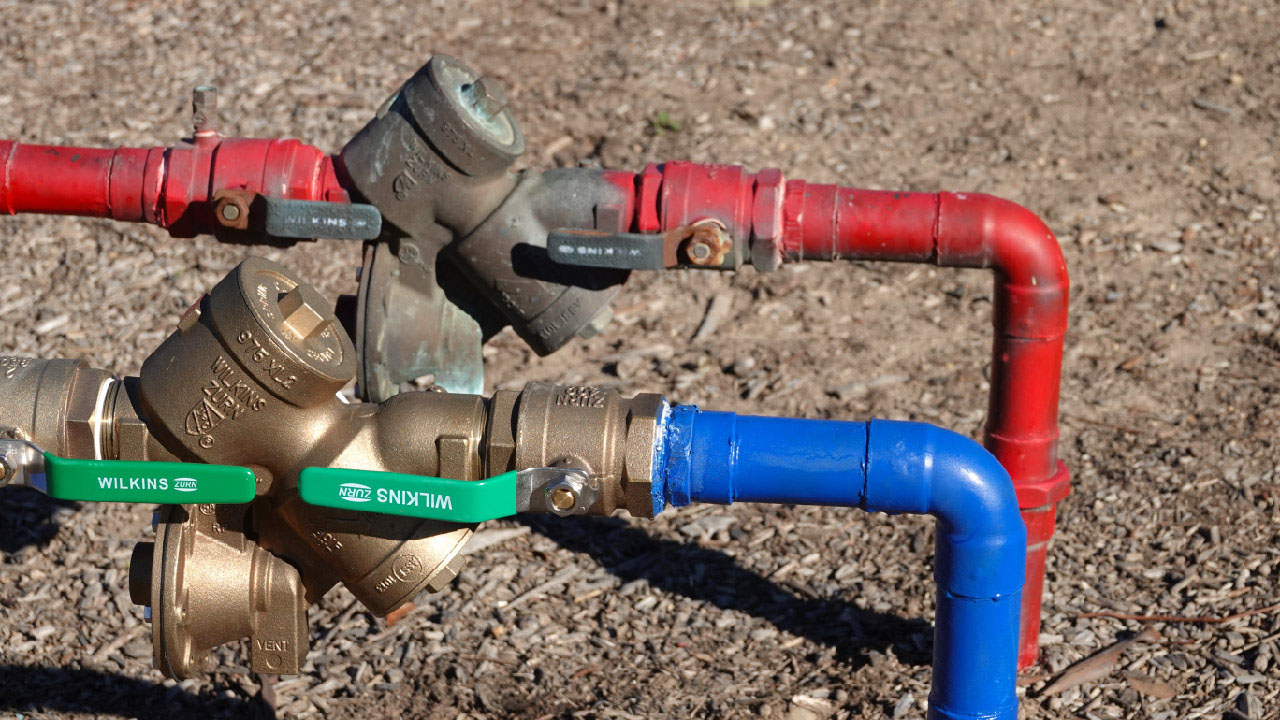
A stock image related to backflow valve irrigation.
3 Common User Pain Points for ‘backflow valve irrigation’ & Their Solutions
Scenario 1: Ensuring Compliance with Local Regulations on Backflow Prevention
The Problem: B2B buyers often face confusion regarding local regulations governing backflow prevention devices. In many regions, including parts of Africa and Europe, specific laws dictate the type of backflow preventers that must be installed in irrigation systems. Buyers may struggle to identify which devices comply with local codes, leading to potential fines, project delays, or the need for costly re-installations if non-compliant devices are purchased.
The Solution: To overcome compliance challenges, buyers should conduct thorough research into local regulations before making purchases. Engaging with local authorities or industry associations can provide clarity on the required specifications. Additionally, sourcing backflow preventers from reputable suppliers who are familiar with regional compliance can ensure that devices meet all necessary standards. Buyers can also consider investing in consultation services from irrigation experts who can guide them through the selection process and help with installation to ensure adherence to local laws.
Scenario 2: Managing Water Quality Risks in Agricultural Irrigation
The Problem: In agricultural settings, there is a significant risk of contaminants entering the water supply through backflow, especially when fertilizers or pesticides are used in irrigation systems. This poses a severe threat not only to crop health but also to the surrounding ecosystem and public water supplies. B2B buyers in agriculture may find it challenging to select the right backflow prevention devices that adequately protect against such risks, especially when dealing with diverse crop types and irrigation methods.
The Solution: B2B buyers should evaluate the specific needs of their irrigation systems based on the crops being grown and the types of chemicals used. Implementing a tiered approach to backflow prevention can be effective; for instance, using Reduced Pressure Zone (RPZ) assemblies where fertilizers are applied. It is crucial to work with suppliers who offer a variety of backflow prevention options tailored to agricultural needs. Additionally, regular maintenance and testing of backflow devices can ensure they function correctly, safeguarding water quality effectively. Investing in training for staff on proper usage and maintenance of these devices can also mitigate risks.
Scenario 3: Overcoming Technical Difficulties During Installation and Maintenance
The Problem: Many B2B buyers encounter technical challenges when installing and maintaining backflow prevention devices. Issues such as improper installation, lack of understanding of specific product features, and failure to perform regular maintenance can lead to system malfunctions. These challenges not only disrupt irrigation operations but can also lead to costly repairs and potential contamination issues.
The Solution: Buyers should prioritize training and education for their installation teams regarding the specific backflow devices being used. This can include manufacturer-provided resources, online training modules, or hiring experienced consultants to oversee the installation process. Additionally, creating a maintenance schedule based on the manufacturer’s recommendations can help ensure that devices are regularly checked and serviced. Utilizing smart technology for monitoring backflow devices can also streamline maintenance efforts, as these systems can alert users to potential issues before they escalate. By investing in training and adopting proactive maintenance practices, buyers can significantly reduce installation and operational challenges.
Strategic Material Selection Guide for backflow valve irrigation
What Are the Key Properties of Common Materials Used in Backflow Valve Irrigation?
When selecting materials for backflow valves in irrigation systems, it’s essential to consider properties such as temperature and pressure ratings, as well as corrosion resistance. The materials commonly used include bronze, PVC, stainless steel, and polymer composites. Each material has unique characteristics that influence performance, durability, and suitability for specific applications.
How Does Bronze Perform in Backflow Valve Applications?
Bronze is a traditional choice for backflow valves due to its excellent corrosion resistance, particularly in water applications. It can withstand high temperatures and pressures, making it suitable for various irrigation systems. Bronze valves typically have a temperature rating of up to 180°F (82°C) and can handle pressures of 175 psi or more.
Pros: Bronze is highly durable and resistant to corrosion, which extends the lifespan of the valve. Its robust construction allows it to handle harsh conditions, making it ideal for outdoor applications.
Cons: The primary drawback of bronze is its cost, which tends to be higher than plastic alternatives. Additionally, bronze can be heavier, which may complicate installation.
Impact on Application: Bronze is compatible with potable water and can handle various media, including those with low pH levels, making it a versatile choice for irrigation systems.
Considerations for International Buyers: Compliance with standards such as ASTM B62 for bronze fittings is crucial. Buyers from regions like Africa and South America should also consider local regulations regarding material use in potable water systems.
What Are the Advantages of PVC in Backflow Valve Systems?
PVC (Polyvinyl Chloride) is a lightweight, cost-effective material often used in irrigation systems. It offers good chemical resistance and is suitable for low-pressure applications, typically rated up to 150 psi.
Pros: PVC is inexpensive and easy to install, making it a popular choice for budget-conscious projects. Its lightweight nature simplifies transportation and installation.
Cons: However, PVC has limitations in high-temperature applications, with a maximum temperature rating of around 140°F (60°C). It is also less durable than metal options, particularly in environments with extreme weather conditions.
Impact on Application: PVC is best suited for non-potable water applications, as it may not meet all regulations for potable water systems.
Considerations for International Buyers: Buyers should ensure compliance with local standards like ASTM D1784 for PVC pipes. In regions with high UV exposure, additional protective measures may be necessary.
How Does Stainless Steel Compare in Backflow Valve Applications?
Stainless steel is increasingly used in backflow prevention due to its superior strength and resistance to corrosion. It is rated for high temperatures (up to 400°F or 204°C) and can withstand high pressures, making it suitable for various irrigation applications.
Pros: The durability of stainless steel means it can last longer in harsh environments, reducing the need for frequent replacements. It is also aesthetically pleasing, making it suitable for visible installations.
Cons: The primary disadvantage is the cost, which is significantly higher than both PVC and bronze. Stainless steel can also be heavier, complicating installation.
Impact on Application: Stainless steel is compatible with both potable and non-potable water, making it versatile for various irrigation systems.
Considerations for International Buyers: Compliance with standards such as ASTM A312 for stainless steel pipes is essential. Buyers should also consider local corrosion factors, as stainless steel may require specific grades for optimal performance in saline environments.
What Role Do Polymer Composites Play in Backflow Valve Systems?
Polymer composites are emerging as a viable alternative for backflow valves. These materials offer excellent chemical resistance and can be designed to meet specific application needs.
Pros: Polymer composites are lightweight and can be molded into complex shapes, providing design flexibility. They also resist corrosion and are often less expensive than metal options.
Cons: However, they may not withstand high temperatures or pressures as effectively as metals. Their long-term durability in outdoor applications is also less established.
Impact on Application: Polymer composites are suitable for non-potable applications and can handle a variety of chemicals, making them ideal for agricultural irrigation systems.
Considerations for International Buyers: Buyers should verify the specific standards applicable to polymer composites in their region, as regulations can vary widely.
Summary Table of Material Selection for Backflow Valve Irrigation
| 材料 | Typical Use Case for backflow valve irrigation | Key Advantage | Key Disadvantage/Limitation | Relative Cost (Low/Med/High) |
|---|---|---|---|---|
| 青铜 | Potable water systems | Excellent corrosion resistance | Higher cost and weight | 高 |
| PVC | Non-potable irrigation systems | Cost-effective and lightweight | Limited temperature and durability | Low |
| 不锈钢 | Potable and non-potable systems | High strength and durability | Higher cost and weight | 高 |
| Polymer Composites | Agricultural irrigation systems | Lightweight and design flexibility | Less established long-term durability | Medium |
This guide provides a comprehensive overview of material selection for backflow valve irrigation systems, helping B2B buyers make informed decisions tailored to their specific needs and regional regulations.
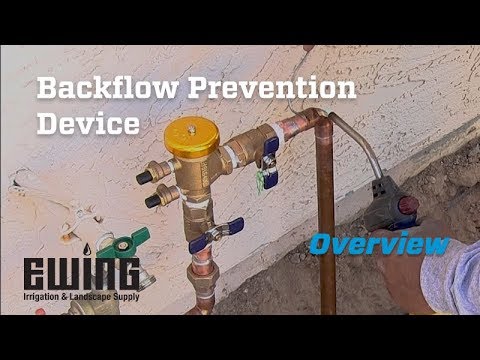
A stock image related to backflow valve irrigation.
In-depth Look: Manufacturing Processes and Quality Assurance for backflow valve irrigation
What Are the Key Stages in the Manufacturing Process of Backflow Valve Irrigation?
The manufacturing of backflow valves for irrigation systems involves a series of critical stages designed to ensure the final product meets stringent quality and performance standards. The main stages include material preparation, forming, assembly, and finishing.
Material Preparation
The first step in the manufacturing process is the selection and preparation of materials. Common materials for backflow valves include bronze, brass, and various plastics, chosen for their durability and resistance to corrosion. Suppliers typically conduct a thorough inspection of raw materials to ensure they meet industry specifications. This may involve chemical composition analysis and mechanical testing to confirm the materials’ suitability for high-pressure applications.
Forming Techniques
Once the materials are prepared, the forming process begins. Techniques such as casting, machining, and injection molding are commonly employed. In casting, molten metal is poured into molds to create the valve body, while machining involves cutting and shaping solid materials to precise specifications. Injection molding is often used for plastic components, allowing for complex shapes and designs. Each technique requires specialized equipment and skilled labor to achieve the necessary tolerances and finishes.
Assembly Processes
After forming, the various components are assembled. This stage often involves the use of automated machinery for precision and efficiency. Assembly workers may also perform manual tasks, such as the installation of seals and springs, to ensure that each valve functions correctly. During assembly, manufacturers typically implement checks to verify that components are compatible and meet design specifications.
Finishing Touches
The final stage involves finishing processes such as coating, polishing, and testing. Coatings may be applied to enhance corrosion resistance and durability. Polishing ensures a smooth surface finish, which is critical for preventing leaks. Manufacturers conduct rigorous testing during this stage, often simulating operating conditions to ensure that valves can withstand pressure and temperature variations.
How Is Quality Assurance Integrated into Backflow Valve Manufacturing?
Quality assurance (QA) is a critical component of the manufacturing process for backflow valves, ensuring that each product meets international standards and customer expectations. Various industry-specific standards, such as ISO 9001, CE marking, and API specifications, guide these QA processes.
Understanding International Standards
ISO 9001 is a widely recognized quality management standard that outlines requirements for a quality management system (QMS). Compliance with ISO 9001 signifies that a manufacturer has established processes for consistent quality and continual improvement. In addition to ISO standards, CE marking indicates compliance with European health, safety, and environmental protection standards, making it essential for companies looking to enter the European market. API standards, particularly relevant in oil and gas applications, provide additional specifications for pressure and flow control.
Quality Control Checkpoints
The quality assurance process typically includes several critical checkpoints:
Incoming Quality Control (IQC): This stage involves inspecting raw materials upon delivery. It ensures that materials meet the required specifications before they enter the production process.
In-Process Quality Control (IPQC): During manufacturing, various checkpoints are established to monitor processes. This may include dimensional checks, pressure testing, and visual inspections to detect any deviations from quality standards.
Final Quality Control (FQC): After assembly and finishing, each backflow valve undergoes comprehensive testing. This includes pressure tests, leak tests, and functional tests to ensure the valve operates correctly under expected conditions.
What Testing Methods Are Commonly Used in Quality Assurance for Backflow Valves?
Testing methods are crucial for verifying the performance and reliability of backflow valves. Common testing techniques include:
Hydrostatic Testing: This method involves filling the valve with water and pressurizing it to check for leaks. It simulates real-world conditions and helps to identify any weaknesses in the valve structure.
Functional Testing: This test verifies that the valve opens and closes properly and that all components function as intended. It may include simulating backflow conditions to ensure the valve effectively prevents contamination.
Material Testing: Manufacturers may conduct additional tests on the materials used, including tensile strength tests, corrosion resistance tests, and fatigue testing, to ensure they can withstand the operational demands.
How Can B2B Buyers Verify Supplier Quality Control Processes?
For international B2B buyers, especially those in regions like Africa, South America, the Middle East, and Europe, verifying a supplier’s quality control processes is essential. Here are some strategies:
Supplier Audits: Conducting audits allows buyers to assess a supplier’s manufacturing processes and quality control measures firsthand. This can include reviewing documentation, observing production, and interviewing staff.
Quality Reports: Requesting quality assurance reports can provide insights into a supplier’s testing results, compliance with standards, and any corrective actions taken in response to quality issues.
Third-Party Inspections: Engaging third-party inspection agencies can offer an unbiased evaluation of a supplier’s quality control processes and product compliance. This is particularly important for buyers who may not have the resources to conduct thorough inspections themselves.
What Are the Quality Control Nuances for International B2B Buyers?
B2B buyers in different regions may face unique challenges regarding quality control. For instance:
Regulatory Variations: Different countries may have varying regulations regarding backflow prevention devices. Buyers should familiarize themselves with local laws to ensure compliance.
Cultural Differences: Understanding cultural approaches to quality and manufacturing can help buyers navigate supplier relationships more effectively. This includes recognizing the importance of quality assurance in different markets.
Logistical Considerations: Shipping and customs regulations can impact product delivery timelines and quality. Buyers should work closely with suppliers to ensure that quality is maintained throughout the logistics process.
In conclusion, understanding the manufacturing processes and quality assurance measures for backflow valves is essential for B2B buyers. By focusing on these aspects, buyers can ensure they source high-quality products that meet their operational needs and regulatory requirements.
Practical Sourcing Guide: A Step-by-Step Checklist for ‘backflow valve irrigation’
In the realm of irrigation systems, ensuring the integrity of your water supply is paramount. Backflow prevention devices play a critical role in safeguarding potable water from contamination due to reverse flow. This guide provides a step-by-step checklist for B2B buyers looking to procure backflow valve irrigation systems, ensuring that you make informed decisions that comply with local regulations and meet your operational needs.
Step 1: Define Your Technical Specifications
Clearly outline your requirements for backflow prevention. This includes understanding the type of irrigation system you are using (e.g., drip, sprinkler) and the specific backflow preventer needed—such as Pressure Vacuum Breakers (PVB), Reduced Pressure Zone Assemblies (RPZ), or Double Check Assemblies (DCA). This initial step is crucial as it directly influences the performance and compliance of your system.
Step 2: Research Local Regulations
Familiarize yourself with local and regional regulations regarding backflow prevention. Many areas have strict codes that dictate the types of backflow preventers that can be installed, especially in agricultural or commercial applications. Understanding these regulations will help you avoid costly fines and ensure that your system is compliant with safety standards.
Step 3: Evaluate Potential Suppliers
Thoroughly vet suppliers before making a commitment. Request company profiles, product catalogs, and case studies to assess their experience and credibility in the industry. Look for suppliers with a proven track record of supplying high-quality backflow devices and check references from other businesses in your region or sector.
- Check for certifications: Ensure that the suppliers’ products are certified to meet relevant standards, such as those established by the American Society of Sanitary Engineering (ASSE) or other recognized bodies.
Step 4: Request Samples and Demonstrations
Where possible, request samples or demonstrations of the backflow devices. This allows you to evaluate the quality and functionality of the products firsthand. Pay attention to the materials used, ease of installation, and any additional features that may enhance performance or longevity.
Step 5: Compare Pricing and Warranty Options
Conduct a thorough price comparison among shortlisted suppliers. While it’s essential to consider the upfront cost, don’t overlook the importance of warranty and after-sales support. A higher initial investment might be justified by longer warranties and better customer service, which can save you money in the long run.
Step 6: Assess After-Sales Support and Maintenance
Evaluate the level of after-sales support offered by the supplier. Reliable suppliers should provide comprehensive maintenance services and support for their products. This includes access to replacement parts and assistance with repairs, which are vital for minimizing downtime in your irrigation system.
Step 7: Finalize Your Purchase Agreement
Ensure that the purchase agreement clearly outlines all terms and conditions. This should include payment terms, delivery timelines, and any guarantees regarding the performance of the backflow preventers. A well-defined contract helps mitigate risks and sets clear expectations for both parties.
By following this checklist, B2B buyers can confidently navigate the procurement of backflow valve irrigation systems, ensuring compliance, quality, and reliability in their operations.
Comprehensive Cost and Pricing Analysis for backflow valve irrigation Sourcing
What Are the Key Cost Components in Backflow Valve Irrigation Sourcing?
When evaluating the costs associated with sourcing backflow valves for irrigation systems, several key components must be considered. Materials form the foundation of the cost structure, with quality brass, bronze, and stainless steel typically being the preferred choices due to their durability and resistance to corrosion. The labor cost includes the expertise required for assembly, installation, and maintenance of these devices, which can vary significantly based on geographic location.
Manufacturing overhead encompasses the indirect costs associated with production, such as utilities, rent, and administrative expenses. Additionally, tooling costs—the expenses related to molds and fixtures necessary for producing specific valve designs—can impact pricing, especially for custom orders. Quality Control (QC) measures are essential to ensure that the valves meet safety standards, and these costs can add up depending on the level of inspection required.
Logistics also plays a critical role in the total cost, particularly for international buyers. Shipping fees, customs duties, and local transportation costs can considerably affect the final price of backflow valves.
How Do Price Influencers Affect Backflow Valve Costs?
Several factors influence the pricing of backflow valves in the irrigation sector. Volume and Minimum Order Quantities (MOQ) are significant; larger orders often lead to reduced per-unit costs due to economies of scale. Buyers should be aware that specifications and customization can lead to higher prices. Custom designs may require additional tooling and longer lead times, which can escalate costs.
"(《世界人权宣言》) quality and certifications of the backflow valves are also crucial considerations. Products with higher certifications or those compliant with international standards, such as ISO or ASSE, may command a premium price due to the assurance of quality and reliability they provide.
Supplier factors, including reputation and reliability, can influence costs as well. Established suppliers may charge more but often provide better support and warranties. Lastly, Incoterms affect pricing by determining who bears the costs and risks associated with shipping; understanding these terms can help buyers negotiate better terms.
What Buyer Tips Can Enhance Cost-Efficiency in Backflow Valve Procurement?
When sourcing backflow valves, B2B buyers can employ several strategies to enhance cost-efficiency. Negotiation is key; being informed about market prices and competitor offerings can empower buyers to secure better deals. Additionally, understanding the Total Cost of Ownership (TCO) is essential. This includes not just the initial purchase price but also maintenance, repair, and operational costs over the product’s lifespan.
For international B2B buyers, particularly from regions like Africa, South America, the Middle East, and Europe, pricing nuances such as local tariffs, currency fluctuations, and shipping challenges should be carefully considered. It’s advisable to work with local representatives or brokers who understand the regional market dynamics and can offer valuable insights into sourcing strategies.
Lastly, buyers should request indicative pricing from multiple suppliers to compare options effectively. While prices can vary widely based on the factors discussed, having a clear understanding of the market will help in making informed purchasing decisions.
Disclaimer on Indicative Prices
It is important to note that pricing for backflow valves can fluctuate based on market conditions, availability, and specific order requirements. Therefore, it is advisable for buyers to conduct thorough research and obtain updated quotes from suppliers to ensure accurate budgeting and planning.
Alternatives Analysis: Comparing backflow valve irrigation With Other Solutions
In the irrigation sector, ensuring the safety and quality of water supply is paramount, particularly in agricultural settings where contamination can have dire consequences. While backflow valve irrigation is a proven method for preventing water backflow and contamination, there are alternative solutions worth considering. This analysis compares backflow valve irrigation with two viable alternatives: air gap systems and chemical treatment methods.
Comparison Table
| Comparison Aspect | Backflow Valve Irrigation | Air Gap Systems | Chemical Treatment Methods |
|---|---|---|---|
| Performance | Highly effective in preventing backflow; suitable for various irrigation setups. | Extremely effective in preventing contamination; relies on physical separation. | Can eliminate contaminants but may require specific conditions to be effective. |
| 费用 | Moderate initial investment; ongoing maintenance costs. | Generally low cost; minimal maintenance required. | Potentially high ongoing costs due to chemicals and application frequency. |
| Ease of Implementation | Requires professional installation; must comply with local regulations. | Simple to implement with no special training needed. | Requires trained personnel for safe handling and application. |
| 维护 | Regular inspections needed to ensure functionality; parts may need replacement. | Minimal maintenance; mainly involves periodic checks. | Ongoing monitoring and application of chemicals required. |
| Best Use Case | Ideal for complex irrigation systems with a risk of contamination. | Suitable for residential or low-risk environments. | Effective in areas with known contamination issues but may not be suitable for all applications. |
Detailed Breakdown of Alternatives
What are Air Gap Systems and How Do They Compare?
Air gap systems create a physical barrier between the water supply and potential contaminants. This method is highly effective in preventing backflow, as it relies on gravity and physical separation rather than mechanical devices. The primary advantage of air gap systems is their simplicity and low cost; however, they may not be practical for all irrigation scenarios, especially those that require consistent water pressure or complex layouts. Maintenance is minimal, involving only regular checks to ensure the air gap is intact, making it a low-effort solution for many users.
What are Chemical Treatment Methods and How Do They Compare?
Chemical treatment methods involve the use of disinfectants or biocides to eliminate contaminants in the water supply. These methods can be highly effective in specific situations, such as when water quality is compromised due to chemical runoff. However, they come with higher ongoing costs associated with purchasing chemicals and regular application. Additionally, they require trained personnel to handle chemicals safely, which can complicate implementation. Chemical treatments are best suited for environments with known contamination issues but may not be appropriate for all irrigation applications due to potential adverse effects on plant life and soil health.
How Can B2B Buyers Choose the Right Solution?
When selecting the most appropriate water safety solution for irrigation, B2B buyers should consider several factors, including the specific needs of their agricultural or landscaping operations, local regulations, and budget constraints. Backflow valve irrigation offers robust protection against contamination, making it suitable for complex systems. In contrast, air gap systems may be more appropriate for simpler setups with lower risk. Chemical treatment methods might be necessary for environments where contamination is a significant concern but should be approached with caution due to their costs and potential environmental impact. Ultimately, the right choice will depend on a careful assessment of each option’s advantages and limitations in relation to the buyer’s specific operational context.
Essential Technical Properties and Trade Terminology for backflow valve irrigation
What Are the Essential Technical Properties of Backflow Valve Irrigation?
In the realm of backflow valve irrigation, understanding the critical technical specifications is vital for making informed purchasing decisions. Here are some essential properties to consider:
Material Grade
The material used in backflow preventers typically includes bronze, brass, or high-grade plastic. Bronze is preferred for its durability and resistance to corrosion, which is particularly important in regions with varying climates. B2B buyers should prioritize materials that can withstand local environmental conditions, ensuring longevity and reliability.压力等级
Backflow preventers are designed to operate under specific pressure conditions, commonly rated in psi (pounds per square inch). A standard pressure rating for residential applications might be around 150 psi, while commercial systems may require devices rated up to 300 psi. Selecting a backflow valve with an appropriate pressure rating is crucial to prevent system failures and protect water quality.Flow Rate
Flow rate specifications, measured in gallons per minute (GPM), indicate how much water can pass through the valve without causing backflow. For irrigation systems, this is particularly important as it affects the efficiency of water distribution. B2B buyers should match flow rates to their system requirements to maintain optimal performance.Backflow Prevention Type
Understanding the type of backflow prevention mechanism is essential. Common types include Pressure Vacuum Breakers (PVB), Double Check Assemblies (DCA), and Reduced Pressure Zone Assemblies (RPZ). Each type serves different applications and has specific installation requirements. Buyers should assess their unique irrigation needs to choose the right type for their systems.Certification Standards
Backflow preventers should comply with local and international standards, such as ASSE (American Society of Sanitary Engineering) or ANSI (American National Standards Institute) certifications. Compliance ensures that the device meets safety and performance benchmarks, which is crucial for regulatory adherence and consumer trust.Testing and Maintenance Requirements
Regular testing is often mandated by law to ensure that backflow preventers are functioning correctly. Buyers should be aware of the maintenance requirements for the devices they purchase, including the need for annual testing and potential repair parts. This knowledge can help in budgeting and planning for ongoing operational costs.
What Are Common Trade Terms Used in Backflow Valve Irrigation?
Familiarity with industry jargon is essential for effective communication and negotiation in the B2B marketplace. Here are some common terms:
OEM (Original Equipment Manufacturer)
This term refers to companies that produce parts and equipment that may be marketed by another manufacturer. Understanding OEM relationships can help buyers identify reliable suppliers and ensure they are sourcing quality components for their irrigation systems.MOQ (Minimum Order Quantity)
MOQ indicates the smallest quantity of a product that a supplier is willing to sell. This term is critical for B2B buyers when budgeting for purchases and managing inventory levels. Knowing the MOQ can influence ordering strategies and cash flow management.RFQ (Request for Quotation)
An RFQ is a document sent to suppliers requesting pricing and terms for specific products. For backflow valves, submitting an RFQ can help buyers compare options and negotiate better deals, ensuring they get the best value for their investment.Incoterms (International Commercial Terms)
These are a series of predefined commercial terms published by the International Chamber of Commerce (ICC) that define the responsibilities of buyers and sellers. Understanding Incoterms is essential for international transactions, as they clarify shipping responsibilities, risks, and costs, impacting overall pricing and delivery timelines.Lead Time
Lead time refers to the amount of time it takes from placing an order to receiving the product. For backflow valves, understanding lead times can help buyers plan their projects more effectively, ensuring that irrigation systems are installed on schedule without unnecessary delays.Warranty
A warranty is a guarantee provided by the manufacturer regarding the quality and lifespan of a product. In the context of backflow preventers, a robust warranty can indicate the manufacturer’s confidence in their product and protect buyers against defects or failures, providing peace of mind in their investment.
By grasping these technical properties and trade terms, B2B buyers can make informed decisions that enhance the efficiency and safety of their irrigation systems.
Navigating Market Dynamics and Sourcing Trends in the backflow valve irrigation Sector
What Are the Current Market Dynamics and Key Trends in Backflow Valve Irrigation?
The global backflow valve irrigation market is experiencing significant growth driven by an increasing awareness of water quality and safety. Regulatory compliance is a major factor, as various regions enforce stringent laws on backflow prevention to protect potable water supplies. International B2B buyers, particularly in Africa, South America, the Middle East, and Europe, are adapting to these regulations by investing in high-quality backflow prevention devices. Innovations in technology, such as automated monitoring systems and IoT-enabled devices, are also shaping the landscape, allowing for real-time assessments of irrigation systems and backflow prevention mechanisms.
Emerging trends include a shift towards multi-functional devices that not only prevent backflow but also optimize water pressure and flow rates. This dual functionality helps in reducing water wastage and improving overall system efficiency, appealing to environmentally conscious buyers. Furthermore, the demand for robust, durable materials that withstand harsh climates is rising, particularly in developing regions where infrastructure may be less stable. Additionally, suppliers are increasingly offering flexible sourcing options, including direct-from-manufacturer procurement, which enhances supply chain efficiency and reduces costs.
How Is Sustainability Influencing B2B Sourcing in the Backflow Valve Irrigation Sector?
Sustainability is becoming a cornerstone of B2B sourcing strategies in the backflow valve irrigation sector. Buyers are increasingly aware of the environmental impact of their procurement choices, leading to a demand for ethically sourced materials and products. Companies are prioritizing suppliers that adhere to sustainable practices, such as using recycled materials or employing energy-efficient manufacturing processes. Certifications like ISO 14001 for environmental management systems are becoming critical indicators of a supplier’s commitment to sustainability.
In addition, the adoption of “green” technologies in backflow prevention devices, such as those designed to minimize water waste and reduce energy consumption, is gaining traction. Buyers are looking for products that not only meet regulatory standards but also align with their corporate social responsibility goals. This trend is particularly pronounced in regions facing water scarcity, where sustainable water management practices are essential for long-term viability. As a result, suppliers that demonstrate transparency in their supply chains and a commitment to environmental stewardship are likely to gain a competitive advantage.
What Is the Historical Context of Backflow Valve Irrigation in B2B Markets?
The backflow valve irrigation sector has evolved significantly over the past few decades. Initially, backflow prevention was primarily focused on residential applications, but as urbanization and industrial activities increased, so did the complexity of water management systems. The introduction of regulatory frameworks in the late 20th century underscored the importance of backflow prevention in protecting public health, leading to the development of more sophisticated devices tailored for various applications, including agricultural irrigation.
Over time, advancements in materials science and engineering have enabled manufacturers to produce more reliable and durable backflow prevention devices. The rise of smart irrigation technologies has further transformed the landscape, integrating backflow prevention systems with automated controls and data analytics. This evolution reflects a growing recognition of the critical role that backflow preventers play in sustainable water management, particularly in regions where water resources are under significant stress. As the sector continues to adapt to technological innovations and regulatory changes, it remains essential for international B2B buyers to stay informed about market dynamics and sourcing trends.
Frequently Asked Questions (FAQs) for B2B Buyers of backflow valve irrigation
How do I choose the right backflow preventer for my irrigation system?
Selecting the appropriate backflow preventer involves understanding your specific irrigation system’s requirements and local regulations. Assess the type of irrigation (e.g., drip or sprinkler) and the potential contaminants in your water source. Generally, Pressure Vacuum Breakers (PVB) are suitable for most systems, while Reduced Pressure Zone Assemblies (RPZ) are ideal for installations where fertilizers are used. Research your local laws, as some regions may have specific requirements for backflow preventer types.What are the common types of backflow preventers used in irrigation?
The primary types of backflow preventers include Pressure Vacuum Breakers (PVB), Double Check Assemblies (DCA), Reduced Pressure Zone Assemblies (RPZ), and Atmospheric Vacuum Breakers (AVB). PVBs are commonly used for residential systems, while RPZs provide additional protection for systems using chemicals. Each type has its advantages, so it’s crucial to select one based on your irrigation needs and compliance with local regulations.What factors should I consider when vetting suppliers of backflow valves?
When vetting suppliers, consider their reputation, product quality, and experience in the industry. Look for certifications, customer reviews, and case studies that demonstrate their reliability. Additionally, inquire about their manufacturing processes, warranty terms, and after-sales support. Establishing clear communication and understanding their logistics capabilities can also help ensure a smooth purchasing process.What are the minimum order quantities (MOQs) for backflow preventers?
MOQs can vary significantly between suppliers and depend on factors such as product type and customization options. Generally, larger suppliers may have higher MOQs, while smaller manufacturers or distributors might offer more flexible terms. It’s essential to discuss your needs with potential suppliers to find a balance between your project requirements and their MOQ policies.What payment terms are typically offered for international purchases of backflow valves?
Payment terms can vary widely based on the supplier’s policies and the nature of the transaction. Common options include upfront payment, partial payment upon order confirmation, and balance payment before shipping. For larger transactions, suppliers might offer letters of credit or payment through escrow services to ensure security for both parties. Always clarify payment terms before finalizing any agreements to avoid misunderstandings.How do I ensure quality assurance (QA) for backflow preventers?
To ensure quality assurance, request certifications and compliance documents from suppliers, such as ISO standards or local regulatory approvals. Conducting a factory audit can provide insights into their manufacturing processes and quality control measures. Additionally, consider ordering samples to evaluate the product quality firsthand before placing larger orders.What logistics considerations should I keep in mind when importing backflow valves?
When importing backflow valves, consider shipping methods, lead times, and customs regulations in your country. Determine whether the supplier can handle logistics or if you need to engage a freight forwarder. Ensure that all necessary import documentation is prepared, including invoices, packing lists, and certificates of origin, to avoid delays at customs.How do I address potential theft or vandalism of backflow devices?
To mitigate the risk of theft or vandalism, consider installing backflow devices in secure, hard-to-reach areas. Employ protective measures such as cages or enclosures specifically designed for backflow preventers. Additionally, using tamper-proof fasteners and alarms can enhance security. Regular inspections and maintenance can also help identify any signs of tampering early on.
Important Disclaimer & Terms of Use
⚠️ Important Disclaimer
The information provided in this guide, including content regarding manufacturers, technical specifications, and market analysis, is for informational and educational purposes only. It does not constitute professional procurement advice, financial advice, or legal advice.
While we have made every effort to ensure the accuracy and timeliness of the information, we are not responsible for any errors, omissions, or outdated information. Market conditions, company details, and technical standards are subject to change.
B2B buyers must conduct their own independent and thorough due diligence before making any purchasing decisions. This includes contacting suppliers directly, verifying certifications, requesting samples, and seeking professional consultation. The risk of relying on any information in this guide is borne solely by the reader.
Top 4 Backflow Valve Irrigation Manufacturers & Suppliers List
1. Conbraco – 4A-505-02(F) – 1 Freeze Resistant Pressure Vacuum Breaker
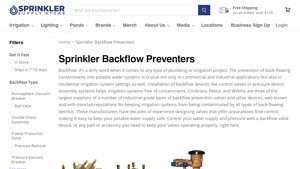
Domain: sprinklersupplystore.com
Registered: 2010 (15 years)
Introduction: [{‘name’: ‘Conbraco – 4A-505-02(F) – 1″ Freeze Resistant Pressure Vacuum Breaker’, ‘size’: ‘1″‘, ‘type’: ‘Pressure Vacuum Breaker Assembly’, ‘material’: ‘Bronze’, ‘original_price’: ‘$275.29’, ‘current_price’: ‘$206.47’, ‘discount’: ‘25%’, ‘stock_status’: ‘In Stock (7)’}, {‘name’: ‘Febco – 825EBVFEB – 825Y 1″ RPZ Backflow Preventer w/Ball Valve’, ‘size’: ‘1″‘, ‘type’: ‘Reduced Pressure Zone Assembl…
2. DripWorks – Backflow Prevention Devices and Valves
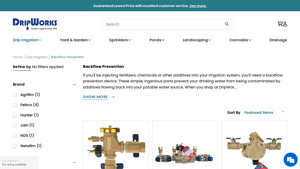
Domain: dripworks.com
Registered: 1998 (27 years)
Introduction: Backflow Prevention Devices and Valves: 1. Febco 765 Backflow Preventor – Price: $184.65 – $208.95 2. Febco 850 Inline Backflow Preventor – Price: $291.65 – $303.95 3. Febco 825Y Backflow Preventer – Price: $565.35 – $595.55 4. Vacuum Breakers – Price: $3.25 – $8.95 5. Check Valves – Price: $16.95 – $34.95 6. Hunter Air/Vacuum Relief Valve ¾ in. MPT – Price: $14.70 7. Air Bleed Valves – Price: $5….
3. Cheap Sprinklers – Irrigation Backflow Prevention Devices
Domain: cheapsprinklers.com
Registered: 2014 (11 years)
Introduction: Irrigation backflow prevention devices protect against back-siphonage and back-pressure of contaminated water to the potable water supply. They are required by law in certain settings, especially where there’s a risk of contamination, such as hospitals, industrial sites, and irrigation systems.
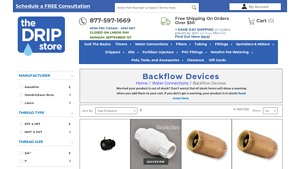
4. Drip Irrigation – A015 Backflow Preventer
Domain: dripirrigation.com
Registered: 1997 (28 years)
Introduction: {“products”:[{“name”:”A015 Backflow Preventer”,”size”:”3/4″ FHT x 3/4″ MHT”,”regular_price”:”$5.25″},{“name”:”PSCV-34-002 3/4″ FPT Spring Check Valve”,”regular_price”:”$11.50″},{“name”:”A315 3/4″ Brass Check Valve, Lead Free”,”regular_price”:”$9.50″},{“name”:”A310 1″ Brass Check Valve, Lead Free”,”regular_price”:”$16.00″}]}
Strategic Sourcing Conclusion and Outlook for backflow valve irrigation
What Are the Key Benefits of Strategic Sourcing for Backflow Valve Irrigation?
In conclusion, strategic sourcing in the realm of backflow valve irrigation is essential for ensuring the integrity of water supply systems across various industries. By investing in high-quality backflow prevention devices, businesses can protect their water resources from contamination, comply with regulatory requirements, and enhance the overall efficiency of their irrigation systems. The diverse range of products—from Pressure Vacuum Breakers (PVB) to Reduced Pressure Zone Assemblies (RPZ)—offers tailored solutions that meet specific operational needs.
How Can International Buyers Leverage Quality Backflow Solutions?
For international B2B buyers, particularly those in Africa, South America, the Middle East, and Europe, sourcing reliable backflow prevention solutions is not just a matter of compliance; it is an investment in sustainability and public health. As global markets evolve, aligning with reputable manufacturers like Conbraco, Febco, and Wilkins can provide the assurance of quality and durability, crucial for long-term operational success.
What’s Next for Businesses in the Backflow Prevention Sector?
Looking ahead, the demand for innovative backflow prevention technologies will only grow. Buyers are encouraged to stay informed about advancements in irrigation technologies and regulatory changes that may affect their sourcing decisions. Embrace the opportunity to enhance your irrigation systems and ensure safe water supply management by prioritizing quality backflow solutions today.
 Chinese (China)
  English (United States)
  Spanish (Spain)
  Portuguese (Portugal)
  French
  German
  Italian
  Arabic
  Dutch
Dutch  English (UK)
  Bulgarian
  Chinese (Hong Kong)
  Czech
Czech  Danish
  Greek
Greek  Finnish
  Spanish (Mexico)
  Estonian
  Hebrew
  Hungarian
  Indonesian
  Japanese
  Korean
  Latvian
  Lithuanian
  Norwegian
  Polish
  Portuguese (Brazil)
  Romanian
  Russian
  Slovenian
  Slovak
  Swedish
  Turkish
  Ukrainian
  Vietnamese