
Introduction: Navigating the Global Market for solar pond irrigation pump
As global agricultural demands rise alongside the need for sustainable practices, sourcing solar pond irrigation pumps has become a pivotal challenge for B2B buyers in regions such as Africa, South America, the Middle East, and Europe. The increasing cost of conventional energy sources makes solar-powered solutions not only a viable alternative but also a necessity for effective irrigation management. This guide offers a thorough exploration of solar pond irrigation pumps, covering various types, applications, and the essential considerations for selecting the right system for your needs.
From understanding the technological advancements that enhance efficiency to navigating the complexities of supplier vetting, this comprehensive resource empowers international B2B buyers to make informed decisions. We delve into critical topics such as cost analysis, installation requirements, and maintenance practices, ensuring you have a holistic view of the market landscape. Whether you’re operating in Brazil’s expansive agricultural sector or addressing water scarcity issues in the Middle East, our guide will equip you with the insights necessary to optimize your irrigation systems.
By the end of this guide, you will be well-prepared to navigate the global market for solar pond irrigation pumps, driving both operational efficiency and sustainability in your business.
Understanding solar pond irrigation pump Types and Variations
| Type Name | Key Distinguishing Features | Primary B2B Applications | Brief Pros & Cons for Buyers |
|---|---|---|---|
| Solar Aerators | Uses solar power to oxygenate water, reducing algae and improving water quality. | Aquaculture, ornamental ponds, agriculture | Pros: Low operational costs, enhances fish health. Cons: Initial setup can be complex. |
| Solar Fountain Pumps | High-volume pumps that create aesthetic water displays while aerating. | Landscaping, public parks, recreational areas | Pros: Improves aesthetics, boosts oxygen levels. Cons: May require regular maintenance. |
| Submersible Solar Pumps | Designed to be submerged in water for effective pumping. | Irrigation systems, livestock watering, drainage | Pros: Efficient for deep water sources, minimal noise. Cons: Limited access for repairs. |
| Surface Solar Pumps | Positioned above the water surface, ideal for shallow ponds. | Agricultural irrigation, garden features | Pros: Easy to install and maintain, cost-effective. Cons: Less effective in deep water. |
| Hybrid Solar Pumps | Combines solar power with battery or grid backup for reliability. | Remote areas, off-grid applications, emergency services | Pros: Versatile, ensures water supply regardless of sunlight. Cons: Higher initial investment. |
What Are Solar Aerators and Their Key Benefits for B2B Buyers?
Solar aerators are essential for maintaining the health of ponds and aquatic ecosystems. They utilize solar energy to infuse oxygen into the water, which helps in breaking down organic matter and controlling algae growth. These pumps are particularly beneficial for aquaculture and ornamental ponds, where maintaining water quality is critical. B2B buyers should consider the initial setup complexity and the need for professional installation, especially in larger systems.
How Do Solar Fountain Pumps Enhance Business Environments?
Solar fountain pumps not only serve functional purposes but also add aesthetic value to commercial spaces such as parks and recreational areas. By creating visually appealing water displays, these pumps can attract visitors and enhance the environment. They also contribute to aeration, improving water quality and supporting local wildlife. However, buyers should be prepared for ongoing maintenance to keep the fountain in optimal condition.
What Are the Advantages of Submersible Solar Pumps?
Submersible solar pumps are designed to operate underwater, making them ideal for deep water sources. They are particularly useful in agricultural settings for irrigation and livestock watering, offering quiet and efficient operation. When considering these pumps, B2B buyers should evaluate accessibility for repairs, as maintenance can be challenging once submerged.
Why Choose Surface Solar Pumps for Shallow Water Applications?
Surface solar pumps are an excellent choice for shallow ponds and water features. They are straightforward to install and maintain, making them a cost-effective solution for agricultural irrigation and garden aesthetics. However, their effectiveness decreases with water depth, so buyers should assess their specific water source conditions before purchasing.
What Makes Hybrid Solar Pumps a Reliable Choice?
Hybrid solar pumps combine solar energy with battery or grid backup, providing a reliable water supply even in low sunlight conditions. This versatility makes them ideal for remote areas and off-grid applications. While they come with a higher initial investment, the long-term benefits of consistent water access can justify the cost for businesses in agriculture or emergency services.
Key Industrial Applications of solar pond irrigation pump
| Industry/Sector | Specific Application of solar pond irrigation pump | Value/Benefit for the Business | Key Sourcing Considerations for this Application |
|---|---|---|---|
| 农业 | Irrigation for Crop Production | Reduces operational costs by utilizing renewable energy | Local solar resource availability and pump capacity |
| Aquaculture | Pond Aeration and Water Quality Management | Enhances fish growth and health by improving oxygen levels | Durability in harsh aquatic environments and maintenance support |
| Landscaping and Parks | Water Features and Aesthetic Enhancements | Attracts visitors and enhances property value | Aesthetic design options and energy efficiency |
| Livestock Management | Water Supply for Livestock | Ensures consistent water supply, reducing dependency on grid power | Sizing for herd size and water demand |
| Hydroponics and Greenhouses | Water Circulation and Nutrient Delivery | Improves plant growth by ensuring optimal nutrient distribution | Compatibility with existing systems and scalability |
How is Solar Pond Irrigation Pump Used in Agriculture?
In the agriculture sector, solar pond irrigation pumps are vital for efficient crop production. These pumps harness solar energy to deliver water from ponds to fields, significantly reducing reliance on conventional power sources. By utilizing solar energy, farmers can lower their operational costs and mitigate the impacts of fluctuating electricity prices. Buyers should consider the local solar resource availability and the pump’s capacity to meet specific irrigation needs, ensuring it can handle varying crop demands throughout the growing season.
What Role Does Solar Pond Irrigation Pump Play in Aquaculture?
Aquaculture relies heavily on maintaining optimal water quality for fish health and growth. Solar pond irrigation pumps are used for aeration, which increases oxygen levels in ponds, thereby reducing the risk of fish kills and promoting a healthier aquatic environment. By implementing these systems, aquaculture businesses can enhance fish production while minimizing energy costs. International buyers should prioritize pumps that are durable and reliable in harsh aquatic environments, as well as those that come with robust maintenance support to ensure longevity.
How Can Landscaping and Parks Benefit from Solar Pond Irrigation Pump?
In landscaping and park management, solar pond irrigation pumps are employed to create water features such as fountains and waterfalls. These installations not only enhance the aesthetic appeal of public spaces but also attract visitors, thereby increasing property value. The use of solar energy for these applications leads to lower operational costs. When sourcing, businesses should focus on aesthetic design options and the energy efficiency of the pumps, ensuring they complement the landscape while being environmentally friendly.
Why is Solar Pond Irrigation Pump Important for Livestock Management?
For livestock management, solar pond irrigation pumps provide a reliable water supply directly from ponds or other water bodies. This ensures that herds have consistent access to water, which is crucial for their health and productivity. By using solar-powered systems, farms can operate independently of the grid, reducing costs and enhancing sustainability. Buyers should consider the sizing of the pump to match their herd size and water demand, as well as the system’s reliability in different weather conditions.
How Does Solar Pond Irrigation Pump Support Hydroponics and Greenhouses?
In hydroponics and greenhouse operations, solar pond irrigation pumps are essential for water circulation and nutrient delivery. These systems ensure that plants receive the necessary water and nutrients efficiently, leading to improved growth rates and yields. By integrating solar technology, businesses can reduce their energy costs while promoting sustainable practices. When sourcing pumps for these applications, buyers should ensure compatibility with existing systems and consider scalability to accommodate future expansions.
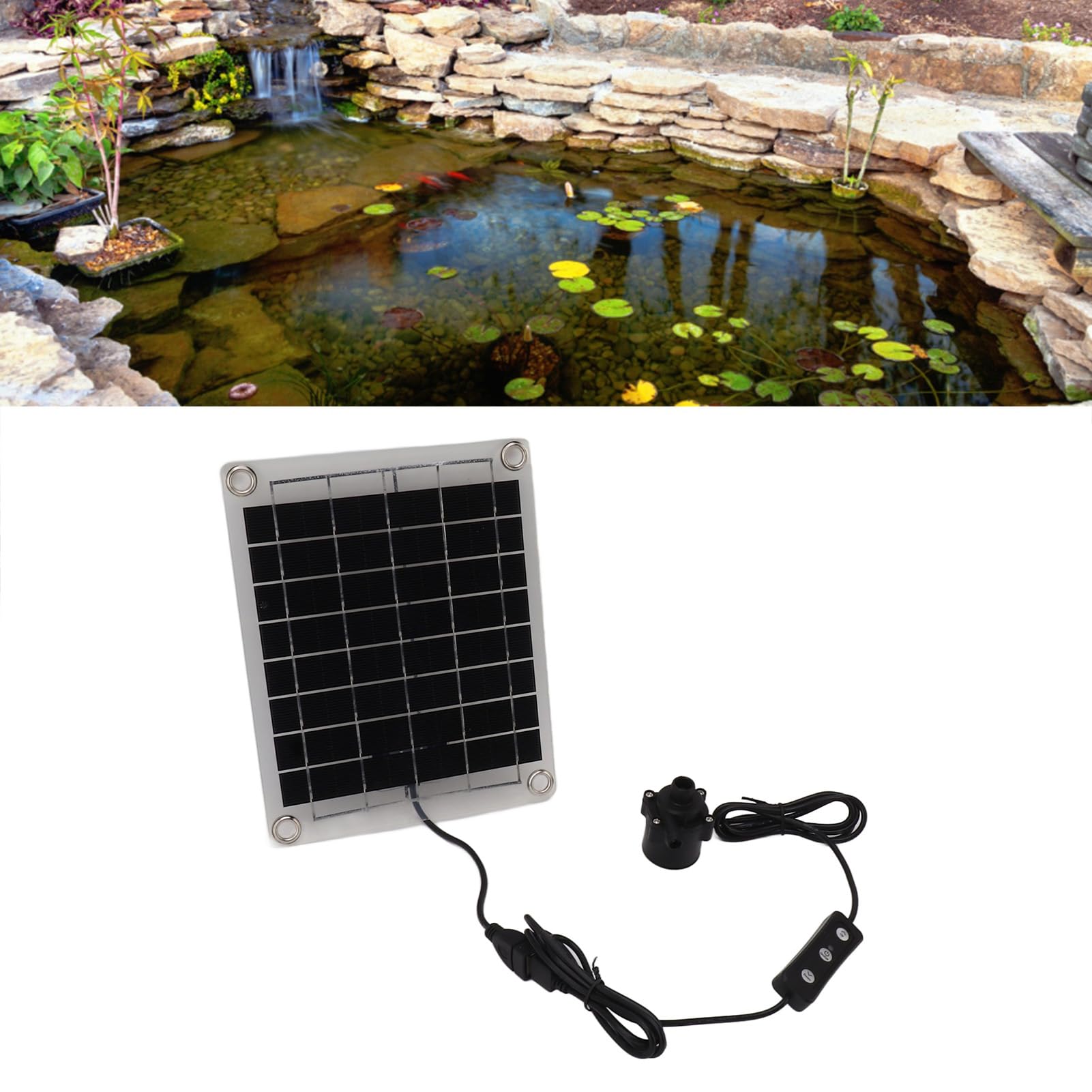
A stock image related to solar pond irrigation pump.
3 Common User Pain Points for ‘solar pond irrigation pump’ & Their Solutions
Scenario 1: Inefficient Water Management Due to Limited Power Supply
The Problem: Many agricultural businesses in regions with unreliable electricity face challenges in maintaining consistent water levels in their ponds for irrigation. When grid power is scarce, traditional electric pumps can become ineffective, leading to potential crop loss and increased operational costs. This scenario is particularly relevant for B2B buyers in areas like Africa and South America, where power outages are frequent and can disrupt the irrigation cycles essential for farming.
The Solution: Transitioning to a solar pond irrigation pump system can effectively mitigate these challenges. To implement this solution, buyers should first assess their water needs and the size of the pond to ensure they select an appropriately sized solar pump. It’s crucial to opt for pumps equipped with brushless motors, as these are more efficient and reliable for long-term use. Additionally, consider solar pumps that offer battery backup options. This way, even during cloudy days or after sunset, the pump can continue to operate, ensuring a consistent water supply. Partnering with a trusted supplier who provides comprehensive support, including system sizing and installation guidance, can further enhance the reliability of the irrigation system.
Scenario 2: Algae Overgrowth and Poor Water Quality
The Problem: B2B buyers managing ponds often encounter issues with algae blooms, which can severely impact water quality and aquatic life. Algae overgrowth not only makes the water visually unappealing but also depletes oxygen levels, harming fish and other organisms. This situation is particularly concerning for businesses involved in aquaculture or those using pond water for irrigation, as it can lead to reduced yields and health problems for livestock.
The Solution: Implementing a solar-powered aeration system can drastically improve pond health by circulating water and increasing oxygen levels. Buyers should look for solar pond pumps that include aeration capabilities, as these systems can address algae overgrowth effectively. A dual approach—using both a solar fountain and an aerator—can provide aesthetic benefits while also improving water quality. Regular maintenance and monitoring of water conditions are crucial; hence, investing in a system with reliable engineering support and warranty coverage can provide peace of mind. Additionally, utilizing products like all-natural pond clarifiers can help maintain a balanced ecosystem, reducing the reliance on chemical treatments.
Scenario 3: High Installation and Maintenance Costs
The Problem: Many businesses are deterred from investing in solar pond irrigation pumps due to perceived high upfront installation costs and ongoing maintenance concerns. This is particularly true for B2B buyers in Europe and the Middle East, where capital investment in renewable technology can seem daunting. Moreover, the fear of complex installation processes and potential technical difficulties can inhibit decision-making, causing businesses to stick with less efficient but familiar systems.
The Solution: To alleviate these concerns, it is essential to conduct a thorough cost-benefit analysis that highlights the long-term savings associated with solar pond pumps. Buyers should seek out suppliers that provide comprehensive installation services and training, ensuring that the system is set up correctly from the outset. Many reputable manufacturers offer user-friendly, plug-and-play systems that simplify installation and require minimal technical expertise. Additionally, buyers should inquire about warranty options and customer support services that can assist with maintenance. Investing in systems with proven durability and lower operational costs will ultimately result in a more sustainable and cost-effective solution for irrigation needs, providing significant returns on investment over time.
Strategic Material Selection Guide for solar pond irrigation pump
What Are the Key Materials Used in Solar Pond Irrigation Pumps?
When selecting materials for solar pond irrigation pumps, it is essential to consider properties that directly impact performance, durability, and suitability for specific applications. Below are analyses of four common materials used in the construction of these pumps.
How Does Stainless Steel Perform in Solar Pond Irrigation Pumps?
Key Properties: Stainless steel is known for its excellent corrosion resistance, high tensile strength, and ability to withstand high temperatures and pressures. It typically features a temperature rating of up to 800°F (427°C) and can handle pressures exceeding 200 psi.
Pros & Cons: The durability of stainless steel makes it ideal for long-term use in harsh environments. However, it is more expensive than other materials, which can increase the overall cost of the pump. The manufacturing complexity is moderate, requiring specialized equipment for cutting and welding.
Impact on Application: Stainless steel is compatible with a wide range of media, including freshwater and saltwater, making it versatile for various pond applications. Its resistance to corrosion ensures that it will not degrade over time, maintaining pump efficiency.
Considerations for International Buyers: Buyers in regions like Africa and South America should ensure compliance with local standards for stainless steel grades, such as ASTM A240. Understanding the specific environmental conditions, like salinity in coastal areas, is crucial for selecting the right grade.
What Role Does PVC Play in Solar Pond Irrigation Pumps?
Key Properties: PVC (Polyvinyl Chloride) is lightweight, resistant to corrosion, and has a temperature rating typically up to 140°F (60°C). It is also pressure-rated for moderate applications, generally around 150 psi.
Pros & Cons: PVC is cost-effective and easy to manufacture, making it a popular choice for budget-conscious projects. However, it is less durable than metals and can become brittle over time, especially when exposed to UV light without proper protection.
Impact on Application: PVC is suitable for freshwater applications but may not be ideal for saltwater environments due to potential degradation. Its lightweight nature makes installation easier, but it may require additional support in larger systems.
Considerations for International Buyers: Compliance with local standards like DIN 8062 for PVC pipes is essential. Buyers should also consider the availability of UV-resistant coatings to extend the lifespan of PVC components in sunny regions.
How Does Polypropylene Compare for Solar Pond Irrigation Pumps?
Key Properties: Polypropylene is known for its excellent chemical resistance and can handle temperatures up to 200°F (93°C). It is also lightweight and has a good pressure rating, generally around 100 psi.
Pros & Cons: The chemical resistance of polypropylene makes it suitable for various applications, including those involving fertilizers or chemicals. However, it is less robust than metals and may not perform well under extreme temperature fluctuations.
Impact on Application: Polypropylene is compatible with many media types, particularly in agricultural settings where chemical exposure is common. Its lightweight nature facilitates easy handling and installation.
Considerations for International Buyers: Buyers should ensure that polypropylene components meet international standards such as ISO 4427. Understanding local climatic conditions is vital, as extreme heat can affect the material’s performance.
What Are the Benefits of Using Aluminum in Solar Pond Irrigation Pumps?
Key Properties: Aluminum is lightweight, corrosion-resistant, and can withstand temperatures up to 400°F (204°C). It has a moderate pressure rating, typically around 150 psi.
Pros & Cons: The lightweight nature of aluminum makes it easy to transport and install. However, it is less durable than stainless steel and may require protective coatings to prevent corrosion in certain environments.
Impact on Application: Aluminum is suitable for freshwater applications and can be used effectively in solar pump systems. Its corrosion resistance is beneficial in humid or wet environments, but it may not be ideal for saline conditions.
Considerations for International Buyers: Buyers should check compliance with standards such as ASTM B221 for aluminum extrusions. In regions with high humidity, additional protective measures may be necessary to extend the lifespan of aluminum components.
Summary Table of Material Selection for Solar Pond Irrigation Pumps
| 材料 | Typical Use Case for solar pond irrigation pump | Key Advantage | Key Disadvantage/Limitation | Relative Cost (Low/Med/High) |
|---|---|---|---|---|
| 不锈钢 | High-performance applications, saltwater ponds | Excellent corrosion resistance and durability | Higher cost and moderate manufacturing complexity | 高 |
| PVC | Budget-friendly freshwater applications | Cost-effective and easy to install | Less durable, can become brittle over time | Low |
| Polypropylene | Agricultural applications with chemicals | Good chemical resistance | Less robust under extreme temperatures | Medium |
| Aluminum | Lightweight freshwater applications | Lightweight and corrosion-resistant | Requires protective coatings in harsh environments | Medium |
This guide provides a comprehensive overview of the materials used in solar pond irrigation pumps, helping international B2B buyers make informed decisions based on their specific needs and regional conditions.
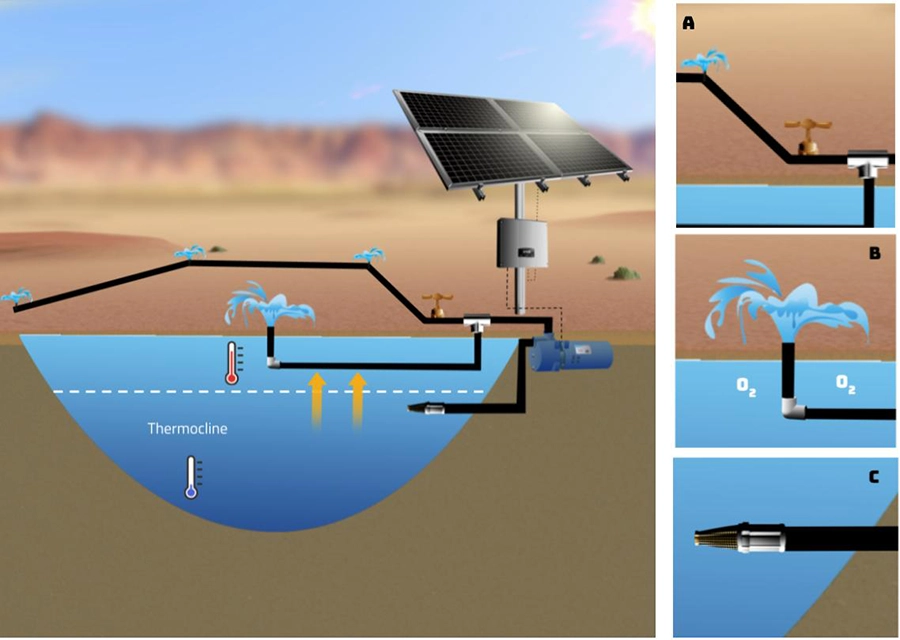
A stock image related to solar pond irrigation pump.
In-depth Look: Manufacturing Processes and Quality Assurance for solar pond irrigation pump
What Are the Main Stages of Manufacturing Solar Pond Irrigation Pumps?
The manufacturing process for solar pond irrigation pumps involves several critical stages, ensuring that each unit meets the high standards expected by international B2B buyers. The primary stages include material preparation, forming, assembly, and finishing.
How is Material Prepared for Solar Pond Irrigation Pumps?
Material preparation begins with the selection of high-quality components, such as corrosion-resistant metals, durable plastics, and advanced electronic parts. Manufacturers often source materials that comply with international standards to ensure longevity and performance in various environmental conditions. Rigorous inspections of raw materials are conducted to eliminate subpar components before they enter the production line.
What Techniques Are Used in the Forming Stage?
The forming stage utilizes various manufacturing techniques to shape the materials into functional components. Common techniques include injection molding for plastic parts, machining for metal components, and die casting for complex shapes. Advanced technologies, such as CNC (Computer Numerical Control) machining, ensure precision and reduce material waste. Each component must adhere to strict dimensional tolerances to ensure proper fit and function during assembly.
How Are Solar Pond Irrigation Pumps Assembled?
During the assembly stage, skilled technicians or automated systems bring together the various components. This stage includes installing the pump motor, connecting solar panels, and assembling the casing. Manufacturers often implement lean manufacturing principles to streamline this process, reducing lead times while maintaining quality. Quality assurance checks are integrated throughout the assembly process, with each unit undergoing functional testing before moving to the next stage.
What Finishing Techniques Are Applied to Enhance Performance?
Finishing processes are crucial for enhancing the performance and aesthetics of solar pond irrigation pumps. Techniques such as powder coating, anodizing, and surface treatment protect components from environmental damage and improve their lifespan. Additionally, sealing and waterproofing measures are applied to ensure that the pumps can operate effectively in various climates, particularly in regions with high humidity or extreme temperatures.
What Quality Assurance Measures Are Essential for Solar Pond Irrigation Pumps?
Quality assurance (QA) is a critical aspect of the manufacturing process for solar pond irrigation pumps. It involves adhering to both international standards and industry-specific certifications to ensure product reliability and safety.
Which International Standards Should B2B Buyers Consider?
B2B buyers should look for manufacturers that comply with ISO 9001, the international standard for quality management systems. This certification indicates that the manufacturer has established a systematic approach to managing quality, ensuring consistent product performance. Other relevant certifications may include CE marking for European markets, API (American Petroleum Institute) standards for pump performance, and local regulatory compliance based on the buyer’s region.
What Are the Key Quality Control Checkpoints in Manufacturing?
Quality control (QC) in the manufacturing of solar pond irrigation pumps is typically divided into several checkpoints:
Incoming Quality Control (IQC): This initial stage involves inspecting raw materials and components as they arrive at the manufacturing facility. Only materials that meet quality standards are accepted.
In-Process Quality Control (IPQC): During assembly, various QC measures are taken to monitor the production process. This may include real-time inspections and tests to identify defects early in the manufacturing cycle.
Final Quality Control (FQC): Once the pumps are assembled, they undergo rigorous testing to ensure they meet performance specifications. This may involve pressure testing, flow rate measurements, and functional assessments under simulated operating conditions.
How Can B2B Buyers Verify Supplier Quality Assurance?
For B2B buyers, verifying a supplier’s quality assurance processes is vital to ensure the reliability of their products. Here are some actionable steps:
What Audits and Reports Should Buyers Request?
Buyers should request documentation related to the manufacturer’s quality management system, including audit reports from third-party organizations. These documents can provide insights into the manufacturer’s compliance with international standards and their overall commitment to quality. Regular audits, both internal and external, should be documented to demonstrate ongoing adherence to quality practices.
How Can Third-Party Inspections Enhance Quality Assurance?
Engaging third-party inspection services can provide an additional layer of assurance. Independent inspectors can evaluate the manufacturing process, conduct product testing, and verify compliance with relevant standards. This is particularly important for international buyers who may face challenges verifying the quality of products sourced from abroad.
What Are the Specific Quality Control and Certification Nuances for International Buyers?
International buyers, particularly from regions like Africa, South America, the Middle East, and Europe, should be aware of certain nuances in quality control and certification. For instance, local regulations may impose additional requirements that manufacturers must meet. Buyers should familiarize themselves with these regulations to ensure compliance and avoid potential issues upon import.
How Do Different Markets Affect Quality Standards?
In markets like Brazil and Vietnam, local certifications may be required in addition to international standards. Understanding these regional variations can help buyers make informed decisions when selecting suppliers. It is advisable to consult with local industry experts or regulatory bodies to ensure full compliance with all applicable standards.
结论
A thorough understanding of the manufacturing processes and quality assurance measures for solar pond irrigation pumps is essential for B2B buyers. By focusing on material preparation, forming, assembly, and finishing, alongside robust quality control systems and international compliance, buyers can make informed decisions that ensure the reliability and performance of their solar irrigation solutions.
Practical Sourcing Guide: A Step-by-Step Checklist for ‘solar pond irrigation pump’
Introduction
This practical sourcing guide provides a step-by-step checklist for B2B buyers looking to procure solar pond irrigation pumps. As the demand for sustainable and efficient irrigation solutions grows, selecting the right pump can significantly impact your operational efficiency and cost-effectiveness. This guide will help you navigate the critical steps to ensure a successful procurement process.
Step 1: Define Your Technical Specifications
Before starting your search, clearly outline the technical requirements for your solar pond irrigation pump. Consider factors such as the size of the pond, desired flow rate, depth of water, and specific irrigation needs. Knowing these specifications will help you narrow down your options and ensure that the selected pump meets your operational requirements.
Step 2: Research Market Trends and Innovations
Stay updated with the latest trends in solar pond irrigation technology. Innovations such as energy-efficient brushless motors, improved aeration systems, and user-friendly installation kits can significantly enhance performance. Understanding current market offerings will allow you to identify products that provide the best value and efficiency for your needs.
Step 3: Evaluate Potential Suppliers
Thoroughly vet potential suppliers to ensure they meet your quality and service expectations. Request detailed company profiles, product catalogs, and case studies to assess their experience and credibility. It’s also beneficial to seek references from buyers in similar industries or regions to gauge customer satisfaction and support levels.
Step 4: Assess Warranty and Support Options
A robust warranty and reliable customer support are crucial when investing in solar pond irrigation pumps. Look for suppliers that offer comprehensive warranties, ideally covering at least two years, and understand what is included. Additionally, ensure that the supplier provides dedicated engineering support to assist with installation and troubleshooting, enhancing your overall experience.
Step 5: Verify Compliance with Local Regulations
Ensure that the solar pond irrigation pump complies with local regulations and standards. Different regions may have specific requirements regarding environmental impact, energy efficiency, and product safety. Engaging with suppliers who are familiar with these regulations can help you avoid potential legal issues and ensure a smooth procurement process.
Step 6: Request Quotes and Compare Pricing
Once you have a shortlist of suppliers, request quotes for the pumps that meet your specifications. Compare pricing not only based on the initial cost but also consider the total cost of ownership, including installation, maintenance, and operational costs. This comprehensive evaluation will help you make an informed decision that aligns with your budget and financial goals.
Step 7: Finalize the Purchase Agreement
Before finalizing the purchase, review the terms and conditions of the agreement thoroughly. Pay attention to delivery timelines, payment terms, and any potential penalties for delays. A clear and detailed agreement will protect your interests and ensure that both parties are aligned on expectations.
By following these steps, B2B buyers can effectively navigate the procurement process for solar pond irrigation pumps, ensuring a successful investment that meets their sustainability and operational goals.
Comprehensive Cost and Pricing Analysis for solar pond irrigation pump Sourcing
What Are the Key Cost Components for Solar Pond Irrigation Pumps?
When sourcing solar pond irrigation pumps, understanding the cost structure is crucial for making informed purchasing decisions. The primary cost components include materials, labor, manufacturing overhead, tooling, quality control (QC), logistics, and supplier margin.
Materials: The choice of materials significantly impacts the cost. High-quality components, such as corrosion-resistant metals and durable plastics, will increase the initial expense but can offer long-term savings through reduced maintenance and replacement needs.
Labor: Labor costs vary by region. In areas with higher labor costs, such as Europe, the manufacturing expenses may be elevated compared to regions like Africa or South America, where labor can be more cost-effective.
Manufacturing Overhead: This includes utilities, facility costs, and indirect labor. Efficient production processes can mitigate overhead costs, making it essential to evaluate the manufacturer’s operational efficiency.
Tooling: The initial investment in molds and tools for production can be substantial. Custom designs or specialized pumps may require higher tooling costs, which can affect the overall pricing.
Quality Control (QC): Implementing rigorous QC processes ensures product reliability and safety, which is particularly important for international buyers who require compliance with various certifications.
Logistics: Transportation costs can vary significantly based on the destination. Factors such as shipping methods, customs duties, and local taxes will influence the total cost of ownership.
Margin: Supplier margins can fluctuate based on brand reputation, demand, and market competition. Established brands may command higher prices due to perceived value and reliability.
What Influences the Pricing of Solar Pond Irrigation Pumps?
Several factors can influence the pricing of solar pond irrigation pumps:
Volume/MOQ: Bulk purchasing often leads to discounts. Understanding the manufacturer’s minimum order quantities (MOQ) is essential for cost negotiations, especially for larger projects.
Specifications/Customization: Customized solutions or specific technical requirements can increase costs. Buyers should assess whether standard models meet their needs to avoid unnecessary expenses.
Materials and Quality Certifications: Products with higher quality materials or recognized certifications (like ISO or CE) tend to be more expensive but can justify the investment through enhanced performance and longevity.
Supplier Factors: The supplier’s reputation, experience, and location can affect pricing. Suppliers with proven track records may charge a premium for their products and services, but this can lead to greater reliability and support.
Incoterms: Understanding Incoterms (International Commercial Terms) is crucial for international buyers. The choice of terms can affect who bears the shipping costs and risks, impacting overall pricing.
What Are the Best Tips for Negotiating Prices on Solar Pond Irrigation Pumps?
To maximize cost-efficiency when sourcing solar pond irrigation pumps, consider the following tips:
Conduct Market Research: Understanding the price range of similar products can provide leverage during negotiations. Knowing competitor offerings can help in negotiating better terms.
Total Cost of Ownership (TCO): Evaluate the long-term savings associated with energy efficiency, maintenance, and durability. A higher upfront cost may be justified by lower operational costs over time.
Leverage Relationships: Building strong relationships with suppliers can lead to better pricing, favorable terms, and priority service. Regular communication can also facilitate negotiations for future orders.
Consider Regional Variations: Be aware of local market conditions in Africa, South America, the Middle East, and Europe. Prices may vary significantly based on regional supply chains and economic factors.
Be Open to Alternative Solutions: If a specific pump is out of budget, consider alternative specifications or models that still meet your operational requirements without compromising quality.
Conclusion: What Should Buyers Keep in Mind?
While the prices for solar pond irrigation pumps can vary widely, understanding the cost structure and pricing influencers can lead to better purchasing decisions. It’s essential for international B2B buyers to approach sourcing with a comprehensive strategy that considers both immediate costs and long-term value. Always consult multiple suppliers, analyze all cost components, and be prepared to negotiate to secure the best deal for your specific needs.
Disclaimer: Prices mentioned in this analysis are indicative and may vary based on market conditions, supplier factors, and specific project requirements.
Alternatives Analysis: Comparing solar pond irrigation pump With Other Solutions
Introduction: Understanding Alternative Solutions for Irrigation
As the demand for sustainable and efficient irrigation solutions grows, businesses must explore various technologies to optimize their water management strategies. While solar pond irrigation pumps provide an eco-friendly way to irrigate and aerate water bodies, it’s essential to evaluate alternative methods. This analysis will compare solar pond irrigation pumps with wind-powered pumps and traditional diesel pumps, offering insights into their respective advantages and limitations for international B2B buyers.
Comparison Table
| Comparison Aspect | Solar Pond Irrigation Pump | Wind-Powered Pump | Diesel Pump |
|---|---|---|---|
| Performance | Efficient in sunny regions; continuous operation possible | Effective in windy areas; variable output based on wind speed | High flow rates; reliable under various conditions |
| 费用 | Moderate initial investment; low operational costs | Moderate initial investment; low operational costs | High initial investment; high ongoing fuel costs |
| Ease of Implementation | Requires solar panel setup; simple installation | Requires wind turbine setup; can be complex | Requires fuel source; installation can be labor-intensive |
| 维护 | Low maintenance; occasional panel cleaning | Low maintenance; turbine checks needed | High maintenance; regular fueling and servicing required |
| Best Use Case | Ideal for remote areas with abundant sunlight | Best for regions with consistent wind patterns | Suitable for high-demand applications needing constant flow |
Detailed Breakdown of Alternatives
Wind-Powered Pumps
Wind-powered pumps harness wind energy to move water, making them a sustainable alternative for irrigation. These systems are particularly effective in areas with consistent wind patterns, such as coastal or elevated regions. The primary advantage of wind pumps is their low operational costs since they do not require fuel. However, their performance can be variable, depending on wind conditions, which may limit their effectiveness in areas with low or inconsistent wind. Additionally, installation can be more complex due to the need for wind turbines, which may deter some buyers.
Diesel Pumps
Diesel pumps are a traditional solution that provides high flow rates and reliable operation under various conditions. These pumps are particularly effective for large-scale irrigation projects where consistent water flow is crucial. However, the high initial investment and ongoing fuel costs can make them less appealing, particularly for businesses focused on sustainability. Furthermore, diesel pumps require regular maintenance and servicing, increasing operational complexity. In regions where fuel supply is inconsistent or costly, diesel pumps may not be the most viable long-term solution.
Conclusion: Selecting the Right Irrigation Solution for Your Business
Choosing the appropriate irrigation solution requires a careful assessment of specific needs, including environmental conditions, budget constraints, and operational requirements. Solar pond irrigation pumps stand out for their sustainability and low ongoing costs, making them ideal for sunny regions and remote applications. Wind-powered pumps offer a renewable alternative, but their effectiveness is contingent on local wind patterns. Diesel pumps, while reliable, come with higher costs and maintenance needs. By evaluating these factors, B2B buyers can make informed decisions that align with their operational goals and sustainability objectives.
Essential Technical Properties and Trade Terminology for solar pond irrigation pump
What Are the Key Technical Properties of a Solar Pond Irrigation Pump?
When selecting a solar pond irrigation pump, understanding its technical properties is crucial for ensuring optimal performance and longevity. Here are some essential specifications that B2B buyers should consider:
Material Grade
The material composition of the pump influences its durability and resistance to environmental factors. Common materials include stainless steel for corrosion resistance and high-density polyethylene (HDPE) for lightweight and flexibility. For B2B buyers, selecting pumps with high-grade materials ensures longevity, reducing maintenance costs and downtime.Flow Rate
Measured in gallons per minute (GPM) or liters per second (L/s), flow rate indicates how much water the pump can move within a given time frame. A higher flow rate is essential for larger ponds or agricultural applications where significant water movement is required. Understanding the flow rate helps buyers match the pump’s capacity with their irrigation needs, optimizing water usage and efficiency.Head Height
This specification refers to the maximum height the pump can lift water, usually measured in feet or meters. The head height is vital for determining whether the pump can deliver water to the required elevation in a pond or irrigation system. Buyers should assess the vertical distance between the water source and the irrigation area to ensure the pump meets their requirements.Solar Panel Compatibility
The pump’s compatibility with solar panels is a key consideration, as it affects the overall efficiency of the system. Buyers should check the wattage requirements and ensure that the solar panel system can adequately power the pump throughout its operation. Proper compatibility ensures consistent performance and cost savings on energy.Warranty and Support
A robust warranty (often 2 years or more) and strong engineering support signify the manufacturer’s confidence in their product. This is particularly important for B2B buyers, as it can prevent unexpected costs associated with repairs and replacements. A good warranty and responsive customer support can significantly enhance the buyer’s peace of mind.
What Common Trade Terminology Should B2B Buyers Understand?
Navigating the procurement of solar pond irrigation pumps involves understanding industry-specific terminology. Here are some critical terms to be familiar with:
OEM (Original Equipment Manufacturer)
This term refers to companies that produce parts and equipment that may be marketed by another manufacturer. For buyers, partnering with OEMs ensures access to high-quality components that meet industry standards, enhancing the reliability of their irrigation systems.MOQ (Minimum Order Quantity)
MOQ indicates the smallest quantity of a product that a supplier is willing to sell. Understanding MOQ is essential for B2B buyers to gauge whether they can meet the supplier’s requirements without overcommitting to inventory that may not be needed.RFQ (Request for Quotation)
An RFQ is a formal document sent to suppliers requesting pricing and other details for specific products. It helps buyers compare offers and make informed purchasing decisions. A well-crafted RFQ can lead to more favorable terms and pricing.Incoterms (International Commercial Terms)
These are standardized trade terms that define the responsibilities of buyers and sellers in international transactions. Familiarity with Incoterms helps B2B buyers understand shipping costs, risk management, and delivery responsibilities, which are crucial for successful international procurement.Sustainability Certifications
Certifications like ISO 14001 or Energy Star indicate that the product meets specific environmental standards. Buyers focused on sustainability can use these certifications to align their procurement strategies with eco-friendly practices, enhancing their brand image and compliance with regulations.Lead Time
This refers to the time taken from placing an order to the delivery of the product. Understanding lead times is essential for buyers to plan their projects effectively, ensuring that they have the necessary equipment when needed without delays.
By familiarizing themselves with these technical properties and trade terms, B2B buyers can make informed decisions that align with their operational needs and financial objectives.
Navigating Market Dynamics and Sourcing Trends in the solar pond irrigation pump Sector
What Are the Current Market Dynamics and Key Trends in the Solar Pond Irrigation Pump Sector?
The solar pond irrigation pump sector is experiencing robust growth, driven by global shifts toward renewable energy and sustainable agricultural practices. Increasing energy costs, particularly in regions like Africa and South America, are pushing farmers and businesses to seek off-grid solutions. The rise of solar-powered pumps offers a cost-effective alternative to traditional energy sources, aligning with the needs of international B2B buyers who prioritize efficiency and reduced operational costs.
Emerging technologies in this sector include advanced solar panel efficiency and battery storage innovations, enhancing the reliability and performance of solar pumps. Additionally, integration with IoT devices allows for real-time monitoring and management of water resources, appealing to tech-savvy buyers looking for smart solutions. The trend towards modular and scalable systems caters to diverse market needs, from small-scale agriculture in Brazil to larger irrigation projects in Vietnam.
Furthermore, international buyers are increasingly focused on sourcing from suppliers who demonstrate transparency and reliability in their operations. This shift is particularly evident in the Middle East, where demand for solar solutions is growing amidst harsh climatic conditions. As regulatory frameworks globally begin to favor renewable solutions, the solar pond irrigation pump market is poised for significant expansion.
How Does Sustainability Impact Sourcing Trends for Solar Pond Irrigation Pumps?
Sustainability is a critical consideration for B2B buyers in the solar pond irrigation pump market. The environmental impact of traditional energy sources has led to an increased emphasis on eco-friendly solutions. Solar pumps not only reduce carbon footprints but also promote responsible water management practices, which is essential in water-scarce regions like Africa and the Middle East.
Ethical sourcing is becoming a key factor in purchasing decisions. Buyers are looking for suppliers who adhere to sustainable practices, such as utilizing recyclable materials and minimizing waste in production processes. Certifications like ISO 14001 and Energy Star signify a commitment to environmental stewardship, making them attractive to B2B buyers focused on sustainability.
Moreover, the demand for ‘green’ certifications is rising among consumers, pushing manufacturers to adopt environmentally friendly materials and practices. This trend is particularly significant in Europe, where regulatory pressures and consumer awareness drive the need for sustainable products. By prioritizing ethical sourcing and sustainability, international buyers can enhance their brand reputation and meet the expectations of environmentally conscious stakeholders.
What Is the Brief Evolution of Solar Pond Irrigation Pumps in the B2B Context?
The evolution of solar pond irrigation pumps can be traced back to the growing need for sustainable agricultural practices and off-grid energy solutions. Initially, solar pumps were primarily used for small-scale applications, but advancements in technology have expanded their capabilities and efficiency, allowing for larger-scale irrigation projects.
In the early 2000s, the introduction of more efficient photovoltaic cells and improved pump designs led to a surge in popularity among farmers seeking cost-effective irrigation methods. As awareness of climate change and water scarcity increased, the adoption of solar pumps became a strategic move for agricultural businesses looking to enhance productivity while reducing their environmental impact.
Today, solar pond irrigation pumps are integral to modern agricultural practices across various regions, including Africa, South America, and Europe. The focus has shifted toward integrating smart technology, such as IoT and data analytics, into solar pump systems, making them more adaptable and efficient. As the market continues to evolve, B2B buyers can expect further innovations that align with sustainability goals and operational efficiency.
Frequently Asked Questions (FAQs) for B2B Buyers of solar pond irrigation pump
How do I select the right solar pond irrigation pump for my needs?
Choosing the right solar pond irrigation pump involves assessing the specific requirements of your project. Consider factors such as the size of the pond, water depth, and the desired flow rate. Additionally, evaluate the pump’s energy efficiency, durability, and maintenance needs. Engaging with suppliers who provide sizing calculators or consultations can help ensure you select a pump that meets your operational demands while optimizing performance and cost-effectiveness.What is the best solar pond pump for large agricultural ponds?
For large agricultural ponds, high-capacity solar pumps designed for irrigation are ideal. Look for pumps that can handle significant flow rates and depths, such as those with robust brushless motor technology. Additionally, consider systems that offer scalability and modular options, allowing you to expand or adjust your setup as water requirements change. Always verify the pump’s specifications and seek recommendations from suppliers with experience in agricultural applications.What are the key benefits of using solar pond irrigation pumps?
Solar pond irrigation pumps offer numerous advantages, including reduced operational costs, sustainability, and independence from grid electricity. They are particularly beneficial in remote areas where traditional power sources are unreliable or unavailable. Moreover, these pumps contribute to environmental conservation by utilizing renewable energy, which can enhance your brand’s sustainability profile and appeal to environmentally conscious customers.What customization options are available for solar pond pumps?
Many manufacturers provide customization options to tailor solar pond pumps to specific operational needs. Customization may include modifications in pump size, flow rate, and solar panel configurations. Additionally, you can request integration with existing irrigation systems or specific features like remote monitoring capabilities. It is crucial to discuss these options with your supplier to ensure the pump aligns with your unique project requirements.What are the minimum order quantities (MOQ) for solar pond irrigation pumps?
Minimum order quantities for solar pond irrigation pumps can vary significantly by supplier and region. Some manufacturers may offer flexible MOQs, especially for first-time buyers, while others may require larger orders to justify production costs. It’s advisable to communicate directly with suppliers to negotiate terms that suit your purchasing capacity and project timelines, particularly if you are sourcing for multiple locations.What payment terms should I expect when purchasing solar pond pumps?
Payment terms for solar pond pumps typically depend on the supplier’s policies and the scale of the order. Common options include upfront payment, partial deposits, or payment upon delivery. For international transactions, consider payment methods that provide security, such as letters of credit or escrow services. Always clarify payment terms and any associated fees beforehand to avoid misunderstandings during the procurement process.How can I ensure quality assurance for solar pond irrigation pumps?
To ensure quality assurance, work with reputable suppliers who adhere to international manufacturing standards and certifications. Request documentation regarding quality control processes, including testing protocols and warranties. It’s also beneficial to seek references or reviews from other customers in your region to gauge product reliability. Establishing a clear communication channel with the supplier can facilitate ongoing support and address any quality concerns that may arise.What logistics considerations should I keep in mind when importing solar pond pumps?
When importing solar pond pumps, several logistics factors should be considered, including shipping methods, import duties, and delivery timelines. Assess the supplier’s capabilities in handling international shipments and their familiarity with customs regulations in your country. Additionally, ensure that the pumps are packaged adequately to prevent damage during transit. Collaborating with a logistics partner experienced in international trade can streamline the process and mitigate potential delays.
Important Disclaimer & Terms of Use
⚠️ Important Disclaimer
The information provided in this guide, including content regarding manufacturers, technical specifications, and market analysis, is for informational and educational purposes only. It does not constitute professional procurement advice, financial advice, or legal advice.
While we have made every effort to ensure the accuracy and timeliness of the information, we are not responsible for any errors, omissions, or outdated information. Market conditions, company details, and technical standards are subject to change.
B2B buyers must conduct their own independent and thorough due diligence before making any purchasing decisions. This includes contacting suppliers directly, verifying certifications, requesting samples, and seeking professional consultation. The risk of relying on any information in this guide is borne solely by the reader.
Top 9 Solar Pond Irrigation Pump Manufacturers & Suppliers List
1. RPS Solar Pumps – Solar Fountain Series
Domain: shop.rpssolarpumps.com
Registered: 2016 (9 years)
Introduction: This company, RPS Solar Pumps – Solar Fountain Series, is a notable entity in the market. For specific product details, it is recommended to visit their website directly.
2. Solariver™ – Solar Water Pump Kits
Domain: solariverusa.com
Registered: 2016 (9 years)
Introduction: This company, Solariver™ – Solar Water Pump Kits, is a notable entity in the market. For specific product details, it is recommended to visit their website directly.
3. RPS Solar Pumps – Solar Powered Well Pump Systems
Domain: rpssolarpumps.com
Registered: 2016 (9 years)
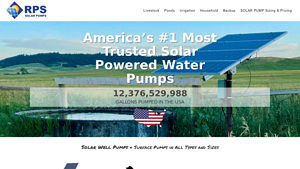
Introduction: RPS Solar Pumps offers solar powered well pump systems in various types and sizes, capable of pumping water up to 1000′ head. The pumps are suitable for livestock, irrigation, household backup, and off-grid living. RPS provides a 100% Water Assurance Guarantee, ensuring customers will have water after proper installation or their money back. The company has pumped over 12 billion gallons of water …
4. Silicon Solar – AquaJet Solar Fountain Kits
Domain: siliconsolar.com
Registered: 2000 (25 years)
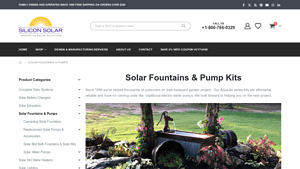
Introduction: Solar Fountains & Pump Kits by Silicon Solar
– Family owned and operated since 1999
– Free shipping on orders over $200
– Contact: +1-800-786-0329
– AquaJet series kits: affordable, reliable, no running costs
– Product categories:
– Cascading Solar Fountains (1 product)
– Replacement Solar Pumps & Accessories (29 products)
– Solar Bird Bath Fountains & Solar Kits (6 products)
– Solar Water…
5. PondH2O – Solar Pumps
Domain: pondh2o.com
Registered: 2007 (18 years)
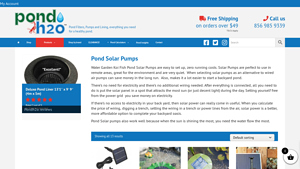
Introduction: Pond Solar Pumps are easy to set up, have zero running costs, and are perfect for remote areas. They are environmentally friendly and operate quietly. Solar pumps eliminate the need for electricity and additional wiring, making them a cost-effective solution for backyard ponds. They provide optimal water flow when sunlight is strongest. Key products include: 1. Pond H2o Solar Pond Pump, Panel & Fo…
6. Reddit – 2 HP Water Pump for Drip Irrigation
Domain: reddit.com
Registered: 2005 (20 years)
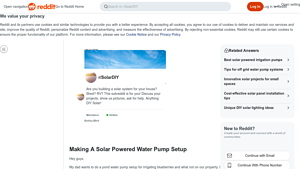
Introduction: 2 HP water pump, approximately 1500 watts, intended for drip irrigation of blueberries and Muscadines, requires operation for 1 hour on battery during non-sunny conditions.
7. Poposoap – Eco-Friendly Solar Water Features

Domain: poposoapsolar.com
Registered: 2022 (3 years)
Introduction: Poposoap offers a variety of eco-friendly water features including solar fountains, pond pumps, bird bath fountains, and filtration systems. Key products include: 1. Solar Water Pumps: Ranging from 6W to 75W with various GPH ratings (e.g., 80GPH, 280GPH, 660GPH). 2. Electric Water Pumps: Options include 12W to 80W pumps with GPH ratings up to 1200GPH. 3. Fountains: Floating solar water fountain pu…
8. The Solar Store – Solar-Powered Water Pumps
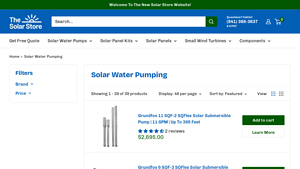
Domain: thesolarstore.com
Registered: 2004 (21 years)
Introduction: This company, The Solar Store – Solar-Powered Water Pumps, is a notable entity in the market. For specific product details, it is recommended to visit their website directly.
9. The Pond Outlet – Pond Pumps
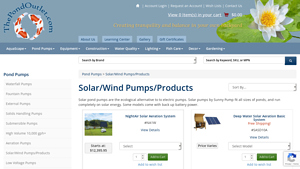
Domain: thepondoutlet.com
Registered: 2007 (18 years)
Introduction: Pond Pumps | Solar Pond Pumps | The Pond Outlet offers a variety of pond pumps including Waterfall Pumps, Fountain Pumps, External Pumps, Solids Handling Pumps, Submersible Pumps, High Volume Pumps (10,000 gph+), Aeration Pumps, Large Pond/Lake Aerators, Shallow Water Aerators, Air Diffusers, Aeration Pump Accessories, Aeration Cabinets, Solar/Wind Pumps/Products, Low Voltage Pumps, De-Watering/Cl…
Strategic Sourcing Conclusion and Outlook for solar pond irrigation pump
In the evolving landscape of agricultural practices, the strategic sourcing of solar pond irrigation pumps presents a compelling opportunity for international buyers. The rising costs of traditional energy sources and the growing need for sustainable water management solutions have positioned solar-powered pumps as not just a viable alternative, but a necessary investment for enhancing operational efficiency.
Key takeaways highlight the importance of selecting high-quality, reliable systems that offer longevity, ease of installation, and robust support. As buyers from regions such as Africa, South America, the Middle East, and Europe assess their options, they should prioritize suppliers that provide comprehensive warranties, transparent pricing, and dedicated engineering support. This not only ensures peace of mind but also fosters long-term partnerships that can enhance agricultural productivity.
Looking ahead, the demand for sustainable irrigation solutions is set to grow, driven by climate change and the urgent need for resource conservation. By investing in solar pond irrigation pumps now, buyers can position themselves at the forefront of this green revolution. Embrace the future of irrigation—explore your options today and make a strategic choice that benefits both your operations and the environment.
 Chinese (China)
  English (United States)
  Spanish (Spain)
  Portuguese (Portugal)
  French
  German
  Italian
  Arabic
  Dutch
Dutch  English (UK)
  Bulgarian
  Chinese (Hong Kong)
  Czech
Czech  Danish
  Greek
Greek  Finnish
  Spanish (Mexico)
  Estonian
  Hebrew
  Hungarian
  Indonesian
  Japanese
  Korean
  Latvian
  Lithuanian
  Norwegian
  Polish
  Portuguese (Brazil)
  Romanian
  Russian
  Slovenian
  Slovak
  Swedish
  Turkish
  Ukrainian
  Vietnamese